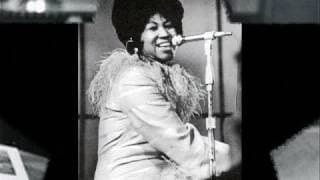
Respect
1967 · From I Never Loved a Man the Way I Loved You
Aretha takes Otis Redding's song away from him for good, spells out the demand, and never gives it back.
★ 9.9
 skopia
Aretha takes Otis Redding's song away from him for good, spells out the demand, and never gives it back.
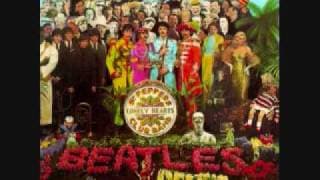
Two unfinished songs bolted together, an orchestra climbing to nothing, and the last piano chord in pop.

It took about seven hundred hours of studio time when their first album took one day, and no singles were released from it.

Seven generations of one family in Macondo, where insomnia comes as a plague and the rain lasts four years. García Márquez reports the impossible as plain fact.

Andy Warhol's only real production instruction was to leave the mistakes in. It sold badly enough that the band were dropped soon afterwards.

Hendrix cut it on four tracks in stolen studio hours between gigs, and nobody had heard a guitar do any of it before.
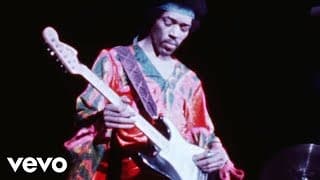
The intro is a tritone, medieval music's forbidden interval, and Roger Mayer's new Octavia pedal makes the solo scream.

The devil arrives in Stalin's Moscow with a retinue that includes an enormous talking cat, and the literary bureaucrats never recover. Threaded through it runs a stark short novel about Pontius Pilate.
I have also decided to stick with love...hate is too great a burden to bear.
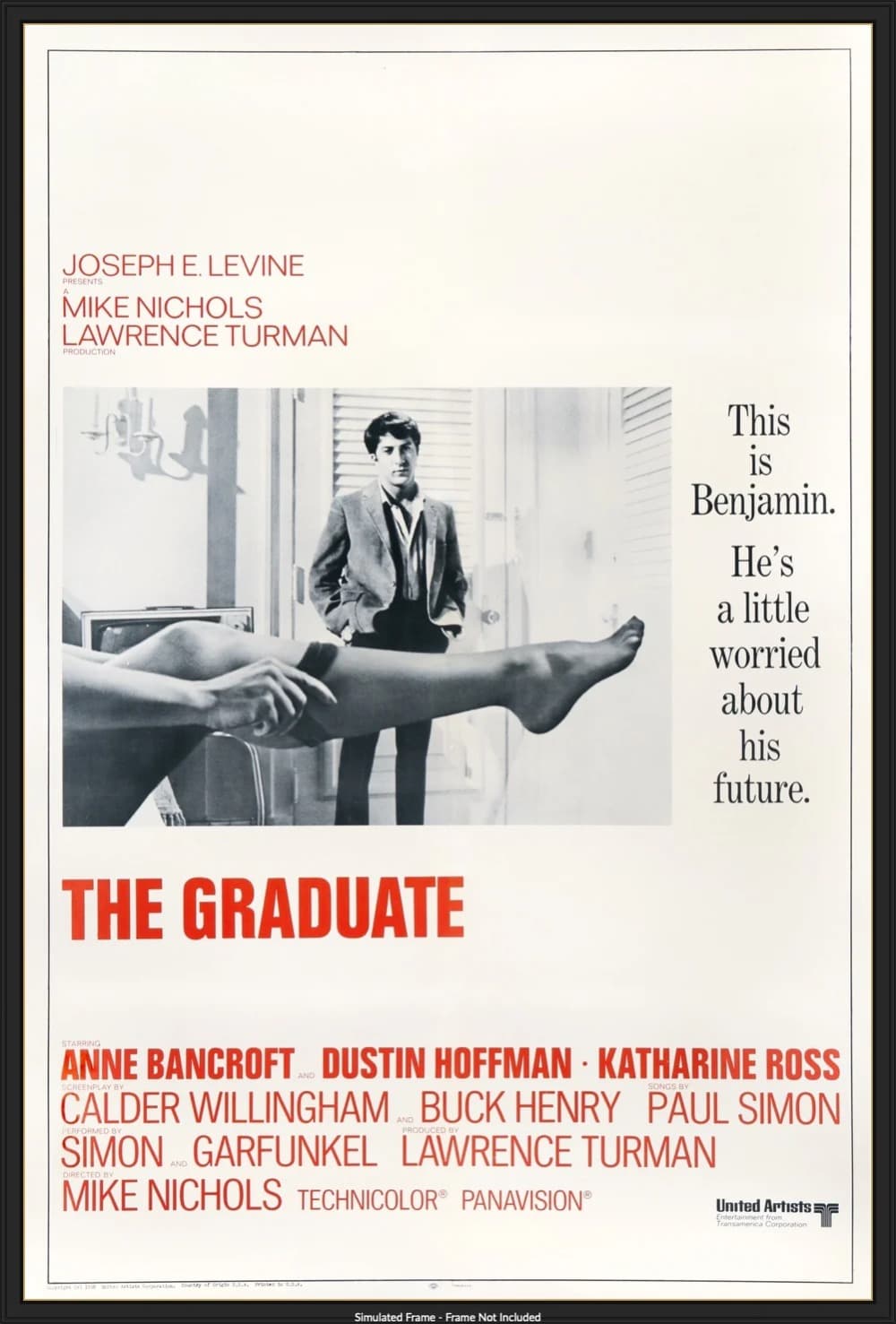
A generation was told their parents were wrong and believed it: Nichols made aimlessness look cinematic, and the soundtrack put Simon and Garfunkel into every house in America.
Davies started it as "Liverpool Sunset," moved it to the Thames, and Dave's tape-delay guitar did the rest.

The Muscle Shoals session collapsed in a fight after a day and a half, and the rest was finished in New York without the argument.
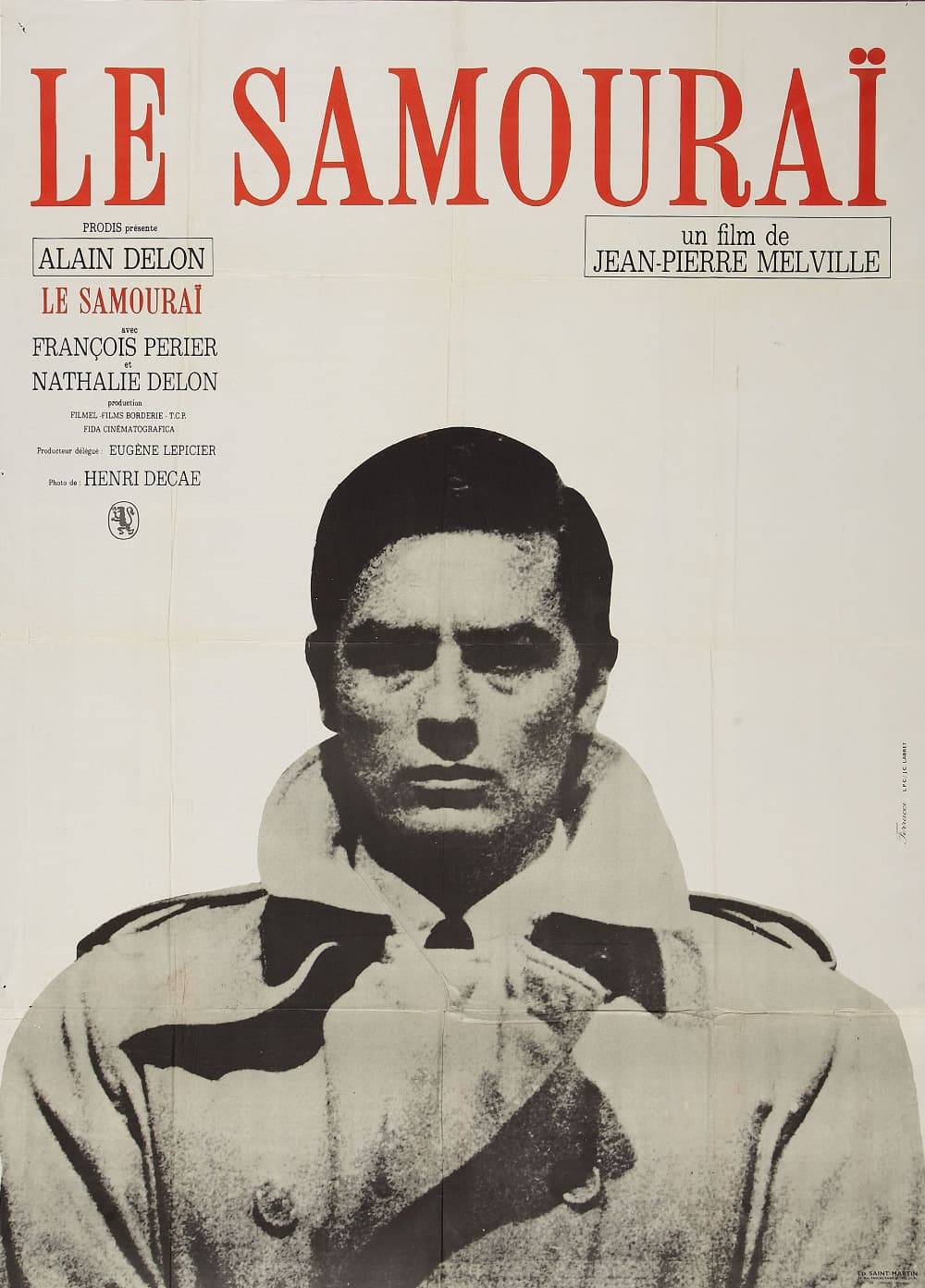
Every filmmaker who has ever shot a hitman putting on a hat is quoting this: Melville stripped the crime film down to ritual, silence and a trench coat.
Krieger wrote most of it, Manzarek built a Bach-shaped organ intro, and Morrison sang the banned lyric on Sullivan anyway.
McCartney heard a piccolo trumpet on a Bach broadcast, called David Mason in, and pop had never sounded brighter.
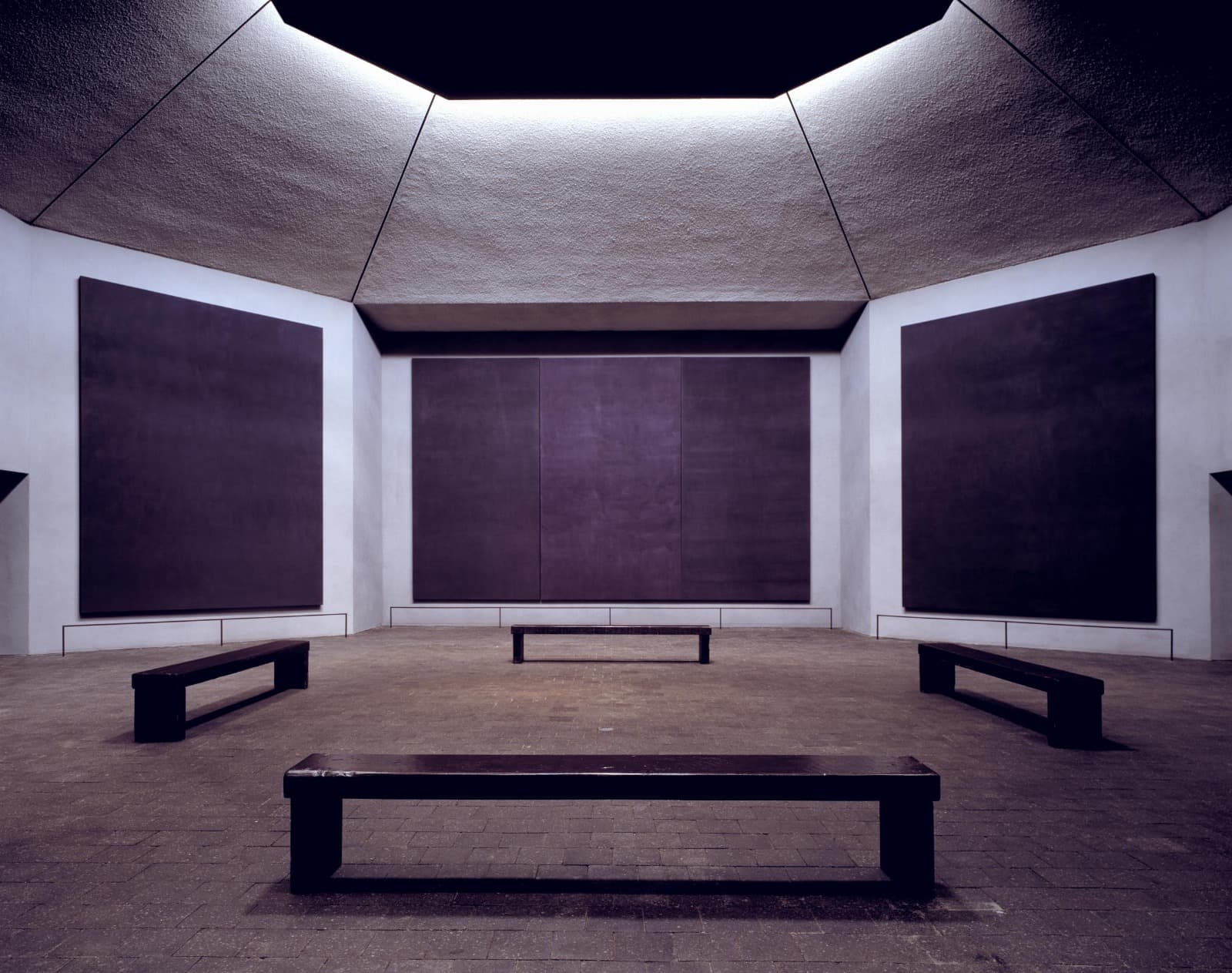
Fourteen near-black panels in an octagonal room, where your eyes adjusting to the dark is the point. Rothko died before it opened.
Stills wrote it about the Sunset Strip curfew riots, not Vietnam, and Young's harmonics ring like a warning bell.
Armstrong took union scale so the orchestra could collect overtime; ABC's president hated it and buried the record.
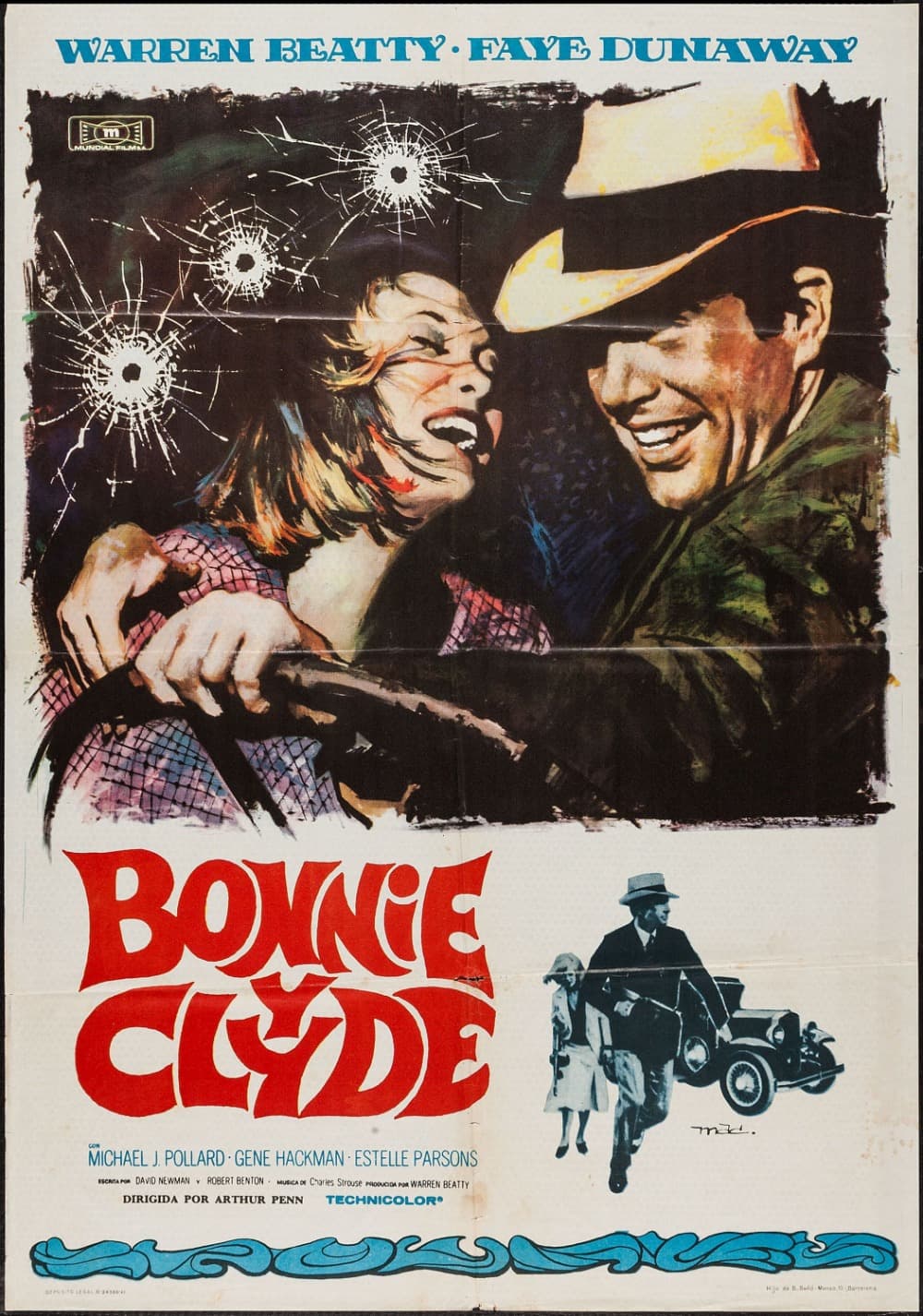
New Hollywood starts here: the violence was unlike anything American films had shown, the Newsweek critic who panned it printed a retraction a week later, and the studio system collapsed.