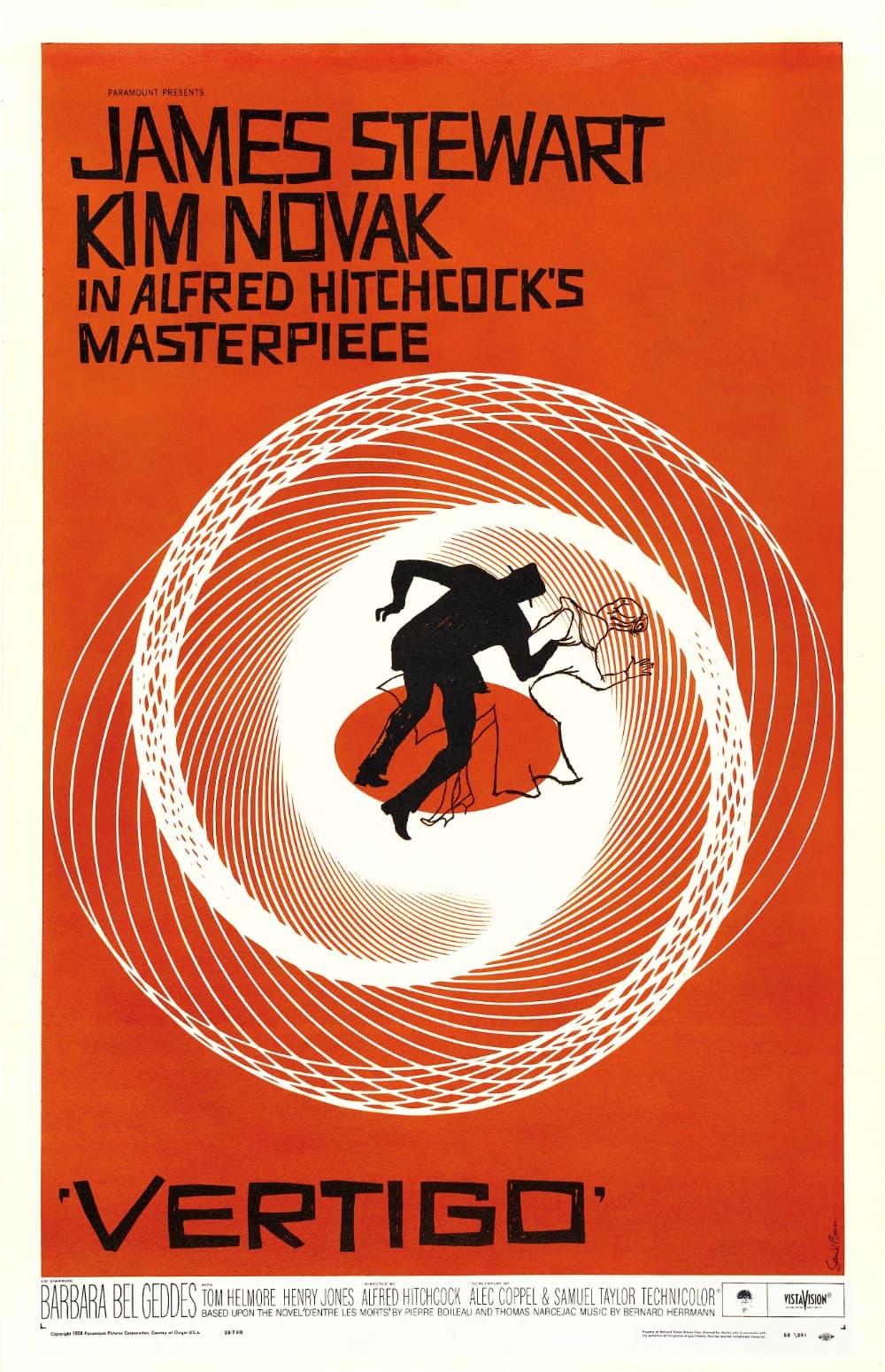
Vertigo
Directed by Alfred Hitchcock
1958
Nobody has ever made obsession look this beautiful or this sick: a man falls for an image instead of a person, and Hitchcock follows him past every point it should stop.
★ 9.9
 skopia
Nobody has ever made obsession look this beautiful or this sick: a man falls for an image instead of a person, and Hitchcock follows him past every point it should stop.
Chuck Berry's intro lick is rock's opening statement, a country boy's origin myth now drifting past the solar system.
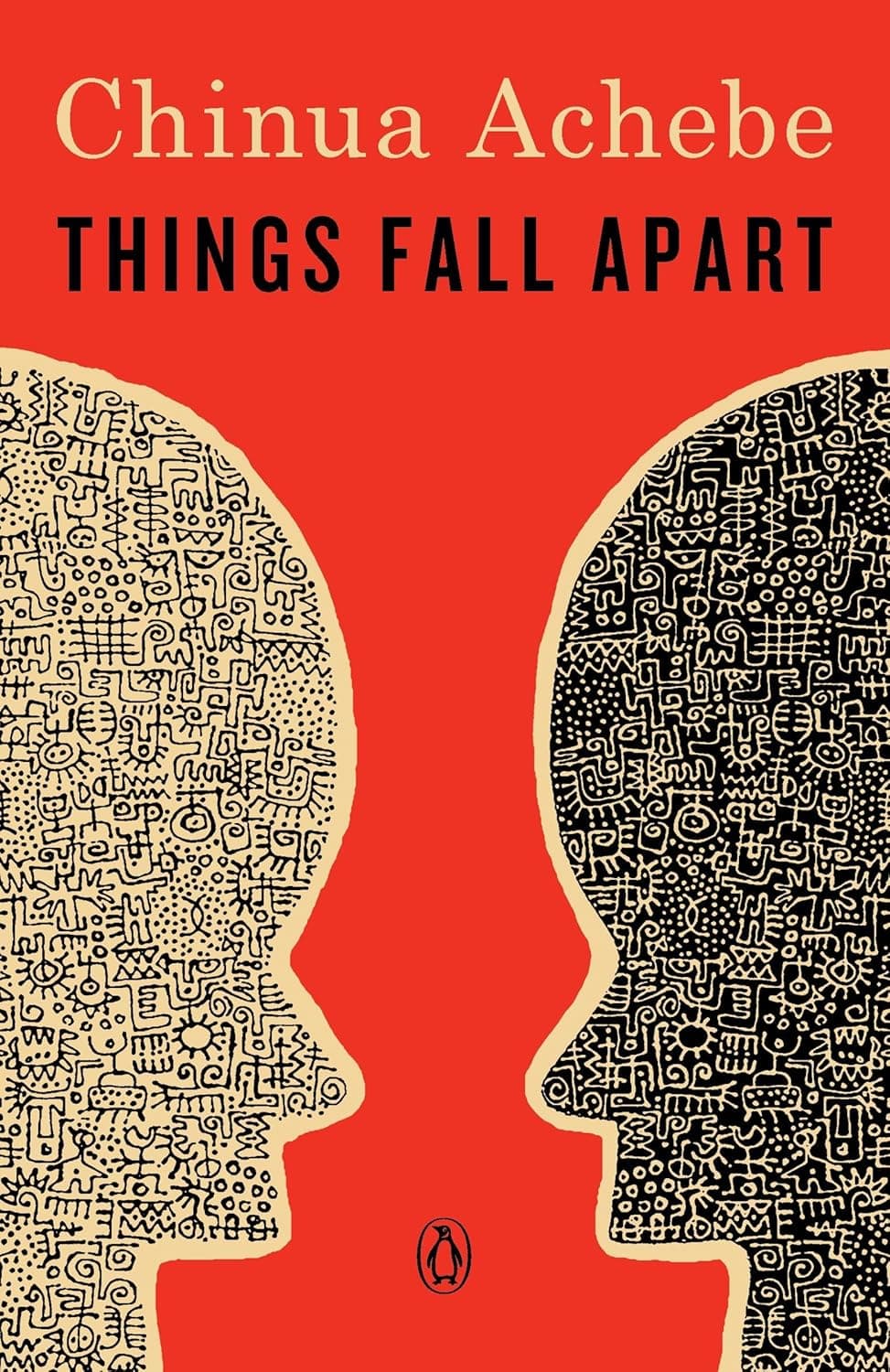
Okonkwo is a wrestler and a hard man in an Igbo village, terrified of resembling his gentle, indebted father, when the missionaries arrive. Achebe builds a whole world before letting it come apart.

Everything must change so that everything can stay the same, says the prince's nephew as Garibaldi's rebels land in Sicily. Lampedusa writes a class watching itself end with autumnal calm and beauty.
Two live takes in Nashville, Chet Atkins on guitar, and a harmony that topped three Billboard charts at once.
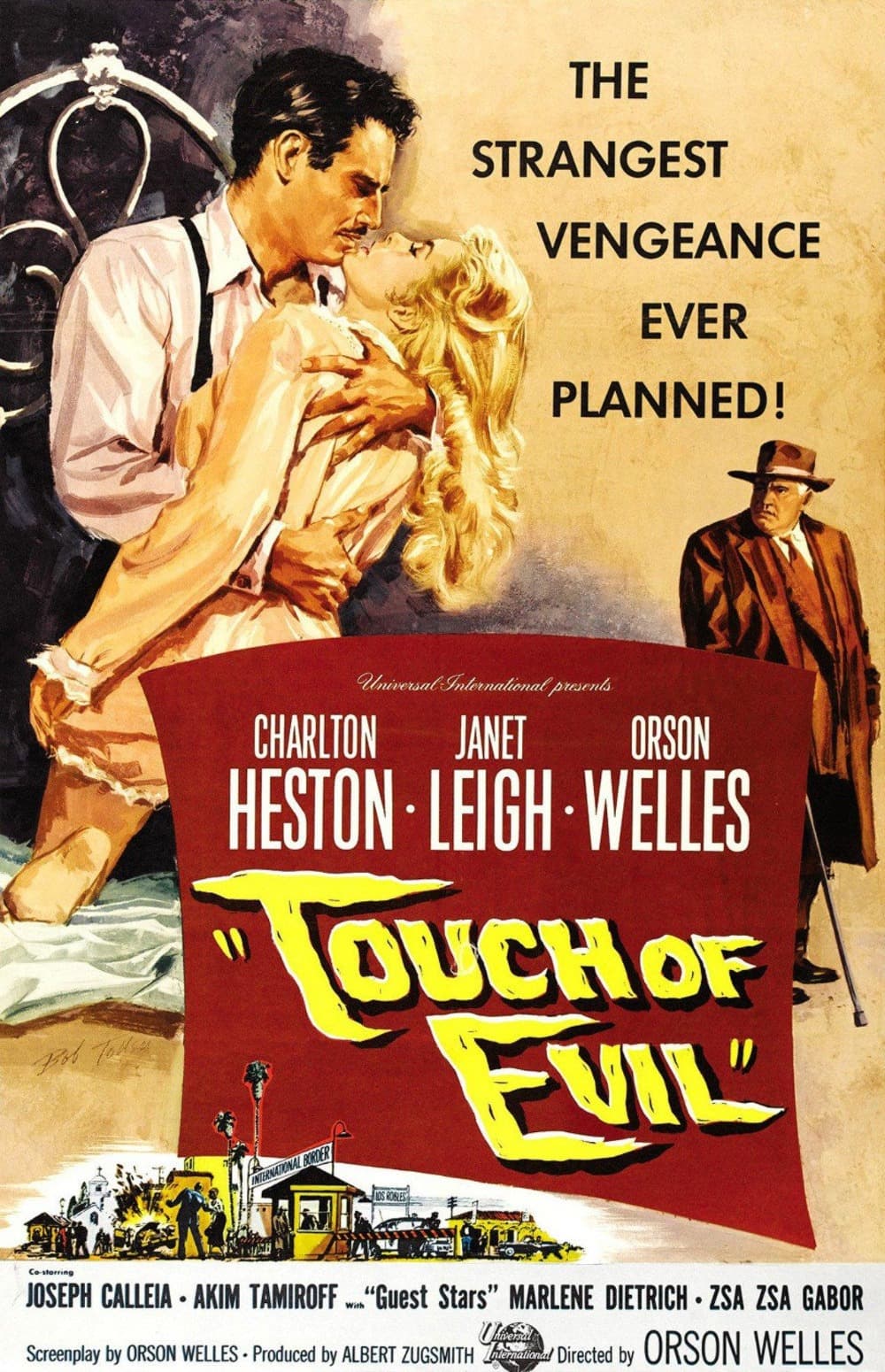
The opening crane shot is the most studied three minutes in film school: Welles was fired off his own picture, and the version we watch was restored from his memo.
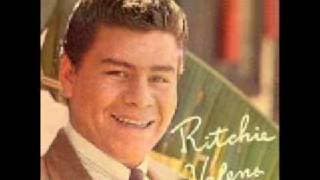
Cut as the B-side of Donna, a Veracruz son jarocho with Carol Kaye on rhythm and Earl Palmer driving.
Cochran overdubbed his own bass voice for the boss and the senator, Earl Palmer drumming behind the great teenage complaint.
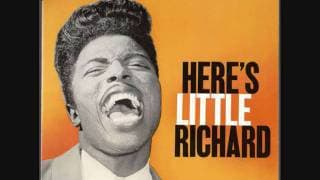
Little Richard lifted the piano intro straight off Rocket 88, and Earl Palmer's drums do the rest.
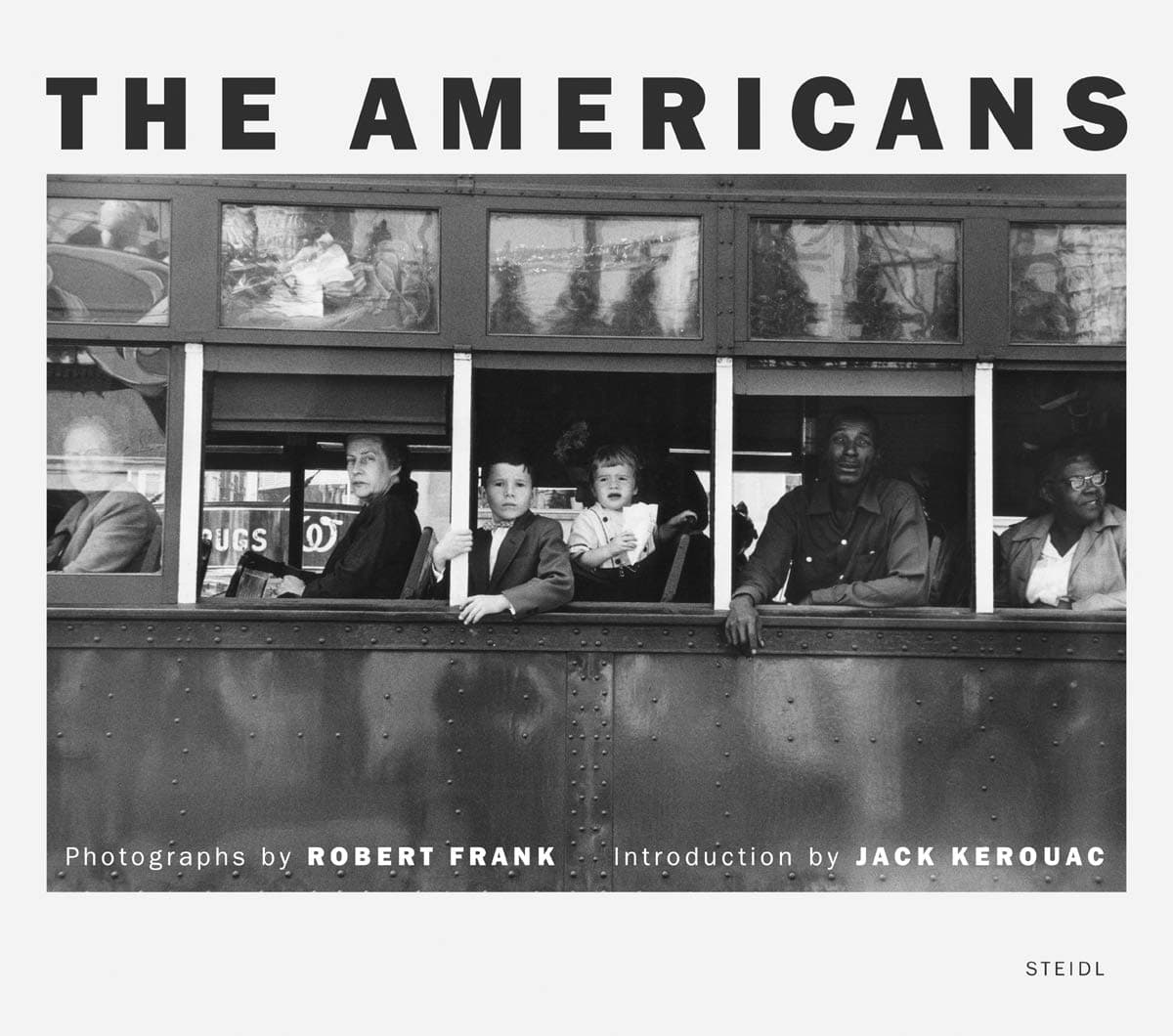
Frank drove ten thousand miles across America in 1955 and 1956, then cut the trip to eighty-three photographs of jukeboxes, funerals, and flags. American photography has not left their shadow since.
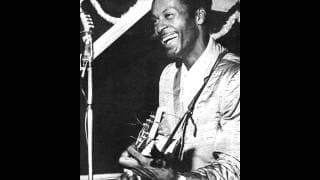
Lafayette Leake's piano, Willie Dixon's bass, and a melody Brian Wilson borrowed so closely he lost the copyright.
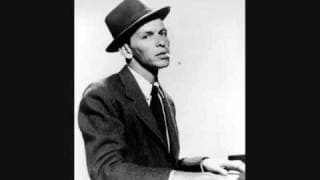
Cahn and Van Heusen wrote it to order, and Billy May's first Sinatra arrangement made travel sound like swagger.
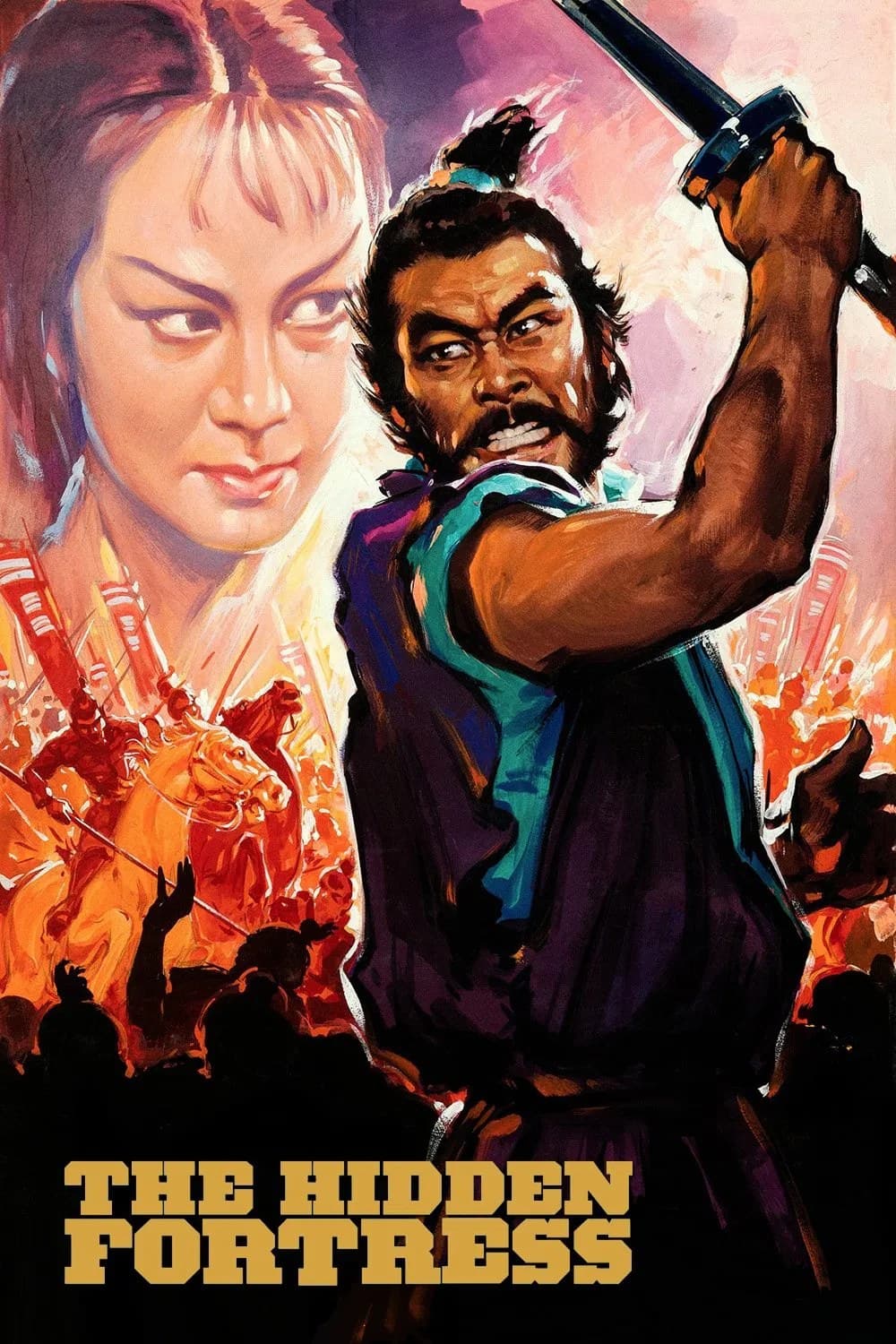
Lucas took the two bickering peasants and turned them into R2-D2 and C-3PO: Kurosawa's first widescreen film tells an escape story from the point of view of its most useless characters.

Beauvoir rebuilds the pious Paris girlhood she fought her way out of, and sets against her own escape the fate of Zaza, the friend whose family refused her the man she loved.

Holly Golightly, born Lulamae Barnes in rural Texas, charms money out of men in wartime New York and belongs to nobody. Norman Mailer said he would not have changed two words in it.
Berry Gordy wrote it before Motown existed, and arranger Dick Jacobs sped the ballad into Wilson's signature record.

Galbraith looked at postwar America and saw private opulence beside public squalor, with production manufacturing the wants it satisfies. Two generations of arguments over taxes and public spending have run in his channel.
Earl Palmer on drums, Guybo Smith on bass, a B-side flipped into a number six hit in Britain.
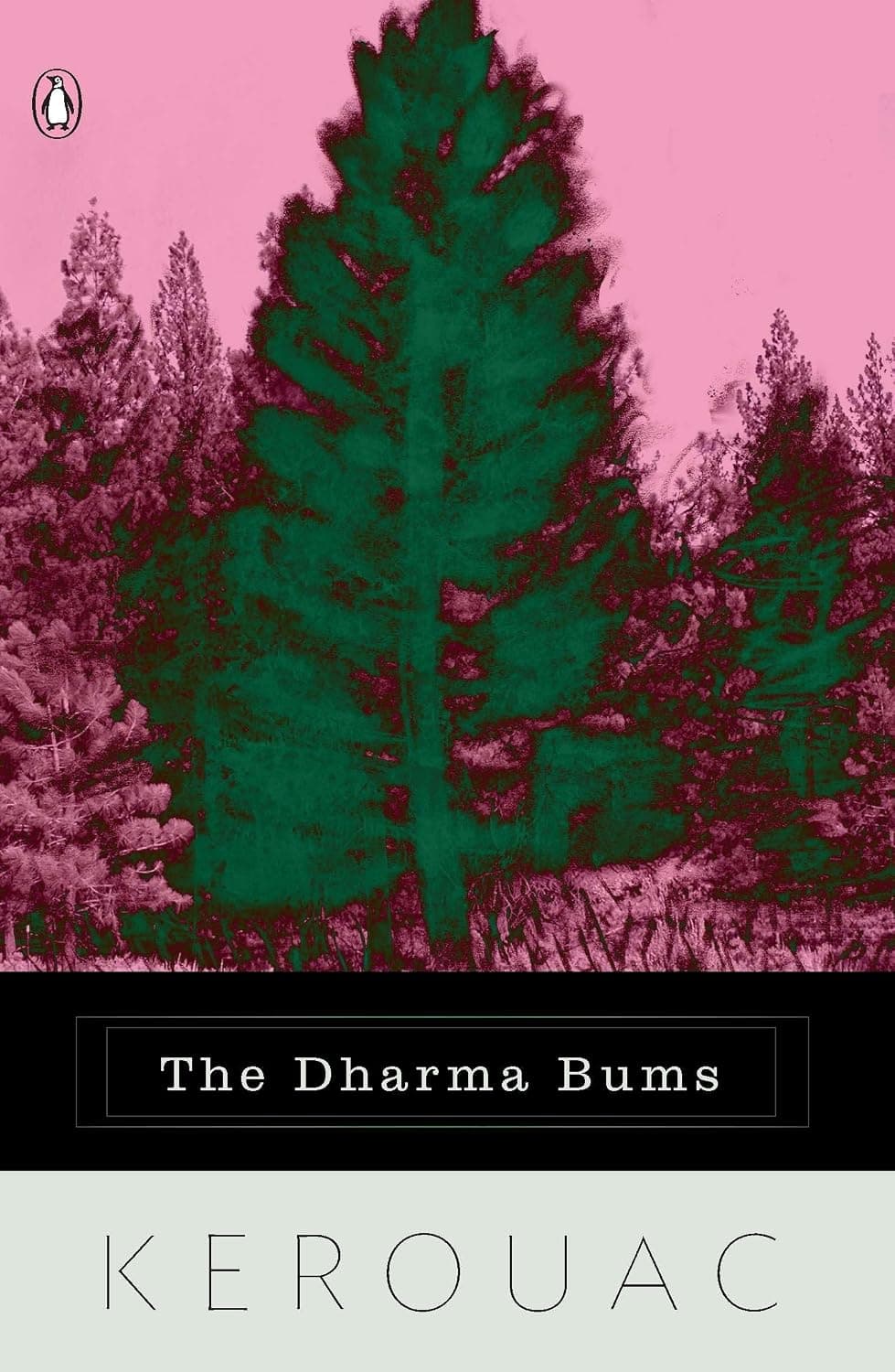
Ray Smith takes up Zen and mountaineering under Japhy Ryder, drawn from the poet Gary Snyder, who foresees a rucksack revolution. Young Americans read it and went to the mountains by the thousand.
Butler's baritone over a doo-wop crawl; the billing change to his name split the group and handed Mayfield the lead.
King Curtis honks the tenor break, later echoed in Yakety Sax, while Leiber and Stoller turn chores into comedy.

Miles Davis plays as a sideman here, on someone else's record, which he almost never did before or after.
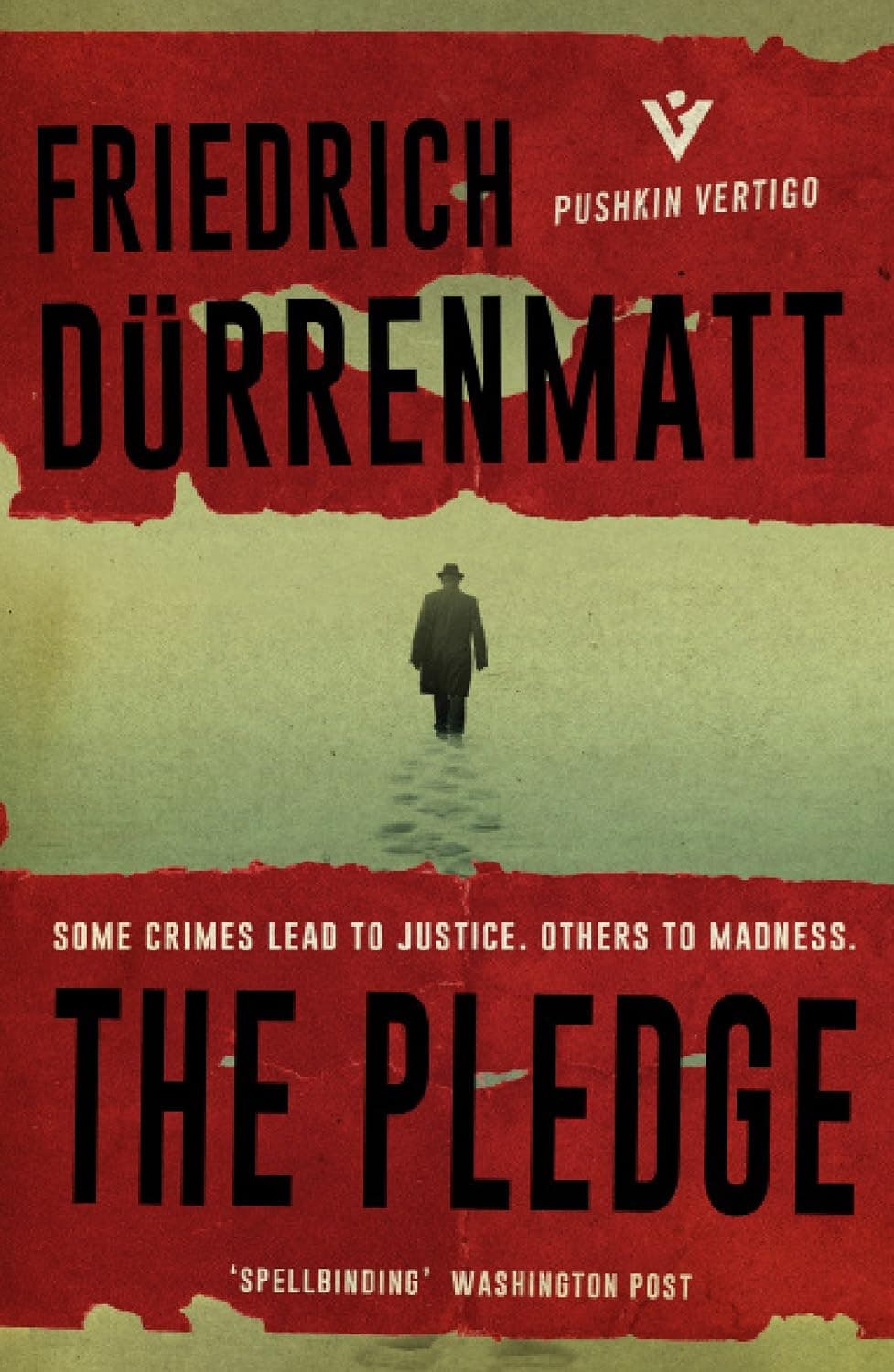
An inspector swears to a murdered girl's mother he will find her killer, then quits, buys a filling station, and waits with a child as bait. Durrenmatt wrote it against the detective genre.
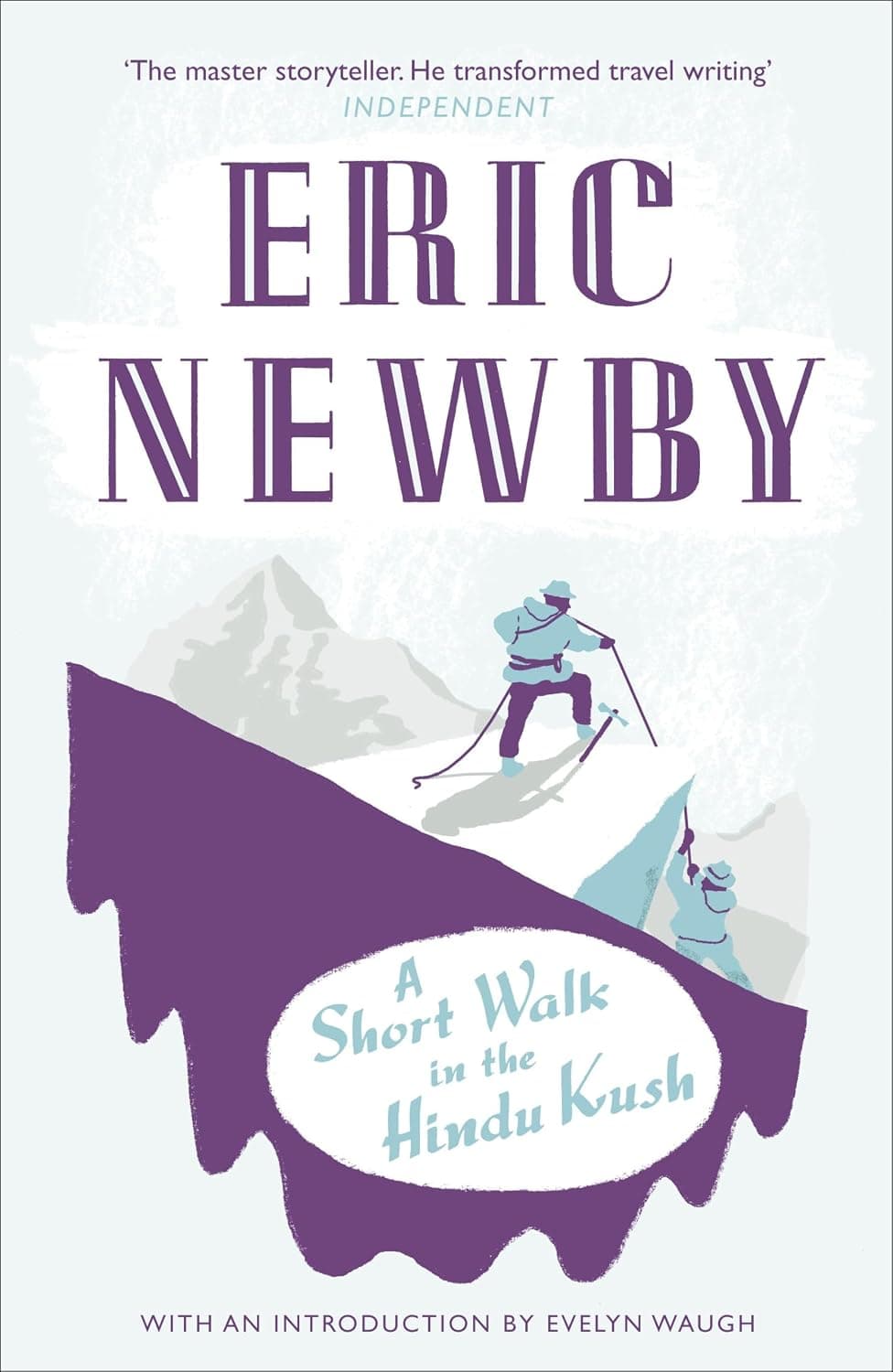
Quitting the London fashion trade with almost no climbing behind him, Newby set out for an unclimbed Afghan peak. The funniest travel book in English comes out of that mismatch.
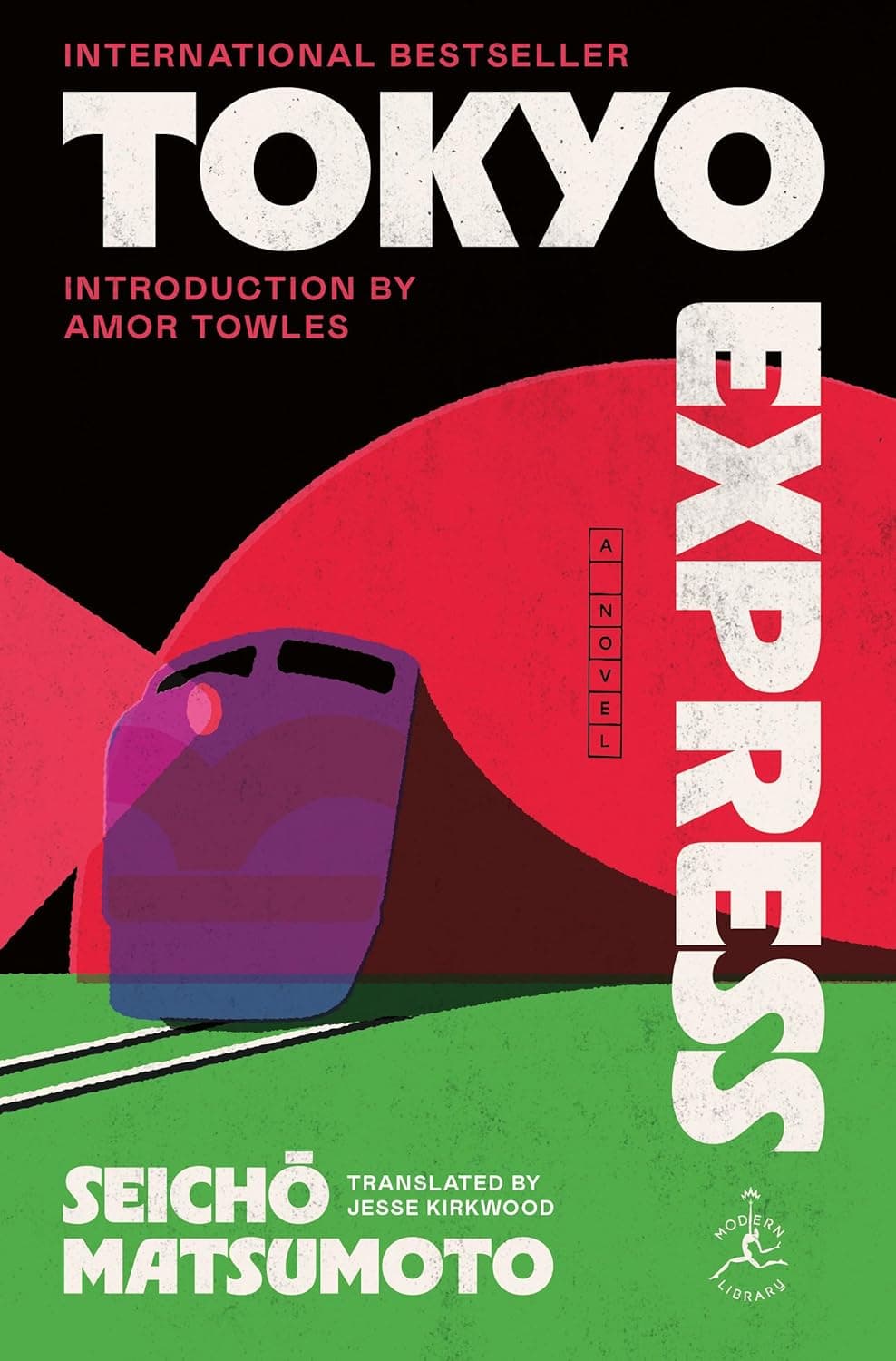
Two bodies lie on a Kyushu beach, arranged as lovers who died together, and the case turns on four minutes at Tokyo Station. Matsumoto pointed Japanese crime fiction straight at government corruption.
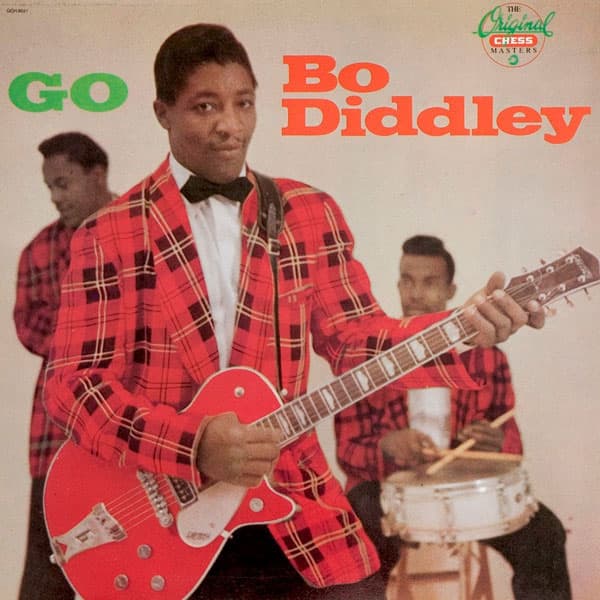
The beat he hammered out here has been borrowed ever since, by Buddy Holly, the Stones and everyone after. He built his own square guitars.
It is the final proof of God's omnipotence that he need not exist in order to save us.
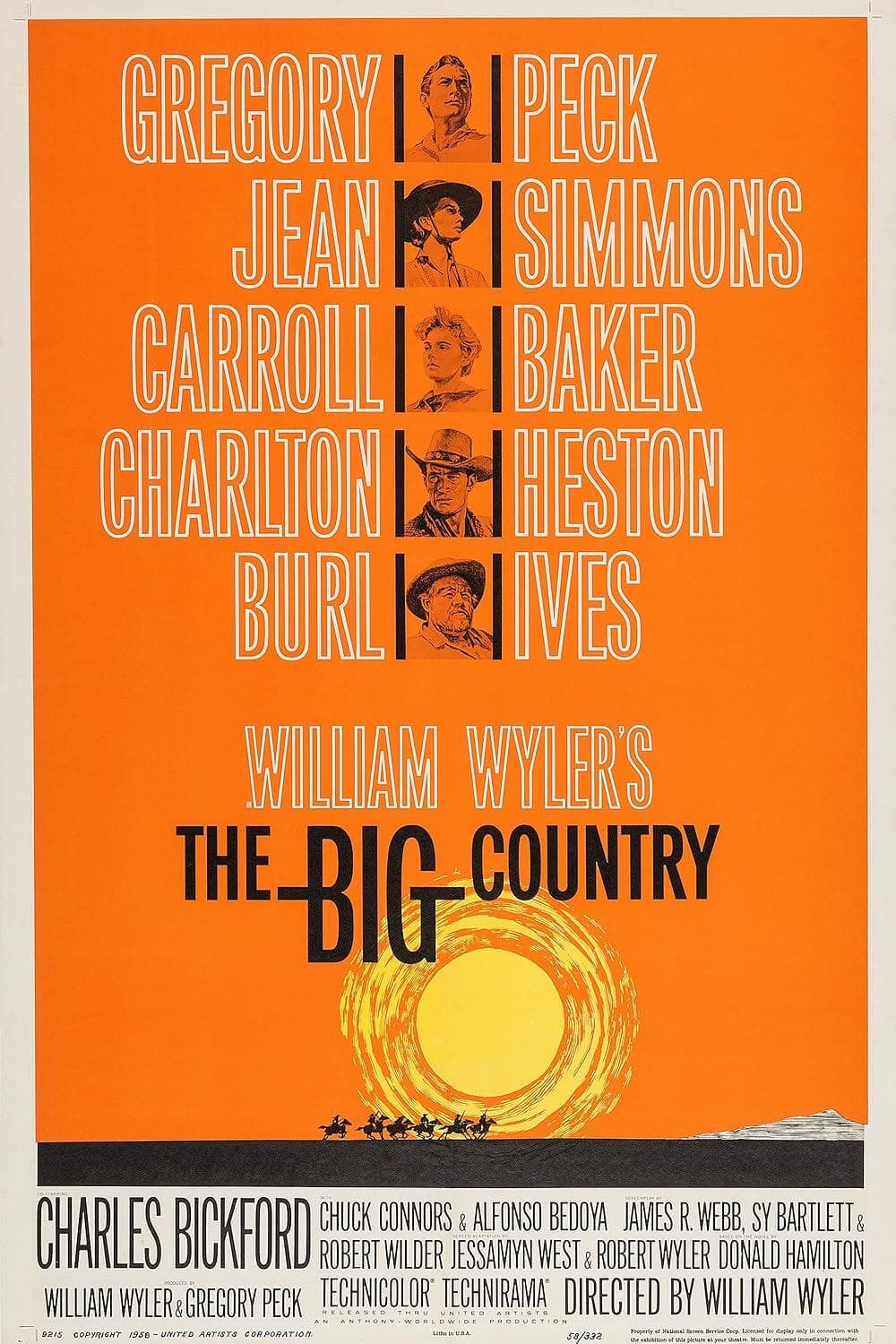
Jerome Moross wrote the score American westerns have been quoting ever since: a sea captain arrives in Texas and refuses to prove anything to anybody, which nobody there can forgive.
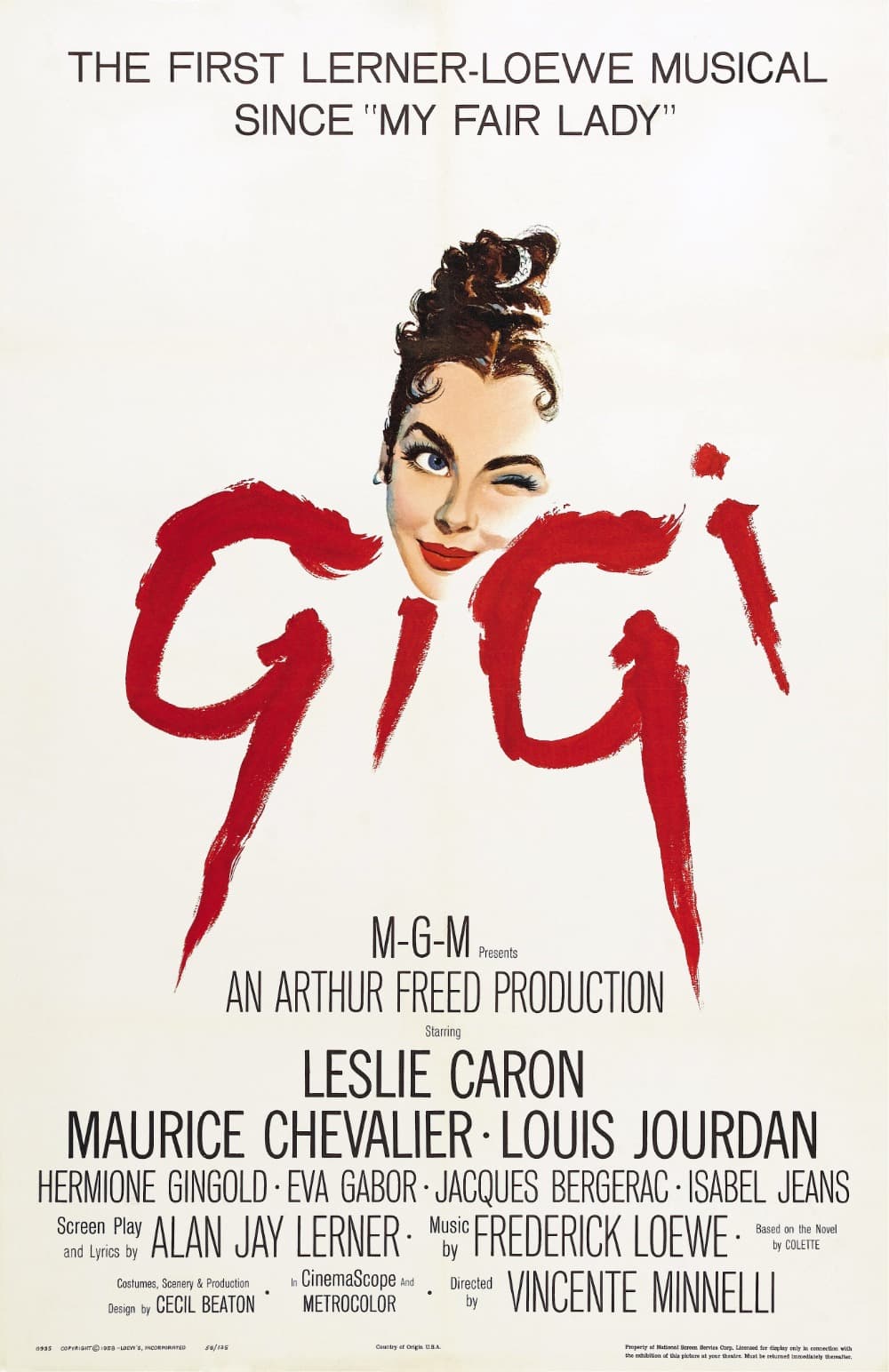
It won all nine awards it was nominated for, the biggest clean sweep the Oscars had seen: Lerner and Loewe wrote it straight for the screen, and Paris in 1900 looks fabulously expensive.
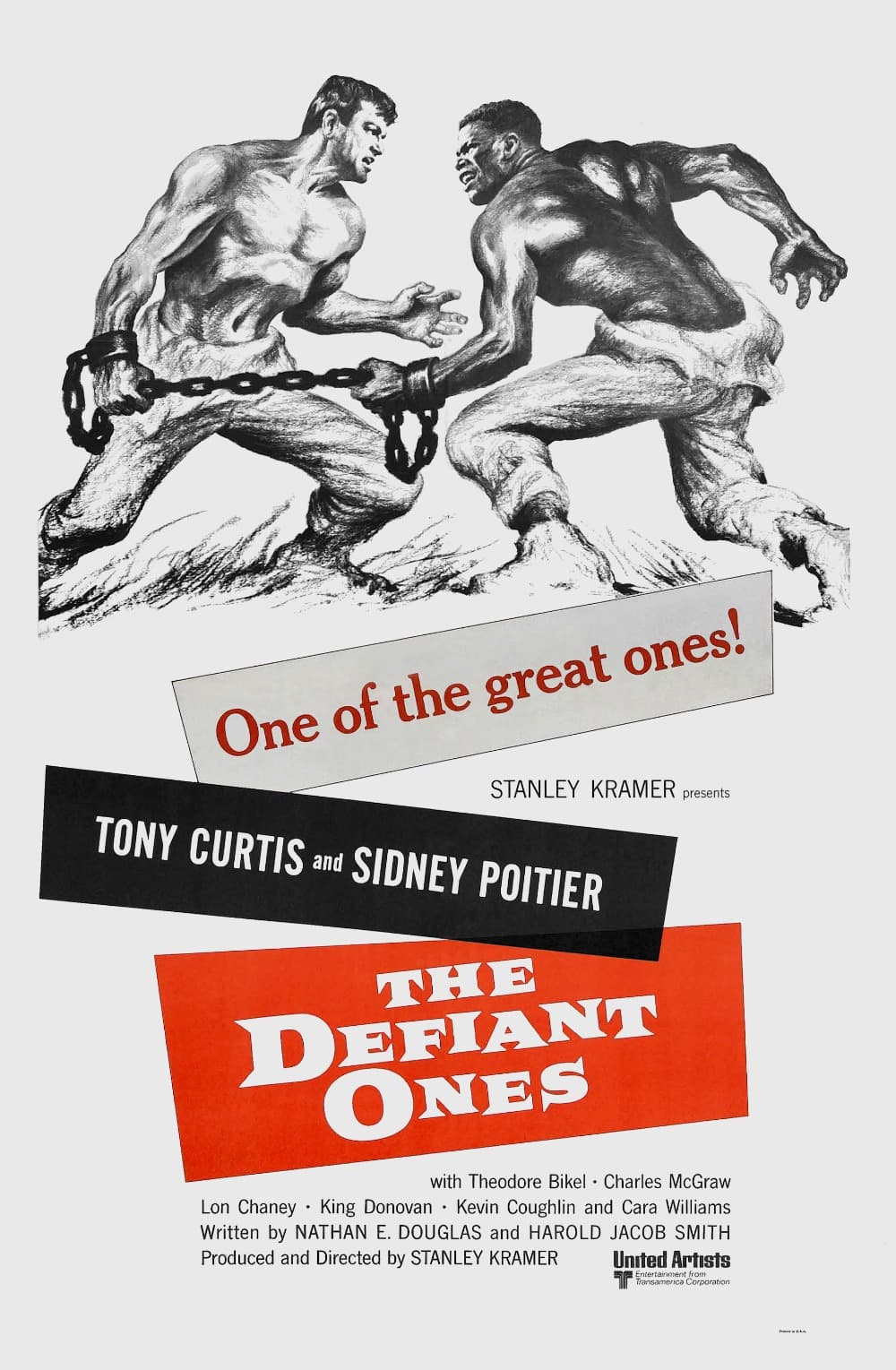
Sidney Poitier and Tony Curtis are chained together at the wrist, which was the entire argument in 1958: two convicts break out of a crash in the South and cannot move separately.
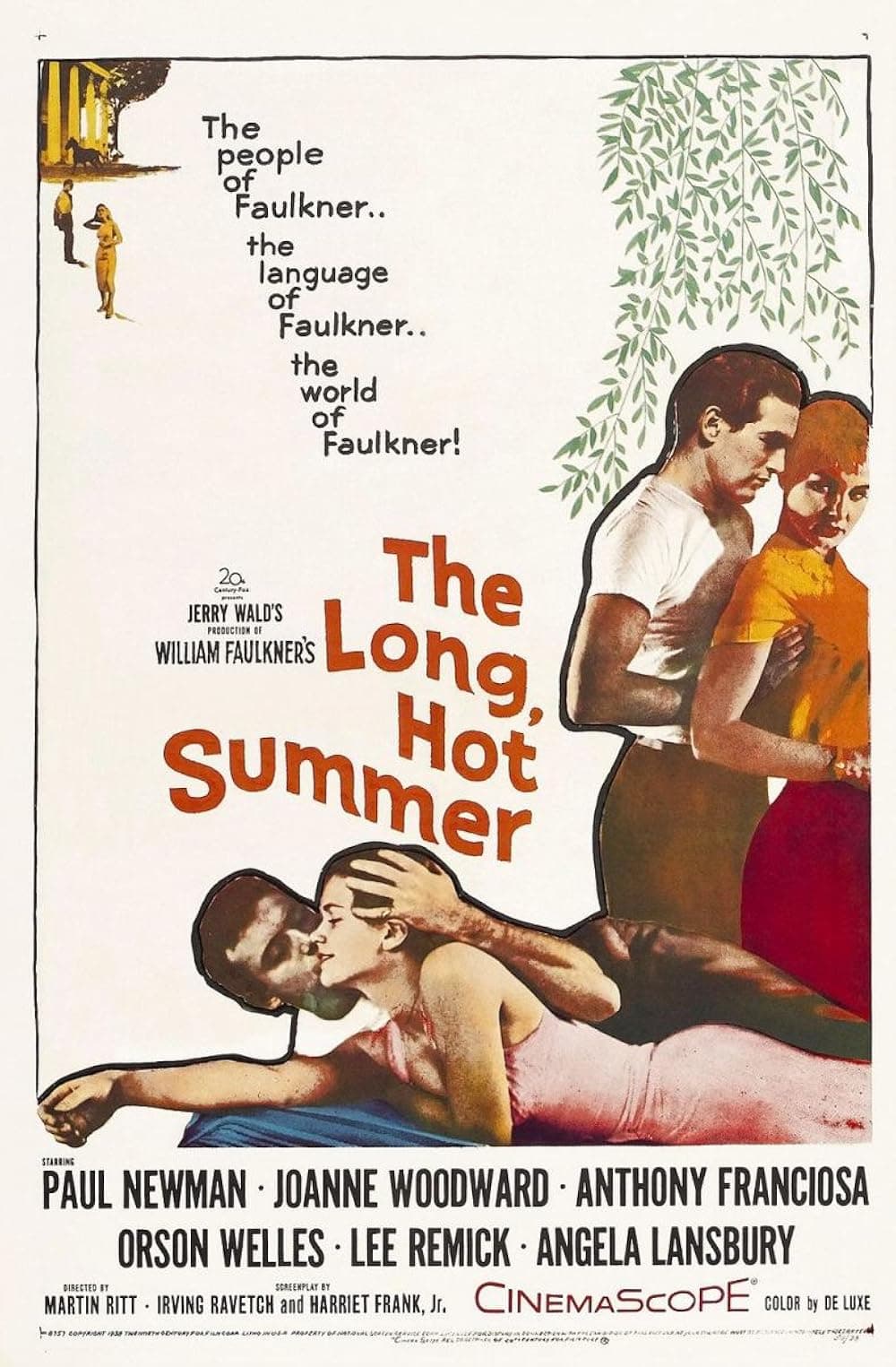
Paul Newman and Joanne Woodward fell in love making this and married before it opened: William Faulkner boiled down into one Mississippi town, and the heat is doing most of the acting.