Born to RunBruce Springsteen
Born to Run
1975 · From Born to Run
Months of wall-of-sound overdubs poured into one getaway car, and every word still sounds like escape.
★ 9.4
 skopia
Months of wall-of-sound overdubs poured into one getaway car, and every word still sounds like escape.
Lennon and McCartney started it on a tour bus after a Newcastle show; Martin thought the sixth-chord ending corny.
Davies started it as "Liverpool Sunset," moved it to the Thames, and Dave's tape-delay guitar did the rest.
Holly took the title from a John Wayne line and recut it in Clovis after Decca shelved the first version.
Two accordions, a key change eight beats in, and 21 takes at Gold Star before Wilson sang about growing up.
Cut in Clovis as "Cindy Lou" until Allison's girlfriend got the title, and his paradiddles never let up.
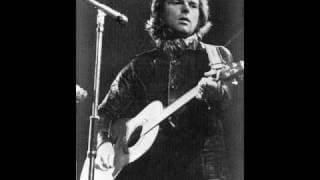
Twenty-two takes at A&R Studios, the Sweet Inspirations behind him, and a song Morrison says never paid him royalties.
Cooke cut it at his last Keen session and credited the writing to his wife's maiden name.
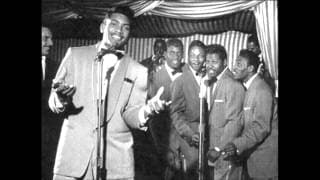
Cut as a demo in Ted Brinson's garage, pillows on the drums, then three weeks atop the R&B chart.
Felice and Boudleaux Bryant's plot is an alibi, Boston banned it as suggestive, and it still topped the pop chart.
Herman Santiago built it from a neighbor's love letters; Lymon, thirteen, took the lead and the credit fight ran decades.
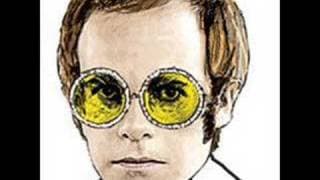
Taupin wrote it about Maxine Feibelman, the seamstress who toured with the band, and Almost Famous made it a singalong.

Swift wrote it in twenty minutes on her bedroom floor, gave Romeo and Juliet a happy ending, banjo included.
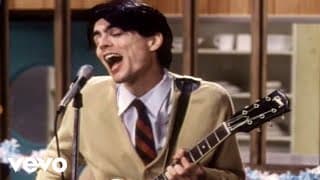
Cuomo thought it too cheesy to release; Ocasek insisted, then Spike Jonze spliced the band into Happy Days footage.
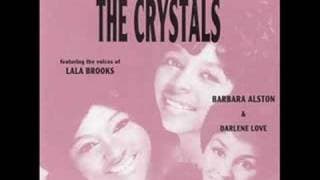
Larry Levine stumbled onto that echo by accident, and LaLa Brooks sings a whole courtship in under three minutes.
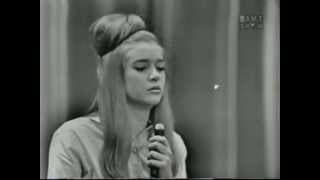
Shadow Morton's teenage melodrama, a motorcycle revving through the mix, and a BBC that refused to play it.
Mick Ronson suggested the baby rattles and sang the "let it rock" hook; the handclaps were only a guide track.
Written in federal prison, cut at Chess in January 1964, and the happiest wedding song rock and roll made.
Seger walked out of American Graffiti with a story of his own, and took six months finding the words.