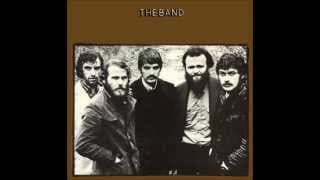
The Weight
1968 · From Music From Big Pink
Robertson saw Nazareth stamped inside his 1951 Martin, and Helm sang the burden every verse hands over.
★ 8.8
 skopia
Robertson saw Nazareth stamped inside his 1951 Martin, and Helm sang the burden every verse hands over.
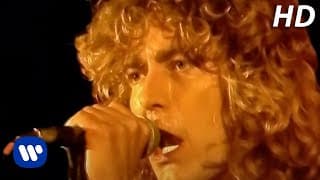
Page tuned to DADGAD, Plant wrote it driving through southern Morocco, and none of them had seen Kashmir.
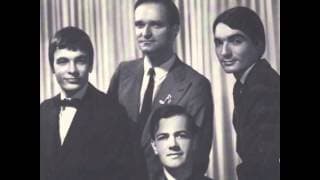
Kraftwerk's rhythm rode a train across Europe, name-checked Bowie and Iggy Pop, then turned up inside Afrika Bambaataa's Planet Rock.
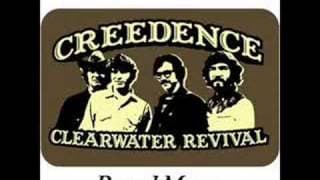
Fogerty came out of the National Guard and wrote it in two days, Beethoven's Fifth hiding in the intro.
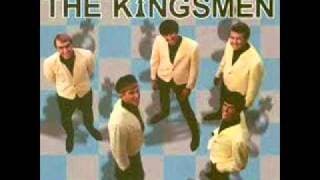
Ely shouted on tiptoe at a mic hung overhead, and the FBI spent thirty-one months failing to decode him.
Browne could not finish the second verse, Frey did, and Leadon's double-time banjo drives the Eagles' debut single.
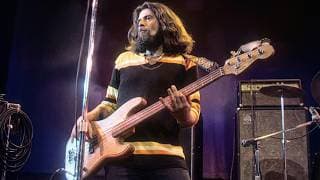
Columbia rejected the RCA session on a technicality, so McGuinn recut his Coltrane-inspired twelve-string and radio banned it anyway.
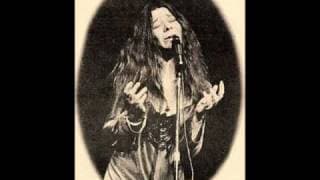
Joplin taped the vocal days before her death; Kristofferson did not hear it until the day after.
Gardiner found the riff wandering under apple blossom, and Bowie sings behind Iggy at Hansa by the Wall.
Bakithi Kumalo's fretless bass and a Nigerian pedal steel carry it, with the Everly Brothers singing behind Simon.
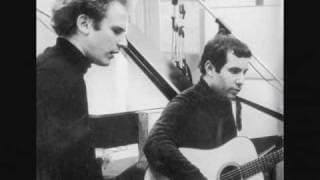
No rhyme scheme anywhere, just Simon reworking a 1964 road trip with Kathy Chitty until the emptiness lands mid-verse.
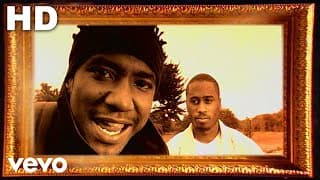
Q-Tip flipped a Weldon Irvine bassline, Trugoy took the hook, and the chorus name-checks cities from New York to Tokyo.
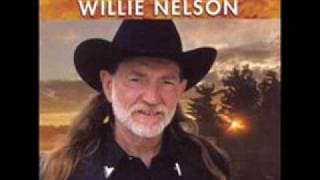
An airsickness bag, a film producer's request, and a single cut live at a club over two Austin nights.
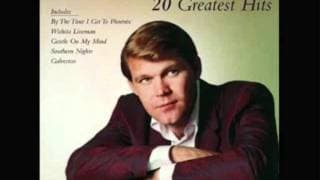
Webb mapped a drive that is geographically impossible, and Sinatra still called it the greatest torch song ever written.
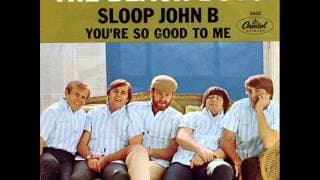
Al Jardine sold Wilson a Bahamian folk tune, and Billy Strange's twelve-string solo went down in a single take.
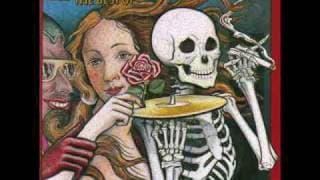
Hunter's lyric folds in a 1970 New Orleans bust, and the Library of Congress declared the record a national treasure.
Stafford's idea, Fraser's overnight lyric, and a fiddle arrangement that rodeo crowds took for their own.
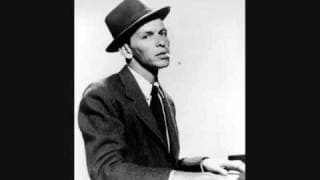
Cahn and Van Heusen wrote it to order, and Billy May's first Sinatra arrangement made travel sound like swagger.
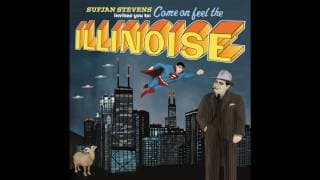
Sleigh bells, trumpets and a choir stacked into one crescendo, and Stevens cut five different versions of it.
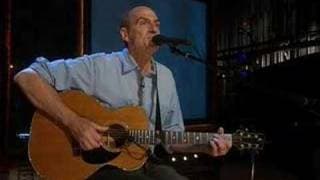
Taylor wrote it driving through the Carolinas to meet his newborn nephew, a cowboy lullaby in waltz time.