A Change is Gonna ComeSam Cooke
A Change is Gonna Come
1964 · From Portrait of a Legend
Cooke wrote it after a motel turned him away, and sang it like a hymn he already knew by heart.
★ 9.7
 skopia
Cooke wrote it after a motel turned him away, and sang it like a hymn he already knew by heart.
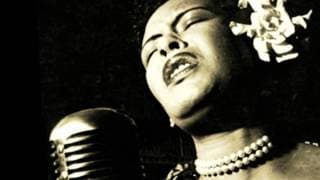
A Bronx schoolteacher's poem about lynching, sung in a single spotlight, still the bravest three minutes on record.
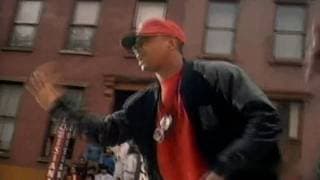
Spike Lee asked for a defiant anthem, and the Bomb Squad answered with layered samples and Branford Marsalis's saxophone.
Structured as a mock trial with Dre presiding, and it drew a warning letter from an FBI assistant director.
Wonder played most of it himself, then broke it open with a spoken street scene running past seven minutes.
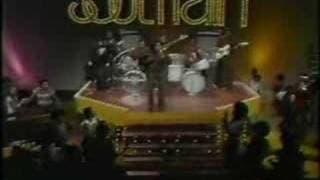
Brown cut it in Los Angeles with thirty-odd young people from Watts and Compton shouting the answer back.
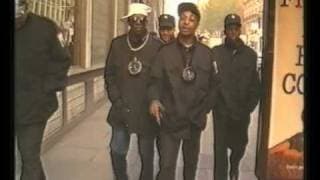
First released on the Less Than Zero soundtrack, it opens with Malcolm X and never stops arguing rap's case.
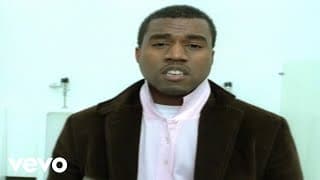
Denied the Lauryn Hill sample, West had Syleena Johnson sing the part, and got his first solo top ten.
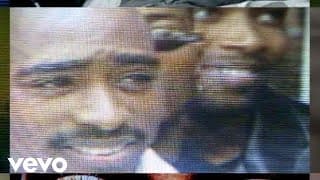
Recorded in 1992, shelved, then remixed after his death over Bruce Hornsby's piano; a posthumous Grammy nomination followed.
The siren is KRS-One's own voice, over Showbiz's loop of a Grand Funk Railroad cover cut at D&D.
Projected onto sixty-six buildings worldwide before anyone had heard it, with Frank Ocean closing over a Hungarian prog sample.
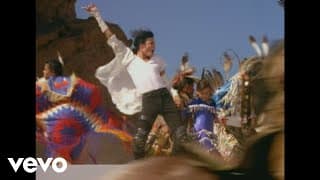
Bill Bottrell played the riff everyone credits to Slash, then rapped the verse himself after eight months of searching.
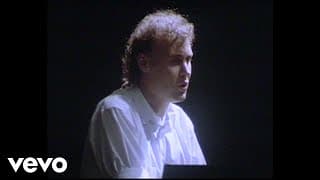
Hornsby wrote the words first in a Van Nuys garage; that piano figure later became the spine of Tupac's Changes.
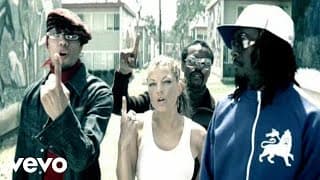
An uncredited Timberlake sang the hook to protect his solo album, and Britain kept it at number one six weeks.