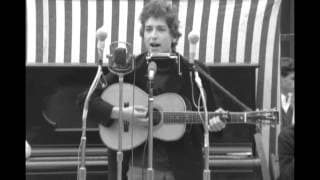
Mr. Tambourine Man (Bob Dylan)
1964 · From Bringing It All Back Home
Bruce Langhorne's giant Turkish frame drum gave Dylan the image, and the Byrds' cover turned it into folk rock.
★ 8.4
 skopia
Bruce Langhorne's giant Turkish frame drum gave Dylan the image, and the Byrds' cover turned it into folk rock.
Session men cut the track and McGuinn's twelve-string Rickenbacker rang over one Dylan verse; folk rock started there.
Blackmore's four notes in parallel fourths, written after a flare gun burned the Montreux Casino down during a Zappa show.
Flack heard Lori Lieberman's version on a plane's in-flight audio, rewrote the chords, and took Record of the Year.
His sister Lucy monopolized the family piano for classical, so Berry wrote his rebuttal, with Johnnie Johnson answering back.
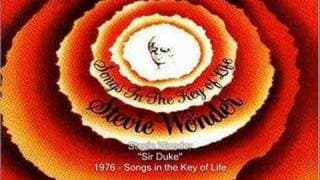
Wonder built it for Ellington after his death in 1974, then handed the melody to horns playing in unison.
First released on the Less Than Zero soundtrack, it opens with Malcolm X and never stops arguing rap's case.
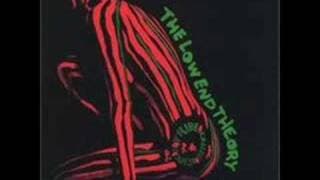
An Average White Band loop, Q-Tip and Phife trading lines, and a Queens rooftop that Linden Boulevard still remembers.
The Runaways passed, so Jett recorded it twice herself; the second version spent seven weeks at number one.
Pras suggested the cover, the beat lifts Tribe's Bonita Applebum, and Hill sings it like she wrote it herself.
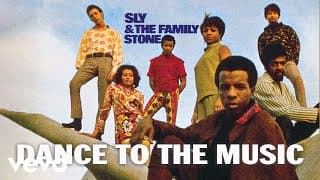
Clive Davis wanted a hit, so Sly wrote a roll call: each player steps forward, Cynthia Robinson shouting the title.

Recorded live at San Francisco's Boarding House in 1978, and Devo's Mothersbaugh handed Young the phrase that titled the album.
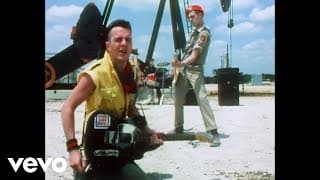
Topper Headon cut the drums, piano and bass himself, and Strummer finished the lyrics in the studio bathroom.

No I.D. looped George Benson, Common told hip hop's story as one woman, and Ice Cube took it personally.
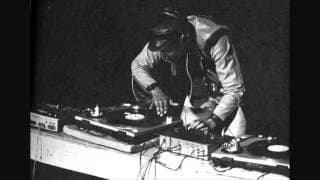
Three turntables, two mixers, ten to fifteen takes, and a record built entirely out of ten other records.
Five years in Scholz's basement, a hundred-dollar Yamaha twelve-string on the intro, and Delp stacking harmonies over the top.
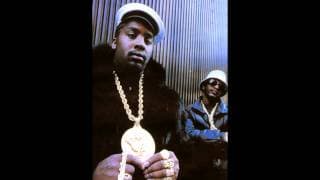
By Eric B.'s account he paid Marley Marl to engineer it in Queensbridge; Rakim arrived rapping like nobody before.
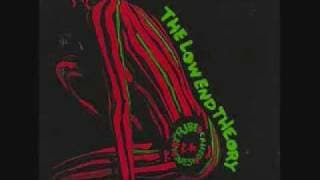
A borrowed Lou Reed bassline that reportedly took all the royalties, and a call-and-response hook the crowd finishes.
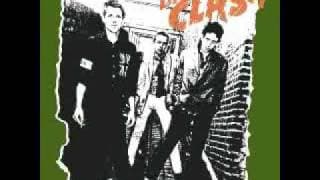
Strummer expected roots rebellion at an all-night Palais reggae bill, got showbiz, and slipped reggae bass into punk.

Tito Puente wrote it as a 1962 cha-cha-cha; Gregg Rolie's Hammond organ replaced the horn section.