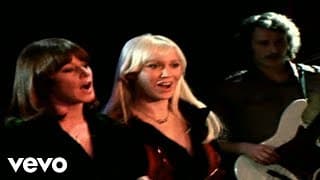
Dancing Queen
1976 · From Gold: Greatest Hits
Seventeen and gliding across the floor, the rare disco record that sounds like joy and ache at once.
★ 9.1
 skopia
Seventeen and gliding across the floor, the rare disco record that sounds like joy and ache at once.
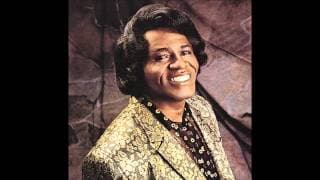
The record where the beat moved to the one and funk quietly began. James Brown never looked back.
Twelve minutes left at a Pennsylvania dance, so Charles improvised it on his Wurlitzer and many stations banned it.
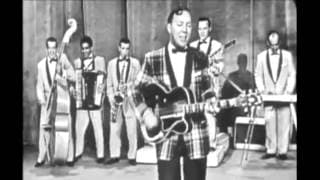
Cut in leftover studio minutes with Sammy Davis Jr. waiting outside, it flopped until Blackboard Jungle put it under the credits.
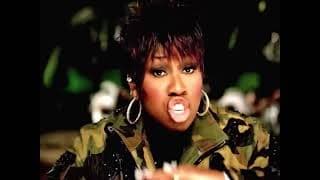
Timbaland set a tumbi melody over tabla and left Elliott acres of empty space to fill.
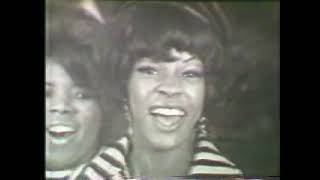
Gaye co-wrote it and cut an early version; Reeves heard block parties in it and needed two takes.
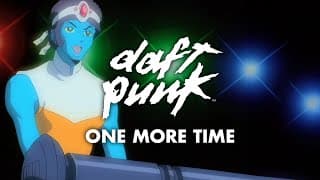
Romanthony's vocal pushed through auto-tune over a slowed Eddie Johns disco sample, filtered until the chorus explodes.
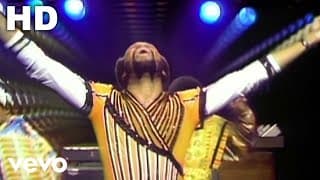
Willis wanted real words instead of ba-dee-ya; White refused, and the groove outlived any lyric she could have written.
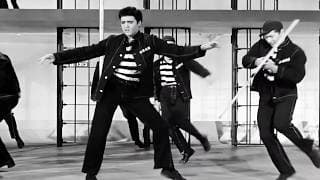
Leiber and Stoller wrote it as a goof; Scotty Moore's solo nearly derails the take and Presley never blinks.
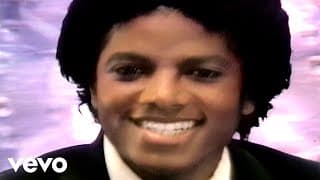
Jackson wrote it himself and steered the session; a whisper, a water-bottle rattle, then Louis Johnson's bass takes over.
Bambaataa welded Kraftwerk's Trans-Europe Express to a Roland 808, and Tommy Boy paid Kraftwerk a dollar per record.
One of Brown's first dates with the new J.B.s, Bootsy Collins on bass at eighteen, Bobby Byrd answering every line.
One microphone, Roland Janes muted behind the boogie piano, and a July 1957 television debut that turned it national.
Bootsy Collins on bass, Fred Wesley and Maceo Parker newly arrived from James Brown, and Parliament's first gold single.
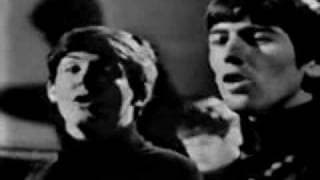
Last song of a twelve-hour day, Lennon's throat gone, one usable take, and the Beatles' only million-selling cover.
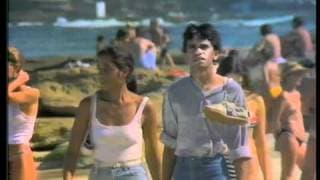
Nile Rodgers on rhythm guitar, an unknown Stevie Ray Vaughan on lead, and Bowie's biggest-selling single by a distance.
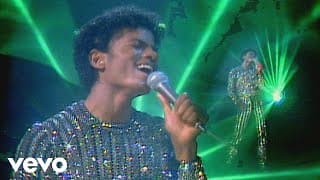
Rod Temperton offered it to Karen Carpenter first; Quincy Jones and Jackson took it to number one.
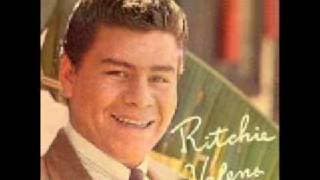
Cut as the B-side of Donna, a Veracruz son jarocho with Carol Kaye on rhythm and Earl Palmer driving.