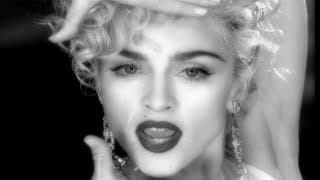
Born to RunBruce Springsteen
Born to Run
1975 · From Born to Run
Months of wall-of-sound overdubs poured into one getaway car, and every word still sounds like escape.
★ 9.4
 skopia
Months of wall-of-sound overdubs poured into one getaway car, and every word still sounds like escape.
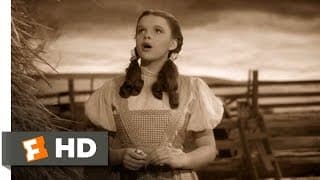
MGM cut it from the film twice until Arthur Freed threatened to quit; Garland was sixteen.
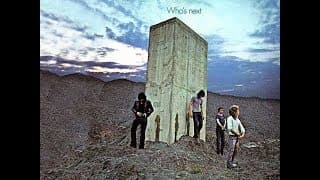
That opening arpeggio is a Lowrey organ's marimba repeat function; Dave Arbus's violin sends the ending careening.
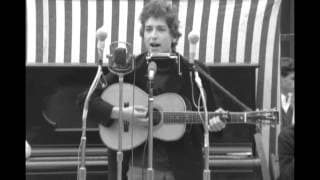
Bruce Langhorne's giant Turkish frame drum gave Dylan the image, and the Byrds' cover turned it into folk rock.
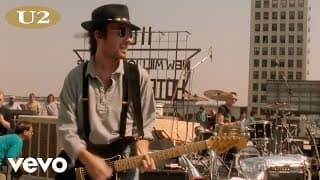
Eno reckoned half the album's sessions went into it and nearly wiped the tape; the Edge's delay does the rest.
Marr faked the strings on an Emulator, credited them to the Hated Salford Ensemble, and Britain waited six years.
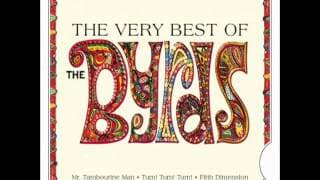
Session men cut the track and McGuinn's twelve-string Rickenbacker rang over one Dylan verse; folk rock started there.
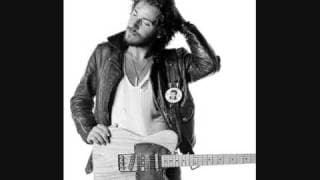
Bittan's piano, a harmonica, and a screen door slamming; Springsteen lifted the title from a Robert Mitchum film poster.
Edwards' bassline turned up on Rapper's Delight within months; the settlement put Chic's names on rap's first pop hit.
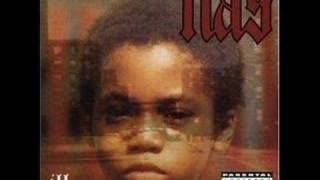
Ahmad Jamal's piano figure, a hook Pete Rock sang himself, and the most hopeful stretch of Illmatic.
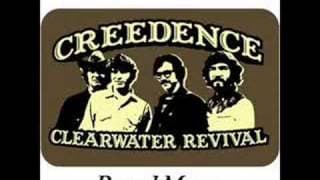
Fogerty came out of the National Guard and wrote it in two days, Beethoven's Fifth hiding in the intro.
Stevie Wonder's gear failed at the Mandela tribute, Chapman went on with a guitar, and the record went top ten.
Written in a rental van home from San Francisco, and the final two minutes simply double the tempo.
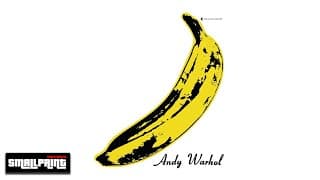
Written in 1964 while Reed was a staff songwriter, and Tucker abandoned her drums at the climax, unable to hear.
Maseo's cackle, Danger Mouse at the desk, and a song Albarn dreamed up driving past California windmills toward Coachella.
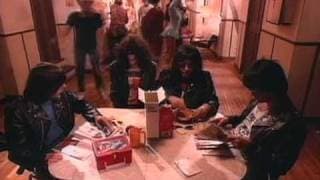
Joey wrote it stranded in a shut-down London at Christmas, and Johnny's solo is one note, repeated.
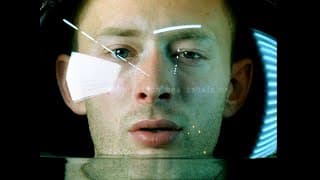
Radiohead cut version after version and kept the first take, glockenspiel and all, a lullaby about suburban despair.
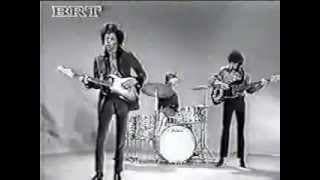
Hendrix took Tim Rose's slow arrangement off a jukebox, Chandler hired the Breakaways, and Britain answered at number six.
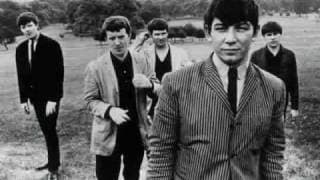
Chandler's bass walks in alone, Burdon arrives furious, and GIs in Vietnam claimed a Brill Building demo.
Frantz came home from a Parliament-Funkadelic show chanting it, and Byrne built the band's only American top ten.
Seven and a half minutes, Paul Weller on lead guitar, and a lyric Noel admits he chose for the rhyme.
Wings lost two members on the eve of Lagos, so McCartney played the drums and built a three-part escape.
Calvin Harris wrote and produced it alone, and Rihanna rode ten weeks at number one, 2011's longest run.
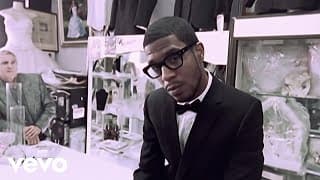
Cut in Dot da Genius's home studio in East New York, using a Geto Boys favorite as its blueprint.
A Fred Neil song that flopped in 1968, until Schlesinger put it under Midnight Cowboy and Nilsson won a Grammy.
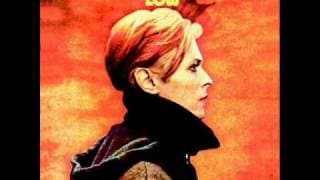
The BBC ran its long instrumental intro under programme trailers, and Bowie's ultimate retreat song went to number three.
Seven-four time, Steve Hunter's Martin triple-tracked at three tape speeds, and Gabriel's first record after walking out of Genesis.
Sub Pop pressed it as a one-off single in 2001; three years later Garden State made it a generational password.
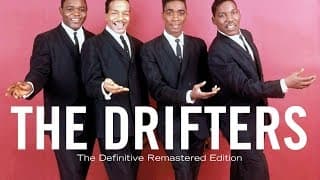
Rudy Lewis died the night before the session; Johnny Moore took the lead, and the güiro shrugs it all off.
Originally called Indiana Girl, until Petty decided he couldn't sing that line; Stan Lynch's last sessions with the Heartbreakers.
Three Wilson brothers on the first verse, singing harmonies worked out in the Hawthorne bedroom the song describes.
Fiddle, banjo and a tempo shifting gears, then one week at number one between Billie Jean and Beat It.
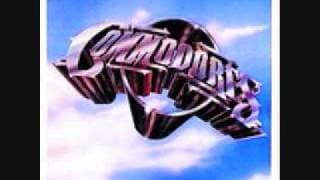
Richie traced that Sunday-morning ease to the small Alabama town he grew up in; the singer is walking away relieved.
Densmore's bossa nova drum feel, Krieger's riff borrowed from a Butterfield blues cover, and a refrain their producer censored.
Pecknold rebuilt a piano soul demo with Phil Ek at Bear Creek, and the harmonies own the second half.
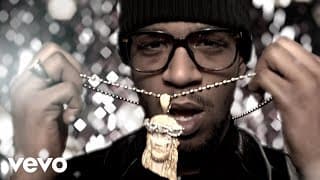
Ratatat cut the beat before Cudi arrived, MGMT added vocals, and Steve Aoki's remix made a song about intoxication ubiquitous.
Bedroom pop in the literal sense, a Gary Low disco record slowed to a crawl, and chillwave had its template.
Moreve's riff, Monarch's feedback spliced onto the front by the engineer, and words Kay wrote about his new stereo.
Not planned for the Green Album until Ocasek fought for it, then Spike Jonze filmed the band among wild animals.