Heartbreak HotelElvis Presley
Heartbreak Hotel
1956
Elvis's first RCA single, all cavernous echo and empty rooms, the loneliest number one ever cut.
★ 9.6
 skopia
Elvis's first RCA single, all cavernous echo and empty rooms, the loneliest number one ever cut.
Seven minutes, four of them just na-na-na, and somehow nobody has ever wanted it to end sooner.
Willie Nelson wrote it; Cline, back after a car wreck bruised her ribs, nailed the vocal in one take.
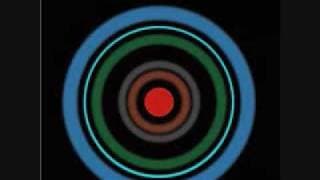
A die-cut sleeve modelled on a floppy disk, an Oberheim drum machine, and the best-selling twelve-inch single ever pressed.
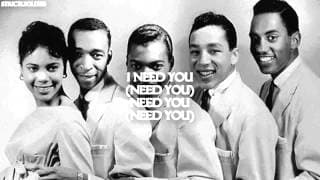
Tarplin brought the guitar figure first, Robinson and Moore wrote words to it, and Motown got its saddest smile.

Ronson cut it at Daptone with the Dap-Kings, sixties girl-group machinery rebuilt around a voice in ruins.
Cline resisted the pop polish until Bradley's arrangement and the Jordanaires handed her a first country number one.
A B-side until Murray the K's listeners voted it up, cut live at Bell Sound with Warwick barely raising her voice.
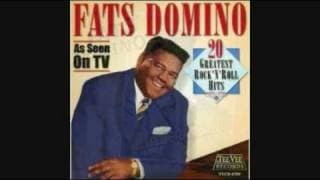
Bartholomew and Domino wrote it, Pat Boone's cover took the number one, and Domino's rolling piano triplets outlasted it.
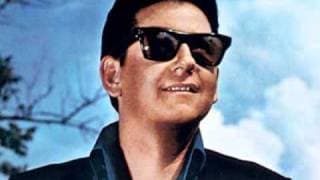
Orbison meant it for Elvis; the Everly Brothers told him to keep it, and Nashville's A-Team built the ache.
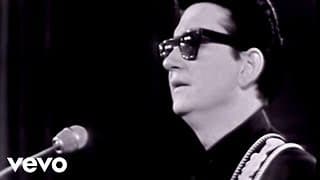
Cut at RCA Studio B with Floyd Cramer on piano, and Orbison's voice climbing until the room falls away.
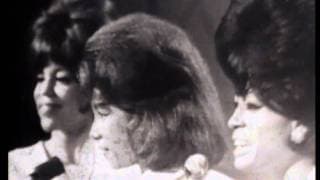
Holland and Dozier said the Marvelettes turned it down; Ross sang lower over Mike Valvano's foot stomps to number one.
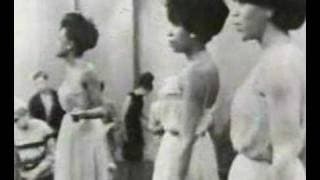
Gordy asked for another Where Did Our Love Go, and Holland-Dozier-Holland answered with footstomps, a sax break, and Ross cooing.
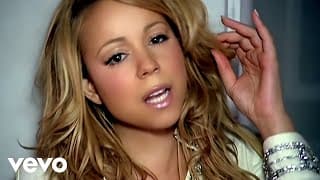
Fourteen weeks at number one, two soul interpolations underneath, and Carey singing softly rather than belting.
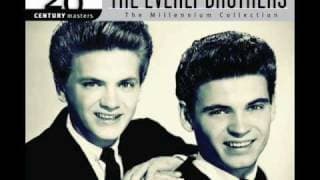
Some thirty acts turned the Bryants' song down; Don Everly's intro, written for something else, took it to number two.
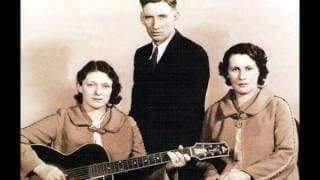
Maybelle Carter played melody and rhythm at once, and every country guitarist since has learned this 1860 parlor tune.
Alberta Hunter and Lovie Austin wrote it; Smith's debut record sold 780,000 copies in six months, just voice and piano.
Twenty minutes in a Las Vegas hotel washroom, by Ram's account, and Tony Williams sings heartbreak behind a smile.
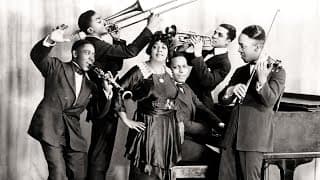
Seventy-five thousand copies in two months, Perry Bradford's tune, and Smith's voice opening the record industry to Black audiences.
Baptism imagery over Willie Mitchell's Memphis groove, and Hi Records never bothered to release Green's version as a single.
A Bonnie Tyler chorus that went nowhere, rewritten by Desmond Child, and suddenly Bon Jovi's first number one.
Crook hit the A minor to G change onstage in Battle Creek; his homemade Musitron took the solo.
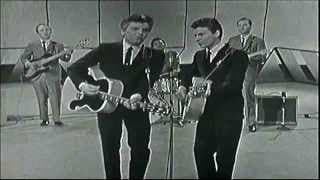
Cut live in one take with the brothers sharing a microphone, the drums looped on tape to double them.
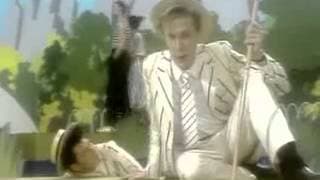
Trevor Horn's desk, Anne Dudley's strings, and Fry making his own jilting sound like the most glamorous thing available.
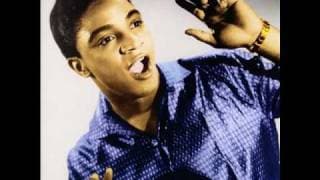
Berry Gordy wrote it before Motown existed, and arranger Dick Jacobs sped the ballad into Wilson's signature record.
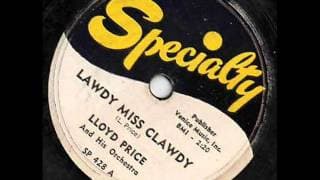
Fats Domino sat in on piano at Cosimo Matassa's studio, setting the pattern for New Orleans rock and roll.
Robertson wrote it expressly for Danko's voice, and at their own Shangri-La studio the Band gave loss room to breathe.
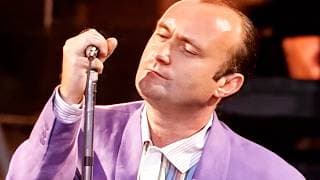
A Face Value outtake with new lyrics for Taylor Hackford's film, and Collins's first American number one.
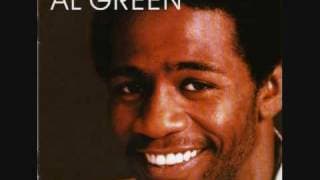
Willie Mitchell let a Bee Gees ballad run past six minutes at Royal Studios, and Green sings the whole ache.
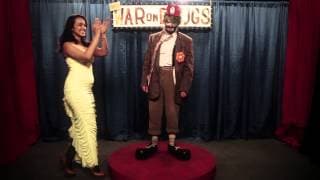
Granduciel spent two years second-guessing these sessions, and the song still turns on one yelp before the chorus.
Gordy ordered a rush job after Columbia reissued an old single, so Holland-Dozier-Holland reversed their own chart topper.
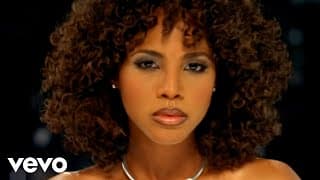
Diane Warren built it from the title alone, Braxton resisted recording it, then held number one eleven weeks.
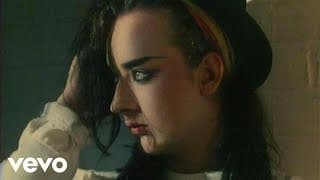
A soft reggae beat from Mikey Craig's Caribbean instincts, Steve Levine's polish, and Boy George on Top of the Pops.
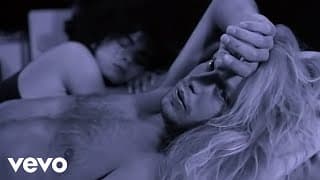
By Michaels' account a bad phone call from a Dallas laundromat wrote itself into Poison's only number one.
Enigk wrote it as a solo acoustic song; the band took it over, and his cracked howl carries it.
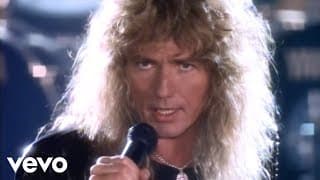
Jon Lord's Hammond organ on the 1982 original, a heartbreak song Coverdale wrote in Portugal, later a number one.
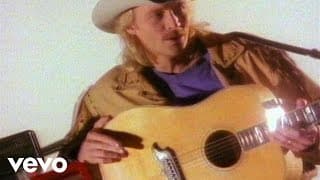
Jackson leaned against a wobbly jukebox in a Virginia lounge, left with the title, and George Jones got name-checked.
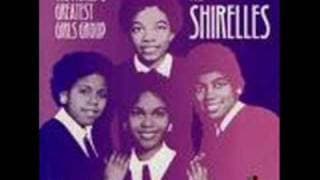
Number four in 1961, with Luther Dixon and Willie Denson turning a mother's shrug into pure reassurance.
Cuba Gooding Sr. stepped up after Donald McPherson's death and turned heartbreak into the warmest consolation soul ever offered.
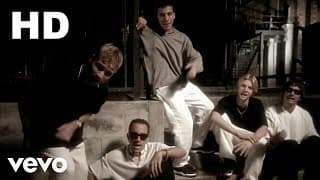
Two million US copies, a Stockholm session from 1995, and a vocal Nick Carter recorded once his voice settled.