Dreams (Fleetwood Mac)Fleetwood Mac
Dreams (Fleetwood Mac)
1977 · From Rumours
Nicks wrote it in a black velvet studio room at Sausalito's Record Plant; it remains the band's only US number one.
★ 8.9
 skopia
Nicks wrote it in a black velvet studio room at Sausalito's Record Plant; it remains the band's only US number one.
Taupin borrowed the title from a Pearls Before Swine song, and Hentschel's ARP put the loneliness in orbit.
Padgham's talkback-microphone accident on Peter Gabriel's third album, a Roland CR-78 pattern, and pop's most anticipated drum entrance.
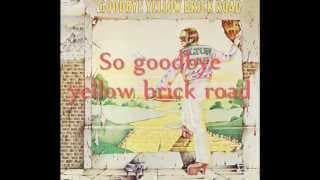
Sessions collapsed in Kingston, so the band regrouped at a French chateau and Taupin traded Oz for a Lincolnshire farm.
A novel called Triad set Nicks going; years later she learned she had described a Welsh goddess exactly.
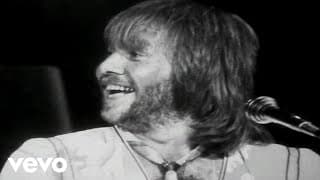
Ulvaeus wrote it in an hour over whisky; the video came ten days after his divorce from Fältskog was final.
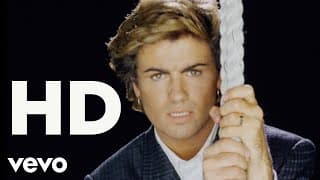
Written at seventeen on a bus, scrapped at Muscle Shoals, saved by Steve Gregory's saxophone in one breath.
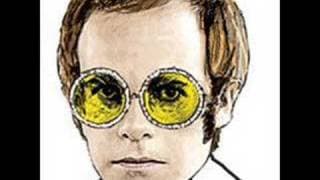
Taupin wrote it about Maxine Feibelman, the seamstress who toured with the band, and Almost Famous made it a singalong.
Five years in Scholz's basement, a hundred-dollar Yamaha twelve-string on the intro, and Delp stacking harmonies over the top.
Campbell built the track on a LinnDrum, Petty passed, and Henley wrote middle age onto somebody else's demo.
Nearly seven minutes, Rory Dodd's voice answering Tyler on the refrain, and Steinman's vampire love song became number one.
Gus Dudgeon overdubbed crowd noise from old concerts, and the fake live track topped the Hot 100.
Taupin lifted the phrase from a Janis Joplin tribute and pointed it at Marilyn Monroe; the chorus does the mourning.
Cut at American Sound in Memphis with Charles Calello's horns, and every Fenway eighth inning has belonged to it since 2002.
Steve Porcaro's demo reached Quincy Jones only because a cassette auto-reversed, and it took Carousel's place on Thriller.
A swan song by Ferry's own account, with a wordless vocal from Yanick Etienne, found in the next studio.
Hall started with a Roland preset and a Korg bass line, the one Jackson borrowed for Billie Jean.

By Hetfield's account the open-string intro came one-handed during a phone call, and Kamen's strings did the rest.
A DeShannon album track from 1975 until Bill Cuomo's Prophet-5 riff arrived; nine non-consecutive weeks at number one followed.
Stephen Street produced it, the Duke Quartet supplied the strings, and O'Riordan wrote the melody at her audition.
Ferry's voice drops out almost two minutes before the end, leaving a synthesizer to finish the thought.
Bebop alto player Phil Woods takes the solo, and the melody Joel dreamed won Record and Song of the Year.
Hornsby wrote the words first in a Van Nuys garage; that piano figure later became the spine of Tupac's Changes.
Never released as a single; Henley's piano sketch dated to 1968, and Jim Ed Norman's strings turned it monumental.
Medley said no repeatedly until Warnes signed on, and the two finished the vocal in about an hour.
Hall wrote it about a fast-food heir, changed Rich Boy to Rich Girl, and took the duo to number one.
Will Jennings helped finish a lyric Clapton wrote after his four-year-old son died; three Grammys followed in 1993.
A fingerpicking exercise Livgren's wife overheard and told him to finish, now Kansas's only American top ten.
A decade after the Shirelles made it the first girl-group number one, King slowed it down with Taylor and Mitchell.
Richie thought the opening line corny until Carmichael told him to finish it; six weeks at UK number one followed.
Verses at 123 beats a minute collapsing to 65 in the chorus, cut live with Auerbach's band in Nashville.
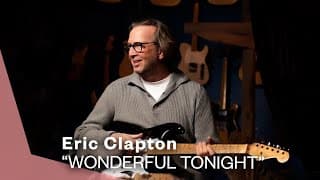
Clapton wrote it on a Martin D-28 while Pattie Boyd got ready for a Buddy Holly party, by his account.
A slave trader's sales pitch set to strings and Newman's warmest melody; Bobby Darin later sang it straight.
Jones wrote it alone at three in the morning, and the New Jersey Mass Choir carries the final chorus skyward.
Taupin rewrote his Marilyn Monroe lyric for Diana, George Martin added strings hours after the funeral, and 33 million sold.
Acoustic guitar from James Taylor, a flute solo from Curtis Amy, and King mourning a world where nobody stays put.
Written as a comedy number for a meerkat and a warthog until John objected, and it took the Oscar.
Tempchin wrote it on a poster back while sleeping on a club floor; Leadon's B-bender guitar does the rest.
Desire watched from a distance, an acoustic figure circling, and Steve Lillywhite catching all of it at Bearsville.
Del Rey wrote it with Lou Reed in mind, then sang the Brooklyn hipster caricature straight, deadpan and unbothered.
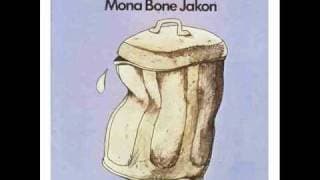
Stevens wrote it flat on his back recovering from tuberculosis; Hal Ashby later gave it to Maude's death scene.
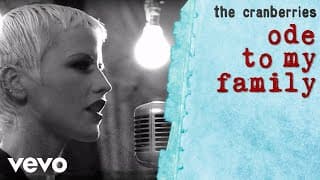
A homesick lullaby from No Need to Argue, with a string arrangement O'Riordan scored herself over Noel Hogan's chords.
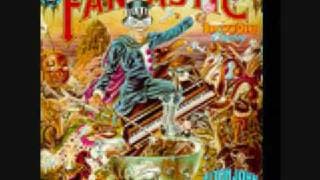
Baldry talked Elton out of a wedding in 1968, and Taupin wrote him into the chorus as Sugar Bear.
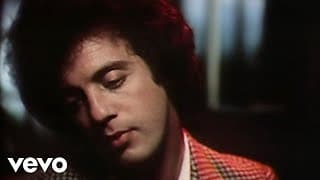
Number twenty-four on the Hot 100, and still a Song of the Year nominee; Ramone cut it at A&R.
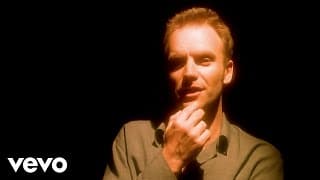
Barley fields outside Sting's Wiltshire house, Kathryn Tickell's Northumbrian smallpipes, and a promise meant to last a lifetime.
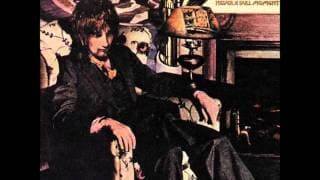
A letter to an ex, sung over acoustic guitar, fiddle and McLagan's Hammond, and another UK number one.

Woolfson took the title from casino surveillance slang; Sirius became the music that introduced Michael Jordan's Bulls.
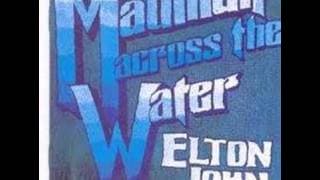
Buckmaster spilled ink across his orchestral score and rewrote all of it in a day; Spedding's electric guitar prowls underneath.
A Salvation Army band on television gave Presley the idea; he later spent the royalties on crop-circle research.
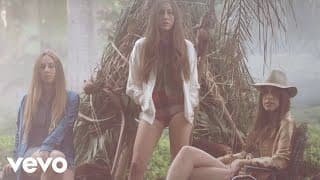
Danielle, Este and Alana wrote it with Morgan Nagler as a stay-strong pep talk, and it moves like one.
Steinman wrote it out of Wuthering Heights for Pandora's Box in 1989, and Dion made it enormous.
Larry Knechtel on piano, Jim Gordon on drums, and a chorus that arrives like the evening it describes.
Written for Armageddon by Diane Warren after a Barbara Walters interview, it gave Aerosmith their only American number one.
Stalled at 43 as a studio single until the live version on Frampton Comes Alive! reached the top twelve.
Levine says he and Valentine wrote it in about an hour, drawing on a troubled couple he knew.
Eight minutes on the album, four on the radio, and Tinsley learned his violin solo the day before.
Parazaider heard it on the radio while cleaning his pool and assumed McCartney, not his own band.
Wynonna Judd cut it first as country; Babyface gave Clapton a soul groove and the Grammys gave back three.