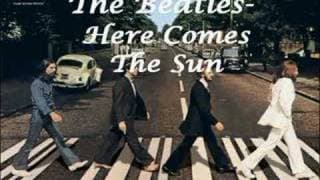
Here Comes the Sun
1969 · From Abbey Road
Harrison wrote it in Clapton's garden while skipping a business meeting, and it sounds exactly like that relief.
★ 9.6
 skopia
Harrison wrote it in Clapton's garden while skipping a business meeting, and it sounds exactly like that relief.
Patrick Leonard co-wrote it, Prince played the intro guitar, and Pepsi pulled its five million dollar ad but paid anyway.
Prince wrote it for a side project that went nowhere; O'Connor's tears in the video were real, and unplanned.
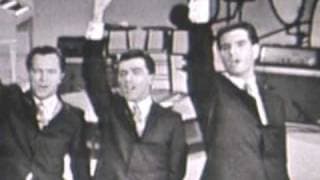
Two quiet verses, then Artie Schroeck's brass kicks the door in, and Valli's solo single stalled one place from number one.
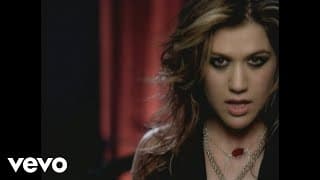
Pink passed on it and Duff couldn't hit the notes, so Clarkson asked for heavier guitars and won a Grammy.
Forty-four takes for the backing track, Hal Blaine and Carol Kaye on it, and an intro built like a fanfare.
A church organ quoting Wham!'s Freedom, then Hugh Burns's Bo Diddley rhythm, and four weeks at number one.
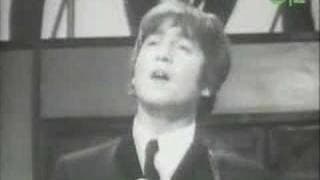
Two point one million American advance orders, and behind them a Paris hotel upright where McCartney wrote it.
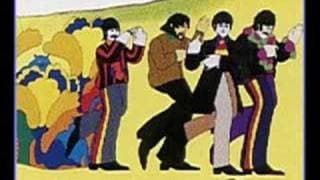
Starr sang it at dawn after ten takes, having first made them cut the line about thrown tomatoes.
Youssou N'Dour improvising in Wolof, and a bassline so deep it had to move up the vinyl.
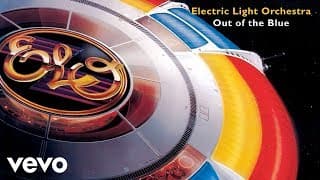
Two weeks of Alpine fog broke, and Lynne wrote this and thirteen more songs, closing it with a vocoder.

Ali Payami and guitarist Niklas Ljungfelt built the track; Swift turned an on-off romance into a fashion metaphor.
Mitchell threw back a Hawaii hotel curtain, saw mountains above a parking lot, and wrote pop's sunniest protest song.
Don Was suggested welding a fifteen-minute jam to a shouted chorus, and Cindy Wilson's tin-roof ad-lib stayed in.
Holland-Dozier-Holland gave Gaye a rare uncomplicated love song, and that rolling piano and the Andantes carried it to number six.
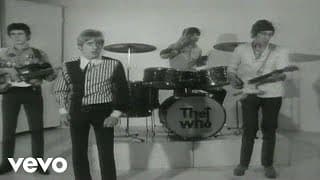
Townshend built it from a single word in "Tracks of My Tears", and American pressings rewrote the line about race.
Sixteen-year-old Michael Brown's hands shook when Renee walked into the control room, so he cut the harpsichord part later, alone.
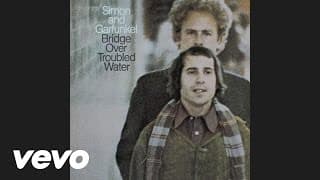
Friends banged on a piano bench at a party; Simon and Halee looped the thumping into a rhythm track.
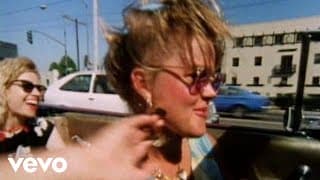
Written by post after Wiedlin and Hall's 1980 tour romance, and it still sounds like a secret being kept.
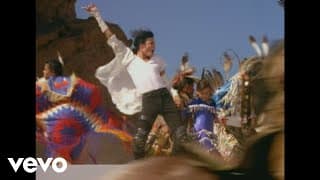
Bill Bottrell played the riff everyone credits to Slash, then rapped the verse himself after eight months of searching.
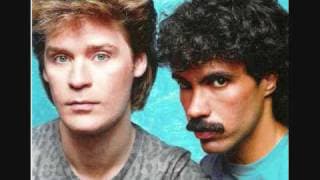
A rare Yamaha CP-30 supplies the riff, and Oates traced the song to Delta blues jammed against Texas swing.
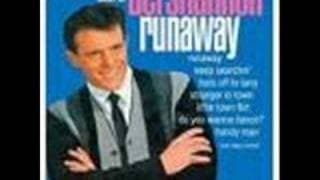
Crook hit the A minor to G change onstage in Battle Creek; his homemade Musitron took the solo.
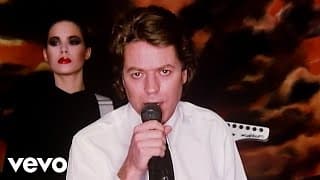
Chaka Khan's label blocked her from the duet, so Palmer sang it alone over Tony Thompson's drum intro.
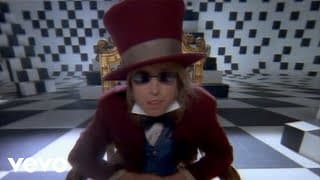
Stewart's electric sitar, a title Stevie Nicks said out loud one night, and Petty at his strangest.
Seven weeks at number one for Neil Diamond's song, with Diamond himself on acoustic guitar behind Dolenz's lead.
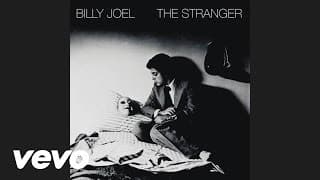
Bebop alto player Phil Woods takes the solo, and the melody Joel dreamed won Record and Song of the Year.
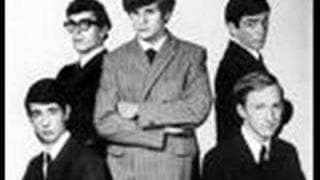
One minute fifty-eight seconds, Dan Penn's jet engine borrowed from a library sound-effects record, and Chilton growling at sixteen.
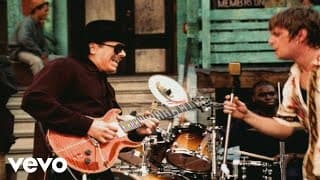
Itaal Shur wrote it as "Room 17"; Rob Thomas rewrote the melody and Santana's guitar answers him line for line.
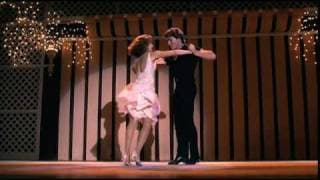
Medley said no repeatedly until Warnes signed on, and the two finished the vocal in about an hour.
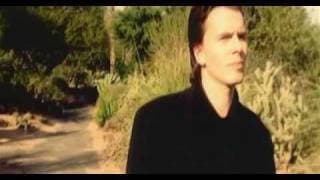
Three days to finish the music in Cuccurullo's home studio, and an elegy for a dead friend became their comeback.
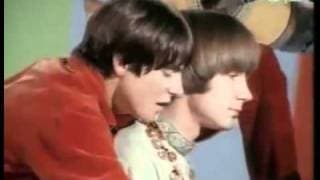
John Stewart wrote it after a day of pure daydreaming; Tork's piano and Jones's lead did the rest.
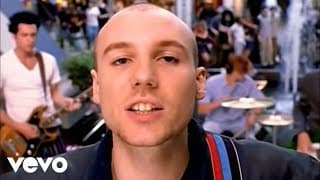
Alexander buried a celebrity taunt in the last verse to prove the press would ignore the politics; it worked.
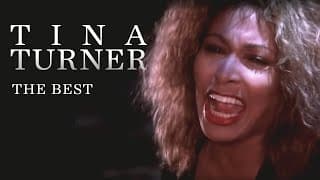
Bonnie Tyler recorded it first; Turner asked Holly Knight for the bridge and key change it lacked.
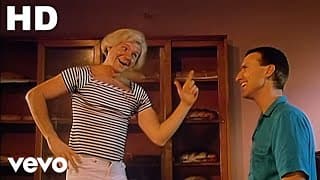
Greg Ham played the flute hook as a joke; it carried Hay's tale to number one in seven countries.
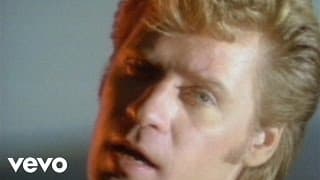
Oates started it as reggae; Hall swapped in a Motown bassline, and it sat four weeks at number one.

Ballard produced it, number four on the Hot 100 stands as her highest, and everyone still debates the title.

Slade wrote it after mentoring a troubled teenager at a Denver camp, and Grey's Anatomy did the rest.