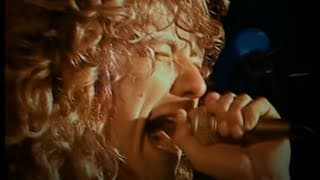
Whole Lotta Love
1969 · From Led Zeppelin II
Page's riff, Plant's howl, and a theremin freakout in the middle that still sounds like the roof coming off.
★ 9.7
 skopia
Page's riff, Plant's howl, and a theremin freakout in the middle that still sounds like the roof coming off.
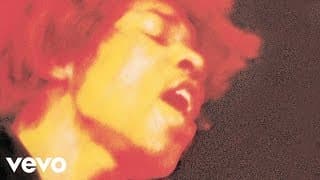
Hendrix took Dylan's parable and lit it, and Dylan has played it Hendrix's way ever since.
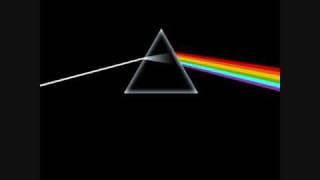
A tranquilizer shot before a 1977 Philadelphia show gave Waters the lyric; Gilmour brought the chords and the solo.
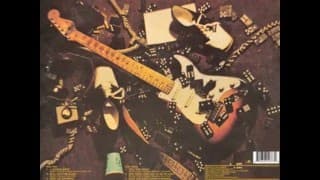
Clapton wanted his friend's wife; Duane Allman's slide answers every line, then Jim Gordon's piano coda changes everything.
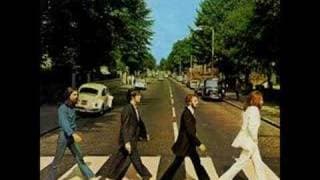
Lennon started it as a campaign song for Timothy Leary, then Ringo muffled his drums with tea towels.
Hilton Valentine's arpeggio, one take at De Lane Lea, and four and a half minutes when singles ran two.
Named for the gardener who woke them up, and cut with an acoustic guitar recorded into a Philips cassette recorder.
Cut May 3, 1968 with an ABC film crew rolling, and it became Hendrix's only British number one, posthumously.
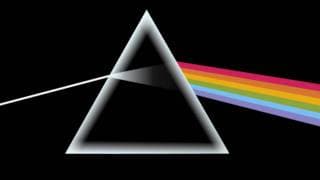
Seven beats to the bar, a tape loop of coins and cash registers, and Pink Floyd's first American hit.
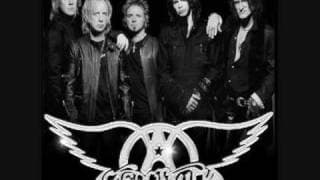
Perry built the riff at a Honolulu soundcheck; Tyler wrote the words on a Record Plant stairwell wall.
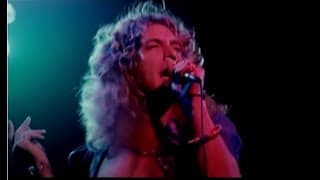
Jones wrote the riff, Page took the stop-start idea from Fleetwood Mac, and a stray labrador supplied the title.
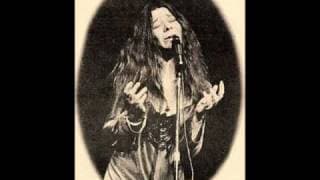
Joplin taped the vocal days before her death; Kristofferson did not hear it until the day after.
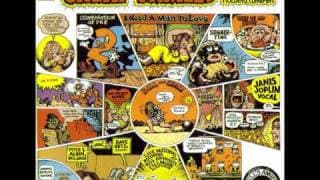
Erma Franklin had it first in 1967, then Joplin tore the same Ragovoy and Berns song wide open.
Four notes known as Syd's theme, and Barrett himself turning up at Abbey Road mid-session, unrecognized by the band.
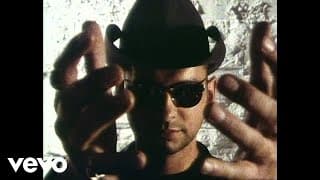
Priscilla Presley's memoir gave Gore the idea, Flood cut it in Milan, and Cash later called it evangelical.
Bruce came home from a Hendrix show carrying the riff, and Baker answered it by drumming on one and three.
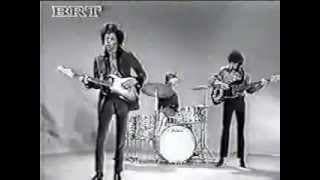
Hendrix took Tim Rose's slow arrangement off a jukebox, Chandler hired the Breakaways, and Britain answered at number six.
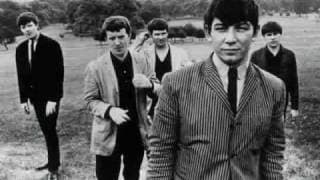
Chandler's bass walks in alone, Burdon arrives furious, and GIs in Vietnam claimed a Brill Building demo.
Young wrote it in bed with a 103-degree fever, and Crazy Horse stretched it to nine ragged minutes.
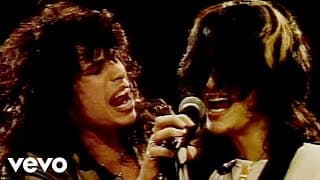
Tyler had the tune on his family's New Hampshire lodge piano years before Aerosmith; a reissue reached number six.
An ironing board cover, charcoal from spent matches, and Berry Oakley's bass counting the intro in eleven menacing beats.
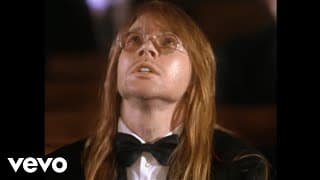
Slash's solo grew from an improvisation, Rose had chased the song since 1986, and nine minutes went top three.
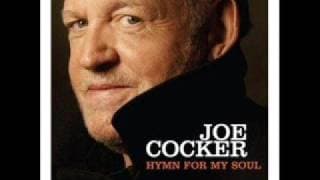
Cocker slowed a Beatles album track to gospel tempo, with Jimmy Page on guitar and Tommy Eyre's organ intro.
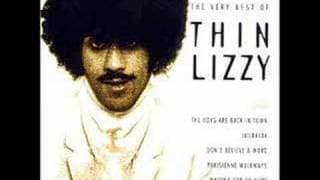
Gorham and Robertson's twin leads on a track the band nearly left off Jailbreak; Kentucky radio saved it.
A 5/4 intro that worried the label, Pappalardi's violas, Baker's timpani, and Clapton's wah-wah doing the talking.
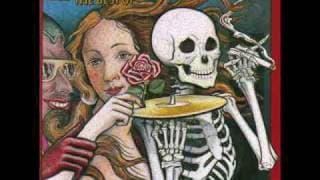
Hunter's lyric folds in a 1970 New Orleans bust, and the Library of Congress declared the record a national treasure.
Originally called Indiana Girl, until Petty decided he couldn't sing that line; Stan Lynch's last sessions with the Heartbreakers.
Bruce Hornsby's piano behind a vocal Raitt cut in one take, then refused to try again.
A thank-you note to Jagger for shouldering the band, by Richards' account, with Wood taking the solo.
Cut live at Winterland in March 1968, Robert Johnson's blues sped up under two of Clapton's most copied solos.
Written after Horace Ott quarreled with his girlfriend, and sped from Simone's ballad into Burdon's pleading.
Densmore's bossa nova drum feel, Krieger's riff borrowed from a Butterfield blues cover, and a refrain their producer censored.
A lyric lifted from "Lovey Dovey", a misheard doo-wop coinage, and a Levi's ad that made it Britain's number one.
Page cut the unaccompanied solo at Atlantic while the rest of the track was taped across town at A&R.
Hornsby wrote the words first in a Van Nuys garage; that piano figure later became the spine of Tupac's Changes.
Twenty minutes at the tail end of the Fire session, and Hendrix trading fire for something quiet and blue.
McCready's riff was a Ten outtake, and Vedder improvised a lyric he has been rewriting onstage ever since.
Four Alabama day-jobbers paid for their own sessions at a Nashville home studio, and Rolling Stone named it 2012's best.
Jeff Porcaro's half-time shuffle carried it to Record of the Year, and drummers have been chasing that groove since.
Among Plant's first songwriting credits, a CBS contract having blocked him on the debut, over guitars panning across both channels.