You've Lost That Lovin' FeelinThe Righteous Brothers
You've Lost That Lovin' Feelin
1964
Spector printed 3:05 on the label of a 3:45 record, and it became the century's most-played song on American radio.
★ 8.8
 skopia
Spector printed 3:05 on the label of a 3:45 record, and it became the century's most-played song on American radio.
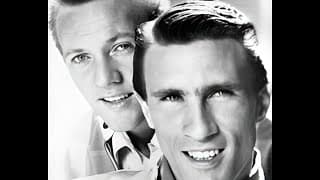
Written for a 1955 prison film, buried on a B-side, and Hatfield sang the whole thing alone.
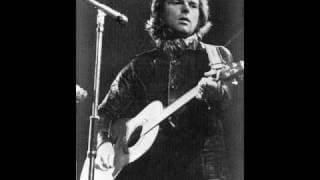
Twenty-two takes at A&R Studios, the Sweet Inspirations behind him, and a song Morrison says never paid him royalties.
A 1784 French melody rewritten for Blue Hawaii, and the song Presley chose to close his shows for a decade.
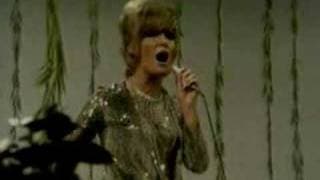
Written with Aretha in mind, handed to Springfield by Jerry Wexler; Memphis cut the track, New York got her vocal.
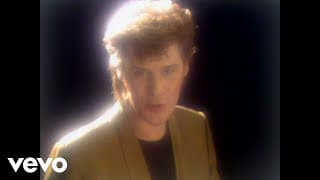
Hall started with a Roland preset and a Korg bass line, the one Jackson borrowed for Billie Jean.
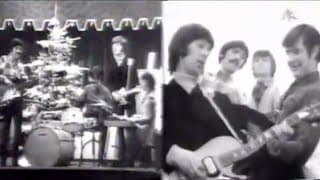
Half an hour in a Marquee rehearsal room, by Muff Winwood's account, and Steve's placeholder yell became the title.
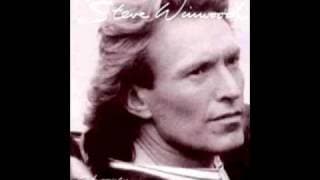
Chaka Khan's backing vocals lift Winwood's first solo number one, and the Grammy for Record of the Year followed.
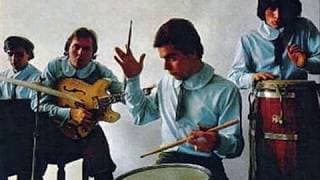
Cavaliere heard the Olympics' version on New York radio, and the Rascals turned a number 81 into a number one.
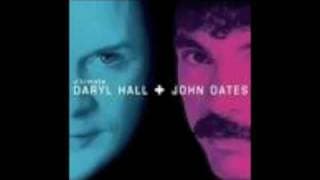
Hall wrote it about a fast-food heir, changed Rich Boy to Rich Girl, and took the duo to number one.
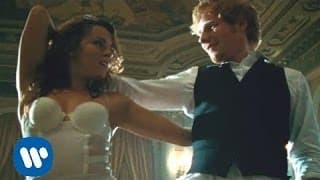
Wadge was playing chords while Sheeran showered; twenty minutes later they had a Song of the Year.
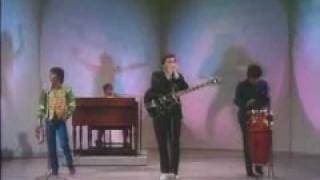
No drum kit on the record at all, just percussion, harmonica and birdsong, and Cavaliere's Sundays off tour.
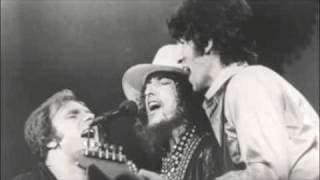
Written in Woodstock, cut in San Francisco with Modern Jazz Quartet drummer Connie Kay behind Morrison's warmest melody.
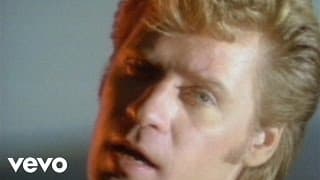
Oates started it as reggae; Hall swapped in a Motown bassline, and it sat four weeks at number one.
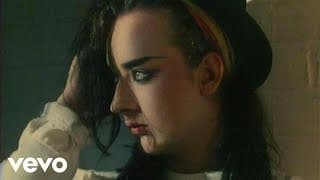
A soft reggae beat from Mikey Craig's Caribbean instincts, Steve Levine's polish, and Boy George on Top of the Pops.
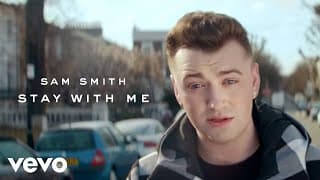
One voice layered roughly twenty times into a choir, and a settlement that added Petty and Lynne.
James took the title from Revelation's New Jerusalem and floated it over organ, acoustic guitar and overdubbed bongos.
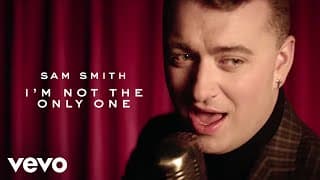
Smith and Jimmy Napes wrote it about someone else's marriage, and Simon Hale's strings carry the slow march.
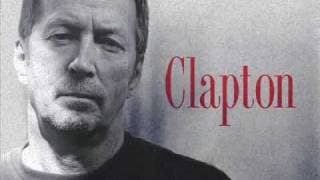
Wynonna Judd cut it first as country; Babyface gave Clapton a soul groove and the Grammys gave back three.
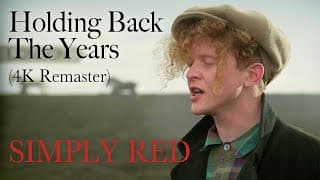
Hucknall wrote the words at seventeen, his punk band cut it first, and the chorus made it an American number one.
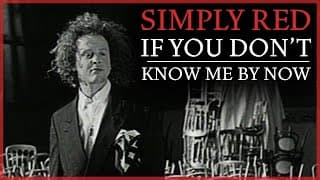
A Gamble and Huff ballad first sung by Teddy Pendergrass in 1972, taken by Hucknall to number one in America.
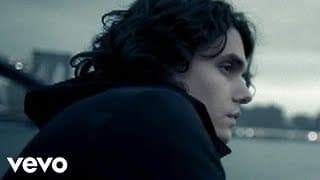
Steve Jordan on drums, Pino Palladino on bass, and a Grammy for a chorus about feeling politically stuck.