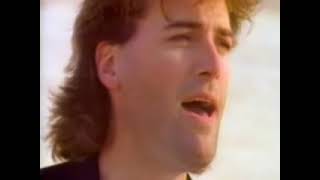
Place In This World
1990
Wayne Kirkpatrick co-wrote it, Dann Huff played the guitar, and Christian radio's searching ballad reached number six pop.
★ 1.3
 skopia
Wayne Kirkpatrick co-wrote it, Dann Huff played the guitar, and Christian radio's searching ballad reached number six pop.
Scalzo sang lead from behind the bass, Hammond organ carrying it, and Machine Gun Kelly later borrowed the chorus.
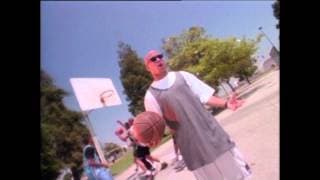
Skee-Lo wanted to be taller, a Bernard Wright loop did the rest, and the Grammys nominated it against Coolio.
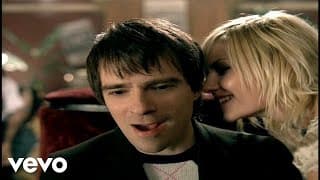
Cuomo re-recorded it after crowds sang his original melody back at him, and it topped alternative radio for four weeks.
Weiland called it the gap between kid and young man, and Brendan O'Brien's production leaves the voice bare.
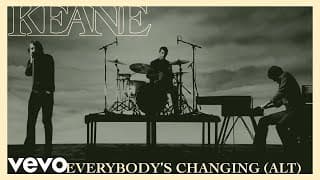
Rice-Oxley wrote it after the guitarist quit, which is why a rock band's biggest hook is played on piano.
Walla had to talk the band into keeping it, and Gibbard's throwaway became their singalong.

Recorded in Honolulu for 808s & Heartbreak with Jeff Bhasker co-producing, Auto-Tune propping up bravado that keeps slipping.
Haines wrote it on piano in Buenos Aires as a ballad; the tempo went up and panic became a hook.
Ocasek produced it, Cuomo aimed for the Velvet Underground, and the party-chatter intro made a sad song sound hilarious.
Capitol dropped the band, Trombino produced on credit, and the drum pattern came straight off Tom Petty's You Wreck Me.

A piano riff Martin nearly saved for the next album, rescued by their manager, then Record of the Year.
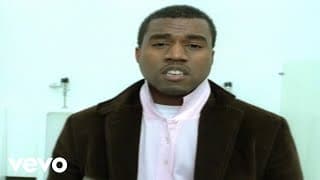
Denied the Lauryn Hill sample, West had Syleena Johnson sing the part, and got his first solo top ten.
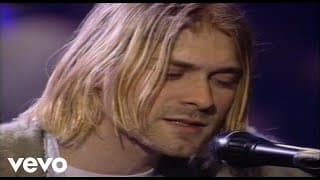
Lori Goldston's cello beside Cobain at the November 1993 Unplugged taping, months before his death, apology turned farewell.

Armstrong rewrote it around his undiagnosed panic attacks, cut it at Fantasy Studios, and sold punk to the suburbs.

Greenwood meant those three dead notes before the chorus to wreck the song, and they are what makes it work.
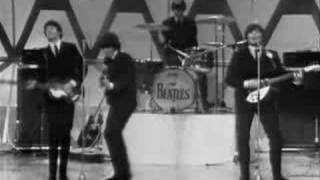
Twelve takes in April 1965, McCartney's counter-melody chasing the lead, and Lennon insisting years later the plea was real.
Aspen in 1974, Nicks weighing whether to quit music, and Buckingham Travis-picking a Martin D-18 underneath.
Buck wrote the riff while teaching himself mandolin in front of the television, and R.E.M. got their biggest American hit.

Written between takes on a film set, delivered like a man with exactly one shot at everything.