
Wherever You Will Go
2001
Kamin wrote it after a funeral, imagining the widower left behind; it then held Adult Top 40 for twenty-three weeks.
★ 2.0
 skopia
Kamin wrote it after a funeral, imagining the widower left behind; it then held Adult Top 40 for twenty-three weeks.

Herbie Crichlow and Max Martin wrote it; the video's dedication to Denniz Pop turns the harmonies into mourning.
Rutherford and B.A. Robertson had both just lost their fathers; Carrack, who lost his young, sang it.
Seven weeks atop the country chart in 2002, and a bartender's story Jim Collins and Craig Wiseman wrote.

Scott Litt produced it at NRG, and Boyd wrote the lyric amid two deaths and a collapsing relationship.
George Teren and Rivers Rutherford wrote it; Dolly Parton's harmony carries a song about grief and the afterlife.

Lee and Moody wrote it at fifteen; the album kept her raw demo vocal, radio got Campbell's grieving strings.

Kimberly Perry wrote it alone, and banjo, fiddle and mandolin carry her meditation on mortality across fifty-three Hot 100 weeks.
Trombino set it as a 6/8 waltz for two sisters who ran Weezer's fan club; never a single, sung everywhere.

Puth turned a dance production into a piano ballad for Paul Walker; it spent twelve weeks atop the Hot 100.
Steinman wrote it out of Wuthering Heights for Pandora's Box in 1989, and Dion made it enormous.

Monahan woke from a dream of his late mother, and Paul Buckmaster's strings carry the whole ache.

Nathan Morris had written nearly the same song for his late road manager, Carey said; sixteen weeks at number one.
An uncleared Police sample handed Sting the royalties; Faith Evans and 112 turned mourning into eleven weeks at number one.
Taupin rewrote his Marilyn Monroe lyric for Diana, George Martin added strings hours after the funeral, and 33 million sold.

Armstrong's father died in September 1982; by his account the words he said that day waited twenty years.
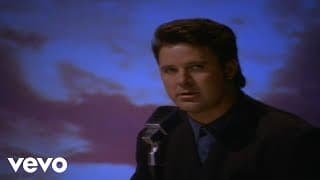
Gill started it for Keith Whitley in 1989 and finished it after his half-brother died, Patty Loveless singing harmony.
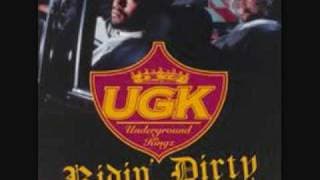
Pimp C built it on an Isley Brothers loop, Ronnie Spencer sings the hook, and Texas rap found its elegy.

McCready's riff was a Ten outtake, and Vedder improvised a lyric he has been rewriting onstage ever since.

Will Jennings helped finish a lyric Clapton wrote after his four-year-old son died; three Grammys followed in 1993.