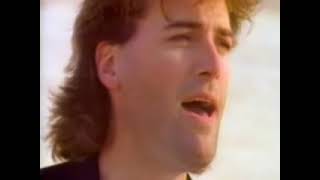
Place In This World
1990
Wayne Kirkpatrick co-wrote it, Dann Huff played the guitar, and Christian radio's searching ballad reached number six pop.
★ 1.3
 skopia
Wayne Kirkpatrick co-wrote it, Dann Huff played the guitar, and Christian radio's searching ballad reached number six pop.
Page and George wrote the music touring with Adam Ant; John Lang set a Greek prayer on top.
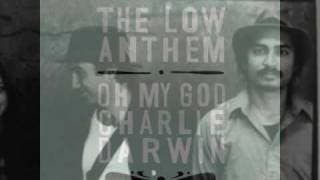
Cut in a converted basement on Block Island, sung in falsetto with the drums stripped out; the Mayflower never sounded lonelier.
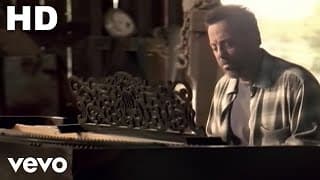
Joel woke with the melody, tried to wash it away in the shower, and gave in to gospel.
Two minutes long, given away to fans who posted flyers, and jangling its way toward something like salvation.
Sub Pop led The Shepherd's Dog with this, the record where Beam's whispered four-track folk grew a full band.
A 1932 hymn Brumley began while picking cotton, carried here by Krauss and Welch over mandolin and guitar.
Printed as "The Good Old Way" in an 1867 collection of slave songs, and Krauss makes it sound weightless.
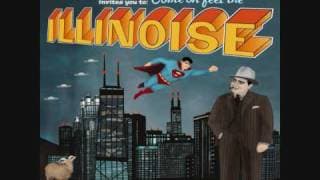
Four guitar chords never change while Stevens sings a Bible study, a friend's death, and a question for God.
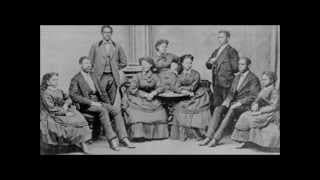
Willis, a Choctaw freedman, wrote it, and the Fisk quartet's 1909 Victor disc now sits in the National Recording Registry.
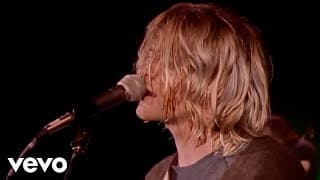
The only Nevermind track cut to a click track, and Grohl's metronome only makes the quiet-loud lurch hit harder.
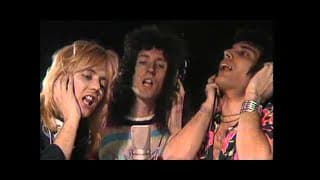
Mercury wrote it at the piano, then three voices were multitracked into something the size of a gospel choir.
Al Bell lifted the bassline from a Jamaican instrumental, and Mavis Staples turned Muscle Shoals into a pulpit.
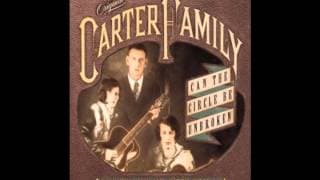
A 1907 hymn rewritten into a mother's funeral, with A.P. Carter tightening the grief and Maybelle's guitar holding it.
A jam demoed under the title The Weather Girls became a gospel hymn about doubt, and U2's second American number one.
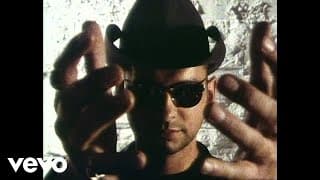
Priscilla Presley's memoir gave Gore the idea, Flood cut it in Milan, and Cash later called it evangelical.
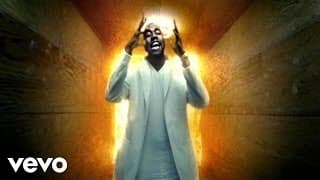
A marching ARC Choir sample, Rhymefest's co-write, and a label convinced nobody would play a rap record about God.
Mayfield turned the gospel train of the spirituals into a civil rights hymn, and King used it to steady marchers.
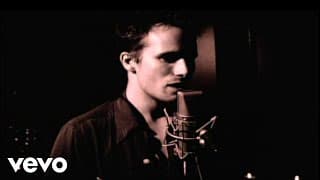
Buckley learned it from John Cale's version and cut over twenty takes at Bearsville; the edit sounds like one breath.
A 1965 Studio One ska tune rebuilt for Exodus, with Mayfield credited to keep the borrowing legal.