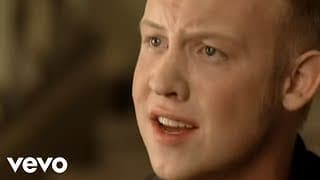
Over My Head (Cable Car)
2005
A fight with his brother Caleb, a Denver station spinning the demo, and Slade's chorus everywhere by 2006.
★ 2.7
 skopia
A fight with his brother Caleb, a Denver station spinning the demo, and Slade's chorus everywhere by 2006.
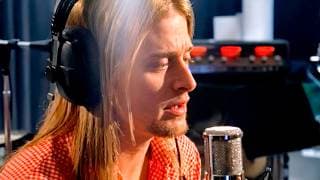
Crow's label blocked the radio rights, so Allison Moorer re-cut the female vocal; it still became Kid Rock's biggest hit.
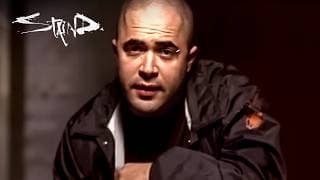
Written in 1996 for an acoustic side project and shelved, it returned to spend twenty weeks atop Mainstream Rock.
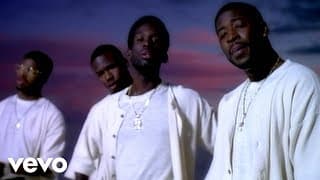
Four voices, one Babyface song about a relationship drying up, and another number two for the Philadelphia group.

Hucknall wrote the words at seventeen, his punk band cut it first, and the chorus made it an American number one.
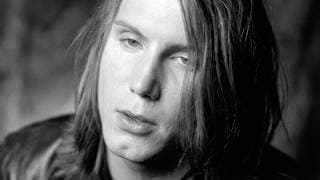
Rzeznik twisted tuning pegs until a second high E replaced the B string, and that open ring carries the song.
Cut to 24-track analog tape at Sonic Ranch in Texas, gauzy organ, Legrand singing a relationship dissolving.
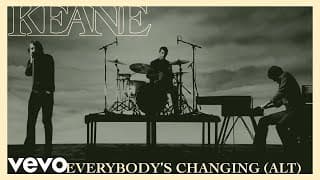
Rice-Oxley wrote it after the guitarist quit, which is why a rock band's biggest hook is played on piano.
Fifty-two weeks on the Hot 100 for a breakup song that began with Cadogan picking up an autoharp.

Two chords written in a northeast Portland duplex, and Nate Query put the whole album on his credit card.
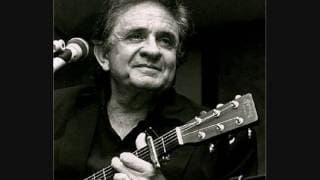
Rick Rubin's arrangement leaves it bare, and Cash, his voice thinned by illness, turns U2's Berlin song into a reckoning.
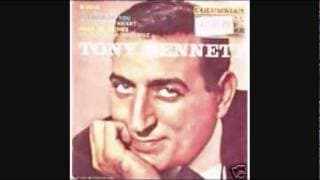
Mitch Miller took a Hank Williams country ballad, wrapped it in Percy Faith's strings, and country crossed over.
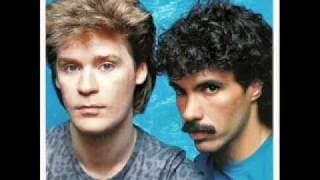
A chorus Oates stumbled into on a synthesizer he could barely operate, and the duo's sixth and last number one.
Cut in the trio's Glasgow basement studio, sibling estrangement wrapped in synth glitter and Mayberry's bright clean vocal.

Holland-Dozier-Holland hid behind the pseudonym Edythe Wayne, Dennis Coffey added electric sitar, and Britain gave it six weeks on top.

Koenig named it for a Columbia classmate from his Buddhism class, and the final minute cracks wide open.
Four feet of air between hi-hat and snare mic, and a drum machine sketch reborn as live New York rock.

Pecknold rebuilt a piano soul demo with Phil Ek at Bear Creek, and the harmonies own the second half.
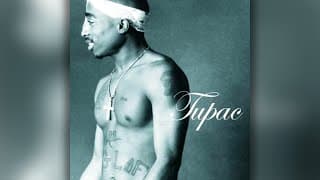
Released two days after Shakur's death, Daz Dillinger's loop of DeBarge's A Dream carrying a farewell to lost friends.
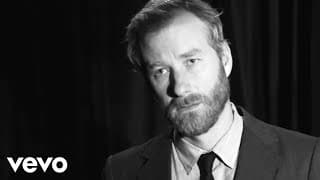
Cut in Aaron Dessner's Brooklyn garage, a horn part stripped out late, leaving that rolling drum pattern and Berninger's baritone.