Popular
1995
Ric Ocasek produced it, and the spoken verses lift straight from Gloria Winters' 1964 teenage charm and popularity guide.
★ 3.5
 skopia
Ric Ocasek produced it, and the spoken verses lift straight from Gloria Winters' 1964 teenage charm and popularity guide.
Weiland called it the gap between kid and young man, and Brendan O'Brien's production leaves the voice bare.
Funkadelic's Can You Get to That, looped and sweetened, under the one Sleigh Bells song that whispers.

Nathan Chapman's production stays hushed while Swift and Liz Rose leave the real classmate's name, Drew, in the lyric.
Schlesinger owned up to this one, chasing the Cars; Ocasek assumed the intro was sampled from Just What I Needed.
Mercer sketched a young lesbian couple stuck in a small town, then floated it on Chiccarelli's widescreen jangle.

Cut with Joel Little in a small Auckland studio, the beat built before a word, that "Yeah" doing everything.
Number one in Australia, number two in Britain, built from Brown's memory of Long Island parents fearing metal records.
Written on guitar rather than piano, cut live in a bedroom on a few microphones, and unbearably calm.
Ezrin cut an eight-minute jam down to three, and John Lydon mimed along to it to join the Sex Pistols.
Conceived as a satire of party songs, it became the band's only top ten hit, the joke unnoticed.

Nas was twenty and already writing memoir here, over DJ Premier's loop of a Reuben Wilson organ.
Three Wilson brothers on the first verse, singing harmonies worked out in the Hawthorne bedroom the song describes.
Two deliberate key changes raise the temperature under a teenager discovering his parents are cooler than he is.
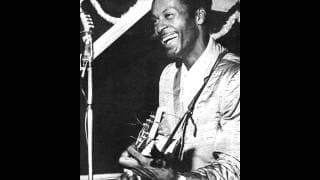
Lafayette Leake's piano, Willie Dixon's bass, and a melody Brian Wilson borrowed so closely he lost the copyright.
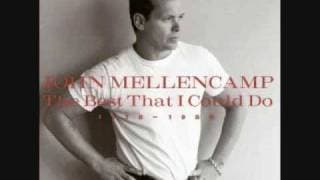
Mick Ronson suggested the baby rattles and sang the "let it rock" hook; the handclaps were only a guide track.
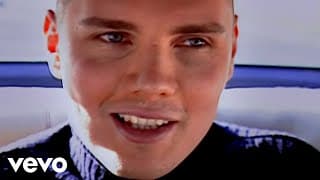
Flood said it wasn't good enough, so Corgan rewrote it that night and got the band's biggest hit.
Cochran overdubbed his own bass voice for the boss and the senator, Earl Palmer drumming behind the great teenage complaint.
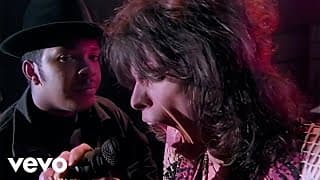
Rubin had to talk Run-DMC into it; Tyler smashed through the video's wall and Aerosmith got a career back.