Don't Forget Me (When I'm Gone)
1986
A shuffle borrowed from Tears for Fears, cut on day one, with Bryan Adams singing near the end.
★ 1.8
 skopia
A shuffle borrowed from Tears for Fears, cut on day one, with Bryan Adams singing near the end.
Twelve weeks at number one on Alternative Airplay, with Brett Scallions selling every syllable of Carl Bell's chorus.
A slow burn, Hugh Padgham at the desk, Stephen Bishop harmonising behind, and Collins's fourteenth and final American top ten.
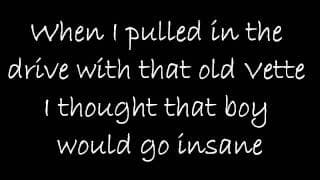
A father narrating his son's boyhood, written by Dillon and Chamberlain, and Strait's thirty-sixth number one.
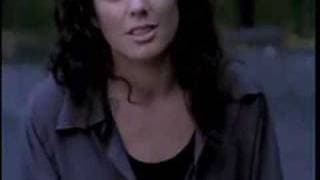
Seamus Egan's instrumental came first; McLachlan added words, and the live Mirrorball version won her a Grammy.
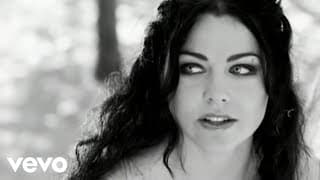
Lee and Moody wrote it at fifteen; the album kept her raw demo vocal, radio got Campbell's grieving strings.
Bacharach and David's 1964 ballad rebuilt in synthesizers at Abbey Road, and by Byrne's account the vocal took one take.
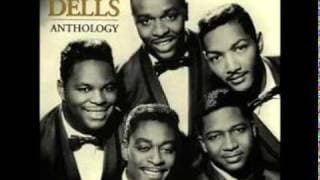
Vee-Jay released it in 1956 as doo-wop; the Dells recut it thirteen years later and reached the pop ten.
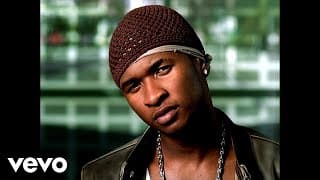
Cut at Tree Sound in Georgia with Jimmy Jam and Terry Lewis producing, it won Usher his first Grammy.
Unhappy with the mix, Walla squashed the drums through speech-therapy hardware and rebuilt the track around a glove compartment.
Steinman wrote it out of Wuthering Heights for Pandora's Box in 1989, and Dion made it enormous.
Barley fields outside Sting's Wiltshire house, Kathryn Tickell's Northumbrian smallpipes, and a promise meant to last a lifetime.
Gordy ordered a rush job after Columbia reissued an old single, so Holland-Dozier-Holland reversed their own chart topper.
One classical guitar, no drums, and the Knife's synth-pop single reduced to a whisper that reached UK number nine.
Owen Bradley produced the December 1961 session; Cline works through an inventory of keepsakes while Floyd Cramer's piano answers.
Shadow Morton had never written a hit when he cut this demo, seagull effects and all, to prove he could.
Doug Dillard's banjo rolls under a lyric with no chorus, written soon after Hartford watched Doctor Zhivago.
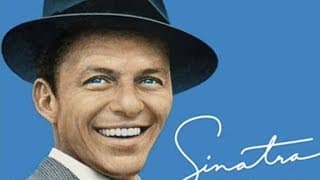
Kern's melody took the 1936 Academy Award; Nelson Riddle's 1964 arrangement made Sinatra's the most imitated reading.
Horns and clarinets swell over guitar in a converted Wisconsin veterinary clinic; Grammy voters nominated it for record and song.
Hynde cut it weeks after Honeyman-Scott's death, with Rockpile's Bremner on guitar and a Sam Cooke chant behind her.
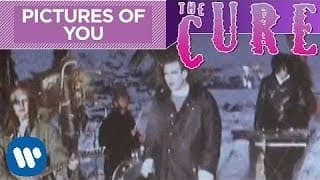
A house fire left Smith with photographs of Mary salvaged from his wallet, and one became the single's sleeve.
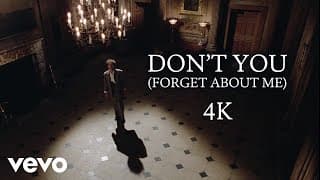
Bryan Ferry and Billy Idol passed; Simple Minds cut it reluctantly, then kept the placeholder chant that closes it.
February 1956, a New Haven church basement, and a song Parris had written on Army guard duty.
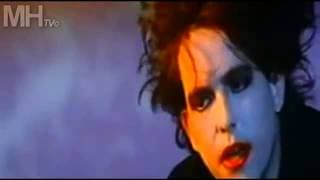
Smith traced it to a day at Beachy Head with Mary Poole; Williams sped the tempo, adding the opening fill.
Dylan recut it in Minneapolis with his brother producing, then spent decades rewriting a story already told out of order.
Pete Rock looped a Tom Scott saxophone line, and CL Smooth's eulogy for a lost friend still aches.
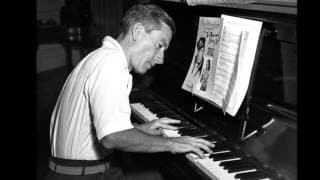
Carmichael whistled the tune to his band at Gennett and cut it fast; Parish added the lyric two years later.
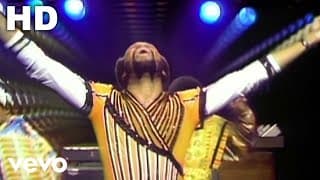
Willis wanted real words instead of ba-dee-ya; White refused, and the groove outlived any lyric she could have written.
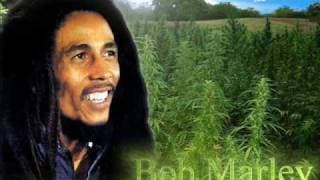
Marley credited it to Tata Ford, whose Trenchtown soup kitchen the royalties kept running; the title means woman, don't cry.
Lennon's first draft listed bus stops in Liverpool; Martin's piano solo, taped at half speed, sounds baroque.
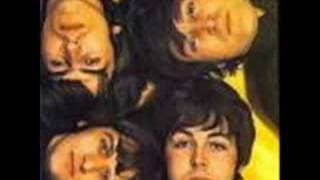
McCartney dreamt the melody, called it "Scrambled Eggs" for weeks, then let a string quartet make it immortal.
Two takes in different keys and tempos spliced into one, a Mellotron haze over Lennon's Liverpool childhood.