Strawberry Fields Forever
1966 · From Magical Mystery Tour
Two takes in different keys and tempos spliced into one, a Mellotron haze over Lennon's Liverpool childhood.
★ 9.7
 skopia
Two takes in different keys and tempos spliced into one, a Mellotron haze over Lennon's Liverpool childhood.
McCartney dreamt the melody, called it "Scrambled Eggs" for weeks, then let a string quartet make it immortal.
Lennon's first draft listed bus stops in Liverpool; Martin's piano solo, taped at half speed, sounds baroque.

Marley credited it to Tata Ford, whose Trenchtown soup kitchen the royalties kept running; the title means woman, don't cry.
Willis wanted real words instead of ba-dee-ya; White refused, and the groove outlived any lyric she could have written.
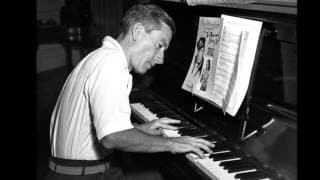
Carmichael whistled the tune to his band at Gennett and cut it fast; Parish added the lyric two years later.
Pete Rock looped a Tom Scott saxophone line, and CL Smooth's eulogy for a lost friend still aches.
Dylan recut it in Minneapolis with his brother producing, then spent decades rewriting a story already told out of order.
Smith traced it to a day at Beachy Head with Mary Poole; Williams sped the tempo, adding the opening fill.
February 1956, a New Haven church basement, and a song Parris had written on Army guard duty.
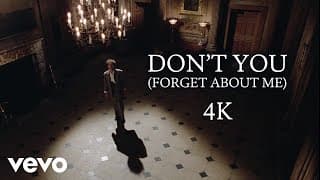
Bryan Ferry and Billy Idol passed; Simple Minds cut it reluctantly, then kept the placeholder chant that closes it.
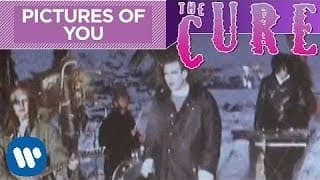
A house fire left Smith with photographs of Mary salvaged from his wallet, and one became the single's sleeve.
Hynde cut it weeks after Honeyman-Scott's death, with Rockpile's Bremner on guitar and a Sam Cooke chant behind her.
Horns and clarinets swell over guitar in a converted Wisconsin veterinary clinic; Grammy voters nominated it for record and song.
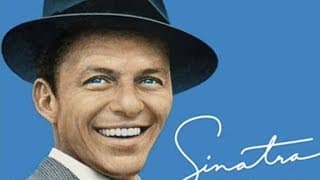
Kern's melody took the 1936 Academy Award; Nelson Riddle's 1964 arrangement made Sinatra's the most imitated reading.
Doug Dillard's banjo rolls under a lyric with no chorus, written soon after Hartford watched Doctor Zhivago.
Shadow Morton had never written a hit when he cut this demo, seagull effects and all, to prove he could.
Owen Bradley produced the December 1961 session; Cline works through an inventory of keepsakes while Floyd Cramer's piano answers.
One classical guitar, no drums, and the Knife's synth-pop single reduced to a whisper that reached UK number nine.
Gordy ordered a rush job after Columbia reissued an old single, so Holland-Dozier-Holland reversed their own chart topper.