Holy Grail
2013 · From Magna Carta Holy Grail
Timbaland and The-Dream produced it, Timberlake sings the hook, and Courtney Love cleared the Nirvana interpolation underneath.
★ 3.8
 skopia
Timbaland and The-Dream produced it, Timberlake sings the hook, and Courtney Love cleared the Nirvana interpolation underneath.
Two hours walking New York on a day off, and Roland returned with four weeks atop album rock.
Written for her own concert film with Max Martin and Dr. Luke, it climbed to number two in America.
Mercer and Burton met at Roskilde in 2004, then recorded in secret; the result shuffles beautifully toward resignation.
Written at sixteen on a road trip, produced by Ben Keith, from a debut that took two years to break.
Curt Kirkwood wrote it for Meat Puppets II, then stood onstage playing it while Cobain sang his obscure song to millions.
A 1960 Boudleaux Bryant song the Everly Brothers cut first, remade by McCafferty's rasp into the version everyone knows.
Jakob Dylan wrote it at a Los Angeles kitchen table, then watched it top all three Billboard rock airplay charts.
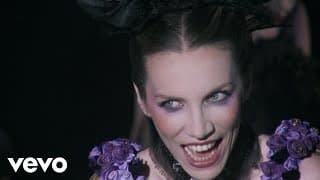
Roland Barthes' A Lover's Discourse fed the 1986 original; Lennox and Lipson rebuilt it into a Grammy winner.
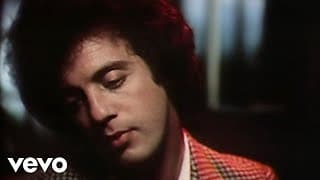
Number twenty-four on the Hot 100, and still a Song of the Year nominee; Ramone cut it at A&R.
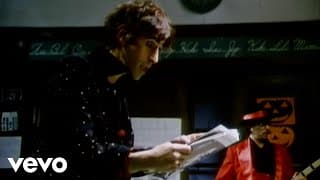
Justman, the band's keyboardist, wrote it, and his synth hook took a Worcester blues band to six weeks at number one.
Smith recorded Either/Or in Portland friends' houses and mixed this one himself, a parade watched through sour eyes.
A field recording of distant Seattle freeway noise opens the album, then the guitars come crashing in behind Gibbard.

One week of writing after a nine-year relationship ended, and Godrich kept the arrangement to acoustic guitar and brushes.
Originally called Planet Xerox until the trademark intervened, drums spliced from other sessions, piano soaked in delay.
Jeff Trott's hook arrived first, the country arrangement went out, and Crow won a Grammy singing her own backlash.
Eno took a co-writing credit and played synthesizers; it became Coldplay's second UK number one and a stadium fixture.
Yttling whistled a placeholder melody, ran it through tape delay, and kept it; Bergsman answers line for line.
Mellencamp waved at a man sitting outside a pink shotgun house near the highway, and wrote America's most misread chorus.
Dilla looped Ahmad Jamal's "Swahililand" into a warning shot at where hip hop was heading in 1996.

Darby Slick wrote it after his girlfriend left; Grace Slick brought it from the Great Society to number five.
A B-side to "Travelin' Band" that outgrew it, Fogerty's unhurried strum and a question about Vietnam still hanging.
Twenty minutes for melody and title, by Flowers' account, and Flood and Moulder gave it Born to Run scale.
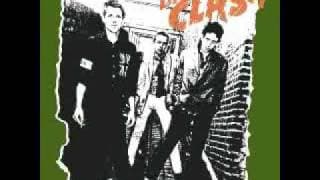
Strummer expected roots rebellion at an all-night Palais reggae bill, got showbiz, and slipped reggae bass into punk.
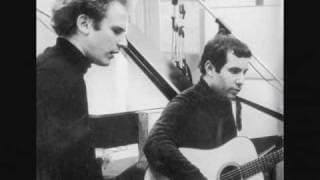
No rhyme scheme anywhere, just Simon reworking a 1964 road trip with Kathy Chitty until the emptiness lands mid-verse.
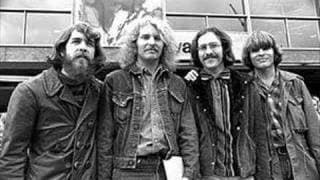
Fogerty said the rain falling on a sunny day was Creedence breaking up around him; the record aches accordingly.
No I.D. looped George Benson, Common told hip hop's story as one woman, and Ice Cube took it personally.
A lounge gig, a fake name, Bill Martin, and every regular at the Executive Room written into a verse.
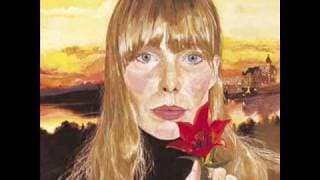
Mitchell was reading Henderson the Rain King on a plane, looked out at the clouds, and started writing immediately.
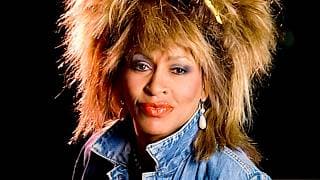
Cliff Richard turned it down, Bucks Fizz shelved it, and Turner at forty-four took it to number one.
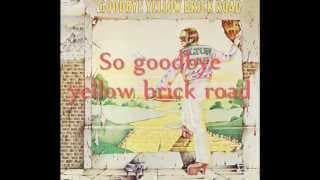
Sessions collapsed in Kingston, so the band regrouped at a French chateau and Taupin traded Oz for a Lincolnshire farm.
Two years in the making, with MacColl finally singing the woman's part, and it still stalled at number two.
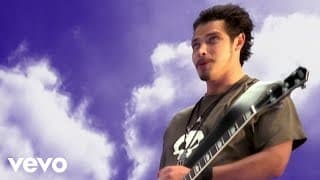
A Leslie speaker gives the guitars their swirl, and Cornell built the title from a misheard news broadcast.
Stevie Wonder's gear failed at the Mandela tribute, Chapman went on with a guitar, and the record went top ten.
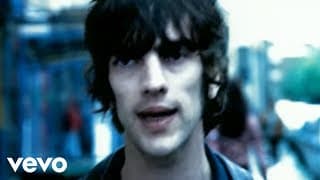
Built on an Andrew Oldham Orchestra recording of a Stones song; Jagger and Richards returned the credit in 2019.
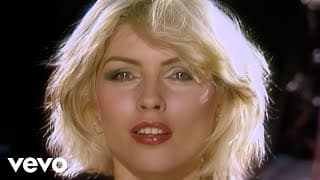
A demo kicked around since the mid-seventies, rebuilt on a Roland drum machine that appalled their punk friends.
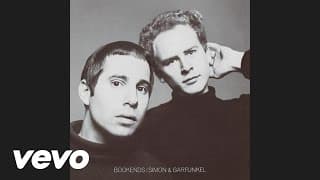
Simon had it as Mrs. Roosevelt with nonsense syllables for a verse, and it won Record of the Year.
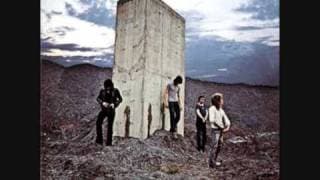
Eight and a half minutes, a Lowrey organ run through a VCS3, and Daltrey's scream tearing into the final verse.
Harrison opened a book at random, saw "gently weeps", and Clapton came in uncredited to play the solo.
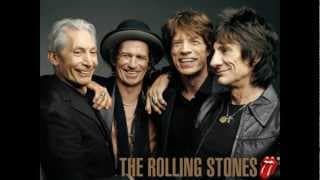
A choral intro from the London Bach Choir, Al Kooper on French horn, and producer Jimmy Miller on drums.