Hold Me Back
2012
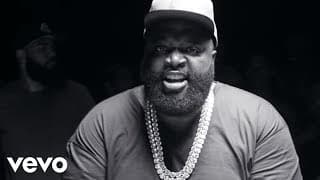
G5's beat is a stomp, and the black-and-white video walks Ross through New Orleans' Calliope projects.
★ 2.4
 skopia
G5's beat is a stomp, and the black-and-white video walks Ross through New Orleans' Calliope projects.
Diane Warren's first number one, written with Albert Hammond for Mannequin and sung like the odds were nothing.
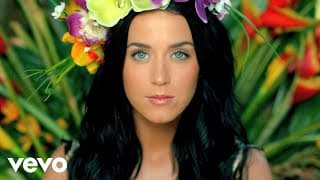
Perry left therapy sick of staying quiet, and Bonnie McKee turned that into pop's loudest dust-yourself-off chorus.
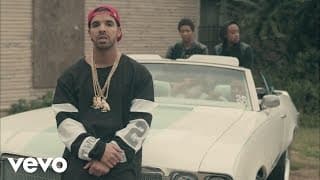
Director X shot the video in Memphis with Drake's father, over a DJ Dahi beat that snarls.
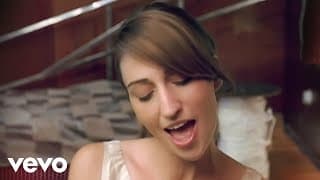
Epic wanted a radio-friendly love song; Bareilles wrote a refusal instead, and that piano riff climbed to number four.
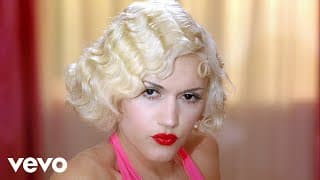
Hollis and Friese-Greene wrote it for Talk Talk in 1984, and Nellee Hooper's production hands Stefani a stadium chorus.
Hollywood Records turned it down for McCartney; Tedder recut it in a new key and Cowell called it the one.
Charli XCX passed on her own demo; Icona Pop roughed it up, and HBO's Girls did the rest.
Written on acoustic guitar in 1991, recorded by Albini at Pachyderm, and stocked by Walmart under a changed title.
3.2 million ringtones sold, a Grammy won, and Play-N-Skillz's beat under a hook about racial profiling.
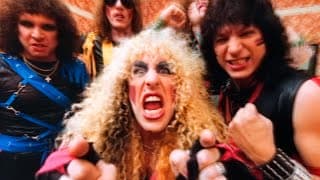
Snider hung the melody on "O Come, All Ye Faithful," and the PMRC filed it under filth anyway.
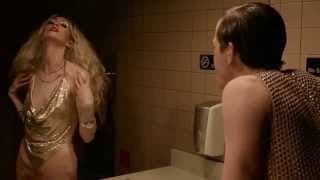
Adrian Utley of Portishead helped build the noise, and Hadreas answers a lifetime of stares with pure swagger.
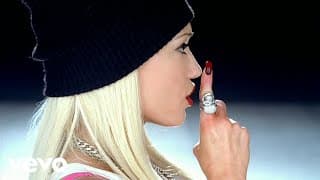
Courtney Love called her a cheerleader, so Stefani and the Neptunes built the taunt into pop's first million-selling download.
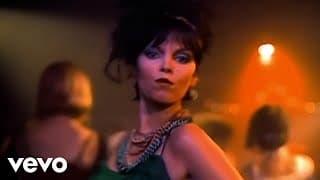
Holly Knight and Mike Chapman wrote it as a ballad; Neil Giraldo's drum machines turned it into dance-rock.
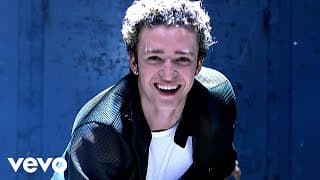
Andreas Carlsson reportedly wrote the lyric during a Stockholm driving test; Cheiron's producers built pop's most decisive exit.
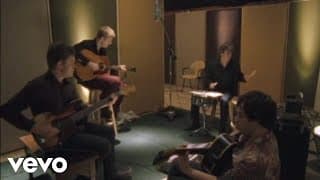
Jon Brion produced this track and no other on the album, adding mariachi-style horns and handclaps to Britt Daniel's warning.
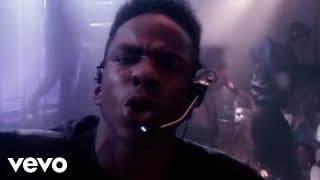
Brown flew to New York with Gene Griffin for the aggressive song his album lacked, and new jack swing arrived.
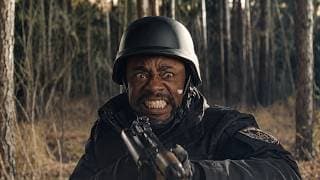
Sia cut the vocal as a guide for another singer; Guetta released it anyway, and she got a number one.
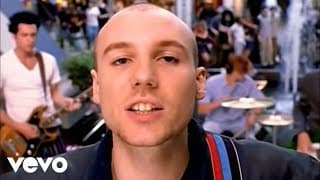
Alexander buried a celebrity taunt in the last verse to prove the press would ignore the politics; it worked.
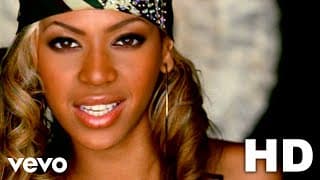
A radio host's joke about the lineup changes, flipped into a Grammy winner Beyonce largely wrote on a flight.
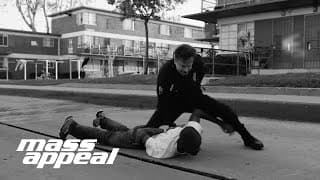
El-P's beat, de la Rocha recruited a day after a chance encounter, and the fiercest track on the album.
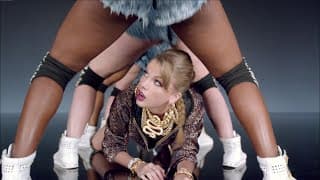
Martin and Shellback stomped the drum pattern on a wooden floor, and Swift turned tabloid noise into fifty weeks charting.
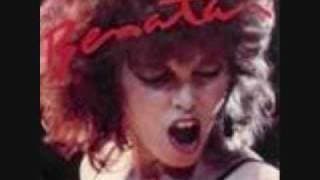
Schwartz took the title from a pillow-punching therapy session, and Benatar made it her first American top ten.
Sixteen-year-old Ernie Isley's bass on his first session, cut for the brothers' own T-Neck label, funk built on a shrug.
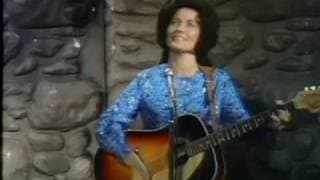
Lynn and her sister Peggy Sue wrote it, and the album became country music's first gold record by a woman.
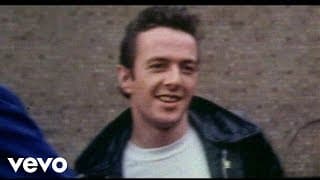
Lee Perry produced it after CBS released a single without the band's consent; Topper Headon's first Clash session.
A rewrite of a 1959 novelty called "The Beat Generation", with Quine and Julian's guitars turning parody into manifesto.

Matlock's riff, lifted off ABBA's "SOS", and the sound of a generation deciding not to care.
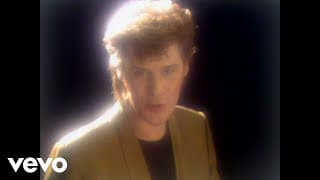
Hall started with a Roland preset and a Korg bass line, the one Jackson borrowed for Billie Jean.
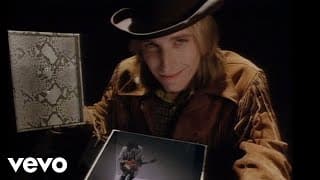
Harrison on acoustic guitar and harmonies, Lynne producing, and Petty answering the arsonist who burned his house down.
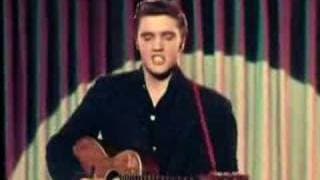
Scotty Moore and Bill Black behind him in New York, and Presley made RCA hold the single for Perkins.
Orzabal wrote it on a small synth as an album track; Stanley heard a worldwide smash and was right.
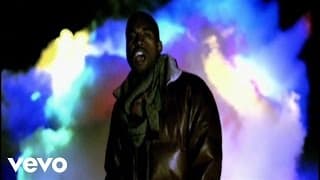
DJ Toomp built the beat and bassline, West layered the strings, and Zach Galifianakis lip-synced it on a tractor.
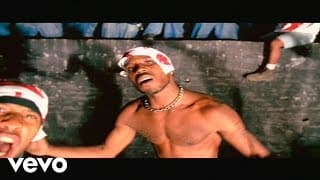
DMX turned the beat down for sounding too rock; his uncles talked him into it, and Swizz Beatz arrived.
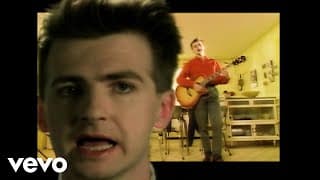
Froom's Hammond solo does the heavy lifting, and Finn wrote the rest as an exhortation to himself.
Jackson answered street harassers by demanding respect over a factory preset Jimmy Jam found on an Ensoniq Mirage.
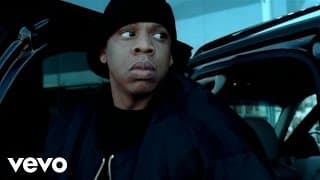
Timbaland's beat is all snap and space, and in 2008 a presidential candidate borrowed the shoulder-brush on a Raleigh stage.