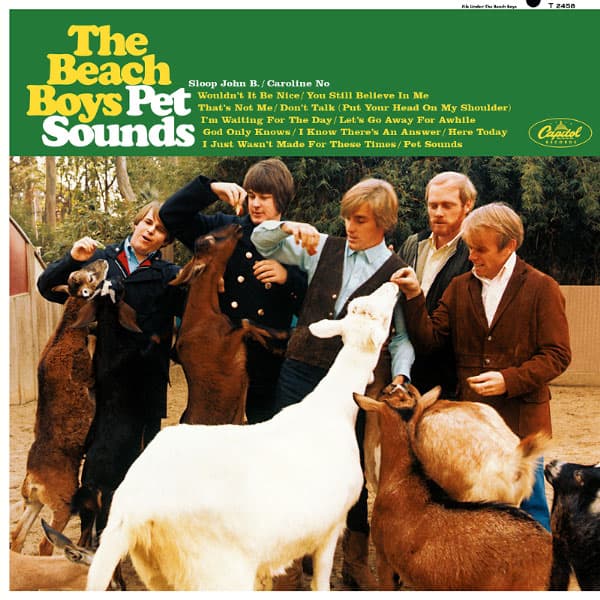
Pet Sounds
1966
Brian Wilson made it with session players while the rest of the band toured, using bicycle bells, dog whistles and a Coca-Cola can.
★ 9.9
 skopia
Brian Wilson made it with session players while the rest of the band toured, using bicycle bells, dog whistles and a Coca-Cola can.
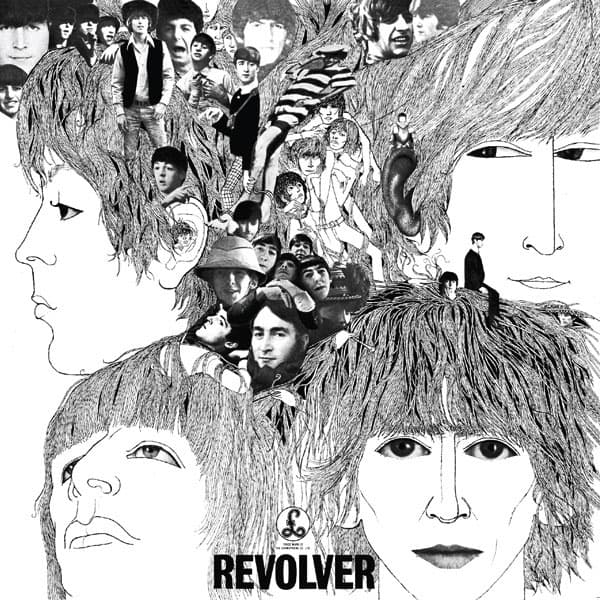
On Tomorrow Never Knows, engineers held five tape loops on pencils and mixed them live. No Beatle plays an instrument on Eleanor Rigby.
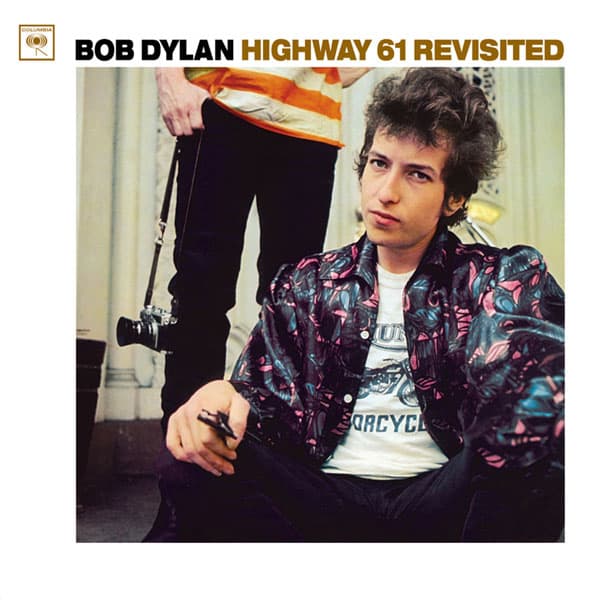
Al Kooper was not the organ player and sat down at it anyway, which is the sound everybody remembers from Like a Rolling Stone.
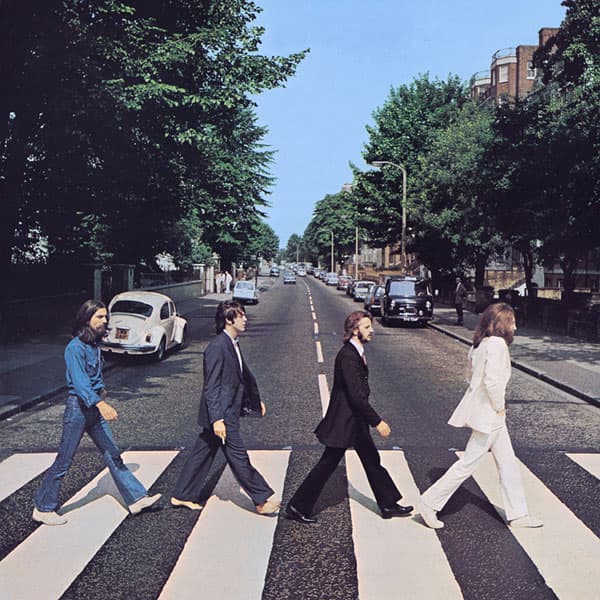
The last album they recorded together, with side two stitched out of songs nobody had finished. The cover shoot took about ten minutes.

It took about seven hundred hours of studio time when their first album took one day, and no singles were released from it.

Andy Warhol's only real production instruction was to leave the mistakes in. It sold badly enough that the band were dropped soon afterwards.
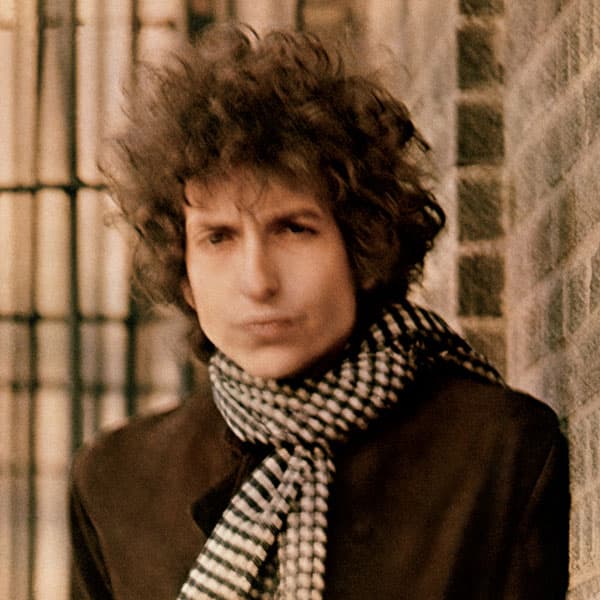
The Nashville session men sat around for hours while Dylan finished writing. Sad Eyed Lady of the Lowlands was cut at four in the morning.

Hendrix cut it on four tracks in stolen studio hours between gigs, and nobody had heard a guitar do any of it before.
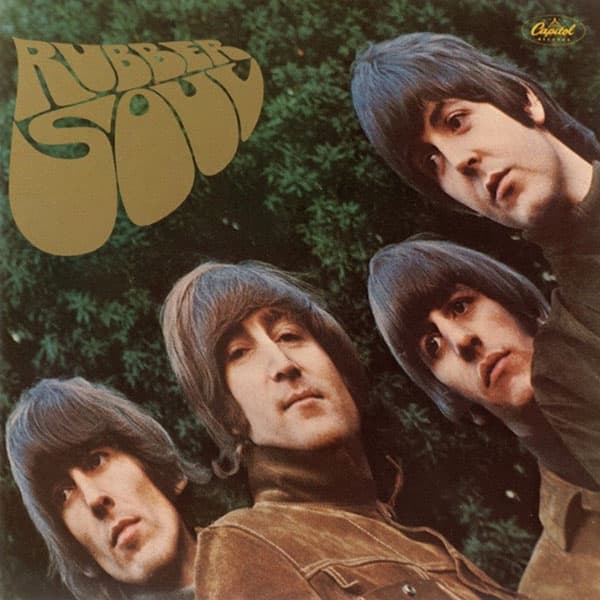
Norwegian Wood has the first sitar on a pop record. The stretched cover photograph happened when a slide slipped during the projection.
Ringo Starr quit for two weeks during the sessions and Paul played drums in his absence. The cover is plain white with a stamped serial number.
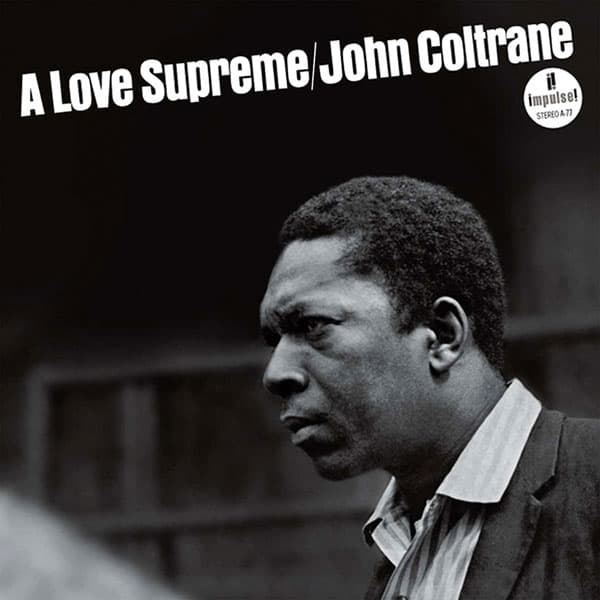
Coltrane recorded it in one December session and meant it as a prayer. On the last movement he plays a psalm he had written out.
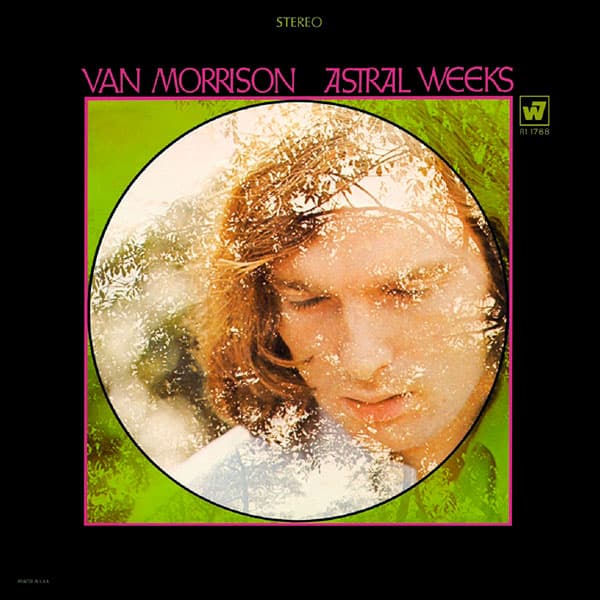
Morrison sat in an isolation booth and barely spoke to the jazz players hired to back him. The whole thing was done in three sessions.

One side plugged in, one side not. A few months later Dylan took the electric half to Newport and the folk crowd turned on him.

Hendrix produced it himself, and spent so long in the studio that his manager walked out. One track is thirteen minutes of imagined underwater life.

Merry Clayton was called in at midnight, heavily pregnant, to sing on Gimme Shelter. Her voice cracks on the third take and Jagger whoops.
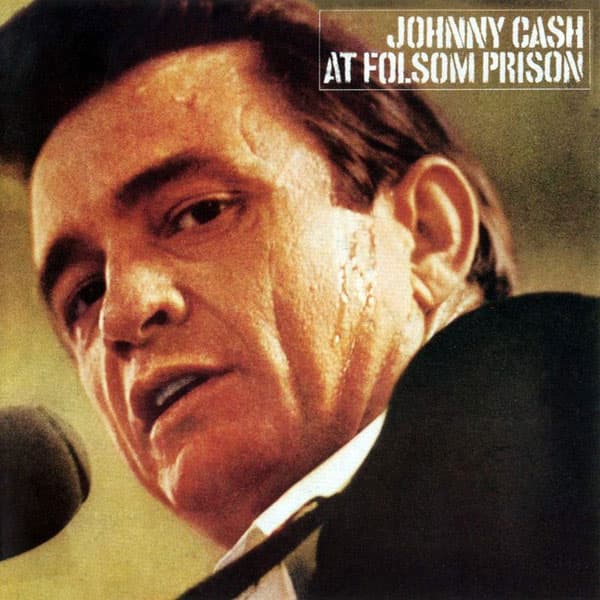
Cash's career was finished when he talked Columbia into letting him record for prisoners. The laughter after the Reno line was added afterward.
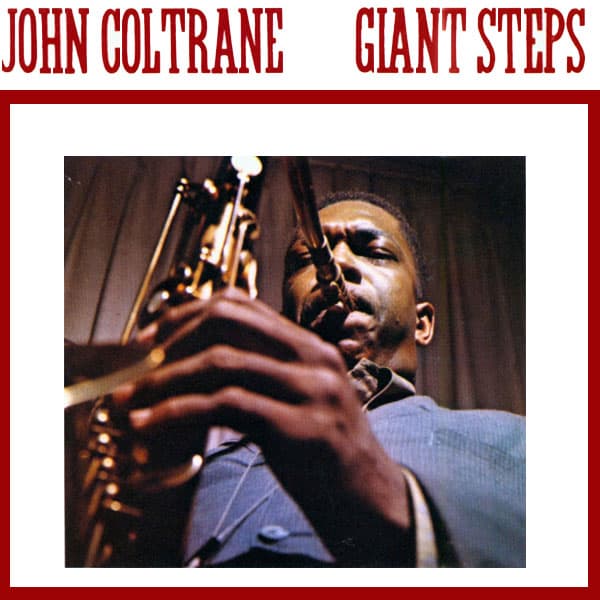
The title track modulates through three keys so fast that the pianist, Tommy Flanagan, audibly struggles through his solo on the finished take.
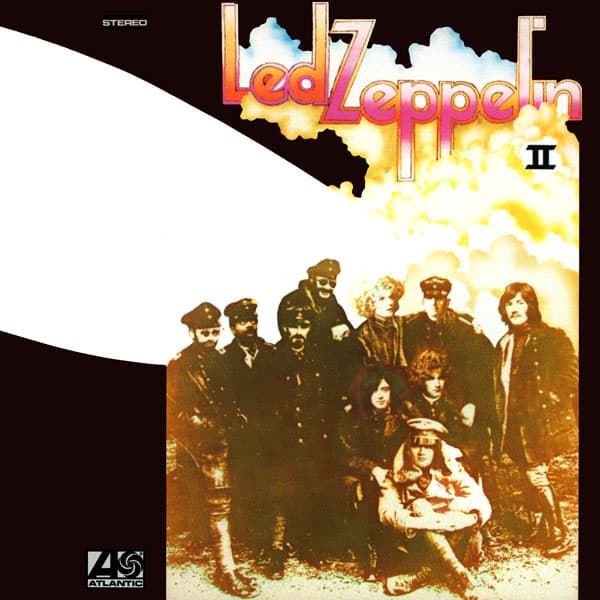
Written and recorded in snatched hours in studios across two continents while touring. Willie Dixon later sued over the words to Whole Lotta Love.
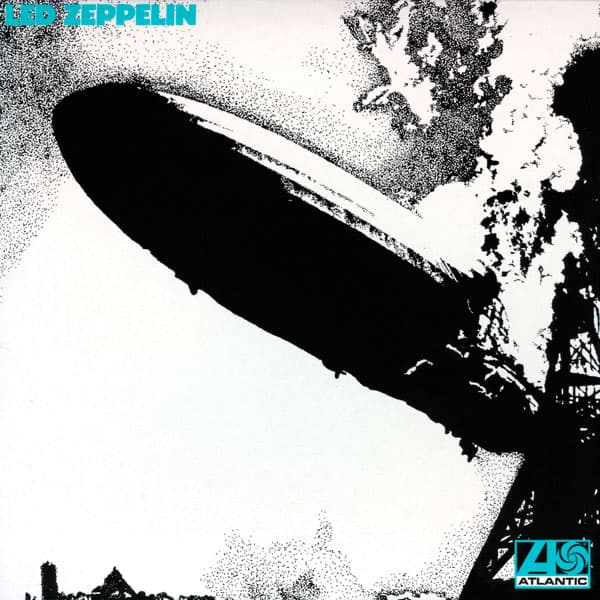
Guitarist Jimmy Page paid for the sessions himself and the record took about thirty-six hours of studio time. Nobody had heard drums recorded like that.

They wrote it in the basement of a pink house near Woodstock, and Bob Dylan painted the picture on the front.
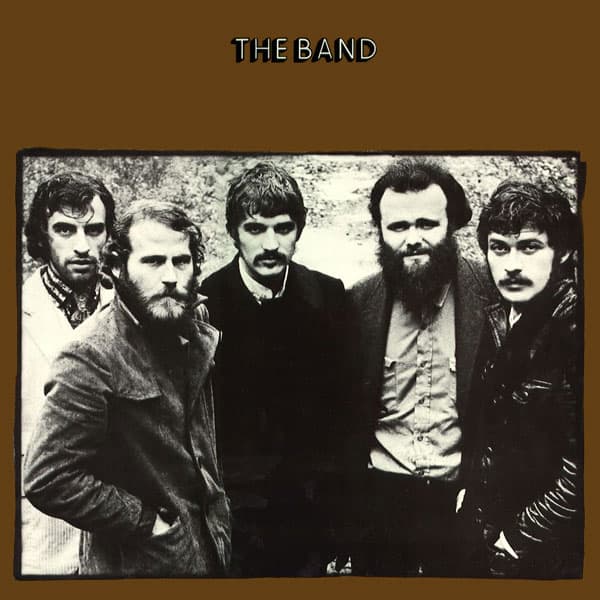
They converted the pool house of a rented Hollywood home into a studio. Most of these songs about the American South were written by a Canadian.
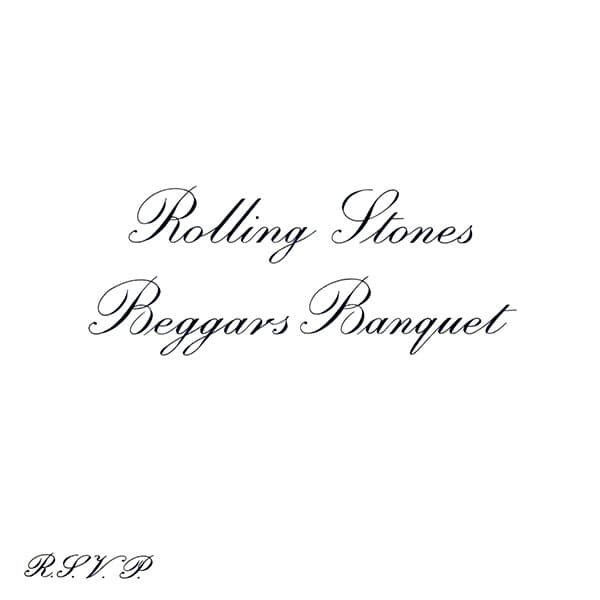
The label refused the original sleeve, a photograph of a graffitied lavatory wall, and held the record back for months over it.

The Muscle Shoals session collapsed in a fight after a day and a half, and the rest was finished in New York without the argument.

King Records refused to pay for a live album with no new songs on it, so Brown funded the recording himself. It reached number two.

Dylan was twenty-one. The cover photograph was taken on a Greenwich Village street in the snow, and four songs were pulled at the last minute.

Simone had trained to be a classical pianist and was turned down by the conservatory. You can hear the Bach in her left hand throughout.
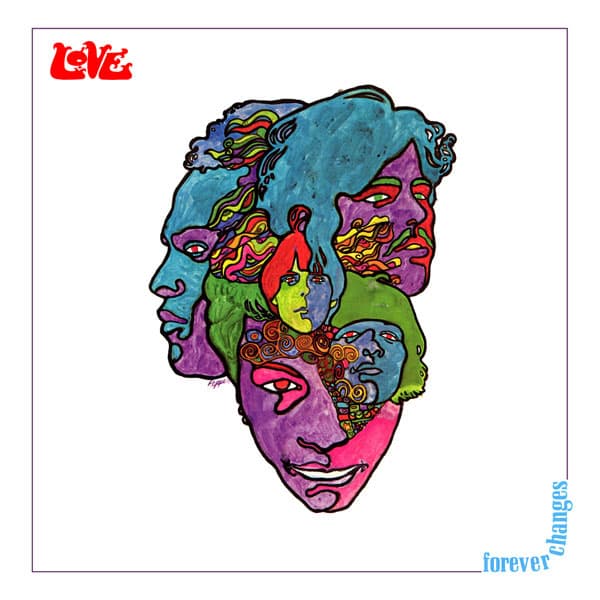
Arthur Lee was convinced he was about to die and wrote it as a goodbye. Session players were hired when the band could not play.
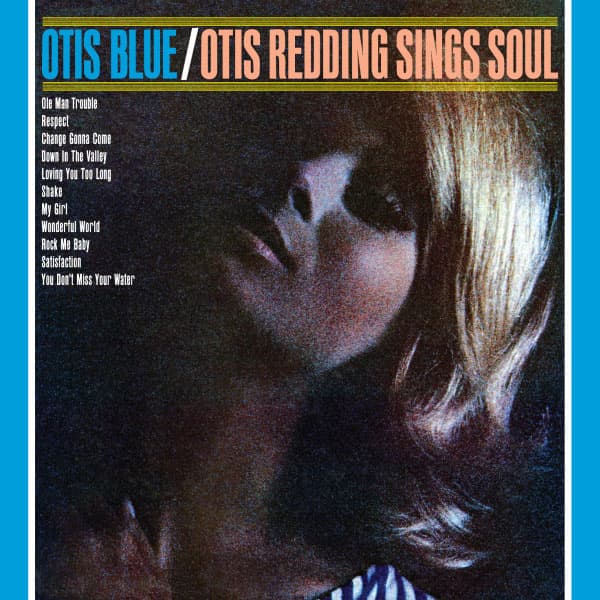
Recorded in a single twenty-four-hour stretch, with a break so the musicians could play their regular Saturday gigs, and three Sam Cooke songs on it.

One track runs thirteen minutes and another uses a talk box to make the two singers argue through their instruments about race.

Gram Parsons sang lead on much of it and his vocals were wiped for contractual reasons. The Grand Ole Opry audience booed them off.

Hendrix left the finished master of side one in a taxi and had to mix the whole thing again overnight.

The three of them first sang together in a living room and knew immediately. The house on the cover was demolished before they could reshoot it.

Springfield was so intimidated by the Memphis players that she could not sing in front of them. Her vocals were added later in New York.
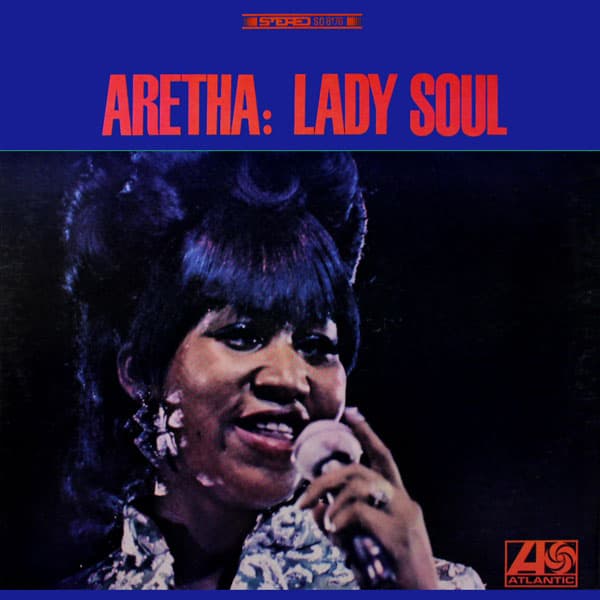
Her sisters sing behind her throughout, and Eric Clapton plays guitar on one track without ever being credited for it.
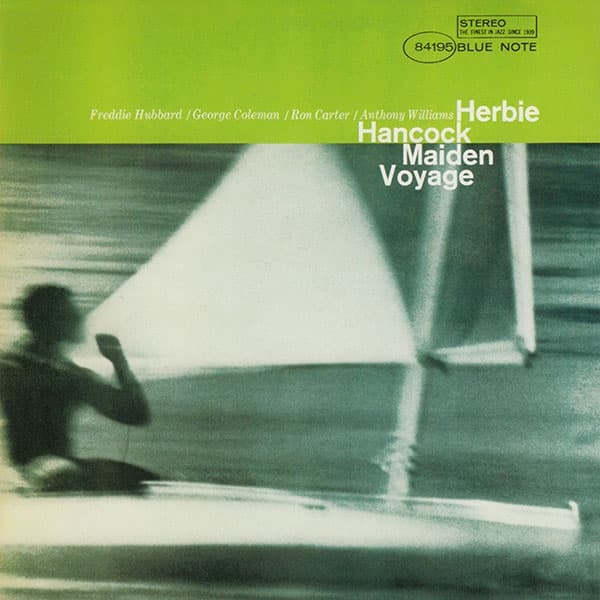
A concept album about the sea, made by Miles Davis's pianist with Davis's rhythm section, and every title refers to water.
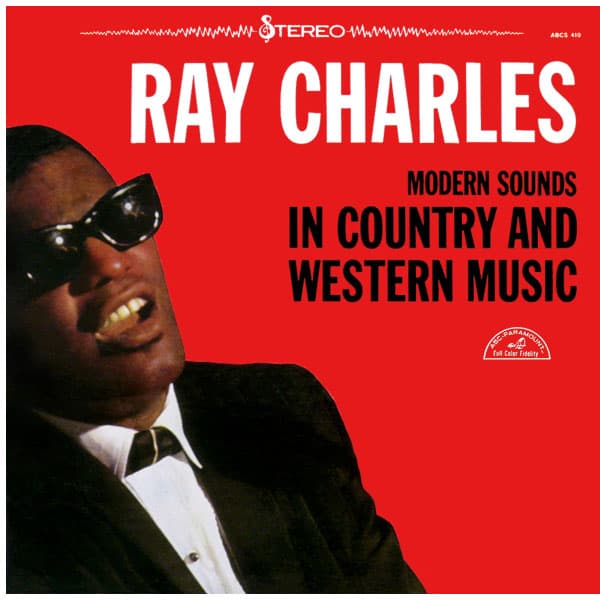
His label thought recording country songs would finish him. He put strings and a choir behind them and it became his biggest record.
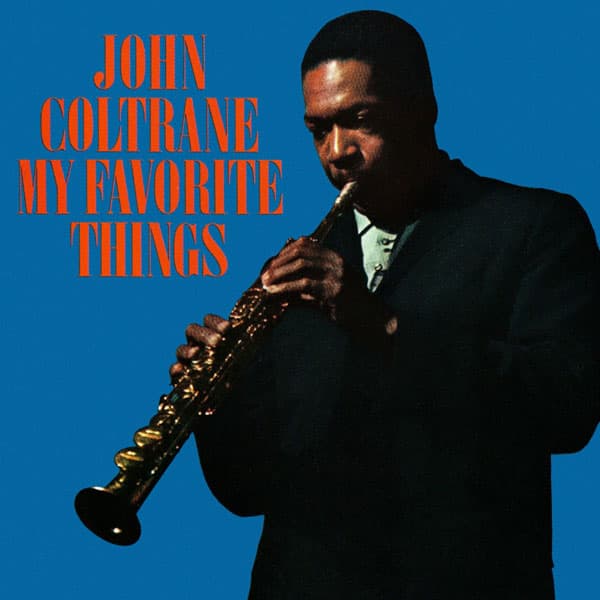
Coltrane picked up the soprano saxophone, an instrument almost nobody played then, and stretched a show tune over two chords for thirteen minutes.
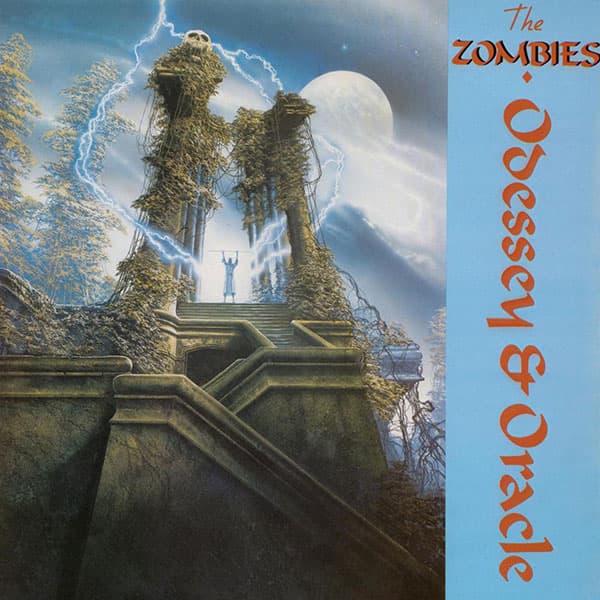
The misspelling on the sleeve was the cover artist's mistake and they left it. The band had broken up before it came out.
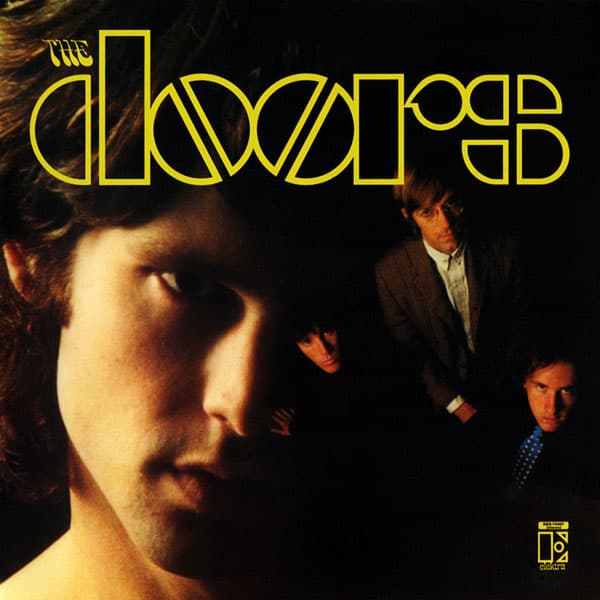
Light My Fire was mostly written by guitarist Robby Krieger, who had been in the band a matter of months and had never written a song.

John Cale had left, taking the viola and the noise with him. They recorded it through small amplifiers because their equipment had been stolen.

The Kinks were banned from touring America for four years, which is part of why Ray Davies spent this record writing about English villages.
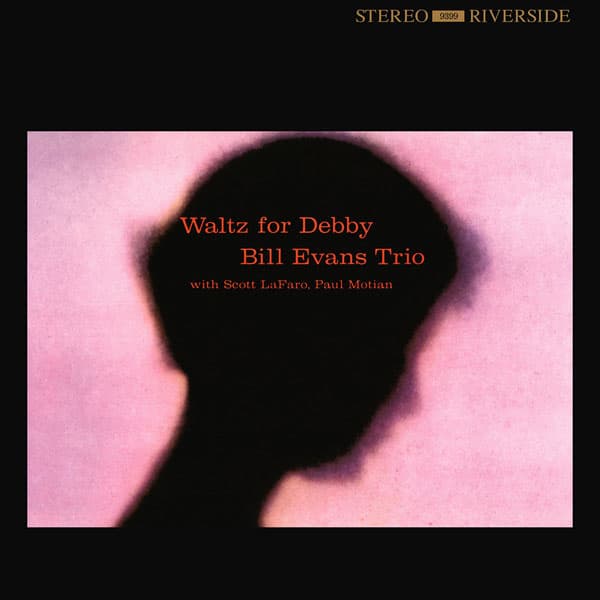
Both this and its companion record come from a single Sunday at the Village Vanguard, and glasses and conversation carry through every track.

Scott LaFaro plays the bass as a third melodic voice rather than keeping time. He was killed in a car crash ten days later.
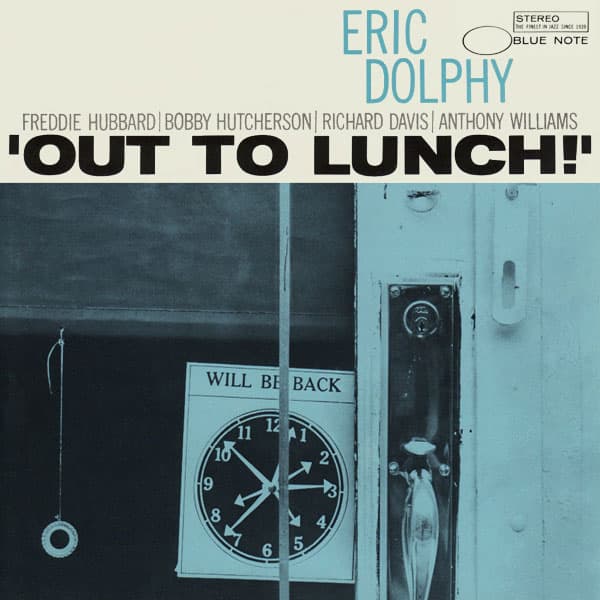
There is no piano on it, just Bobby Hutcherson's vibraphone holding the harmony loosely enough that the tunes never quite settle.
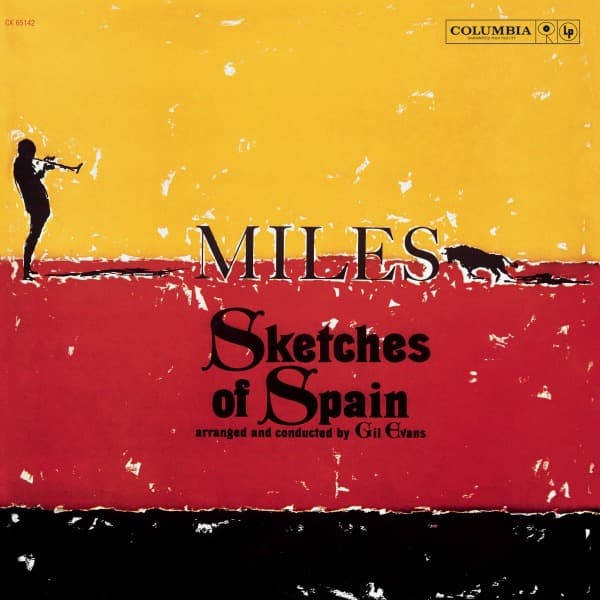
Gil Evans built it around a Spanish guitar concerto, scoring the solo part for trumpet. It took months and nearly broke both of them.
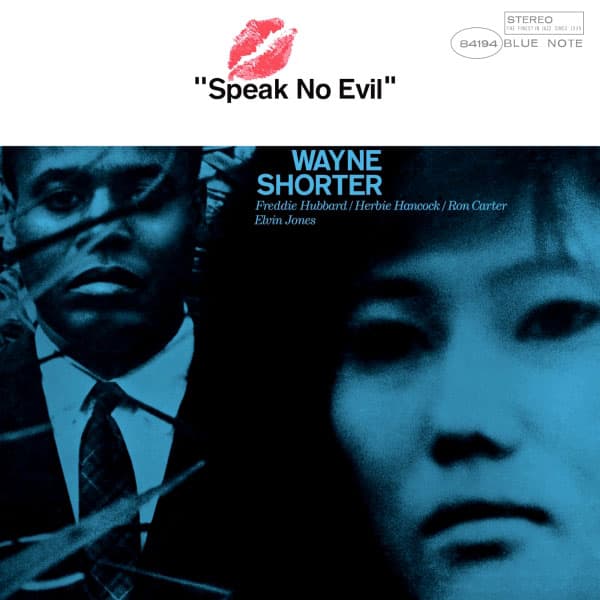
Shorter wrote these while working in Miles Davis's band and said he was thinking about folk tales and misty landscapes with witches.
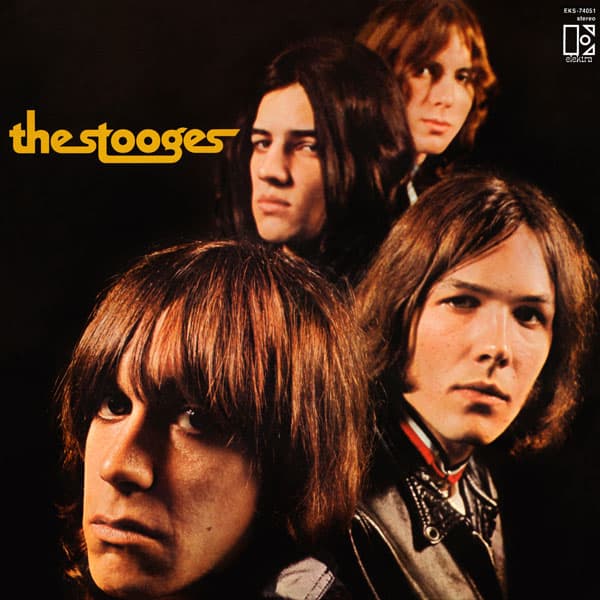
John Cale of the Velvet Underground produced it, and the band arrived in New York with only five songs, writing the rest overnight.

The band rehearsed in a rented house for months while Van Vliet dictated every part to them by ear. Frank Zappa paid for it.
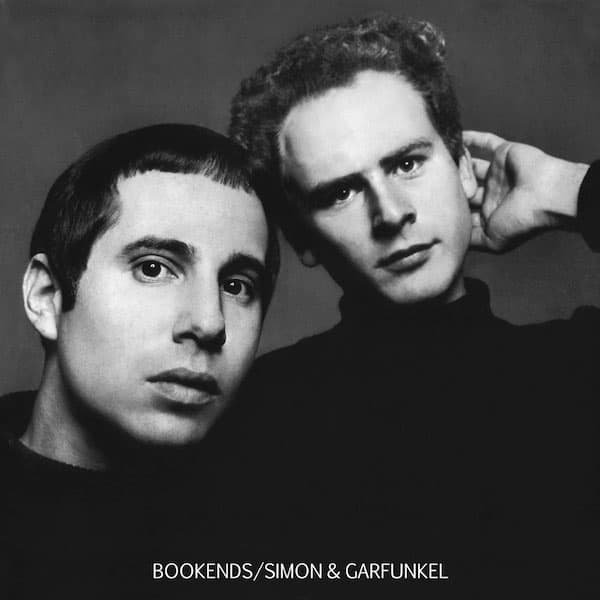
Side one runs from childhood to old age, and the voices in the middle of it are real people Garfunkel recorded in nursing homes.
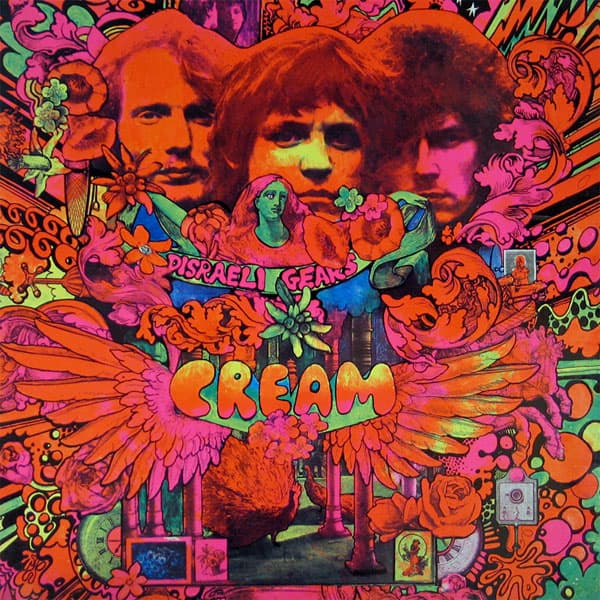
The title came from a roadie getting derailleur gears wrong. They recorded the whole thing in New York in under a week.
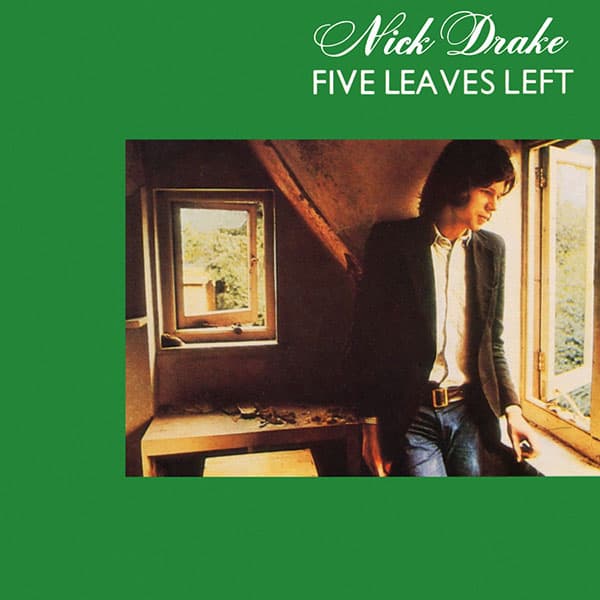
The title comes from the warning near the end of a packet of cigarette papers. A college friend with no professional credits wrote the string parts.

His first proper studio album in eight years of films, cut with a Memphis house band who treated him like any other singer.
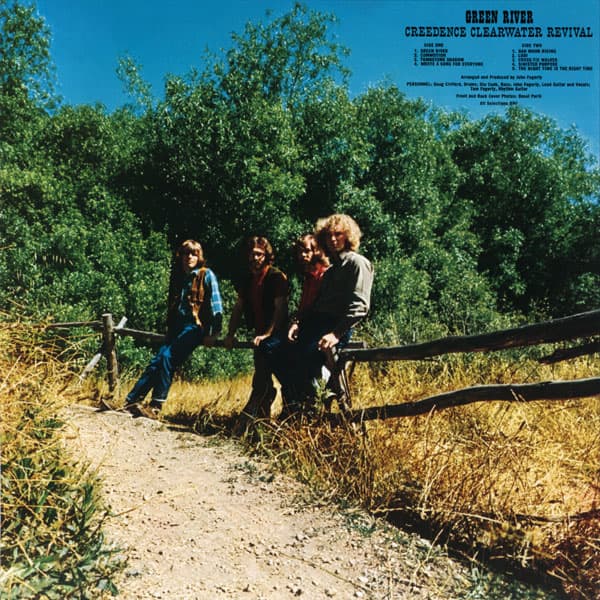
Singer John Fogerty had never been to the Louisiana bayou he sings about. He wrote all of it in northern California, in his early twenties.

The crowd answers every line he sings, and King plays around them rather than over them. He never plays and sings at the same time.
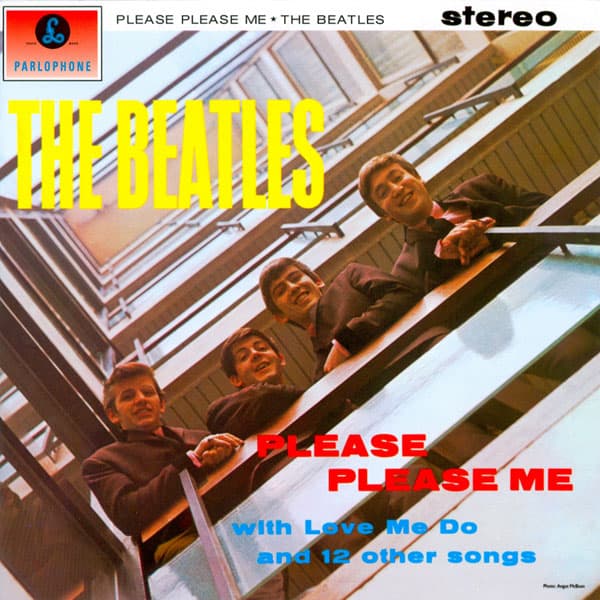
Recorded in a single day. Lennon had a heavy cold and sang Twist and Shout last, in one take, because his voice was about to go.

Cohen was thirty-three and already a published novelist when he made it, and he disliked the strings the producer added behind him.
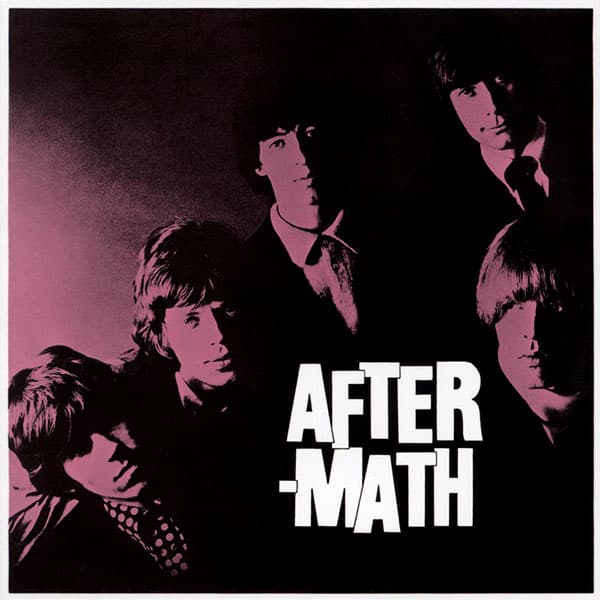
Their first album written entirely in-house, with Brian Jones reaching for the marimba, the dulcimer and the sitar between the blues numbers.
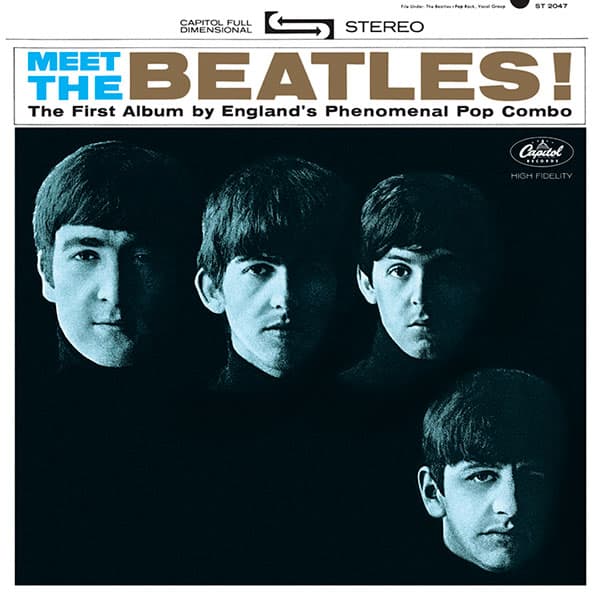
Capitol assembled it themselves from a British album and some singles. The half-shadowed cover photograph came from a hotel session that took barely an hour.

Keith Richards wanted horns on the Satisfaction riff and used a fuzz pedal as a placeholder. The placeholder is what got released.