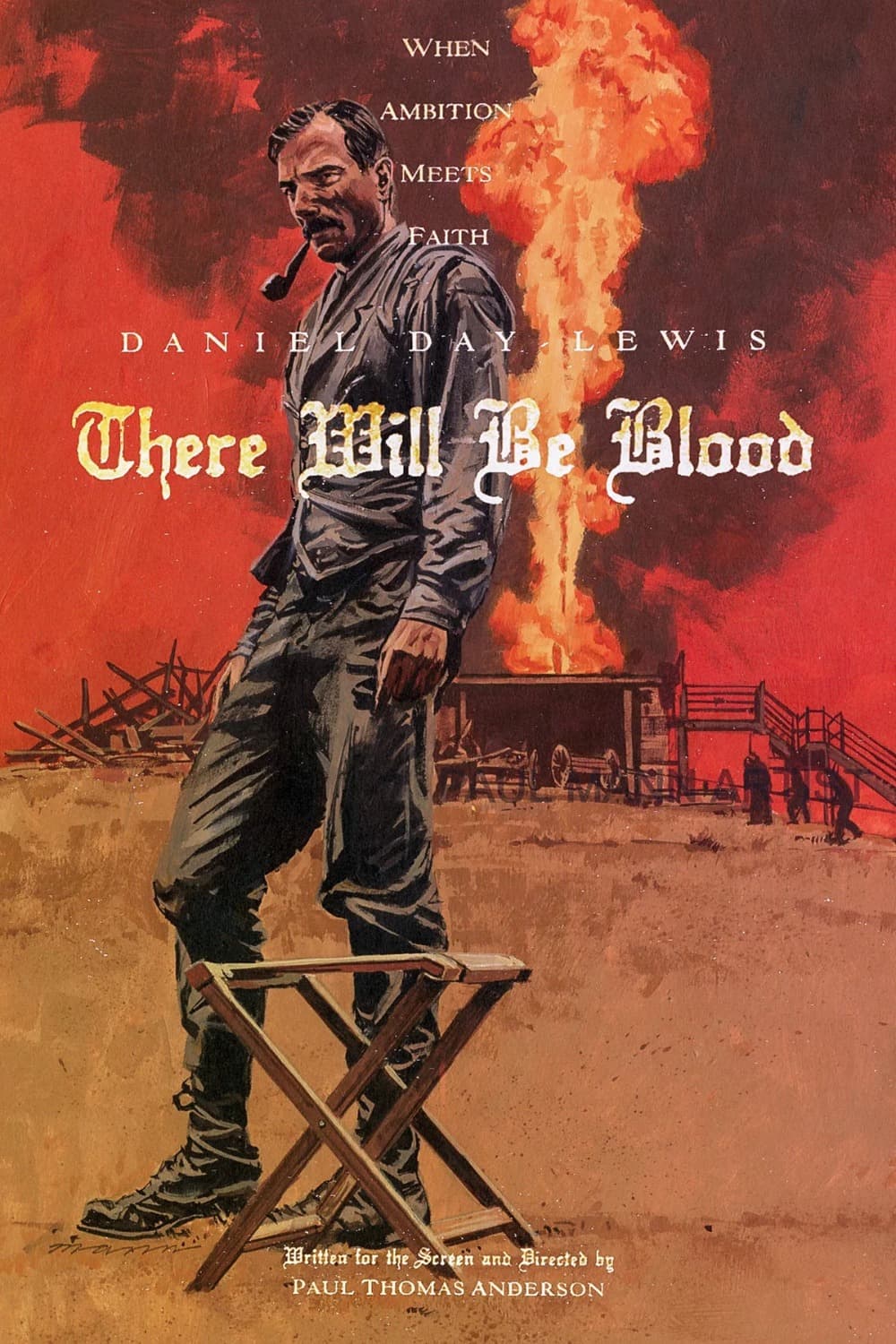
There Will Be Blood
Directed by Paul Thomas Anderson
2007
Day-Lewis builds an American monster out of oil and resentment, and Jonny Greenwood's score scrapes at the nerves for two and a half hours without once letting up.
★ 9.4
 skopia
Day-Lewis builds an American monster out of oil and resentment, and Jonny Greenwood's score scrapes at the nerves for two and a half hours without once letting up.
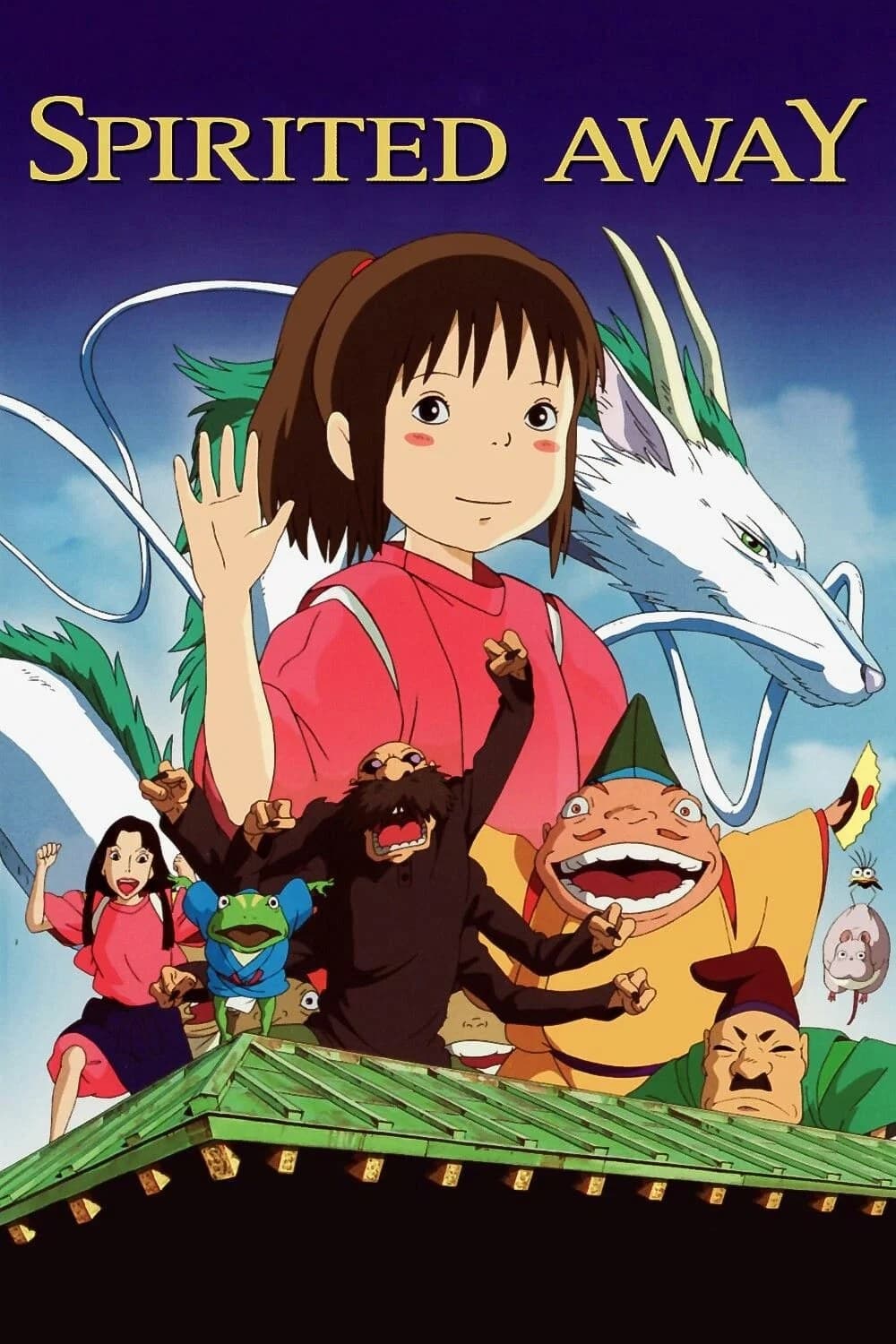
The high point of hand-drawn animation: Miyazaki invented a spirit world so dense and so unexplained that it took the Animated Feature Oscar away from every American studio.
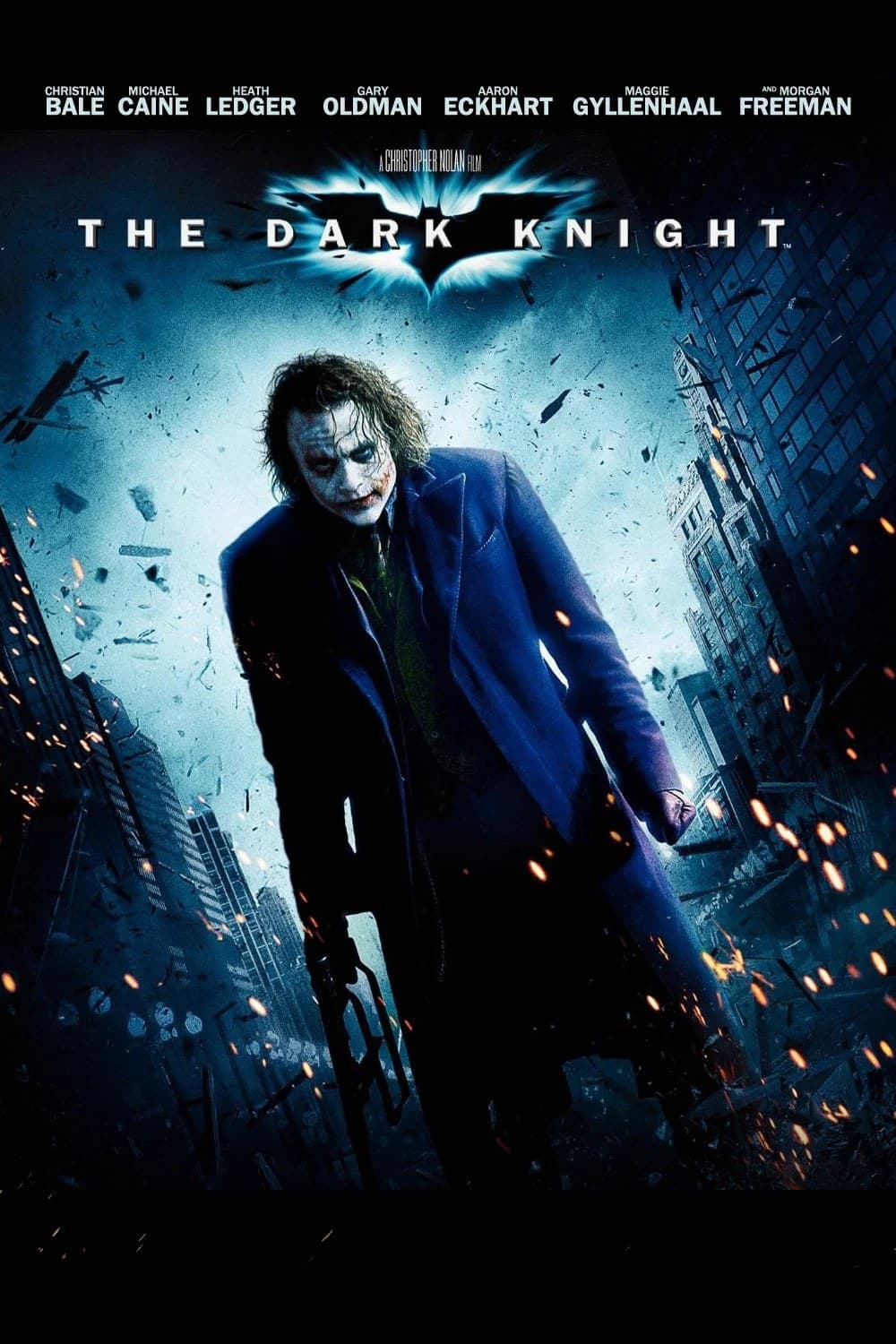
Adults started arguing about superhero films because of this one: Ledger's Joker is so unnerving that the Academy gave a posthumous Oscar to a man in clown makeup.
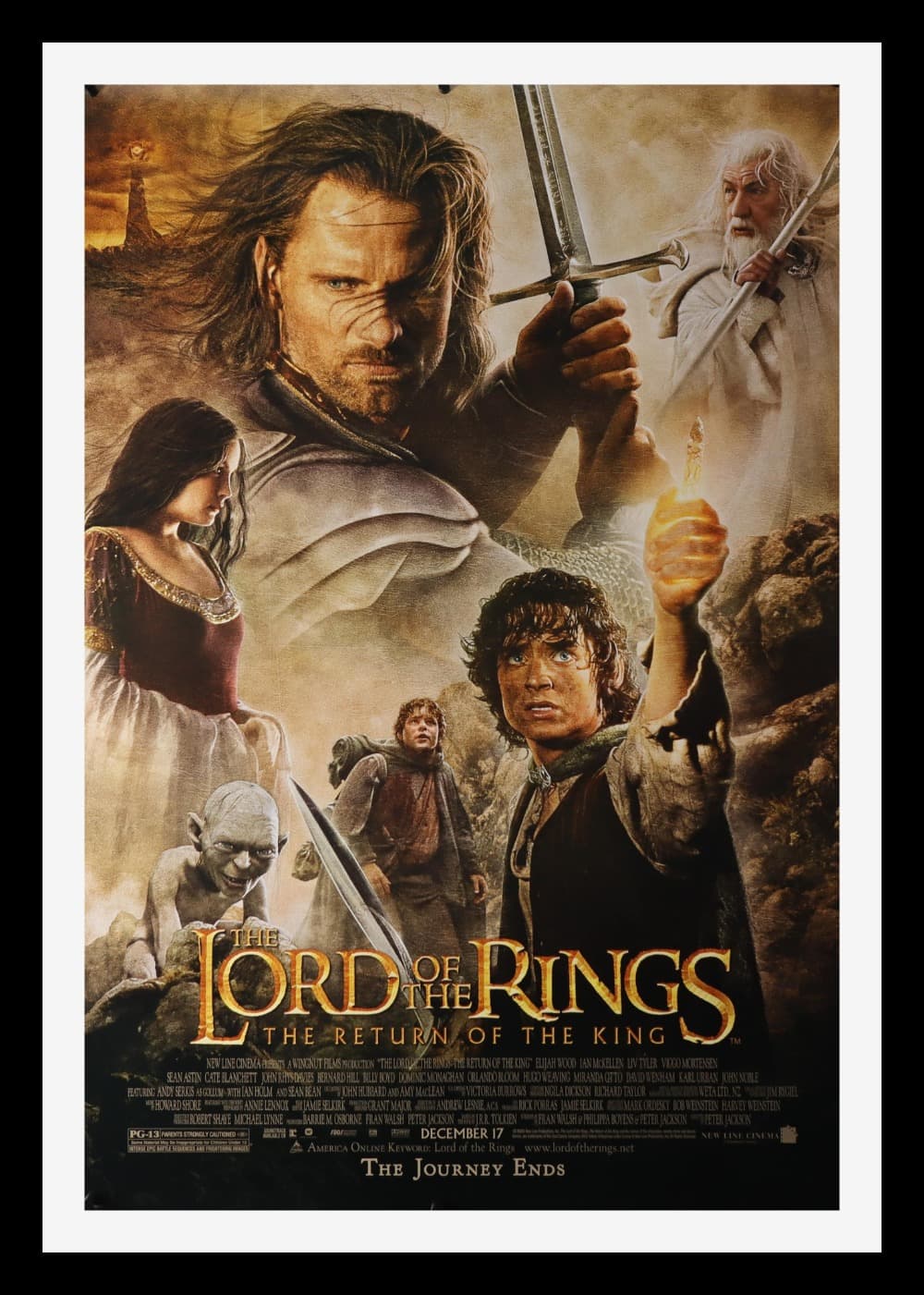
Eleven nominations and eleven wins, a clean sweep no film has bettered: Jackson closed a decade-long gamble with battles at an unattempted scale and an ending that earns its farewells.
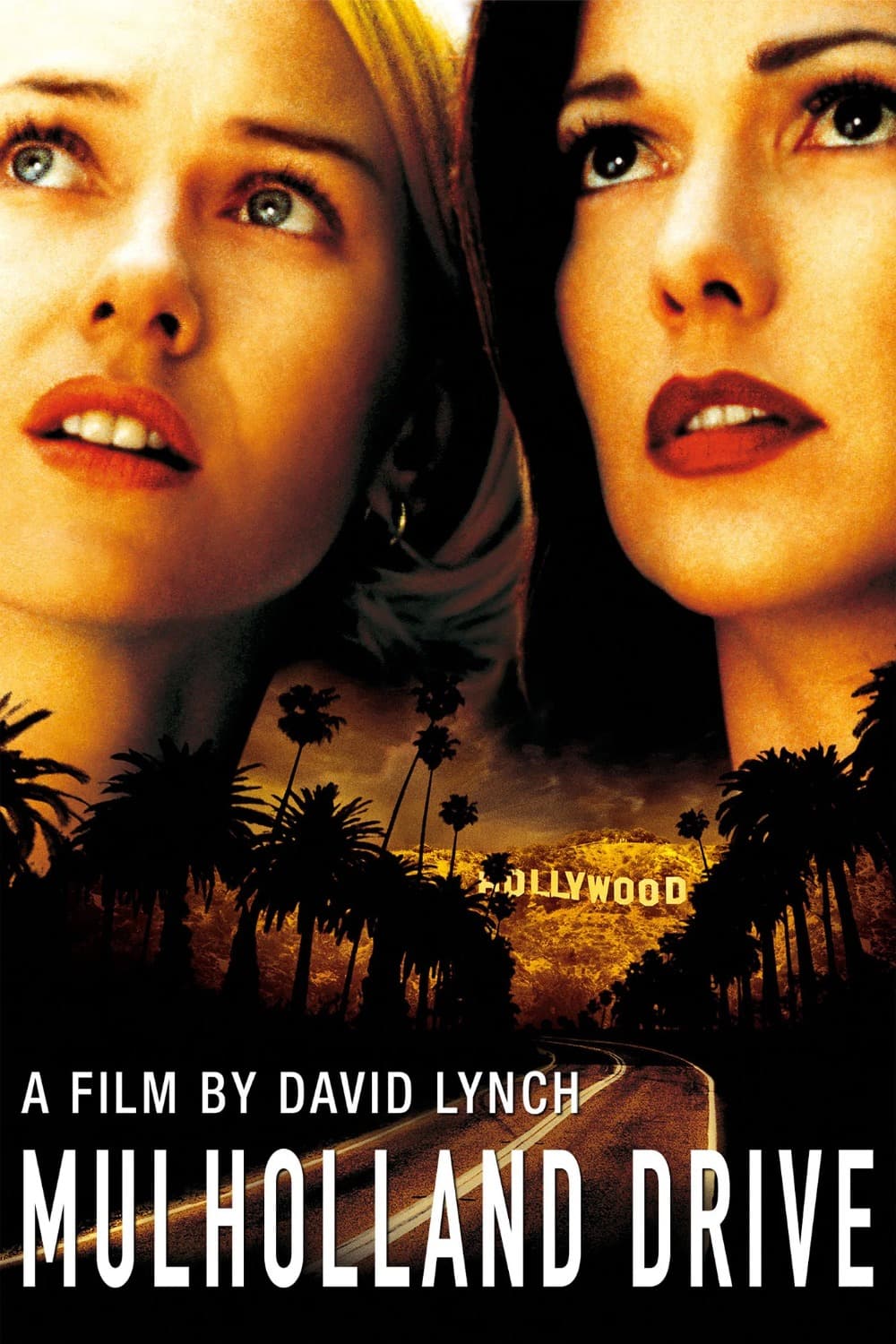
Lynch built a Hollywood that runs entirely on dream logic and trusted the audience to assemble it: the whole thing feels like a half-remembered dream, and people keep returning.

No romance this century has come close: Kaufman's premise, that you could pay to have someone erased, turns out to be the most honest thing anyone has said about breakups.

Everyone said the book could not be filmed: Jackson shot three films at once in New Zealand and delivered a Middle-earth so furnished you stop noticing it was invented.
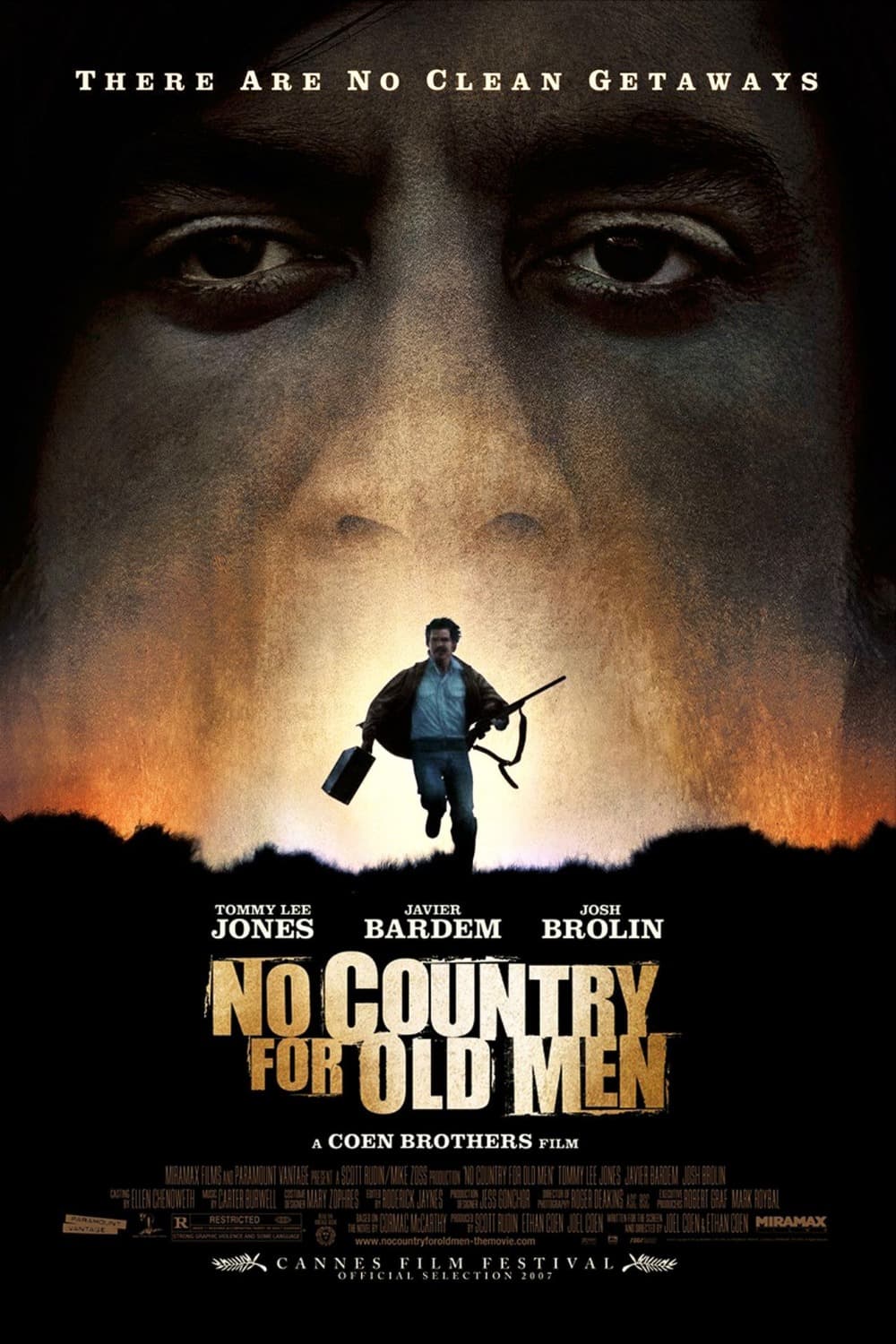
The Coens made a chase film with almost no music in it at all: Javier Bardem's killer with a cattle gun became the most frightening figure of the decade.
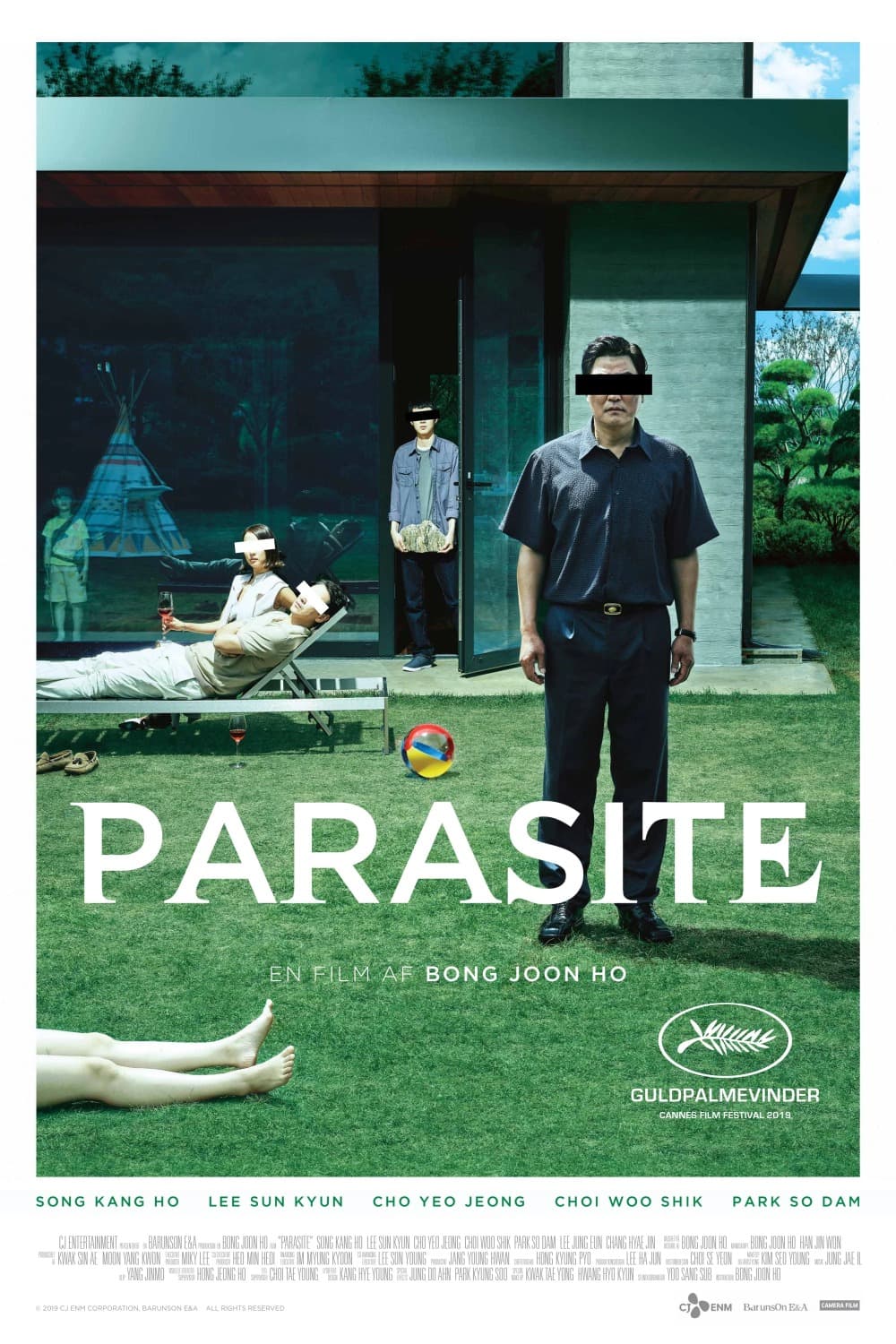
The first film not in English to win Best Picture: Bong turned class rage into something so entertaining that the whole world watched it and then argued about what it meant.
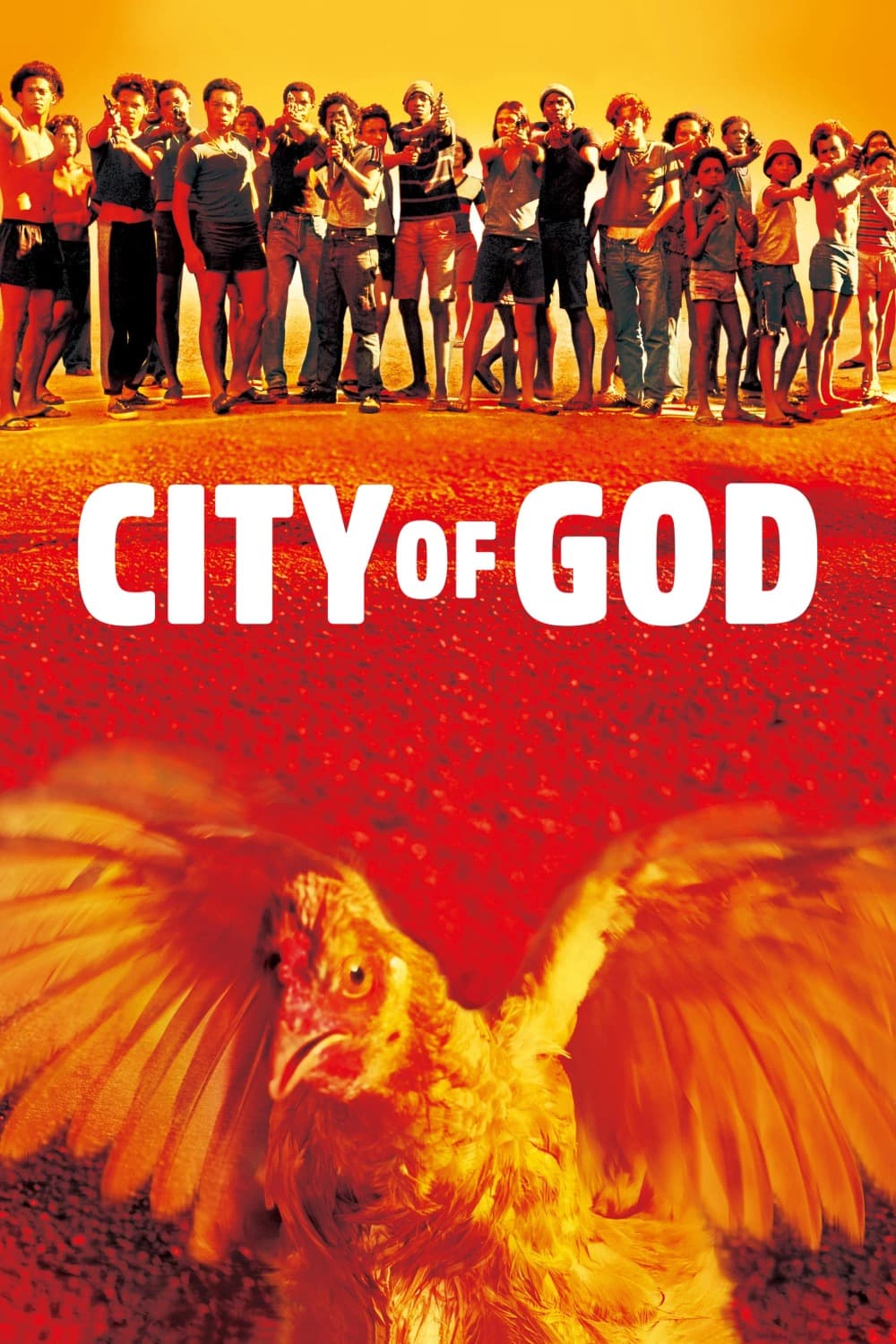
Nothing else moves quite like it: Meirelles cast the favela itself, cut two hours into what feels like twenty minutes, and took a Brazilian crime film to four Oscar nominations.
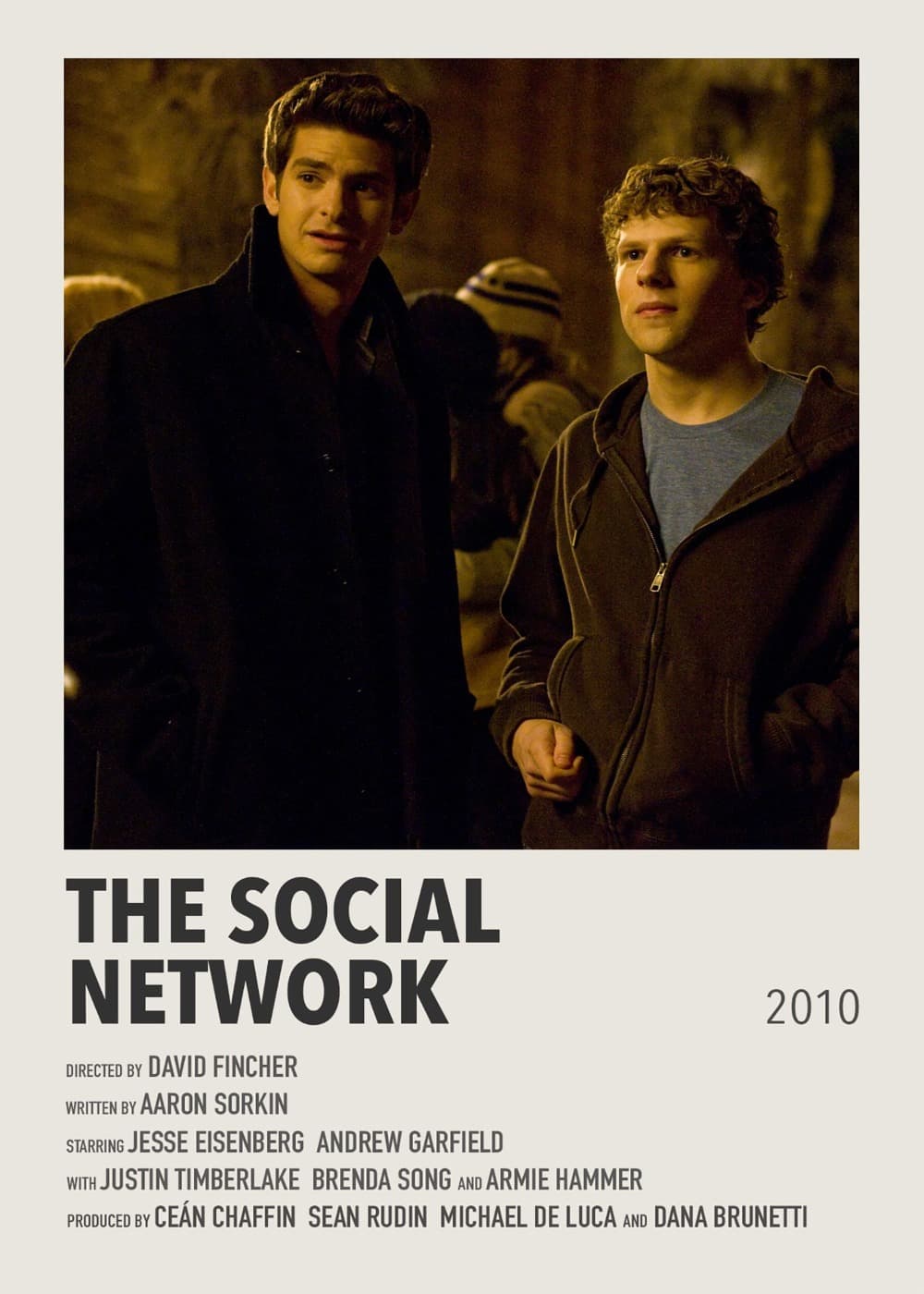
The film that got the internet age right before anyone else did: Sorkin's dialogue moves faster than you can follow, and the loneliness underneath it has only aged better.
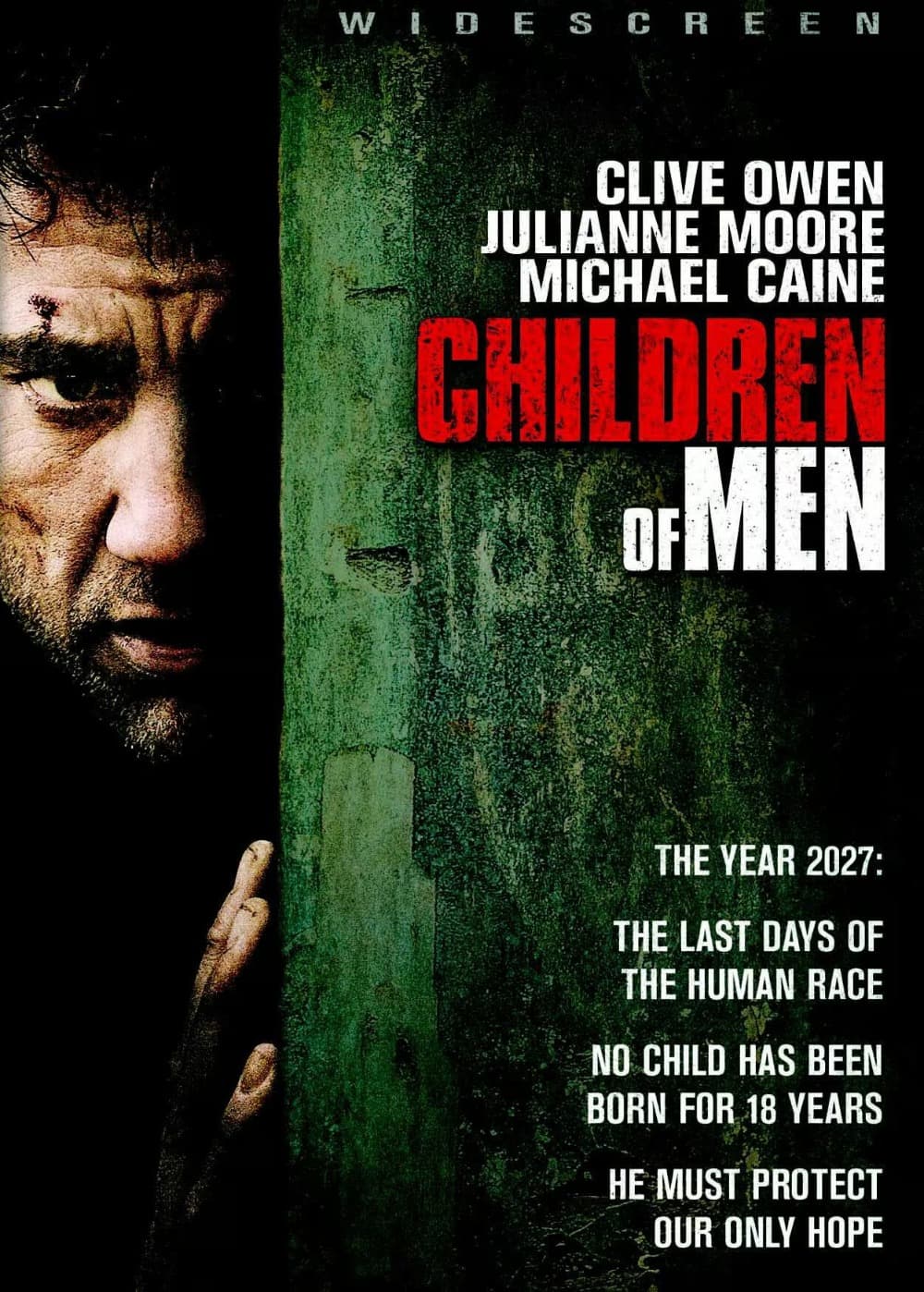
It looked like science fiction in 2006 and looks like the news now: Cuaron's roaming takes put you inside a collapsing Britain, and the ambush in the car is astonishing.
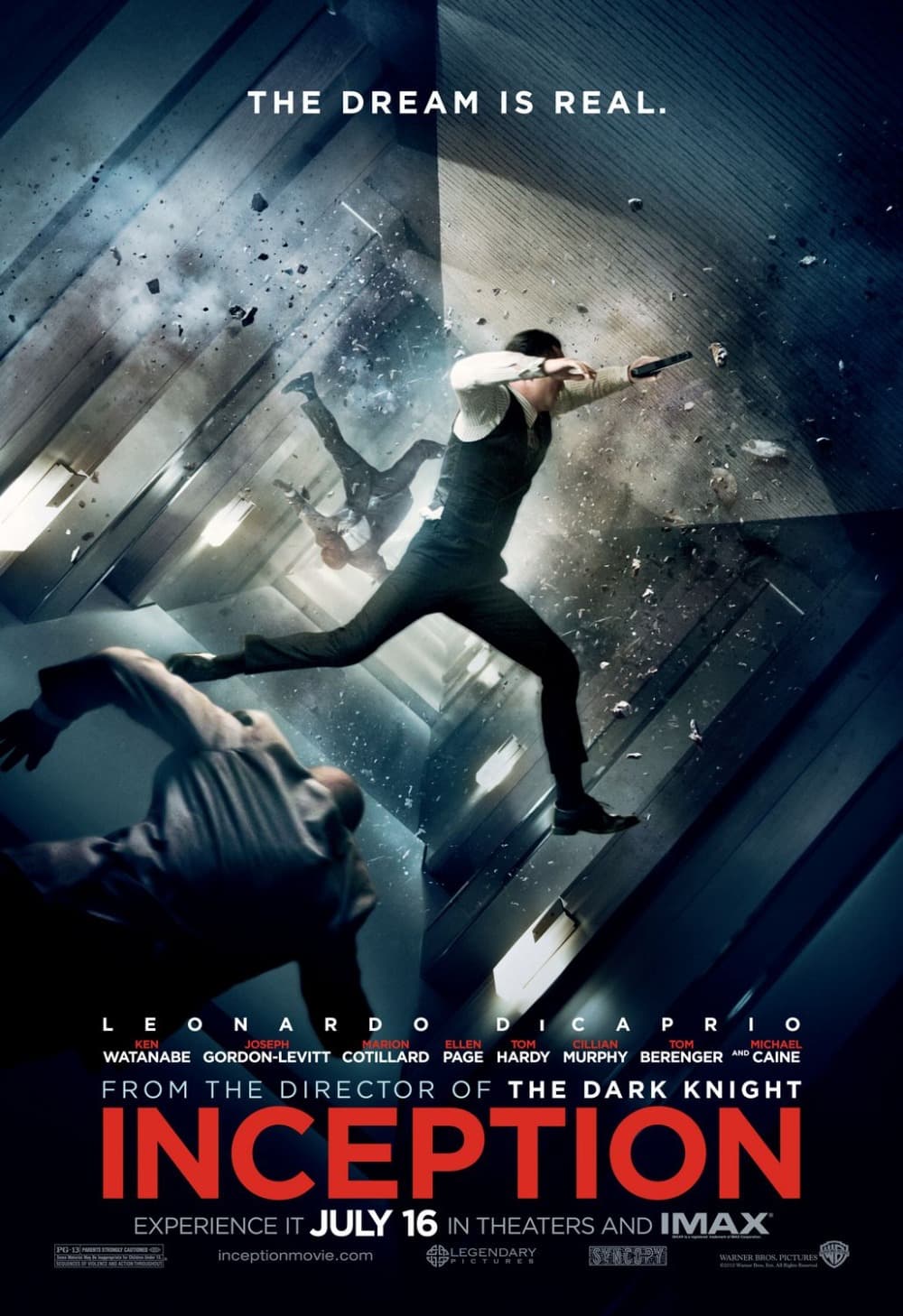
Proof that a summer blockbuster can be genuinely difficult: Nolan stacked four levels of dream on top of each other and audiences argued about the last shot for years.

Gollum changed what a digital character could be: Andy Serkis acted him fully and the industry rebuilt itself around motion capture, all inside a four-month night siege in the rain.
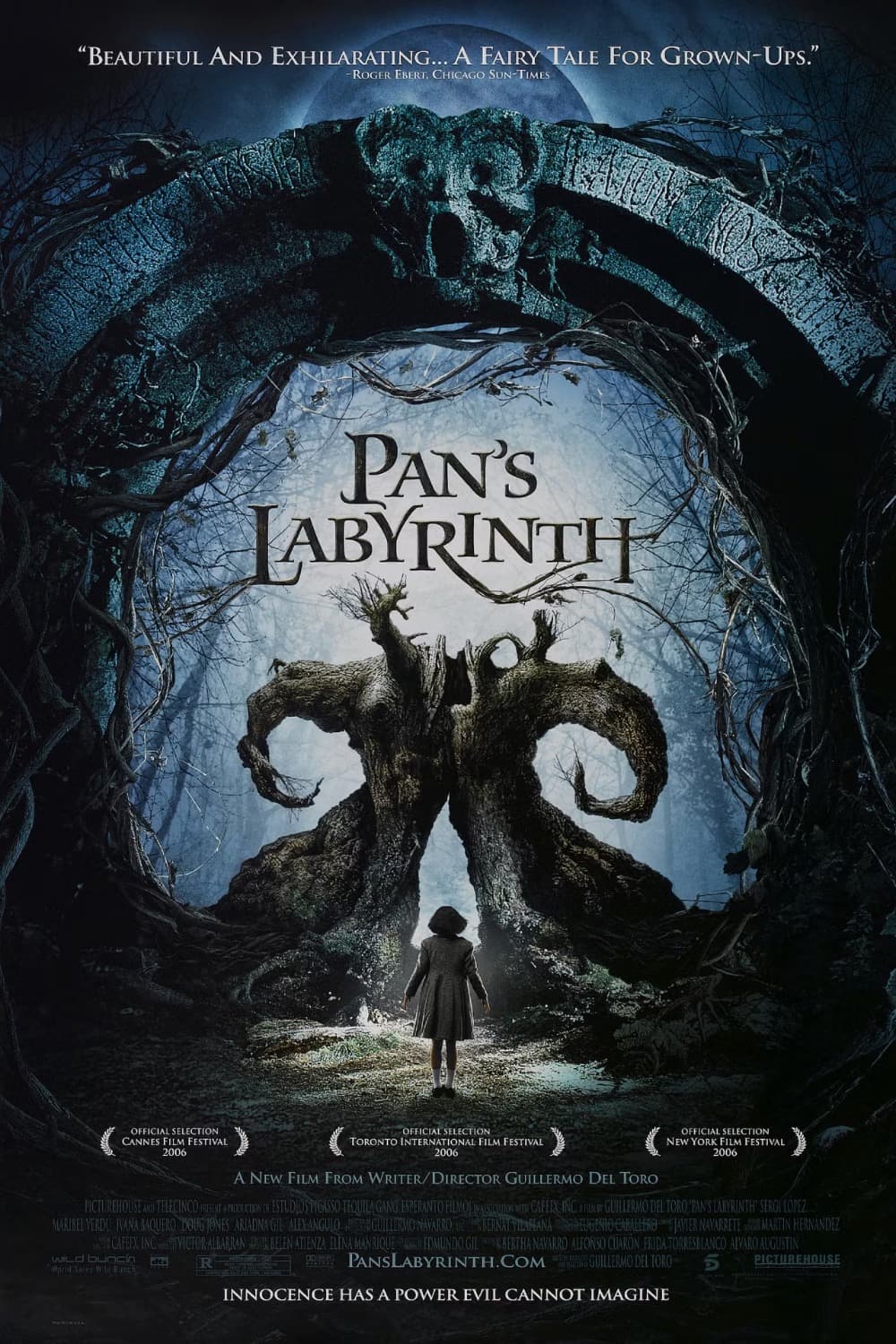
Del Toro put a child's fairy tale and Franco's Spain in the same film and refused to make either one safer: the creature with eyes in its hands follows people home.

Sciamma made a love story with almost no men in it and built the entire thing out of glances, firelight and the things two people decline to say.
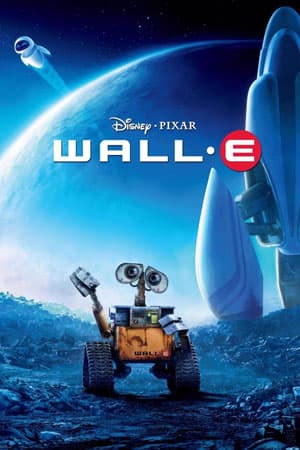
Pixar's bravest film: the first forty minutes have almost no dialogue at all, and a robot with two expressions carries more feeling than most live actors manage.
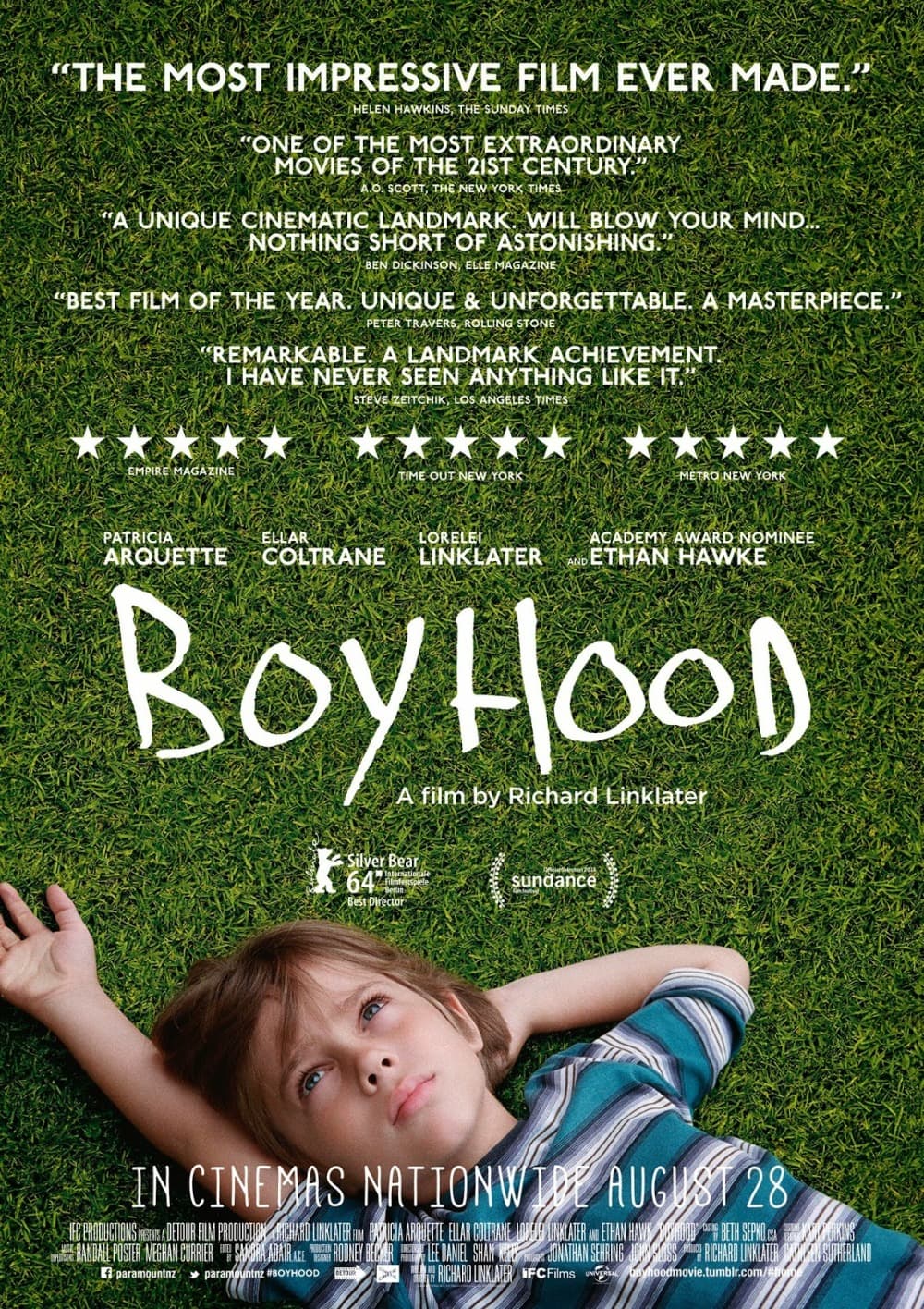
Nobody had tried this before: Linklater filmed the same cast a few days a year for twelve years, so you watch a real child turn into a real adult.
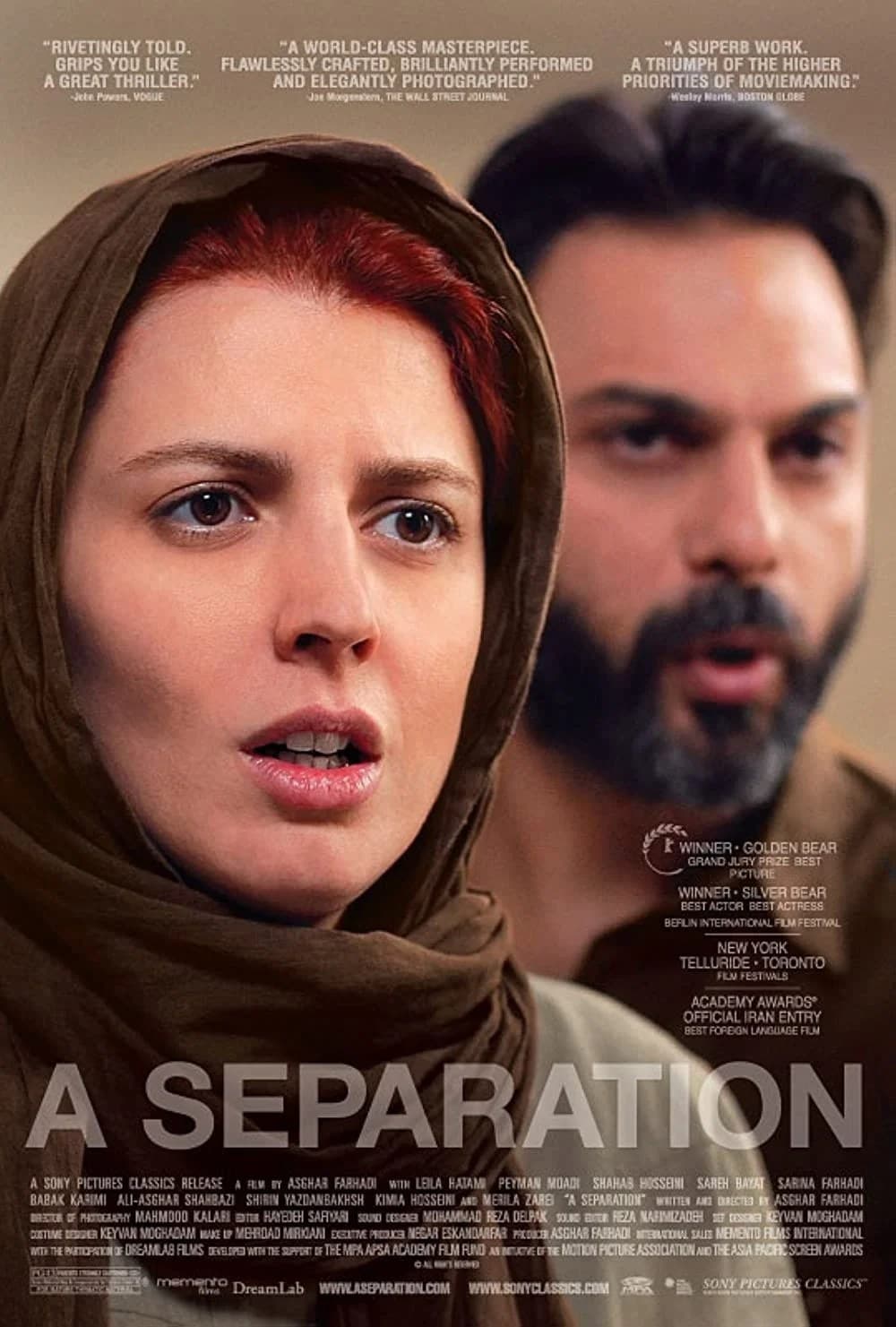
The first Iranian film to win the foreign language Oscar: Farhadi built a moral maze where every person is partly right, and you will change sides several times.
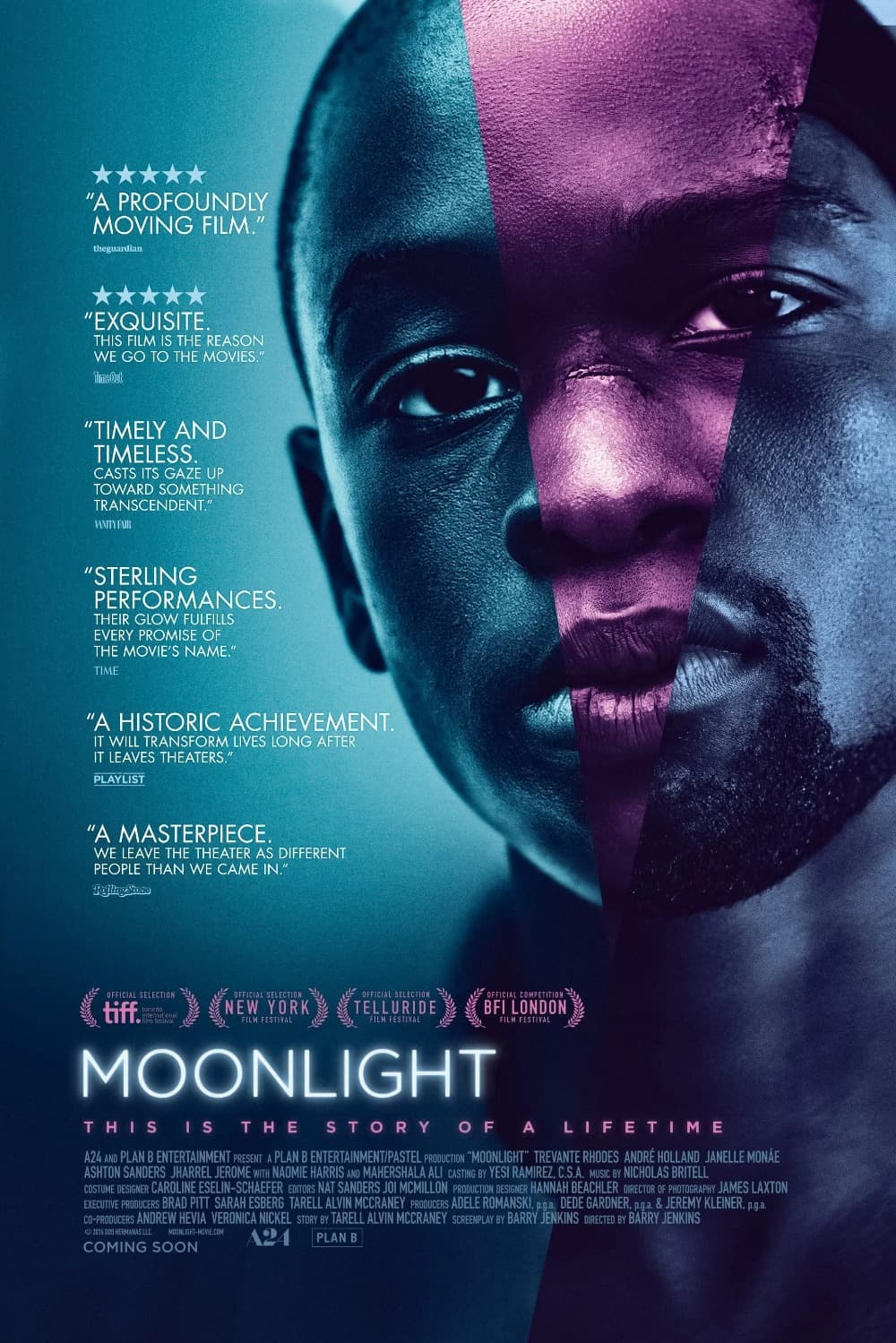
One life told in three chapters by three different actors, and shot in blues and purples so tender the film almost hums: nothing about it looks like anything else.
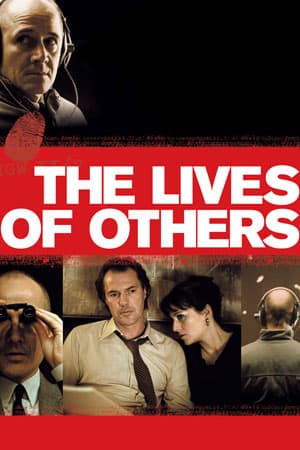
It made an entire country look at its own surveillance state: a Stasi officer listens in on a playwright's apartment, and the last line of the film lands like a blow.
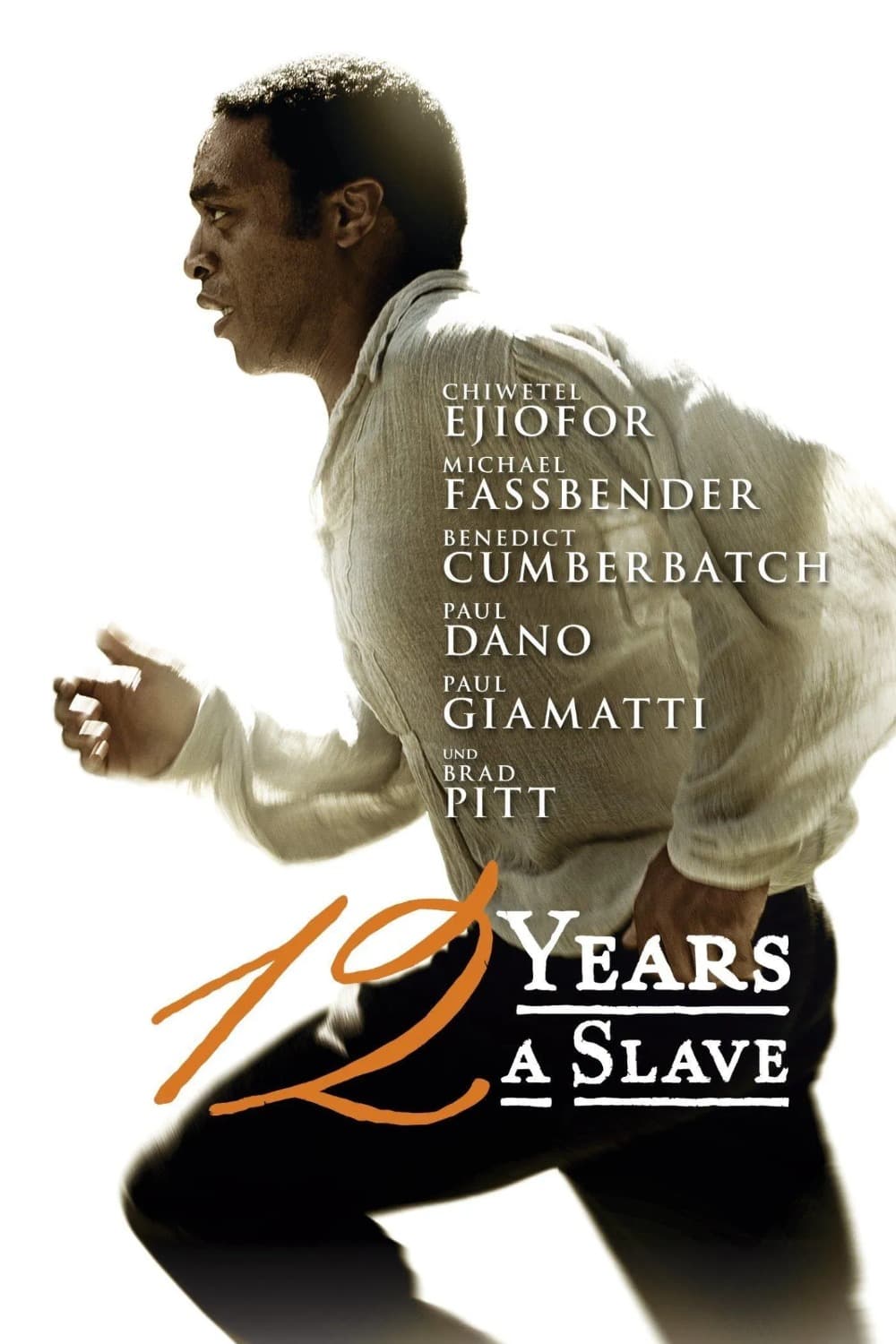
The first Best Picture from a Black director, and the least evasive film ever made about American slavery: McQueen holds shots long past comfort and refuses to look away.
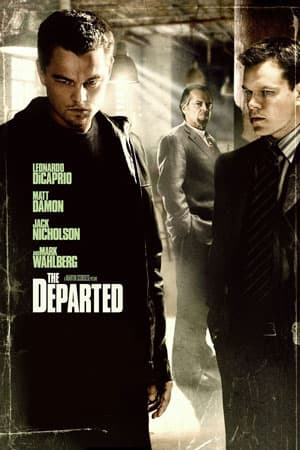
Scorsese remade a Hong Kong thriller and made it entirely his own: a cop inside the mob, a mobster inside the police, and a pitch that never once relaxes.
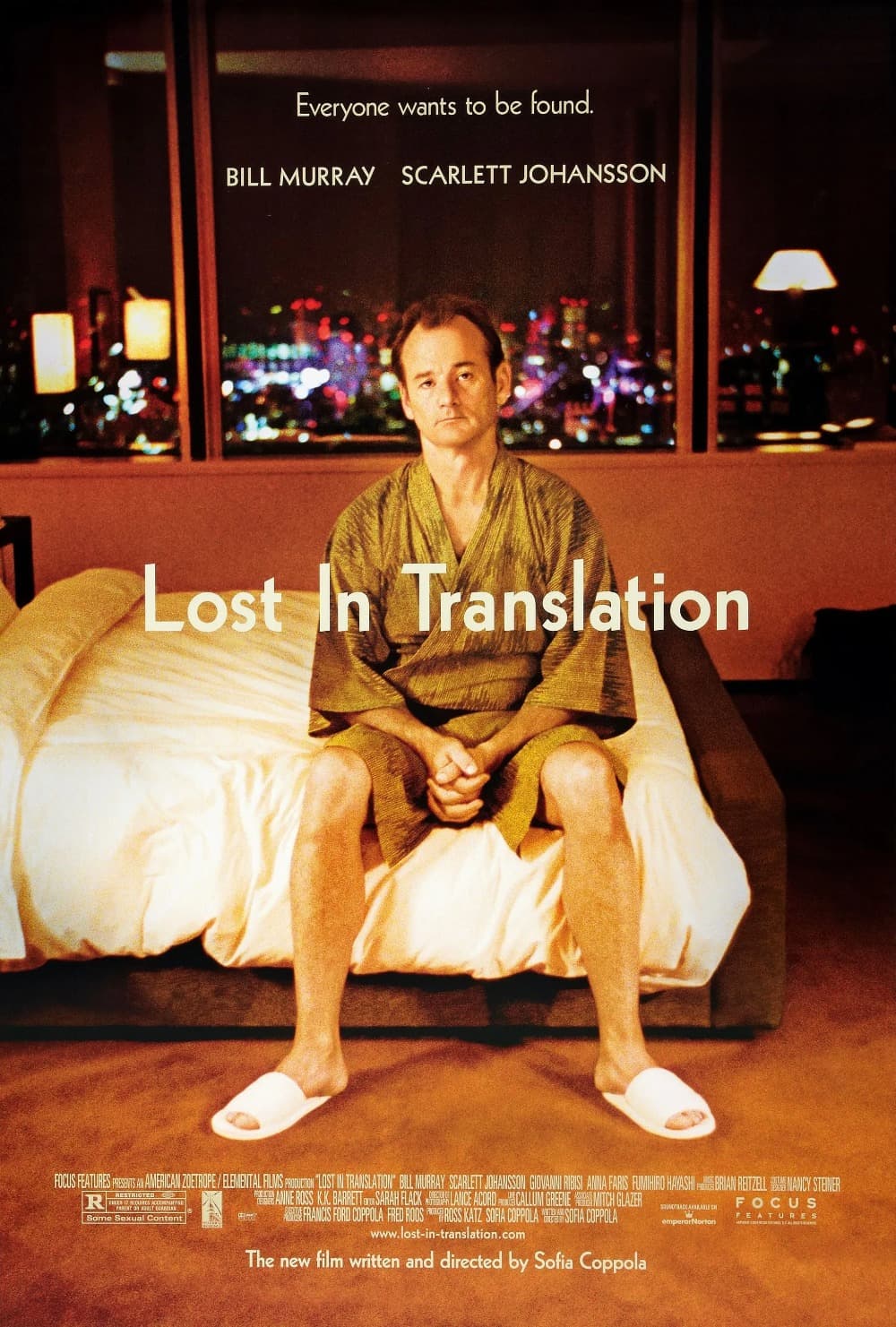
Almost nothing happens and it stays with people for years: jet lag, neon, a Tokyo hotel bar, and two people awake at the wrong hours keeping each other company.
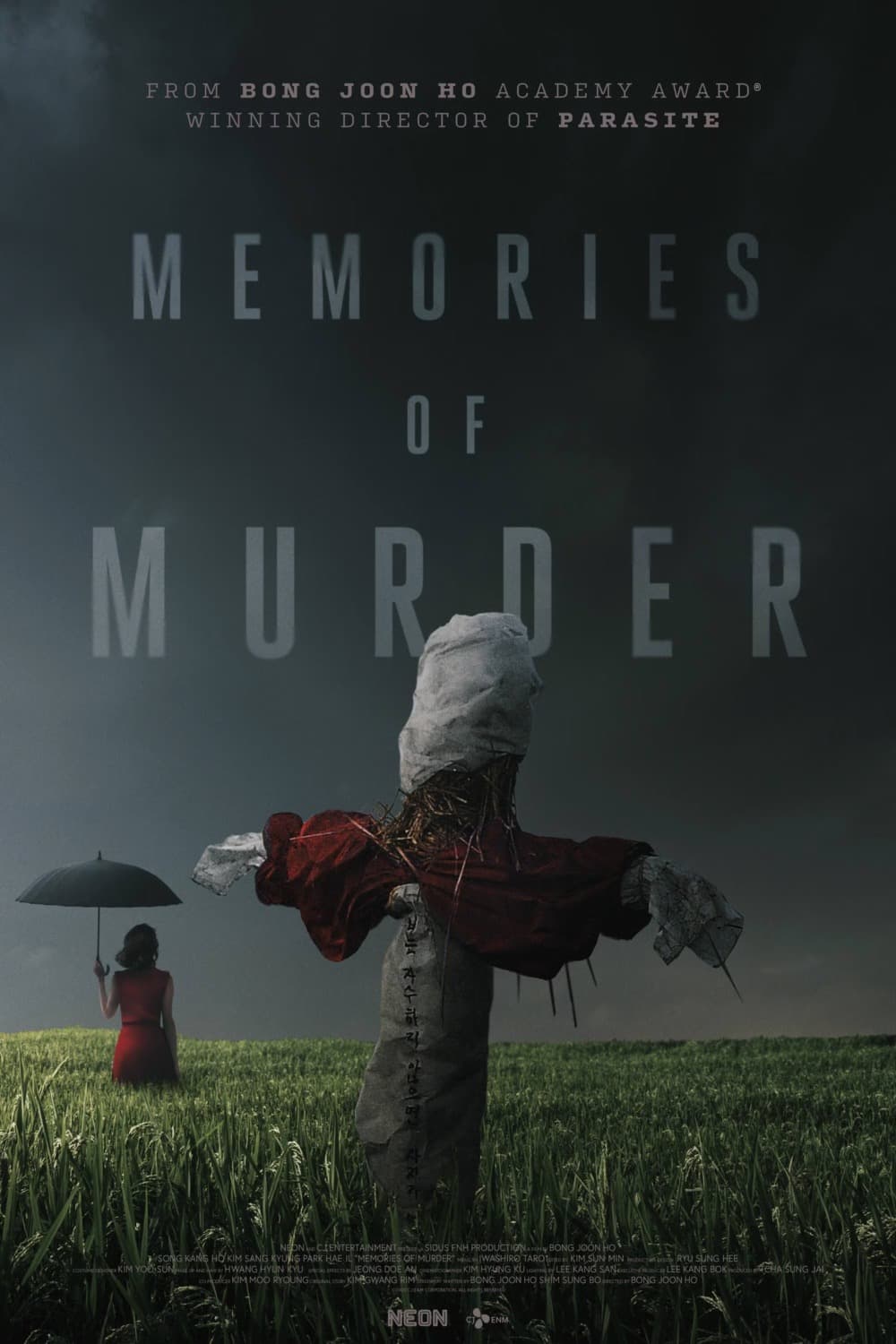
Bong made a serial killer film in which the police are the problem: it is based on a real case, and rural Korea itself ends up looking like the suspect.
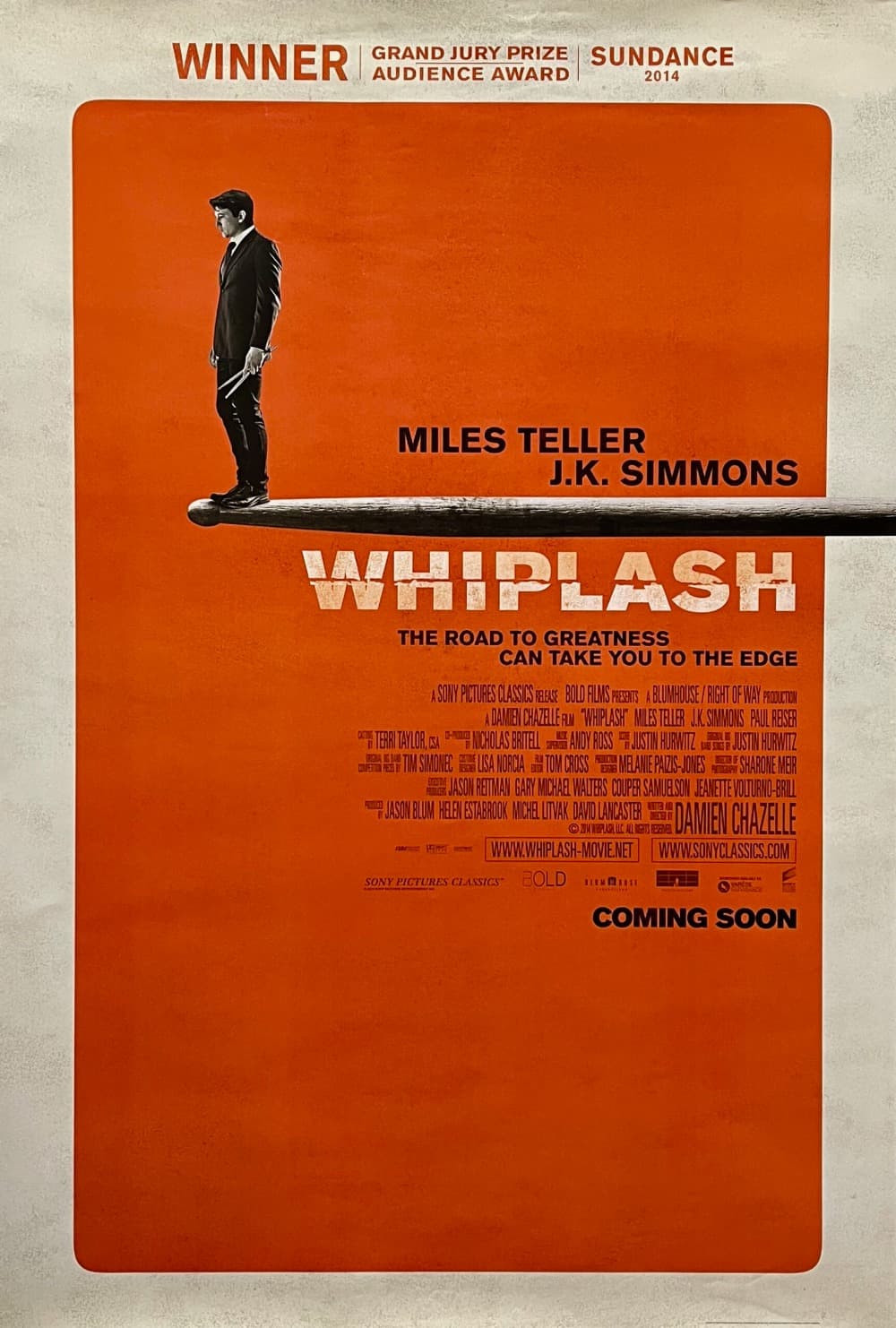
Shot in nineteen days on three million dollars, and cut like a thriller: a drummer, a teacher who throws chairs, and the question of what greatness costs.
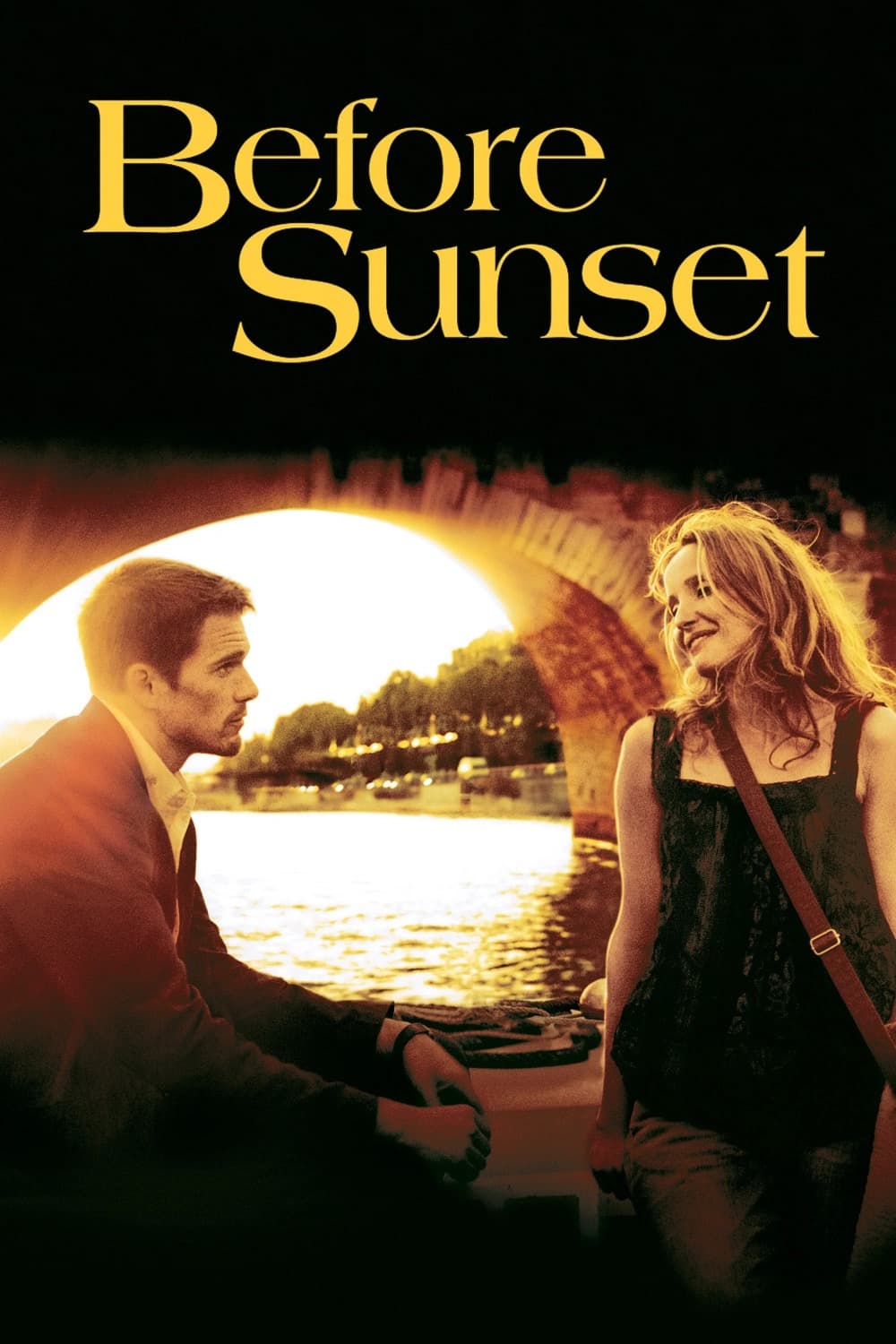
Very little else works the way this does: eighty minutes of two people walking around Paris talking, in close to real time, and it is over far too soon.
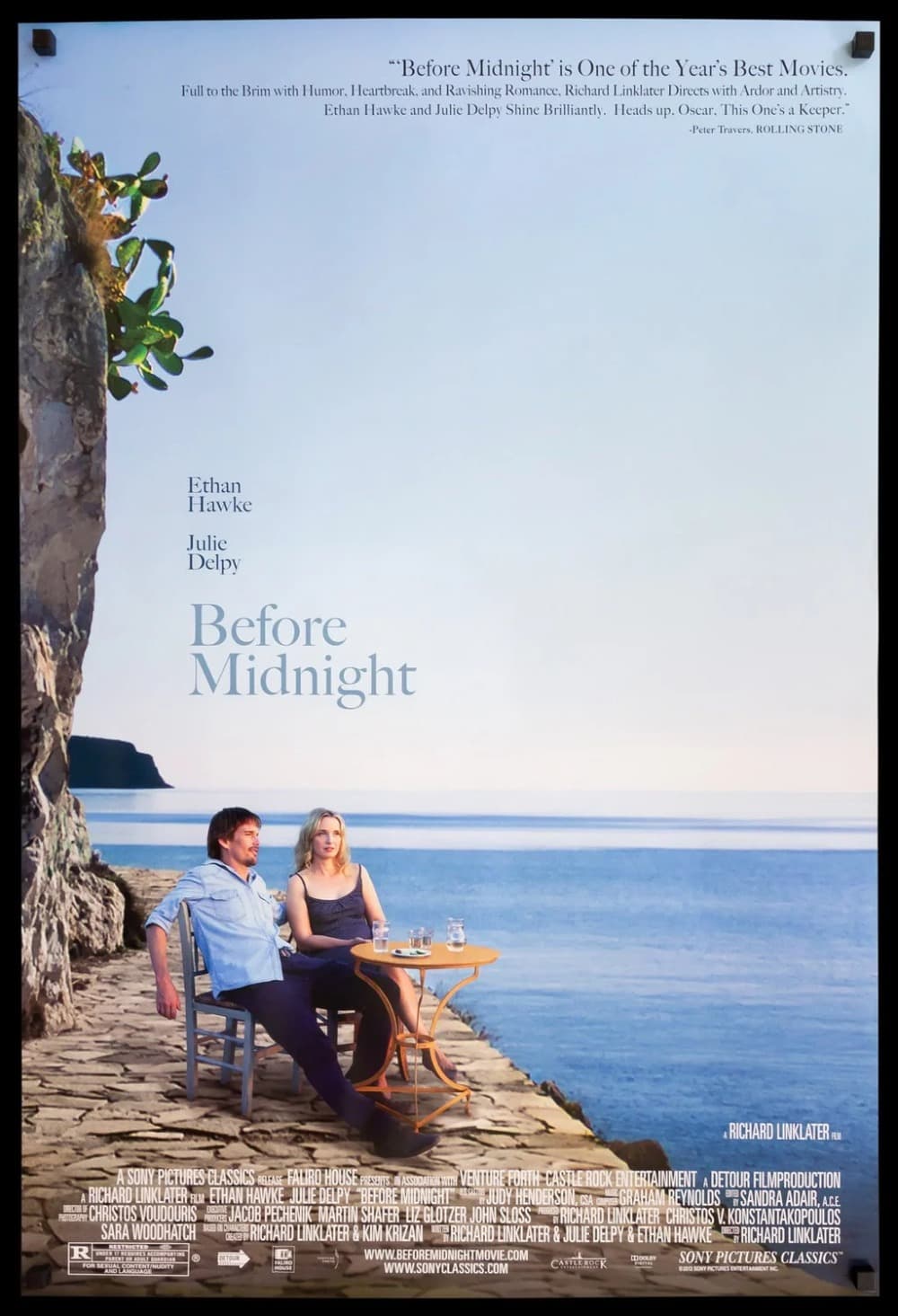
The third film is the one that hurts: Linklater and his two actors let nine more years pass, then take it somewhere the first two politely refused to go.
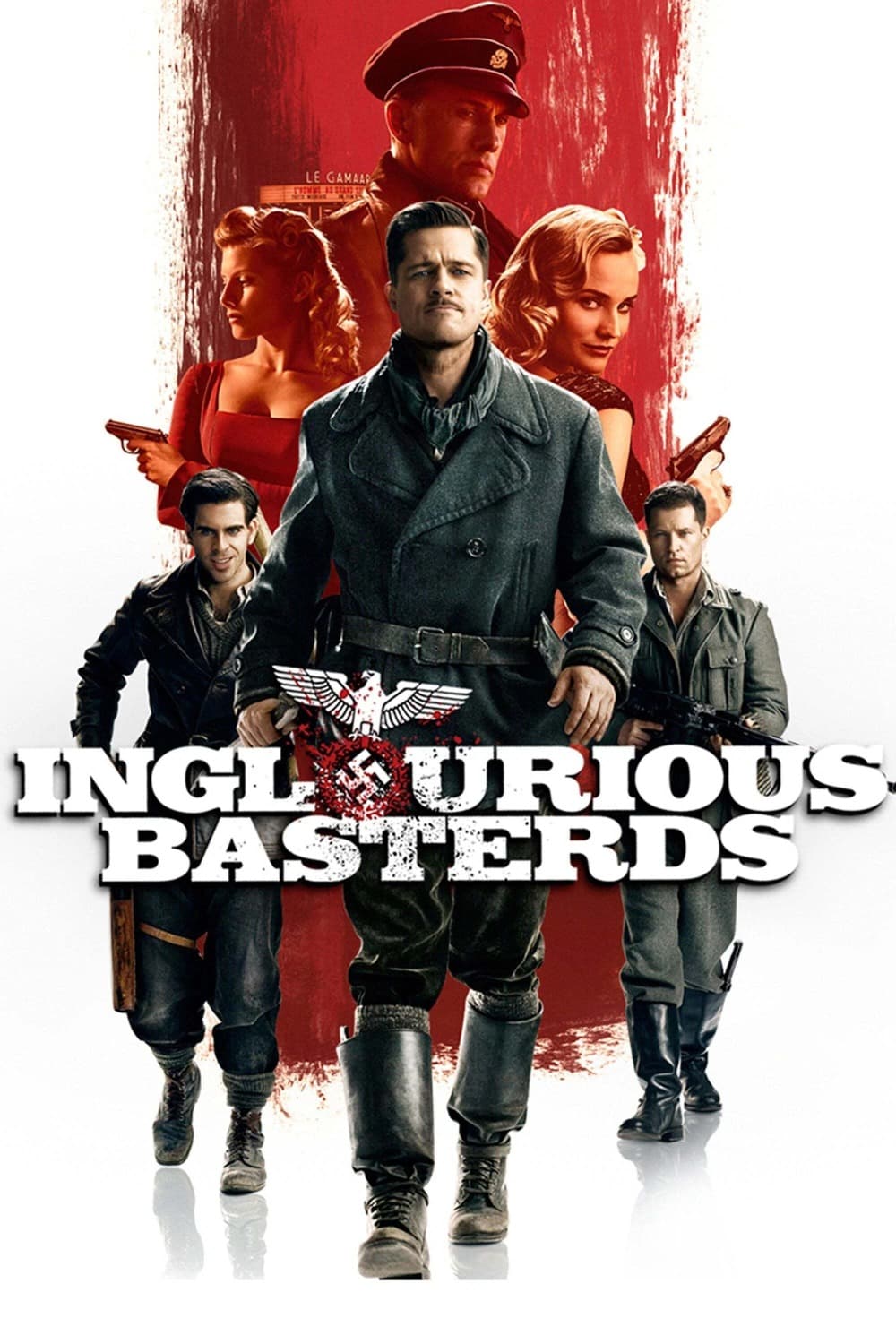
Christoph Waltz plays four languages and makes every one of them frightening: Tarantino builds his scenes as long conversations where somebody at the table already knows too much.
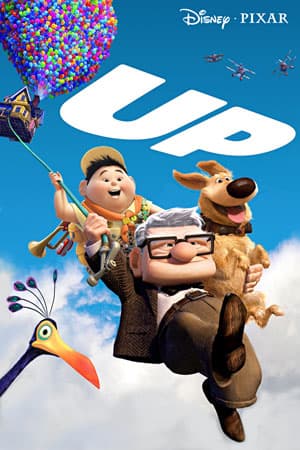
The four-minute marriage montage is the most devastating thing Pixar has ever done, and it is wordless: after that, an old man flies his house away on balloons.
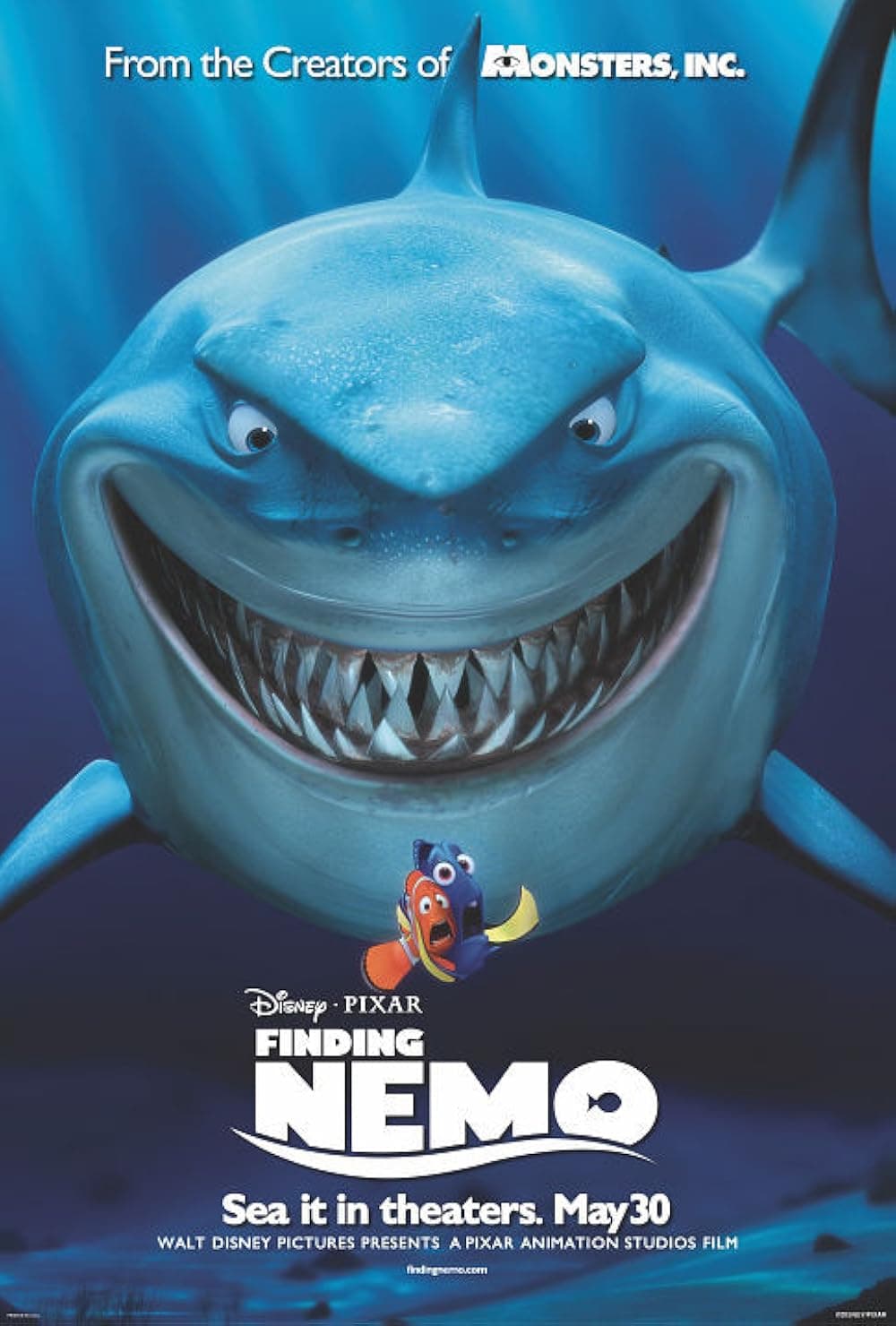
It became the highest grossing animated release to that point and pushed what animation could render: an ocean of light and current, and a frightened father crossing it.
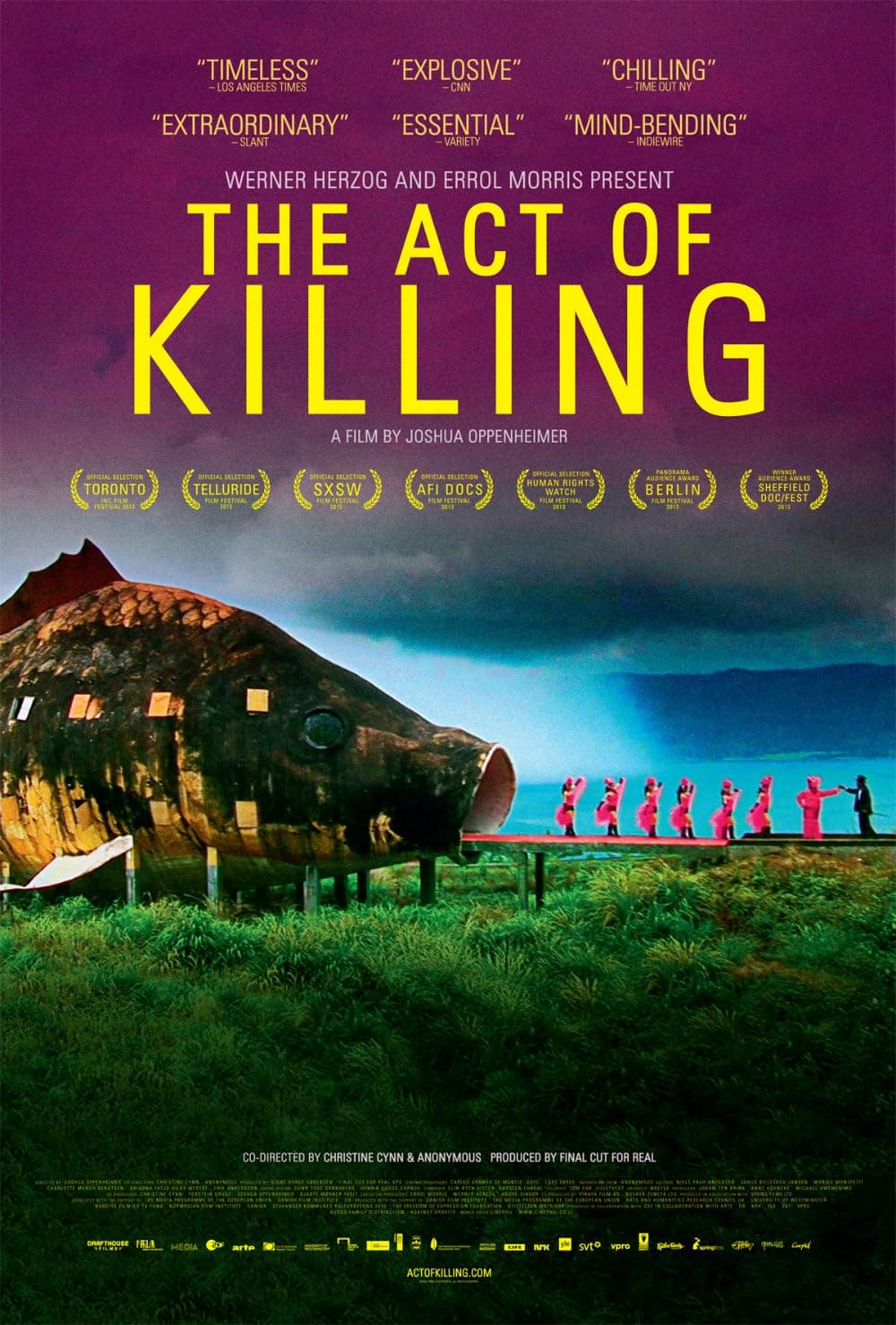
Oppenheimer asked the men who carried out Indonesia's mass killings to restage them as movie scenes, and they agreed gladly: no documentary has ever been braver or harder to sit through.
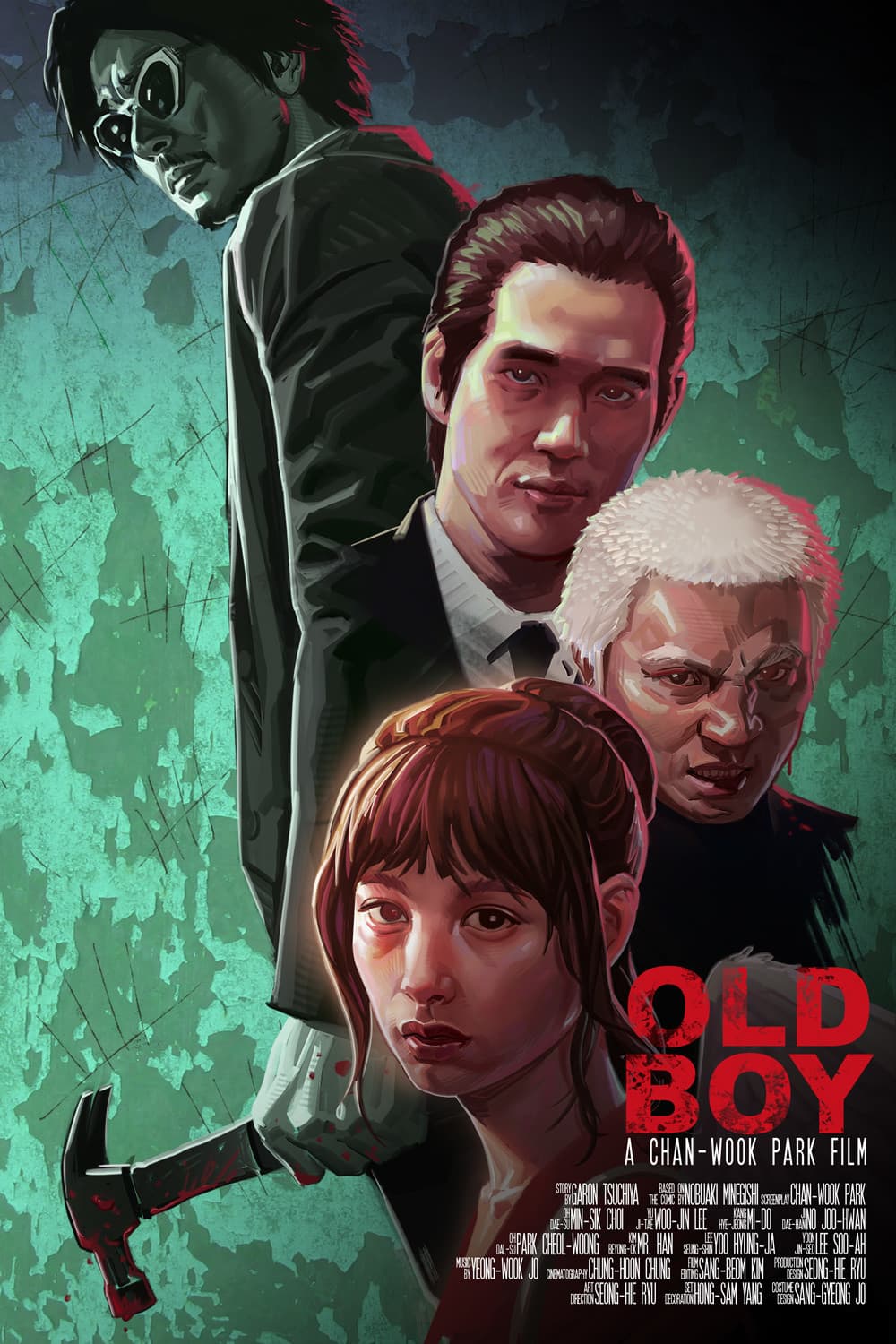
Korean cinema broke through in the West on the strength of this: fifteen years locked in a room without explanation, and a corridor fight staged in one take.
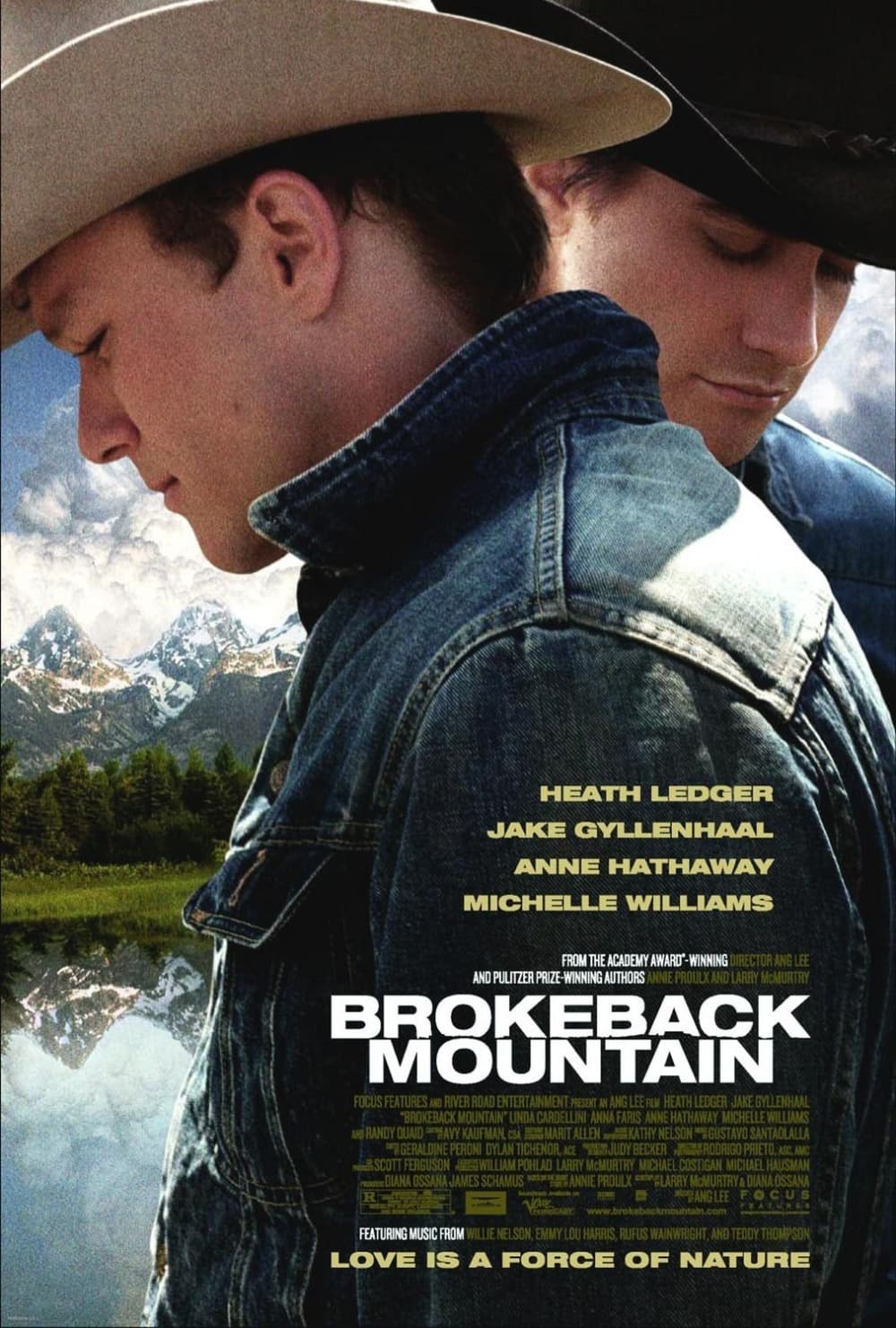
It changed what a mainstream American film could be about: Lee filmed twenty years of two men unable to say what they are, almost entirely in silence.
It won the Palme d'Or and audiences walked out of it: Malick set a 1950s Texas boyhood against the formation of the universe and left the connections to you.
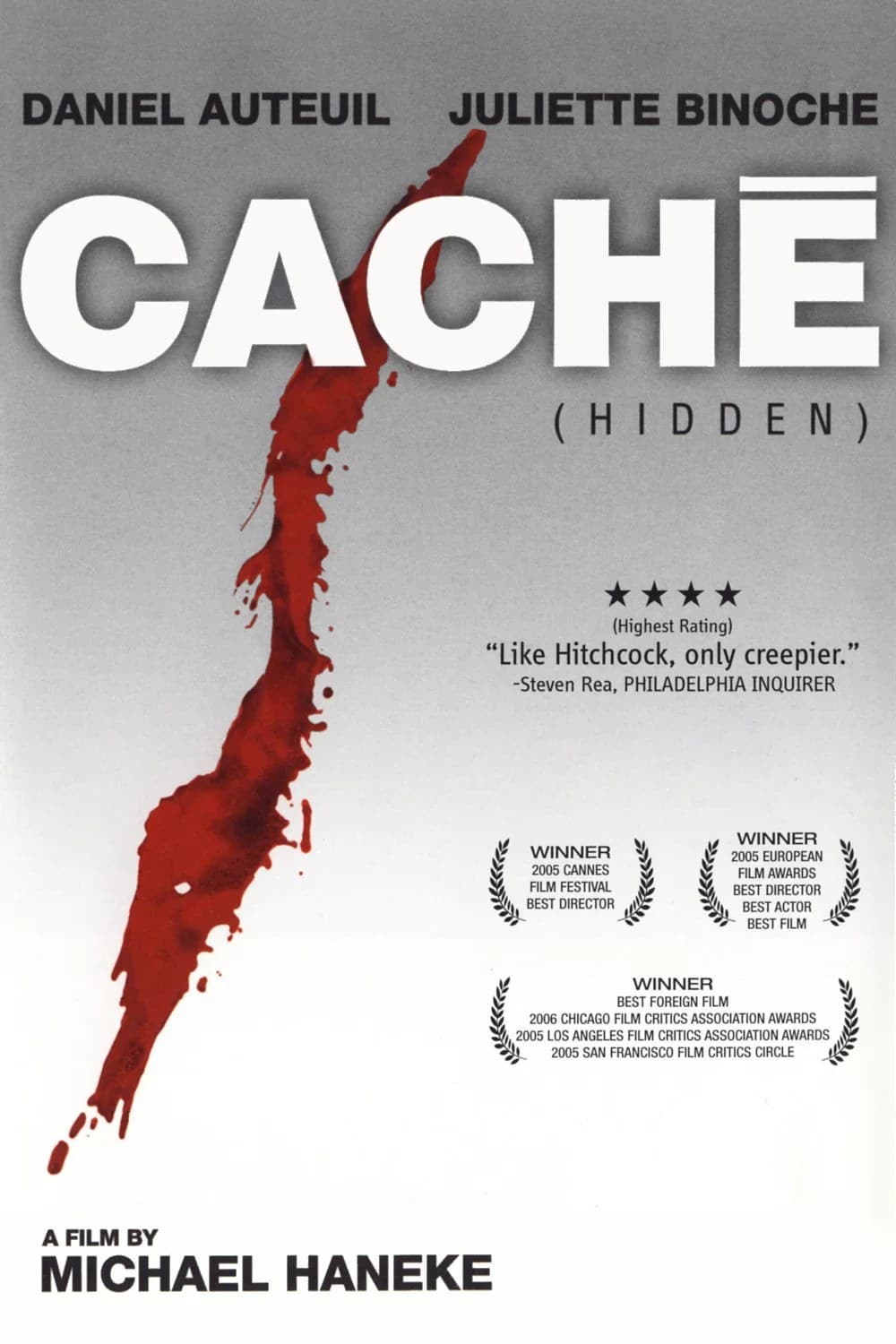
The most quietly frightening film anyone has made about guilt: videotapes of a family's own front door start arriving, and Haneke cares far more about what nobody says.
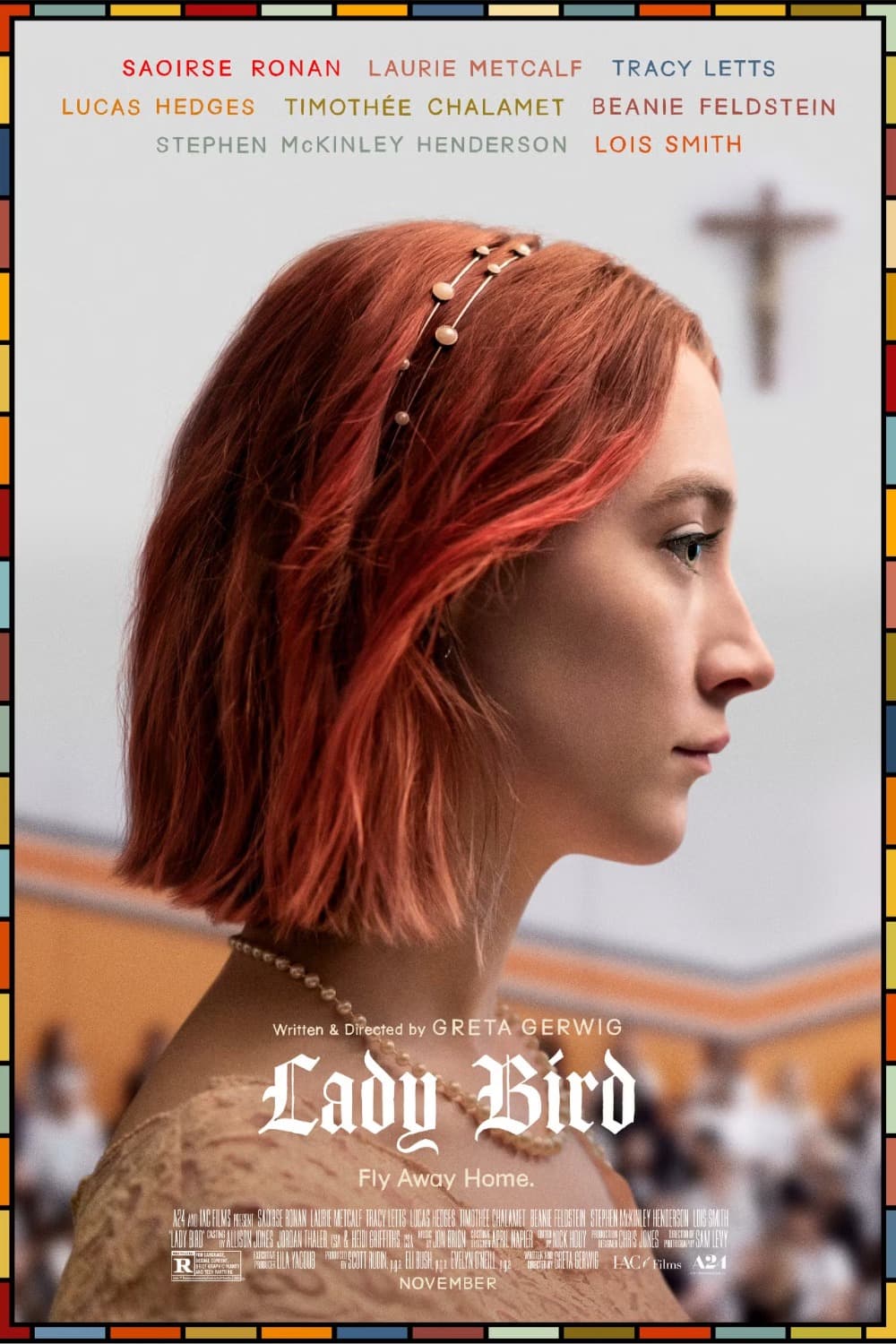
Gerwig's first solo film became the best reviewed of its year: a Sacramento teenager and her mother fight about everything, and the film refuses to take a side.
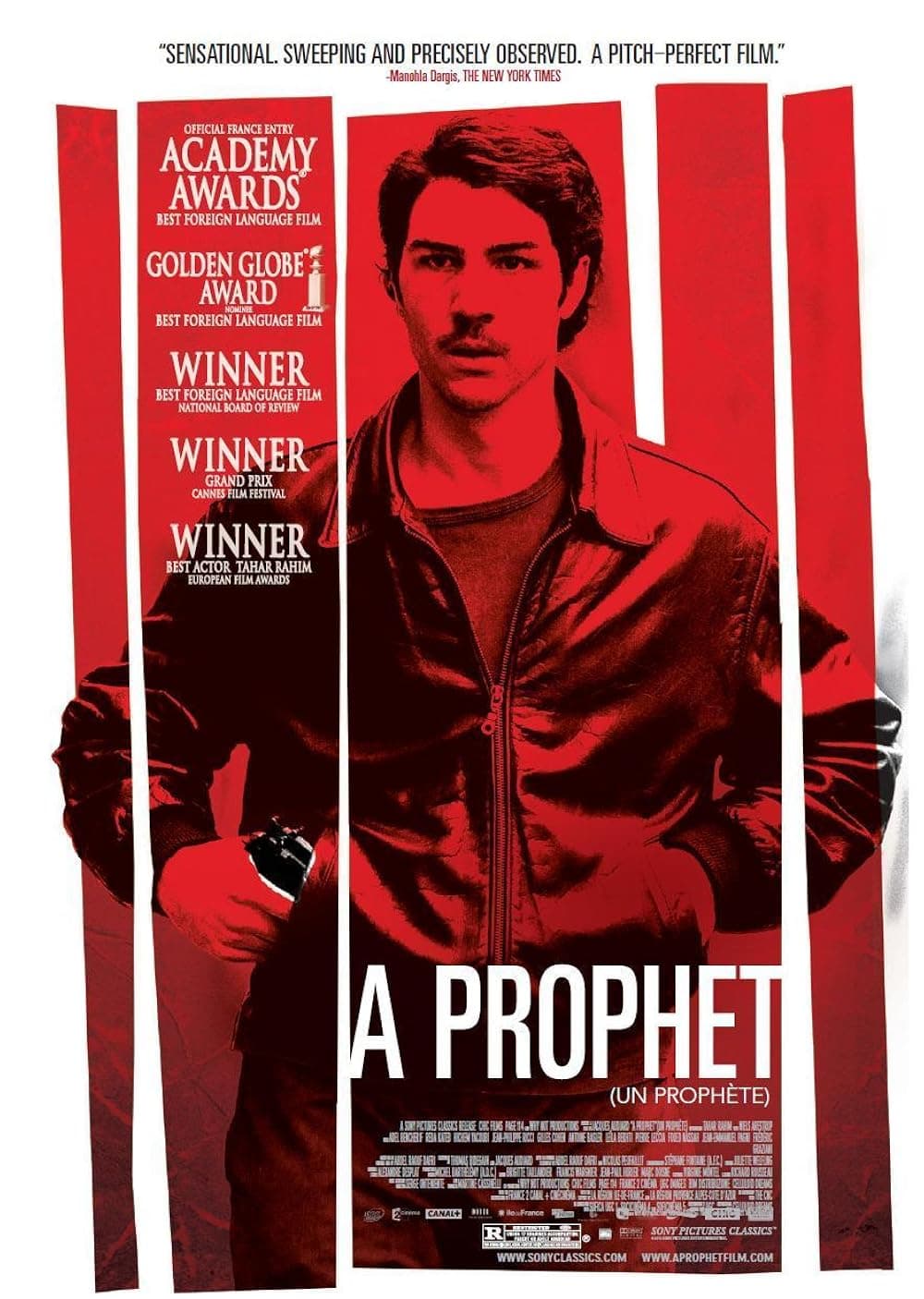
The best prison film of this century, and it works like a business education: an illiterate nineteen-year-old walks into a French jail and starts learning very fast.
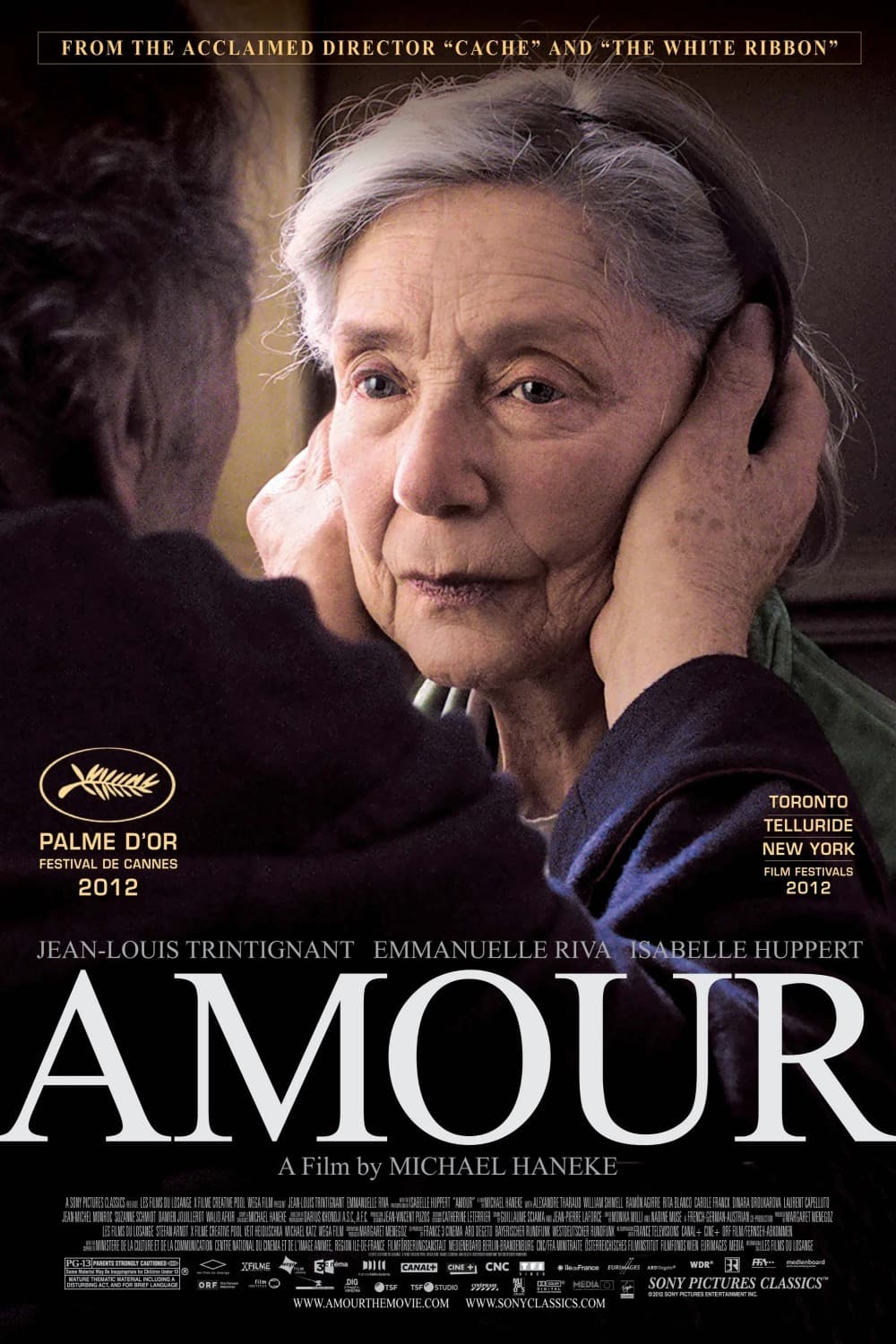
The film everyone should see once and nobody wants to see twice: Haneke barely leaves one Paris apartment while a marriage of decades reaches its last stretch.
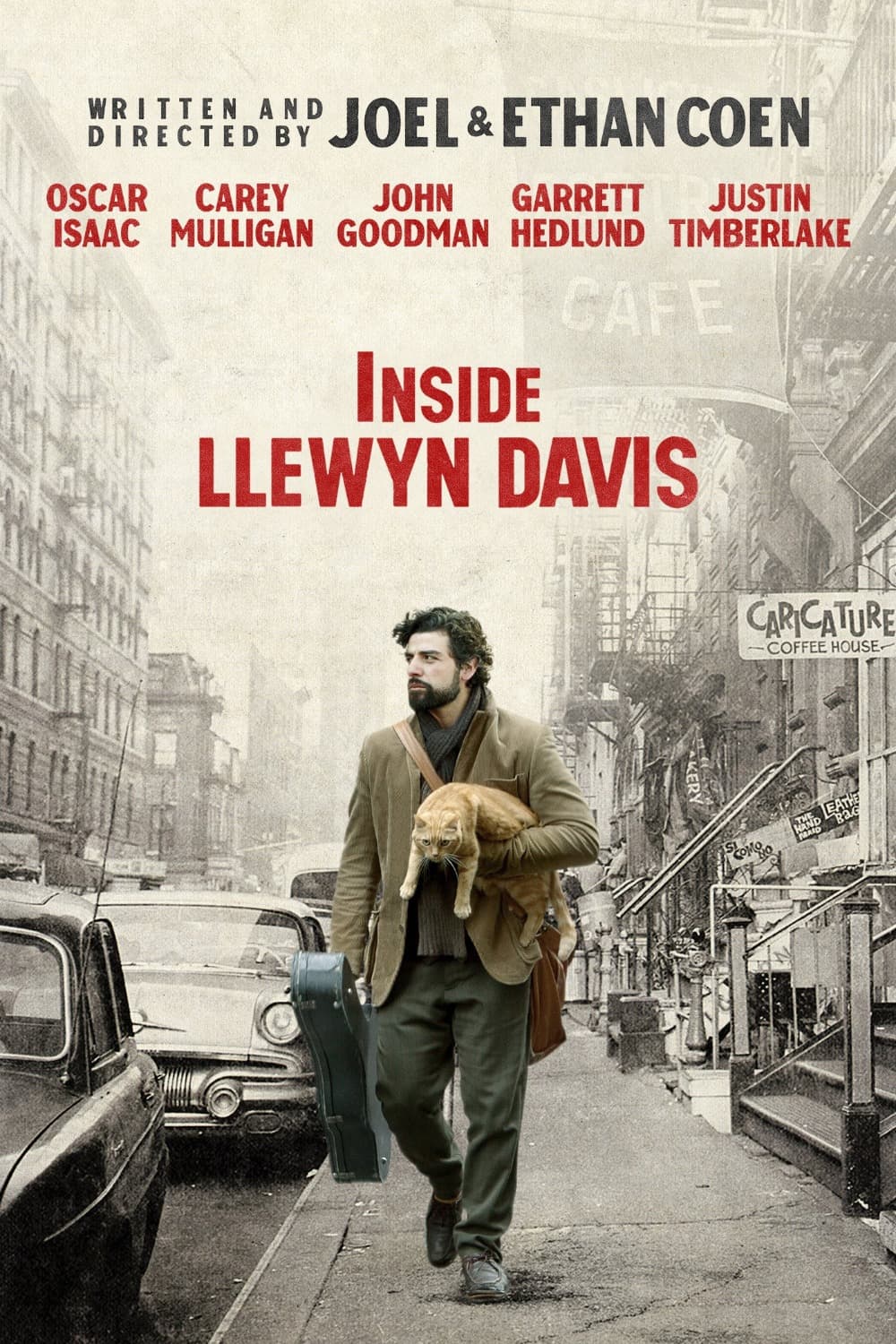
The Coens made the saddest film about failure that anyone has managed to make funny: a folk singer plays beautifully, sleeps on couches, and gets absolutely nowhere at all.