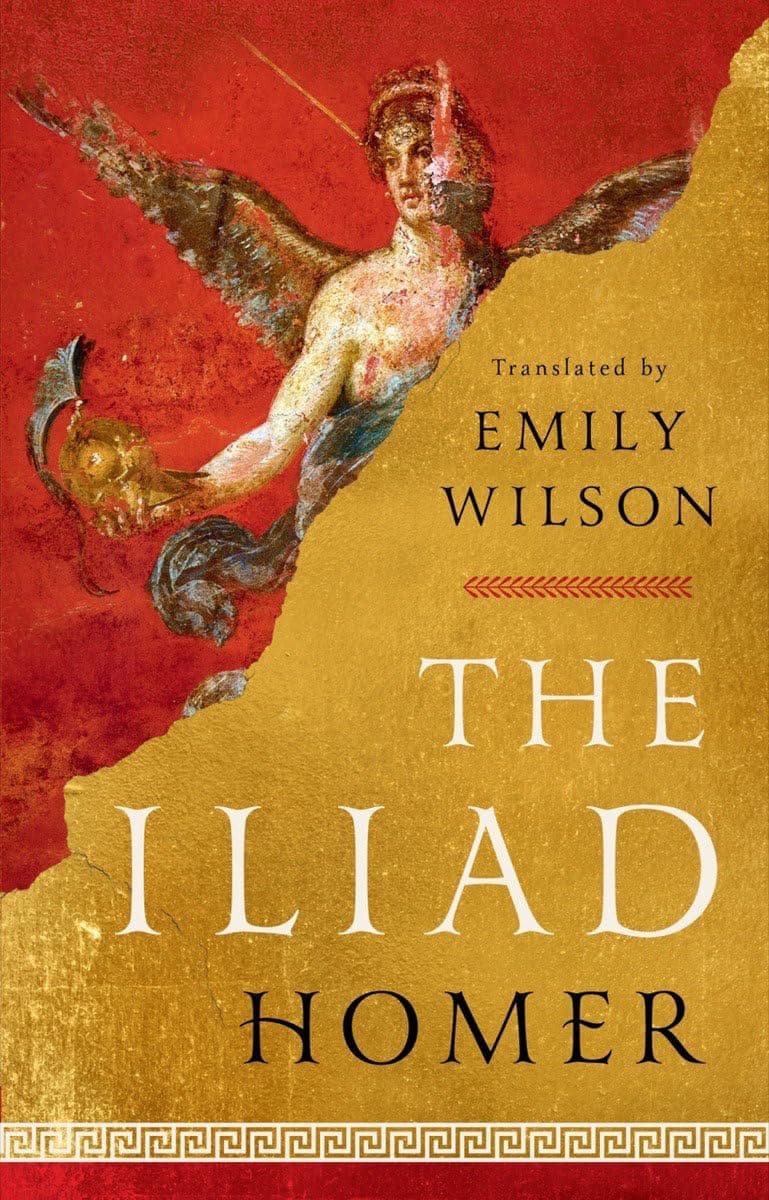
The Iliad
750 BC · 848 pages
Achilles withdraws from the fighting over a stolen prize and his friends die outside Troy for it. Nothing written about war since has matched Homer's fury, or the mercy of the final scene.
★ 9.9
 skopia
Achilles withdraws from the fighting over a stolen prize and his friends die outside Troy for it. Nothing written about war since has matched Homer's fury, or the mercy of the final scene.

Hamlet's father appears as a ghost and demands revenge, and the prince spends the play failing to take it. Four centuries of readers have found their own divided minds in his hesitation.
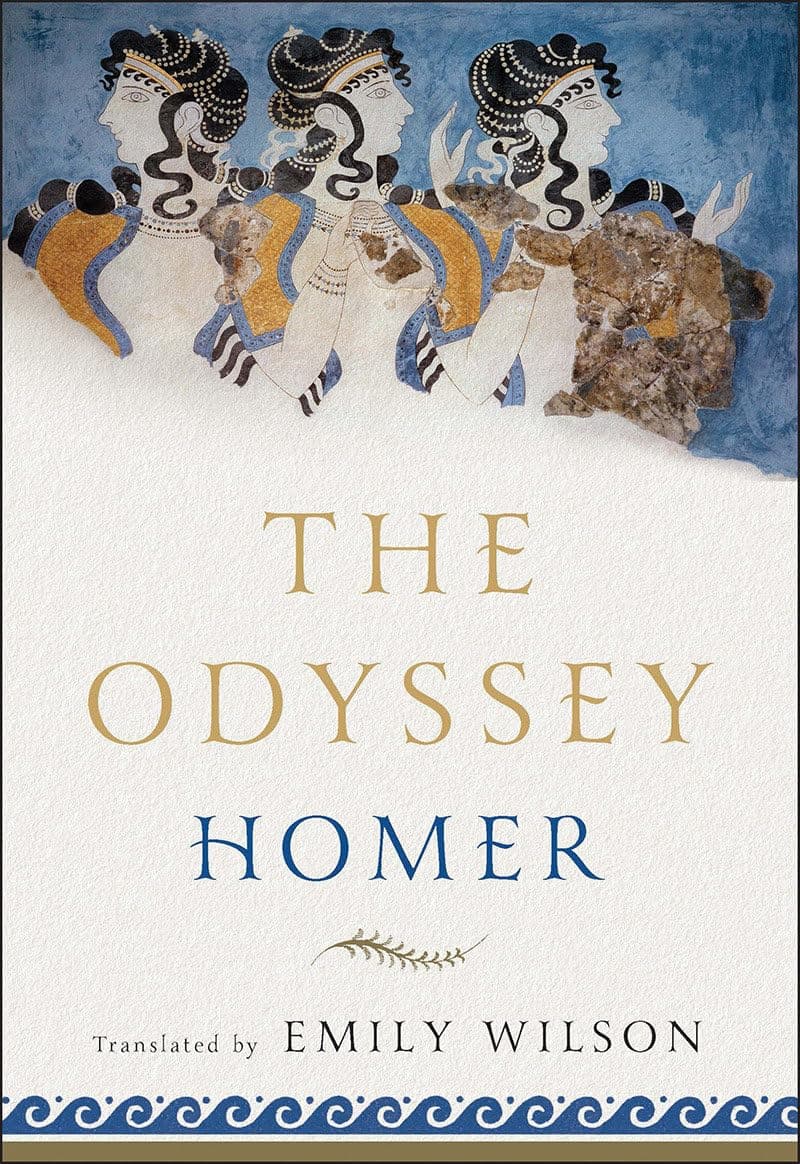
Ten years of storms, monsters, and a goddess who will not let him go stand between a soldier and his own front door. Every adventure story since descends from Odysseus.
Five families carried through Napoleon's invasion of Russia, with battle, marriage, farming, and a theory of history held in one design. You finish it knowing these people better than your own friends.
An old king divides his kingdom by asking his daughters how much they love him, and the truthful one says least. Shakespeare wrote nothing bleaker, and the last scene is unbearable.
An old man reads himself mad on chivalry, names himself a knight, and rides out with a farmer for a squire. Four hundred years on the book is still hilarious and still heartbreaking.
Leopold Bloom walks Dublin for one day in June 1904, and Joyce pours the whole English language into it. Bloom, advertising canvasser and cuckold, is the kindest man in fiction.

The most complete account of memory ever written. A man tastes a madeleine, and three thousand pages of remembered love, jealousy, and vanished aristocrats change permanently how you look at your own past.

Old Karamazov is murdered and each of his three sons had reason. Around the crime Dostoevsky stages the fiercest argument fiction has ever made about God and the suffering of children.
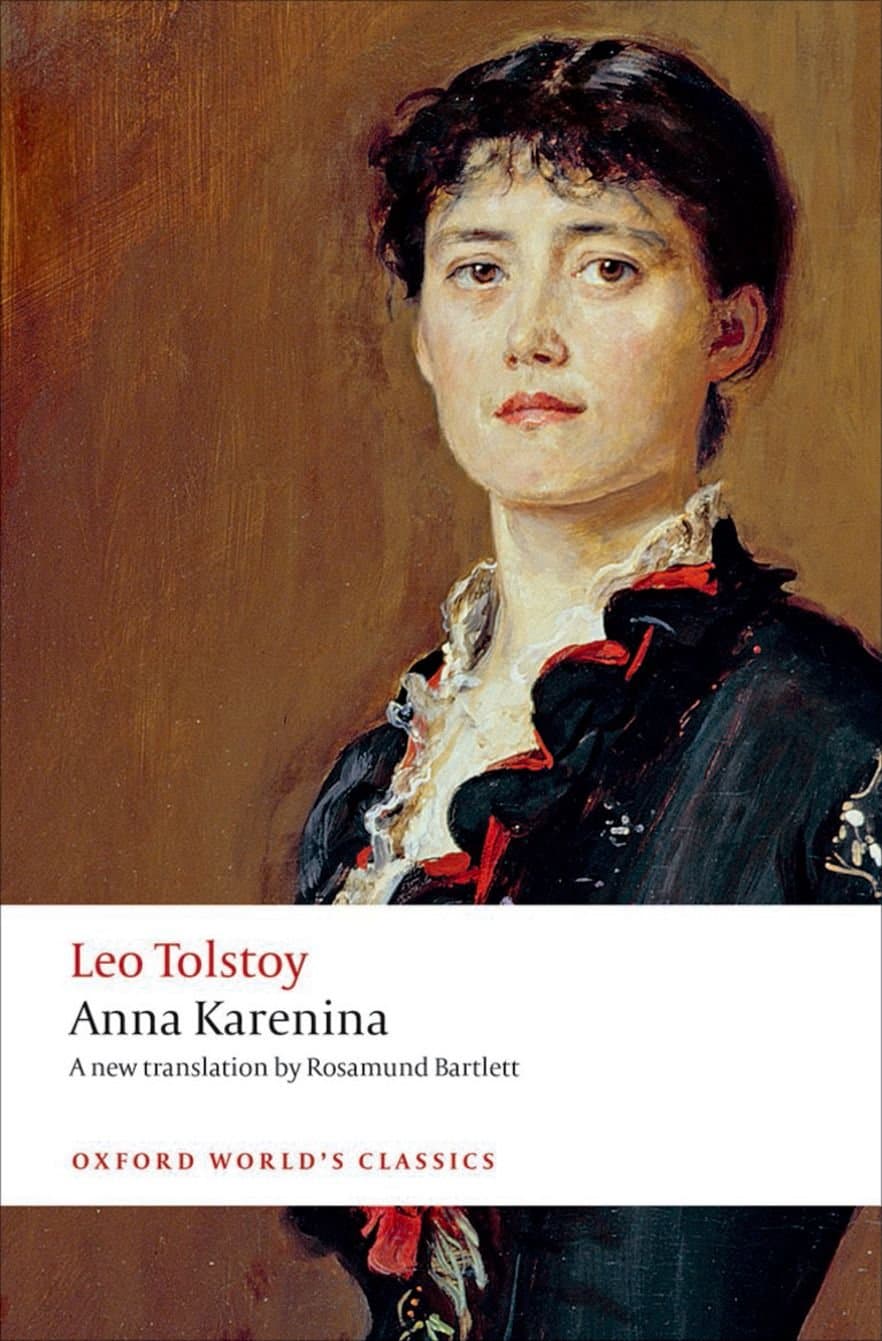
Anna leaves her husband for a young officer while, in the other half of the book, Levin farms and marries and worries about God. Tolstoy gives both lives the same total sympathy.

Raskolnikov murders a pawnbroker to prove he stands above ordinary morality, then comes apart as a magistrate circles him. It reads like a thriller and works like a confession.
Dorothea Brooke marries a dry scholar for the wrong reasons and a gifted doctor lets small compromises close around him. Eliot knows more about how people actually fail than any English novelist.
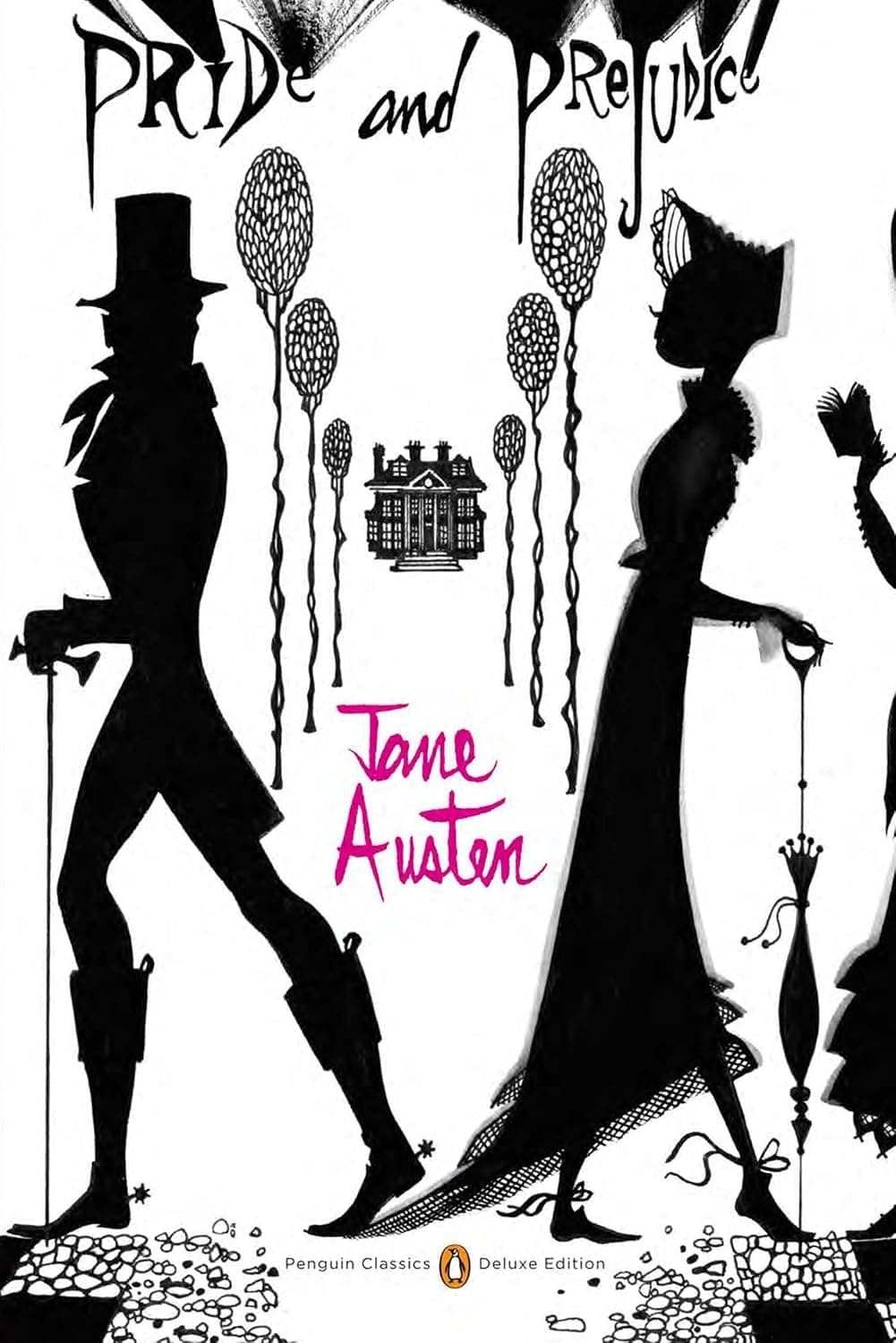
Elizabeth Bennet and Darcy dislike each other on sight and spend the novel being wrong. Austen wrote conversation better than anyone in English, and readers return to it their whole lives.
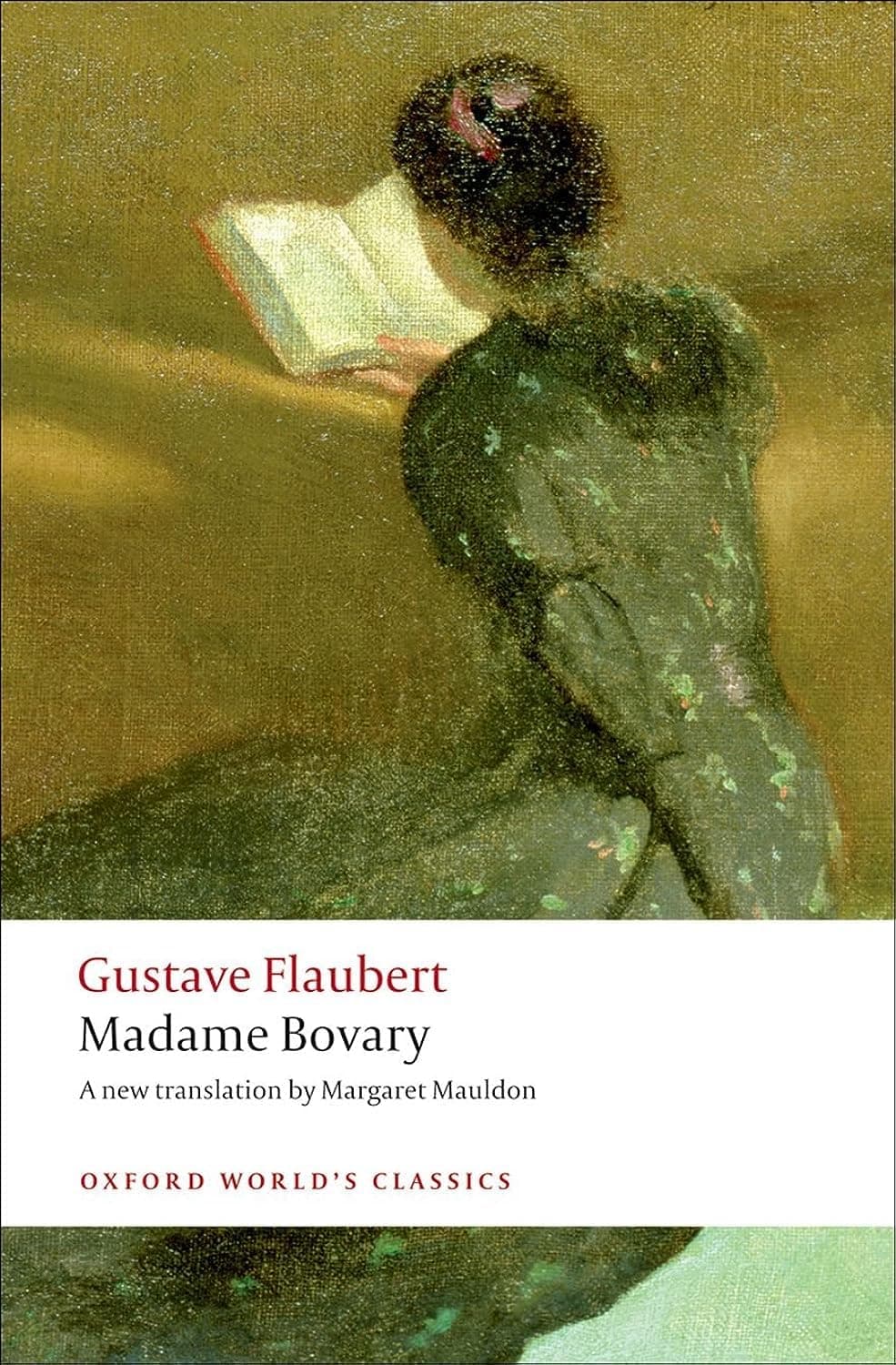
Emma Bovary reads romances, takes lovers, and runs up debts trying to feel something in a provincial town. Flaubert weighed every sentence, and modern fiction's idea of style begins with him.
Witches promise a soldier the crown, and he and his wife murder their way to it. Shakespeare's shortest tragedy moves like a nightmare, and the guilt arrives before the blood dries.
Montaigne wrote short pieces on friendship, fear, sleep, and his kidney stones, and invented the essay doing it. As company on the page he remains unmatched in four centuries.
At a summer house by the sea a trip to the lighthouse keeps being postponed, and Woolf gets so close to how a mind works that years pass and grief arrives in passing.

Three sisters long for Moscow, a family loses its cherry orchard, and everyone talks around what hurts. Chekhov made the unspoken the real action, and modern theater took its shape from him.
Hans Castorp goes to a Swiss sanatorium to visit his tubercular cousin for three weeks and stays seven years. Time comes loose there while the patients debate everything and Europe drifts into war.
Iago tells the audience exactly how he will destroy his general, then does it with a handkerchief and patient lying. His reasons never explain it, and watching Othello believe him is agony.
Clarissa Dalloway buys the flowers herself and gives a party, one June day in London, while a veteran wrecked by the war comes apart nearby. Woolf moves between strangers' minds without warning.
At Yalta a married man meets a woman walking a small dog and cannot shake her. Chekhov judges no one and resolves nothing, and the stories come out quietly devastating.

Solzhenitsyn served eight years in the camps, then gathered hundreds of survivors' accounts into a single prisoner's journey from arrest through interrogation to the labor gangs. Publishing it got him deported.

Chaucer's thirty pilgrims ride to Canterbury swapping stories, the knight a courtly romance and the miller a filthy joke, and he wrote them in English when serious poetry meant Latin or French.
Asked why anyone should be just when nobody is watching, Socrates answers by building an entire city in conversation. The allegory of the cave has never stopped explaining people to themselves.
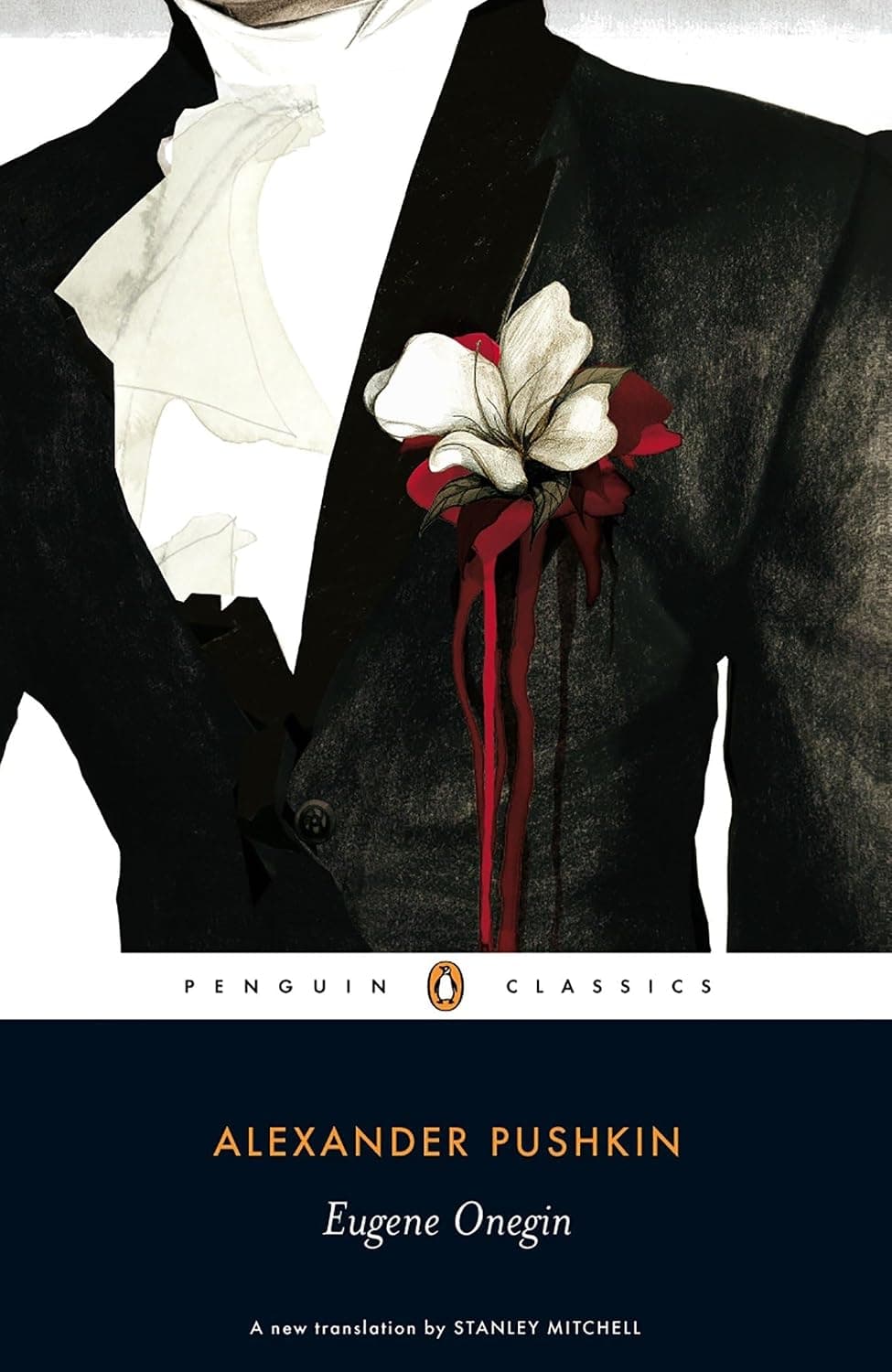
Onegin coolly refuses a country girl's love letter, then kills a friend in a pointless duel. Pushkin wrote it in verse so quick and alive that Russians still know stanzas by heart.
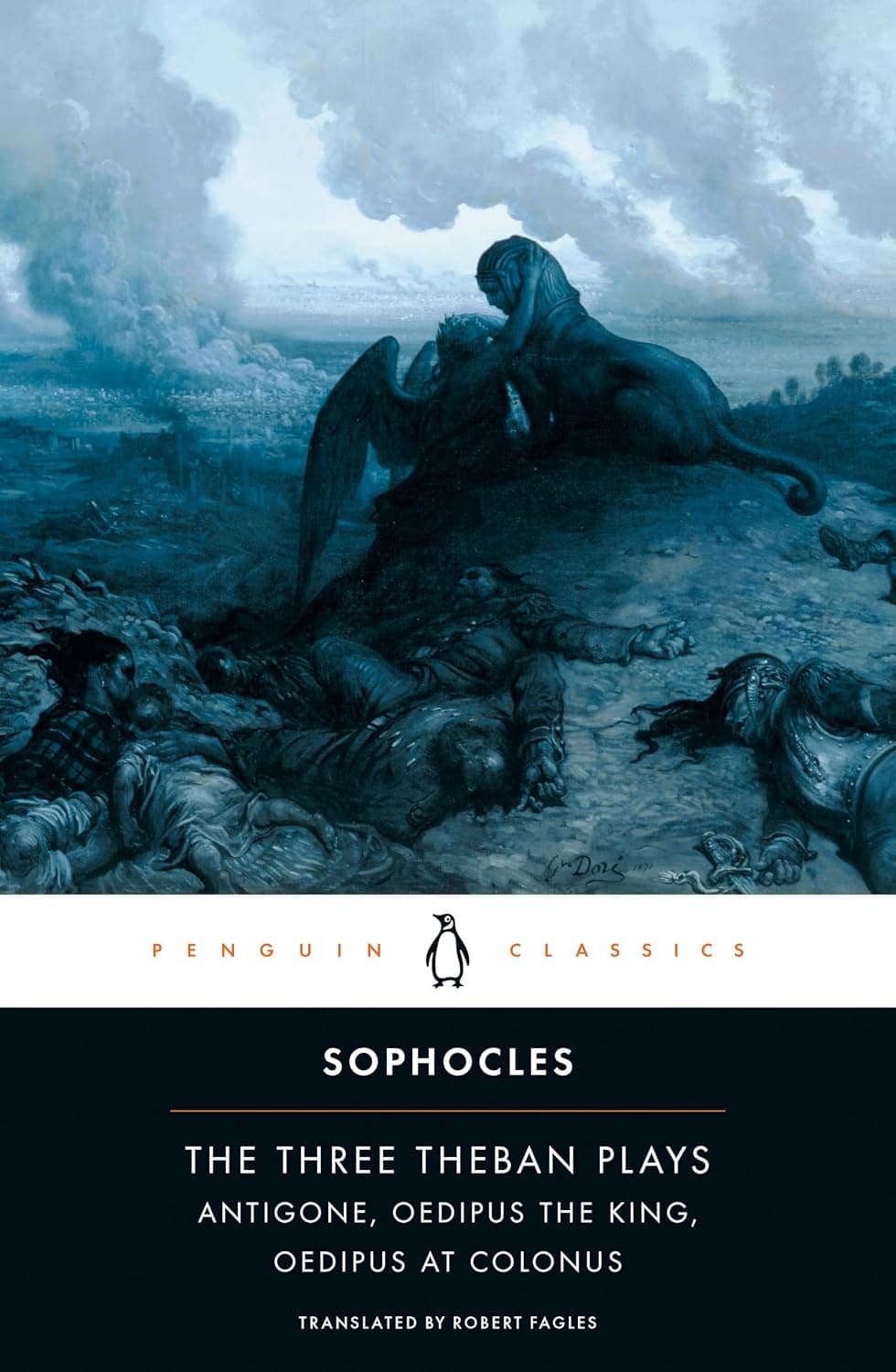
No drama has matched the moment Oedipus understands. He investigates the crime poisoning his city and the trail turns toward him. His daughter later defies the state to bury her brother.

Gibbon follows Rome from its imperial peak to the fall of Constantinople thirteen centuries later, in the finest prose English history possesses. His contempt for Christianity still makes readers laugh.

Pip, a blacksmith's boy, is handed a fortune by an unknown benefactor and turns snob. Miss Havisham waits in her rotted wedding dress, and Dickens makes the shame of low birth unbearable.
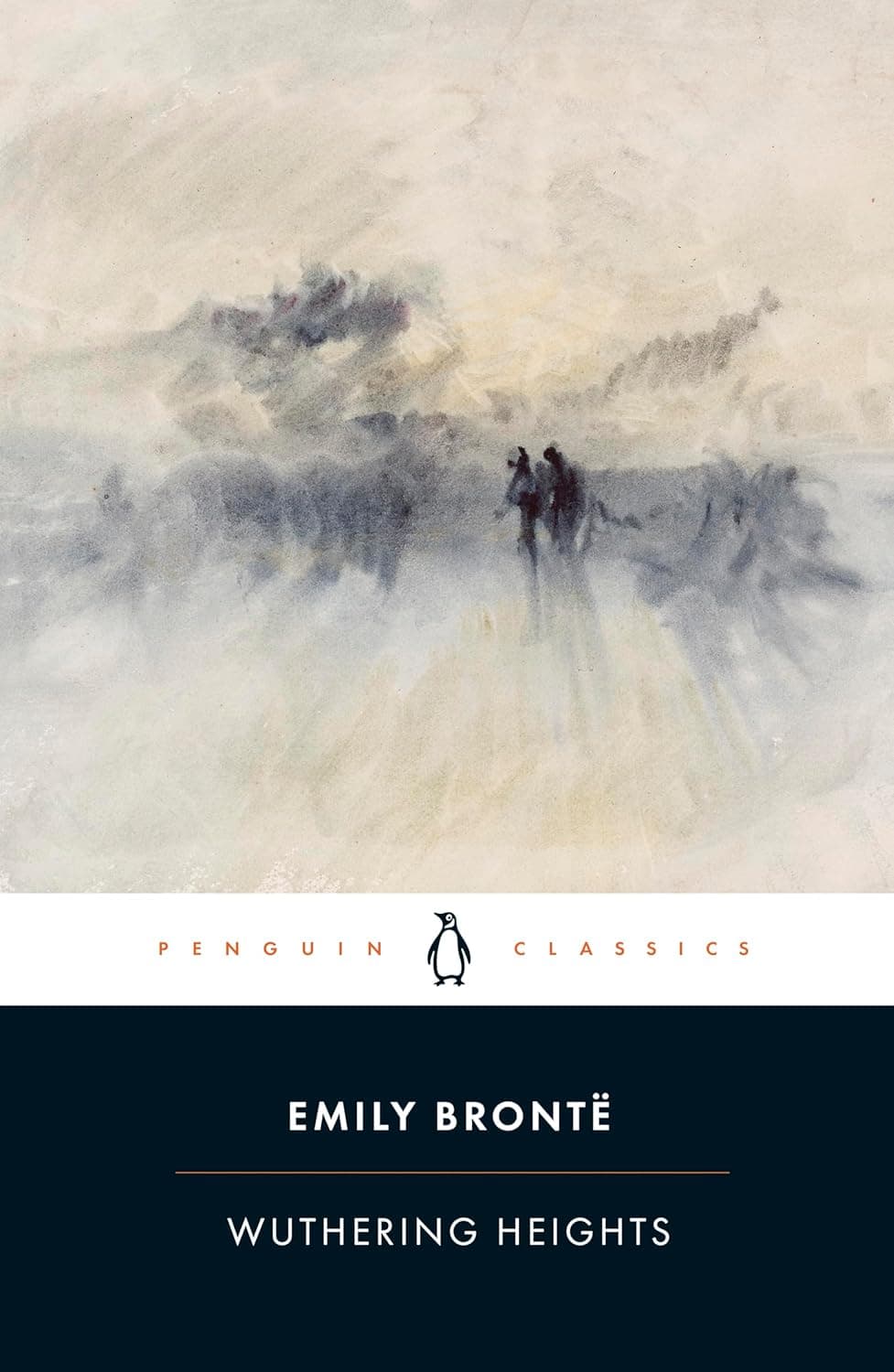
Heathcliff, a foundling on a Yorkshire farm, spends his life destroying two families over the girl he loves. The poet Rossetti called it a fiend of a book, its action laid in hell.
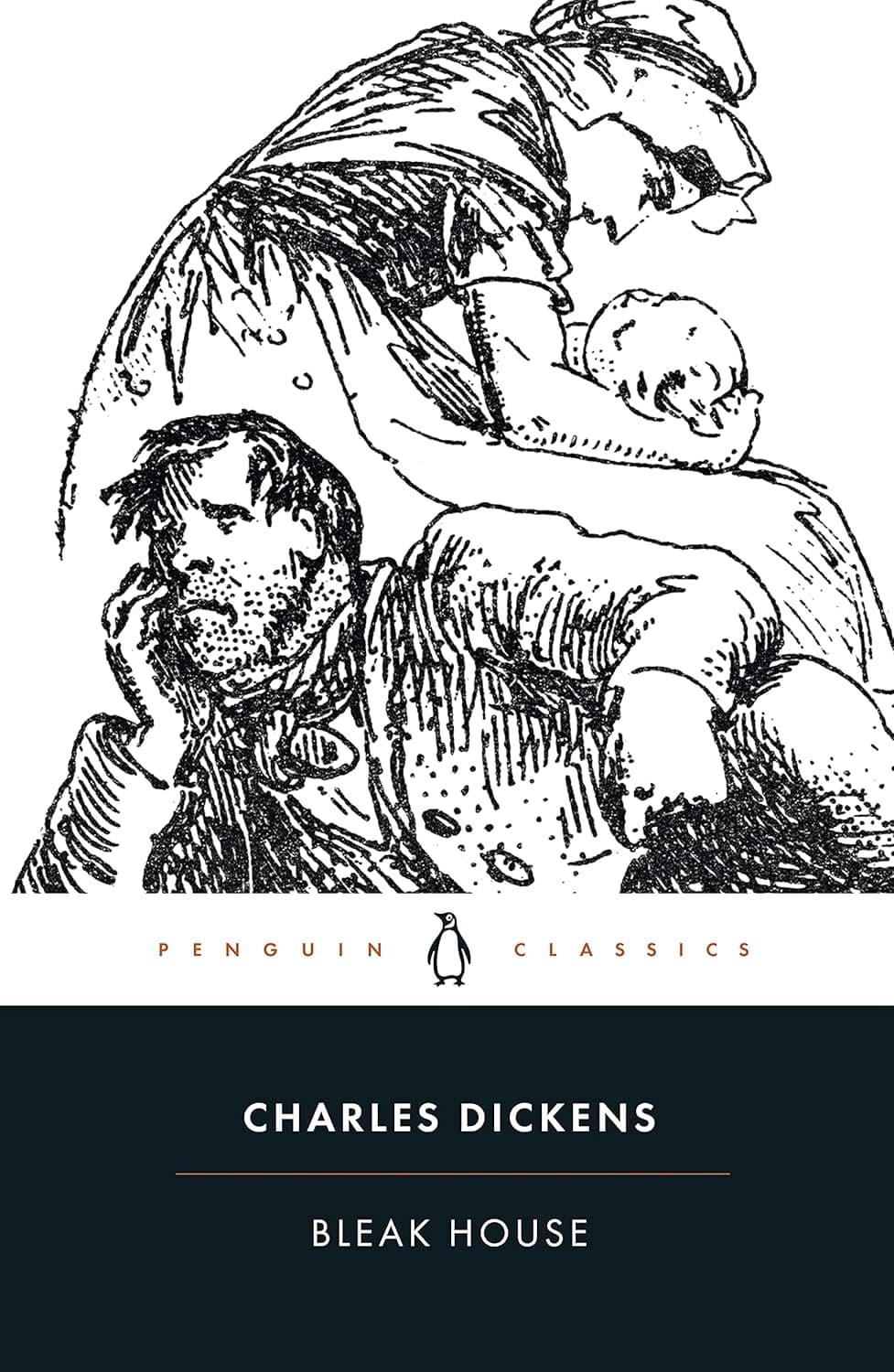
Dickens's supreme achievement, and his angriest. A lawsuit over a will has dragged through the courts so long that nobody alive understands it, and its fog settles over every life in England.
Jean Valjean serves nineteen years for stealing bread, breaks parole, and is hunted the rest of his life by a relentless policeman. Around them Hugo builds the century's great argument for mercy.
Stephen Dedalus grows from a small boy into a young man set on leaving Ireland to make art. The prose matures sentence by sentence with him, from baby talk to fierce argument.

The devil arrives in Stalin's Moscow with a retinue that includes an enormous talking cat, and the literary bureaucrats never recover. Threaded through it runs a stark short novel about Pontius Pilate.
During the siege of Stalingrad, a Soviet physicist receives his mother's last letter from a Nazi ghetto. Grossman wrote the war at Tolstoy's scale and said plainly that both tyrannies were one thing.

In London in 1944 the army notices that an American officer's sexual conquests keep predicting where German rockets fall. What follows is the filthiest, funniest chase ever run across a ruined continent.

Two years in hiding behind an Amsterdam office, set down by a girl who wrote about her mother, her boredom, and who she meant to become. She was fifteen when they were found.
Agamemnon comes home from Troy to a wife who has spent ten years planning her welcome, and the killing runs down the generations until Athena stops it by seating the first jury.

Holed up in a shabby Petersburg room, a spiteful clerk talks at you, insisting people will wreck their own lives to prove they are free. Every alienated narrator since speaks in his voice.

Julien Sorel, a carpenter's son with a memorized Bible and enormous nerve, climbs out of provincial France into Paris society by way of two women. Stendhal reports each calculation without excusing him.
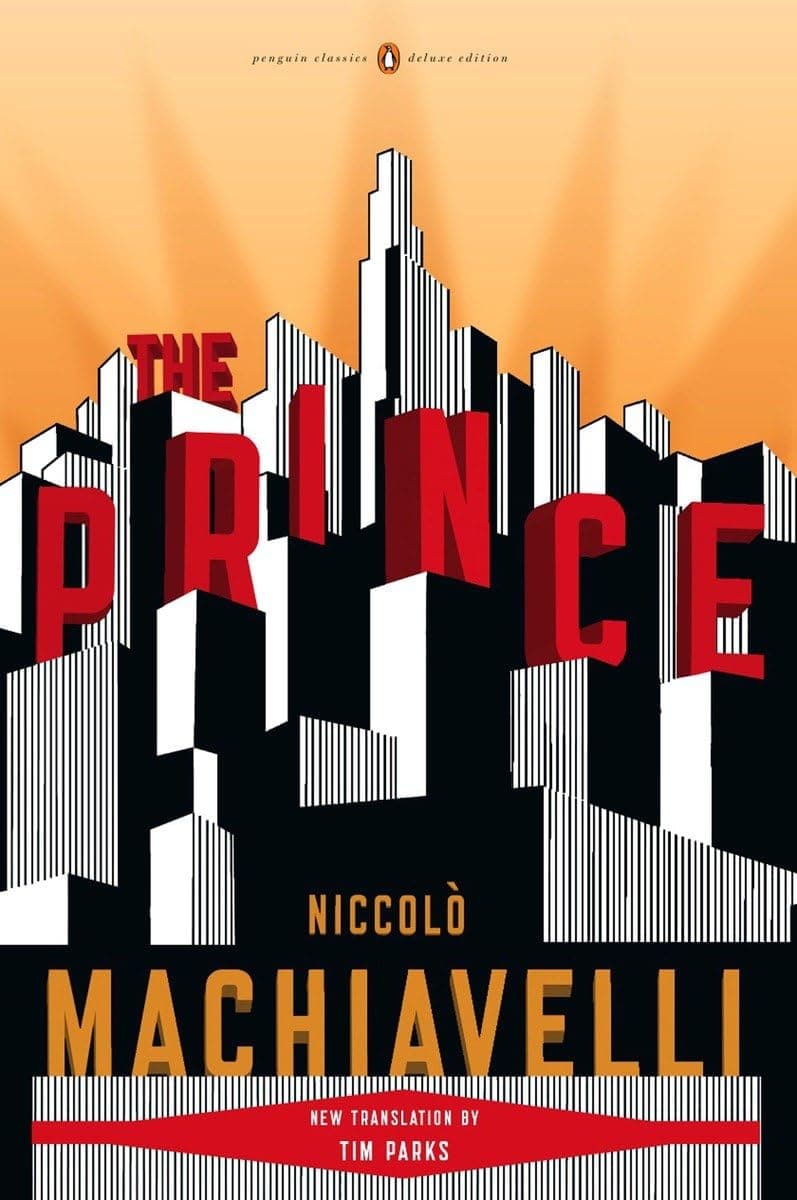
Machiavelli threw out the question of how a ruler ought to behave and asked how power is taken and kept. His answer, that a prince does better feared than loved, still unsettles people.
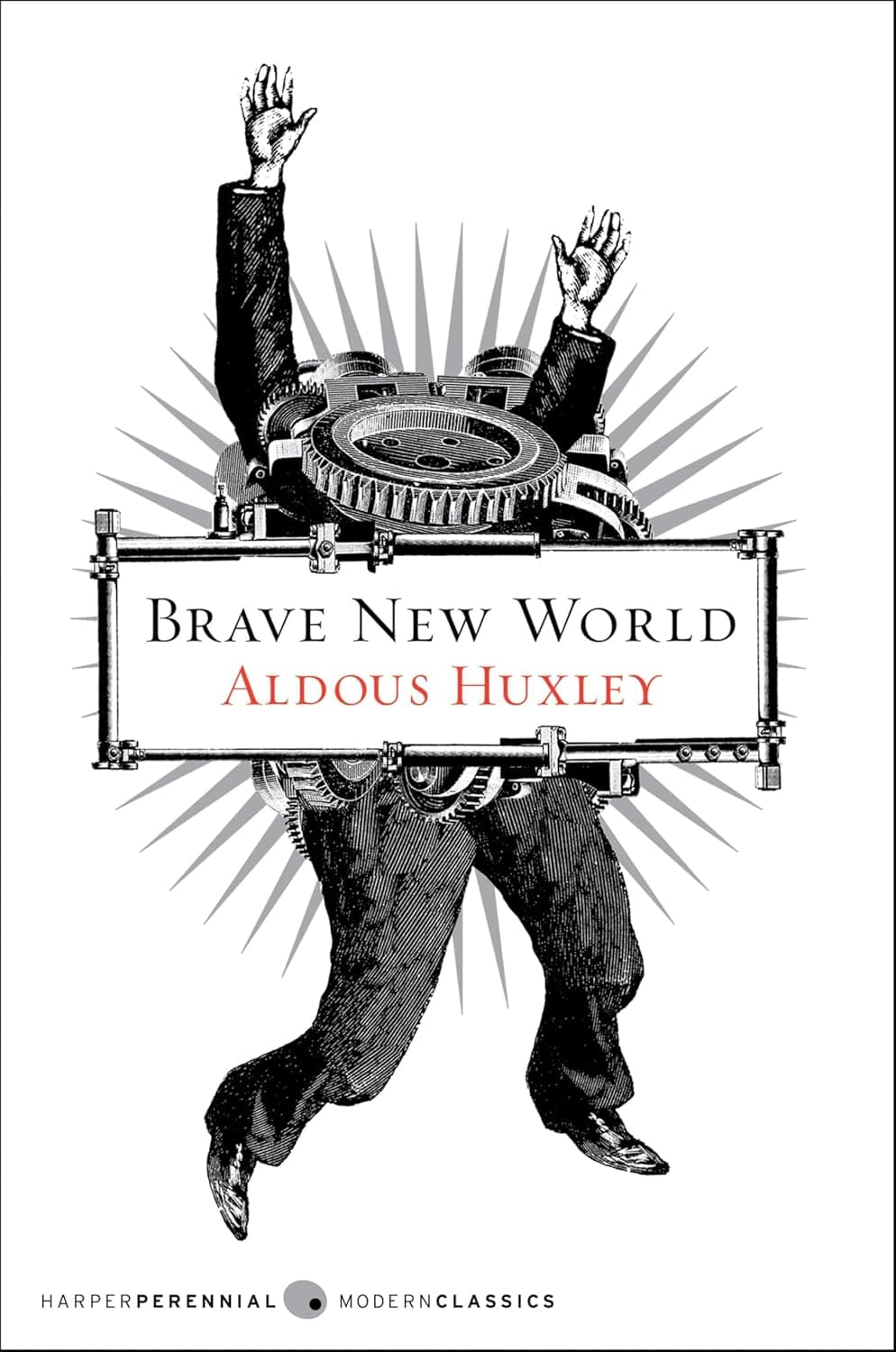
Babies are decanted from bottles into castes, everyone takes a drug called soma, and nobody is unhappy. Huxley saw that a tyranny of pleasure would hold better than one of fear.

Yuri Zhivago, a doctor who writes poetry, is carried through war and revolution and away from the women he loves. Pasternak lets history arrive like weather, and the Soviets banned it outright.

Everything must change so that everything can stay the same, says the prince's nephew as Garibaldi's rebels land in Sicily. Lampedusa writes a class watching itself end with autumnal calm and beauty.
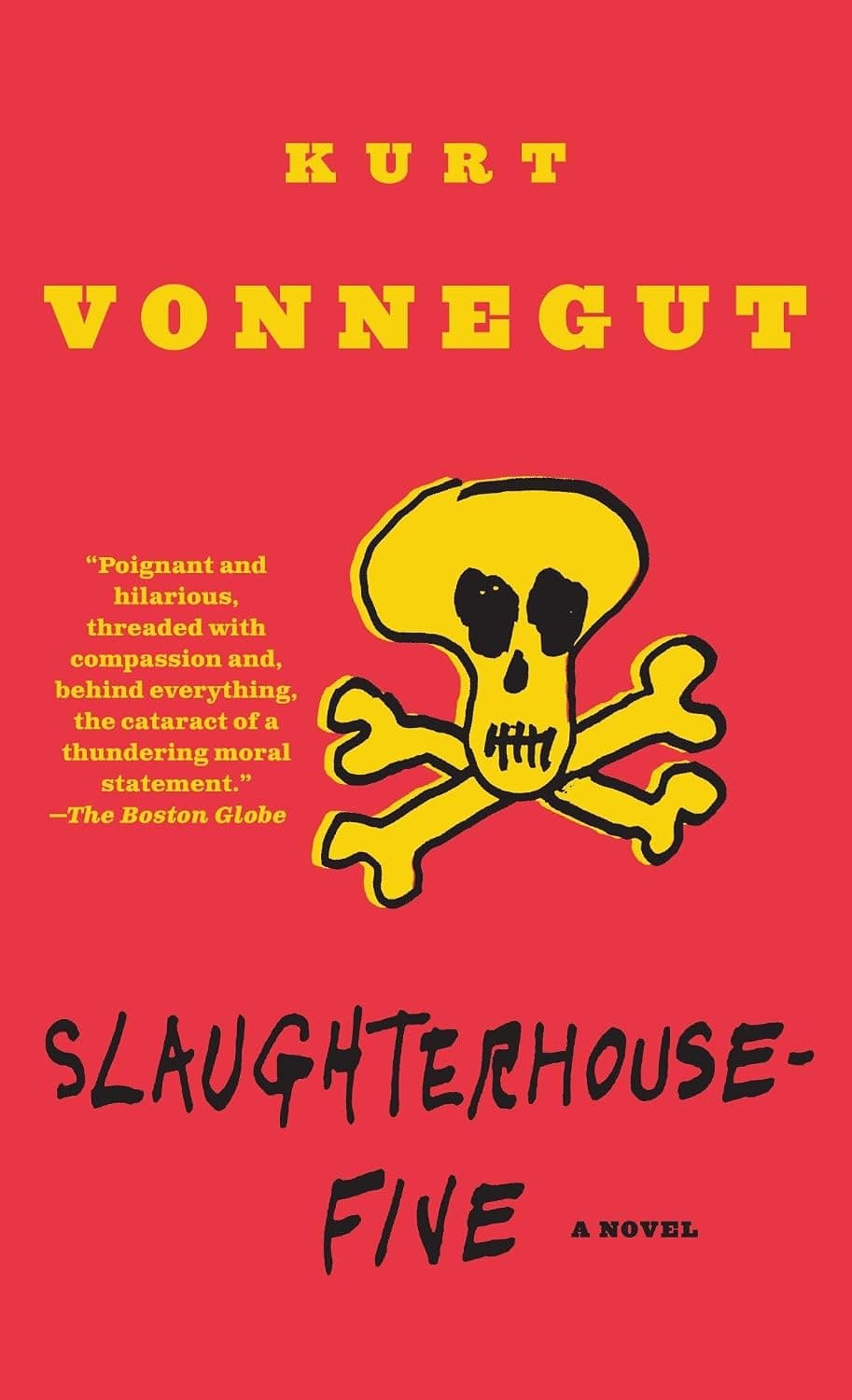
Billy Pilgrim comes unstuck in time, between a Dresden meat locker during the firebombing and a zoo on another planet. Vonnegut was in that cellar, and writes "So it goes" after every death.
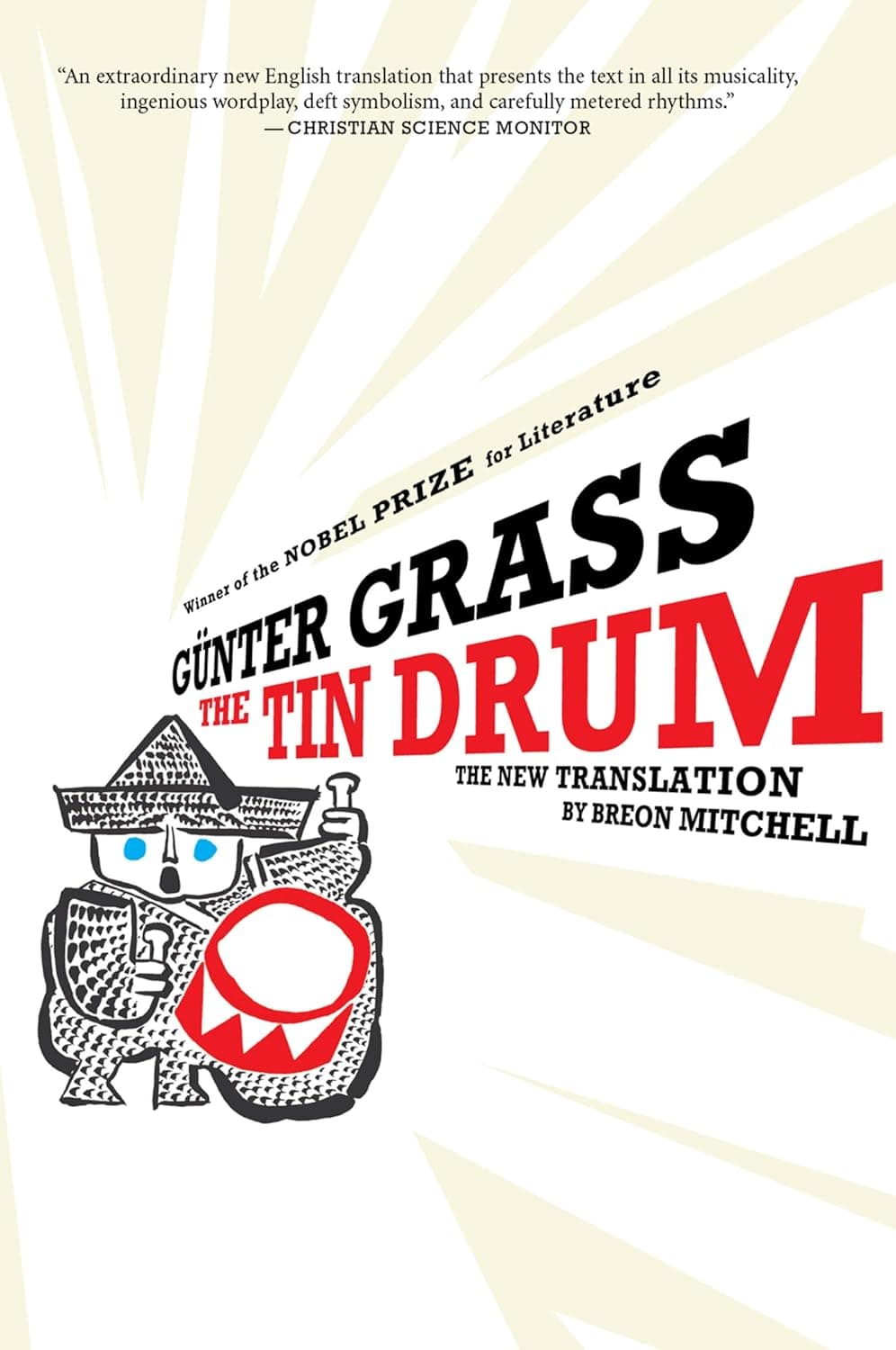
Oskar decides on his third birthday to stop growing, keeps his tin drum, and screams glass to pieces while the Nazis take Danzig. Grass forced postwar Germany to look at itself through him.
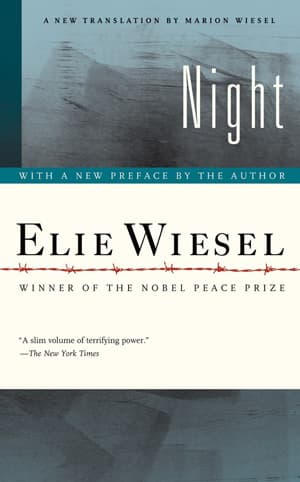
Wiesel was a religious teenager when his town was emptied and he arrived at Auschwitz with his father. He tells it in short flat sentences, and the flatness is unbearable.

Exiled after losing a city, Thucydides wrote the war that ruined Athens, explaining it by fear and self-interest, not the gods. At Melos his Athenians say the strong do what they can.

At a party in Verona two teenagers from feuding families meet, marry the next day, and are gone inside a week. Everything they say to each other still sounds newly invented.

Isabel Archer, an American with opinions and a sudden fortune, turns down good proposals and marries badly in Italy. James stays so close inside her mind that her mistakes feel like your own.
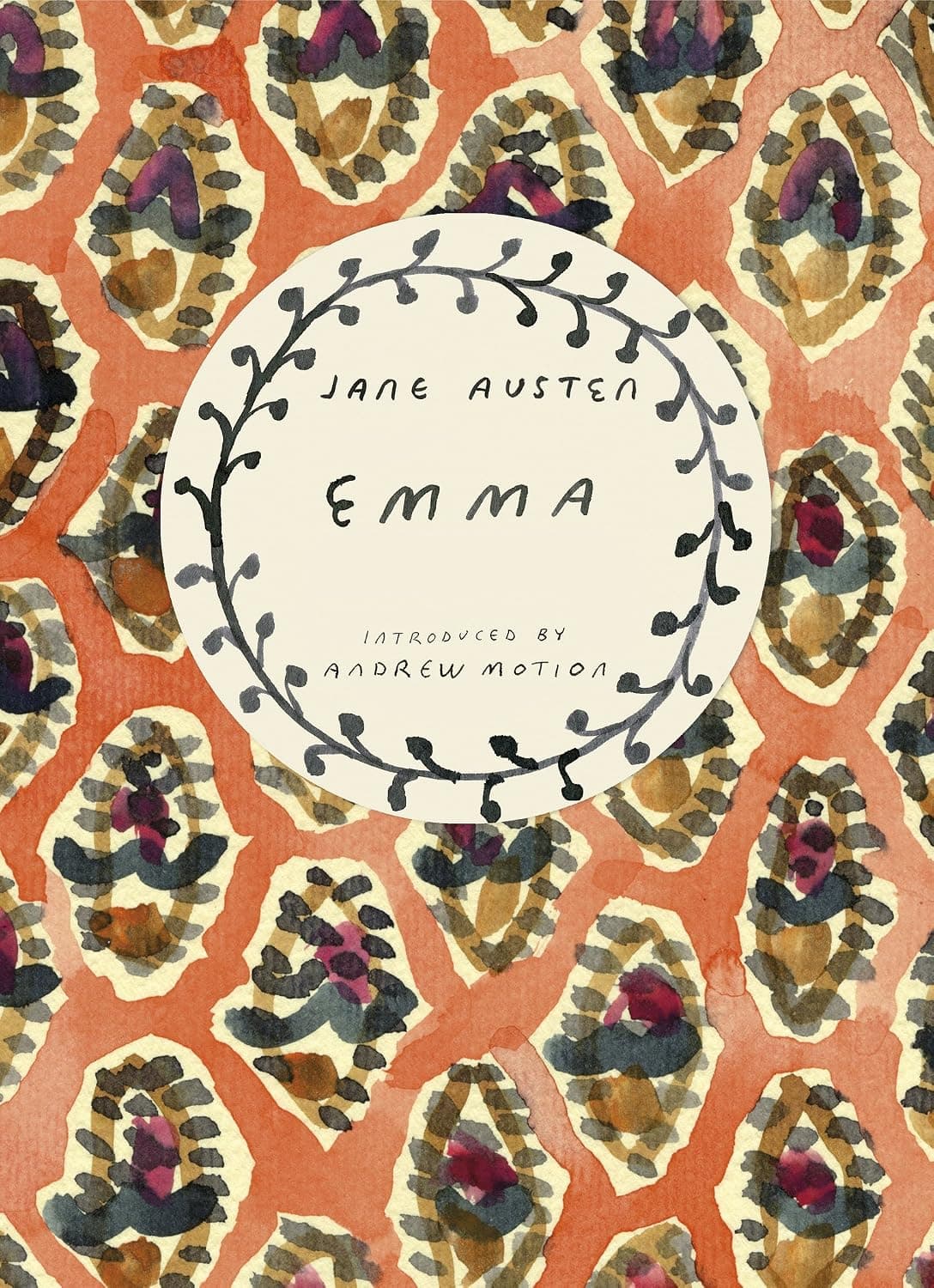
Emma Woodhouse is rich, clever, and sure she knows what everyone needs, so she arranges marriages and ruins them. Austen puts you inside her head until you miss what she misses.

Tess, a poor farm girl, is sent to claim kinship with rich relatives, and what happens there decides the rest of her life. Hardy called her a pure woman and Victorian England erupted.
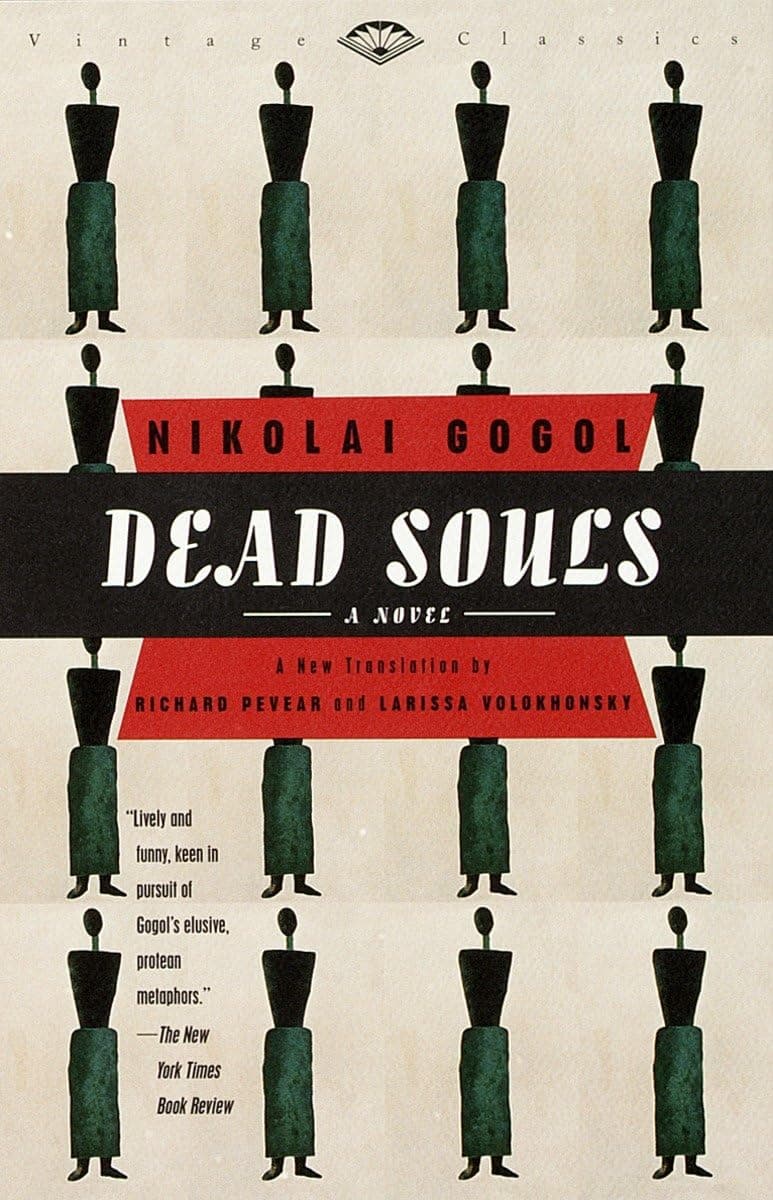
Traveling the Russian provinces, a charming stranger buys serfs who have died but still count on the tax rolls. Gogol's landowners are grotesque and hilarious, and then the laughter turns on you.
Prince Myshkin returns to Russia from a Swiss clinic, epileptic and incapable of guile, and Petersburg cannot decide whether to adore him or use him. The world takes a genuinely good man apart.
Put to work in a warehouse as a boy, David escapes to an aunt he has never met. Dickens gave him his own childhood, and loved this novel above all the others.
Four generations of a north German grain family run the firm, growing more refined and less fit to survive. Mann counts every dinner and funeral until the decline turns personal.
Nora Helmer forged a signature to save her husband's life and has been paying the debt in secret ever since. The play ends on a closing door that modern theater still hears.

Wilde gives two idle men imaginary people, a wicked brother and an invalid friend, to escape their obligations, then sets them courting women who will marry no one but a man named Ernest.

German schoolboys enlist after a teacher's patriotic speech and find mud, lice, and men dying badly. Remarque was in those trenches, and no book has done more damage to the idea of glory.

From the cafes of Paris to the bullring at Pamplona, expatriates drink and travel and love the wrong people. Hemingway leaves the wound unnamed, and what nobody says sits under every line.

Driving ambulances for the Italian army, an American falls in love with an English nurse while the front collapses around them. Hemingway's plain sentences leave you completely undefended by the last page.
Thompson follows English weavers, artisans, and radicals from the 1780s to the 1830s and shows them making themselves into a class. He wrote to rescue them from the enormous condescension of posterity.

Reveille to lights out in a Soviet labor camp, where the prisoner Shukhov scrounges an extra crust and lays bricks well in the cold. He counts it almost a happy day.

Monks are dying at an Italian abbey in 1327, the library is a labyrinth no one may enter, and a Franciscan detective and his novice go in. Eco made medieval theology a thriller.

Kundera puts a Prague surgeon who cannot stop having affairs, the woman who loves him, and the Soviet tanks of 1968 together, then asks whether a life lived once can weigh anything.

Driving across England in 1956 to see the housekeeper he worked beside, a butler remembers the Nazi sympathizer he served with pride. What he cannot bring himself to say is the whole novel.
A stranger in an Antwerp waiting room talks about architecture, and over years of meetings tells how he was sent out of Prague on a train in 1939. The grief is never named.
Judt carries Europe from the rubble of 1945 to 2005, east and west in one story, showing a continent that rebuilt itself by forgetting the war and then defined itself by remembering it.

Callicles tells Socrates that morality is a con the weak run on the strong, who should take whatever they want. Socrates answers that doing wrong harms you more than suffering it ever could.
Tacitus promises to write without anger or partiality, then follows Rome from Augustus through Tiberius, Claudius, and Nero, ruining each of them in half a sentence. Power has never had a colder witness.
Workers create more value than their wages return, Marx argues, and that gap is profit. No economic book has reshaped politics more, and the chapter on the working day still burns.

Charged with corrupting the young and denying the gods, Socrates defends himself, refuses the escape his friends arrange, argues that the soul survives, then drinks the poison. His calm is the hard part.
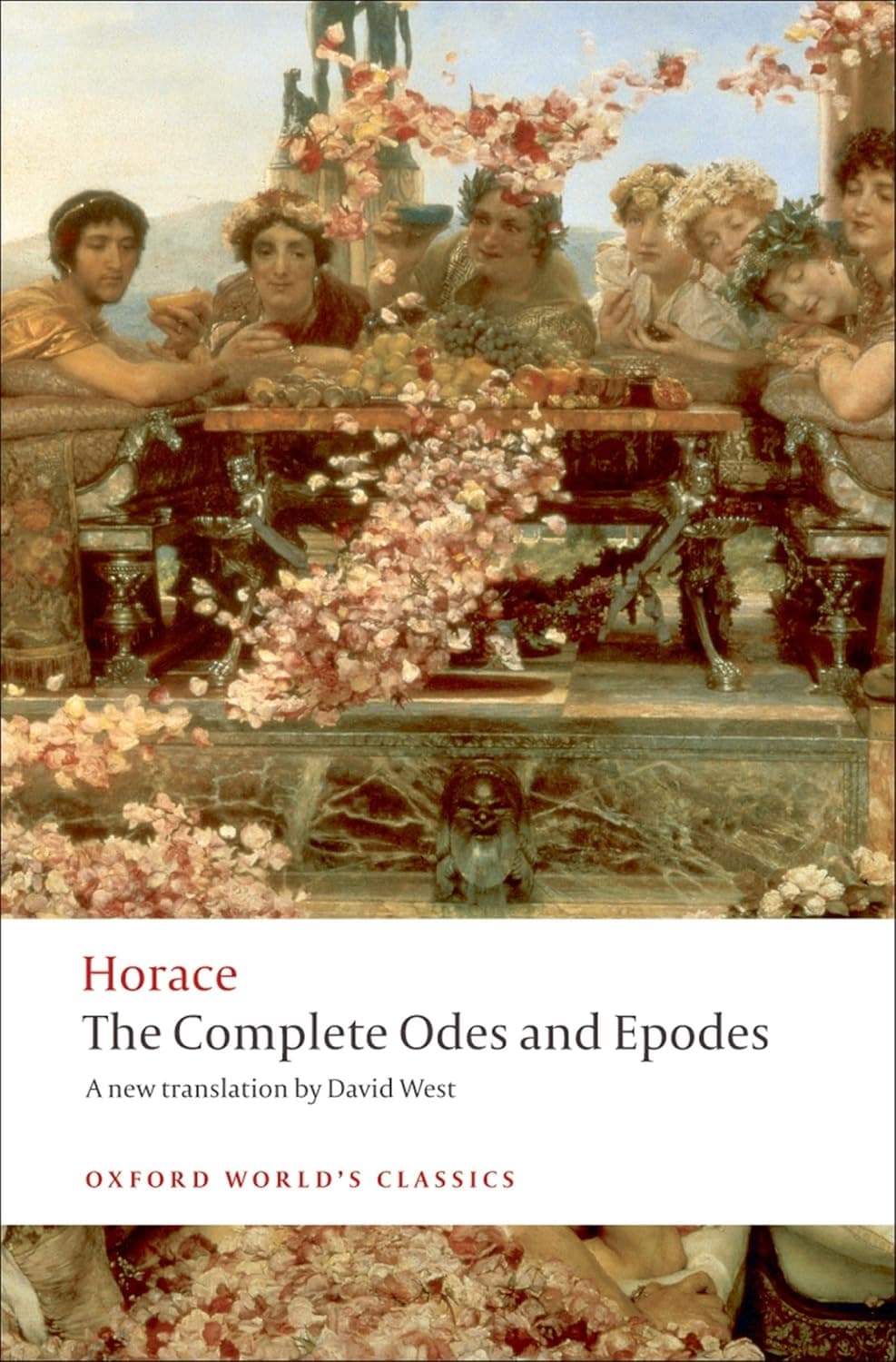
Horace compresses wine, friendship, and the certainty of death into stanzas of exact and unhurried form, the summit of Latin lyric. Carpe diem is his line, and in context it is not cheerful.

Rome fell to the Goths in 410 and pagans blamed the Christians. Augustine answers by sorting all history into two cities, one built on love of God and one on love of self.
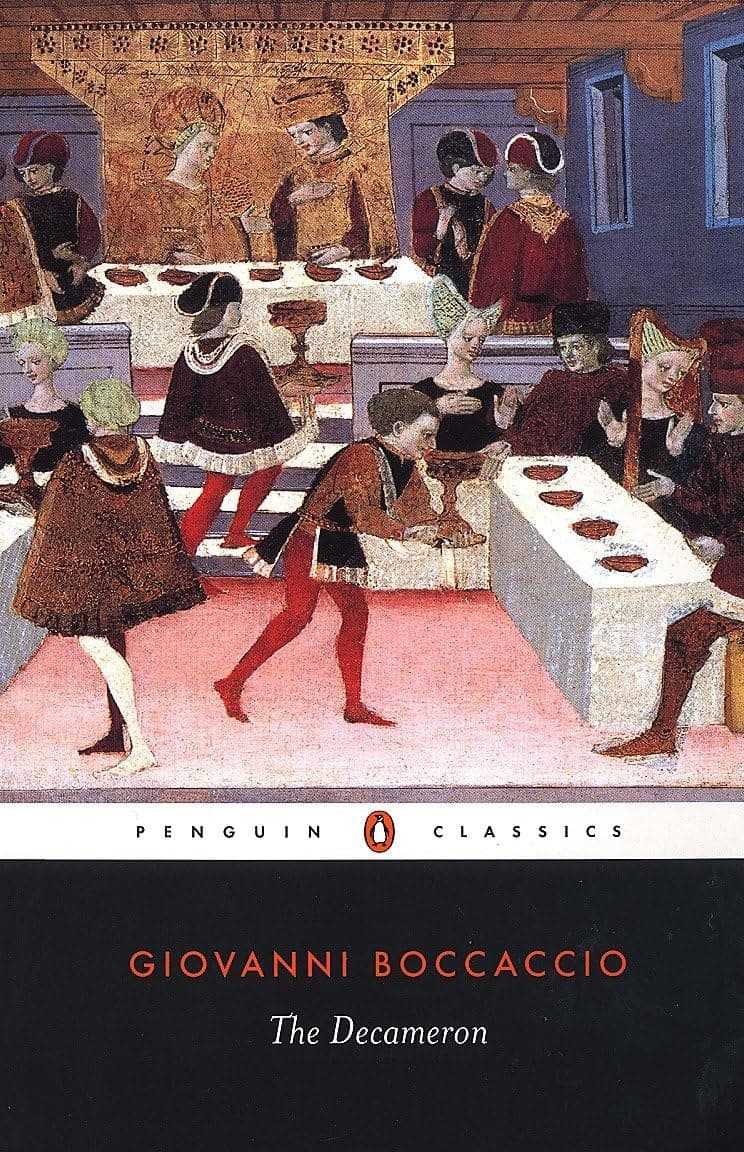
Ten young Florentines flee the plague to a country house and spend ten days telling a hundred stories of seduced wives, crooked friars, and lucky fools. The jokes still land six centuries later.
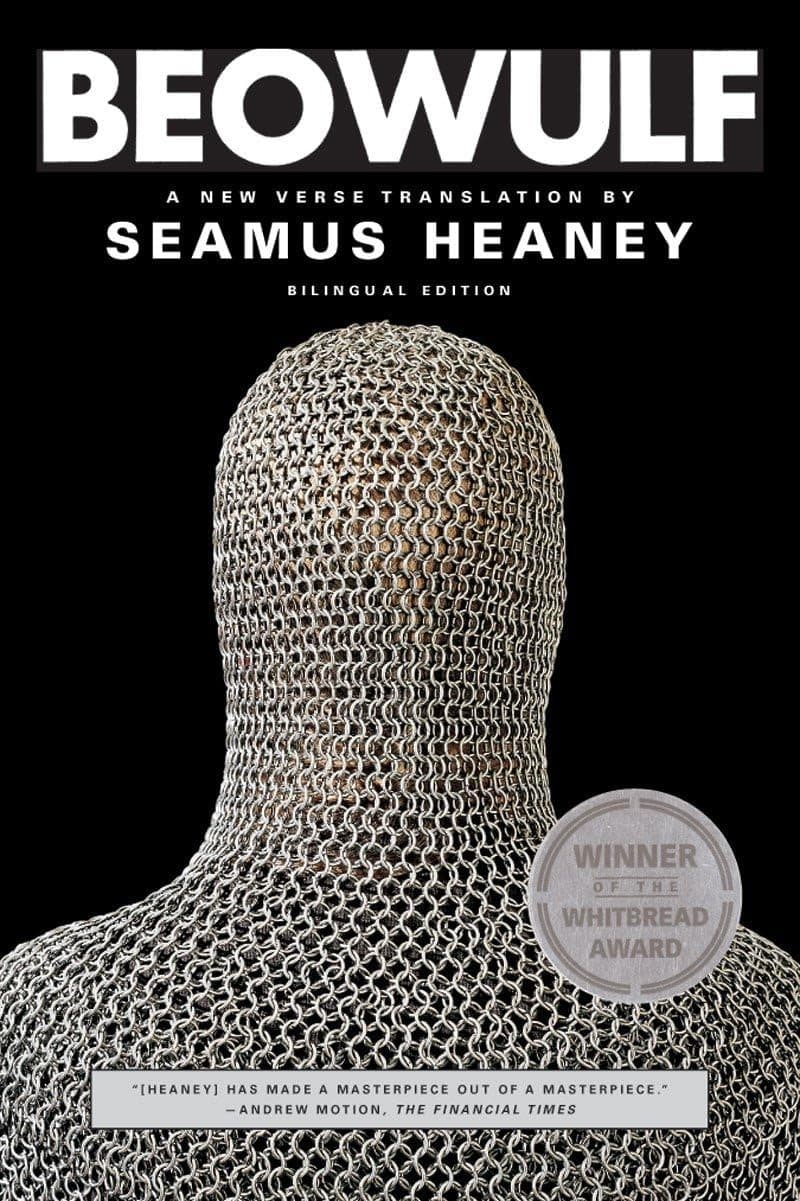
For twelve years a monster has emptied a Danish king's hall, until a young warrior sails over to wait for it in the dark. Fifty years on, the poem comes back for him.

At Arthur's Christmas court a huge green man offers his neck to anyone willing to take the same blow a year later. Gawain swings, and the real test waits in a bedroom.
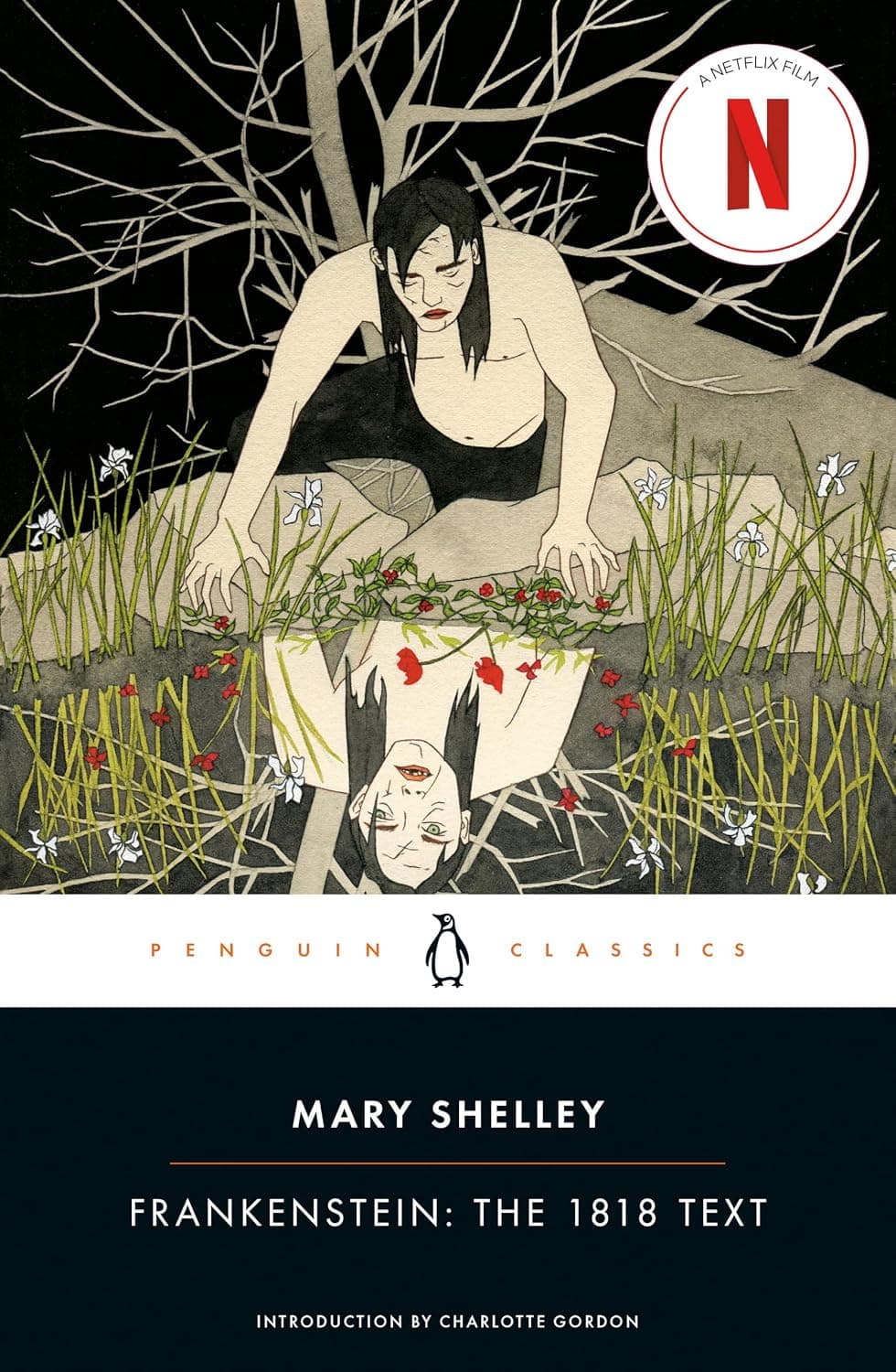
Victor Frankenstein builds a man from corpses and flees when it opens its eyes. The creature teaches itself to read, then comes back to bargain with its horrified maker for one companion.
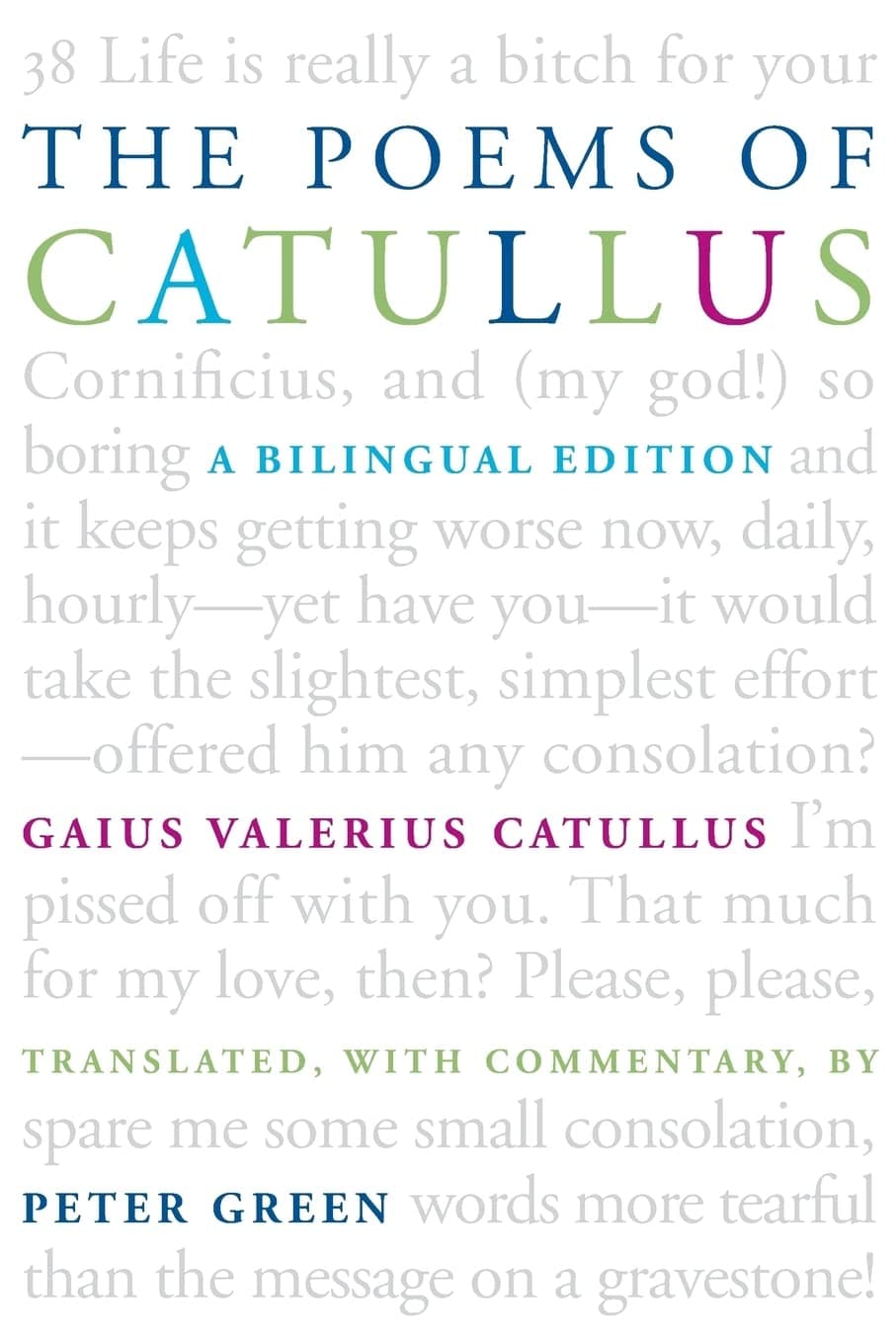
Latin love poetry begins with Catullus, counting kisses by the thousand for the aristocrat he calls Lesbia and then admitting he hates and loves her at once. The obscenity still stings.
Cicero tells his son what a decent person owes everyone: keep your word, harm nobody, and stop believing a shameful act can pay. Real Roman cases of profit against honesty carry the argument.
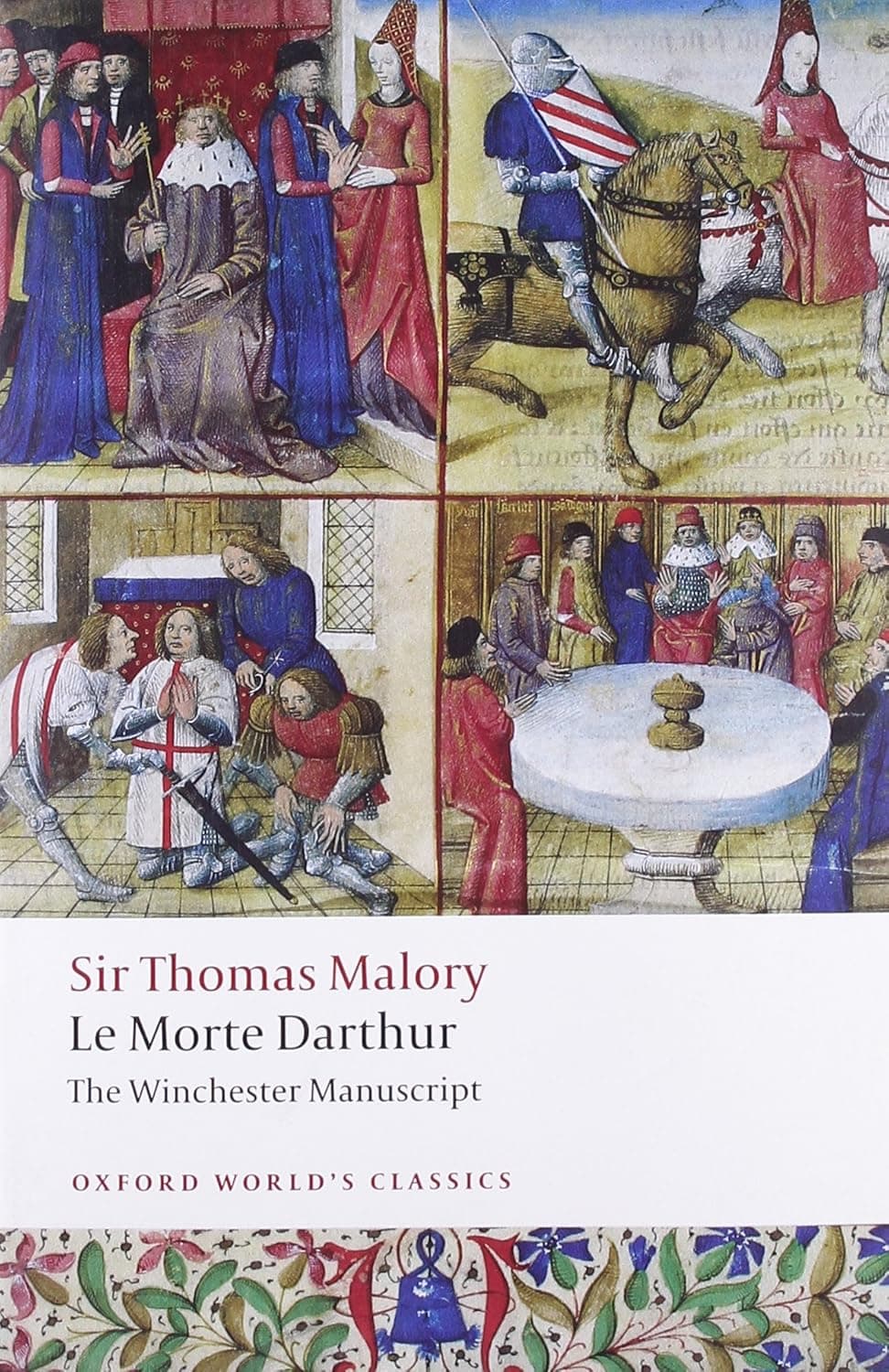
Arthur pulls the sword from the stone and the finest knights come to his table, until his wife's love for Lancelot brings it down. Every Camelot since comes from Malory.

Four Athenians run into the woods to escape a forced marriage, a fairy potion lands on the wrong eyelids, and a weaver acquires a donkey's head. Shakespeare makes desire look gloriously stupid.

In a Northumbrian monastery in 731, Bede gave the English an origin story, telling their conversion through scenes like the sparrow that flies through a warm hall and back out into the dark.

Found as a baby in a squire's bed, Tom grows up generous and reckless, loses his home, and follows Sophia Western to London. Coleridge ranked the plot beside that of Oedipus.

Werther writes to a friend about Lotte, who is engaged to a decent man, and about feelings he cannot govern. Young men across Europe dressed like him and read themselves into his condition.

Boswell met Samuel Johnson, who had written the English dictionary, in 1763 and wrote down his talk for twenty years. Johnson steps off the page as somebody you have actually met.
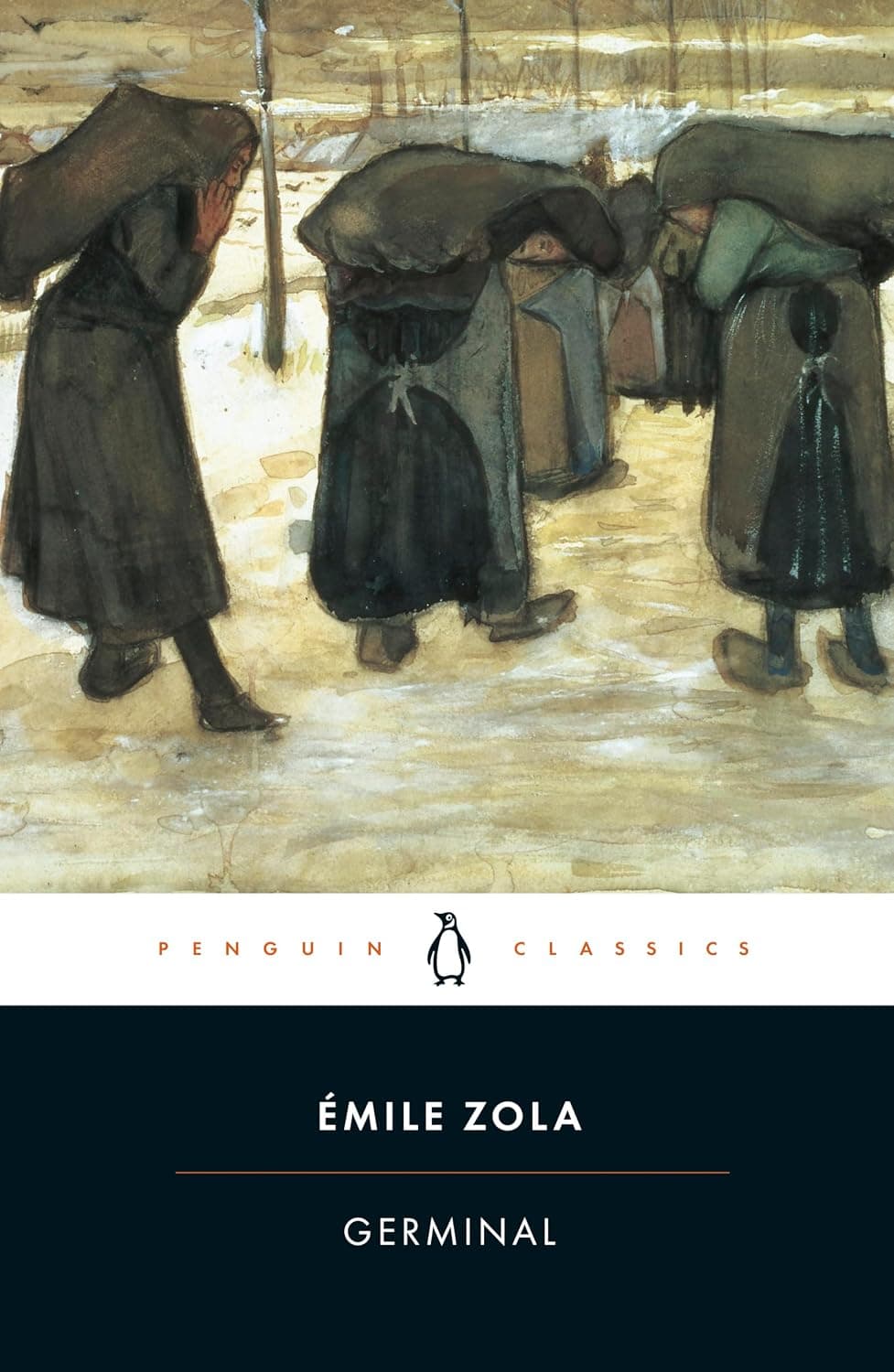
Etienne Lantier takes work in a French coal pit and talks the starving miners into striking. Zola went down a real mine to write this, and you feel the rock overhead.
A Swedish king walks into a hall and asks three strangers how the world began and how it ends. Their answers are nearly all anyone now knows about Thor, Loki, and Ragnarok.

Vasari was a working painter who knew Michelangelo. His lives of the Italian artists, from Cimabue onward, mix workshop technique with pure gossip, and gave us most of what we believe about genius.
Outnumbered in France, a young king talks his army into fighting at Agincourt, promising that whoever survives will remember the day forever. After the battle he reads out the names of the dead.

Nothing in fiction gets nearer to dying. Ivan Ilyich knocks his side hanging a curtain, and his family and his doctors keep up the pretense while a peasant servant tells the truth.
Pyotr Verkhovensky assembles a revolutionary cell of five in a provincial Russian town and binds them together by having them murder one of their own. Dostoevsky saw the whole twentieth century coming.

Burckhardt invented cultural history by looking past popes and battles at how Renaissance Italians lived, finding the moment people began to think of themselves as individuals. We still see the period his way.

Chaos comes first, then gods who overthrow their fathers in turn until Zeus wins and holds. Hesiod then turns to his idle brother to explain when to plow and why work is holy.

Falstaff is the greatest comic creation in English, a fat knight who lies about everything, and Prince Hal wastes his youth drinking with him while rebellion gathers against his father the king.

Phaedra confesses she wants her stepson, a father is ordered to sacrifice his daughter for a favorable wind, and a hidden boy threatens a usurping queen. Racine packs this into polite rhymed couplets.

Left poor by their father's death, Elinor Dashwood hides her heartbreak while her sister Marianne broadcasts hers. Austen weighs the two ways of feeling and gives the sisters the real love story.
In seventeenth-century Lombardy two peasants want to marry, and a lord who wants the bride frightens their priest into refusing. Riot, famine, and plague come between them. Italian prose was remade on it.
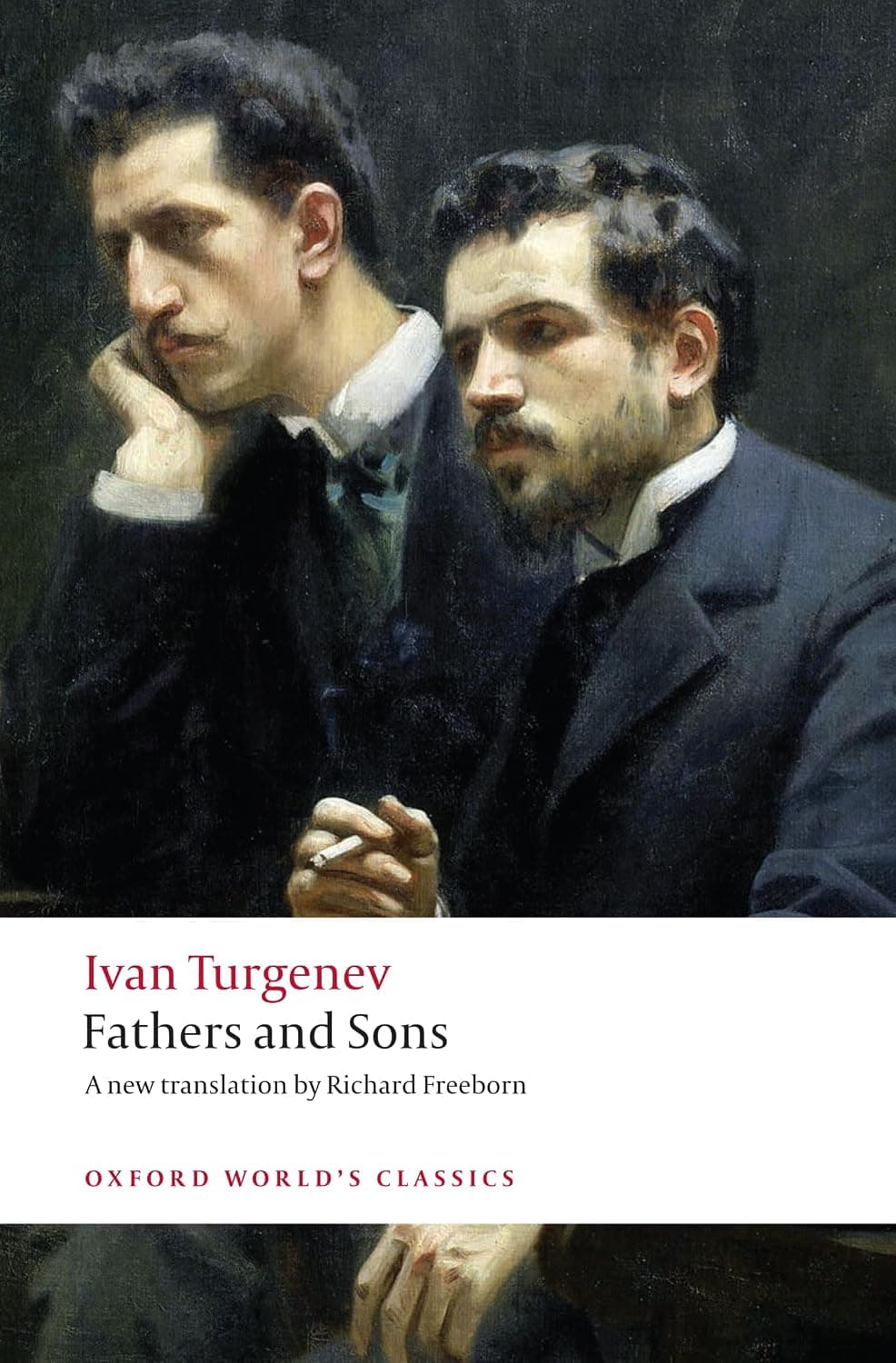
Home from university, Arkady brings his friend Bazarov, who believes in nothing but science and refuses to respect anyone. Turgenev made the word nihilist famous and named a quarrel every family keeps having.

In Venice a merchant borrows from Shylock, a Jewish moneylender he has spat on, pledging a pound of his flesh. Shylock asks whether a Jew does not bleed, and the comedy never recovers.

Becky Sharp leaves school with no money and claws her way through English society while her friend Amelia wastes her love on a worthless man. Thackeray spares nobody, and Becky is magnificent company.

Late medieval France and the Netherlands ran on public weeping, elaborate tournaments, and constant awareness of death. Huizinga paints this as no Renaissance dawn but a culture worn out by its own forms.

Banished from court, Rosalind hides in the Forest of Arden in men's clothes and coaches the man she loves in how to court her. She talks rings around everyone in Shakespeare.
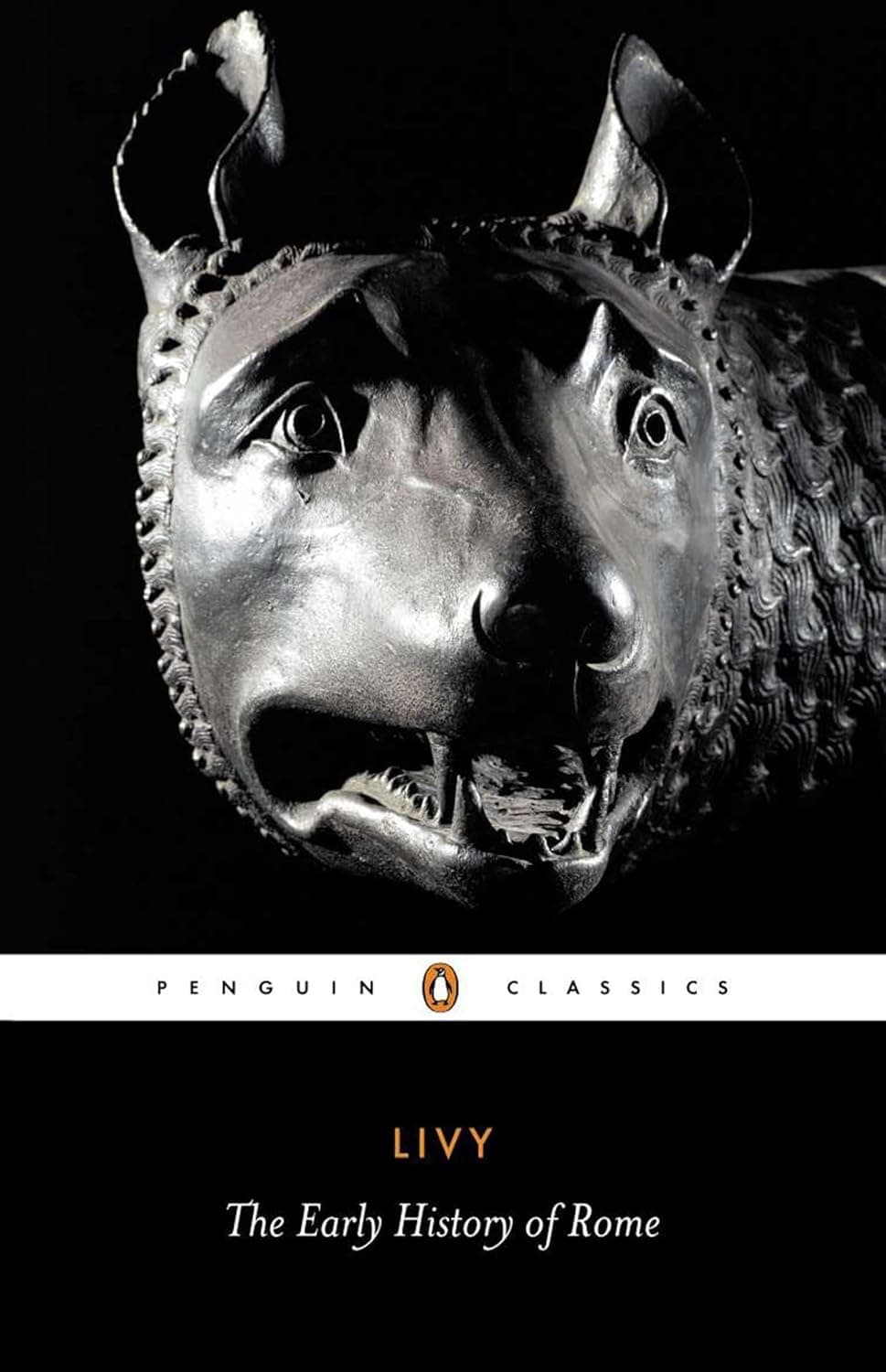
Livy tells Rome's story from the wolf and the twins onward, pausing on the people whose conduct he believes made the city. These are the legends Europe retold for two thousand years.

Four centuries of Bosnian life pass over one stone bridge, built by an Ottoman vizier taken from these hills as a boy. Andric ends in 1914 and you feel it coming.
Beatrice and Benedick insult each other so expertly that their friends trick each into believing the other is secretly in love. Their war of words gave English comedy its model for courtship.

In a shabby Paris boarding house, an old man sells off everything for two daughters ashamed to be seen with him. Balzac counts every franc and shows what money does to love.
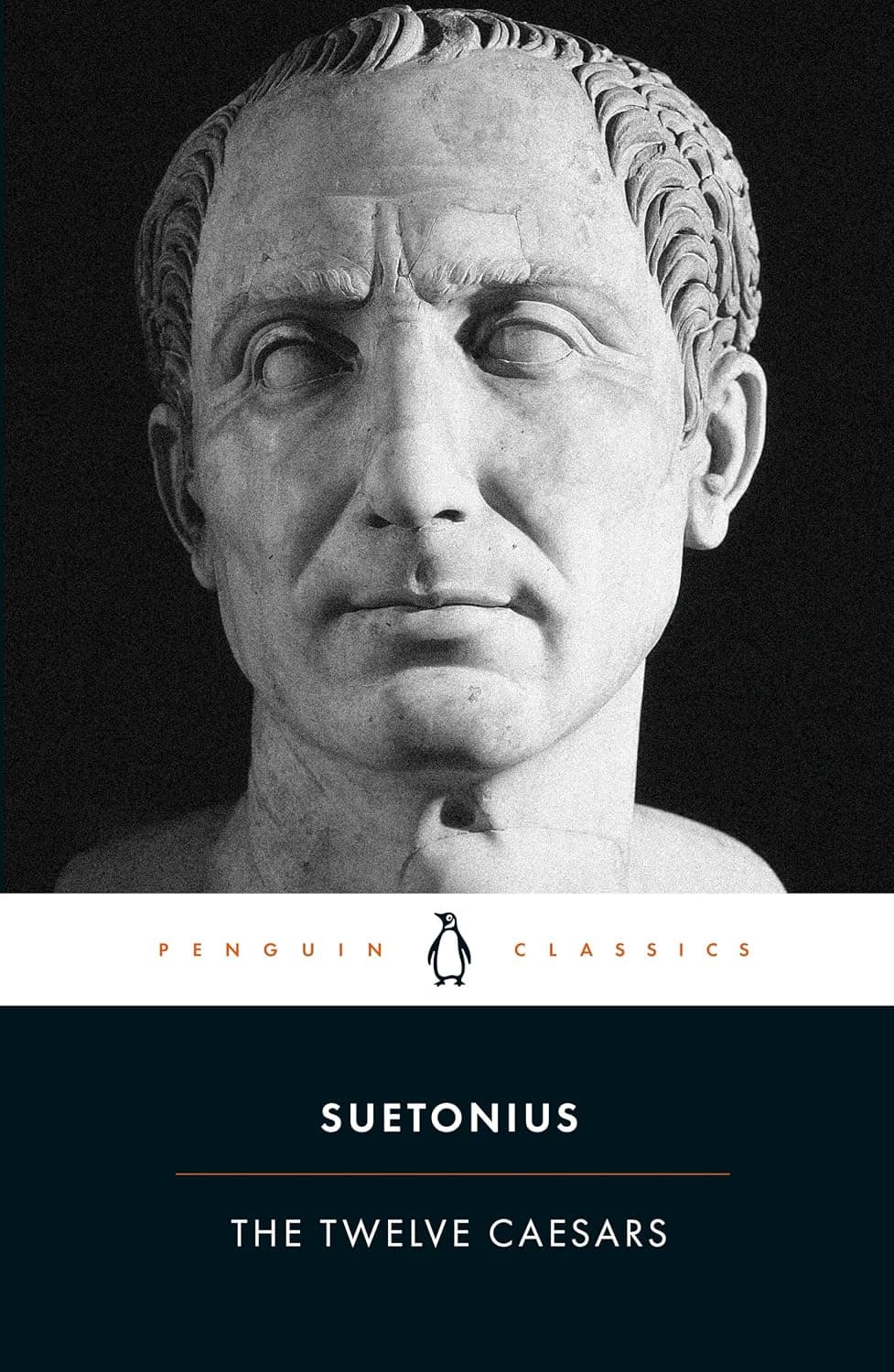
Secretary to the emperor Hadrian, Suetonius wrote the lives of Julius Caesar and eleven emperors after him, omens, gossip, last words and all. Our picture of Nero comes straight from these pages.
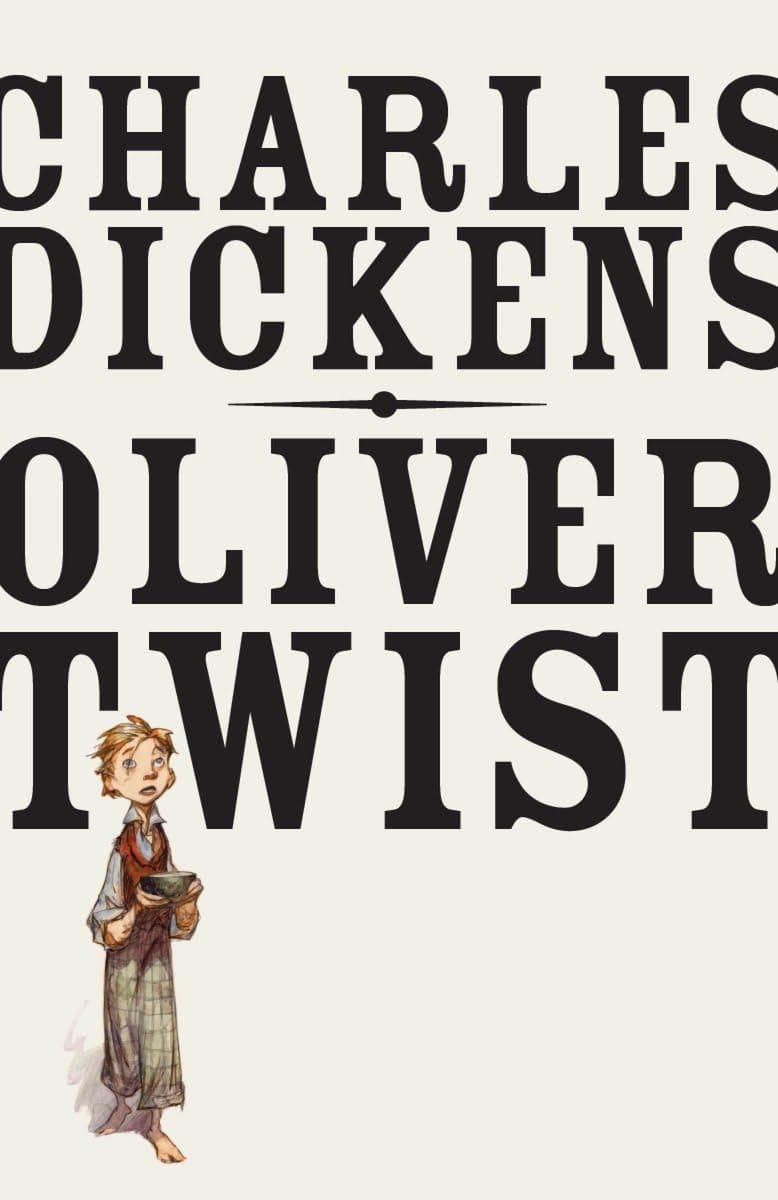
Born in a workhouse, Oliver asks for more, is sold off, and runs to London, where Fagin's gang of child pickpockets takes him in. Dickens made child poverty impossible to ignore.
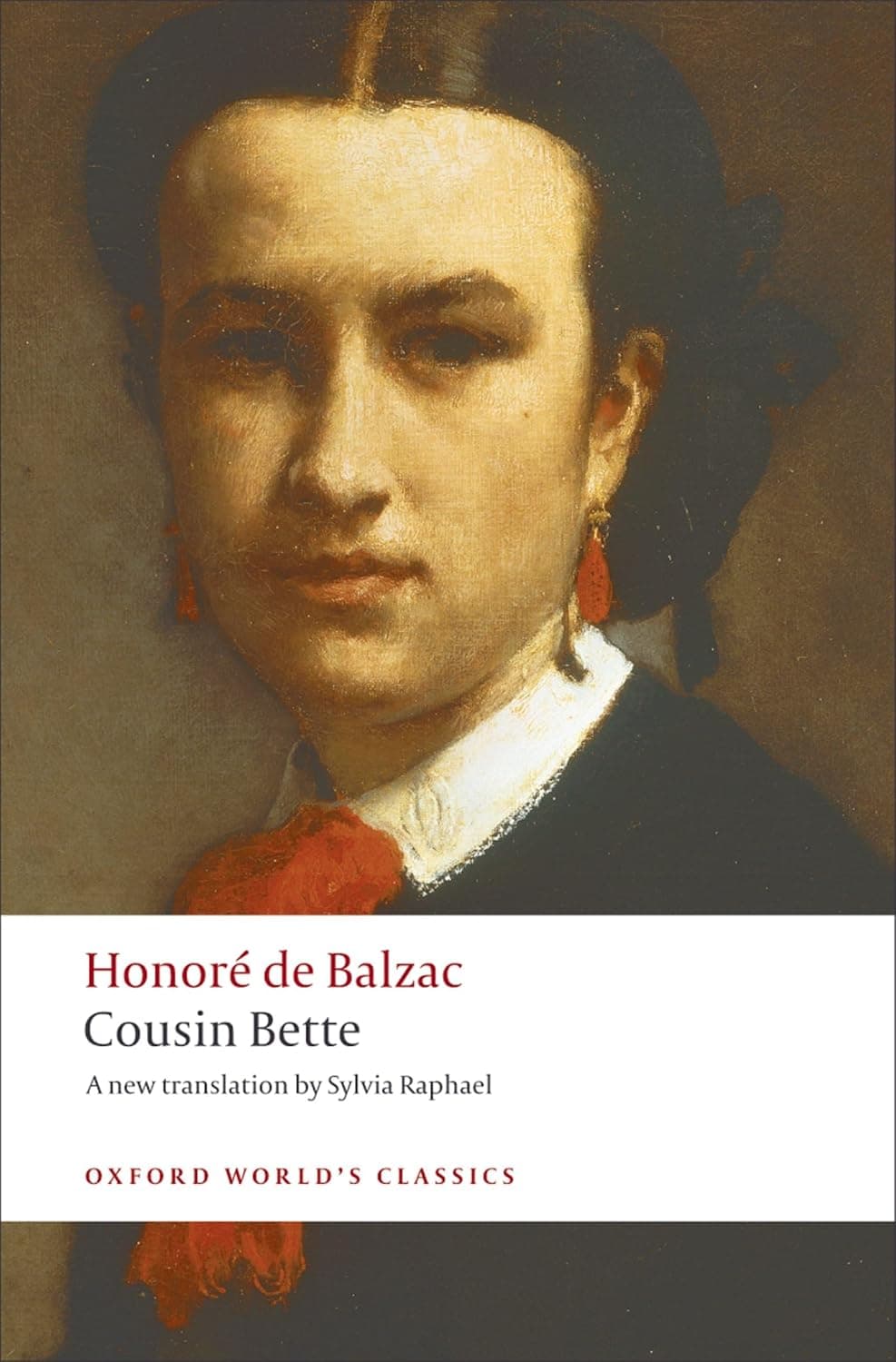
Passed over by her rich relations, a poor spinster sets out to ruin them, helped by a wife who bankrupts men for a living. Balzac makes envy a protagonist and never looks away.
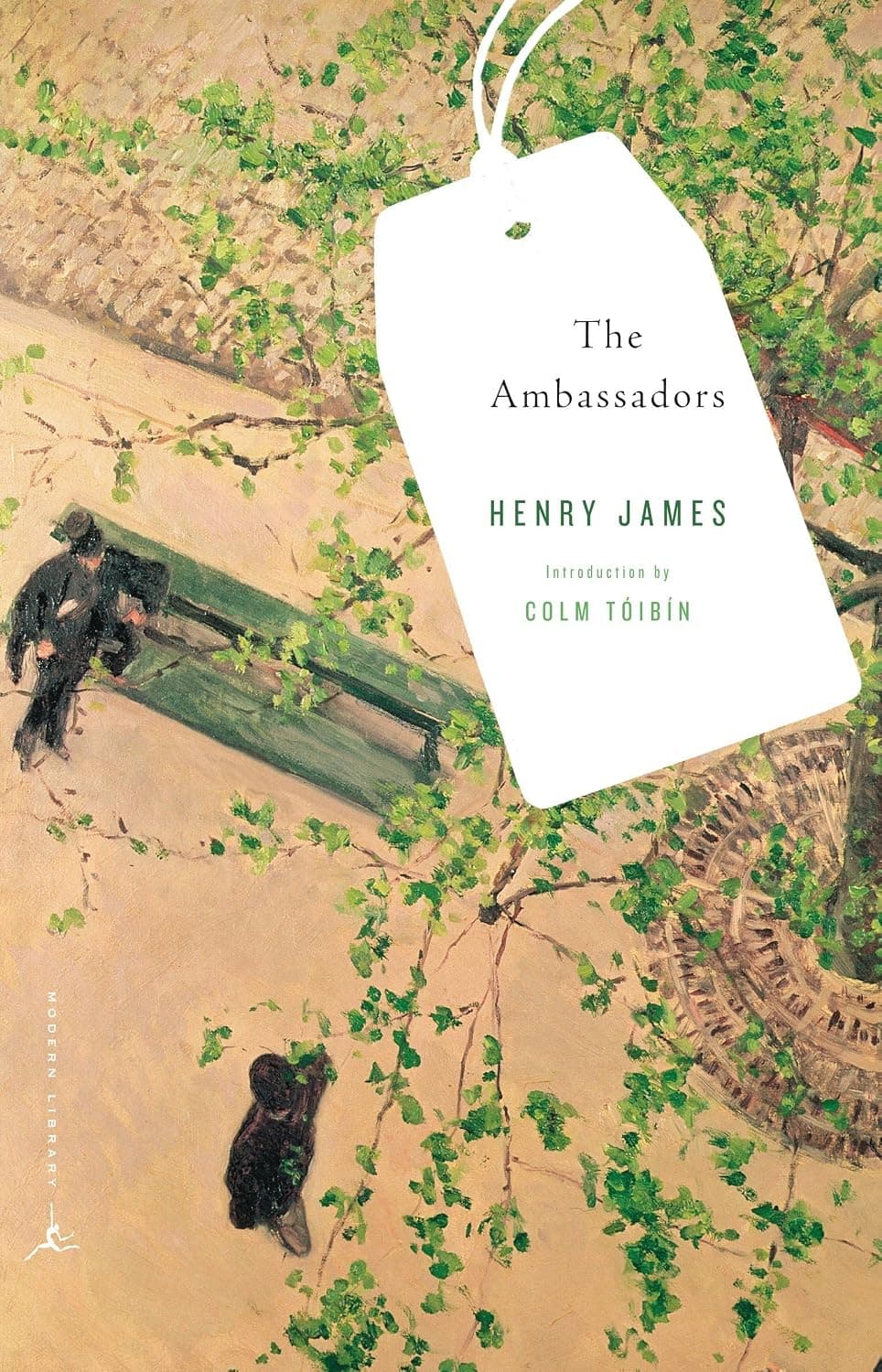
Sent to Paris to pry a young American away from a Frenchwoman, a middle-aged emissary looks around and tells a young painter to live all he can. James called it his best novel.
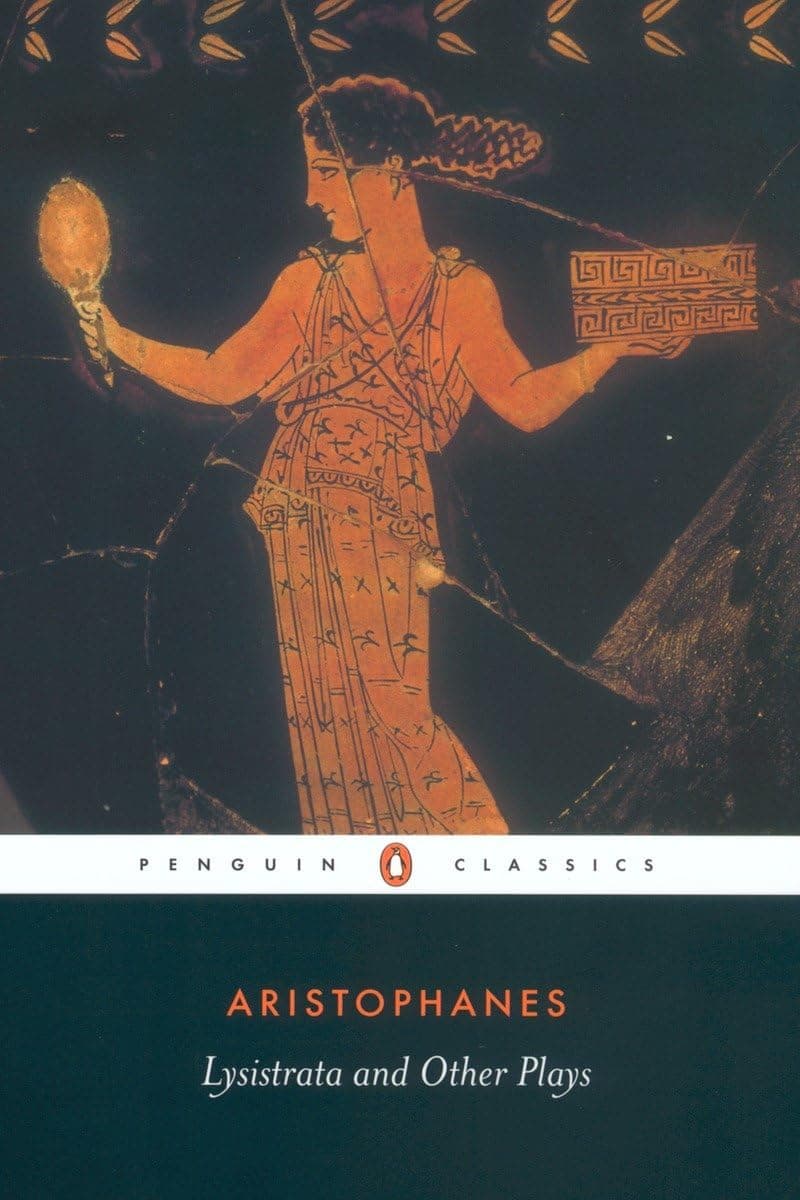
Twenty years into a war they never voted for, the women of Greece refuse their husbands until the men make peace. Aristophanes also hoists Socrates over the stage in a basket.
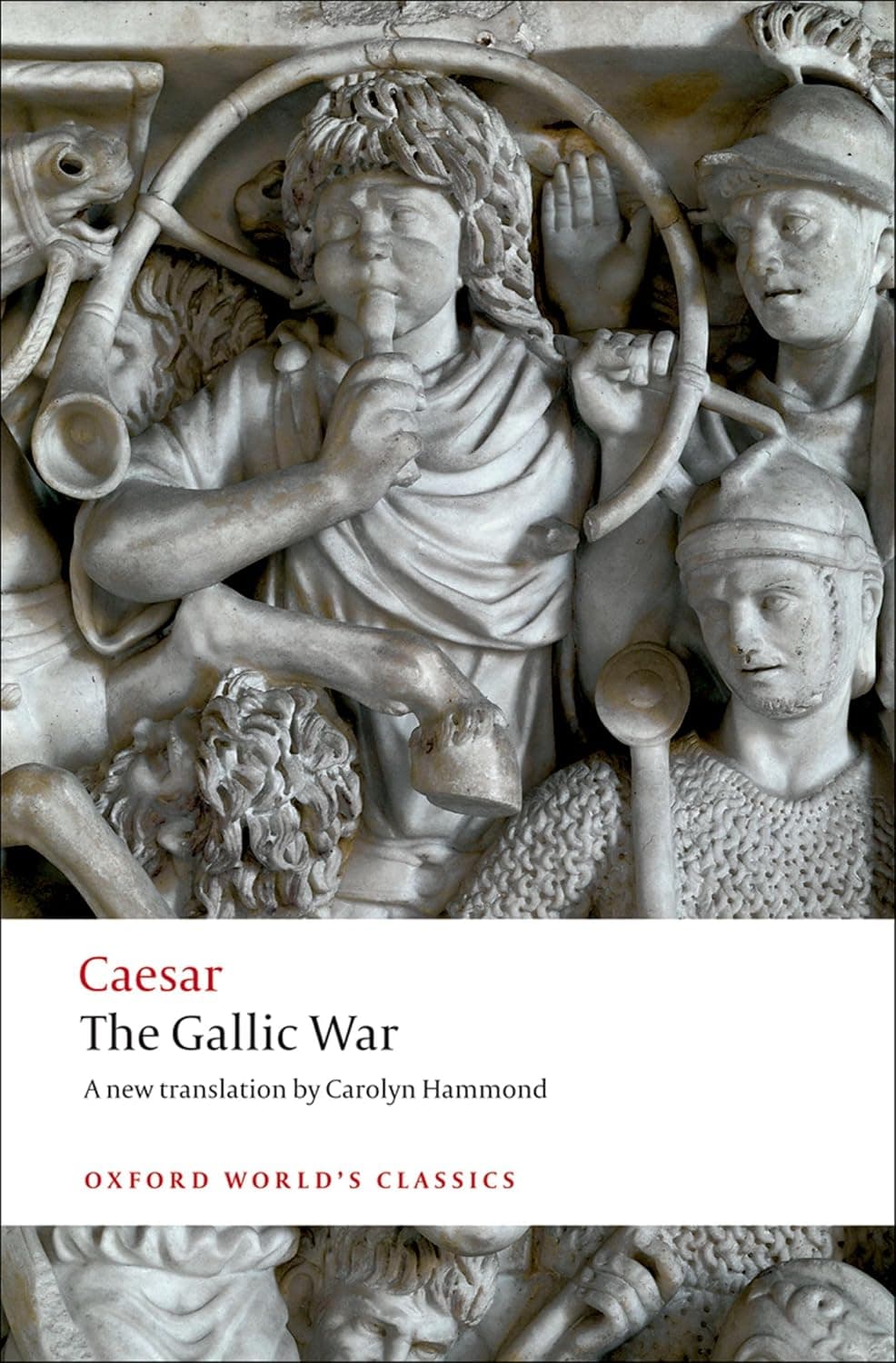
Caesar reports his own conquest of Gaul in the third person, equally calm about bridge building and massacre. The Latin is so clean that students still learn the language on it.
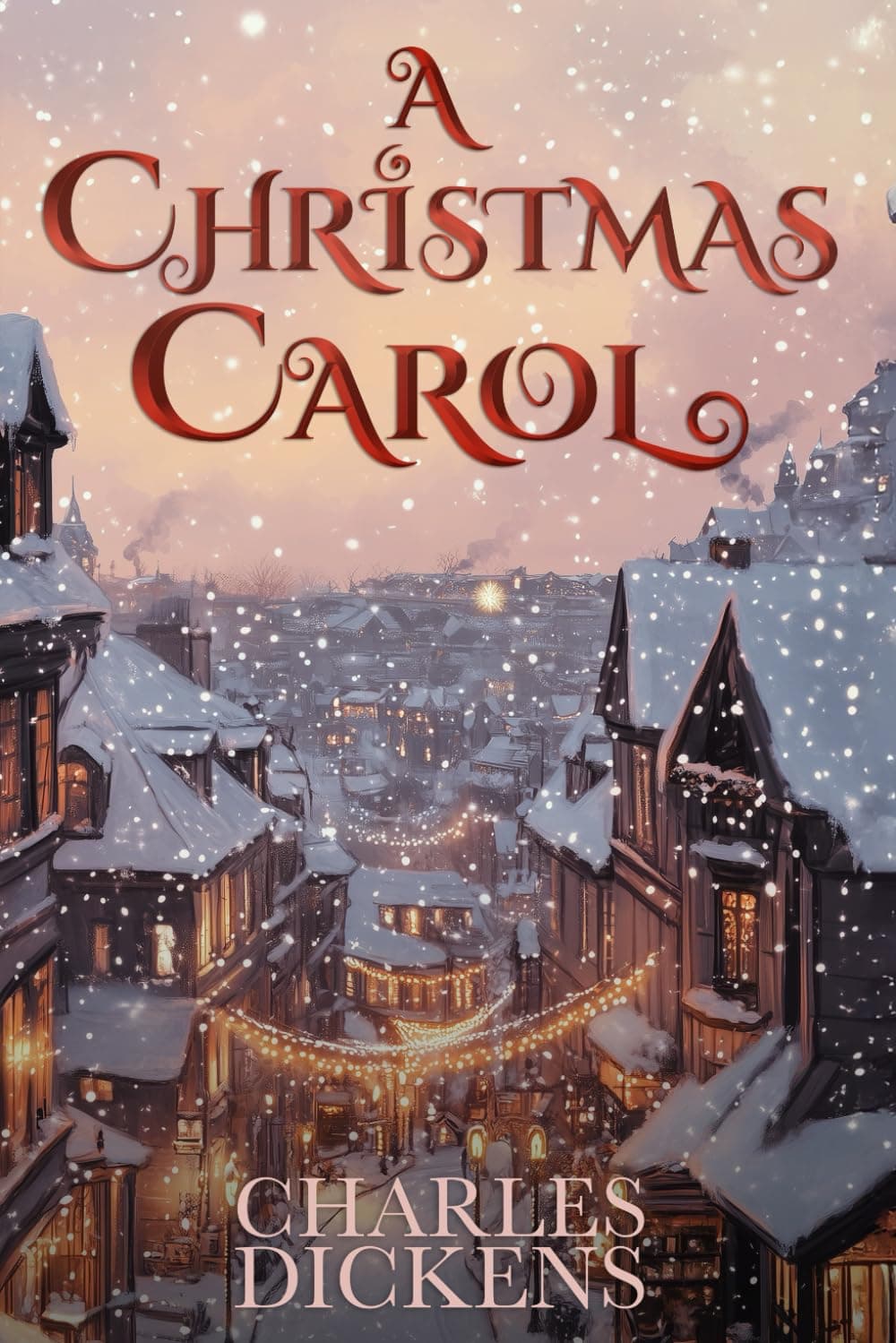
Scrooge hates Christmas until his dead business partner turns up wrapped in chains and three spirits walk him through his own life. The modern Christmas takes its shape from this book.

Osip Mandelstam wrote sixteen lines mocking Stalin and died in a camp for them. His widow Nadezhda memorized the poems to keep them alive, then set down exactly how the fear worked.

At eighteen in 1933 Fermor set off on foot from Holland for Constantinople, sleeping in barns one night and in castles the next, and caught central Europe in its last clear light.
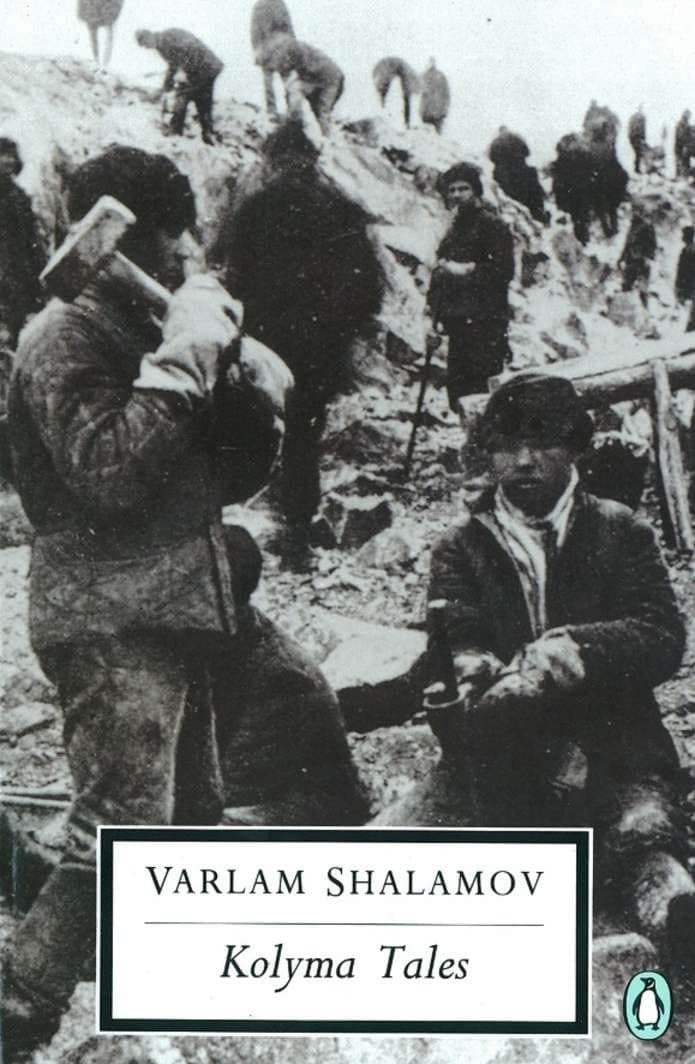
Shalamov spent seventeen years in the Kolyma camps. His stories are short, about frostbite and stolen bread and men too weak to lift a shovel, and he insists that suffering teaches nothing.
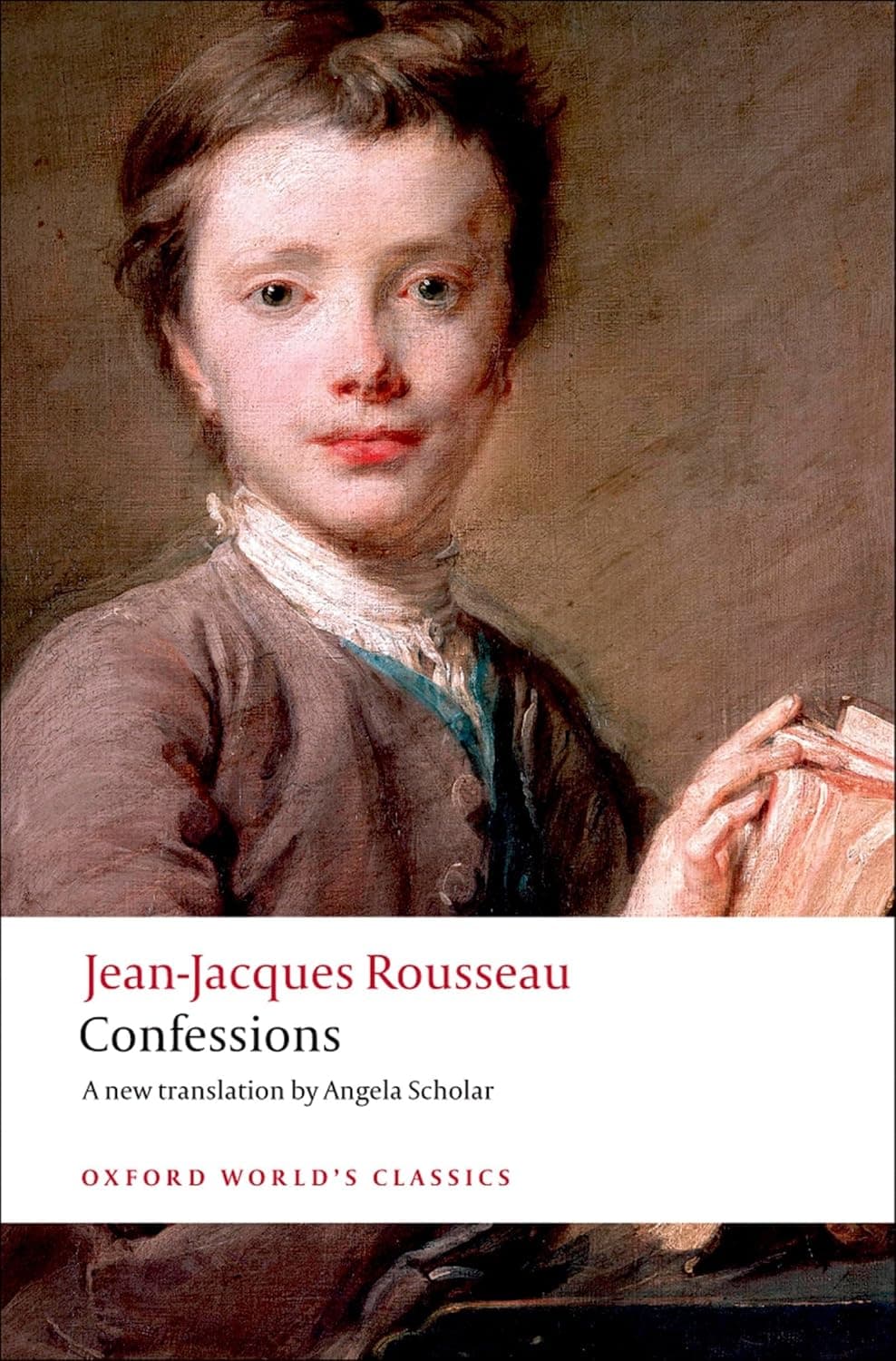
Every confessional memoir descends from this. Rousseau promised to show himself entire and delivered: the ribbon he stole and blamed on a servant girl, the five children he gave to a foundling hospital.

Modern conservatism begins here, in Burke's fury at revolutionaries who tore down old institutions for the sake of an abstraction. Society is a partnership between the dead, the living, and the unborn.
Waiting outside a Leningrad prison with a parcel for her son, Akhmatova was asked whether she could describe this. Requiem was the answer. Her love lyrics have the same merciless exactness.

Seventeen years old, Fabrice del Dongo wanders onto the field at Waterloo and cannot tell whether he fought there. What follows is court intrigue, a prison tower, and love signaled through a window.
Lucien leaves Angouleme certain his poems will make him famous in Paris, and finds literature there is a trade in favors and paid reviews. Balzac invented the modern story of selling out.

Eighteen years in the Bastille have left Doctor Manette making shoes in the dark. Dickens carries his daughter's household from London into the Terror, where Madame Defarge knits a death list.

Frédéric Moreau spends his youth in Paris loving a married woman he will never have and drifting through the 1848 revolution. Flaubert made wasted life a permanent subject for the novel.

Told by a charming aristocrat that beauty is everything, Dorian Gray wishes his portrait would age in his place, and it does. Wilde's epigrams carry every page, and the horror arrives beneath them.

Lucy Honeychurch is kissed among violets on a hillside outside Florence, and Forster makes the rest a sunlit comedy about whether English respectability is worth the lie it demands of her.
Bread and circuses came from here, and so did the line about guarding the guards. Juvenal turns sixteen poems of fury on imperial Rome, where an honest man cannot afford to live.

Alceste cannot tell a lie and is destroying himself over a woman who lives on flattery. Tartuffe, the fake holy man eating his host's house, is hypocrisy caught whole and played for laughs.
This is the saddest story I have ever heard, an American begins, then tells it out of order, circling two couples whose friendship at a German spa hid adultery, debt, and ruin.

Four Victorian idols go under Strachey's scalpel: Cardinal Manning, Florence Nightingale, the headmaster Thomas Arnold, and General Gordon at Khartoum. The malice is so elegant that English biography never went back to reverence.
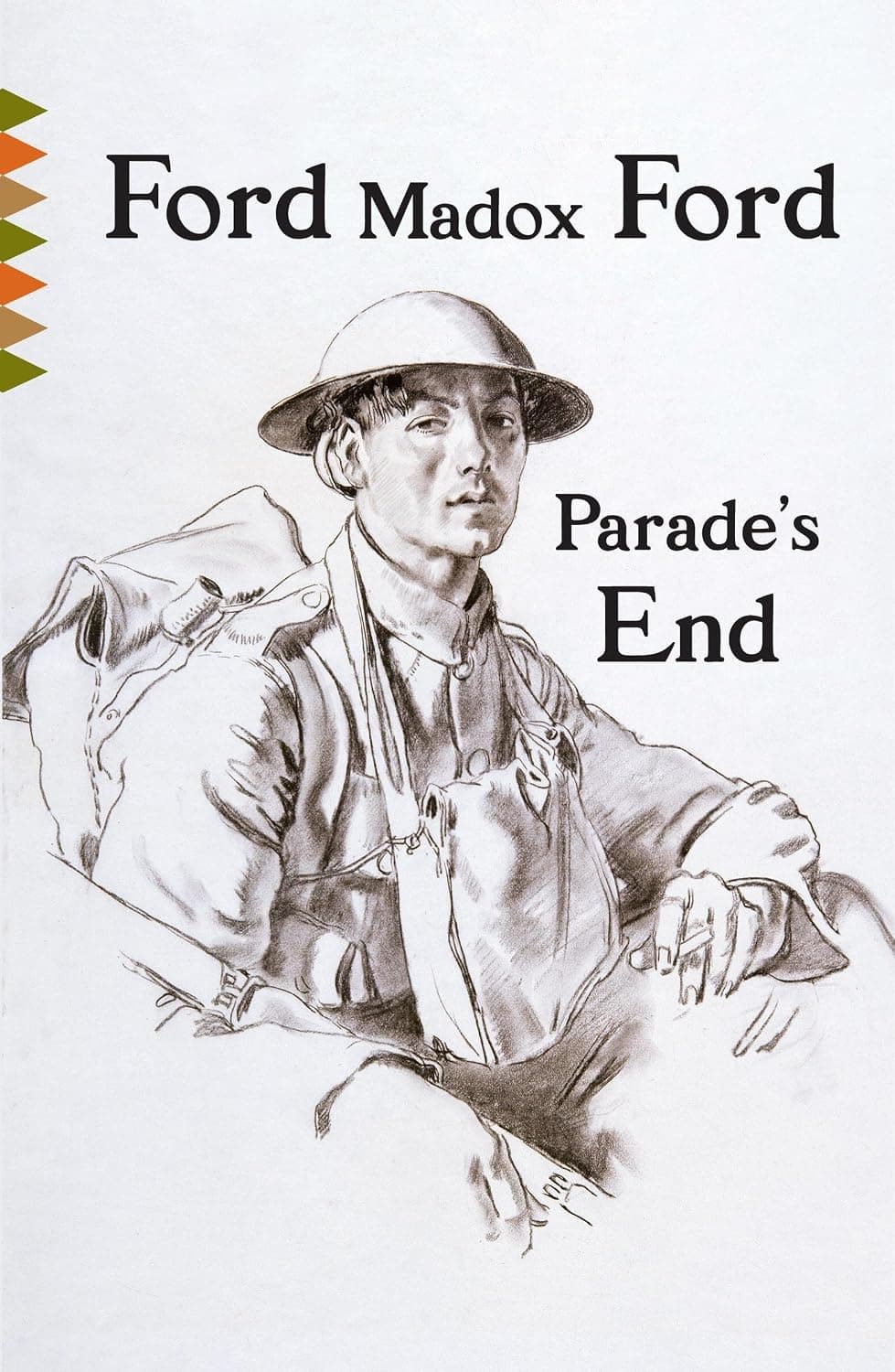
Christopher Tietjens, a government statistician called the last Tory, endures a wife bent on ruining him and a war in France that takes apart the England he was raised to defend.
Charles Ryder, an officer billeted at a requisitioned country house, remembers the Catholic family who owned it: the ruined son he loved at Oxford, the sister he wanted later, and grace closing in.
A civil servant wakes to find his nose gone and walking Petersburg in a senior official's uniform. Elsewhere a clerk saves for an overcoat, and Gogol's comedy tips steadily into nightmare.
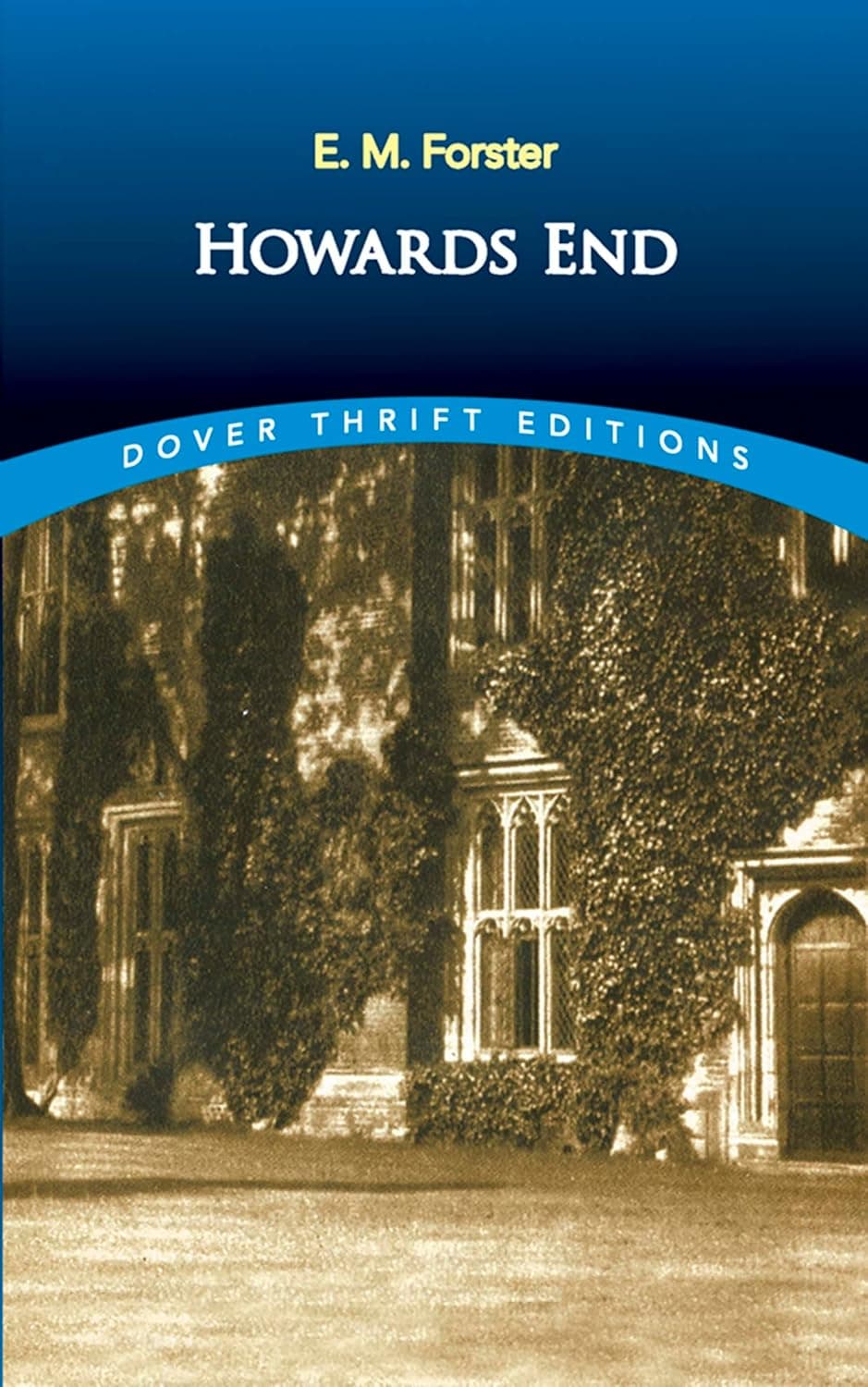
Two families and one house. Forster sets the cultured Schlegel sisters against the money-making Wilcoxes, drags a poor clerk into the collision, and makes the question of who inherits England literal.

Nine years of Restoration London set down every night in shorthand. Pepys watched the Great Fire from a boat and he was as frank about his own adulteries as about the plague.
Three generations of one Nottinghamshire family, and Lawrence writes their marriages from inside the body: what draws two people together, what turns cold, and what the granddaughter Ursula cannot find.
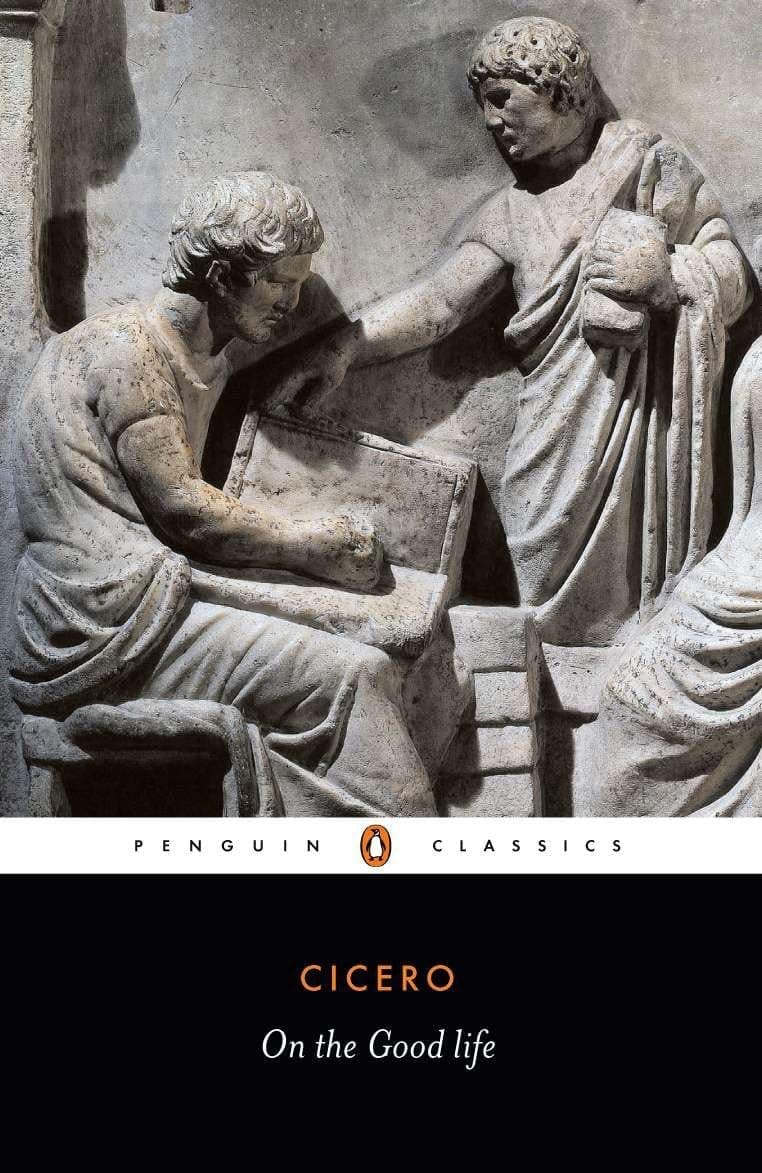
Cicero gives the argument to Laelius, a statesman grieving his dead friend: real friendship binds only good men, is wanted for nothing beyond itself, and makes fortune brighter and hardship lighter.

Spanish Golden Age drama peaks here. King Basilio locks his newborn son in a tower to outrun a prophecy, then has him drugged, brought to court, and told it was a dream.
A lieutenant knocks Emperor Franz Joseph off his horse at Solferino and saves his life. Three generations of Trottas ride that accident down into 1914, and the Habsburg empire dissolves around them.

Seventeen-hour shifts in a Paris restaurant kitchen, then the tramps' road between London workhouses. Orwell went into poverty himself and came back able to describe what hunger does to a mind.

Eighteen years of hired labor buy Bjartur a stretch of Icelandic moorland, and he defends his independence against weather, debt, and his own family. Laxness makes stubbornness heroic and ruinous at once.
Stammering, limping, and dismissed as an idiot, Claudius survives the Roman imperial family as it murders its way through Augustus, Tiberius, and Caligula, then sets down the secret history of what he watched.
Water is best, the first ode opens, then praises a Sicilian king whose horse won at Olympia. Pindar makes athletic victory an occasion for myth and for warnings about mortal limits.

Edmond Dantes, a sailor about to marry, is denounced by rivals and buried in an island prison for fourteen years. He returns rich and unrecognizable, and revenge fiction still runs on his design.
Starving in Kristiania, the city that became Oslo, a young writer gives away money he lacks and refuses food when offered. Hamsun tracks a mind sliding toward derangement, and modern fiction followed.

An English solicitor rides into the Carpathians to close a property deal and finds his client is a corpse with plans for London. Every undead figure since works from Stoker's Count.

Orlando starts as a boy at Queen Elizabeth's court and ends as a woman in 1928 London, changing sex without fuss. Woolf wrote it for her lover Vita Sackville-West, and the joy shows.

A governess at a country house becomes certain that two dead servants are working on the children in her care. James engineered the ambiguity so precisely that critics have argued for a century.
Plautus stole Greek plots and made them Roman, vulgar and fast. Shakespeare lifted his mistaken twins for The Comedy of Errors, Moliere lifted his miser, and farce has run on that machinery since.

Falstaff ages and the king dies while Prince Hal waits for the crown. Shakespeare wrote no colder scene than the new king telling his old tavern friend that he does not know him.
Milosz, a Polish poet who served the new regime and then defected, explains how intelligent people talked themselves into Stalinism. Ketman, he calls it: believing one thing and professing another.

Lorca's poems rise from Andalusian folk song and dream logic, where the moon walks into a forge and knives are always waiting. His lament for a gored bullfighter tolls five in the afternoon.
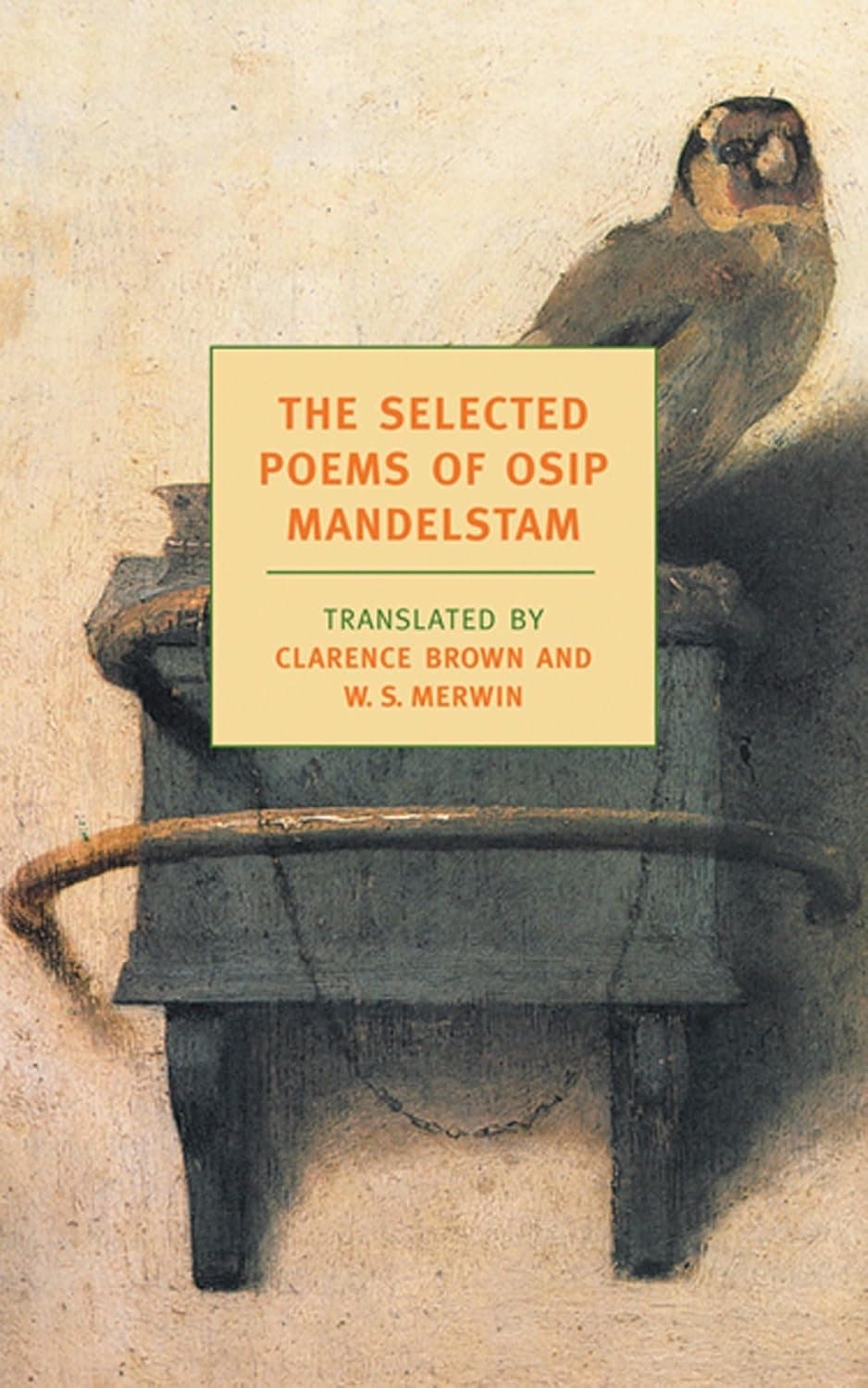
Dense, classical, and packed with Petersburg stone and Black Sea light, from a poet the state killed for sixteen lines about Stalin. His widow saved them by memorizing every one.

Frankl, a Viennese psychiatrist, lost his wife and parents to the camps and survived Auschwitz himself. He watched who endured and who gave up, and named the last freedom: choosing your own response.

Dick Diver, a young psychiatrist, marries the rich patient he treated and spends her money charming the French Riviera. Fitzgerald tracks the exact cost of being the most delightful man in the room.
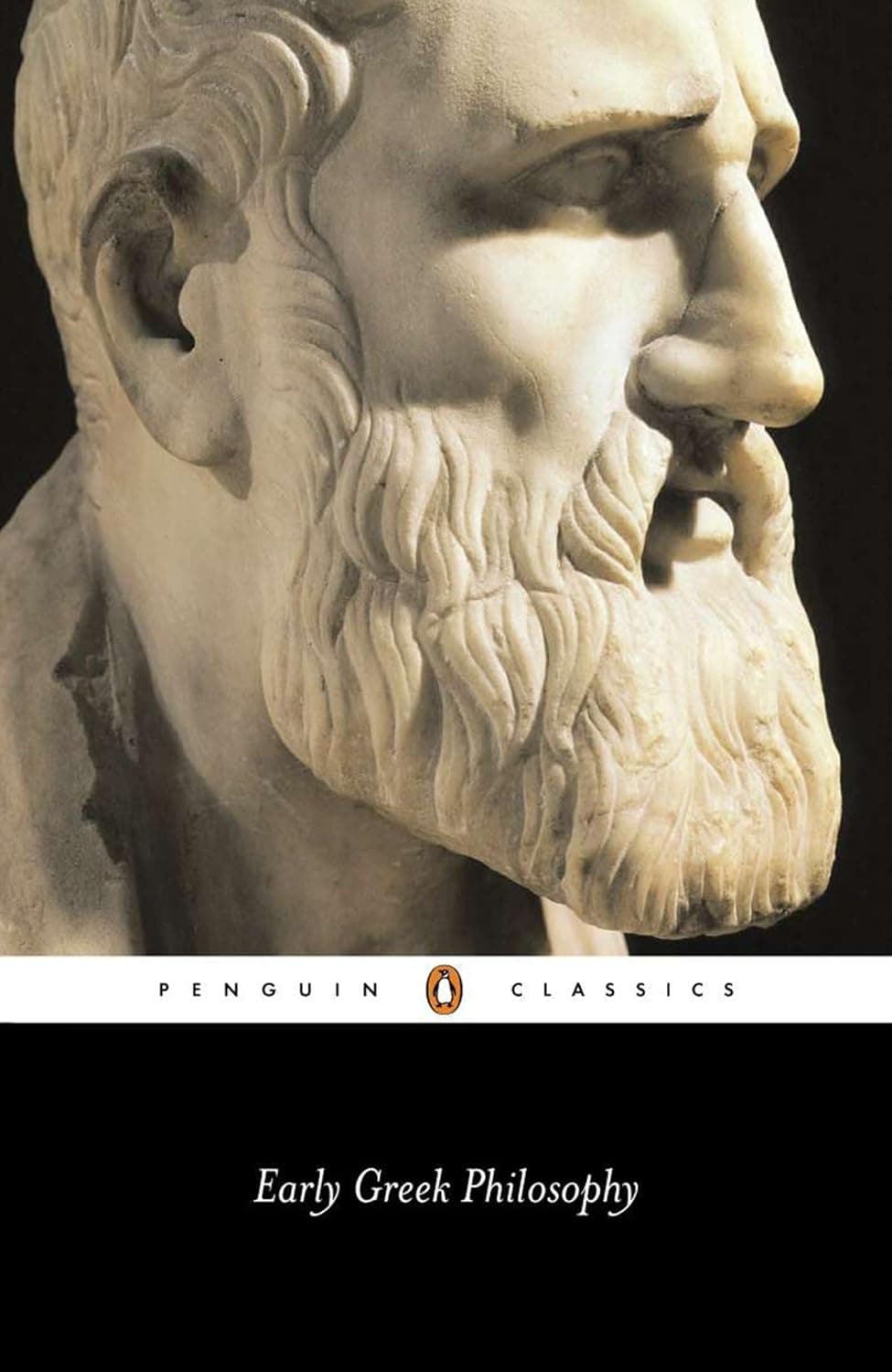
Heraclitus said you cannot step into the same river twice. Parmenides said nothing changes at all. Before Socrates, Greek thinkers asked what the world is made of and answered without appeal to gods.
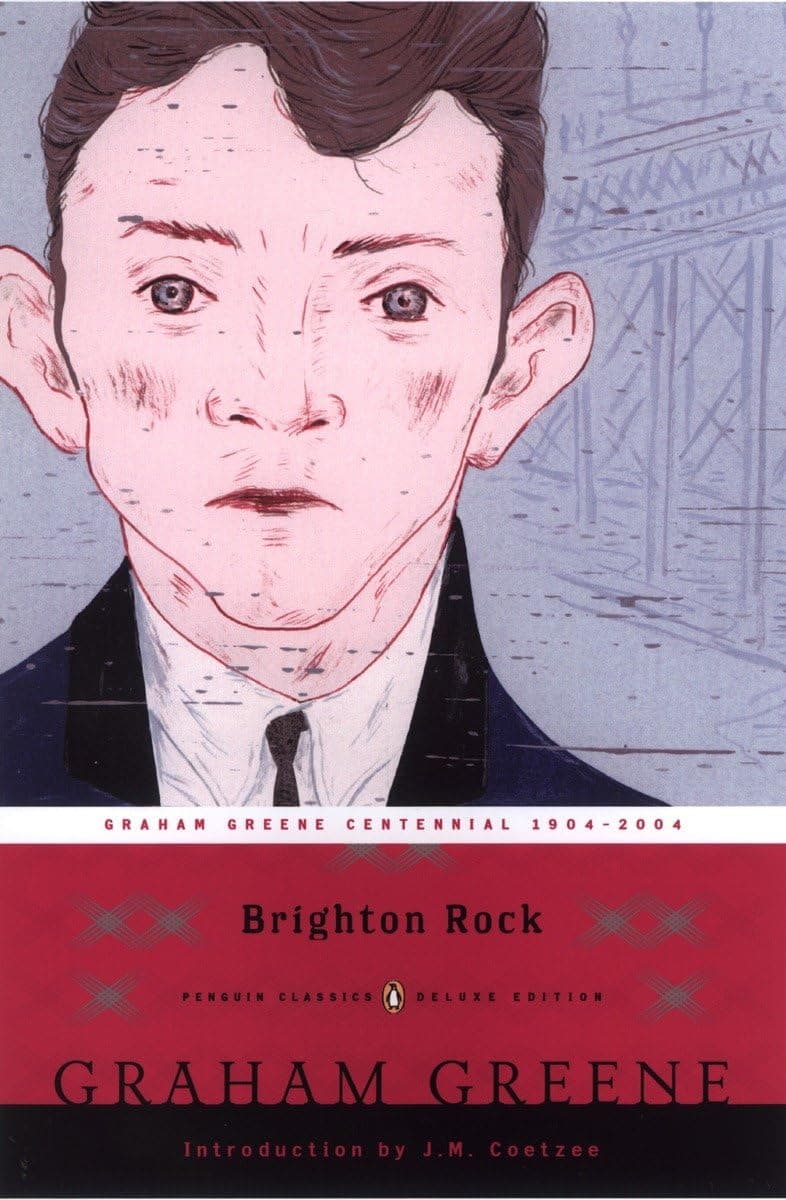
Pinkie Brown runs a Brighton razor gang at seventeen, kills without flinching, and believes in hell the way other people believe in weather. Greene makes damnation the engine of a seaside thriller.
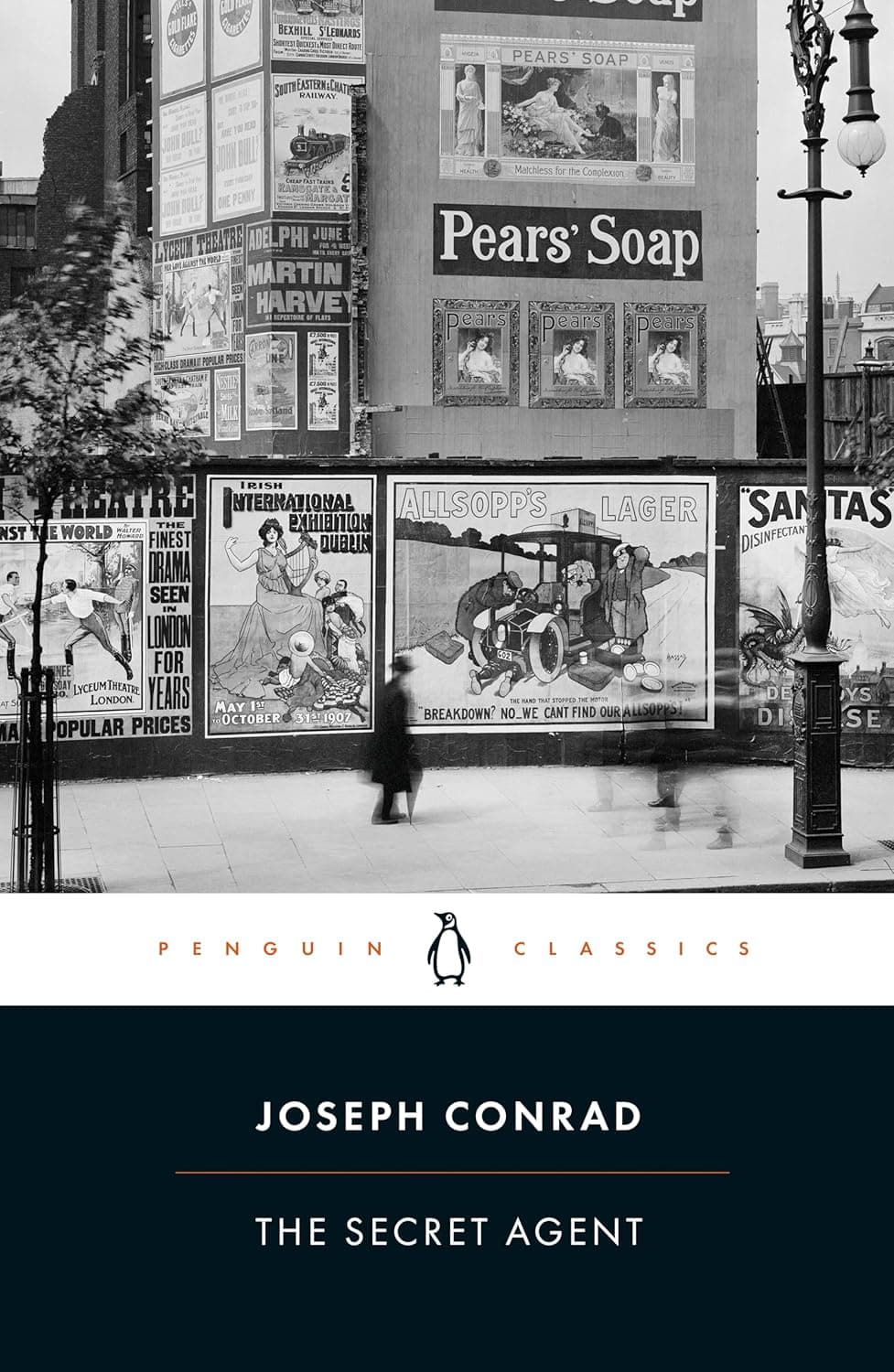
Conrad wrote the first great modern novel of terrorism. Verloc keeps a seedy London shop, informs on anarchists for a foreign embassy, and is ordered to bomb the Greenwich Observatory to frighten England.

Orphaned by cholera in India, a sour, unloved child arrives on the Yorkshire moors and finds the key to a walled garden that brings her and her bedridden cousin back to life.
Orwell joined a militia on the Aragon front, took a sniper's bullet through the throat, then watched Communist allies brand his comrades fascists. The clearest book anyone wrote about being lied to.
You can read it straight through to chapter 56 or take Cortazar's table of instructions through nearly all 155. Either way an Argentine exile drifts through Paris after a woman called La Maga.

Jealousy narrated from the inside by a man who hates the God he does not believe in. A wartime bomb falls on the lovers, and the woman makes a promise she keeps.
Ten books of gossip, wills, deathbed jokes and doctrine, written in the third century and now the main reason we know what Epicurus taught or what Diogenes the Cynic said to Alexander.

Zweig grew up in a Vienna that believed in security, art, and progress, and lived to watch it burn twice. He mailed this memoir to his publisher the day before he killed himself.

Carlyle writes the Revolution in the present tense, as though standing in the crowd. The Bastille falls and the Terror arrives as things still happening, history delivered as thunder rather than explanation.

The greatest of the epic-theater plays follows Anna Fierling, a canteen woman hauling her wagon through the Thirty Years' War, selling to whichever army is winning and losing all three children to it.
Keegan asked what a battle feels like to the man standing in it, and answered through Agincourt, Waterloo, and the Somme. He put the reader inside the ranks and remade military history.
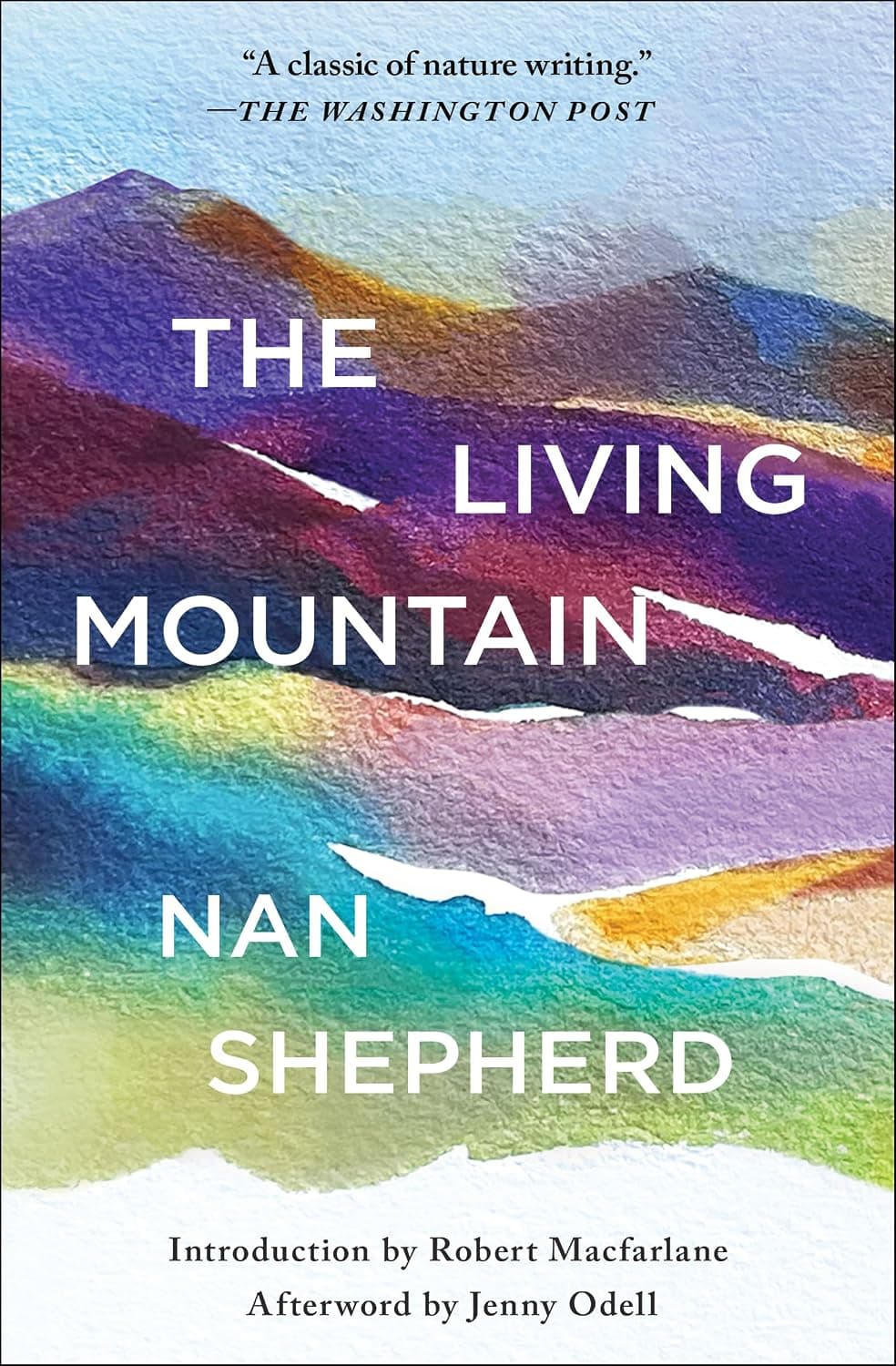
Summits barely register. Shepherd spent a lifetime in the Scottish Cairngorms and writes about going into the mountain rather than up it, attending to water and frost until the seeing becomes the point.

Revolutions come not when oppression is worst but when it begins to lift. Tocqueville digs through the old monarchy's records and finds the Revolution completing the centralized state it believed it was destroying.

At twelve, refusing a plate of snails his father demands he eat, Cosimo climbs into an oak and never touches ground again. He reads, loves, and fights the eighteenth century from the branches.

Alec Leamas takes one last assignment in East Germany, posing as a burnt-out defector, never told what his own service wants. Graham Greene called it the best spy story he had read.

A sixteenth-century Italian miller told the Inquisition that the world formed as cheese forms from milk, and the angels were worms in it. From that file Ginzburg reconstructs an entire peasant mind.

Tuchman holds the fourteenth century up as a mirror to our own: plague killing a third of Europe, a war without end, and one French nobleman whose life ran through all of it.
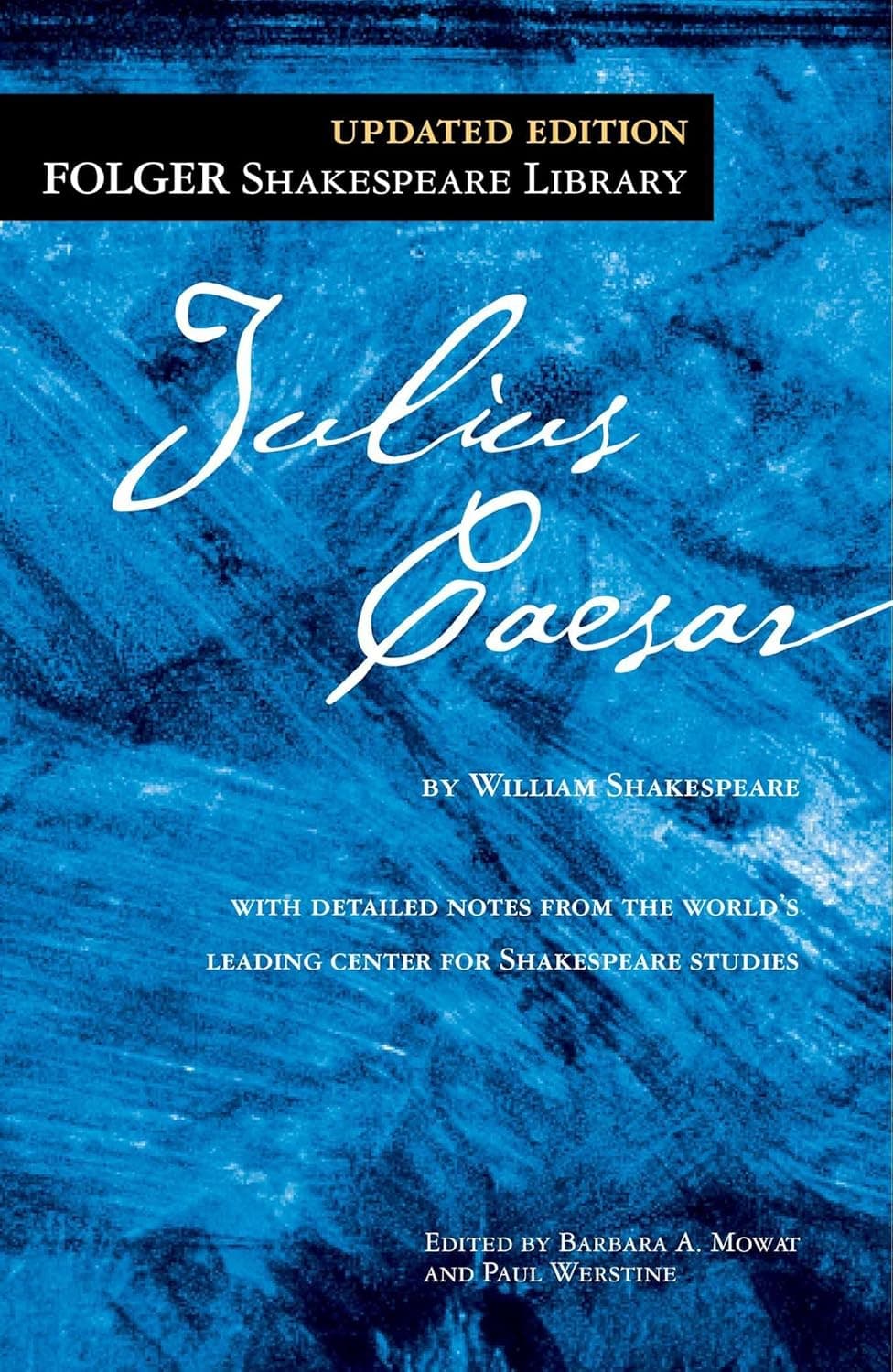
Brutus is persuaded that killing his friend will save the republic. Antony stands over the body, says he comes to bury Caesar and not to praise him, and turns Rome around.
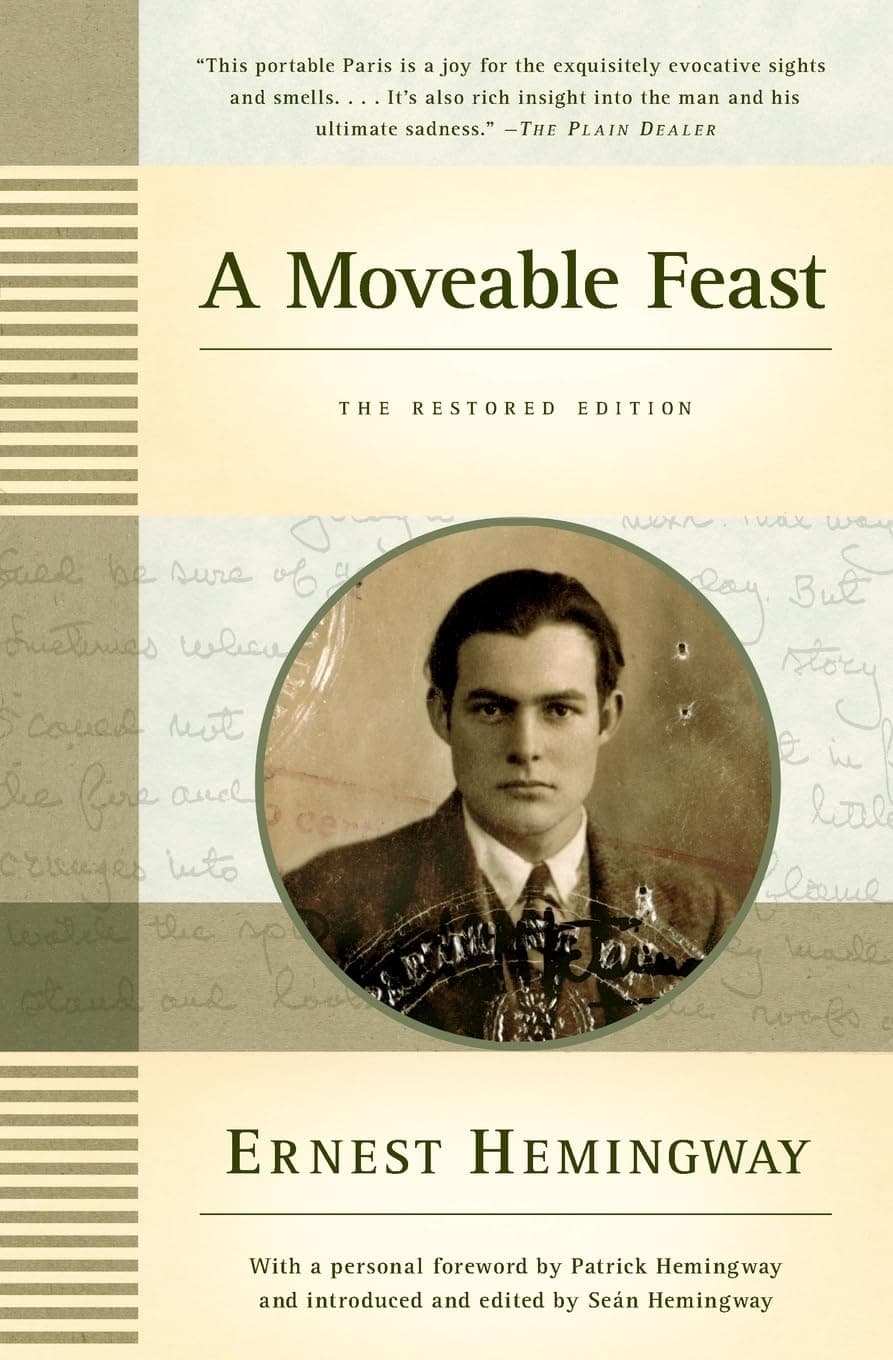
Paris in the 1920s, where a young writer works in cafes, borrows books from the bookseller Sylvia Beach, and takes the measure of Gertrude Stein and Scott Fitzgerald. Hunger sharpens everything he sees.
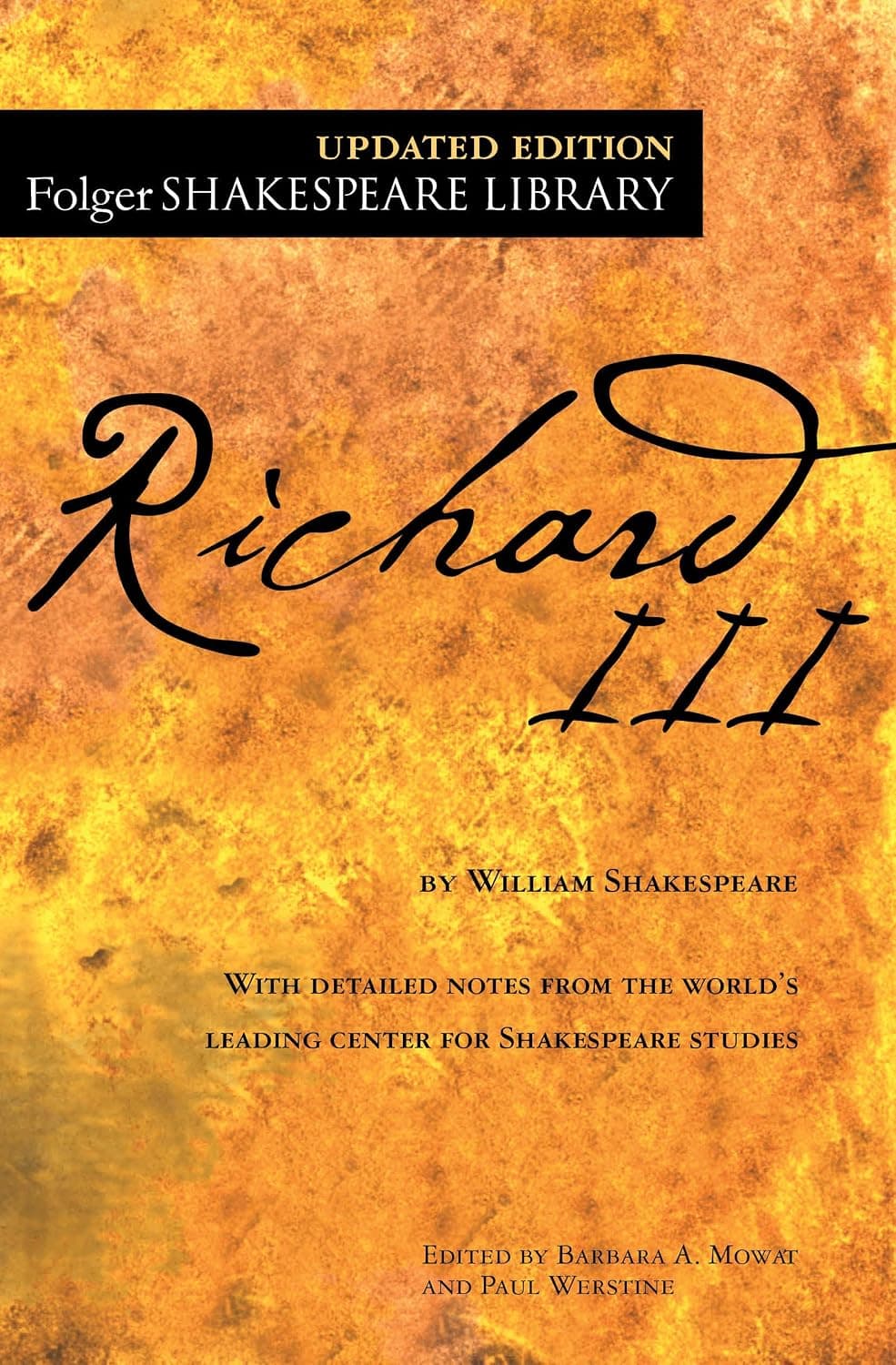
Richard tells the audience in his first speech that he means to be a villain, then makes them accomplices. He courts a widow beside the corpse of the king he murdered.
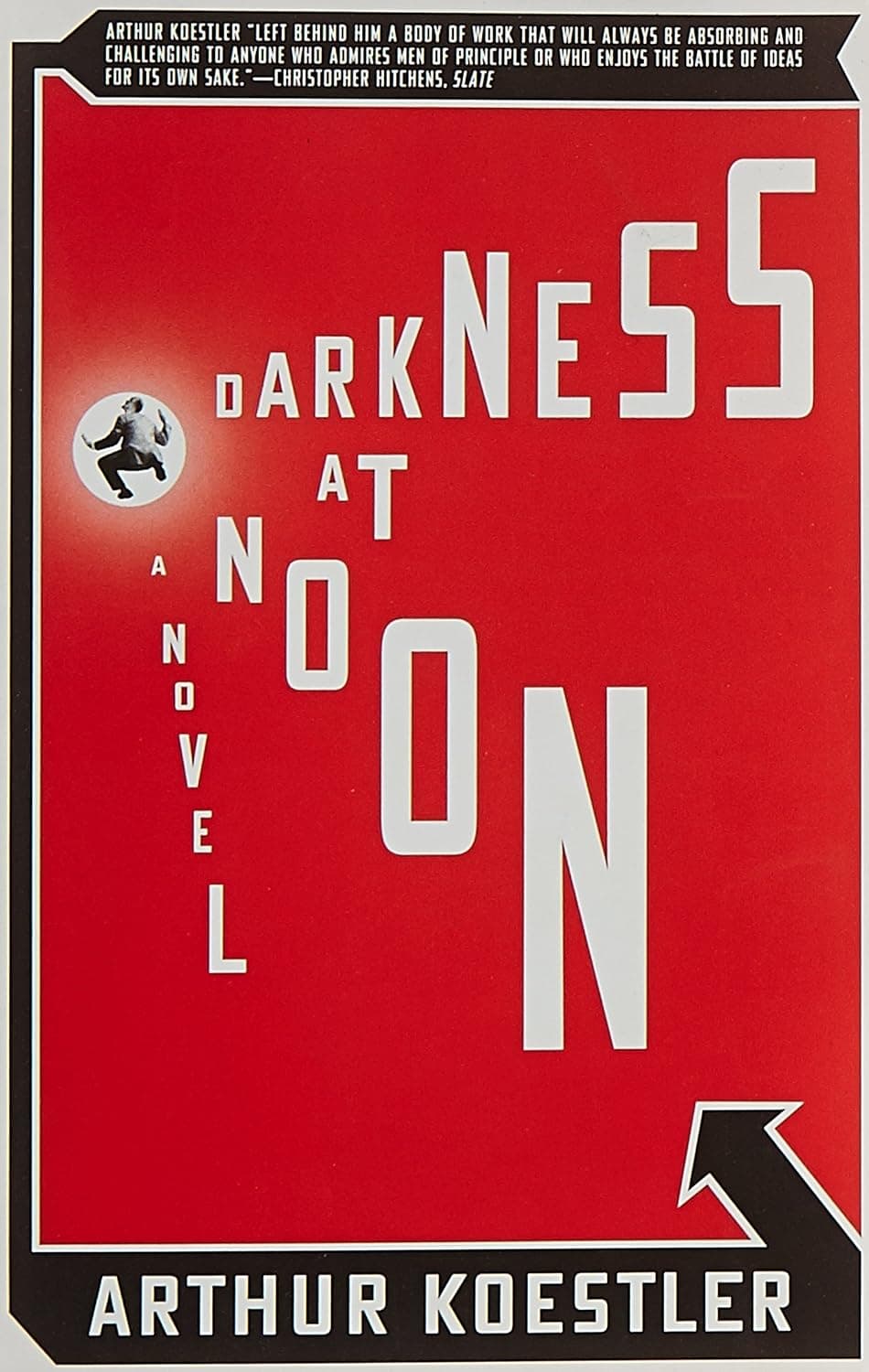
Arrested by the revolution he helped build, Rubashov confesses to crimes he never committed. The novel sold half a million copies in France and pulled a generation of Western leftists away from Moscow.

Take the facade off a Paris apartment house: Perec fills every room with a life and threads them around an Englishman whose fifty-year project is designed to leave no trace on the world.
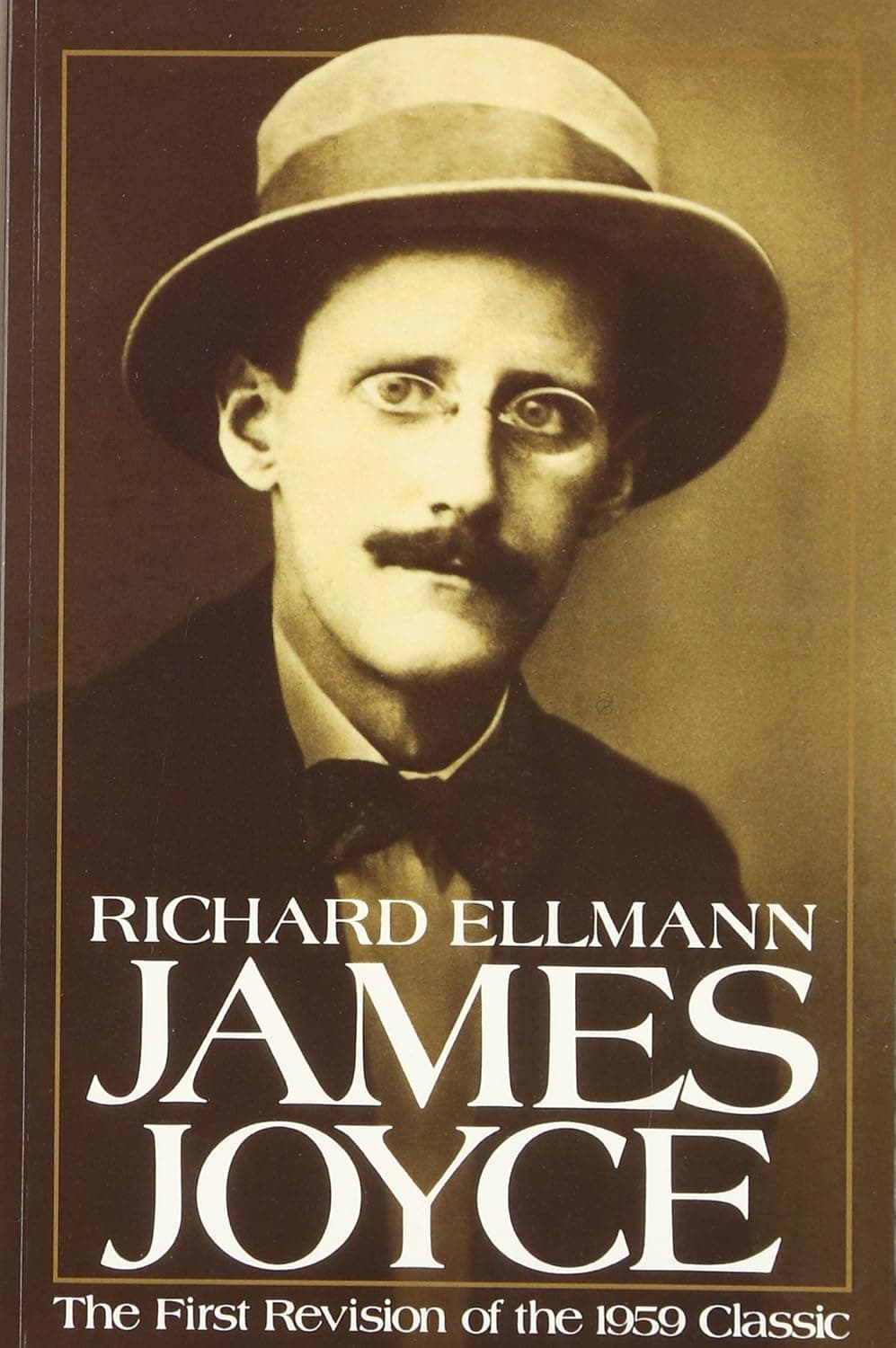
The novelist Anthony Burgess called this the greatest literary biography of the century. Ellmann reconstructs Joyce day by day, the debts and the eye operations and the exact Dublin talk that became Ulysses.
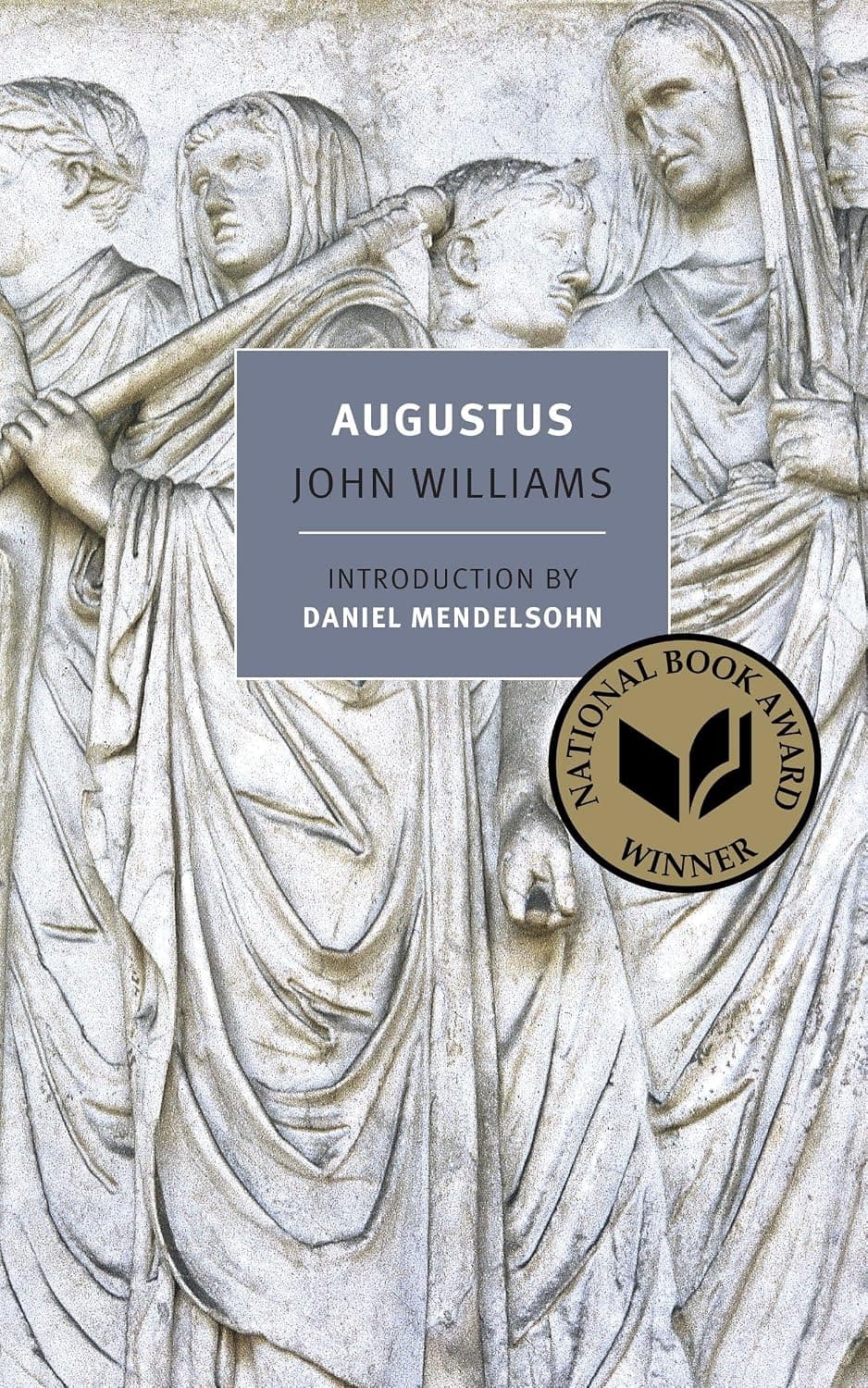
Rome's first emperor assembled from other people's letters: soldiers, poets, conspirators, and the daughter he sends into exile. Williams shows how a sickly boy became master of the world and what it cost.

Two pianists at the Salzburg Mozarteum hear Glenn Gould play the Goldberg Variations and understand they will never be that. Bernhard gives the ruin that follows in one unbroken paragraph of spite.
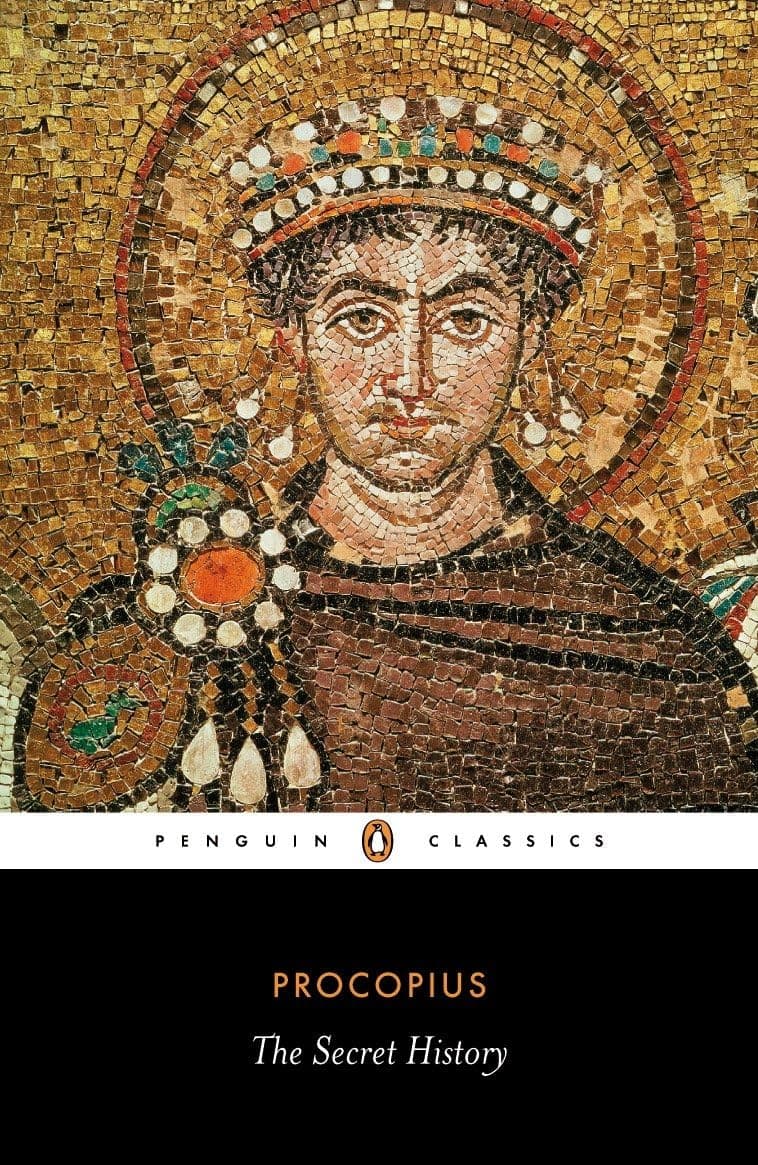
Justinian's official historian kept a second book he could not publish: the emperor a demon pacing the palace at night without a head, the empress insatiable. Nothing from antiquity carries this much hatred.

Clark reconstructs the July crisis of 1914 and finds no villain, only leaders watchful but unseeing, each rational step carrying Europe closer. He reopened the fiercest fight over war guilt in decades.

The dead man narrates his own murder, and so do a coin and a tree, in the Istanbul of 1591 where painting a face as the eye sees it is treated as blasphemy.

A maid hid 264 Japanese carvings in her mattress while the Nazis stripped the Vienna palace of the Ephrussi bankers. De Waal, their descendant, follows the objects through his family's rise and ruin.
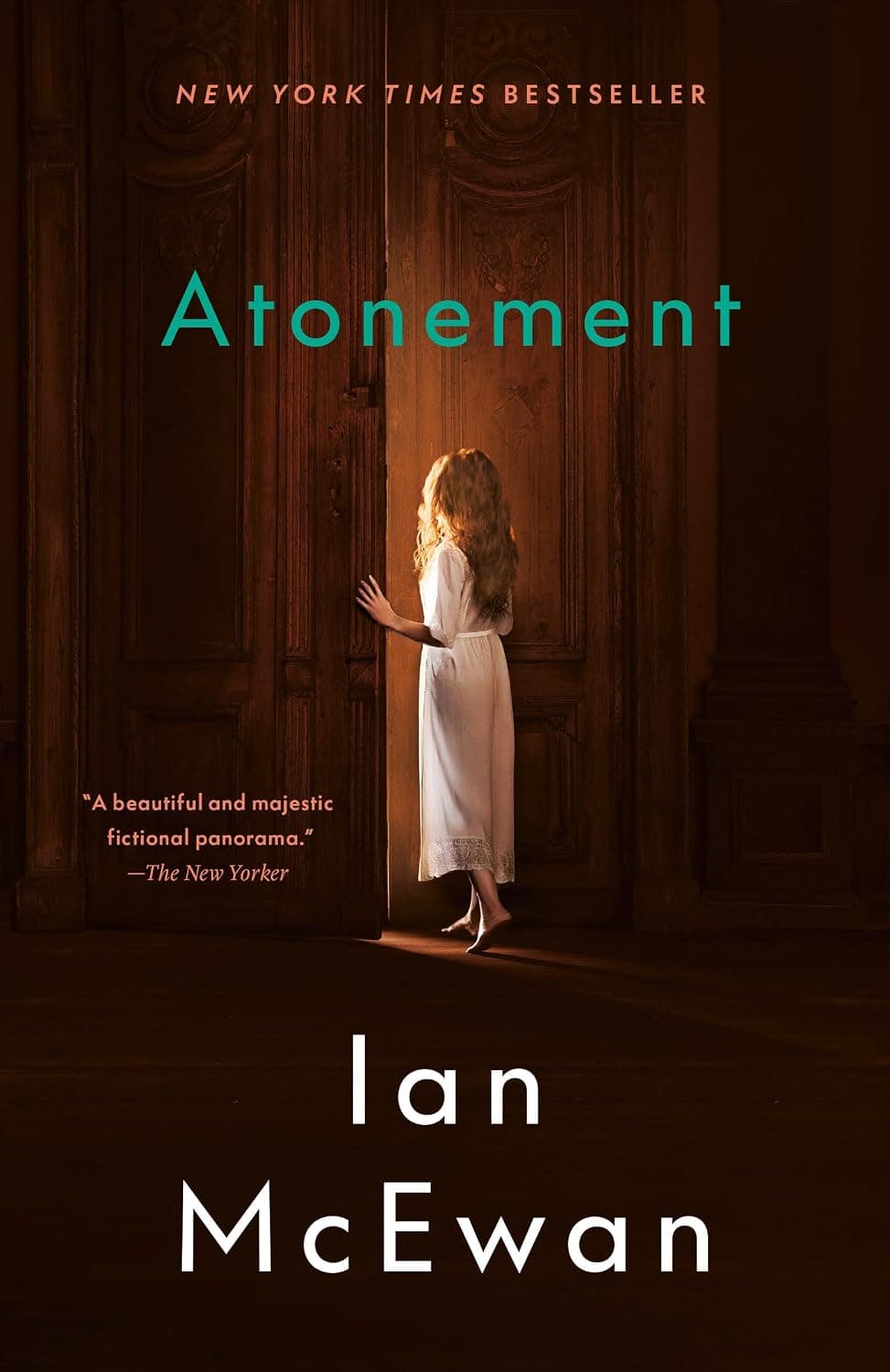
In 1935 a thirteen-year-old girl watches her sister and the charwoman's son by a fountain, misreads what she sees, and accuses him of a crime. McEwan follows the wreckage through Dunkirk.

No novelist has written female friendship with this much competition. Elena and Lila grow up in a violent Naples neighborhood in the 1950s, and only one is allowed to stay in school.

Beard covers a thousand years of Rome, opening on Catiline's conspiracy and closing the day Caracalla made every free inhabitant a citizen, and she cares as much about slaves as emperors.

Des Esseintes, the last of a spent aristocratic line, retreats to a house outside Paris filled with perfumes, poisonous flowers, and a jeweled tortoise. Wilde and the English aesthetes read it as scripture.
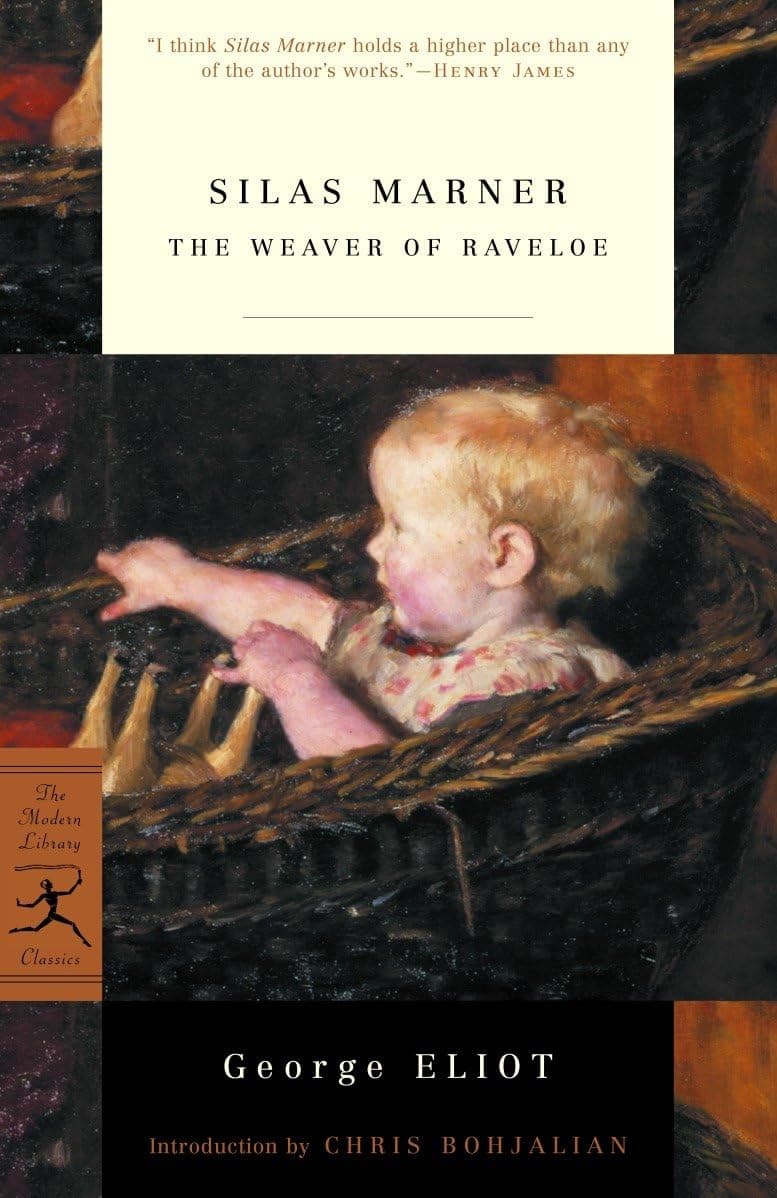
Robbed of gold he hoarded for fifteen years, a lonely weaver finds a golden-haired child on his hearth. Eliot turns a village fable into a full account of how a person is repaired.

Twelve cases at 221B Baker Street, from the king undone by Irene Adler to the whistle in the night at Stoke Moran. No human character in fiction has been played by more actors.
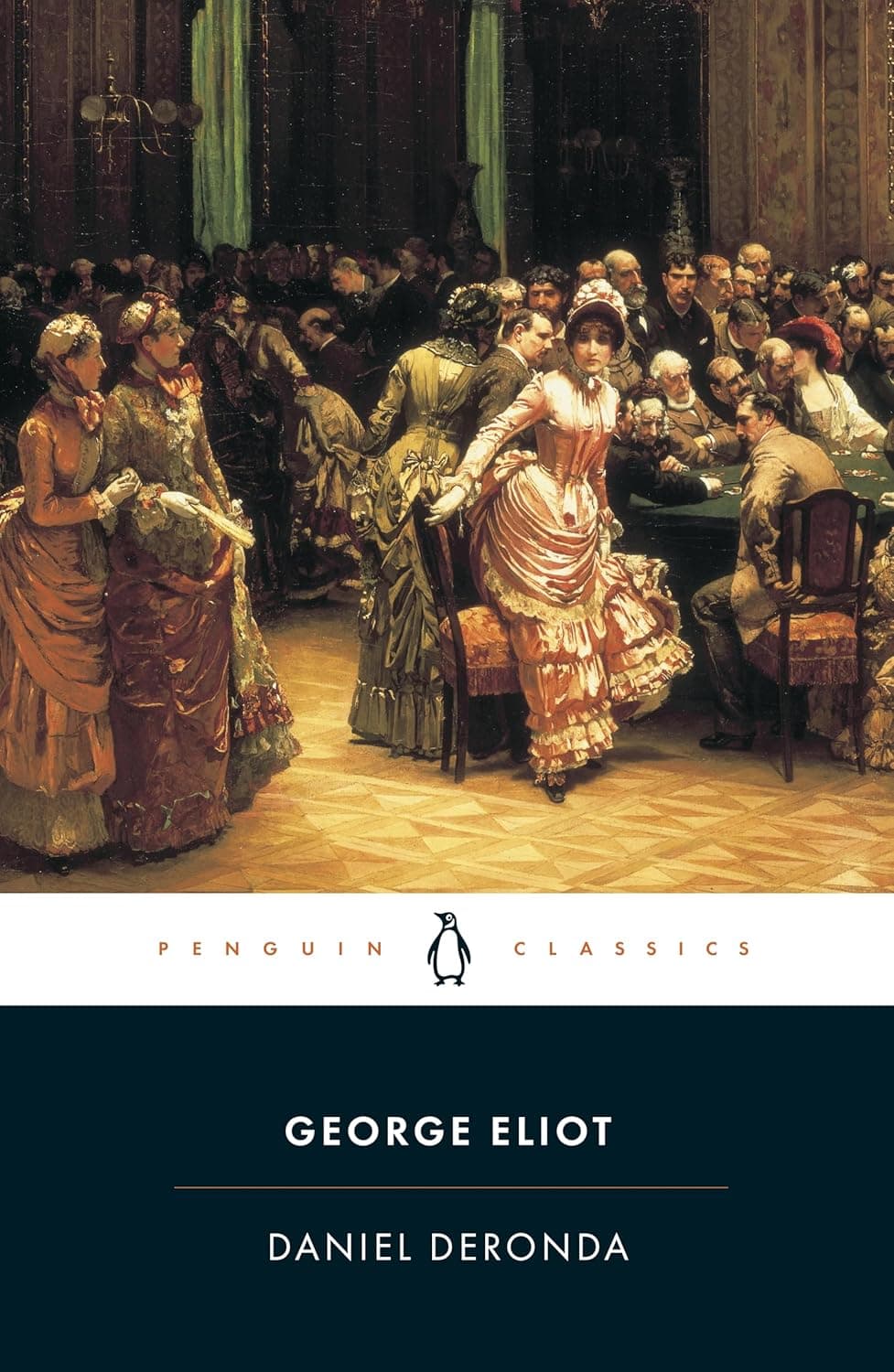
Gwendolen Harleth sells herself into marriage with a cold, cruel man, and beside her Eliot sets an Englishman finding out he is a Jew. Early Zionists dated their conviction to this book.

Western love poetry starts with Sappho, and starts at full pitch: the tongue breaks, thin fire runs under the skin. The poet Anne Carson brackets every gap where the papyrus tore.
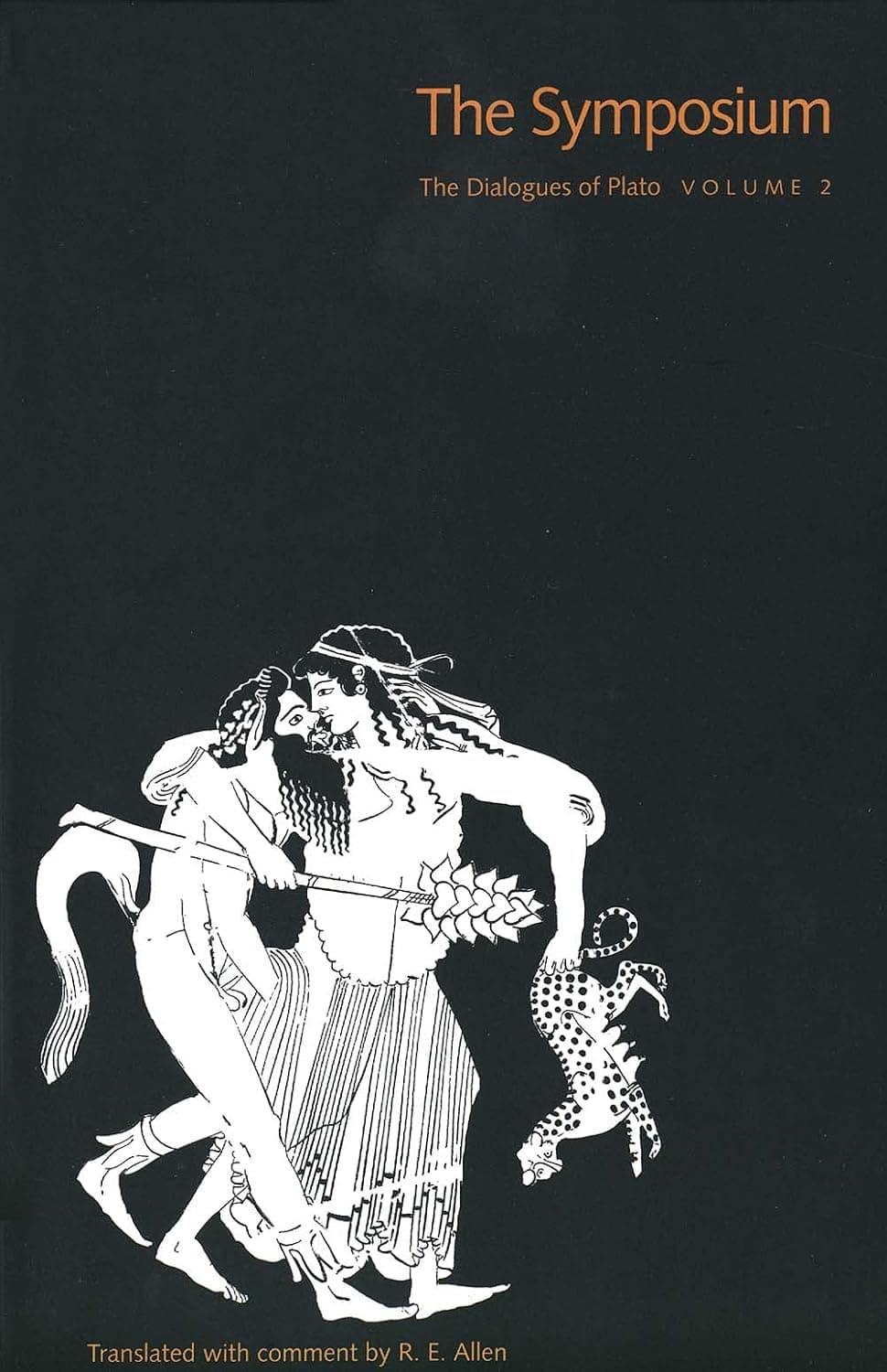
Athenians take turns praising love at a drinking party. The comic poet Aristophanes says we were once double creatures split in two, still hunting our other half, and romance repeats him still.

Medieval Paris rebuilt around the cathedral, where a deaf bell-ringer loves a dancer the archdeacon also wants. The novel made crumbling Notre-Dame a national cause and saved it from the wreckers.
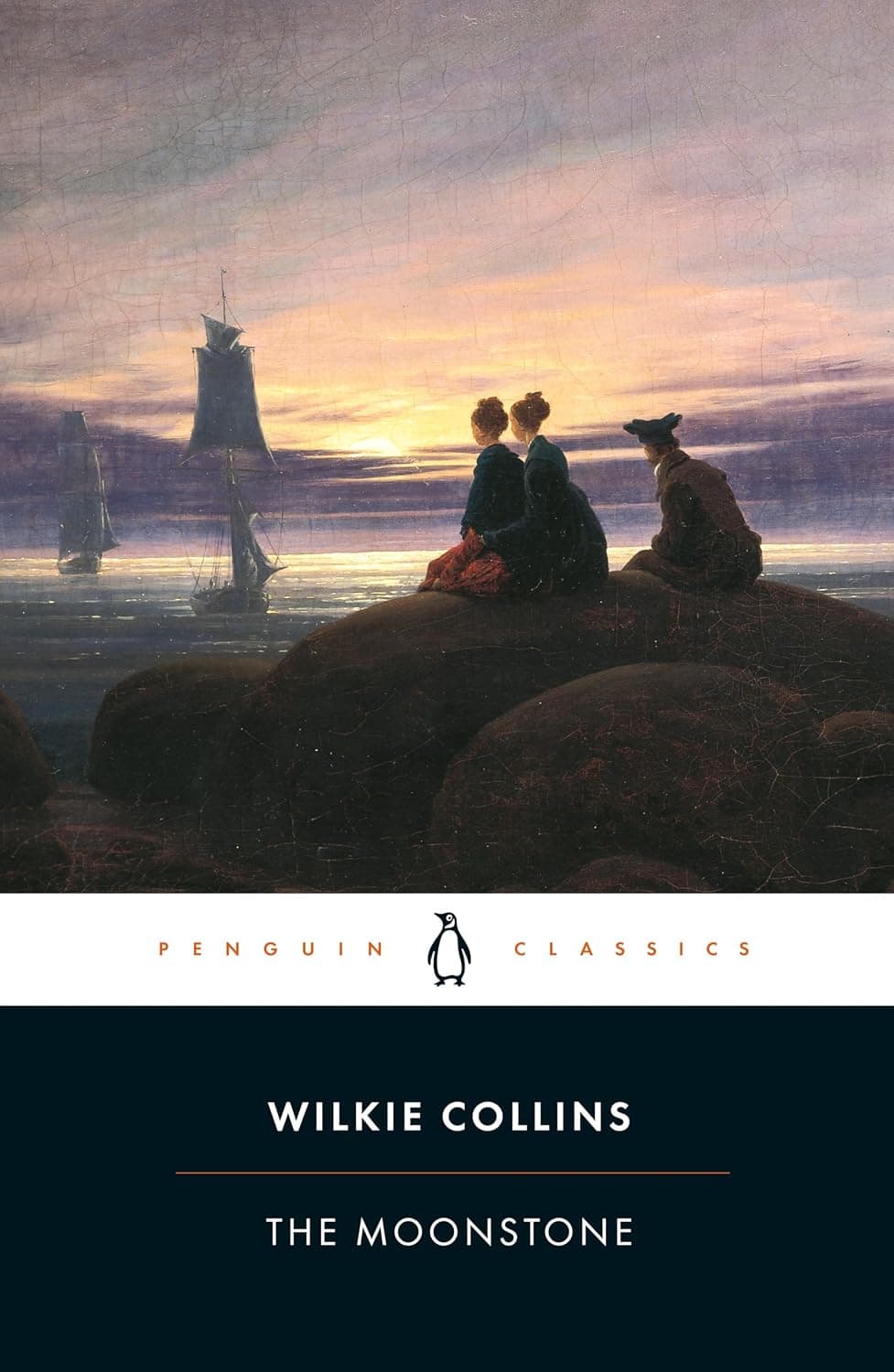
T.S. Eliot called it the first and best of modern English detective novels. A diamond looted from an Indian shrine arrives as a birthday present and vanishes that night.
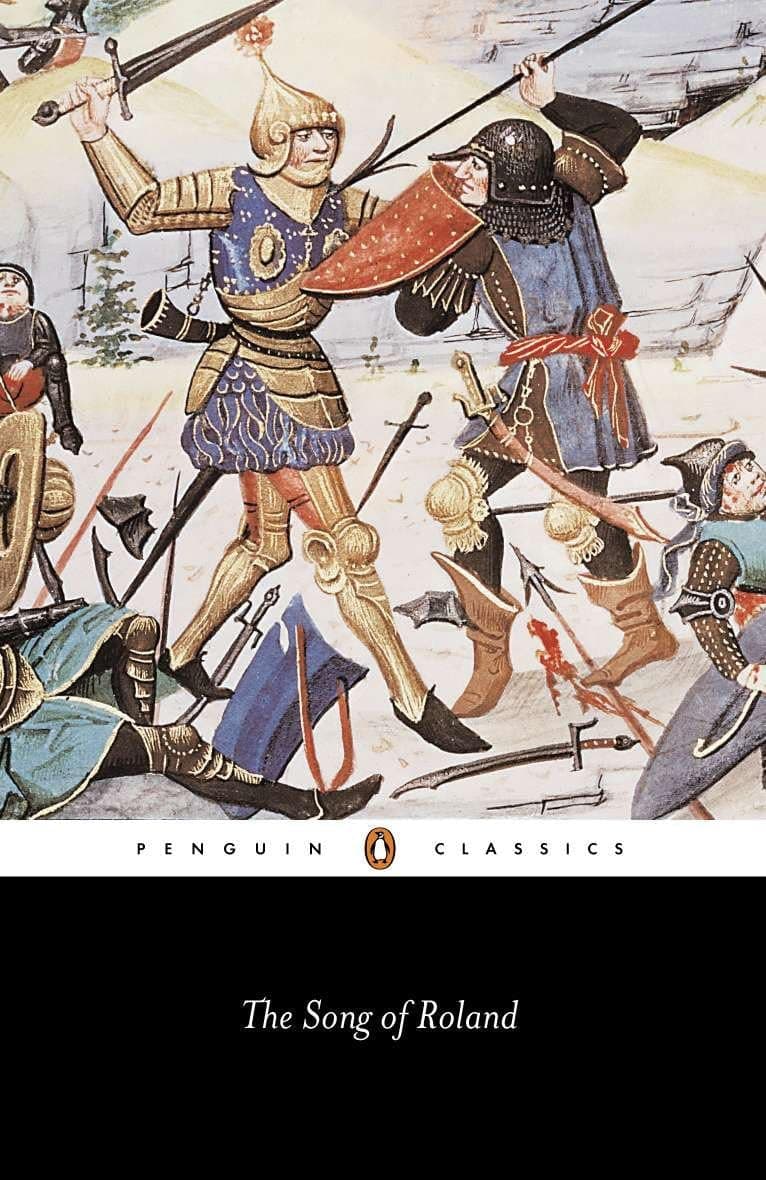
Charlemagne's rearguard is ambushed in a Pyrenean pass, and Roland will not blow his horn for help until his temples burst. Four centuries later Italian poets were still writing epics about him.

Two aristocrats conduct seduction as a military campaign, and every move reaches us through their own letters. Their targets are a devout married woman and a girl just out of the convent.