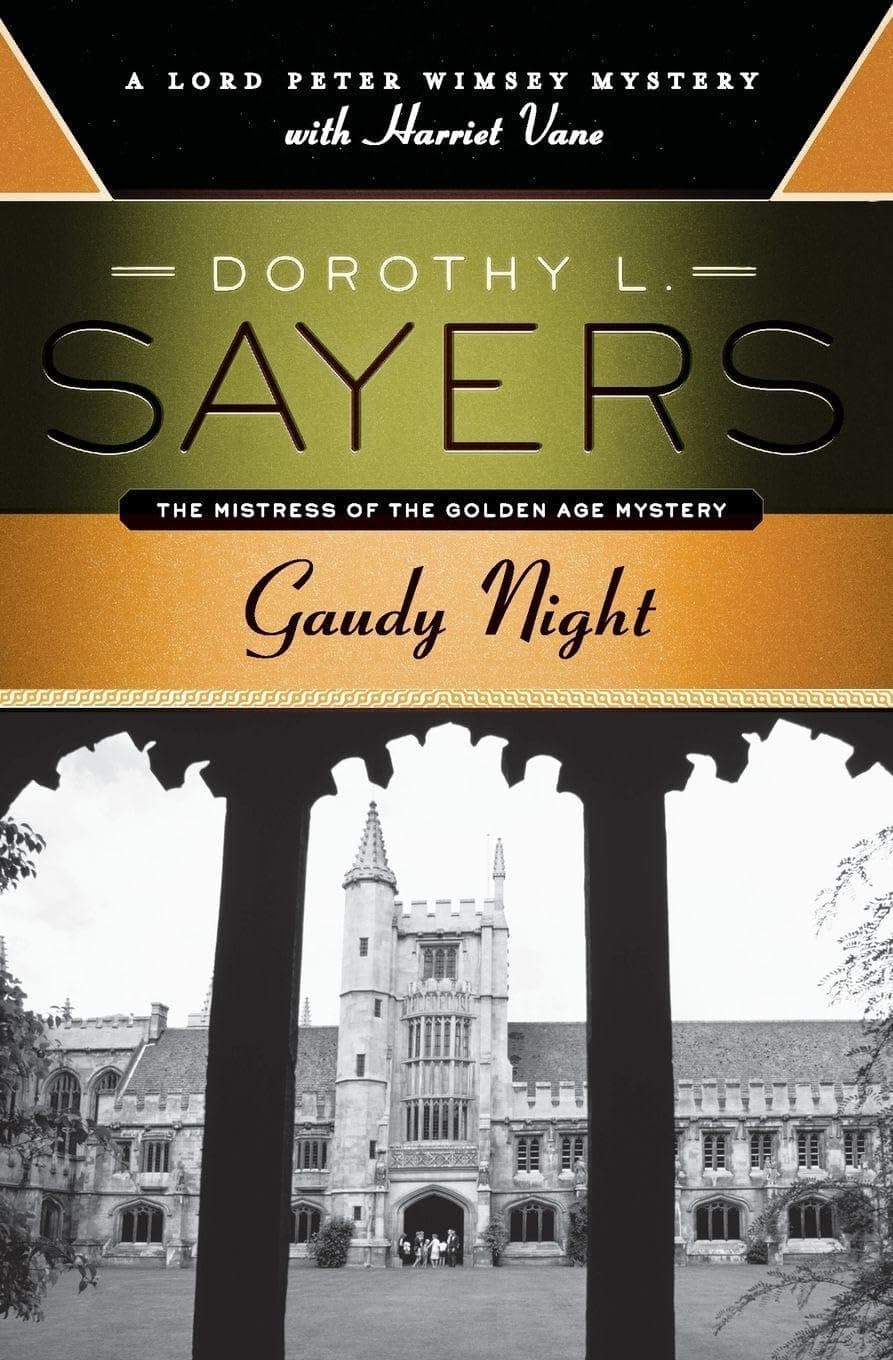
Gaudy Night
1935 · 544 pages
Harriet Vane, mystery novelist, returns to her Oxford women's college, where someone is sending obscene letters and destroying scholarship. Nobody dies. The question is whether a woman can have both work and love.
★ 4.7
 skopia
Harriet Vane, mystery novelist, returns to her Oxford women's college, where someone is sending obscene letters and destroying scholarship. Nobody dies. The question is whether a woman can have both work and love.
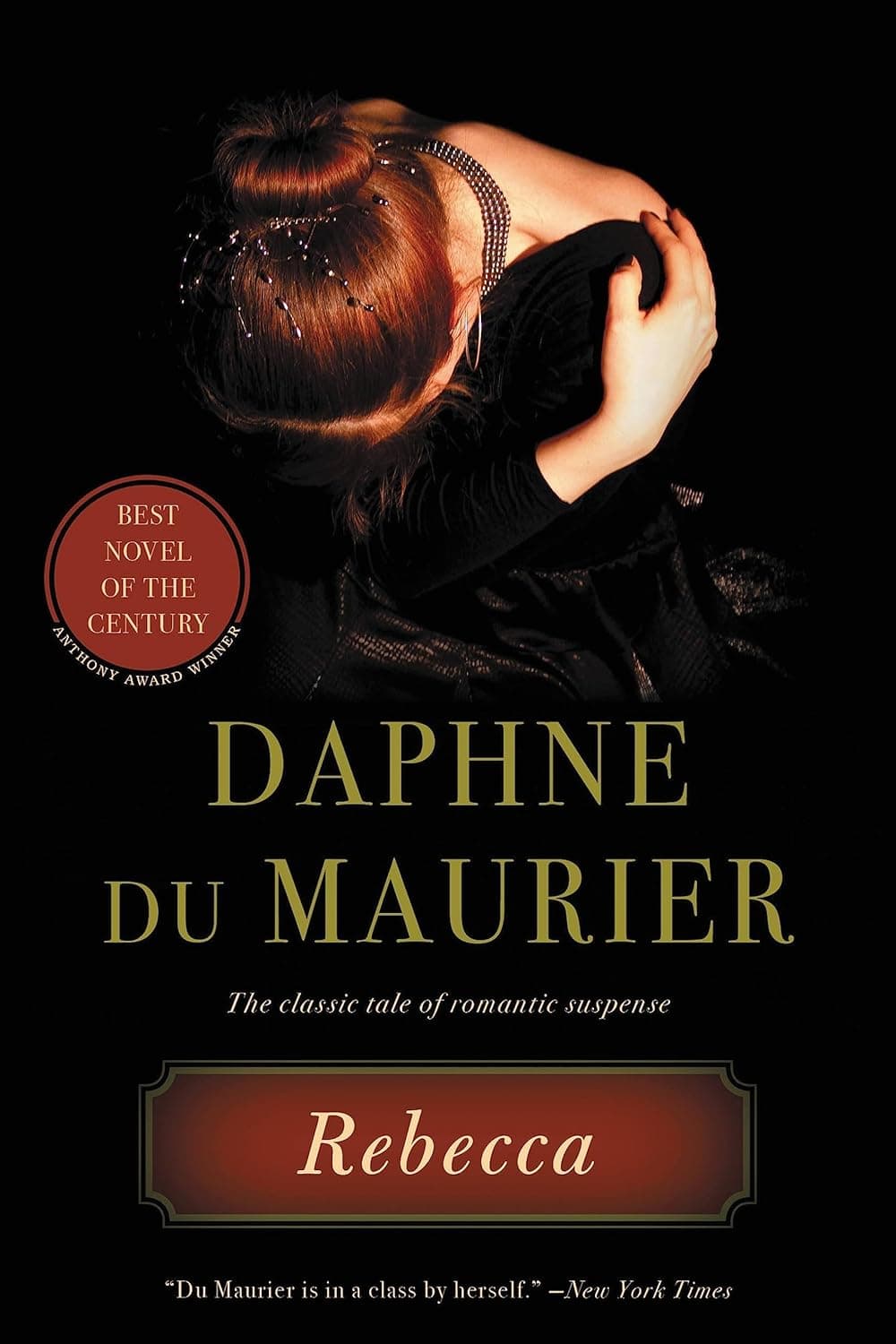
The second Mrs. de Winter is never given a name, which is the point. She marries a widower, arrives at his Cornish estate, Manderley, and finds the drowned first wife occupying every room.

Iris Chase, old and unforgiving, tells how her sister Laura drove off a bridge in 1945. Inside her account sits a scandalous novel, and inside that a pulp tale of blind child assassins.

Two couples meet as junior faculty in Depression-era Madison and stay bound to each other for forty years. Stegner locates the drama of a life in devotion, illness, and one woman's will.

Cleared of poisoning her husband because her family closes ranks, Therese rides home through the pine forests of the Landes trying to explain herself. Mauriac makes provincial Catholic marriage feel like slow suffocation.

Harpagon keeps a cash box buried in his garden, intends to marry his son's beloved himself, and gives his daughter to whoever asks no dowry. Moliere made him Europe's byword for greed.
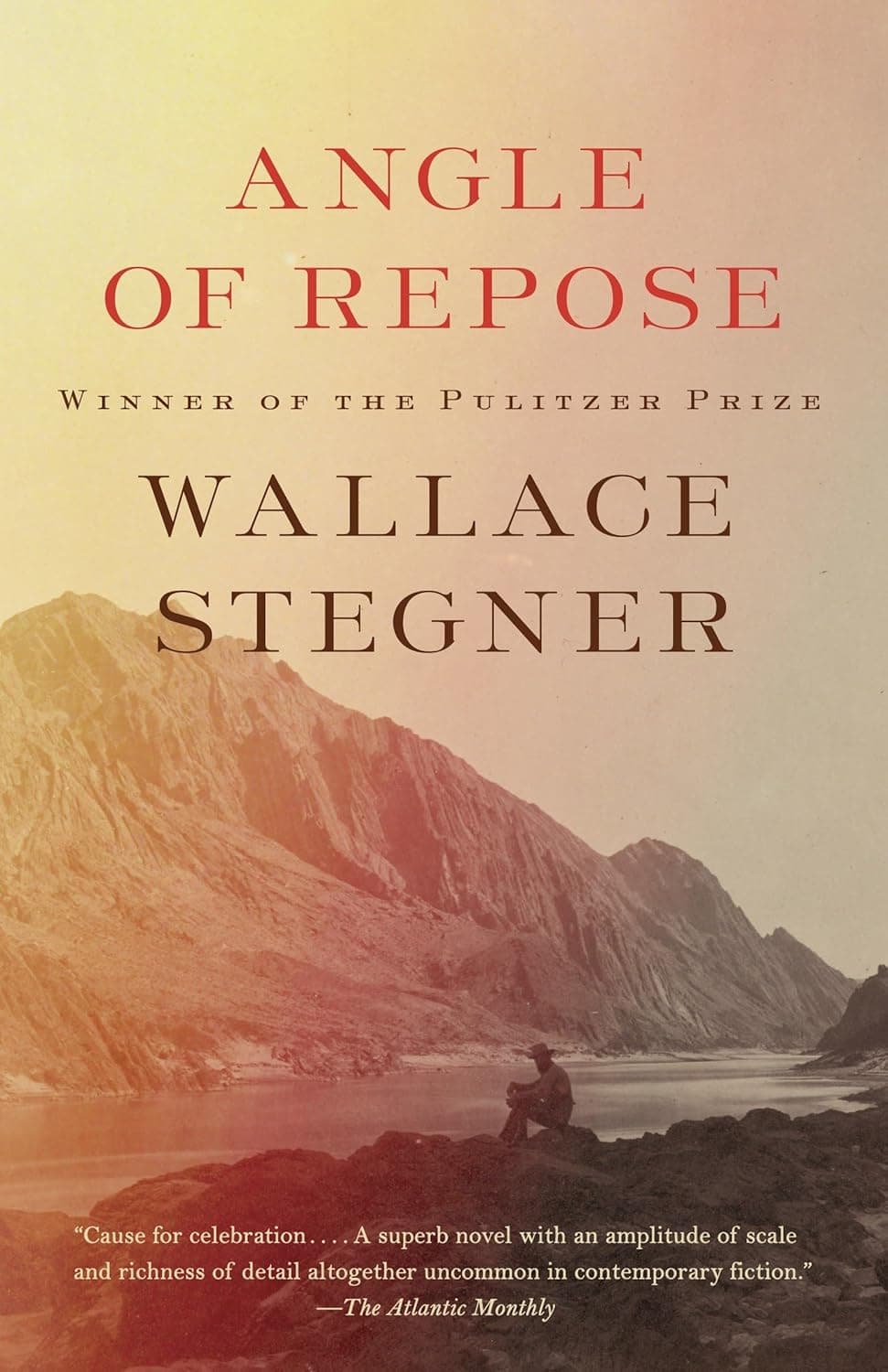
From his wheelchair a historian rebuilds his grandmother's life from her letters: a New York illustrator who followed a mining engineer west. Stegner's Pulitzer novel holds a region in one marriage.

Widowed after thirty years, a Senegalese teacher writes to her closest friend about the husband who took her daughter's teenage friend as a second wife. It won the first Noma Award.

Nine stories of Indians and Indian Americans living between two countries, told with a calm that makes the losses land late. A married couple confess things to each other during nightly power cuts.

A woman returns from her honeymoon, goes to the bathroom, and shoots herself while the family eats lunch. Marías gives the story to her nephew, an interpreter afraid to know.

Two in the morning, a history professor and his wife receive a younger couple after a faculty party, and the drinking turns into a night of games designed to strip them bare.
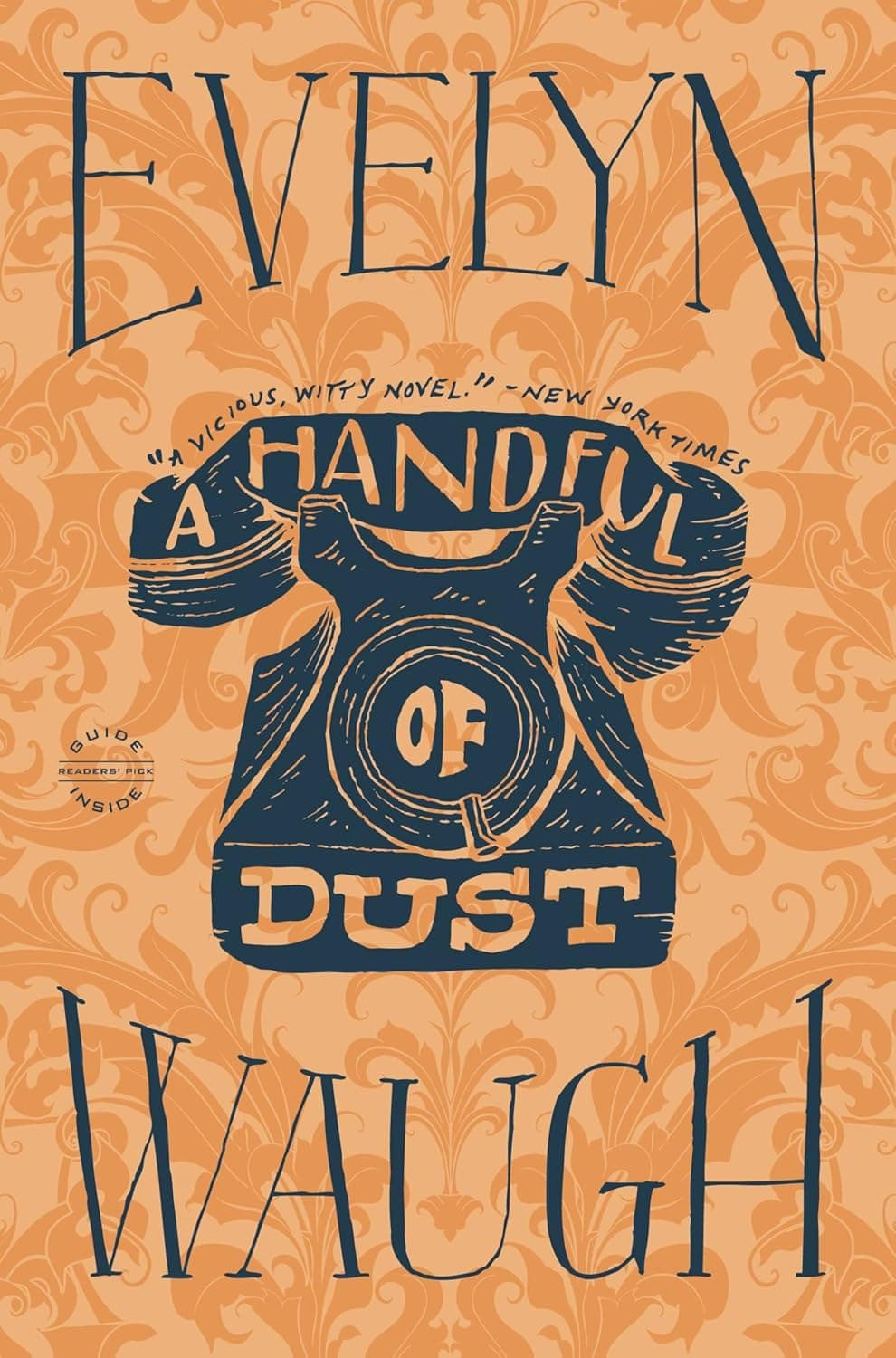
Tony Last loves his ugly Gothic house and believes his wife Brenda is content. Waugh gives her a dull London lover, kills the thing Tony cannot lose, and strands him far from England.
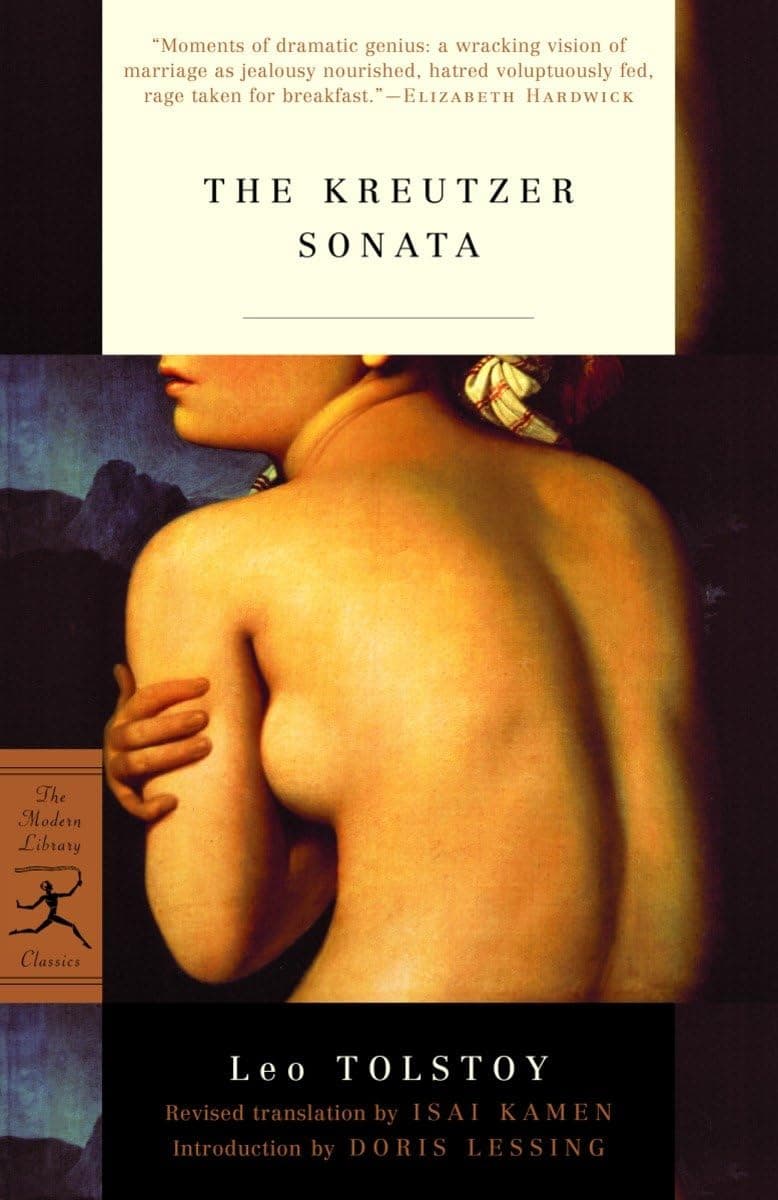
On a night train, a man tells strangers how he came to kill his wife, then turns the confession into an assault on marriage and desire itself. Russia's censors suppressed it.
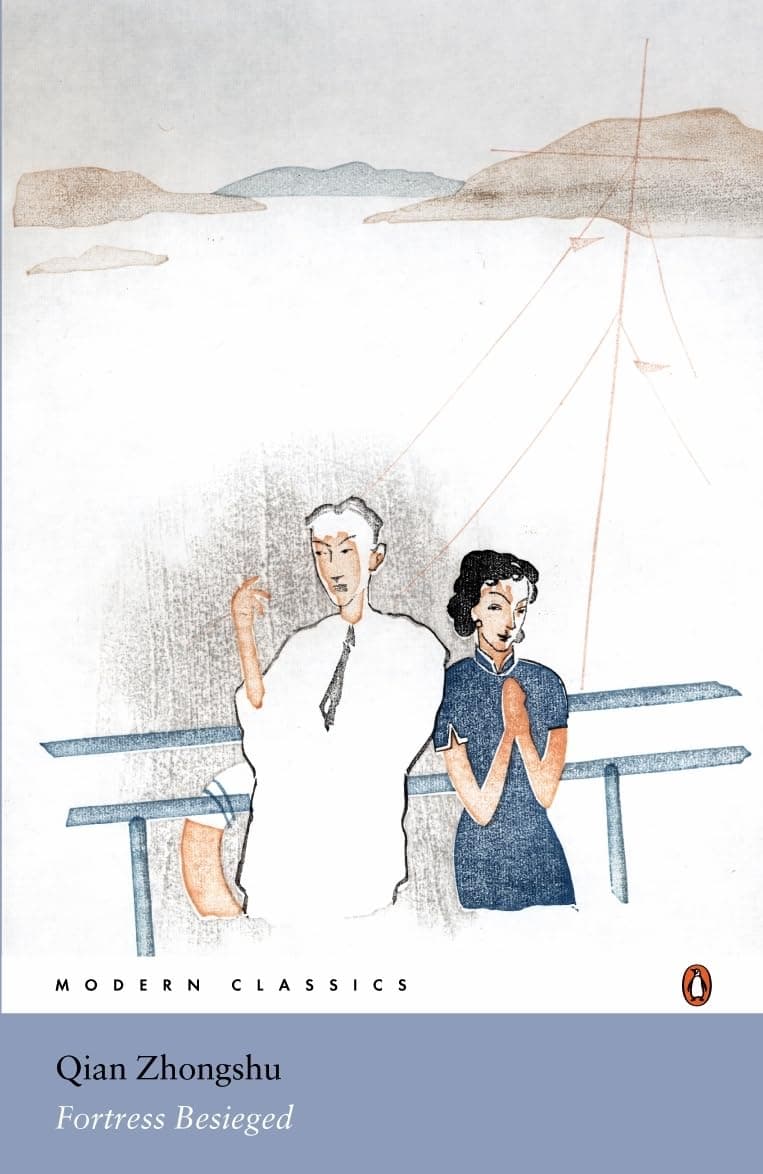
Fang Hongjian returns to wartime China with a mail-order diploma and no plan. Qian gave Chinese its image of the besieged life: those outside the fortress want in, those inside want out.
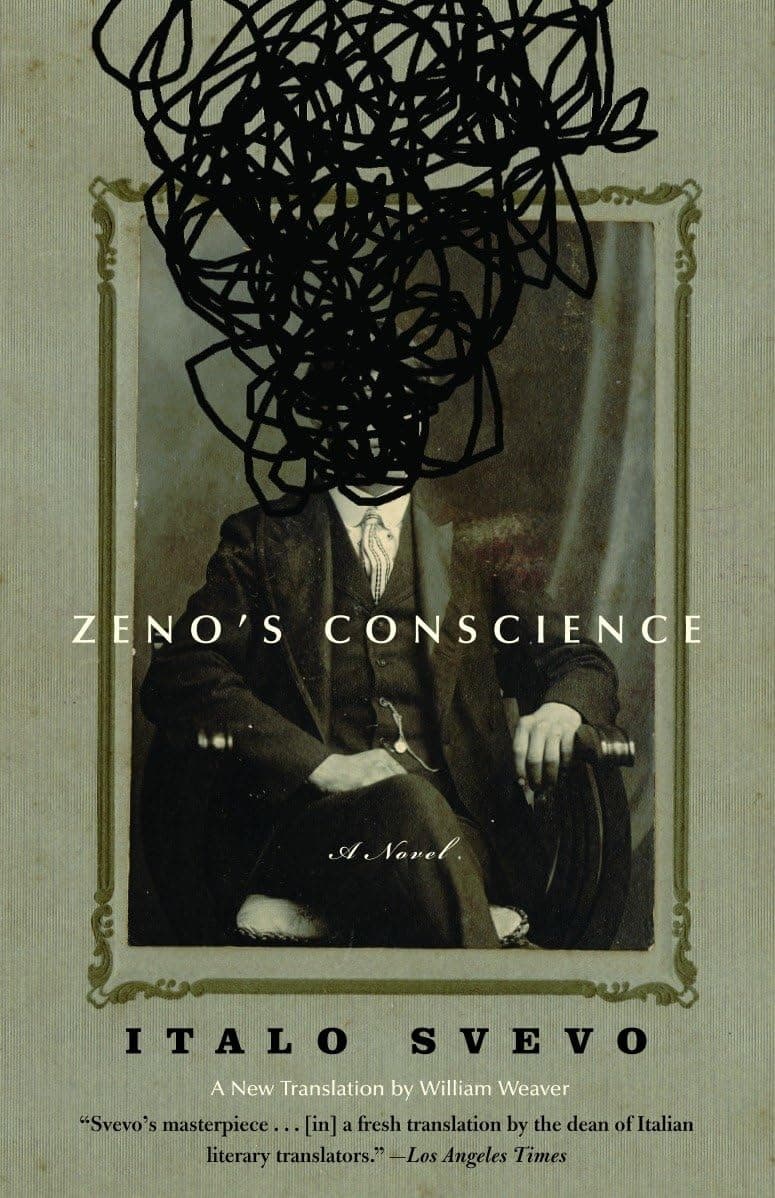
Zeno quits smoking constantly and never quits. Told by his analyst to write his life, he sets down a marriage begun by proposing to three sisters in one evening, and lies gorgeously throughout.
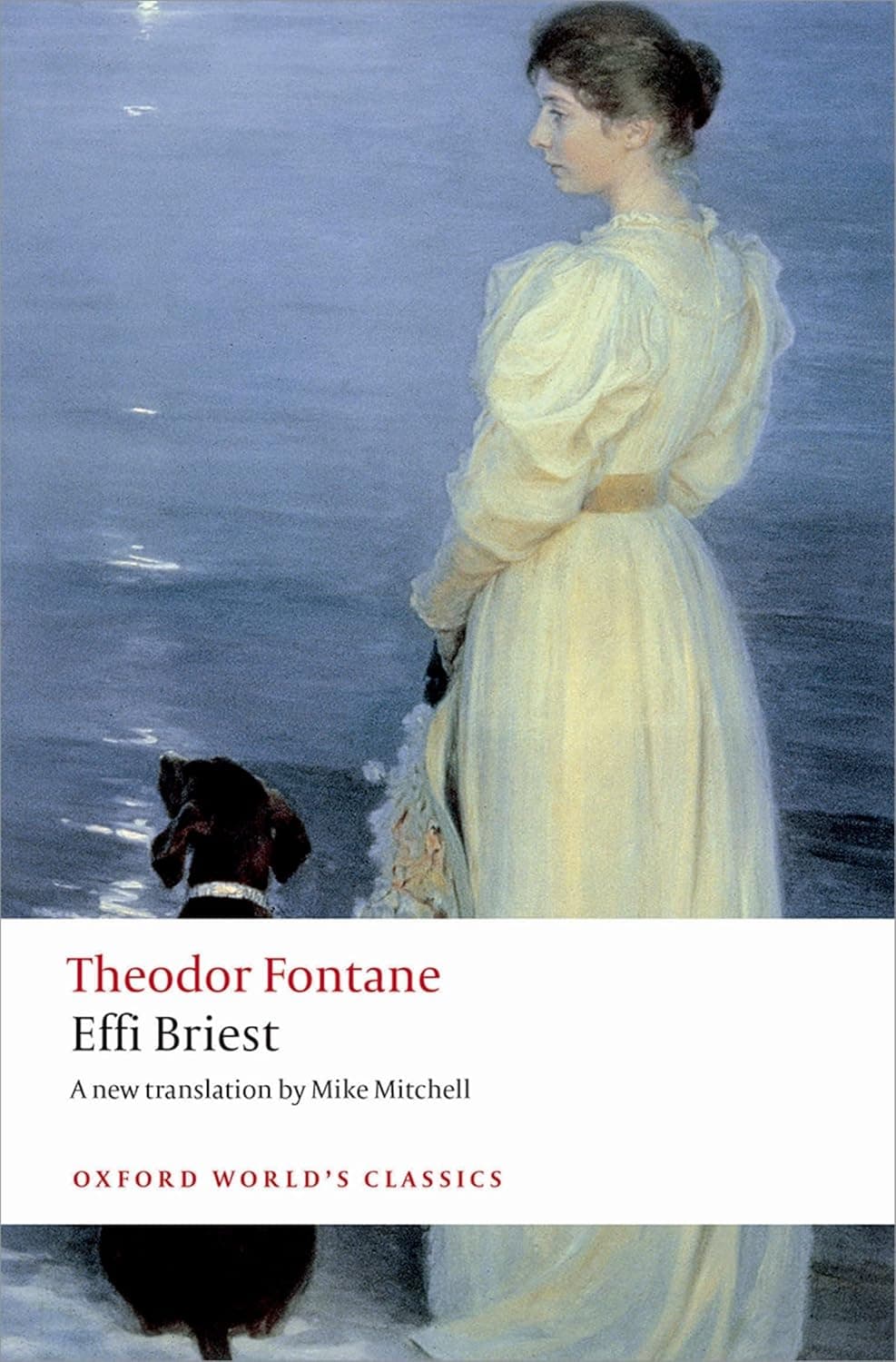
Married at seventeen to a baron of thirty-eight who once courted her mother, Effi is stranded in a bleak Baltic town. Fontane lets a code nobody believes in destroy her anyway.

Helen Graham bolts her bedroom door against a drunk husband, takes her son, and lives by selling paintings. Victorian reviewers called it coarse and unfit to put in a girl's hands.

Bai Liusu, a divorcee her Shanghai family treats as a disgrace, follows a rich bachelor to Hong Kong. Chang writes their courtship as cold accounting until the Japanese bombardment reaches the city.

Harry Angstrom peaked at eighteen on a basketball court and now demonstrates kitchen gadgets. He leaves his pregnant wife and drives south. Updike gave the American suburb prose nobody thought it deserved.
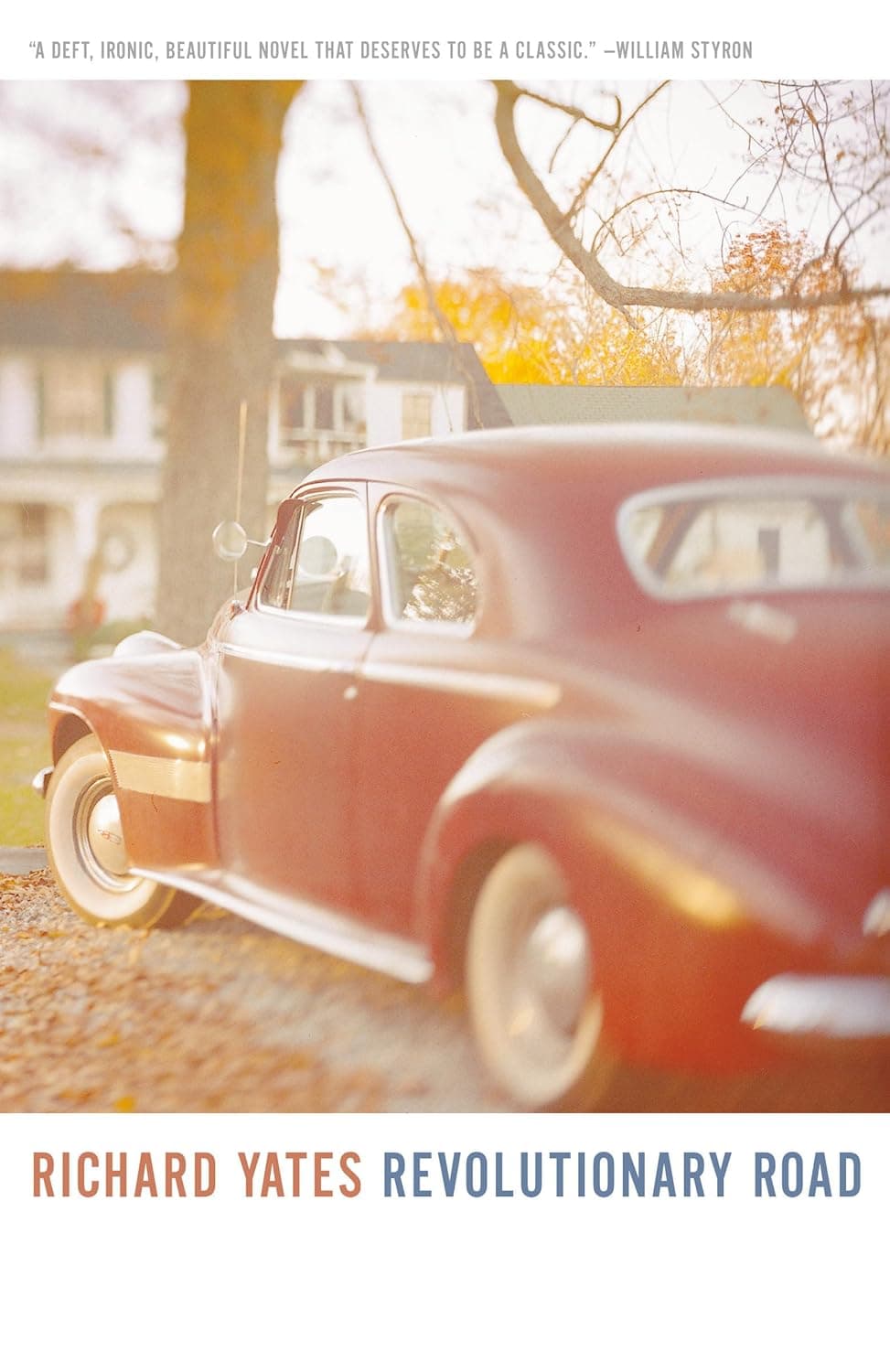
Frank and April Wheeler tell themselves they are too fine for Connecticut and plan an escape to Paris. Yates tracks every evasion and self-flattering lie until the marriage has nothing underneath it.
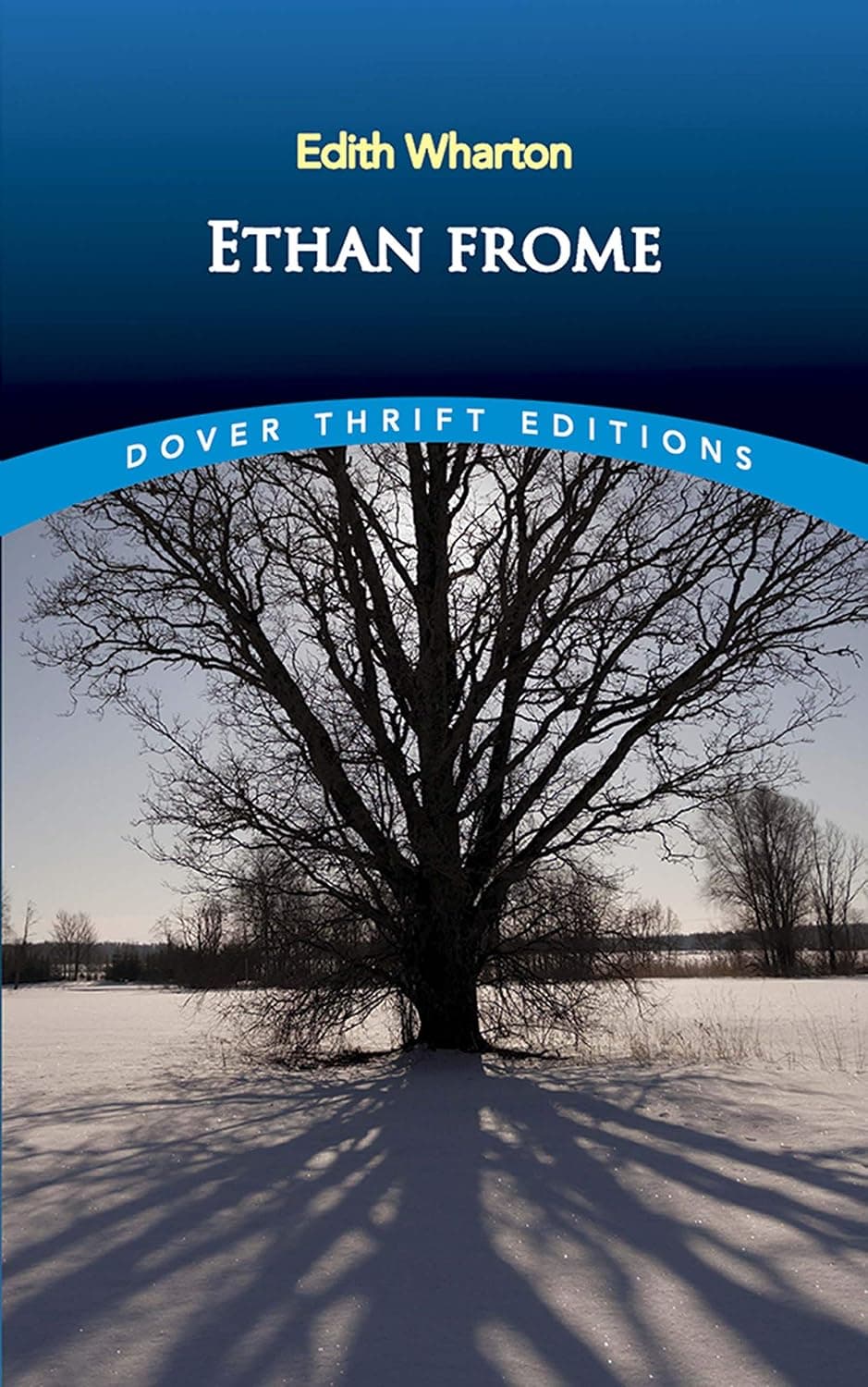
Snowbound on a failing Massachusetts farm, Ethan Frome works beside a wife who is perpetually ill and the young cousin he has fallen for. Wharton makes poverty and duty feel like weather.
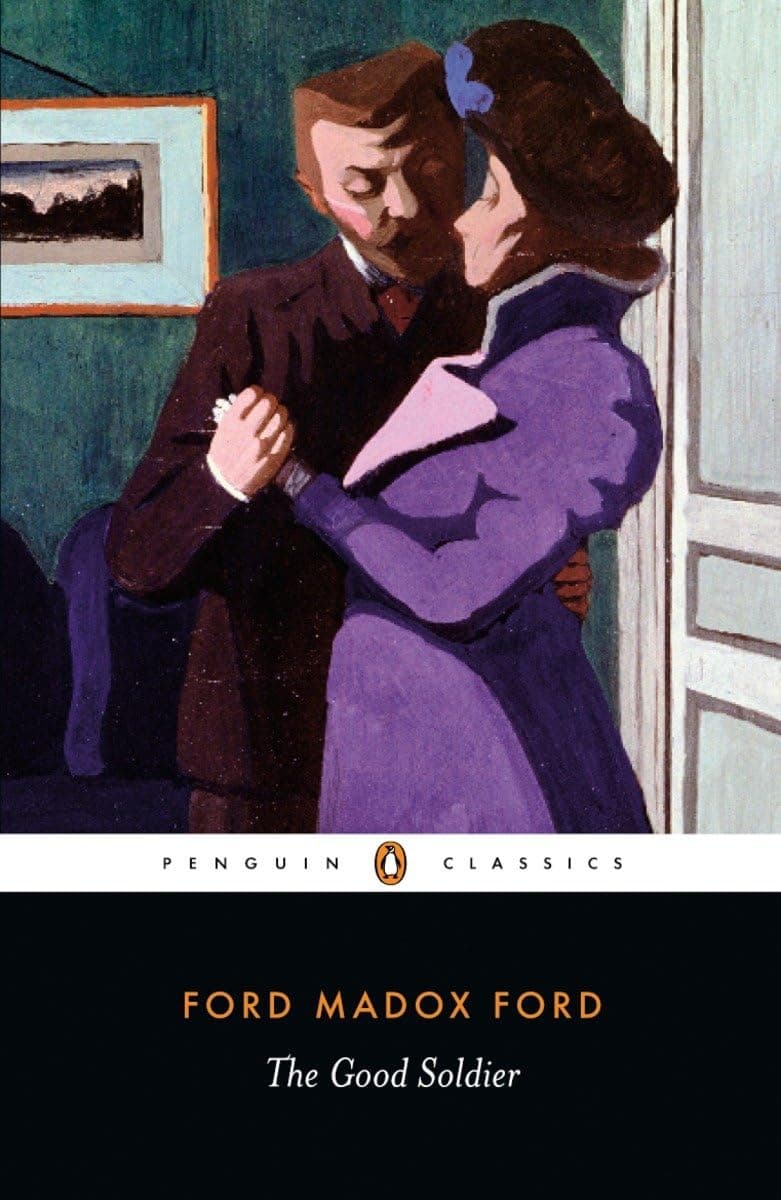
This is the saddest story I have ever heard, an American begins, then tells it out of order, circling two couples whose friendship at a German spa hid adultery, debt, and ruin.
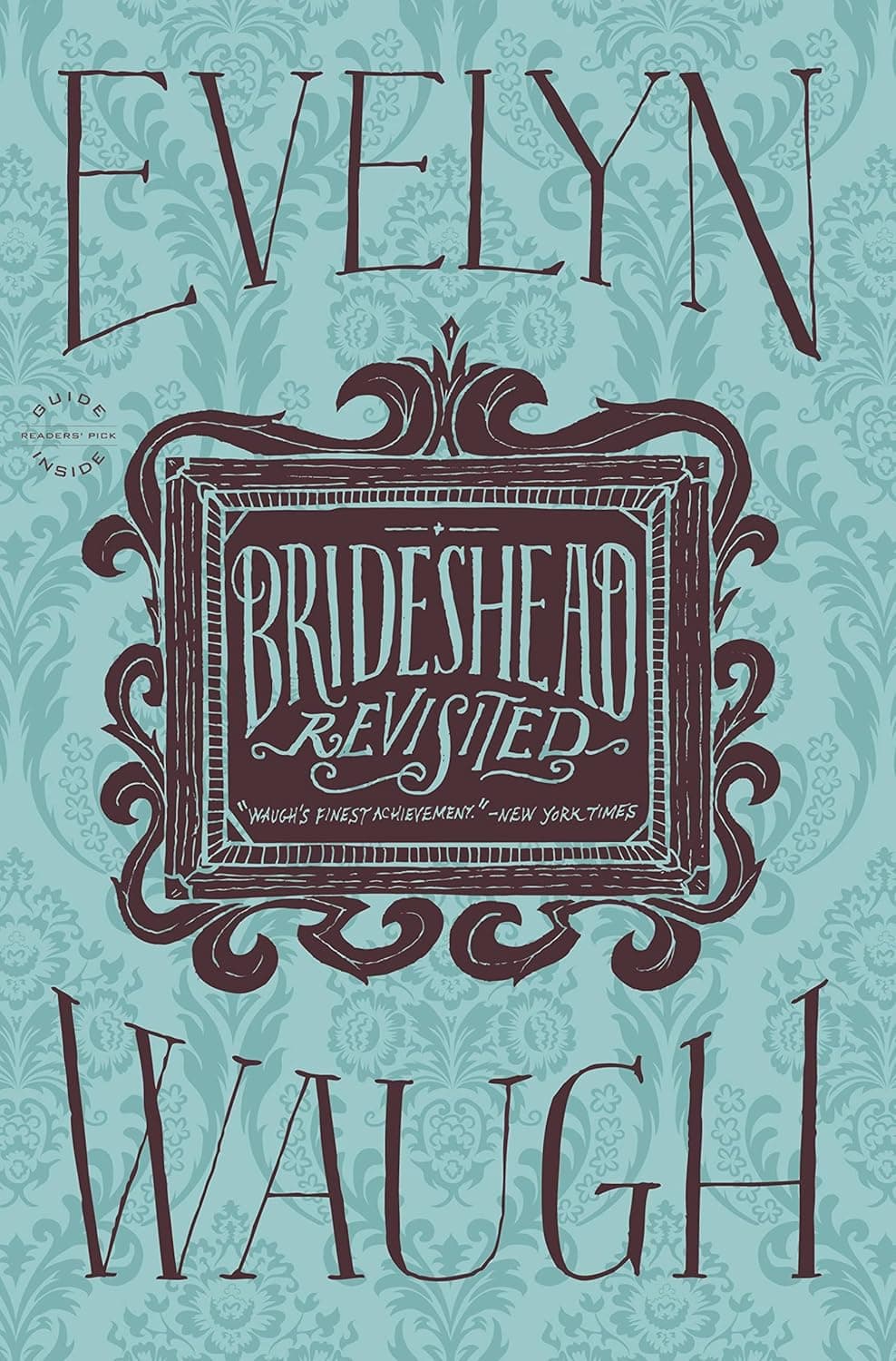
Charles Ryder, an officer billeted at a requisitioned country house, remembers the Catholic family who owned it: the ruined son he loved at Oxford, the sister he wanted later, and grace closing in.
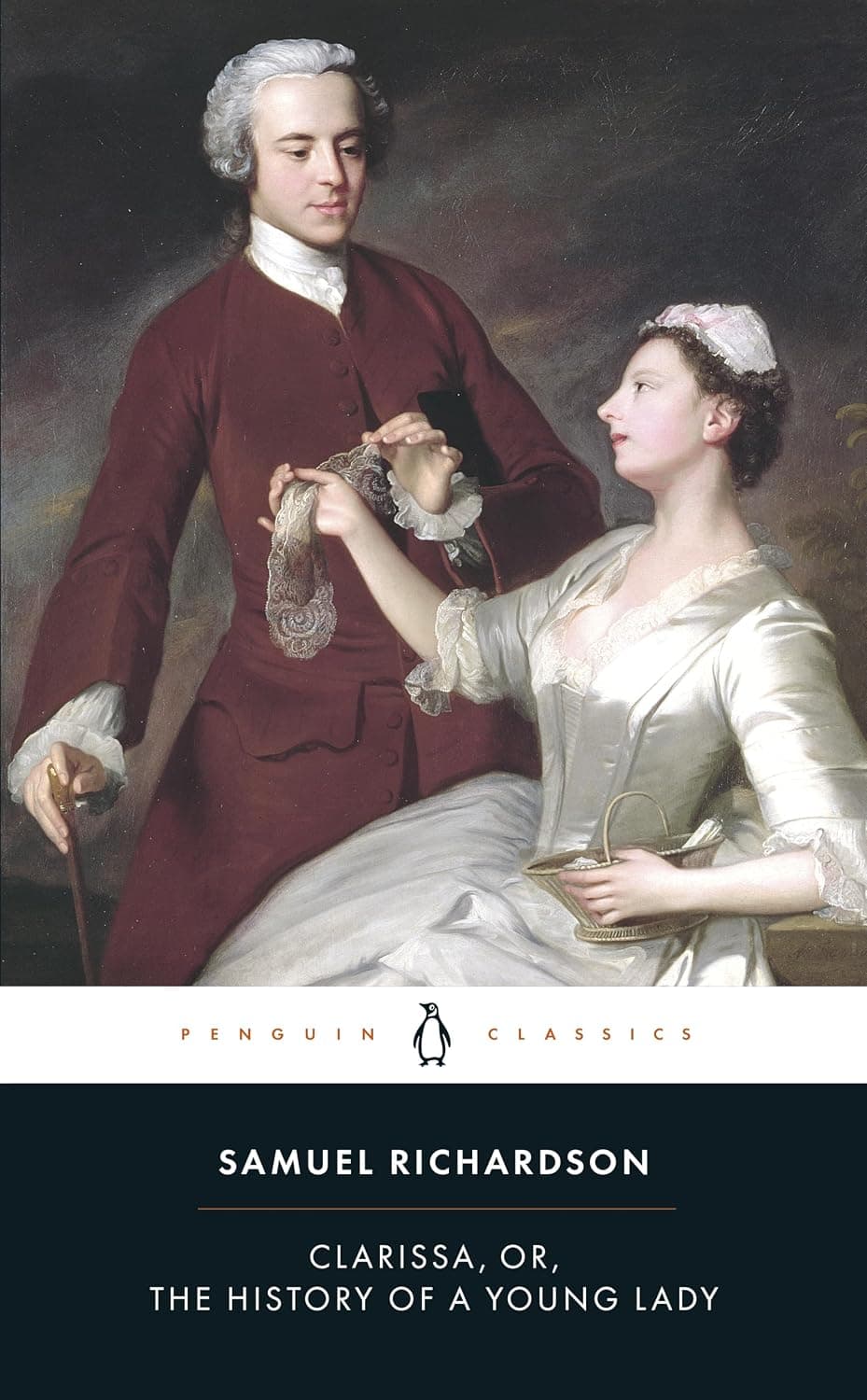
Clarissa refuses the suitor her family has chosen, and a charming predator named Lovelace offers to rescue her. Told entirely in letters, it puts you inside both minds while the dread builds.
Beatrice and Benedick insult each other so expertly that their friends trick each into believing the other is secretly in love. Their war of words gave English comedy its model for courtship.

Banished from court, Rosalind hides in the Forest of Arden in men's clothes and coaches the man she loves in how to court her. She talks rings around everyone in Shakespeare.
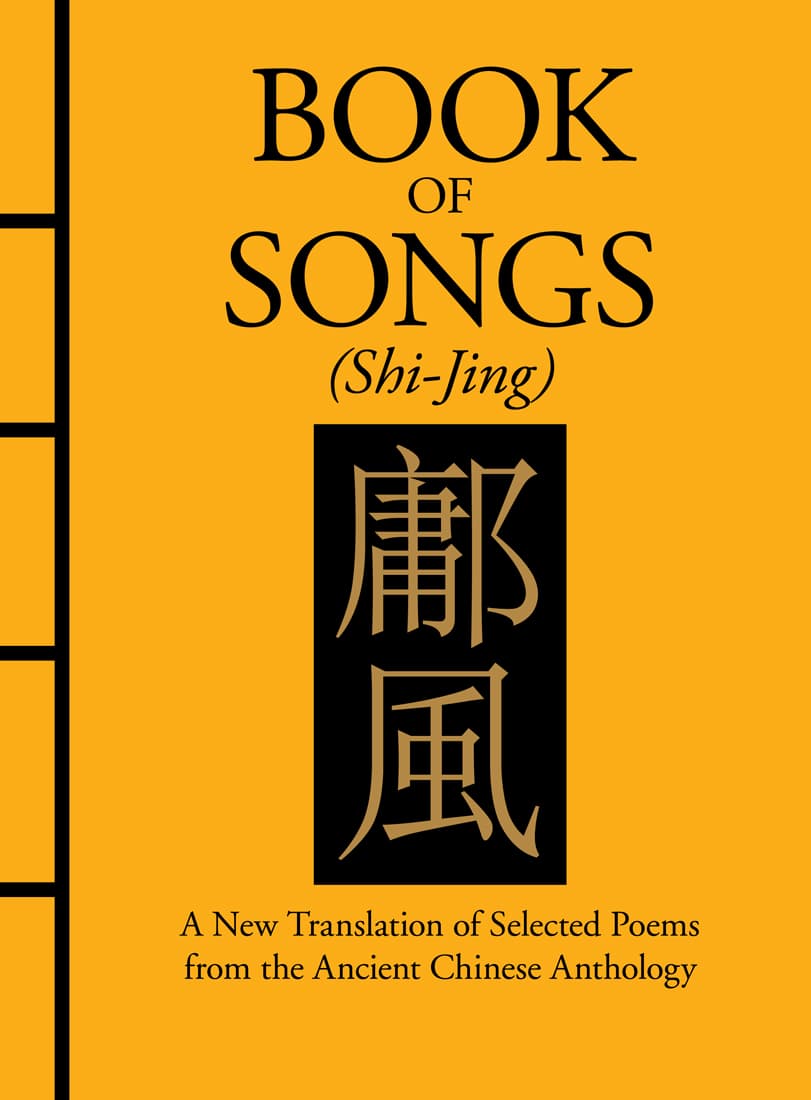
Three hundred and five songs from ancient China about courtship, harvest, soldiers on campaign, and bad government. Confucius taught from them, and every Chinese poet since has written with them in earshot.

Newland Archer, engaged to the right New York girl, falls for her cousin the Countess Olenska, back from a ruinous European marriage. Old New York moves against them without ever raising its voice.

Nothing in fiction gets nearer to dying. Ivan Ilyich knocks his side hanging a curtain, and his family and his doctors keep up the pretense while a peasant servant tells the truth.

Four Athenians run into the woods to escape a forced marriage, a fairy potion lands on the wrong eyelids, and a weaver acquires a donkey's head. Shakespeare makes desire look gloriously stupid.
Munro set her stories in Ontario towns where a woman's life can turn on something said at a kitchen table. She fits more into forty pages than most novelists get into a novel.
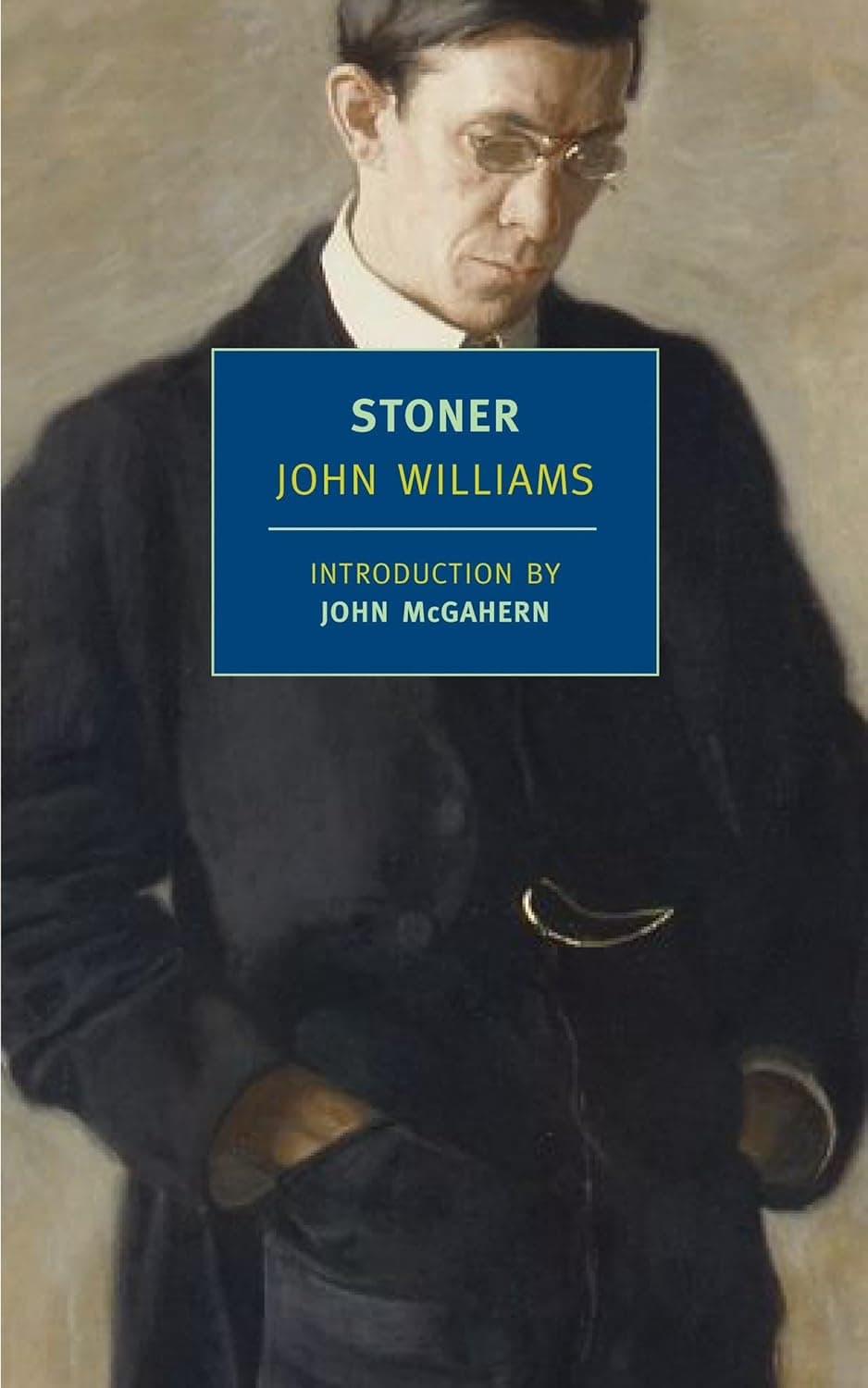
Sent to study agriculture, a Missouri farm boy falls for English literature instead and never leaves the university. Williams makes an unremarkable life, badly used by everyone in it, hold you completely.
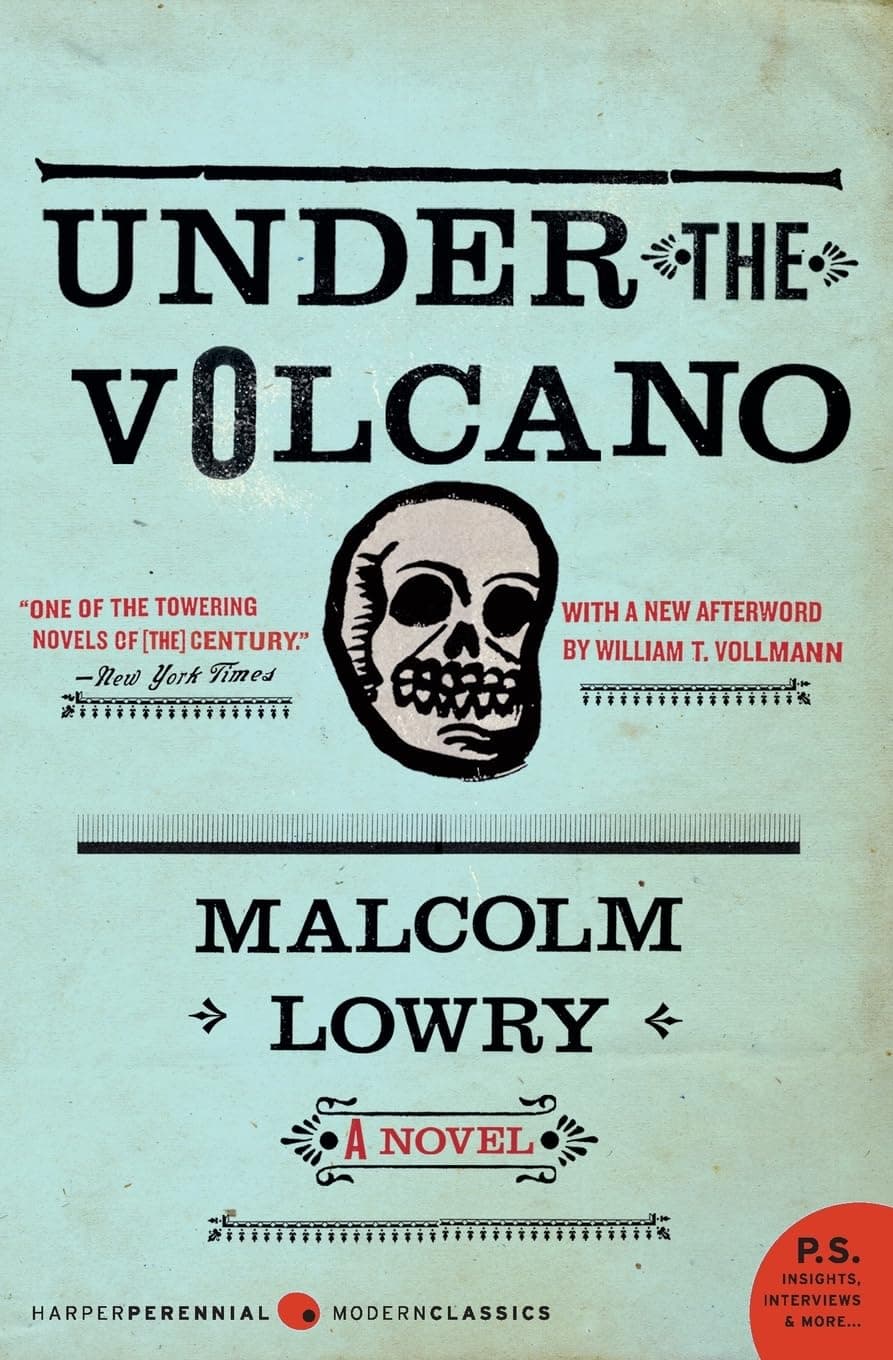
Drinking himself to death in Mexico, a British ex-consul is visited by the wife who left him. Lowry gives them one Day of the Dead, written from inside the bottle.

Janie comes home to a Black town in Florida and tells a friend about her three marriages and how she found her own voice. Hurston writes porch talk exactly as it sounded.

Wilde gives two idle men imaginary people, a wicked brother and an invalid friend, to escape their obligations, then sets them courting women who will marry no one but a man named Ernest.
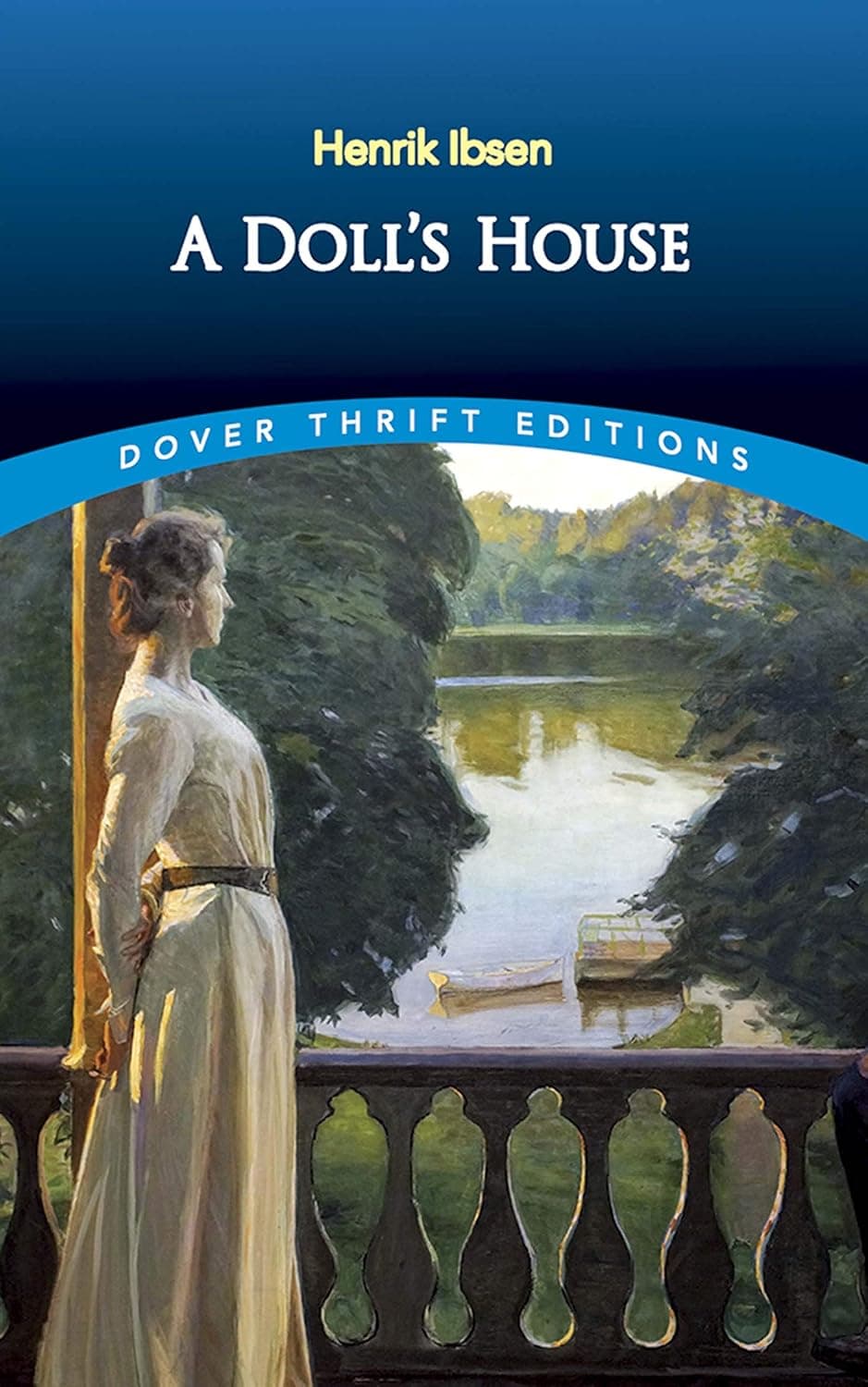
Nora Helmer forged a signature to save her husband's life and has been paying the debt in secret ever since. The play ends on a closing door that modern theater still hears.

Prince Myshkin returns to Russia from a Swiss clinic, epileptic and incapable of guile, and Petersburg cannot decide whether to adore him or use him. The world takes a genuinely good man apart.

Tess, a poor farm girl, is sent to claim kinship with rich relatives, and what happens there decides the rest of her life. Hardy called her a pure woman and Victorian England erupted.

Isabel Archer, an American with opinions and a sudden fortune, turns down good proposals and marries badly in Italy. James stays so close inside her mind that her mistakes feel like your own.
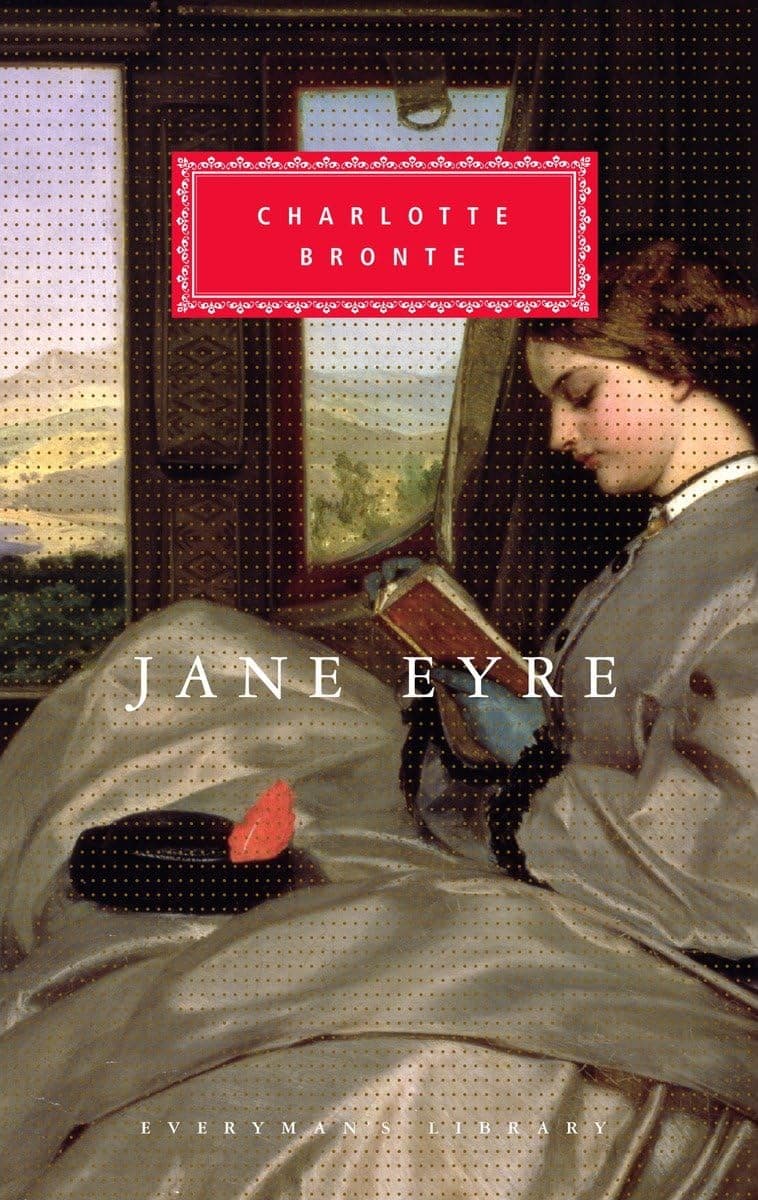
English fiction found its first fierce female voice in Jane, plain and poor and conceding nothing. She survives a brutal charity school, becomes a governess, and loves an employer with a secret.