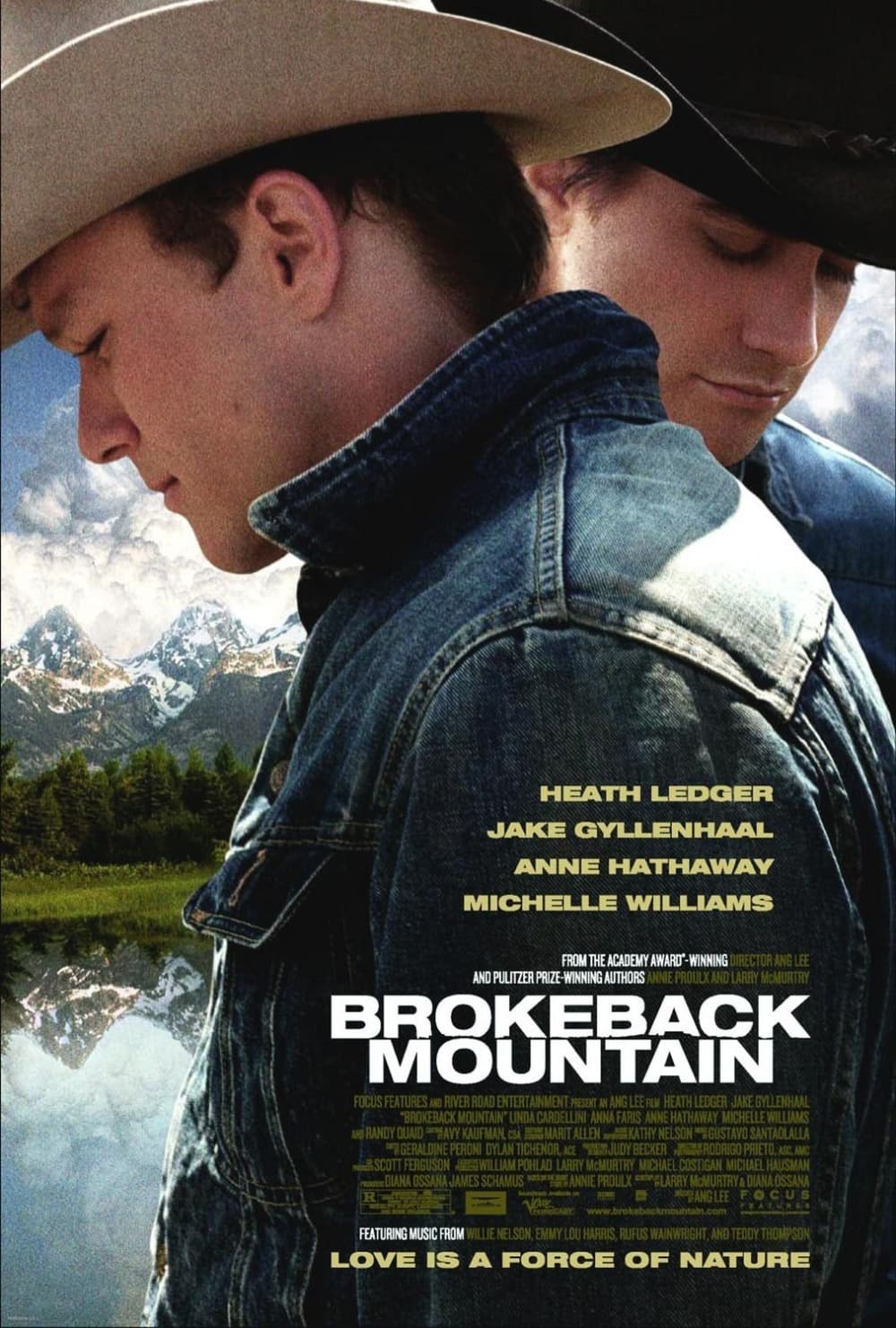
Brokeback Mountain
Directed by Ang Lee
2005
It changed what a mainstream American film could be about: Lee filmed twenty years of two men unable to say what they are, almost entirely in silence.
★ 7.7
 skopia
It changed what a mainstream American film could be about: Lee filmed twenty years of two men unable to say what they are, almost entirely in silence.
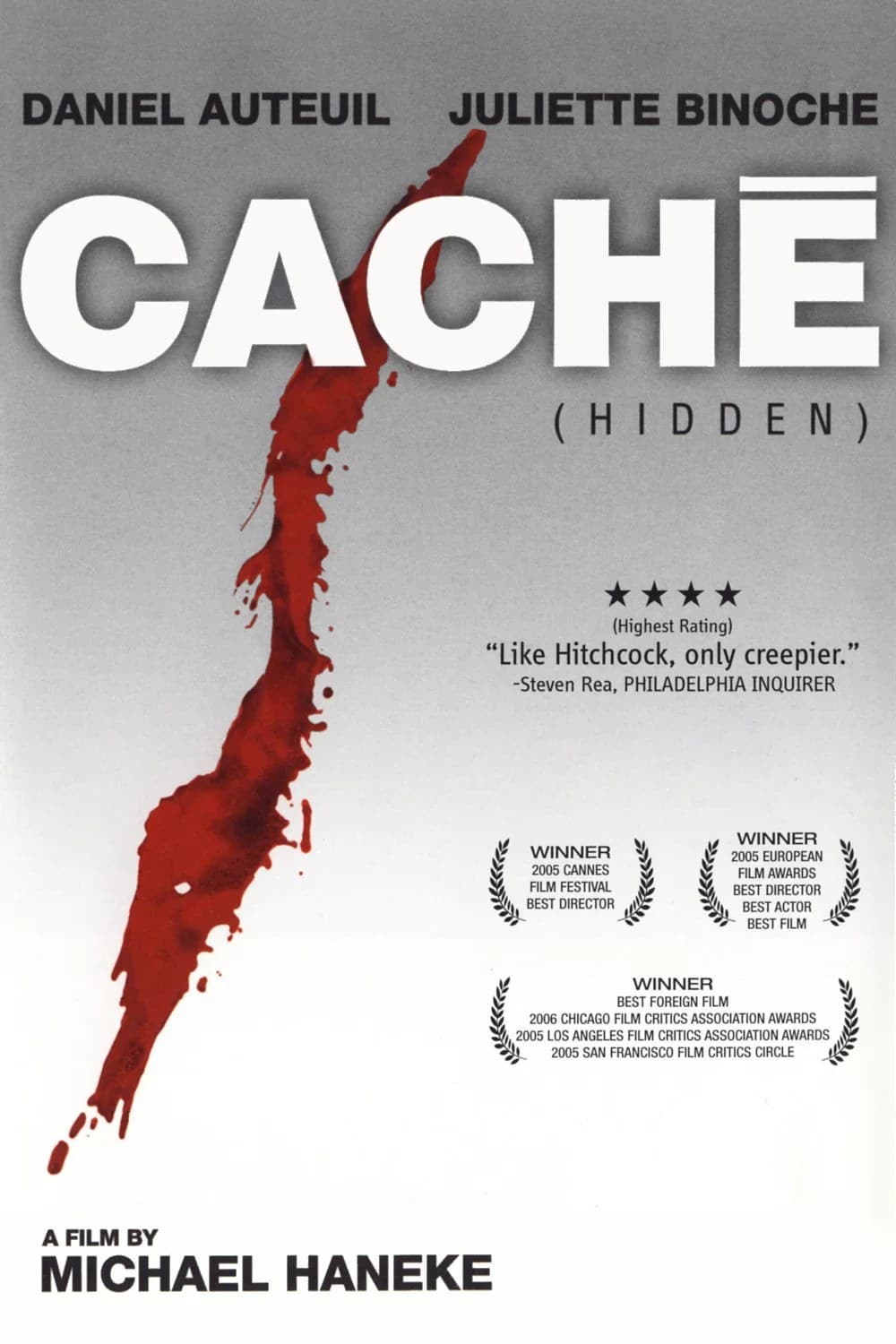
The most quietly frightening film anyone has made about guilt: videotapes of a family's own front door start arriving, and Haneke cares far more about what nobody says.
Foxx sang the Ray Charles hook fresh from his Oscar for playing him, and it held number one ten weeks.
Cee-Lo cut the vocal in one take over a 1968 spaghetti western sample. Nine weeks at UK number one.
Maseo's cackle, Danger Mouse at the desk, and a song Albarn dreamed up driving past California windmills toward Coachella.
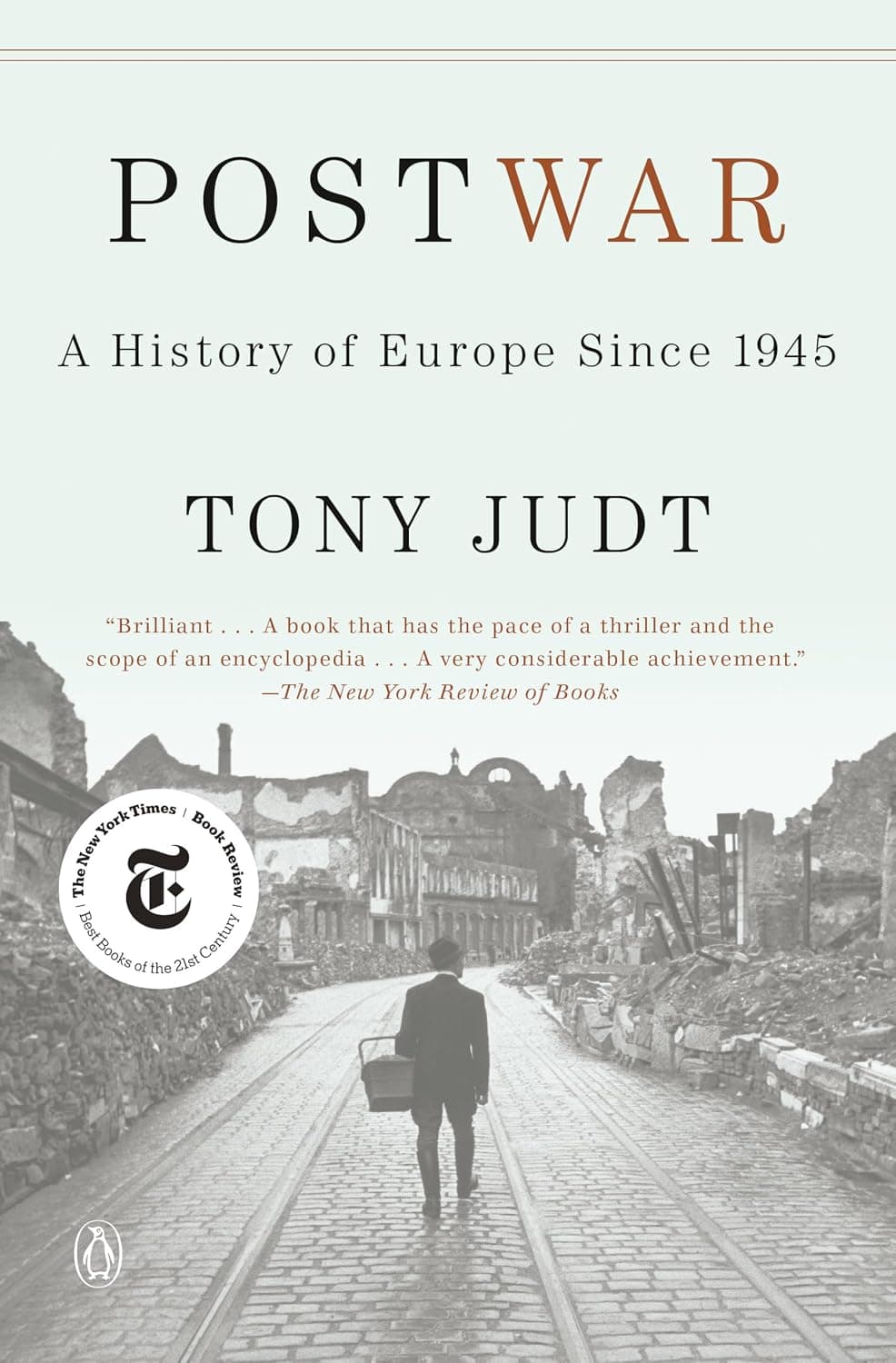
Judt carries Europe from the rubble of 1945 to 2005, east and west in one story, showing a continent that rebuilt itself by forgetting the war and then defined itself by remembering it.
A wordless chorus half of indie rock then copied, and Bowie sang it onstage with the band in 2005.
Fourteen weeks at number one, two soul interpolations underneath, and Carey singing softly rather than belting.
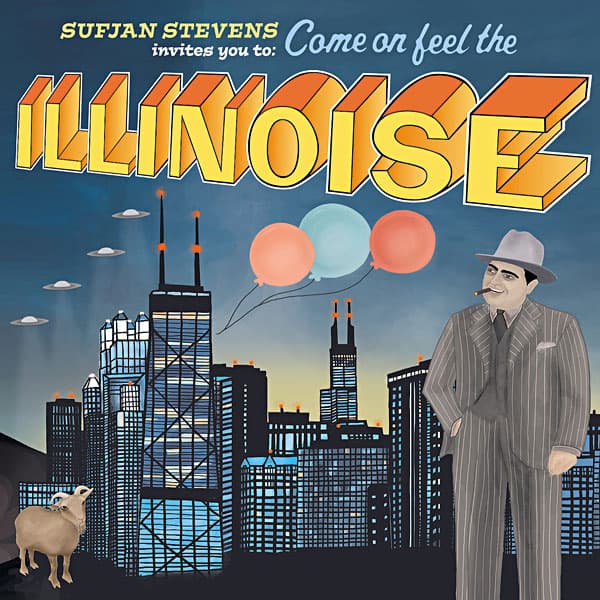
Stevens announced he would make one of these for all fifty states, then made two and stopped. One song is about John Wayne Gacy.
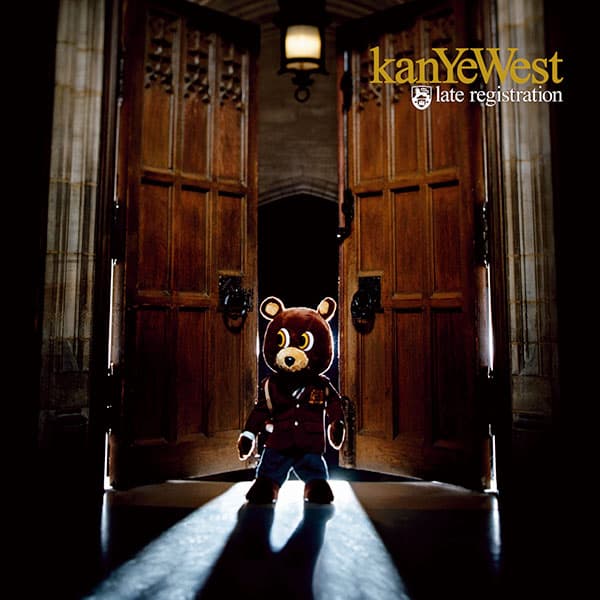
Kanye brought in Jon Brion, a film composer who had never worked on a rap record, and put a string section behind everything.

The hemisphere Columbus reached held cities larger than Paris, an Amazon farmed into orchard, and forests burned into pasture on purpose. What later settlers took for wilderness was a continent emptied by epidemics.
Sleigh bells, trumpets and a choir stacked into one crescendo, and Stevens cut five different versions of it.
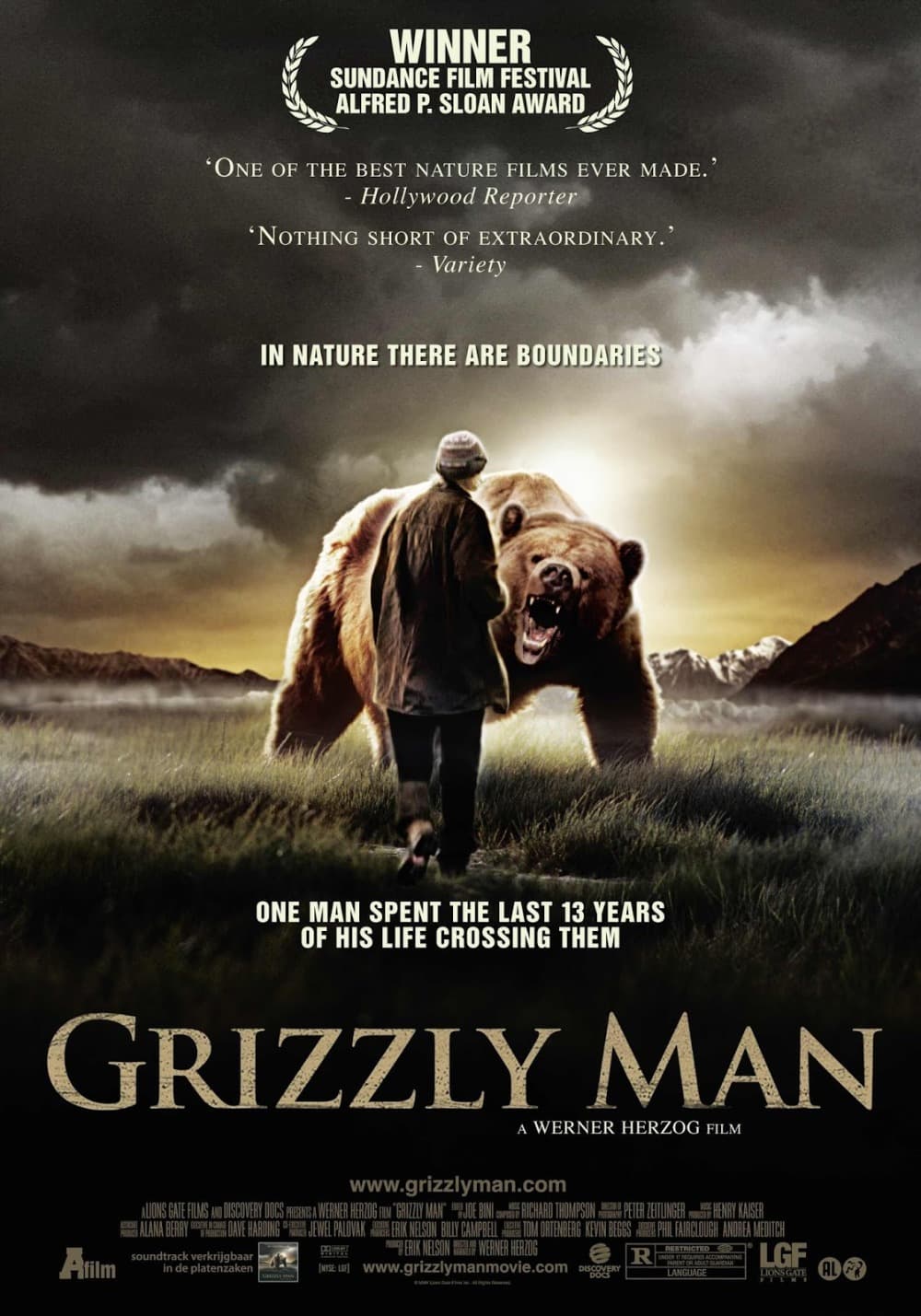
A hundred hours of video shot by a man who camped among Alaskan grizzlies, edited by Werner Herzog, who disagrees with him completely: two views of nature, arguing across the cut.
An Ini Kamoze sample under it, Stephen Marley at the desk, and verses answering the postcard version of Jamaica.
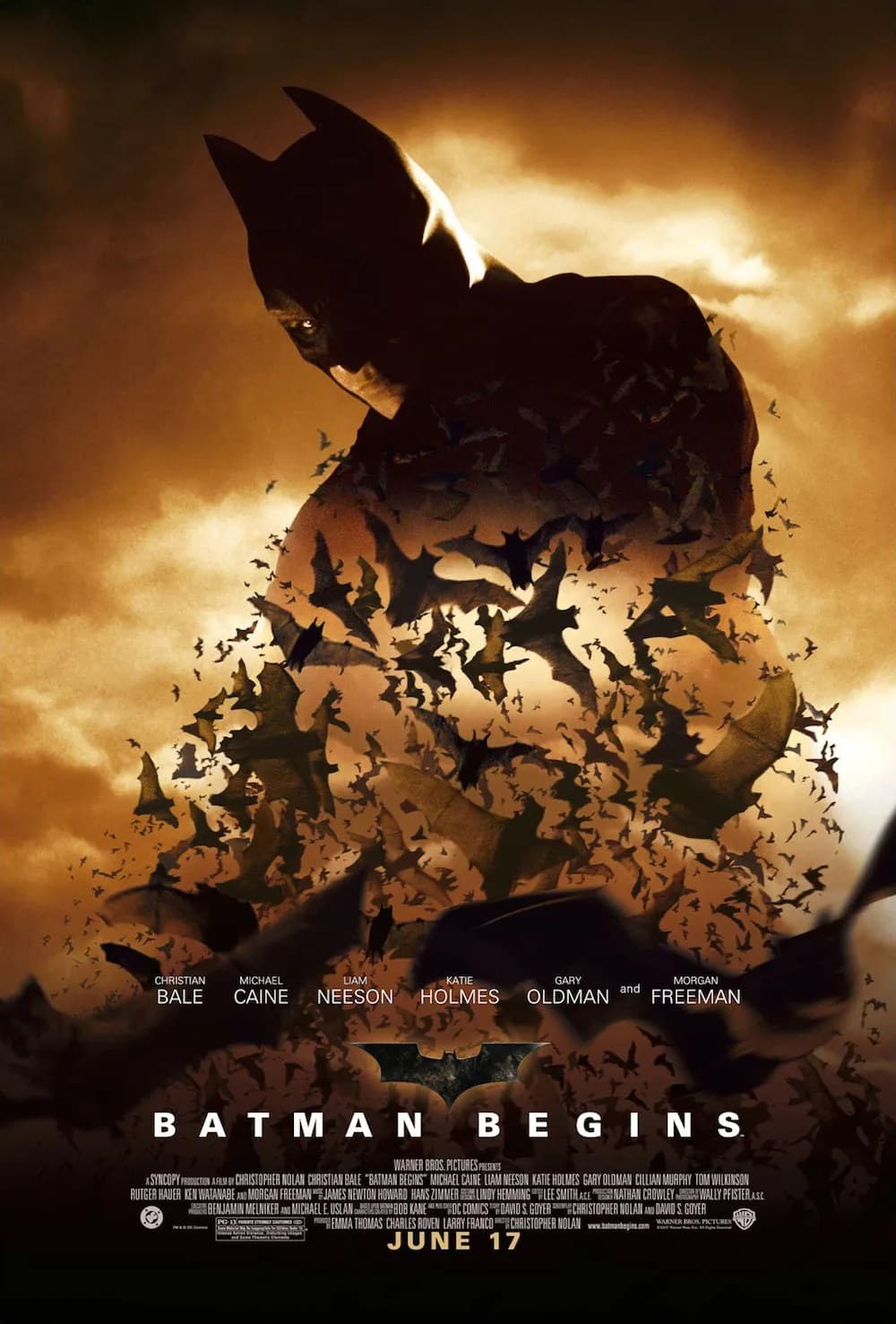
Serious superhero films begin here: Nolan built the car for real, kept Gotham plausible, and treated a man in a bat costume as a psychological problem rather than a joke.
Cool and Dre's Trammps flip earned two Grammy nominations and stalled at two, blocked by 50 Cent's own 'Candy Shop'.
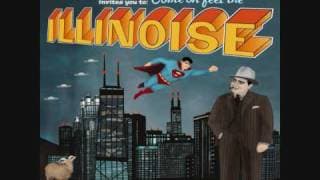
Four guitar chords never change while Stevens sings a Bible study, a friend's death, and a question for God.
Daniel wrote it late for Gimme Fiction, cut it first, and sang in a Prince falsetto over Eno's hi-hat.

Gaddis lays the war's origins at Stalin's door, shows how nuclear terror kept the peace it threatened, and treats the outcome as a moral verdict. Forty-five years of standoff in one commanding volume.
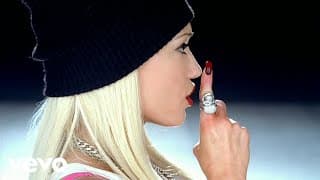
Courtney Love called her a cheerleader, so Stefani and the Neptunes built the taunt into pop's first million-selling download.

How do you go about finding a thing whose nature is unknown to you? Solnit carries that question from Plato into deserts, ruins, and the blue of distance, making lostness a discipline.
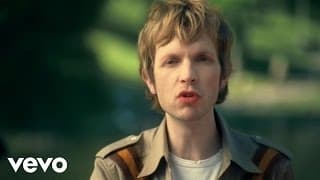
Thirteen seconds of chiptune open it, and the Dust Brothers built the rest around Beck jamming acoustic guitar.
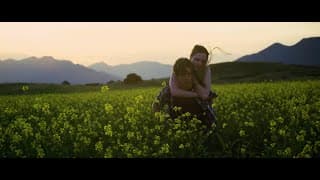
Armstrong's father died in September 1982; by his account the words he said that day waited twenty years.
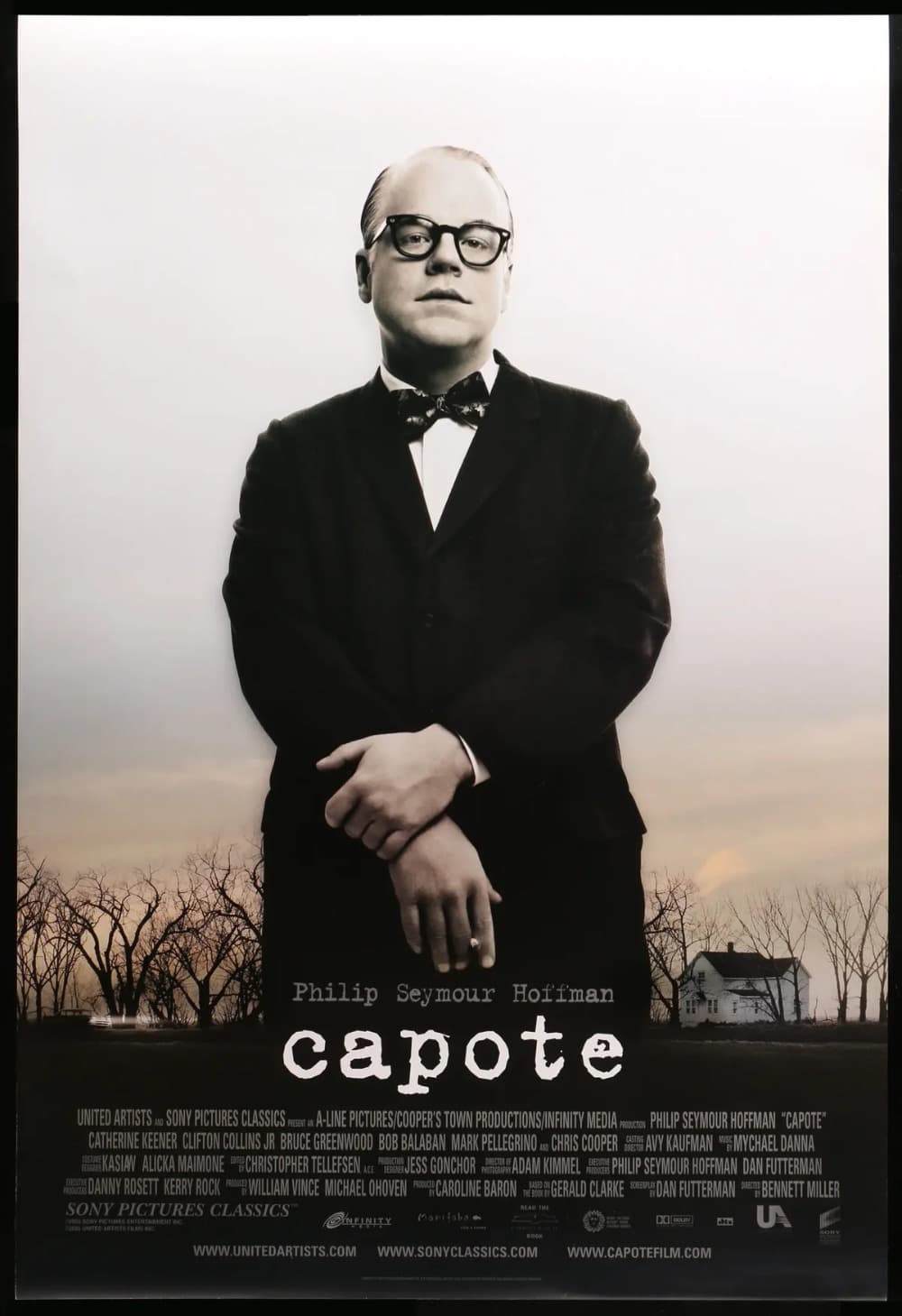
Philip Seymour Hoffman spent months on the voice and it never sounds like an impression: Truman Capote gets the book of his life out of two condemned men, and knows what that costs.
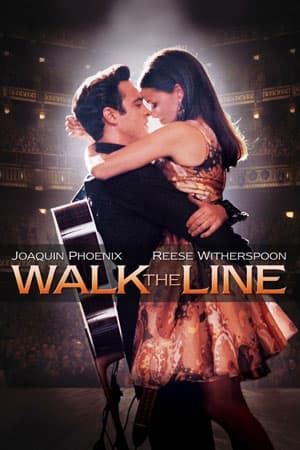
Joaquin Phoenix and Reese Witherspoon sang everything themselves after months of training: Johnny Cash's early years, filmed with the music treated as the argument rather than the soundtrack.
Rohan Fuller's Applause riddim, a Hot 100 number one, and dancehall running American radio through 2006.
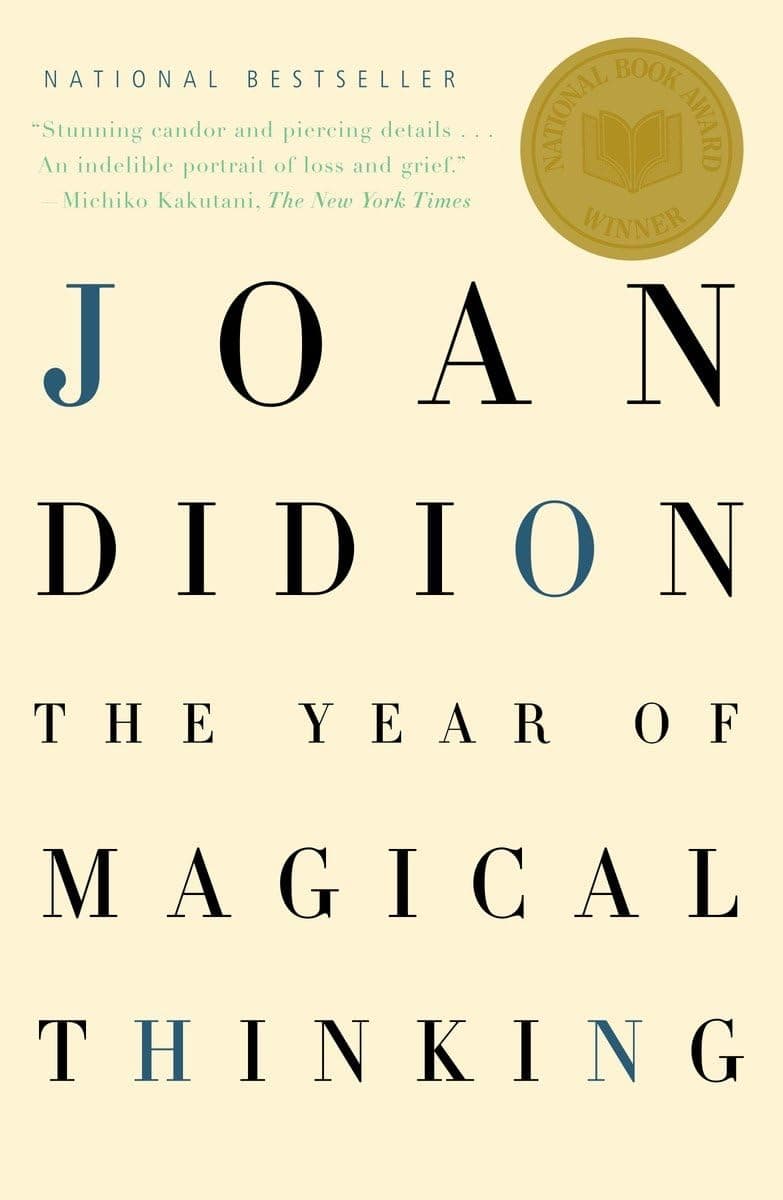
Her husband died at the dinner table while their daughter lay in a coma. Didion turns a reporter's eye on her year of grief and keeps his shoes, because he will need them.
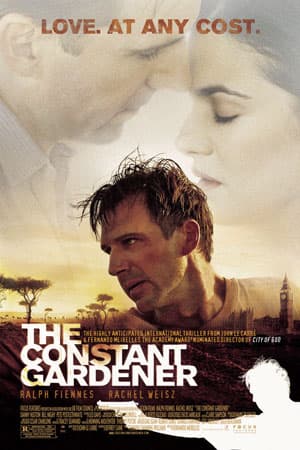
Fernando Meirelles shot Kenya the way he shot Rio, handheld and saturated: a mild British diplomat starts pulling at what his wife was investigating, and Rachel Weisz took the Oscar for playing her.
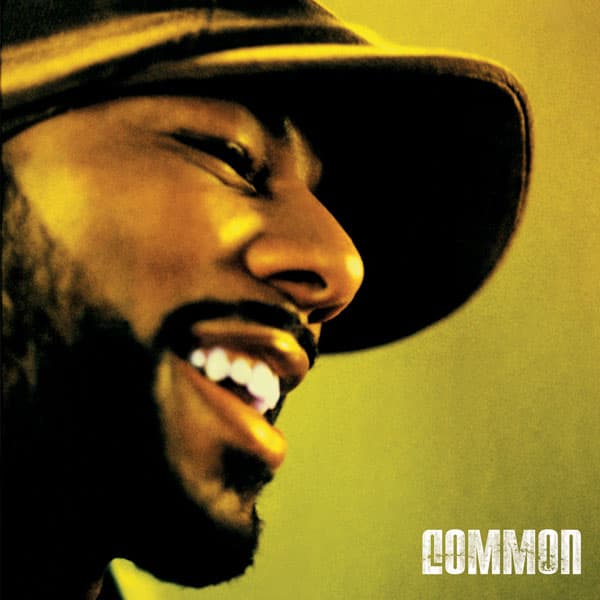
Kanye West produced most of it and J Dilla the rest, and Common's father closes the record talking over the last track.
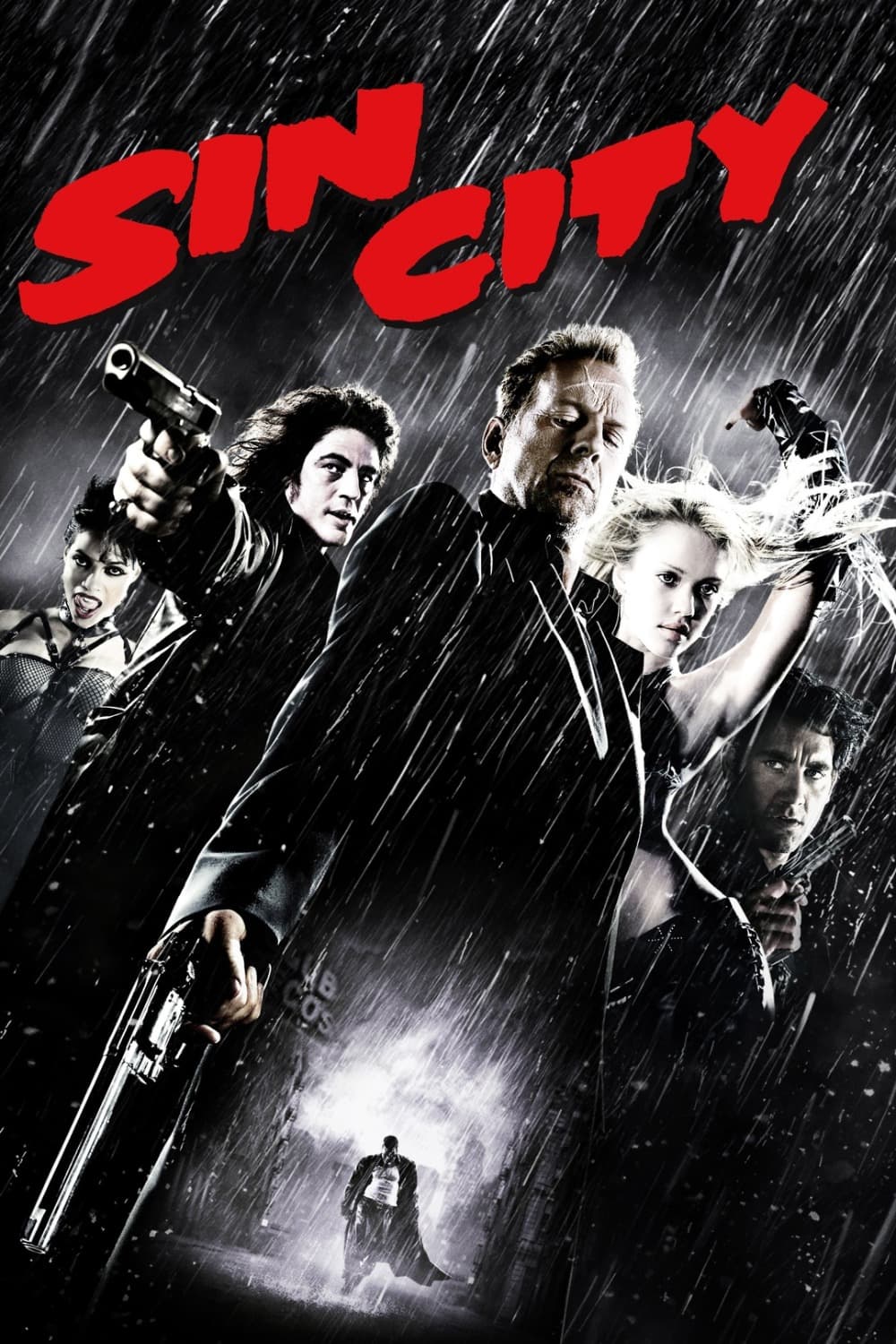
Rodriguez shot the whole thing on green screen and used Frank Miller's comic panels as storyboards: monochrome with single splashes of color, and Miller got a co-director credit for it.