
Inaugural Address of John F. Kennedy · 1961
Browse by time · year
1961
Showing 86 works across all media from 1961
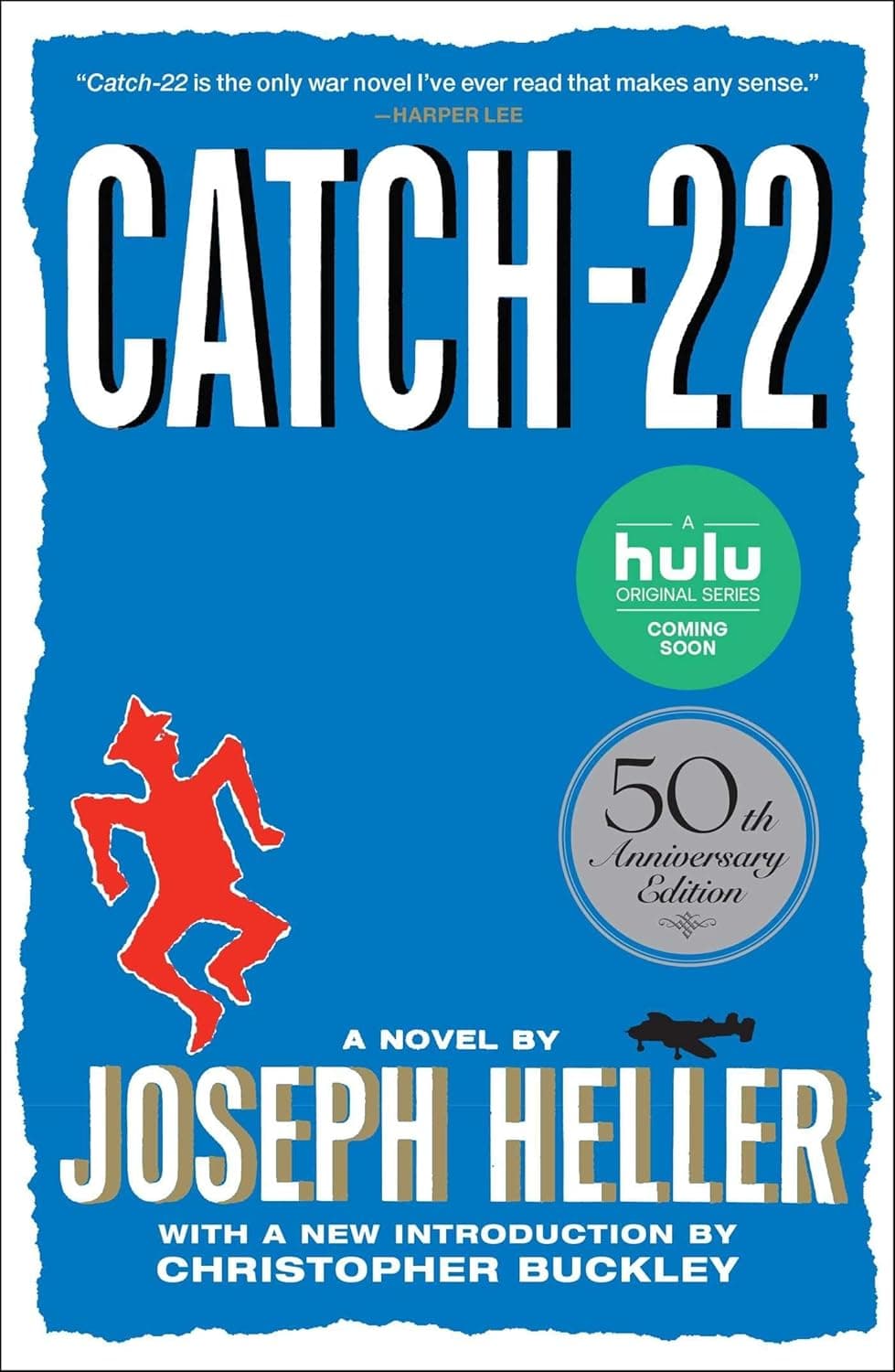
Catch-22
1961 · 524 pages
Trying to get grounded for insanity, a bombardier learns that asking to be grounded proves he is sane. Heller runs that loop through a whole war until the deaths stop being funny.
★ 8.7
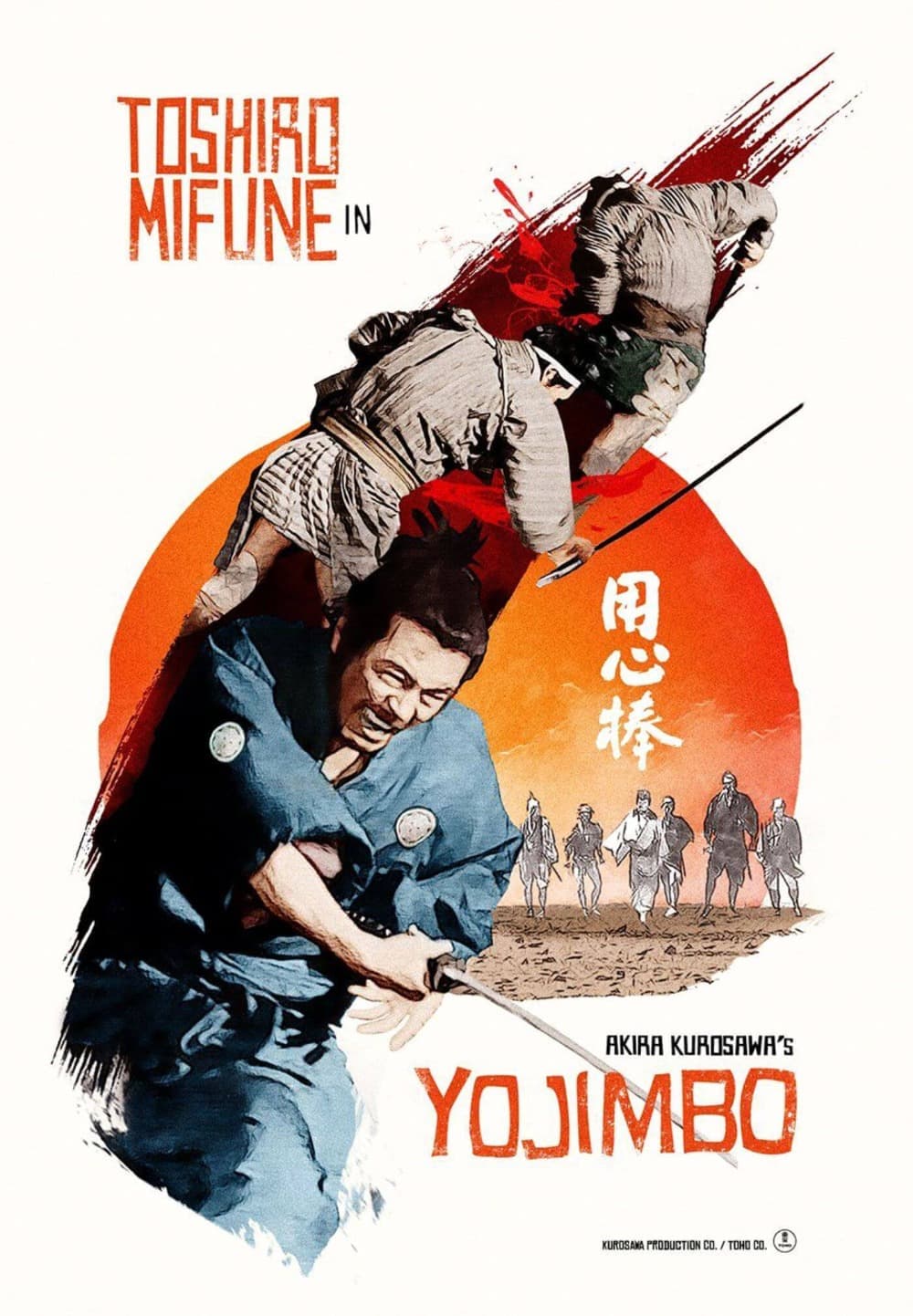
Yojimbo
Directed by Akira Kurosawa
1961 · Japan
Leone took it wholesale for A Fistful of Dollars and Toho forced a settlement out of court: Kurosawa's samurai playing two gangs against each other is the template everyone still uses.
★ 8.4

The Death and Life of Great American Cities
1961 · 458 pages
Jacobs watched her Greenwich Village street and argued that crowded sidewalks, short blocks, and eyes on the street are what keep a city alive. After this, bulldozing a neighborhood stopped looking like progress.
★ 8.3
My Favorite Things
1961 · From My Favorite Things
Coltrane picked up the soprano saxophone Miles gave him and stretched a Rodgers and Hammerstein waltz past thirteen minutes.
★ 8.1

The Wretched of the Earth
1961 · 336 pages
Fanon was a psychiatrist from Martinique who joined the Algerian revolution and died at thirty-six. Colonialism deforms the mind of the colonized, he argues, and violence undoes it. Revolutionaries read him as instructions.
★ 7.9

A House for Mr. Biswas
1961 · 564 pages
Mohun Biswas is born unlucky in rural Trinidad, marries into a large domineering family, and spends his life trying to own a house. Naipaul makes those small defeats as large as any tragedy.
★ 7.8
Hit the Road JackRay Charles
Hit the Road Jack
1961
Percy Mayfield mailed it in as an a cappella demo; Margie Hendrix answers Charles line for line.
★ 7.7
I Fall to Pieces
1961 · From Patsy Cline Showcase
Cline resisted the pop polish until Bradley's arrangement and the Jordanaires handed her a first country number one.
★ 7.7
Can't Help Falling in LoveElvis Presley
Can't Help Falling in Love
1961 · From Blue Hawaii
A 1784 French melody rewritten for Blue Hawaii, and the song Presley chose to close his shows for a decade.
★ 7.7
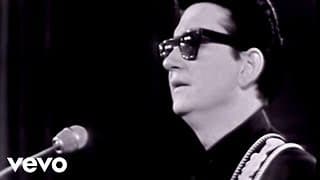
Crying
1961
Cut at RCA Studio B with Floyd Cramer on piano, and Orbison's voice climbing until the room falls away.
★ 7.5
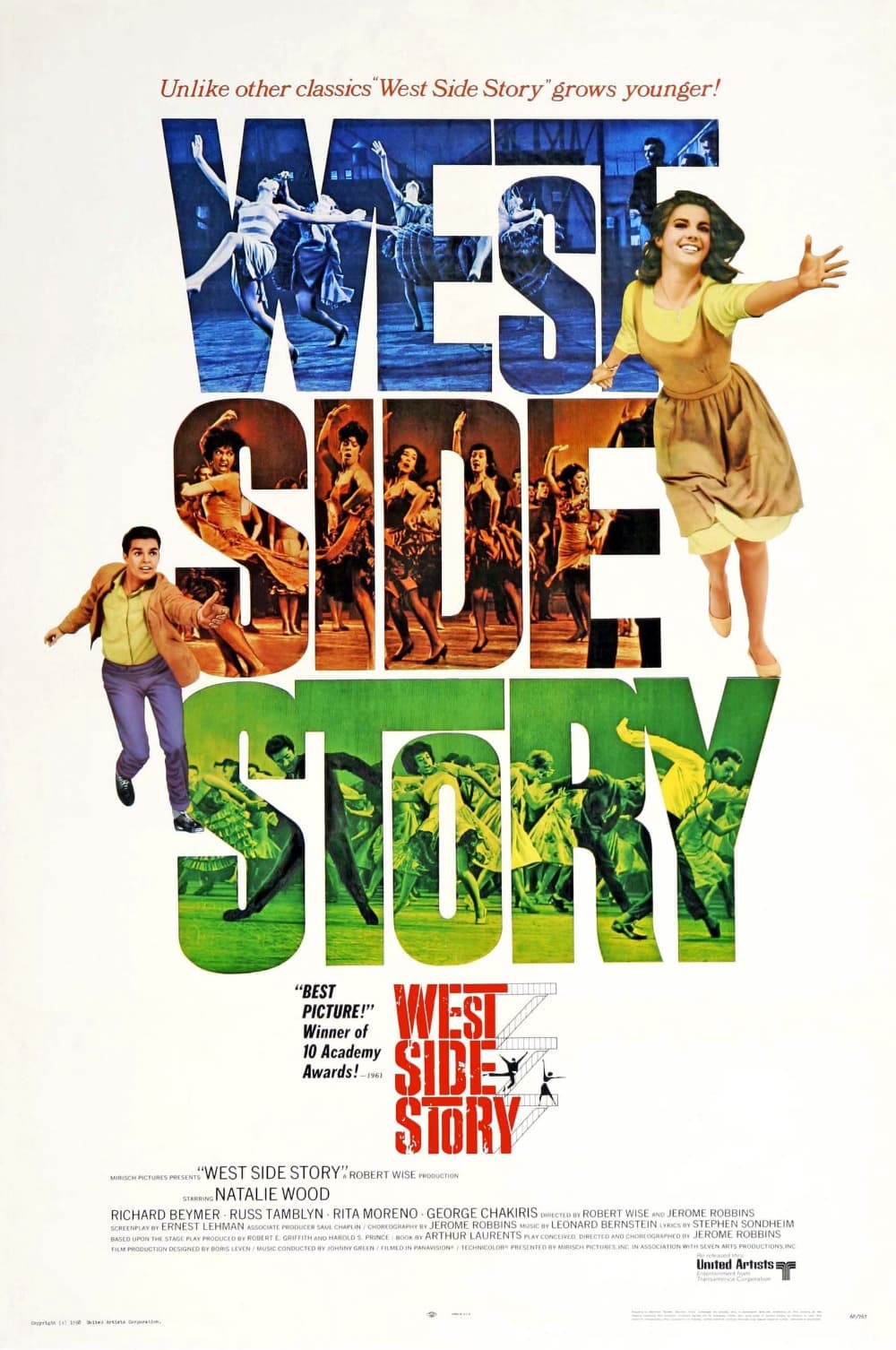
West Side Story
Directed by Robert Wise and Jerome Robbins
1961
Romeo and Juliet moved to two New York gangs, and the dancing spills out of the theater into real streets: nothing on film snaps like Robbins's choreography.
★ 7.3
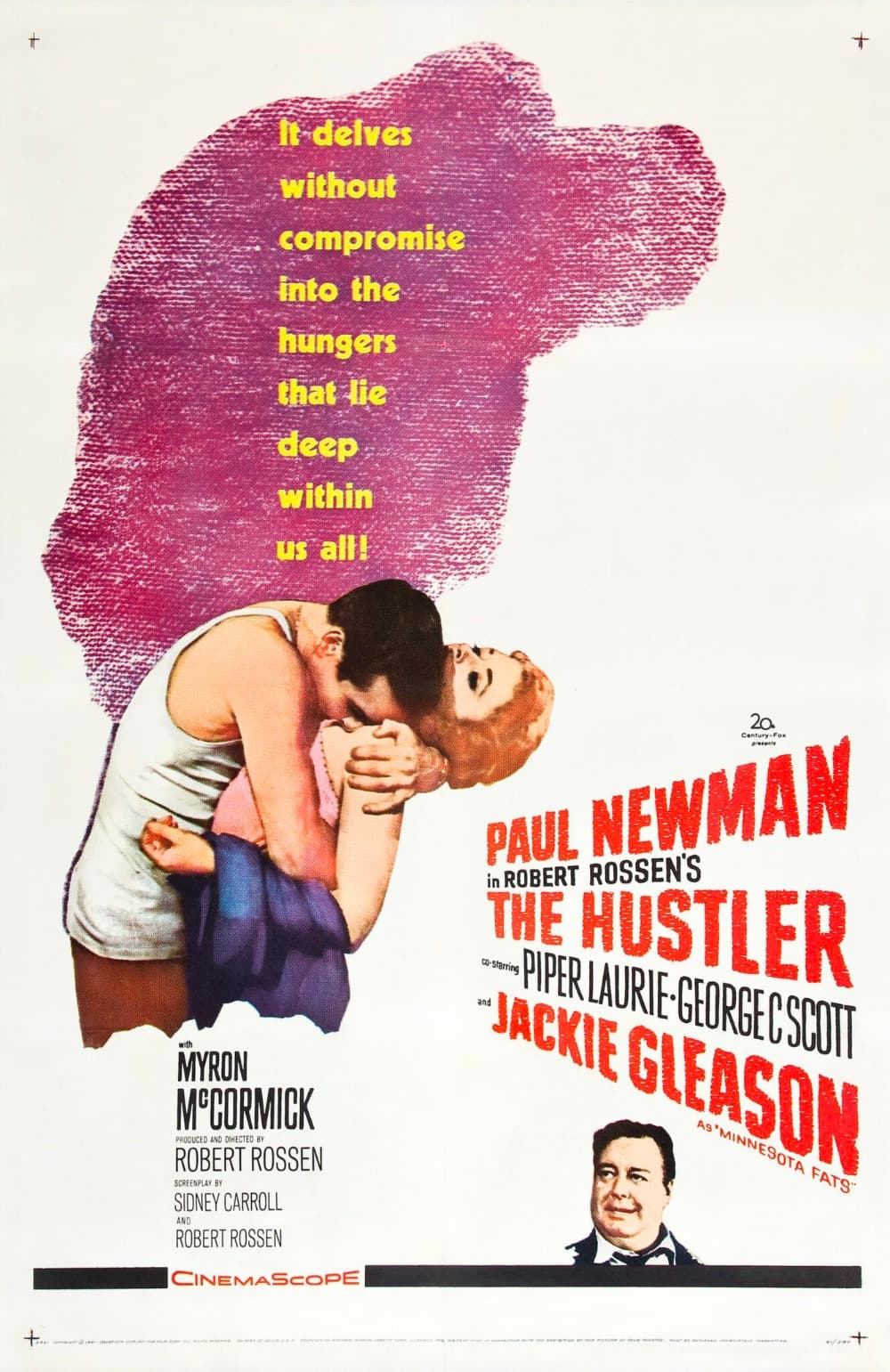
The Hustler
Directed by Robert Rossen
1961
Nobody has filmed a game better: Newman's pool hustler wants to be great and cannot get out of his own way, and the smoke never leaves the room.
★ 7.0
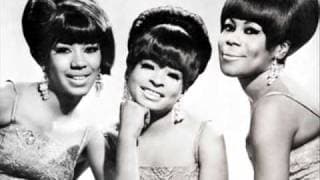
Please Mr. Postman
1961
Marvin Gaye played the drums, Gladys Horton pleaded the lead, and Motown had its first Hot 100 number one.
★ 7.0
★ 6.9
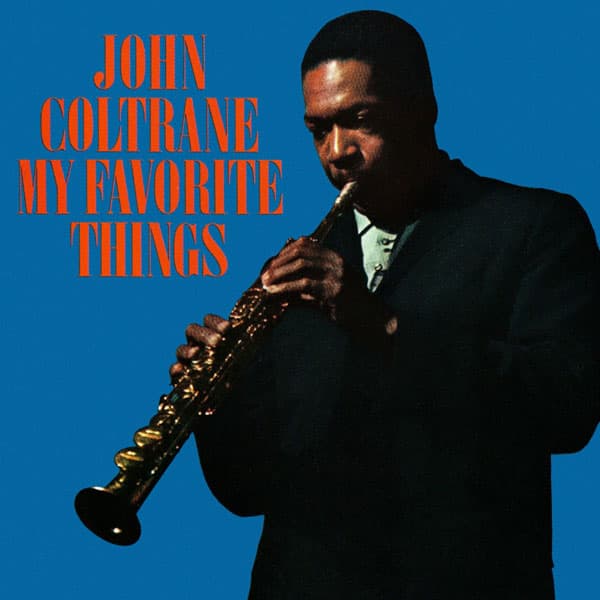
My Favorite Things
1961
Coltrane picked up the soprano saxophone, an instrument almost nobody played then, and stretched a show tune over two chords for thirteen minutes.
★ 6.8
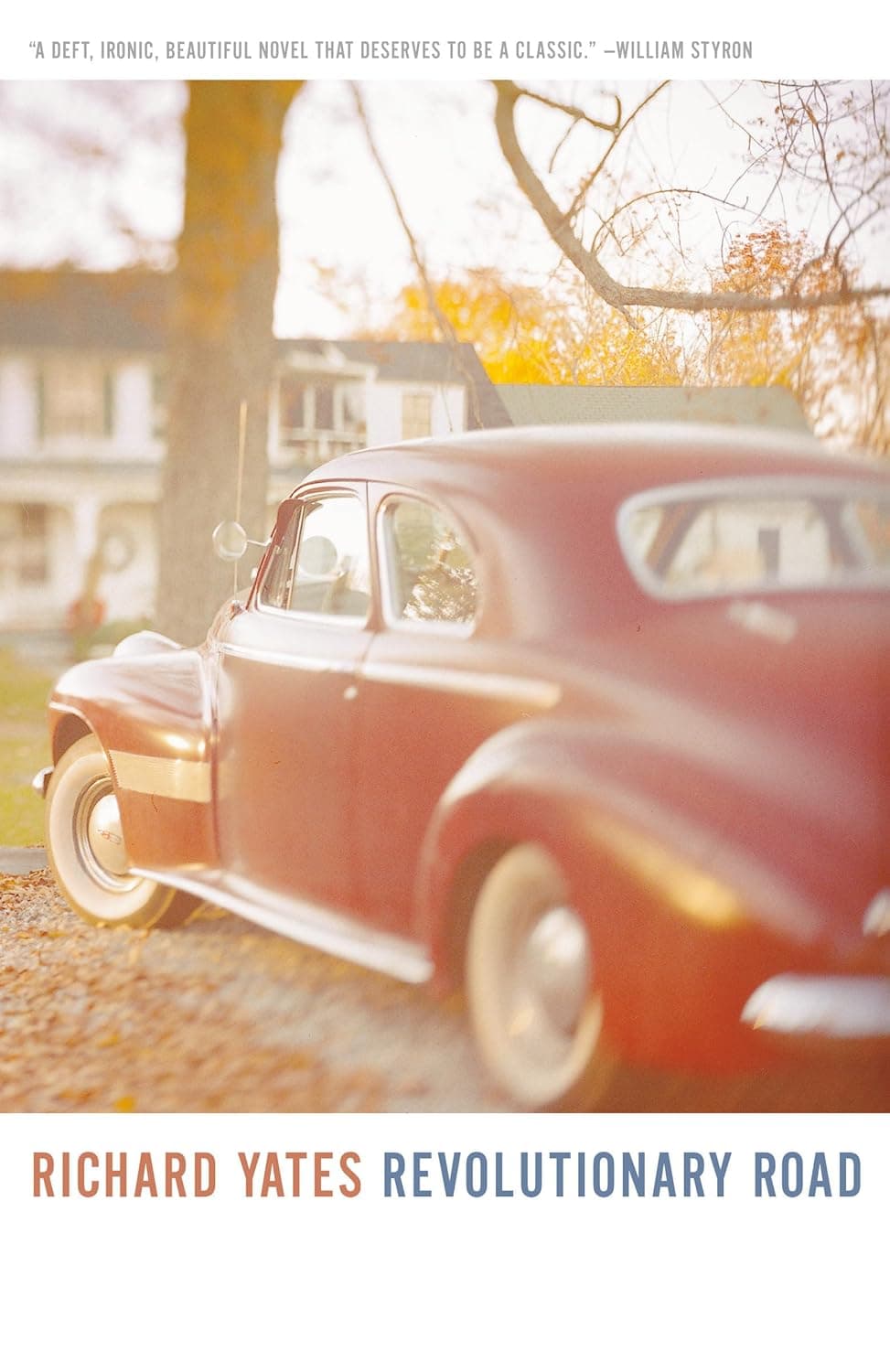
Revolutionary Road
1961 · 337 pages
Frank and April Wheeler tell themselves they are too fine for Connecticut and plan an escape to Paris. Yates tracks every evasion and self-flattering lie until the marriage has nothing underneath it.
★ 6.8