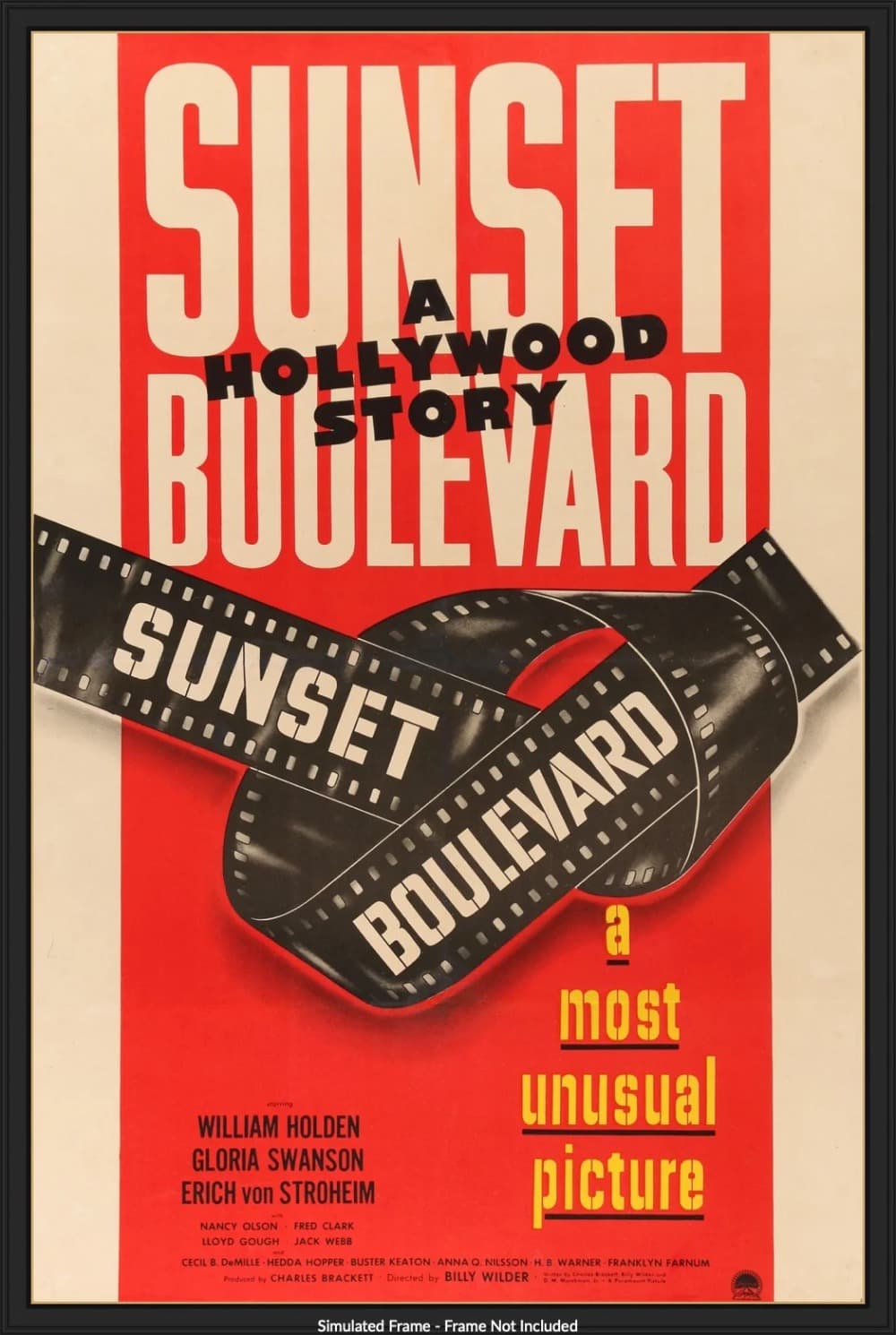
Sunset Boulevard
Directed by Billy Wilder
1950
Hollywood has never been crueler about itself: Louis B. Mayer told Wilder he had disgraced the industry, which is the highest praise the film could possibly have received.
★ 9.5
 skopia
Hollywood has never been crueler about itself: Louis B. Mayer told Wilder he had disgraced the industry, which is the highest praise the film could possibly have received.
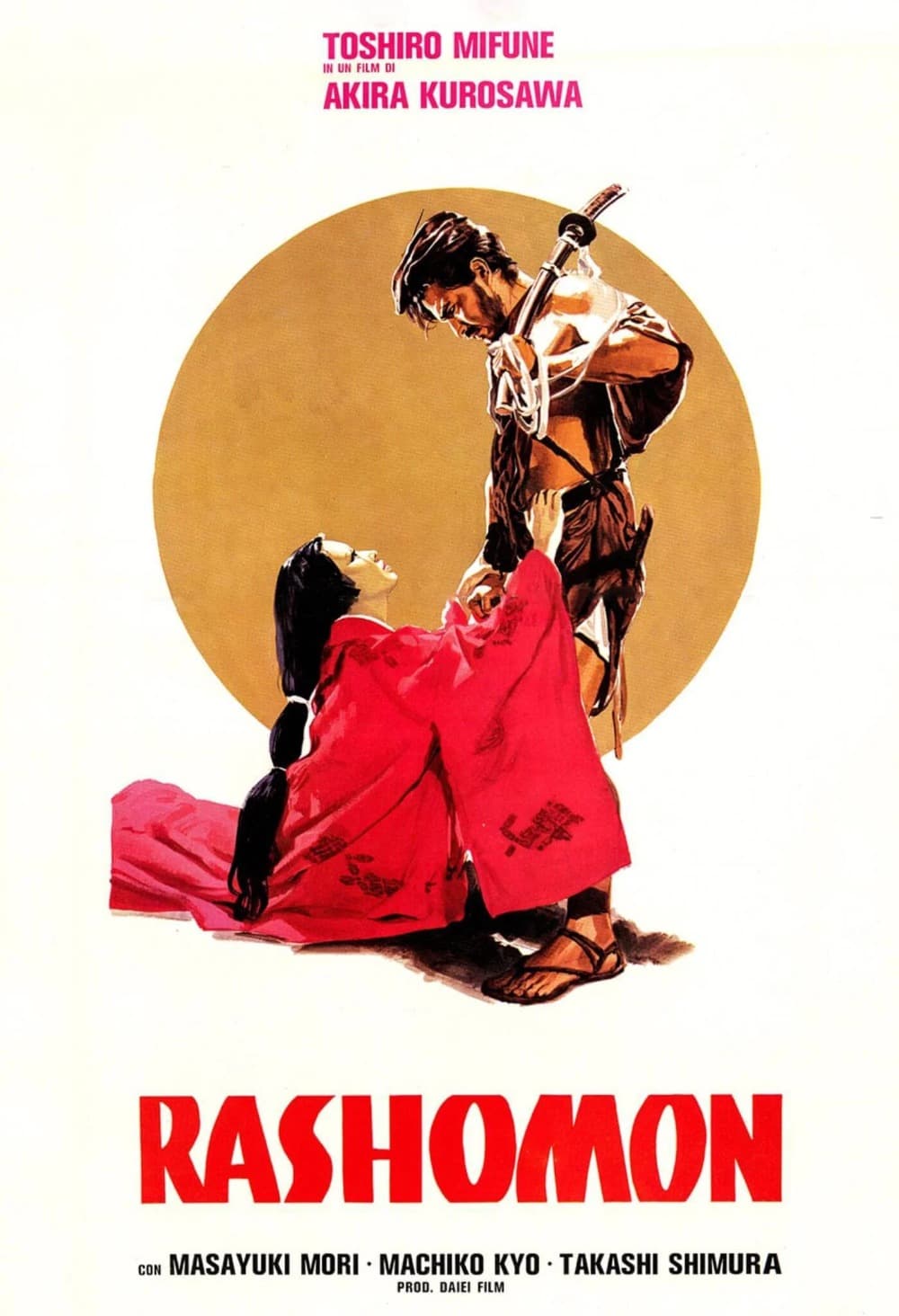
Kurosawa gave the language a word for irreconcilable testimony and opened Japanese cinema to the world: four accounts of one killing, none of which can be squared with another.
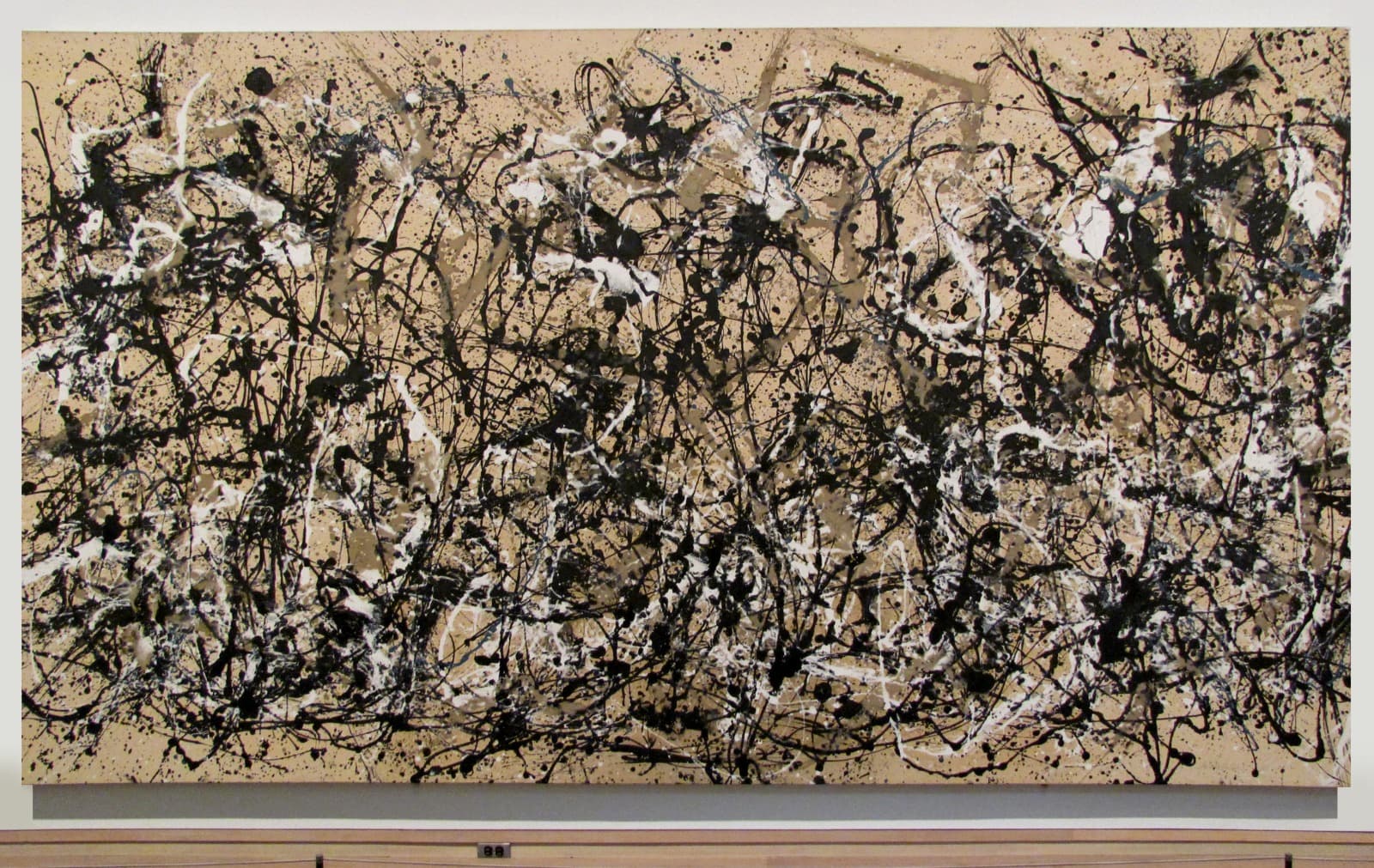
Pollock worked on the floor and moved around the canvas instead of standing at an easel, laying black enamel across raw cotton in 1950.
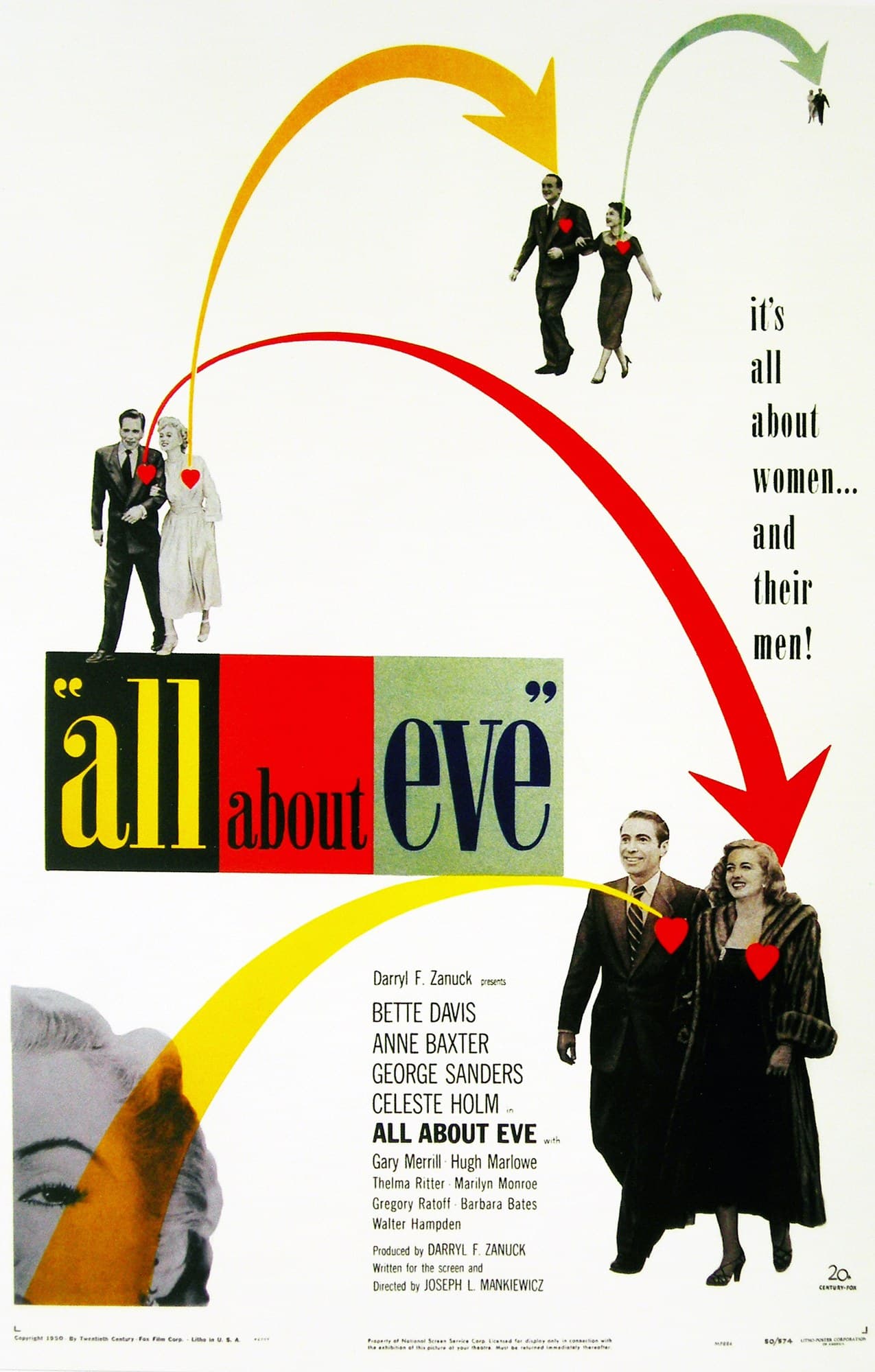
The sharpest script ever written about ambition: an aging star takes in an adoring young fan, and theater people have been quoting the lines for three-quarters of a century.
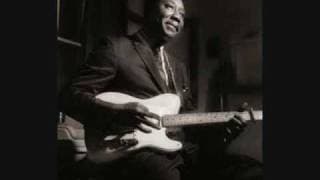
One man, one electric guitar, no band; the Chess single that later named a magazine and a British group.
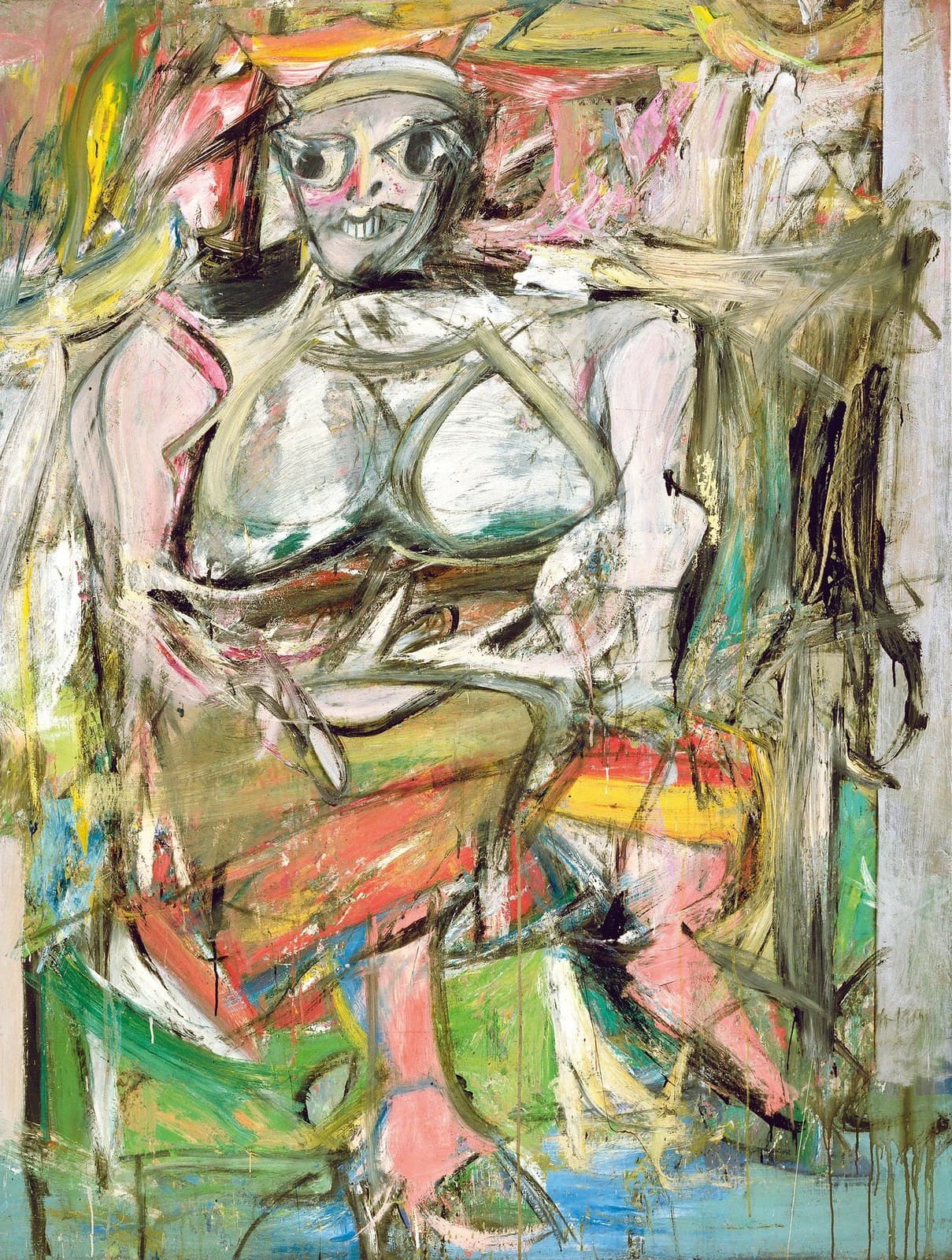
De Kooning dragged the figure back into abstract painting at the moment that was least acceptable, and worked this canvas over for two years.

There is no such thing as Art, Gombrich begins, only artists. From cave paintings to Picasso he explains what each was trying to solve, and you come out able to see it.
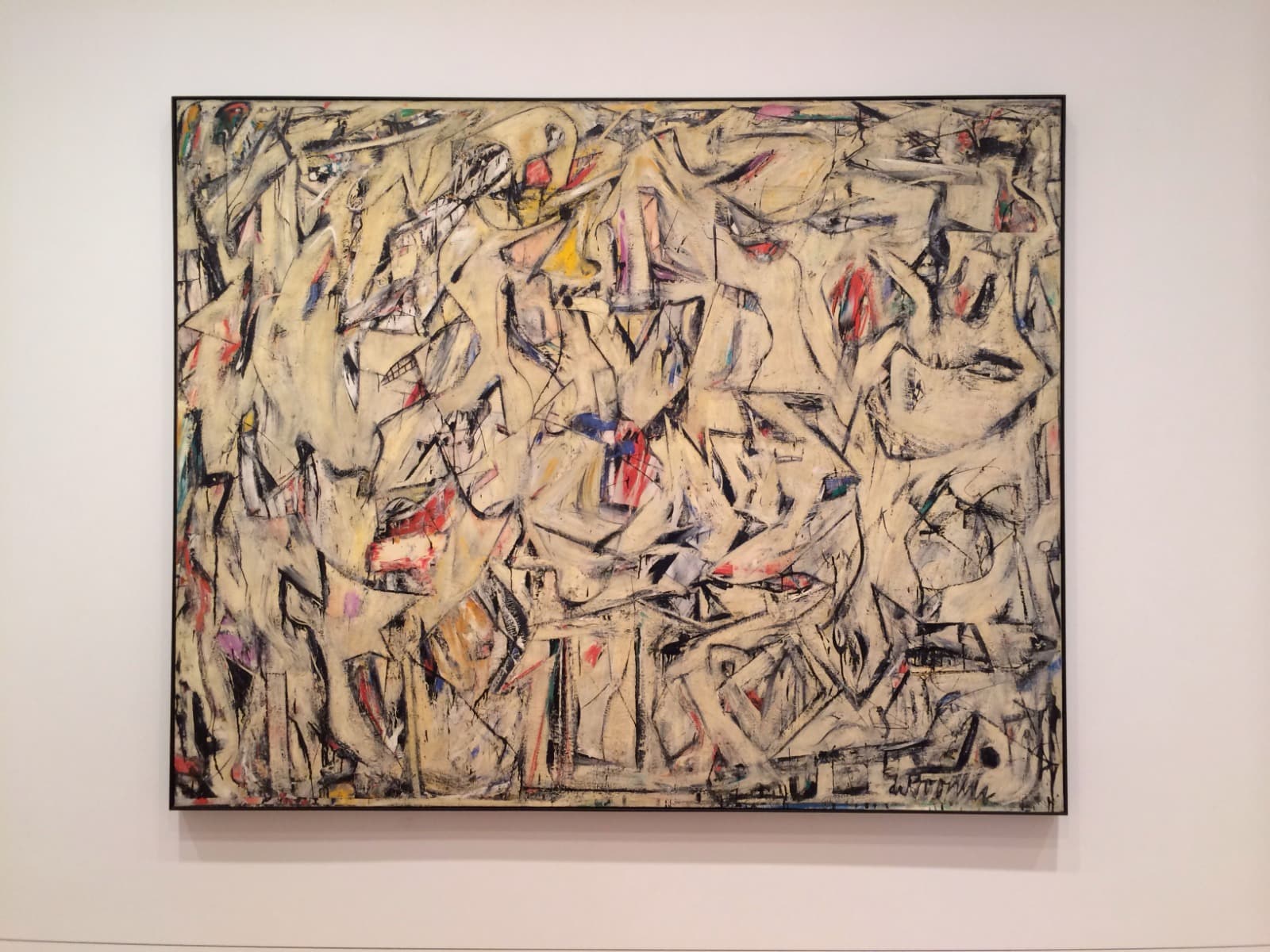
Hooks and curves fill the canvas edge to edge with no center to rest on, and teeth and jaws keep surfacing out of the mass.

Four children evacuated from wartime London find a wardrobe opening onto snow, a lamppost, and a land where a witch has made it always winter. Lewis buried the Christian story inside an adventure.

Colonization degrades the colonizer into a brute, Césaire argues, and Hitler applied to Europe the methods empire reserved for everyone else. It turned the civilizing mission into a confession of barbarism.

Mexicans wear masks, Paz argues, because the Conquest left them sons of a violated mother, heirs to two pasts they refuse to join. Mexico has quarreled with these essays for seventy years.
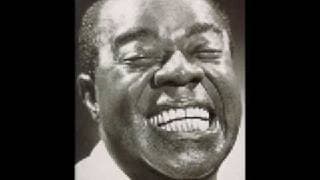
Cut in New York with Sy Oliver's orchestra in 1950, Piaf's song rebuilt around a trumpet and a rasp.
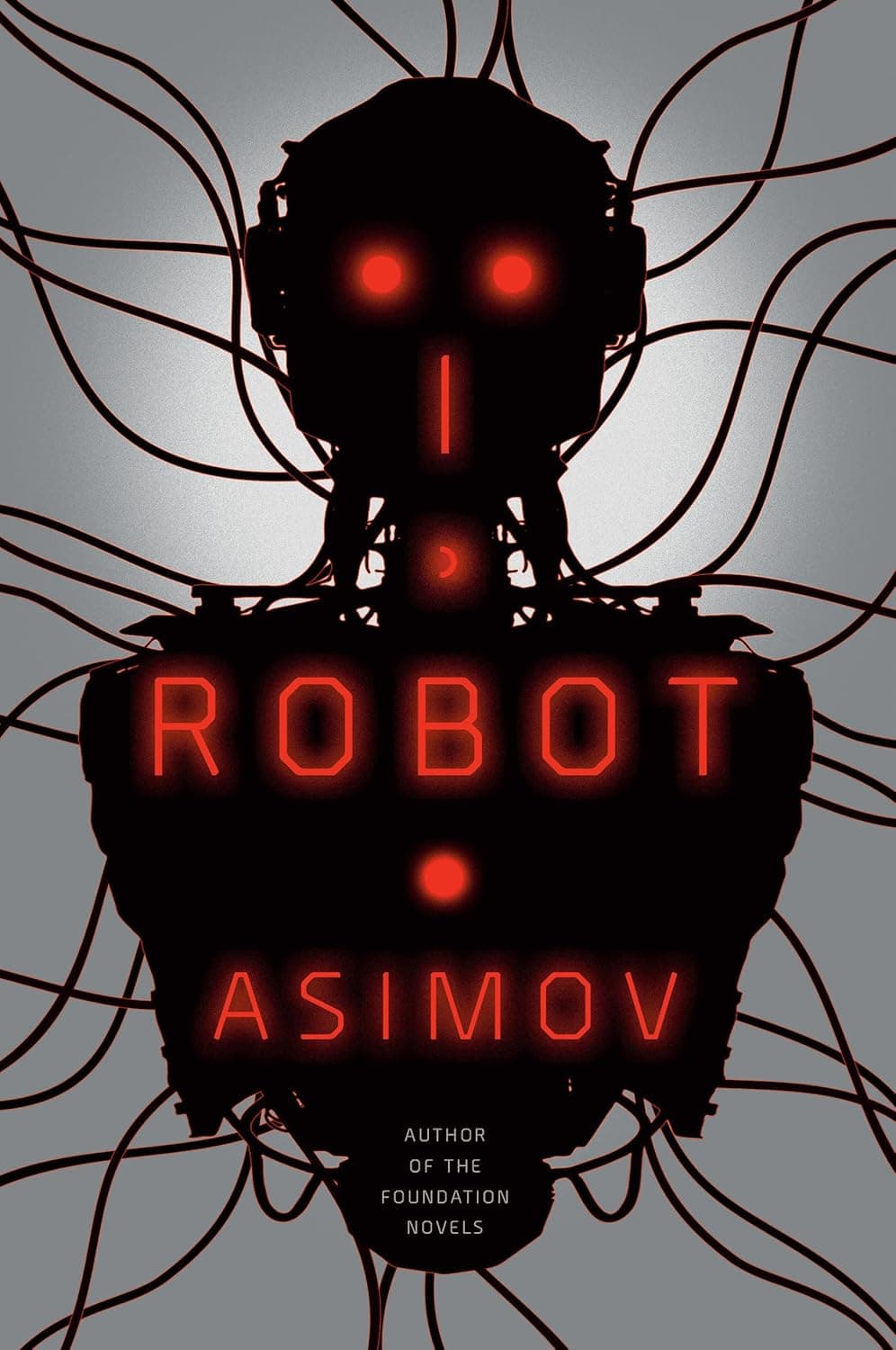
Robots run on three laws: never harm a human, obey orders, survive. Asimov's stories hunt the cracks in those rules, and roboticists still argue about the Three Laws when drafting AI ethics.
Jim Beck offered a free demo in his Dallas studio; Frizzell's stretched phrasing became the template Haggard and Jones inherited.
Nelson Riddle arranged it uncredited under Les Baxter's name, and Cole's baritone turned a B-side into a million seller.
Cut for Art Rupe's Specialty in 1950, Mayfield's prayer for the world arrives before he asks anything for himself.
I propose to consider the question, "Can machines think?"

A bride in red floats through the blue night with a goat playing a cello beside her. Many people know it from a film.
Piaf wrote these words for boxer Marcel Cerdan months before his plane went down, and recorded them the following May.
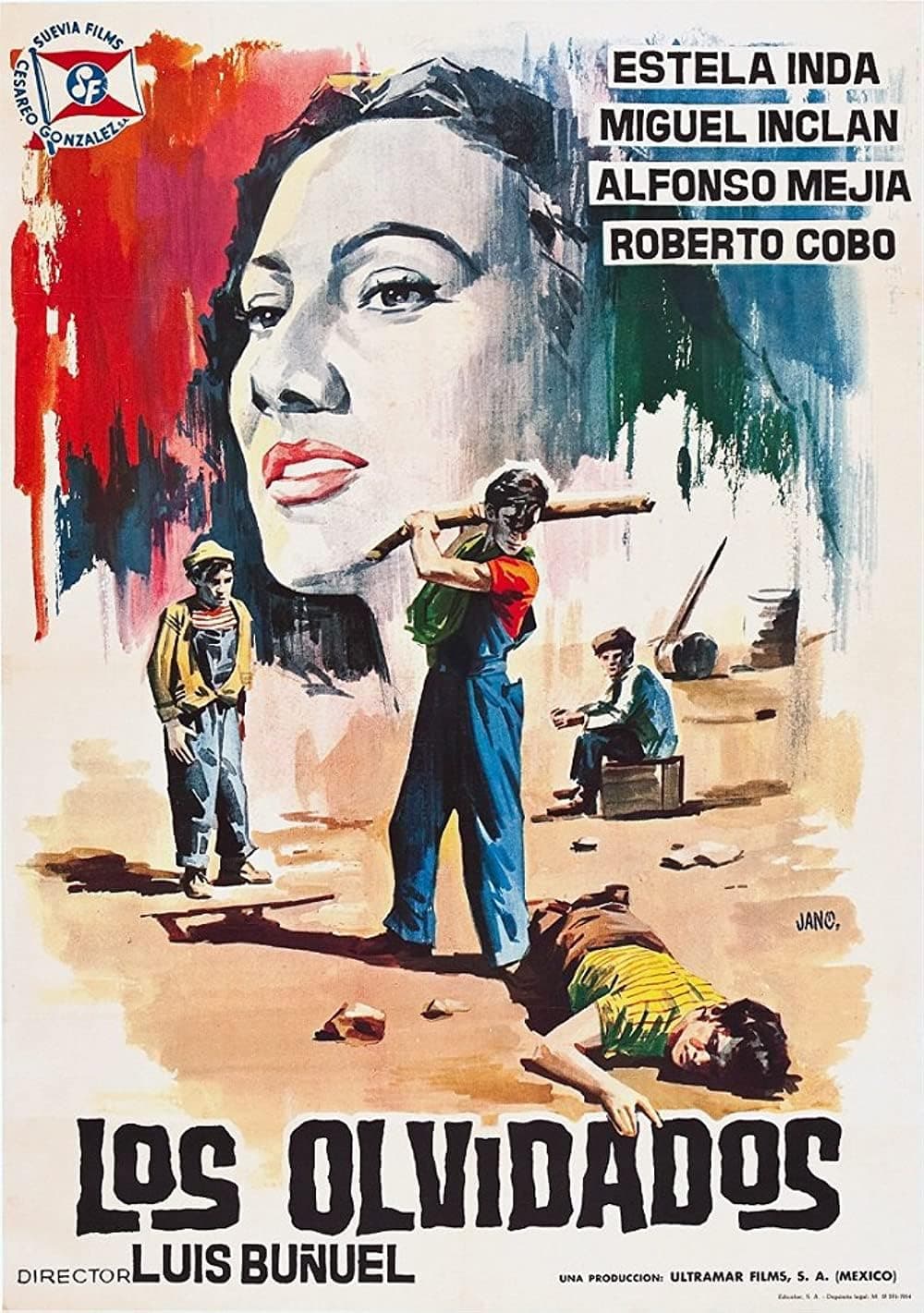
Mexico City pulled it after three days and demanded it be banned, then Cannes gave Bunuel the directing prize: street children filmed without a trace of sentimentality about them.
Stewart reportedly wrote the lyrics on a matchbox cover, and Page's double-tracked vocal held number one for nine weeks.
Twenty-one weeks at number one, and a chugging beat that lets the train do all the talking.
Lead Belly died months before Gordon Jenkins's orchestra carried his waltz to thirteen weeks atop the American charts.

Bacon used the shape of the cross as an armature for meat rather than religion, with a snarling animal fixed on top.
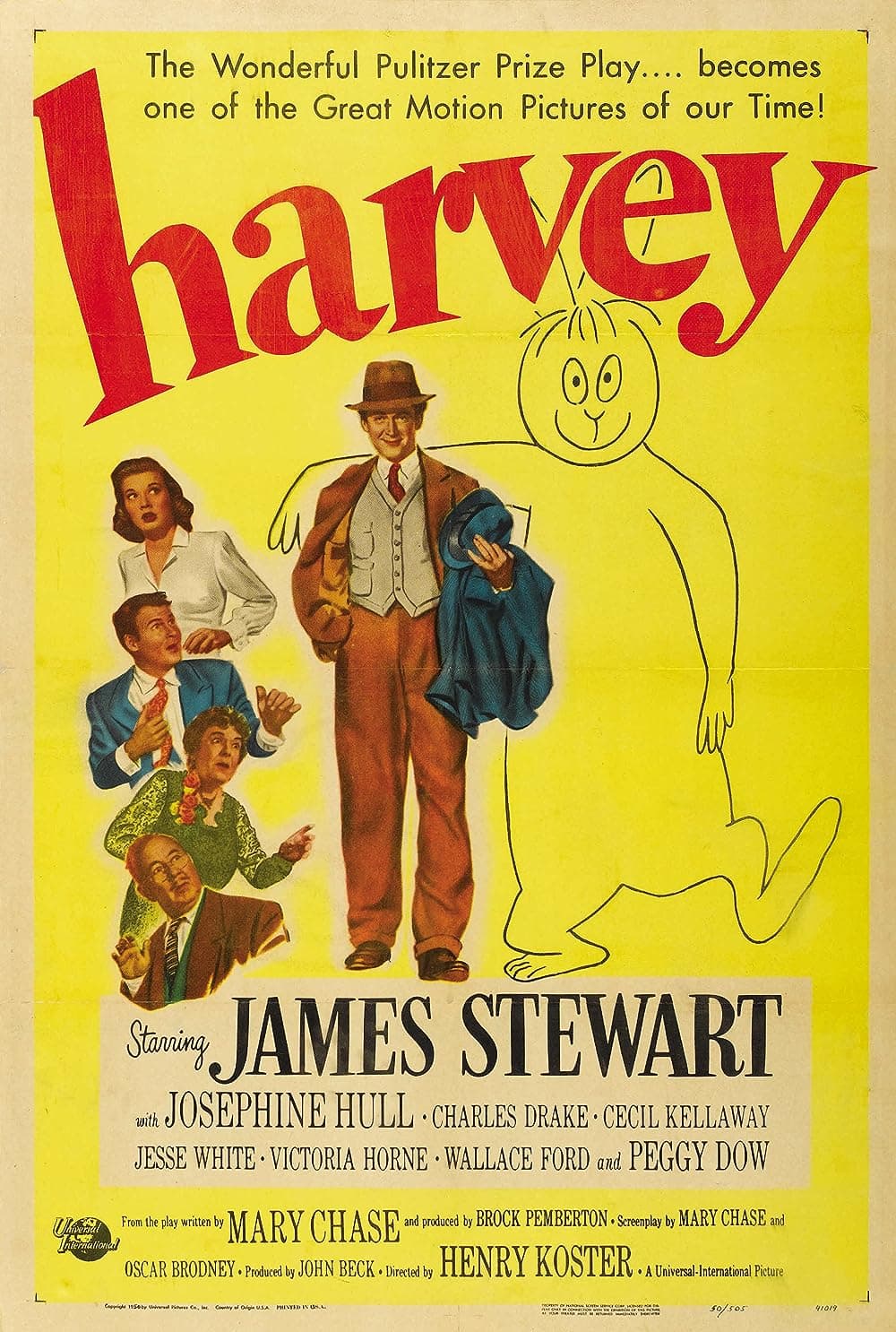
James Stewart played it on Broadway and returned to the part for decades: an unfailingly pleasant man insists his closest friend is a six-foot-three invisible rabbit, and his family wants him committed.
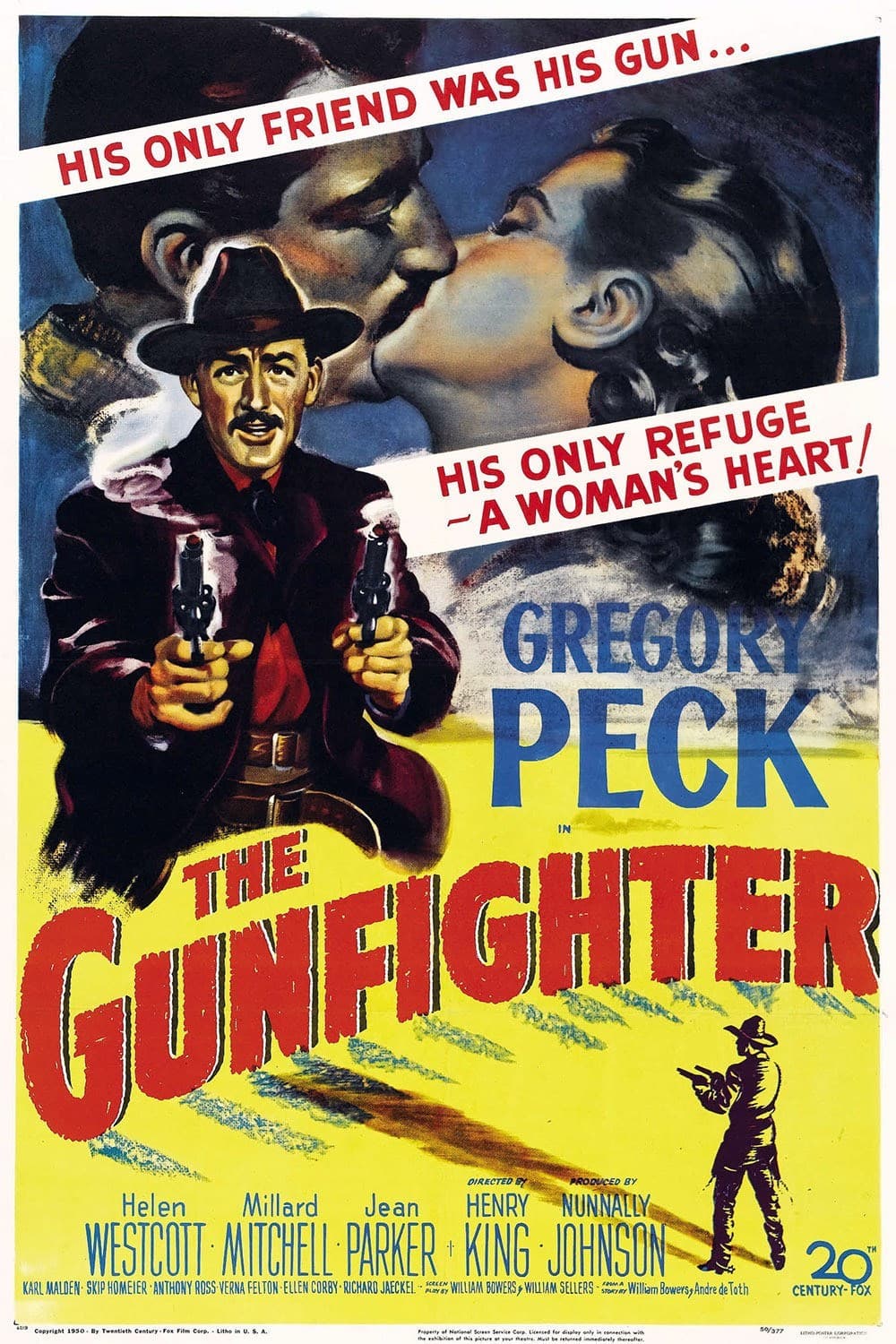
Gregory Peck plays the fastest gun alive as an exhausted man who wants a quiet drink: every revisionist western owes the premise, and Zanuck blamed the mustache for the box office.