What's Going OnMarvin Gaye
What's Going On
1971 · From What's Going On
Party chatter, a sax that sighs, and Gaye asking the question Motown begged him not to ask.
★ 9.9
 skopia
Party chatter, a sax that sighs, and Gaye asking the question Motown begged him not to ask.
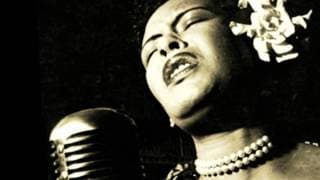
A Bronx schoolteacher's poem about lynching, sung in a single spotlight, still the bravest three minutes on record.
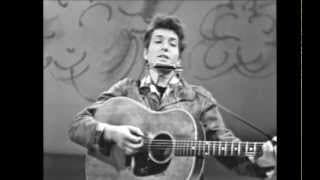
Nine questions, no answers, and the song the civil rights movement adopted whole and never gave back.
Spike Lee asked for a defiant anthem, and the Bomb Squad answered with layered samples and Branford Marsalis's saxophone.
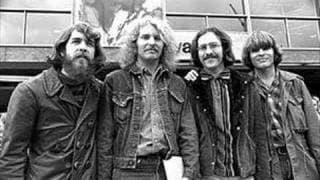
Twenty minutes of writing, and Fogerty had the sound of every draft board sending someone else's son.
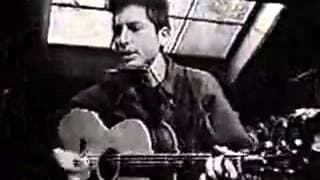
Dylan set out to write an anthem on purpose, borrowing the cadence of Irish and Scottish ballads, and got one.
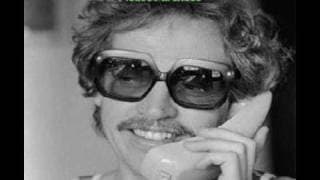
Stills wrote it about the Sunset Strip curfew riots, not Vietnam, and Young's harmonics ring like a warning bell.
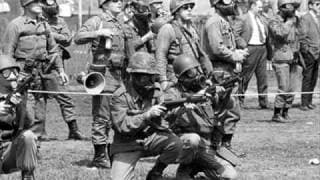
Seventeen days between the Life photographs from Kent State and four voices cutting it live in a Los Angeles room.
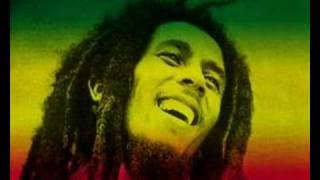
Written with Tosh after Marley toured Haiti, and the last song he ever sang onstage, Pittsburgh, September 1980.
Richards cut the acoustic into a Philips cassette recorder until it distorted, Watts drumming on a 1930s toy kit.
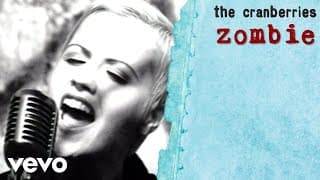
O'Riordan answering the 1993 Warrington bombing by trading jangle for distortion, then six weeks atop America's alternative chart.
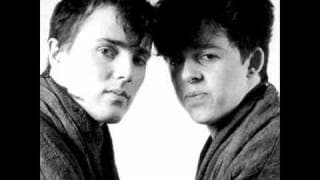
Orzabal wrote it on a small synth as an album track; Stanley heard a worldwide smash and was right.
Conceived as an acid rain protest, the melody rewritten before release; Stipe called it a general oppression song.
Chuck D aimed it at corporations that profit off Black neighborhoods without reinvesting, and Pete Rock's remix outgrew the original.
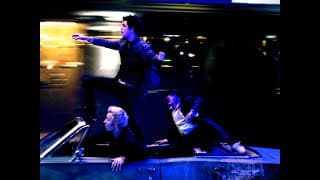
Armstrong spent two months doubting the lyrics until Cavallo pushed him; it went to number one on modern rock radio.