Johnny B. GoodeChuck Berry
Johnny B. Goode
1958 · From Chuck Berry Is on Top
Chuck Berry's intro lick is rock's opening statement, a country boy's origin myth now drifting past the solar system.
★ 9.8
 skopia
Chuck Berry's intro lick is rock's opening statement, a country boy's origin myth now drifting past the solar system.
The record that proved hip hop could report and not just party, and the edge everyone's been close to since.

Written between takes on a film set, delivered like a man with exactly one shot at everything.
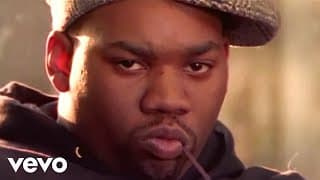
RZA looped a lonely piano figure from the Charmels, and Inspectah Deck's second verse became hip hop scripture.

Marley credited it to Tata Ford, whose Trenchtown soup kitchen the royalties kept running; the title means woman, don't cry.
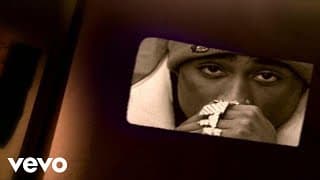
Pizarro built it from a Joe Sample loop and the Spinners' Sadie, and the Library of Congress later archived it.
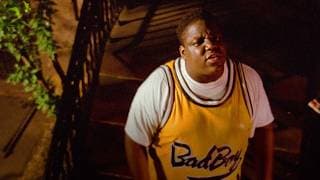
Poke and Combs looped Mtume's Juicy Fruit, and Wallace told the rags to riches story that hip hop kept retelling.
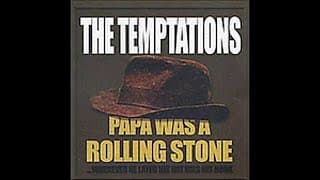
Nearly four minutes of bass, hi-hat and lone trumpet before anyone sings, and the groove never sags.
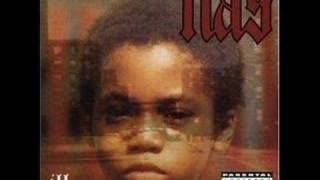
Ahmad Jamal's piano figure, a hook Pete Rock sang himself, and the most hopeful stretch of Illmatic.
Wonder played most of it himself, then broke it open with a spoken street scene running past seven minutes.
Stevie Wonder's gear failed at the Mandela tribute, Chapman went on with a guitar, and the record went top ten.
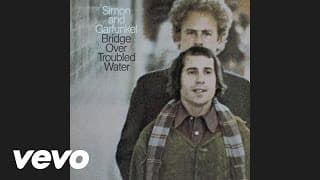
Over a hundred hours of work, and that cannon-shot snare is Hal Blaine playing beside a Columbia elevator shaft.
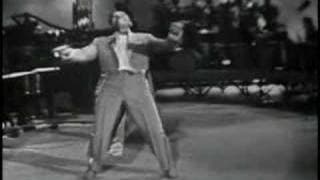
Calloway forgot the words on a Cotton Club broadcast, by his account, and the hi-de-ho call and response was born.
DJ Dahi slowed Beach House's guitar intro and ran it backwards, and Jay Rock's verse steals the whole record.
A Zapp groove under the Five Stairsteps hook, dedicated to Latasha Harlins, and rap's warmest tribute to Black women.
Cut in Leamington Spa on eight tracks, the flute squeezed onto full brass, number one while Britain burned.
The 45 King looped an Annie showtune, and Jay-Z cleared it with a letter he admitted was a lie.
Recorded in 1992, shelved, then remixed after his death over Bruce Hornsby's piano; a posthumous Grammy nomination followed.

An Ini Kamoze sample under it, Stephen Marley at the desk, and verses answering the postcard version of Jamaica.
Kanye West built the beat from Nina Simone's "Sinnerman", and Kweli turned survival into his commercial breakthrough.