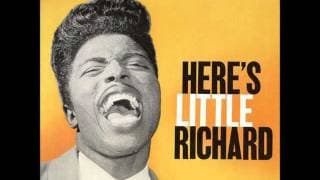
Tutti-Frutti
1955 · From Here's Little Richard
A nonsense holler cleaned up just enough to press, and the moment rock and roll stopped asking permission.
★ 9.5
 skopia
A nonsense holler cleaned up just enough to press, and the moment rock and roll stopped asking permission.
Smokey Robinson wrote it for his wife Claudette, then handed David Ruffin his first Temptations lead vocal.
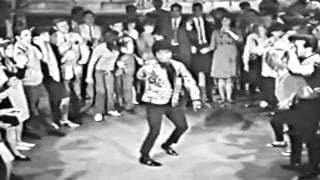
Brown recycled a flop he'd cut on Yvonne Fair, added Maceo Parker's alto, and landed his highest-charting single.
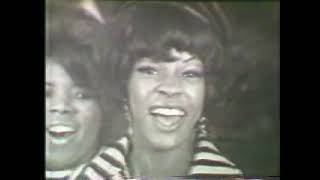
Gaye co-wrote it and cut an early version; Reeves heard block parties in it and needed two takes.

Willis wanted real words instead of ba-dee-ya; White refused, and the groove outlived any lyric she could have written.
Piaf's own lyric, dismissed by her collaborators as foolishness, then a million American sales and a French national possession.
Bootsy Collins on bass, Fred Wesley and Maceo Parker newly arrived from James Brown, and Parliament's first gold single.
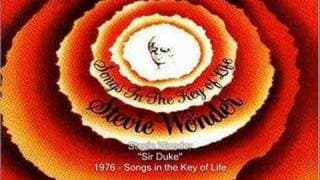
Wonder built it for Ellington after his death in 1974, then handed the melody to horns playing in unison.
Bootsy passed on the bass part, so Worrell chained three Minimoogs together and gave Parliament its first R&B number one.
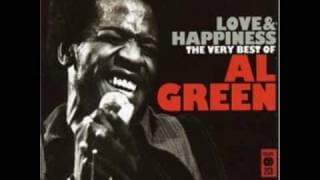
The tap opening it is Teenie Hodges counting time on a crate by his foot, and Green takes over.

Wonder cut it for his newborn daughter Aisha, harmonica and all, and refused to shorten it for a single.
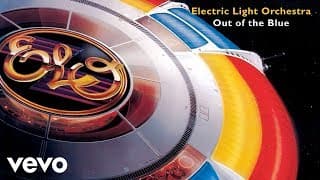
Two weeks of Alpine fog broke, and Lynne wrote this and thirteen more songs, closing it with a vocoder.
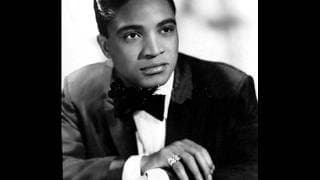
James Jamerson's bass, cut in Chicago with Funk Brothers moonlighting for cash, and Wilson sounding weightless above it.
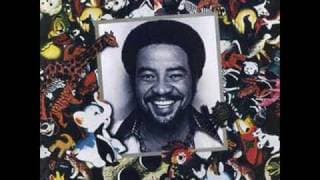
Withers holds the last note for eighteen seconds, Ray Parker Jr. plays guitar, and morning suddenly looks survivable.
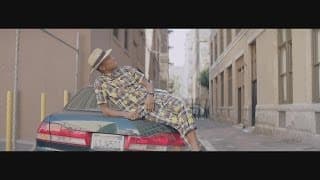
Written first for CeeLo Green, whose label passed, cut in Miami, and given pop's first 24-hour video.
Smith left the vari-speed engaged at mixdown, so the released version sits a quarter-tone sharp and grins anyway.
Cut at American Sound in Memphis with Charles Calello's horns, and every Fenway eighth inning has belonged to it since 2002.
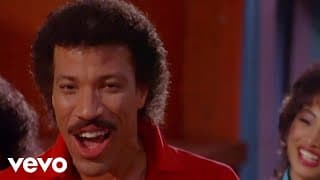
Those African-sounding chants are invented gibberish; Richie had no time for a translator and no reason to care.
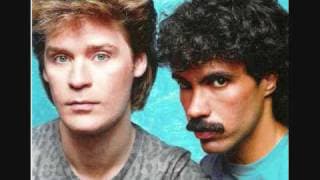
A rare Yamaha CP-30 supplies the riff, and Oates traced the song to Delta blues jammed against Texas swing.
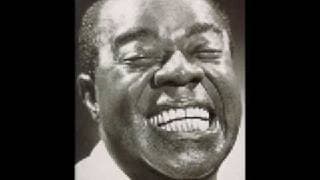
Cut in New York with Sy Oliver's orchestra in 1950, Piaf's song rebuilt around a trumpet and a rasp.