Hey JudeThe Beatles
Hey Jude
1968
Seven minutes, four of them just na-na-na, and somehow nobody has ever wanted it to end sooner.
★ 9.5
 skopia
Seven minutes, four of them just na-na-na, and somehow nobody has ever wanted it to end sooner.
Garfunkel's voice climbing a gospel staircase, the last verse arriving like the cavalry.
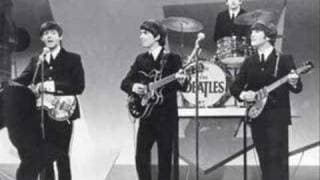
McCartney dreamed of his mother Mary telling him it would be all right; Harrison cut two different solos.
Marley credited it to Tata Ford, whose Trenchtown soup kitchen the royalties kept running; the title means woman, don't cry.
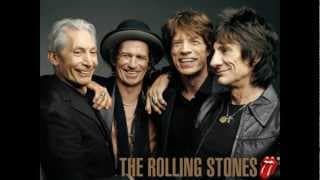
A choral intro from the London Bach Choir, Al Kooper on French horn, and producer Jimmy Miller on drums.
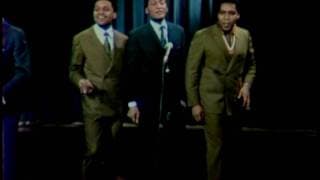
Holland-Dozier-Holland pitched Stubbs at the very top of his range, and Paul Riser opened it with piccolo and flute.
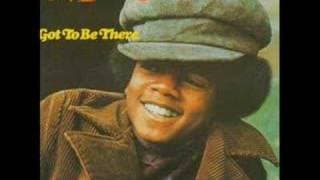
Hal Davis cut it at Hitsville West in June 1970, and Michael, eleven years old, made the ballad sound lived-in.
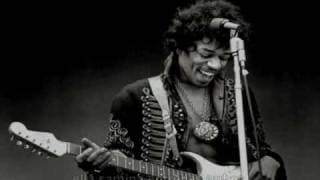
A glockenspiel, a Leslie speaker meant for organs, and Hendrix fading out after two minutes and twenty-five seconds.
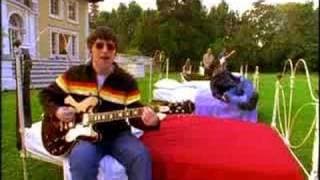
Noel's first lead vocal on an Oasis single, a phrase lifted from a Lennon tape, Manchester's anthem ever since.
Reportedly inspired by canaries at his Hope Road windowsill, cut in London, and the gentlest reassurance in reggae.
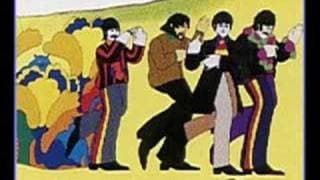
Starr sang it at dawn after ten takes, having first made them cut the line about thrown tomatoes.
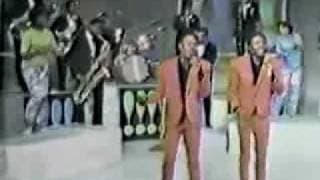
A shout through a Stax restroom door became the title, and Booker T.'s band made it an R&B number one.
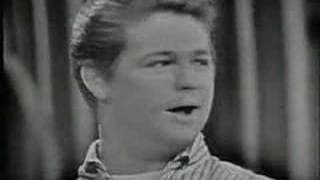
Wilson heard Be My Baby, resolved to answer it, and took the title phrase from his girlfriend Marilyn Rovell.
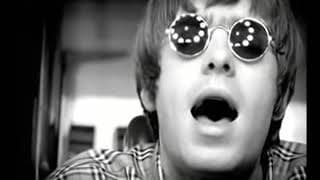
Owen Morris showed Bonehead the root notes for a Mellotron cello, and the track was largely done in a day.
Reprise rejected the album, Wilco streamed it free, and a sister Warner label put out these swooning strings instead.
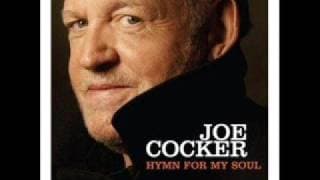
Cocker slowed a Beatles album track to gospel tempo, with Jimmy Page on guitar and Tommy Eyre's organ intro.
Berry wrote most of it over a drum machine, John Paul Jones scored the strings, and the words target teenagers.
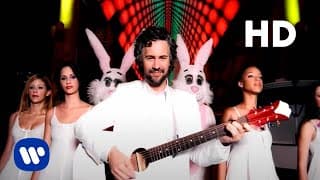
Coyne wrote it during Drozd's recovery, a plain statement about mortality that Oklahoma voted its official state rock song.
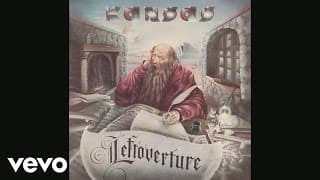
Kerry Livgren's last-minute addition to Leftoverture opens a cappella, then hands Kansas their first top forty hit.