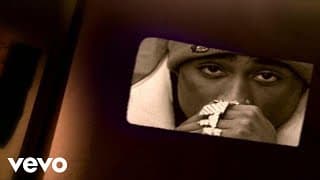
Dear Mama
1995
Pizarro built it from a Joe Sample loop and the Spinners' Sadie, and the Library of Congress later archived it.
★ 8.5
 skopia
Pizarro built it from a Joe Sample loop and the Spinners' Sadie, and the Library of Congress later archived it.
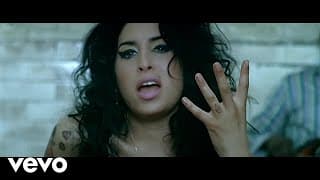
Cut live to tape at Daptone in Brooklyn with the Dap-Kings, and it took Record and Song of the Year.
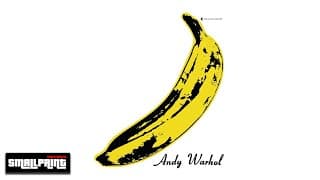
Written in 1964 while Reed was a staff songwriter, and Tucker abandoned her drums at the climax, unable to hear.
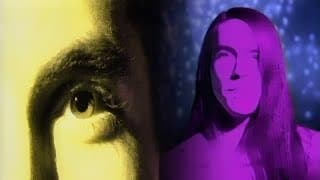
Rubin found the poem in Kiedis's notebook and pushed for it; Frusciante's mother sings in the choir at the end.
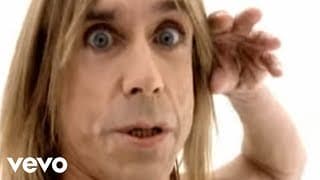
Bowie found the beat in an Armed Forces Network call sign; Hunt Sales hammered it out in Berlin.
T-Minus made the beat for Trey Songz, who passed; Lamar turned the rejected demo into a study of addiction.
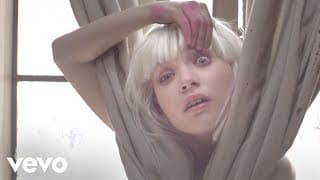
Written first for Rihanna, kept by Sia instead, and given a video where an eleven-year-old dancer did the acting.
Doug Wimbish replayed Liquid Liquid's Cavern bassline, Melle Mel wrote the warning, and Flash's name went on the label anyway.
Kunkel's brushes, Carole King's piano, and three verses that hold a death, an addiction and a band's collapse.
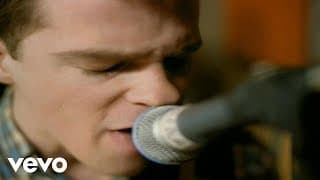
Cuomo's working title was "The Classic Rock Song"; Ocasek produced, and the clean offbeat chords carry a family's addiction.
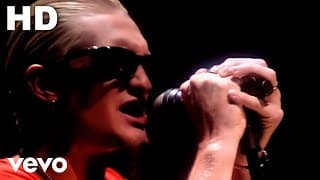
Cantrell wrote it for the Singles soundtrack while grieving Andrew Wood; Starr's bass line and two voices doing the mourning.
Two minutes on addiction, taped live at UCLA's Royce Hall in January 1971 and placed unchanged on Harvest.
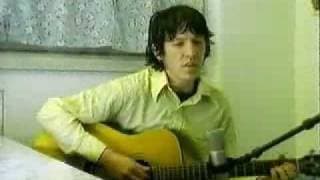
A lullaby melody hiding a song about alcohol, and one of three Either/Or tracks in Good Will Hunting.
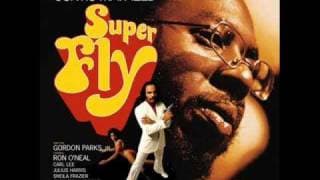
Master Henry Gibson's percussion over Lucky Scott's bass, Mayfield indicting the drug trade where the film saw only glamour.
Frusciante's slide guitar on his first record back with the band, then sixteen weeks atop Billboard's modern rock chart.
Robert DeLeo worked it out as a bossa nova on nylon strings; Weiland nailed the Atlanta vocal in one take.
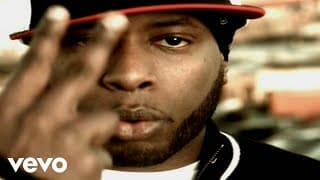
Kanye West built the beat from Nina Simone's "Sinnerman", and Kweli turned survival into his commercial breakthrough.
Named for the tranquilizer the Hartnolls' mother took, with Kirsty Hawkshaw's vocal reversed and stretched across nine minutes.
An answer song to "Walk on the Wild Side," mistaken for a summer hit; its real subject is addiction.

Cut in September 1994 at bandmate Tony Lash's house, trumpet and harmonica stripped away until only guitar and dread remain.