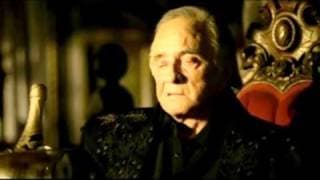
Hurt
2002 · From American IV: The Man Comes Around
Rubin handed Cash a Nine Inch Nails song, and Reznor watched the video and said it was no longer his.
★ 8.5
 skopia
Rubin handed Cash a Nine Inch Nails song, and Reznor watched the video and said it was no longer his.
Anka typed the lyric overnight in New York asking what Sinatra would say, then handed him a life's summing-up.
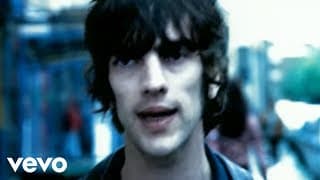
Built on an Andrew Oldham Orchestra recording of a Stones song; Jagger and Richards returned the credit in 2019.
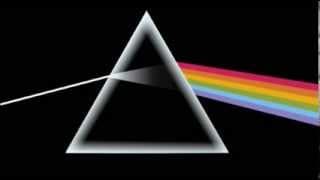
Alan Parsons taped antique-shop clocks as a quadraphonic test; Mason's rototoms follow, and the alarms still land like panic.
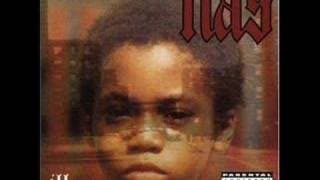
AZ's first appearance on record, the only rapper Nas let onto Illmatic, and his father Olu Dara closing on trumpet.
Recorded live at San Francisco's Boarding House in 1978, and Devo's Mothersbaugh handed Young the phrase that titled the album.
An irregular heartbeat diagnosis sent Dharma writing about mortality and lasting love, and the cowbell did the rest.
Seeger set Ecclesiastes to a tune in 1959; McGuinn's twelve-string turned it into the number one with the oldest lyrics.

Julian Koster's singing saw over double-tracked acoustics, cut in Denver with Robert Schneider, and a chorus that faces death smiling.
Taupin lifted the phrase from a Janis Joplin tribute and pointed it at Marilyn Monroe; the chorus does the mourning.

Coyne wrote it during Drozd's recovery, a plain statement about mortality that Oklahoma voted its official state rock song.
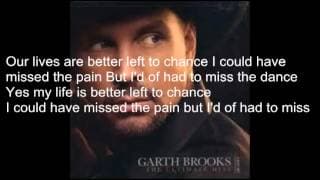
Tony Arata's lyric works as a breakup song or an elegy, and Brooks' video chose the elegy.
A Stevie Wonder interpolation cleared on condition the profanity went, L.V.'s stacked one-man choir, and 1995's biggest-selling single.
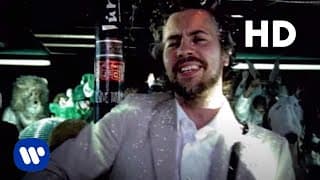
Coyne named his karate warrior after Boredoms drummer Yoshimi P-We, then cast the heroine's disease as pink robots.
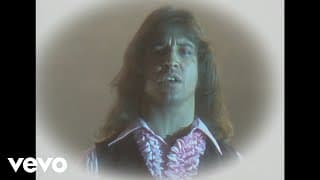
A fingerpicking exercise Livgren's wife overheard and told him to finish, now Kansas's only American top ten.
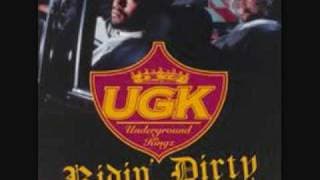
Pimp C built it on an Isley Brothers loop, Ronnie Spencer sings the hook, and Texas rap found its elegy.
Two days on a dance version, scrapped for synth pads and a Cold War fear of growing old.
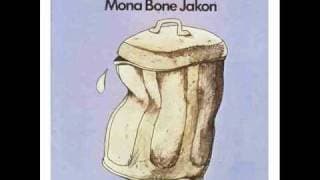
Stevens wrote it flat on his back recovering from tuberculosis; Hal Ashby later gave it to Maude's death scene.
Kent Blazy had the first verse down seconds after hearing the idea, and it gave Brooks his first number one.
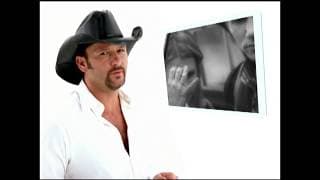
Wiseman and Nichols built it from a friend's cancer scare, and McGraw cut it the year his father died.
Beam swapped his home four-track for Brian Deck's Chicago studio, and sang two lovers weighing which of them dies first.

Eight years of songs Welch and Rawlings never liked enough to release, then this litany of friends gone.
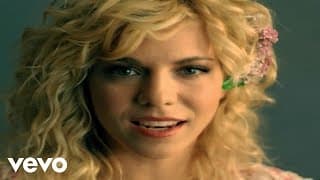
Kimberly Perry wrote it alone, and banjo, fiddle and mandolin carry her meditation on mortality across fifty-three Hot 100 weeks.
Vedder lifted the opening chord from Tuolumne, an Into the Wild instrumental, and Willie Nelson later took the song.
Sonefeld's idea, written by committee on acoustic guitars, and Rucker addressing time itself like it owed him something.
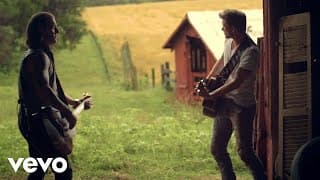
Clawson and Tompkins built a whole life around one word; the duo nearly cut the closing lines about mortality.
Rice-Oxley built it from Yeats's poem about an Irish airman, a pilot too high up to hear the guns below.