Like a Rolling Stone
1965 · From Highway 61 Revisited
A snare crack, a sneer, and Kooper's uninvited organ swirling through the song that split rock open.
★ 10.0
 skopia
A snare crack, a sneer, and Kooper's uninvited organ swirling through the song that split rock open.
Harrison wrote it in Clapton's garden while skipping a business meeting, and it sounds exactly like that relief.
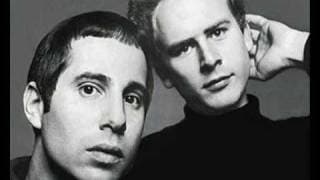
Garfunkel's voice climbing a gospel staircase, the last verse arriving like the cavalry.
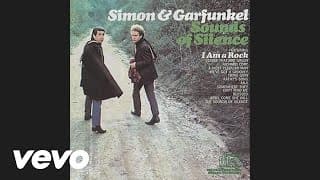
A folk flop until a producer secretly overdubbed electric guitars, and the duo heard their number one on the radio.
Eight minutes that climb from recorders to Page's solo, never released as a single and never needing to be.
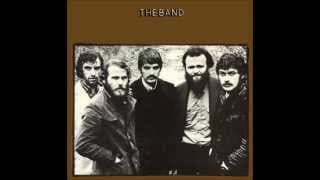
Robertson saw Nazareth stamped inside his 1951 Martin, and Helm sang the burden every verse hands over.
A single voice and acoustic guitar close Uprising, with a line lifted from Marcus Garvey and Marley already ill.
Hilton Valentine's arpeggio, one take at De Lane Lea, and four and a half minutes when singles ran two.
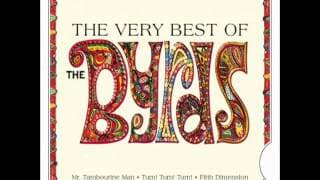
Session men cut the track and McGuinn's twelve-string Rickenbacker rang over one Dylan verse; folk rock started there.
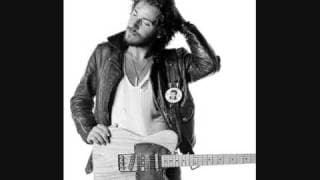
Bittan's piano, a harmonica, and a screen door slamming; Springsteen lifted the title from a Robert Mitchum film poster.
Dylan recut it in Minneapolis with his brother producing, then spent decades rewriting a story already told out of order.
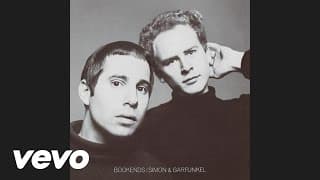
Simon had it as Mrs. Roosevelt with nonsense syllables for a verse, and it won Record of the Year.
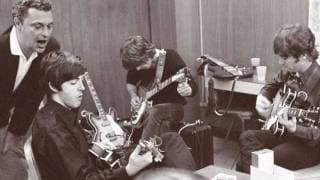
Harrison's sitar, widely reckoned the first on a rock record, and Lennon smuggling an affair past everyone.
Stills wrote it about the Sunset Strip curfew riots, not Vietnam, and Young's harmonics ring like a warning bell.
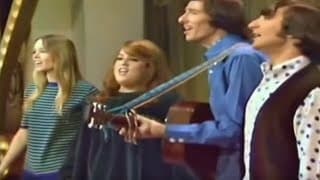
The Phillipses wrote it homesick in a New York winter, and Doherty sang over Barry McGuire's existing backing track.
Aspen in 1974, Nicks weighing whether to quit music, and Buckingham Travis-picking a Martin D-18 underneath.
Cut at Muscle Shoals in December 1969, with Jim Dickinson on tack piano after Ian Stewart refused the minor chords.
A back injury kept Young seated with an acoustic guitar; Taylor and Ronstadt were in Nashville and sang behind him.
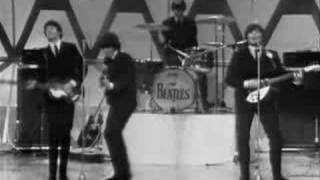
Twelve takes in April 1965, McCartney's counter-melody chasing the lead, and Lennon insisting years later the plea was real.
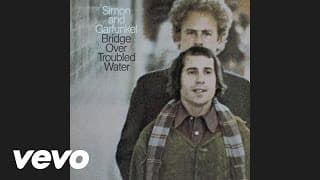
Over a hundred hours of work, and that cannon-shot snare is Hal Blaine playing beside a Columbia elevator shaft.
Released as a B-side until DJs flipped it, with a mandolin credited only to a name Stewart said slipped his mind.
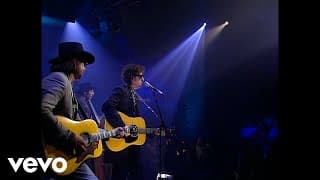
Two short verses written for a dying sheriff in Pat Garrett, with Roger McGuinn on guitar and Jim Keltner drumming.
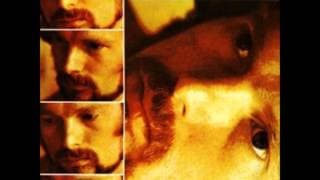
Written first as 'Into the Misty', recorded at A&R in New York, and the warmest thing Morrison ever sang.
Richards cut the acoustic into a Philips cassette recorder until it distorted, Watts drumming on a 1930s toy kit.
Harrison started it backstage in Copenhagen, gave it to Billy Preston first, then took the first ex-Beatle number one.
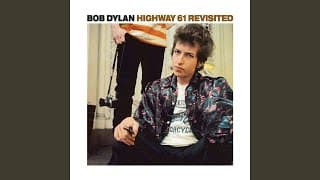
Eleven minutes, one acoustic guitar, and Charlie McCoy improvising fills after Bob Johnston found him passing through New York.
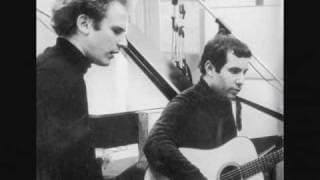
No rhyme scheme anywhere, just Simon reworking a 1964 road trip with Kathy Chitty until the emptiness lands mid-verse.
Jake Holmes wrote it in 1967, the Yardbirds absorbed it, Page cut it at Olympic with a violin bow.
Kunkel's brushes, Carole King's piano, and three verses that hold a death, an addiction and a band's collapse.
Young wrote it in bed with a 103-degree fever, and Crazy Horse stretched it to nine ragged minutes.
Stills nailed the seven-minute basic track in one take, then all three sang into a single microphone.
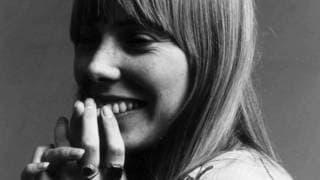
Mitchell threw back a Hawaii hotel curtain, saw mountains above a parking lot, and wrote pop's sunniest protest song.
Written in Topanga during a 103-degree fever, double drop D tuning, and a solo that stays on one note.
Piano and Bill Peterson's flugelhorn, cut at Young's Topanga home studio, written for a Dean Stockwell screenplay.
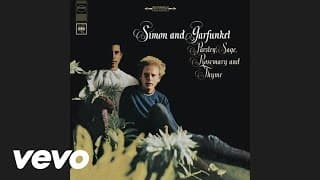
Simon learned it from Martin Carthy in London; Garfunkel wound an anti-war lyric through the ballad as counterpoint.
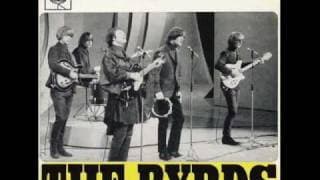
Seeger set Ecclesiastes to a tune in 1959; McGuinn's twelve-string turned it into the number one with the oldest lyrics.
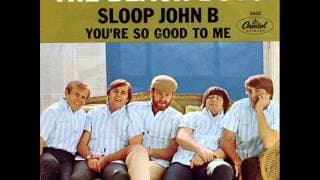
Al Jardine sold Wilson a Bahamian folk tune, and Billy Strange's twelve-string solo went down in a single take.

Julian Koster's singing saw over double-tracked acoustics, cut in Denver with Robert Schneider, and a chorus that faces death smiling.
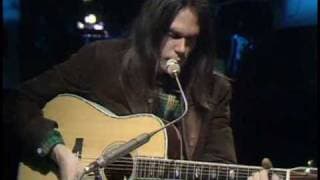
James Taylor picked up a six-string banjo he had never played, Ronstadt harmonised, and Young's ranch caretaker got a song.
A Fred Neil song that flopped in 1968, until Schlesinger put it under Midnight Cowboy and Nilsson won a Grammy.
Seven-four time, Steve Hunter's Martin triple-tracked at three tape speeds, and Gabriel's first record after walking out of Genesis.
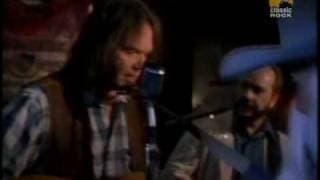
Tinnitus from the Ragged Glory tour pushed Young back to acoustic guitars, and Ronstadt shadows him line for line.
Sub Pop pressed it as a one-off single in 2001; three years later Garden State made it a generational password.
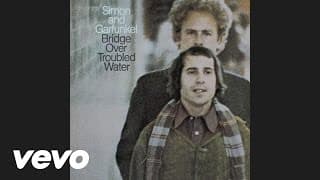
Friends banged on a piano bench at a party; Simon and Halee looped the thumping into a rhythm track.
Two minutes on addiction, taped live at UCLA's Royce Hall in January 1971 and placed unchanged on Harvest.
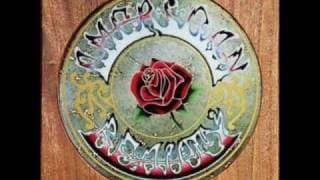
David Grisman's mandolin threading Hunter's London lyrics, a benediction the Dead tucked onto the B-side of "Truckin'".
MacLean wrote it about waiting for a girlfriend, David Angel scored the horns, and Lee added himself in the mix.
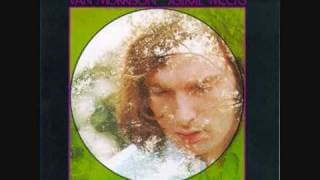
Jazz players Richard Davis and Connie Kay taped it at the last Astral Weeks session, and Morrison floats free.
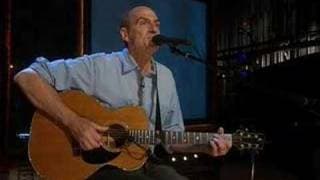
Taylor wrote it driving through the Carolinas to meet his newborn nephew, a cowboy lullaby in waltz time.
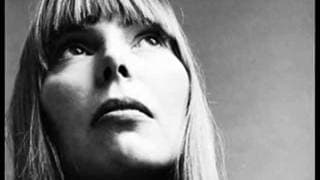
Her only American top ten hit, cut with Tom Scott's L.A. Express as she swung folk toward jazz.
Cut in two New York studios in June 1969, with Mordor and Gollum folded into a restless road song.
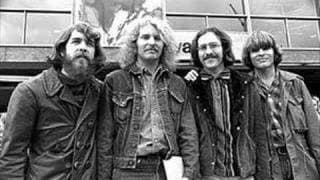
A B-side to "Travelin' Band" that outgrew it, Fogerty's unhurried strum and a question about Vietnam still hanging.
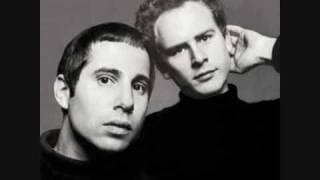
Simon wrote it on an English railway platform missing Kathy Chitty; a plaque at Widnes station now claims the spot.
King wrote it during the Tapestry sessions; Taylor cut it with Joni Mitchell behind him for his only number one.
Mitchell wrote it for David Geffen after a Paris trip, then set his escape to Jose Feliciano's guitar.
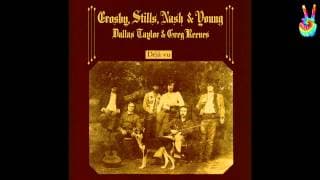
One of three Deja Vu tracks the four cut together, Young keening about the Ontario town of his childhood.
A few minutes' work by Clark about a girlfriend from the Ciro's residency, and a refrain hinging on "probably".
A lyric lifted from "Lovey Dovey", a misheard doo-wop coinage, and a Levi's ad that made it Britain's number one.
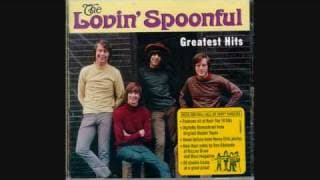
Sebastian's autoharp opens it, written after he watched a teenager dance at the Night Owl in Greenwich Village.

Stevens called it his parting song for Patti D'Arbanville, and Jimmy Cliff took it into the UK top ten.
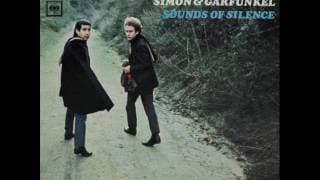
Simon first cut it alone for a UK-only album, then Hal Blaine and Carol Kaye turned withdrawal electric.
Written in Woodstock, cut in San Francisco with Modern Jazz Quartet drummer Connie Kay behind Morrison's warmest melody.
Nels Cline's lead guitar turns a quiet Tweedy song into the twin-guitar epic Rolling Stone compared to Television.
Pecknold called it an anti-protest song, a plain opinion with no poetry, and gave it away free in January 2011.
Schneider got the fuzz from tube preamps and compression, not pedals, and Mangum sings childhood into two minutes flat.
Sebastian was chasing the straight-eighth lilt of 'Baby Love' on tour with the Supremes; McCartney answered with 'Good Day Sunshine'.
Strings, harpsichord, a second take cut live, and Ronstadt the only Stone Poney anywhere on the record.
Stalled at sixty-two in 1967, then a brotherhood radio spot pushed the reissue to number five two years later.
Homesick for his brother Sean, Pecknold buried the vocals in reverb and block harmony that swells like Sacred Harp singing.
Acoustic guitar from James Taylor, a flute solo from Curtis Amy, and King mourning a world where nobody stays put.
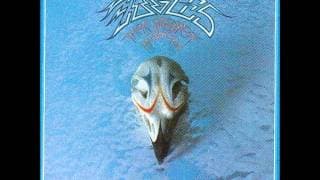
Tempchin wrote it on a poster back while sleeping on a club floor; Leadon's B-bender guitar does the rest.
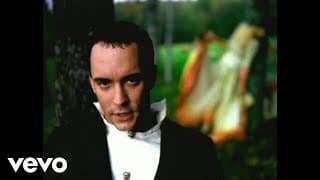
Desire watched from a distance, an acoustic figure circling, and Steve Lillywhite catching all of it at Bearsville.
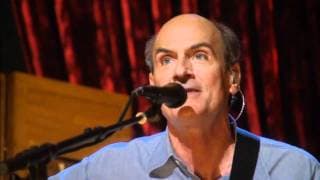
McCartney played bass and Harrison sang uncredited backing on the Apple debut, while Taylor sat in London missing North Carolina.
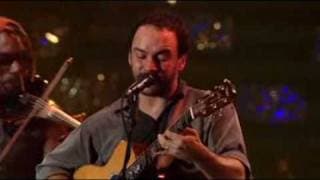
Played live since 1991 and cut twice on record, it rides Boyd Tinsley's violin hook and Beauford's snare.
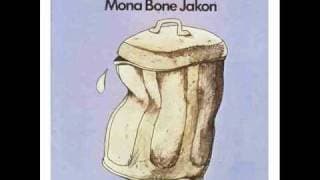
Stevens wrote it flat on his back recovering from tuberculosis; Hal Ashby later gave it to Maude's death scene.
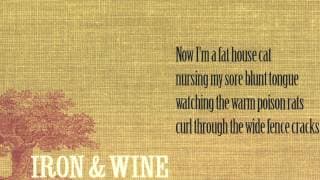
Brian Deck built a loop for Beam to layer guitar over; Stewart reportedly chose it for Twilight's prom.
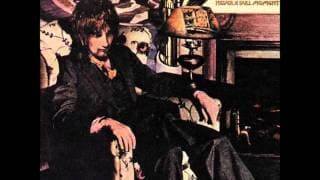
A letter to an ex, sung over acoustic guitar, fiddle and McLagan's Hammond, and another UK number one.
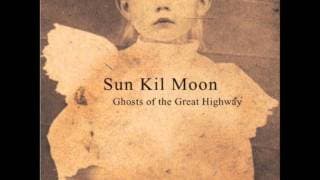
Kozelek grew up in Massillon, Ohio, and this is what he sends back: an apology set to ringing acoustic guitars.
Markus Dravs produced Babel; the video was shot at Red Rocks, banjo running flat out under a vow.
Sub Pop led The Shepherd's Dog with this, the record where Beam's whispered four-track folk grew a full band.
Written at sixteen on a road trip, produced by Ben Keith, from a debut that took two years to break.
Laura Marling's ukulele and Charlie Fink's deadpan flopped in 2007; a 2008 re-release carried the sunshine to number seven.
Tubular bells, autoharp and a muted guitar imitating pedal steel; Sebastian finished Boone's melody in half an hour.
A four-track cassette machine in the rehearsal space Earley half lived in, and a boy who runs with wolves.
Vedder lifted the opening chord from Tuolumne, an Into the Wild instrumental, and Willie Nelson later took the song.
Carly Simon sings harmony behind her husband, David Sanborn takes the sax, and Holland-Dozier-Holland's Motown tune turns Californian.
Taylor played this at his Apple audition to land the deal, and Harrison lifted its title for "Something".
Rosenberg cut it in a Sydney studio with Australian session players, and a Dutch fan's email set it loose.
Jerry Harrison of Talking Heads produced it, and Roberts sang three verses about strange childhoods in a startling baritone.
A glimpse of an ex on the London Underground, her new man beside her, and a transatlantic number one.