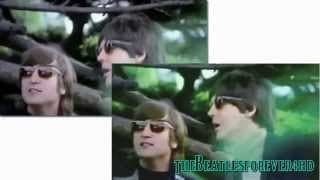
Rain
1966
Emerick taped the backing fast and slowed it on playback; Ringo called it the best record he ever made.
★ 6.5
 skopia
Emerick taped the backing fast and slowed it on playback; Ringo called it the best record he ever made.
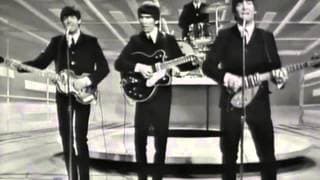
Martin spliced McCartney's count-in from take nine onto take one, and rock and roll never had a better doorway.
Eighteen takes in one November session, a Lennon ballad sped up, and Martin calling their first number one.
Two point one million American advance orders, and behind them a Paris hotel upright where McCartney wrote it.
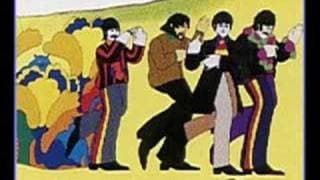
Starr sang it at dawn after ten takes, having first made them cut the line about thrown tomatoes.
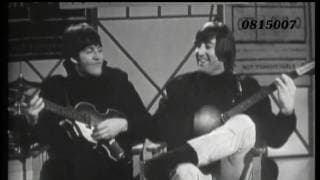
Cut at EMI in February 1965, with Harrison's Rickenbacker riff and a record Lennon later called the first heavy metal.
Beamed live to 400 million on the first global satellite link, opening on La Marseillaise, its coda quoting Bach.
Last song of a twelve-hour day, Lennon's throat gone, one usable take, and the Beatles' only million-selling cover.
Lennon stitched three unfinished songs together, then let a live BBC King Lear broadcast wander into the mix.
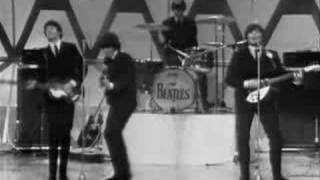
Twelve takes in April 1965, McCartney's counter-melody chasing the lead, and Lennon insisting years later the plea was real.
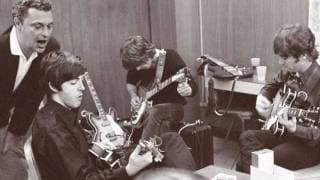
Harrison's sitar, widely reckoned the first on a rock record, and Lennon smuggling an affair past everyone.
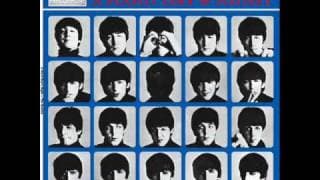
Starr's slip of the tongue supplied the title, and the opening chord is still argued over by musicologists.
Harrison opened a book at random, saw "gently weeps", and Clapton came in uncredited to play the solo.
McCartney heard a piccolo trumpet on a Bach broadcast, called David Mason in, and pop had never sounded brighter.
Harrison lifted the opening line from James Taylor and wrote the first Beatles A-side that wasn't Lennon or McCartney.
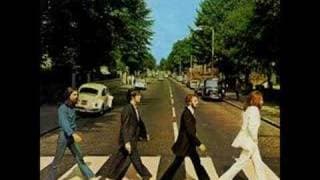
Lennon started it as a campaign song for Timothy Leary, then Ringo muffled his drums with tea towels.
Lennon and McCartney started it on a tour bus after a Newcastle show; Martin thought the sixth-chord ending corny.
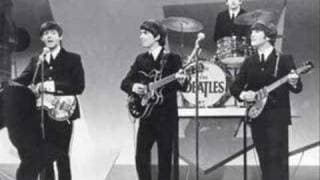
McCartney dreamed of his mother Mary telling him it would be all right; Harrison cut two different solos.
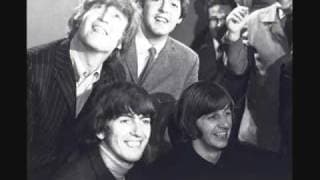
No Beatle plays an instrument on it; George Martin's string octet does everything, sawing away at two solitary lives.
Lennon's first draft listed bus stops in Liverpool; Martin's piano solo, taped at half speed, sounds baroque.
McCartney dreamt the melody, called it "Scrambled Eggs" for weeks, then let a string quartet make it immortal.
Seven minutes, four of them just na-na-na, and somehow nobody has ever wanted it to end sooner.
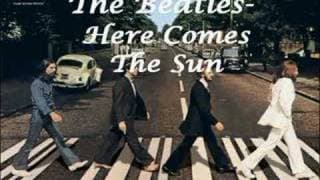
Harrison wrote it in Clapton's garden while skipping a business meeting, and it sounds exactly like that relief.
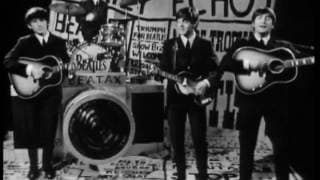
Handclaps, that leaping chord under "I can't hide," and five weeks later America belonged to them.
Two takes in different keys and tempos spliced into one, a Mellotron haze over Lennon's Liverpool childhood.
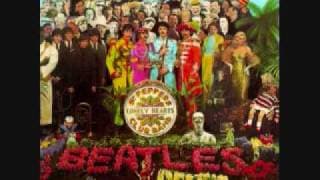
Two unfinished songs bolted together, an orchestra climbing to nothing, and the last piano chord in pop.