Puttin' On the Ritz
1983
Berlin wrote it in 1927; Taco's synth version made him, at ninety-five, the oldest living songwriter in the top ten.
★ 1.2
 skopia
Berlin wrote it in 1927; Taco's synth version made him, at ninety-five, the oldest living songwriter in the top ten.
Falco rapped Mozart's debts over a Bolland and Bolland production, and gave the Hot 100 its only German-language number one.
Written in a garden shed at Farrington's father's house, stalled at fifty-eight in Britain, then Napoleon Dynamite happened.
Nick Rhodes of Duran Duran co-produced it, and Limahl rode the hook to two weeks at UK number one.
Three writers, a Pretty Woman soundtrack slot, and the most cheerful denial ever to reach the American top ten.
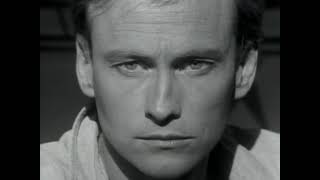
Reversed cymbal into synth bass, John Lang's lyric drawn from Kahlil Gibran, and Page's voice soaring over it.
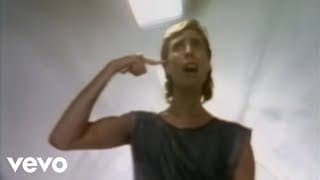
Curnin called it an indictment of dishonest politicians, Rupert Hine produced it, and America took it to number four.
A Racey album track called "Kitty" until Basil switched the gender, added the cheer chant, and directed the video herself.
Doroschuk wrote it after a bouncer threw him out for pogo dancing, and Tim Pope filmed maypoles in Wiltshire.
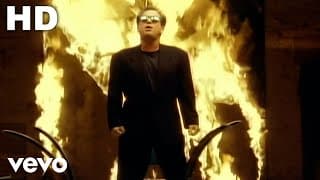
Joel wrote it at forty, after a twenty-one-year-old told him the fifties were dull; he has called the melody terrible.

Gonzalez wrote it with his brother Yann, and Ken Thomas produced an album that worships John Hughes and eighties synths.
Criteria Studios in Miami, Kenny Laguna producing, the Strangeloves' 1965 hook over Barbarossa's Bo Diddley drums.
Bacharach and David's 1964 ballad rebuilt in synthesizers at Abbey Road, and by Byrne's account the vocal took one take.
Van Eede scribbled the title down the night it occurred to him; Terry Brown drummed it on Neil Peart's snare.

Justin Meldal-Johnsen co-produced at Sunset Sound, and Gonzalez turns unembarrassed optimism into a wall of synthesizers.
Three days at RAK Studios in London, a row patched up, and marimbas in place of the usual dance-floor sheen.
Dolby storyboarded the video before writing a note, then had TV scientist Magnus Pyke shout the title's last word.
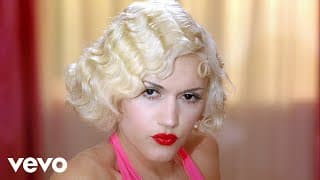
Hollis and Friese-Greene wrote it for Talk Talk in 1984, and Nellee Hooper's production hands Stefani a stadium chorus.

Nile Rodgers brought the riff and the Borneo Horns; the band, down to three, answered its own bad press.

Steinberg brought a verse and chorus, the four writers finished it the next day, Australia sent it to number one.
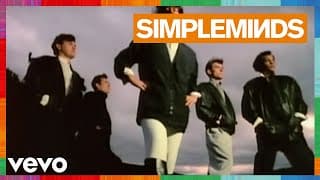
Robin Clark, credited as additional lead singer, answers Kerr line for line while Iovine pushes everything skyward.
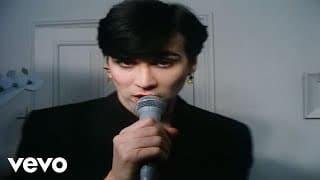
Martin Rushent's last Human League production for seven years, with four band members trading lines over a restless synth hook.

A rare B-52's lyric from an outsider, Robert Waldrop, and Pierson and Wilson make wanderlust sound weightless.
Marti Sharron said the writers jumped around at the playback and named it for that; June Pointer does the rest.
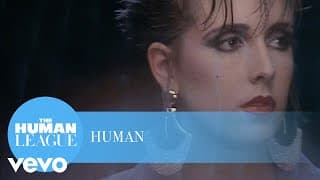
Jam and Lewis wrote it in Minneapolis, and Oakey called that vocal the best he ever gave.

Danielle, Este and Alana wrote it with Morgan Nagler as a stay-strong pep talk, and it moves like one.

Roland Barthes' A Lover's Discourse fed the 1986 original; Lennox and Lipson rebuilt it into a Grammy winner.
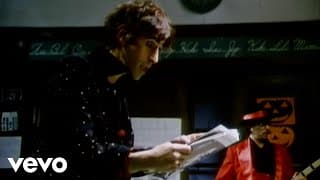
Justman, the band's keyboardist, wrote it, and his synth hook took a Worcester blues band to six weeks at number one.
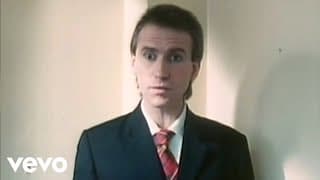
Hay wrote the music in a Bermagui treehouse, and Greg Ham's saxophone hook does the rest.
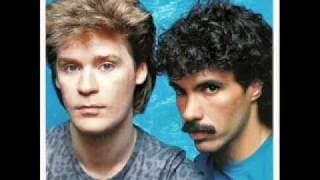
A chorus Oates stumbled into on a synthesizer he could barely operate, and the duo's sixth and last number one.
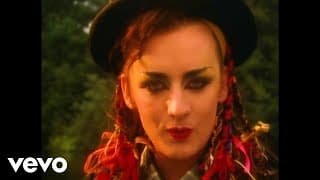
Judd Lander's harmonica, six weeks at number one in Britain, and Boy George singing about pleasing everybody.
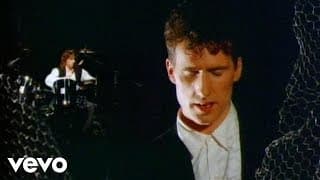
John Hughes reshot Pretty in Pink's ending and asked for 120 BPM; OMD turned it around in a day or two.

Billed as Santogold then, White aimed it at Lower East Side poseurs; Rolling Stone called it 2008's second best single.
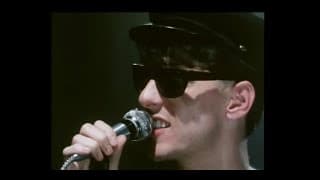
Producer Hugh Jones talked Grey out of shouting, and the nuclear-apocalypse lyric arrives as the warmest chorus of 1982.

Haines wrote it on piano in Buenos Aires as a ballad; the tempo went up and panic became a hook.
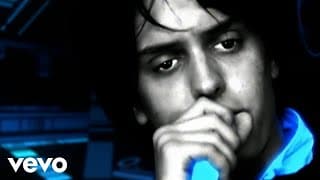
Guitars pushed to sound like synthesizers, and a Roman Coppola video that borrows its neon from Tron.
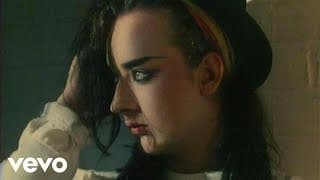
A soft reggae beat from Mikey Craig's Caribbean instincts, Steve Levine's polish, and Boy George on Top of the Pops.
Jolley and Swain built it around oppressive heat, and The Karate Kid carried it into the American top ten.