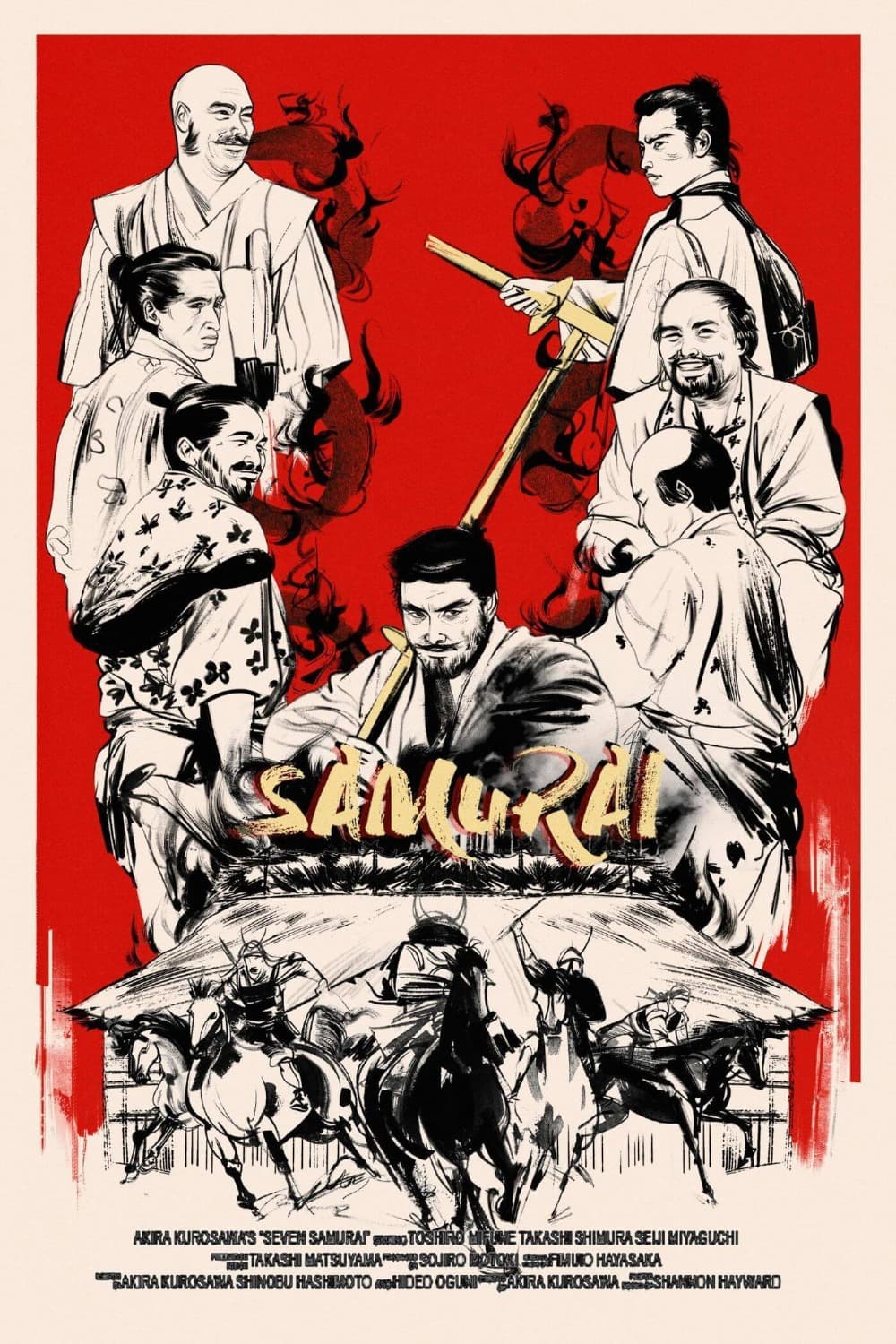
Seven Samurai
Directed by Akira Kurosawa
1954 · Japan
Every film about assembling a team for one last job descends from this one: Kurosawa makes seven men matter, then stages a battle in the mud nobody has equaled.
★ 9.9
 skopia
Every film about assembling a team for one last job descends from this one: Kurosawa makes seven men matter, then stages a battle in the mud nobody has equaled.
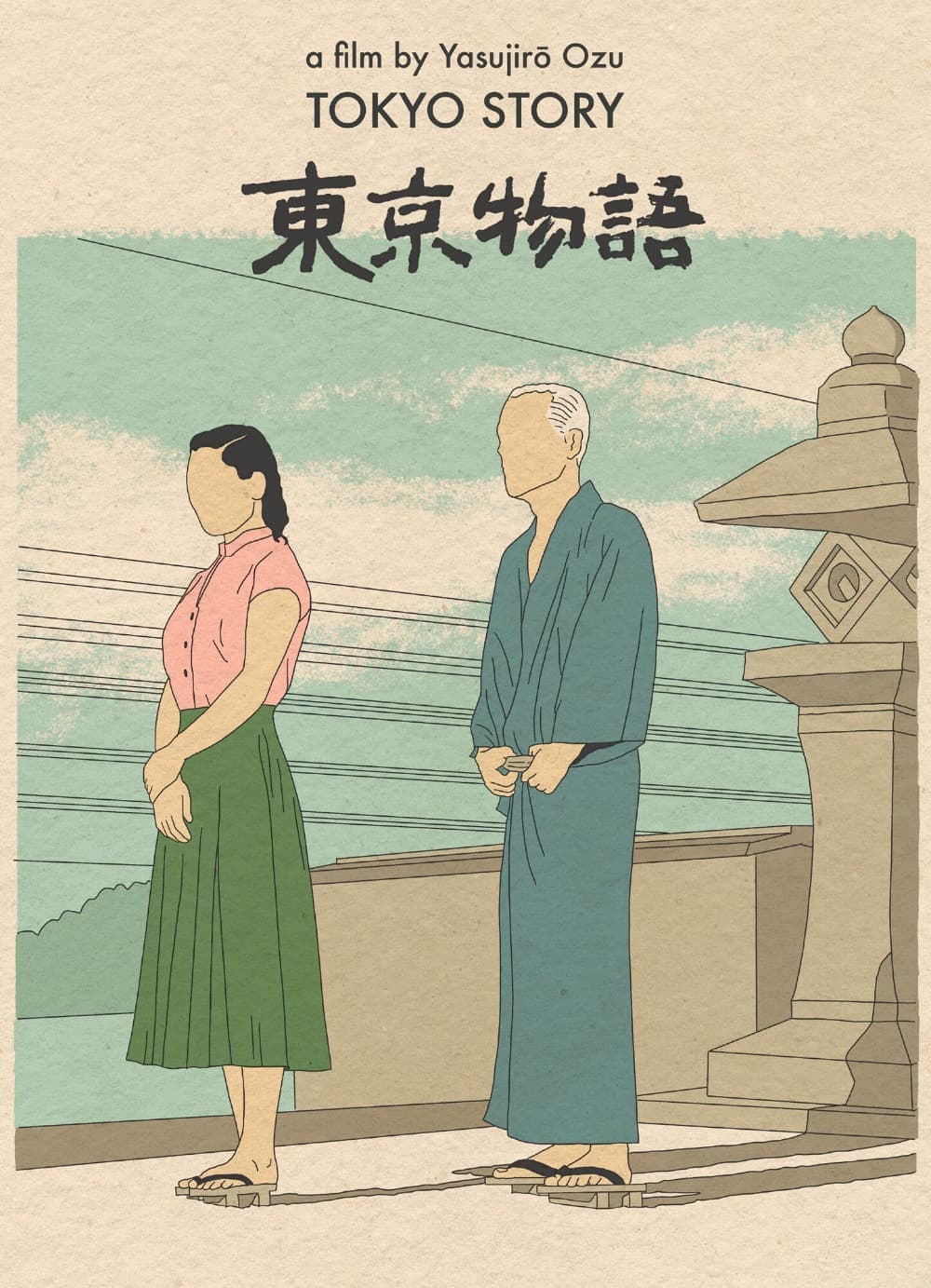
The quiet masterpiece of ordinary life: Ozu finds the ache of a whole century in parents visiting children who have no time for them, and it will find you too.
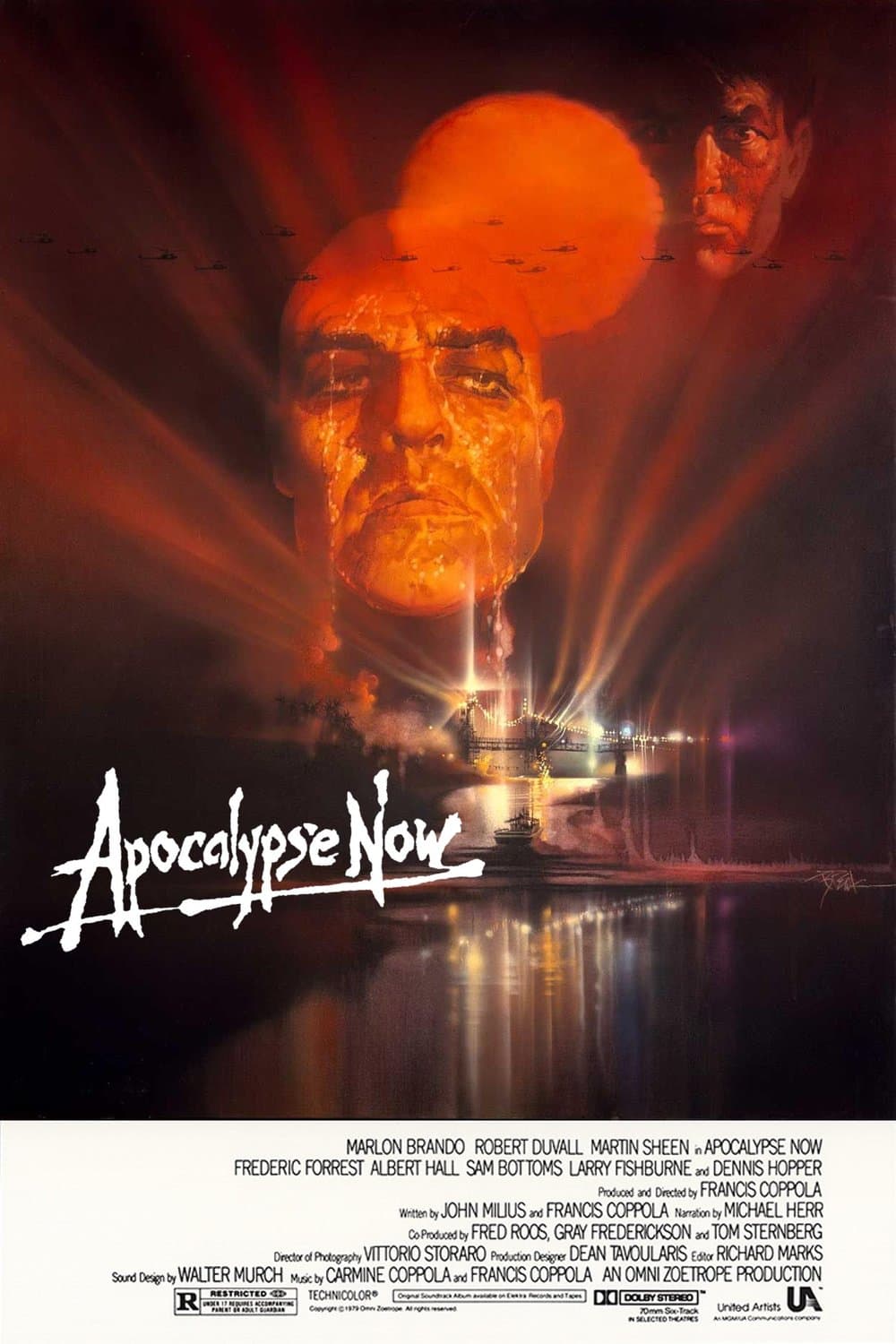
No production has ever gone further off the rails or shown it more clearly: Coppola's Vietnam abandons the war film for pure hallucination, and the helicopters over the trees are permanent.
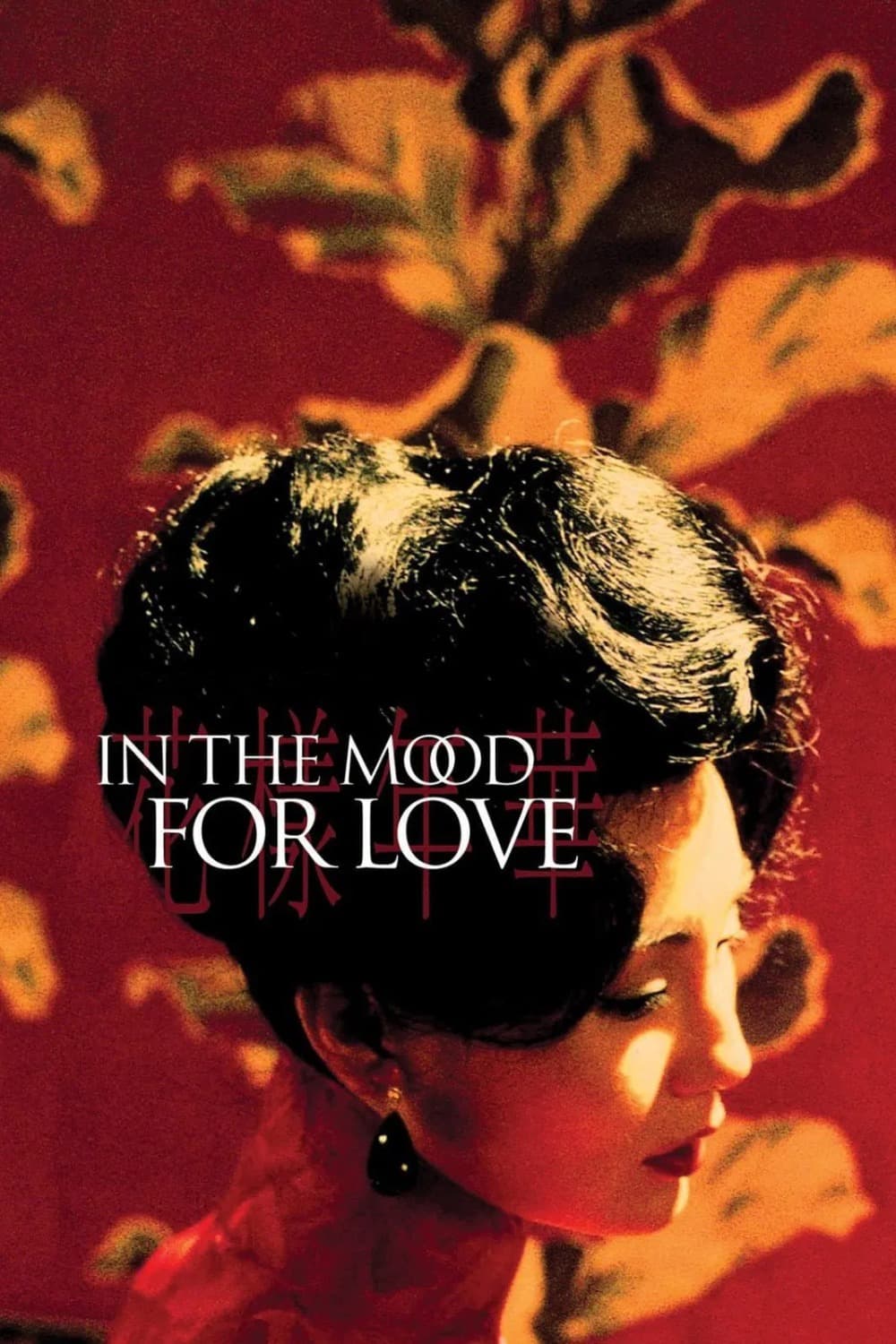
Longing has never been filmed better than this: Wong Kar-wai gets more out of a stairwell and one repeated waltz than most directors manage with an entire script.
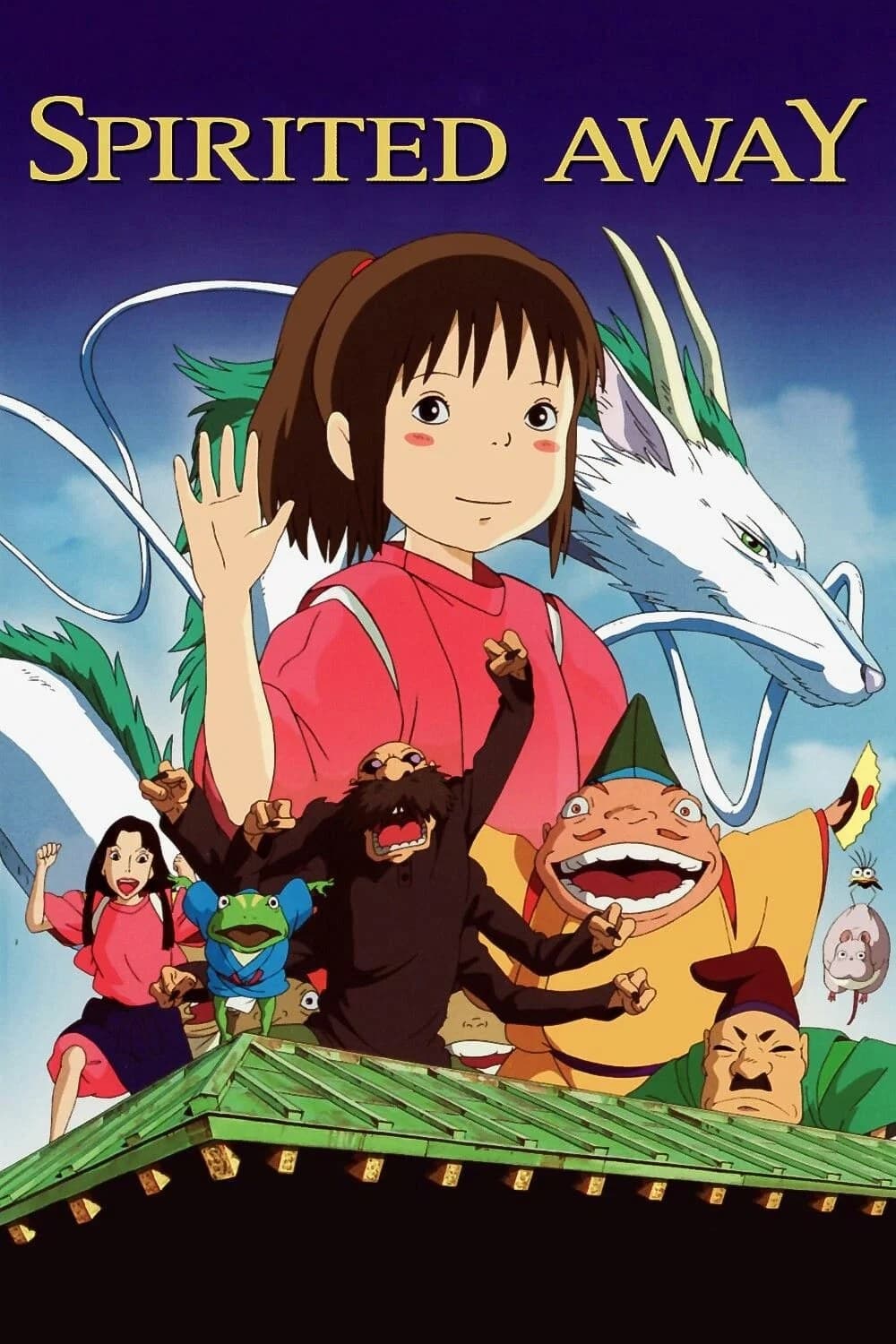
The high point of hand-drawn animation: Miyazaki invented a spirit world so dense and so unexplained that it took the Animated Feature Oscar away from every American studio.
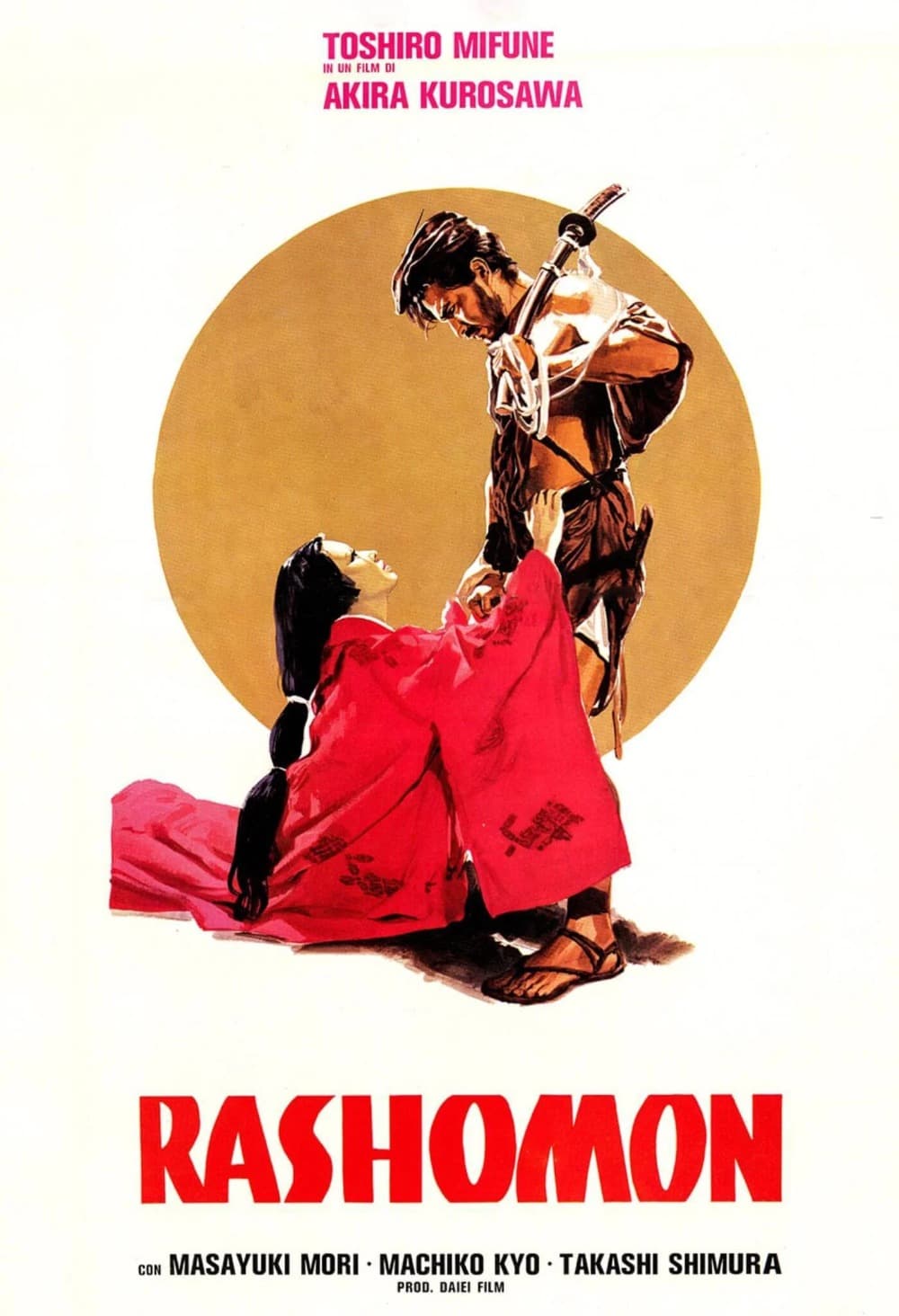
Kurosawa gave the language a word for irreconcilable testimony and opened Japanese cinema to the world: four accounts of one killing, none of which can be squared with another.
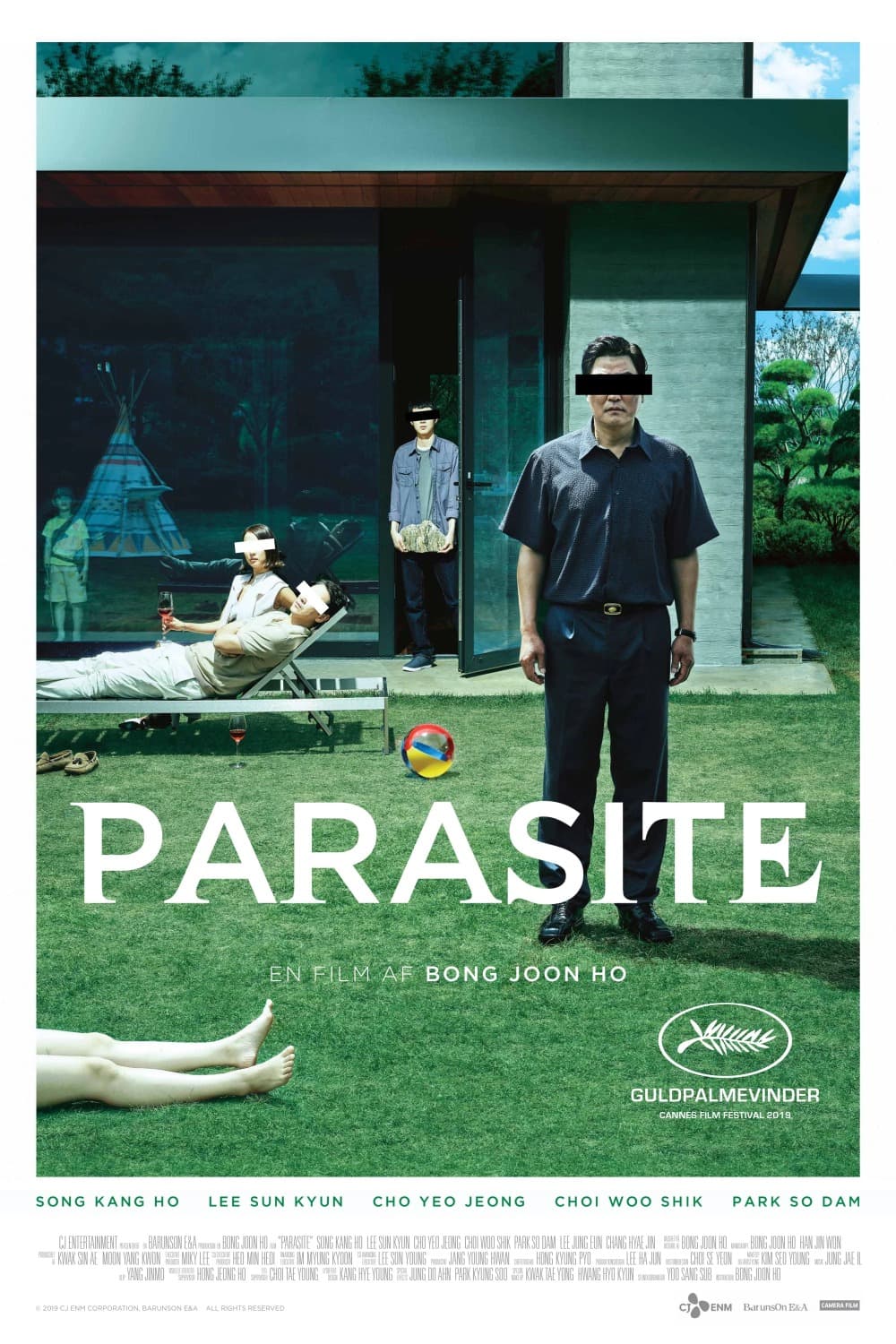
The first film not in English to win Best Picture: Bong turned class rage into something so entertaining that the whole world watched it and then argued about what it meant.
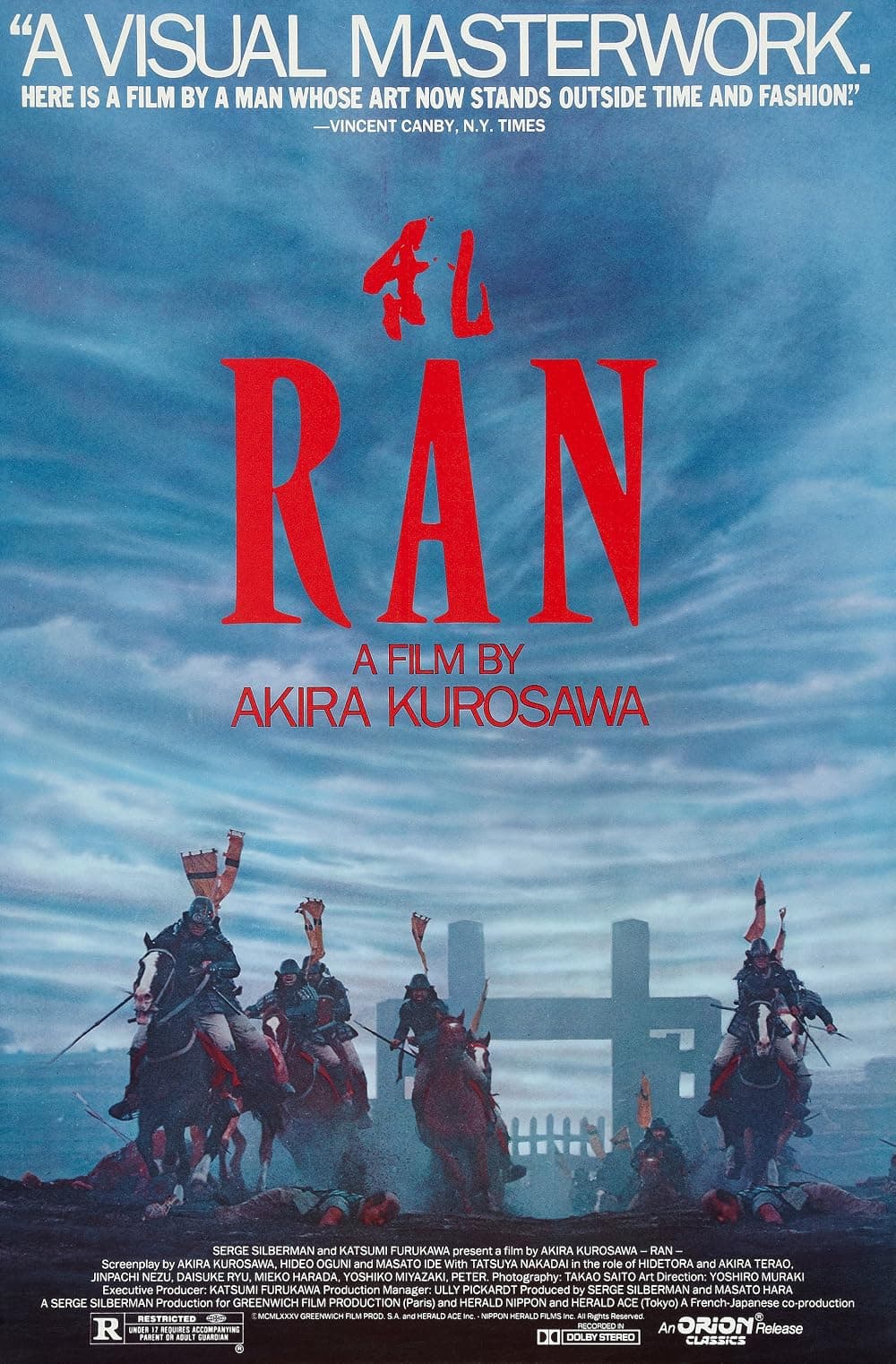
Kurosawa was seventy-five and his eyesight was failing when he made it: King Lear moved to feudal Japan, with a great battle that plays to music and nothing else.
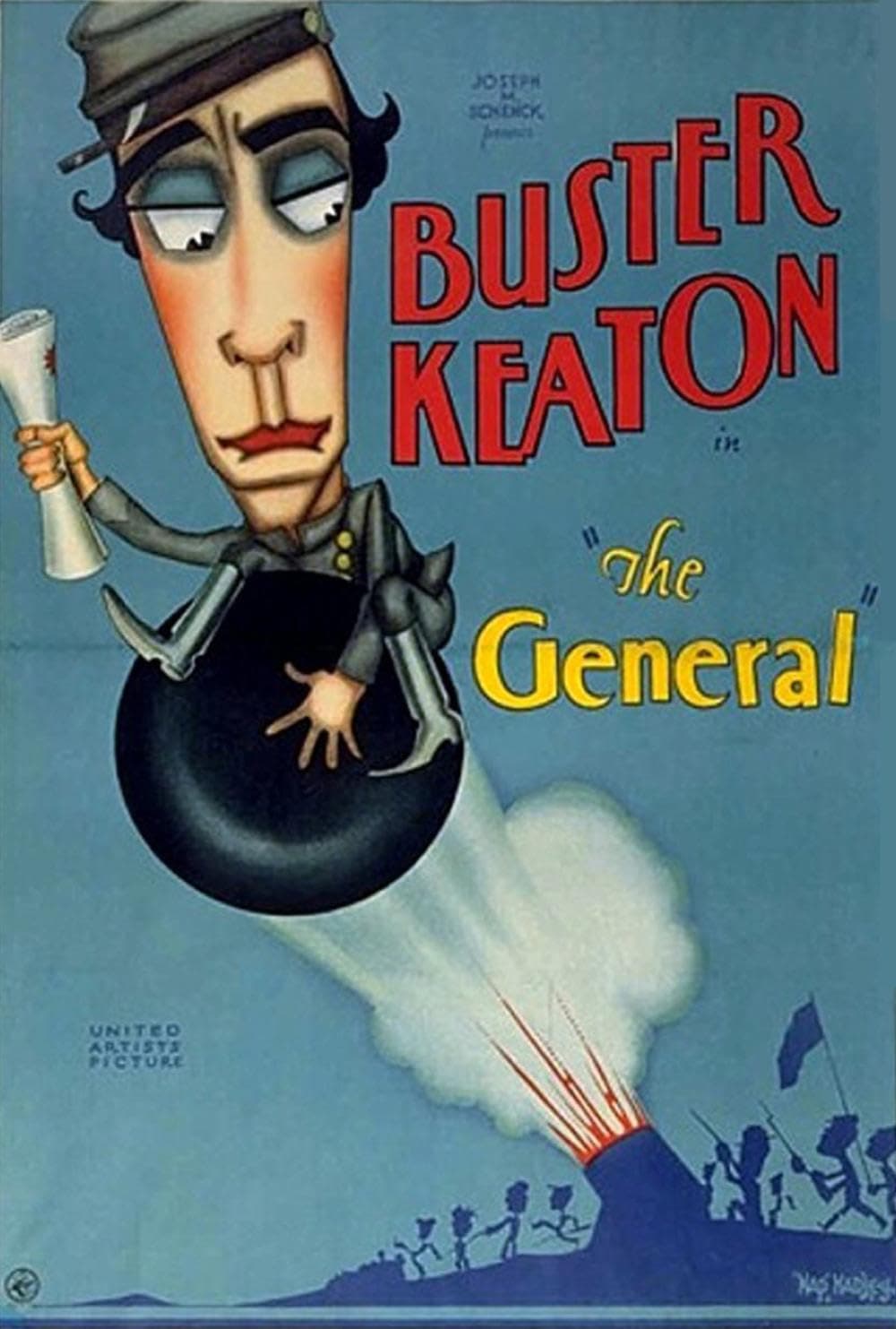
Keaton did every stunt himself and dropped a real locomotive through a burning bridge: it flopped, cost him his independence within two years, and is now considered the great silent comedy.
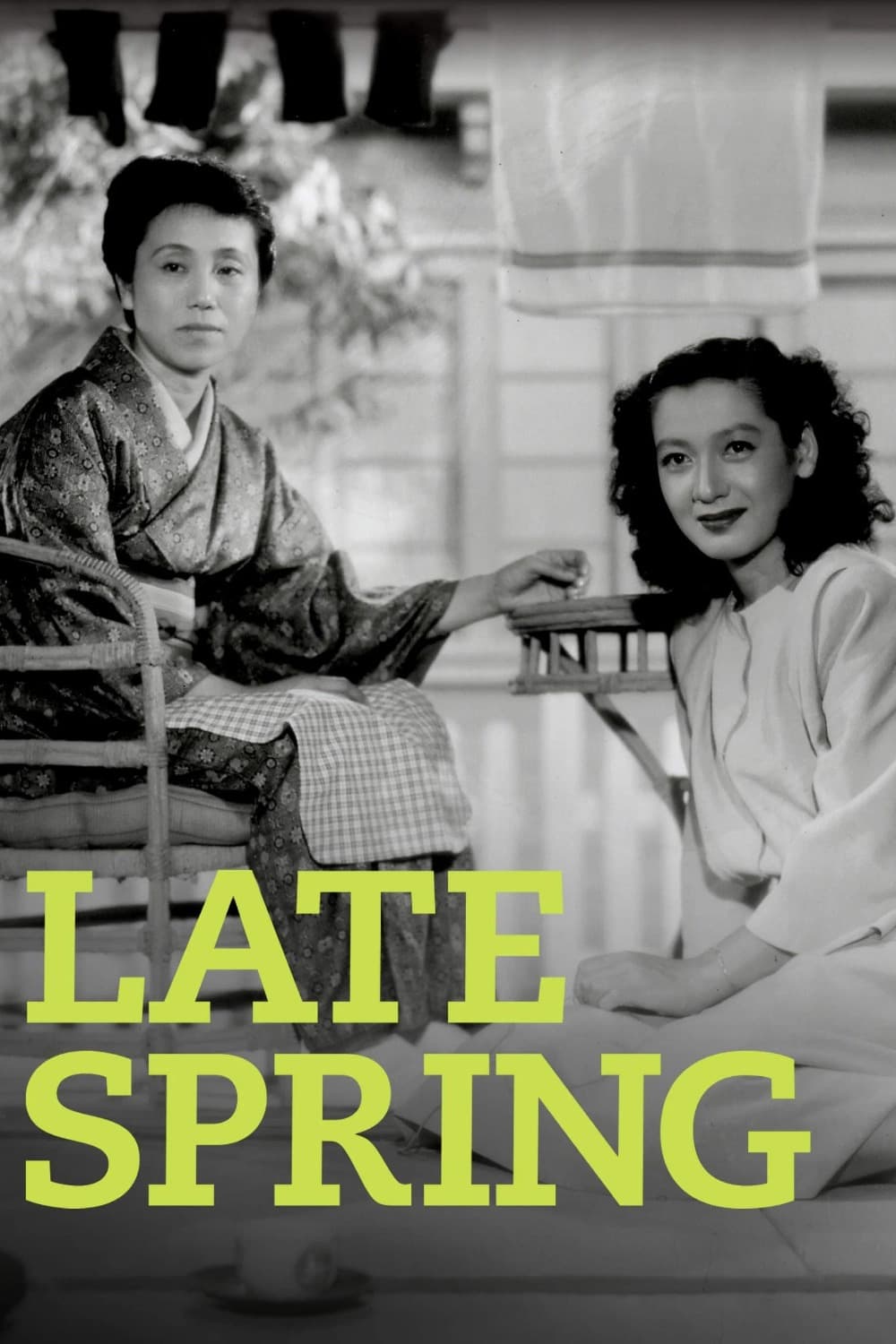
Ozu made the same film over and over and this is the most perfect version: a daughter who will not marry, a father who will not say what he wants, and one vase.
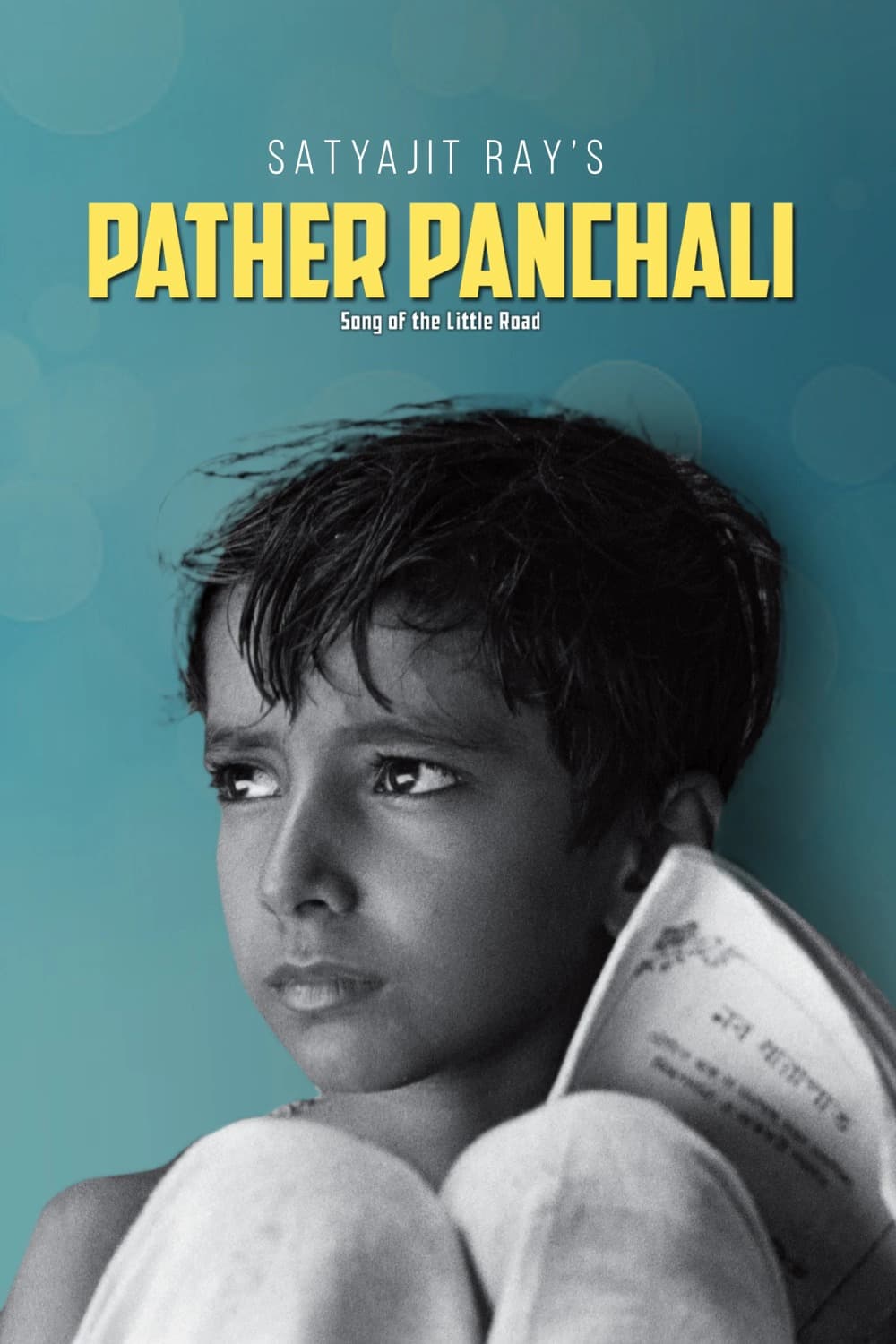
Indian cinema arrived in the world with this: Ray shot it on weekends with a first-time crew and no money, and the children seeing a train is pure wonder.
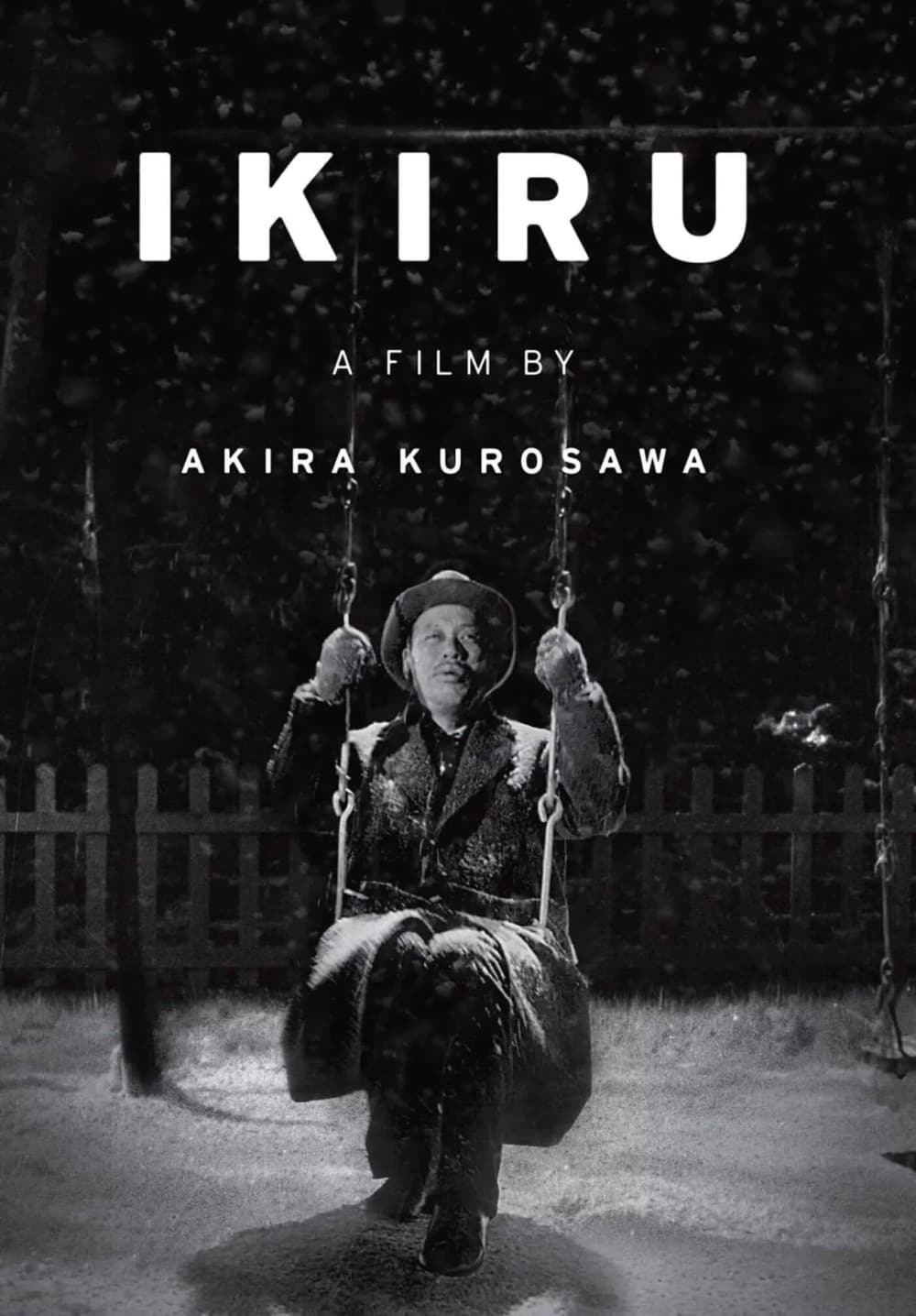
Kurosawa's answer to how a life should be spent: a bureaucrat gets one piece of terrible news and starts spending what is left deliberately, which will change how you see your job.
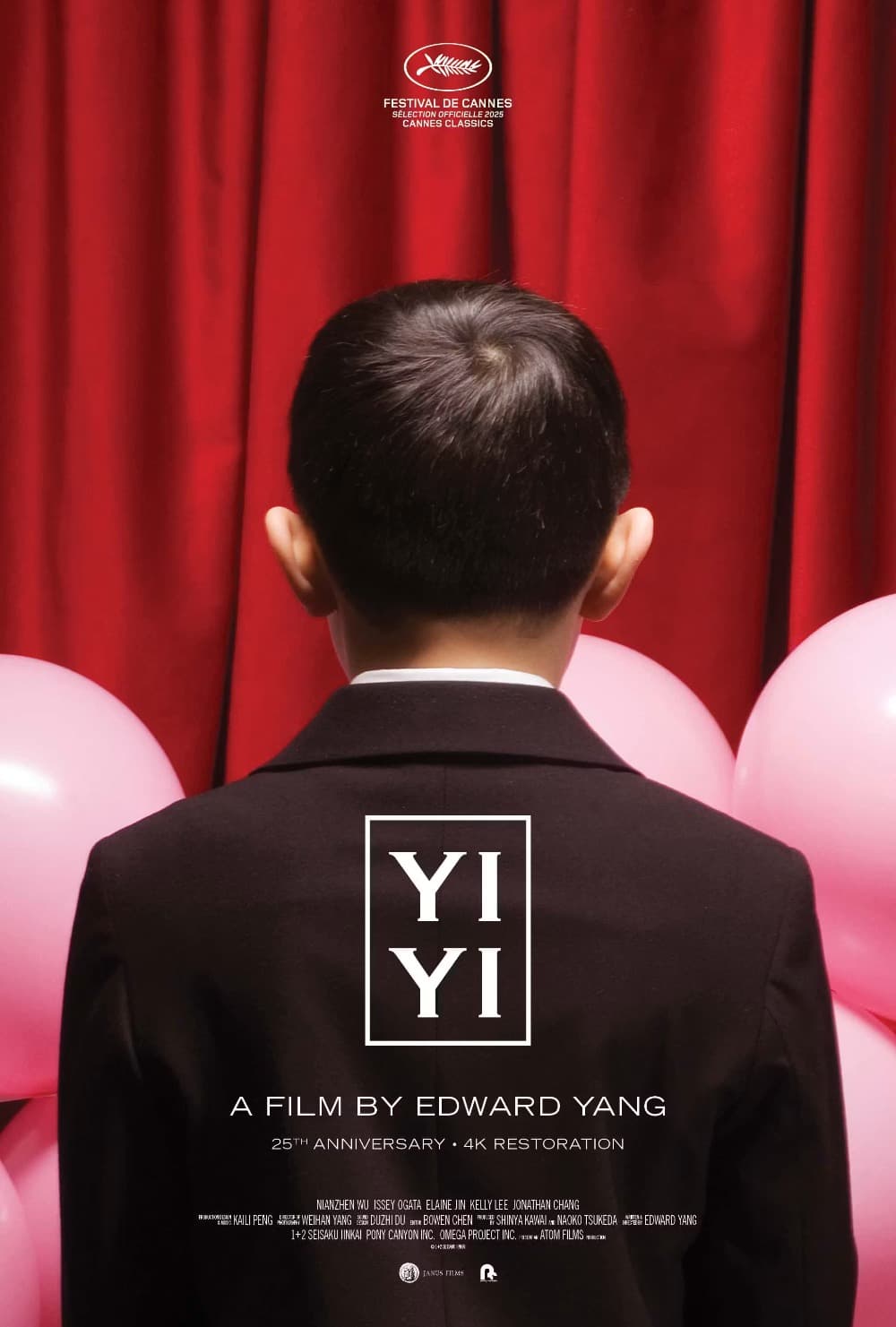
Nothing else captures an ordinary family like this: Yang holds three generations of a Taipei household in one frame, and the small boy photographing people's backs explains the whole method.
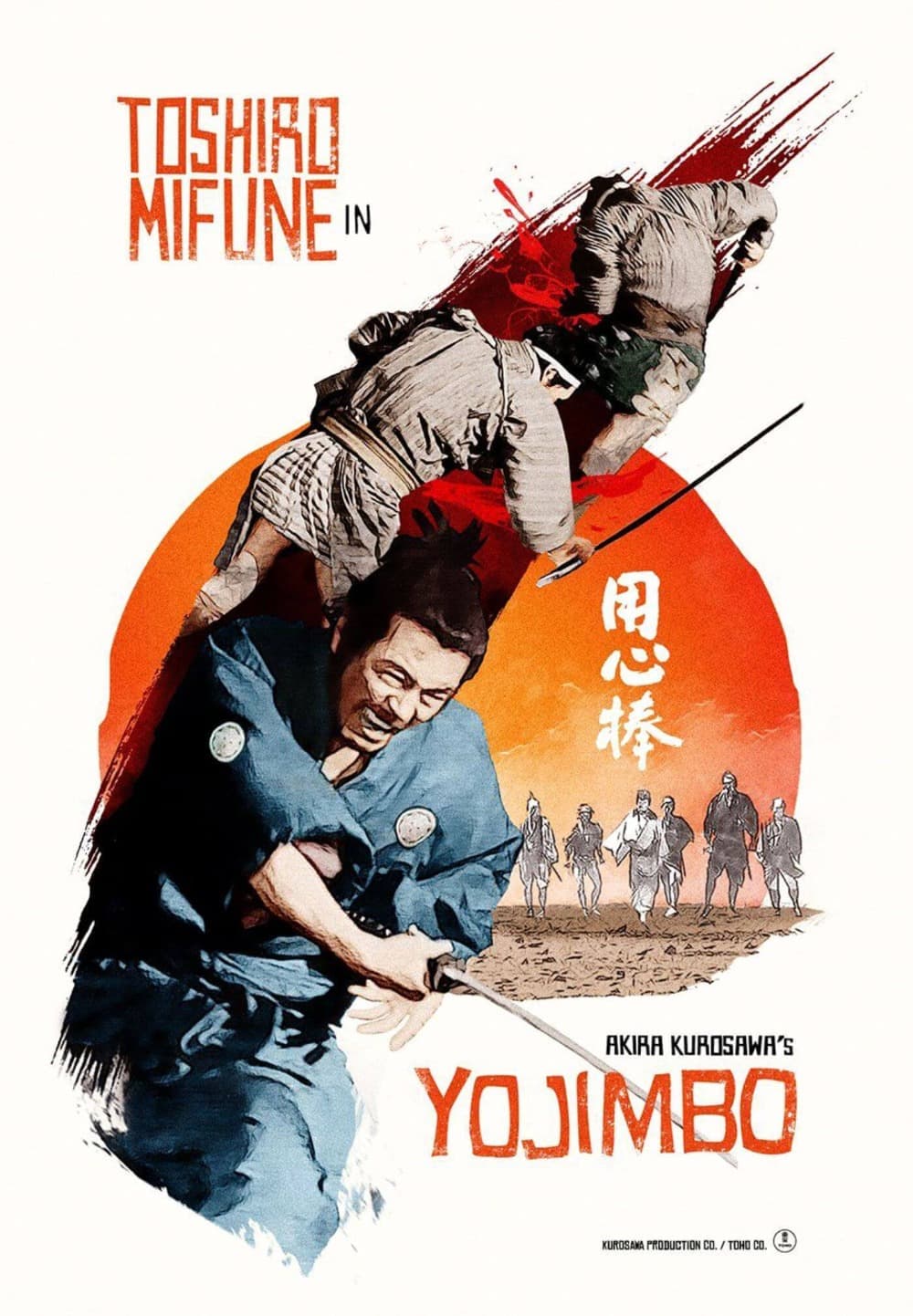
Leone took it wholesale for A Fistful of Dollars and Toho forced a settlement out of court: Kurosawa's samurai playing two gangs against each other is the template everyone still uses.
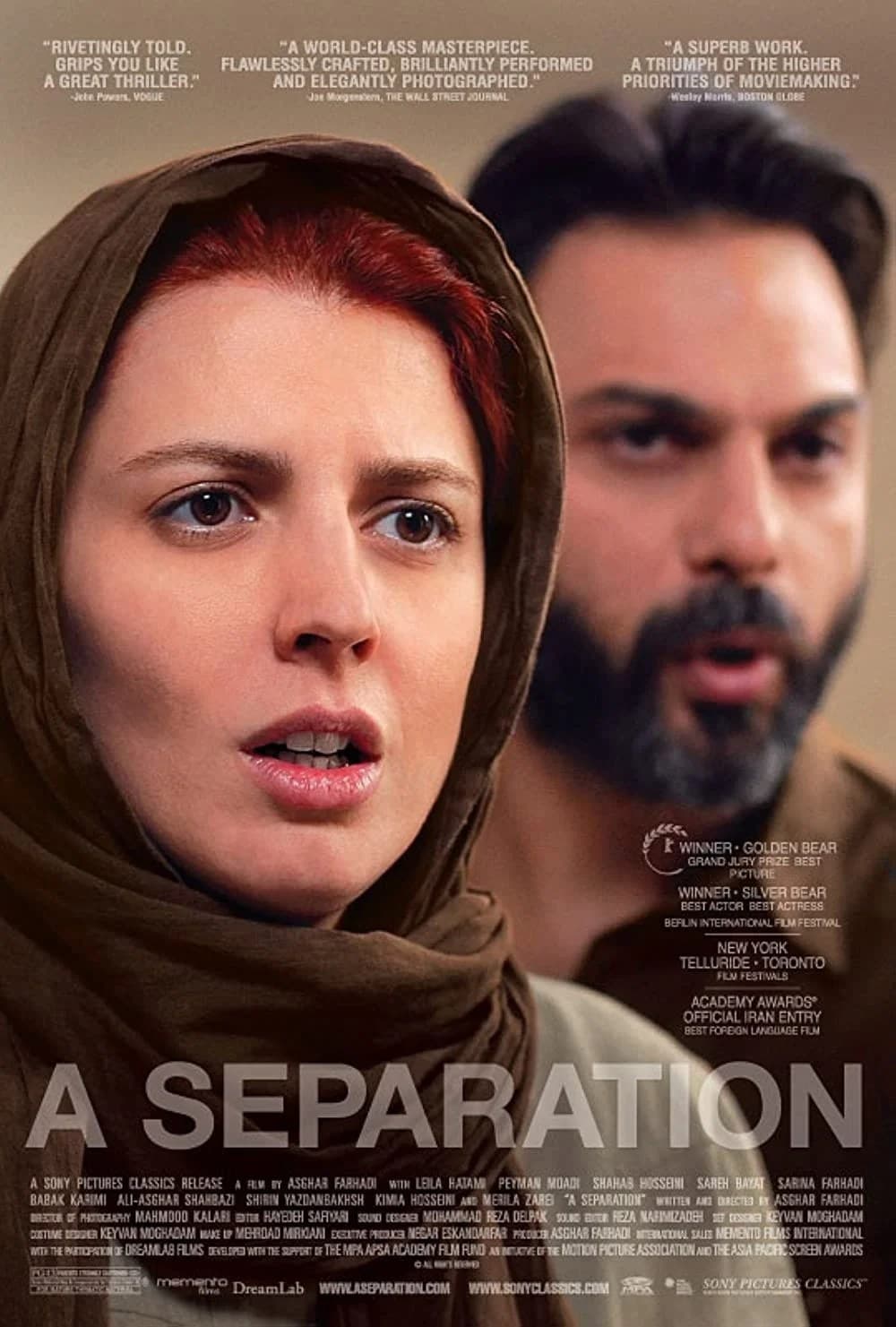
The first Iranian film to win the foreign language Oscar: Farhadi built a moral maze where every person is partly right, and you will change sides several times.
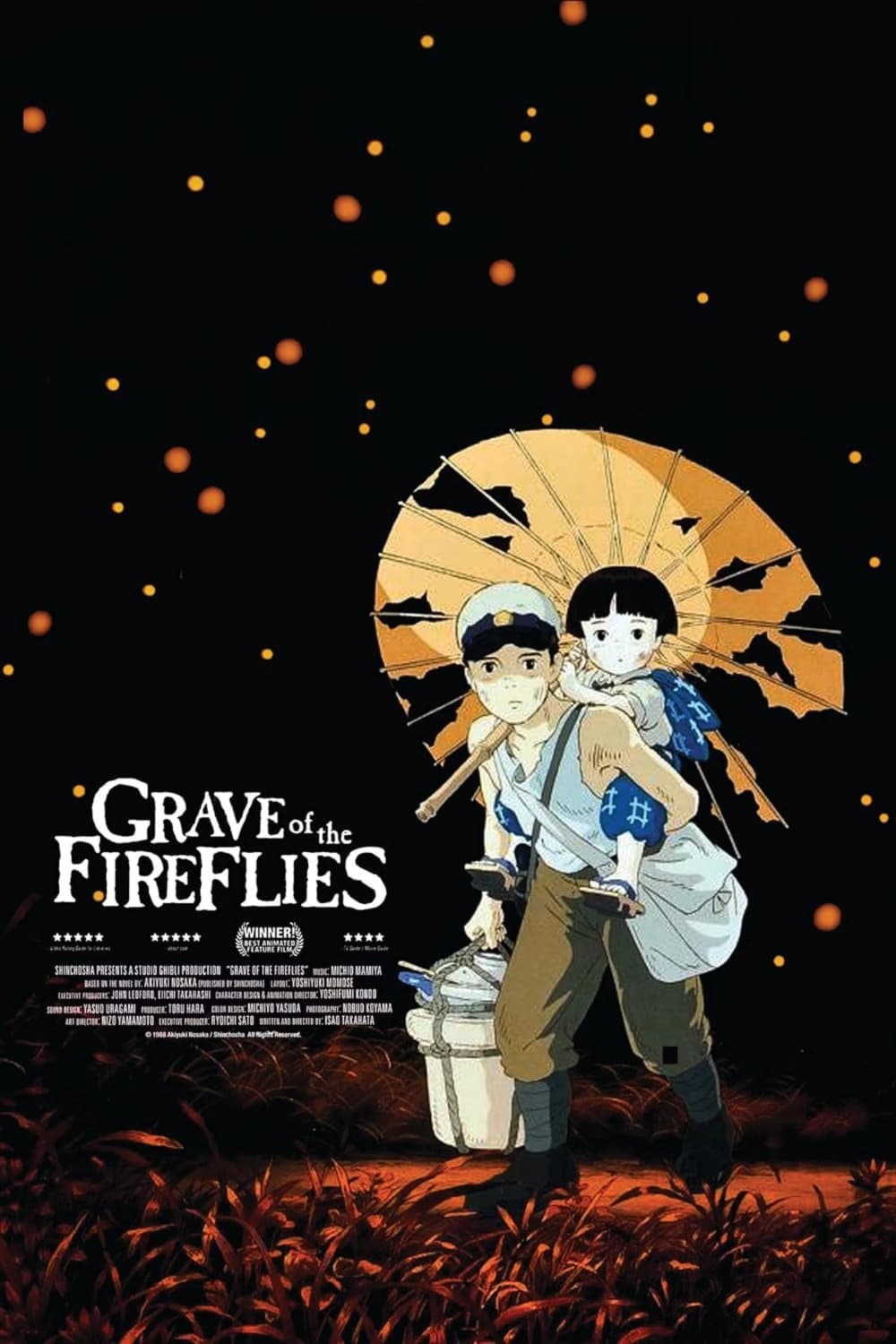
Nobody recommends this one lightly: Takahata put two children through the last months of the war in Japan, and being animated makes it harder to bear, not easier.
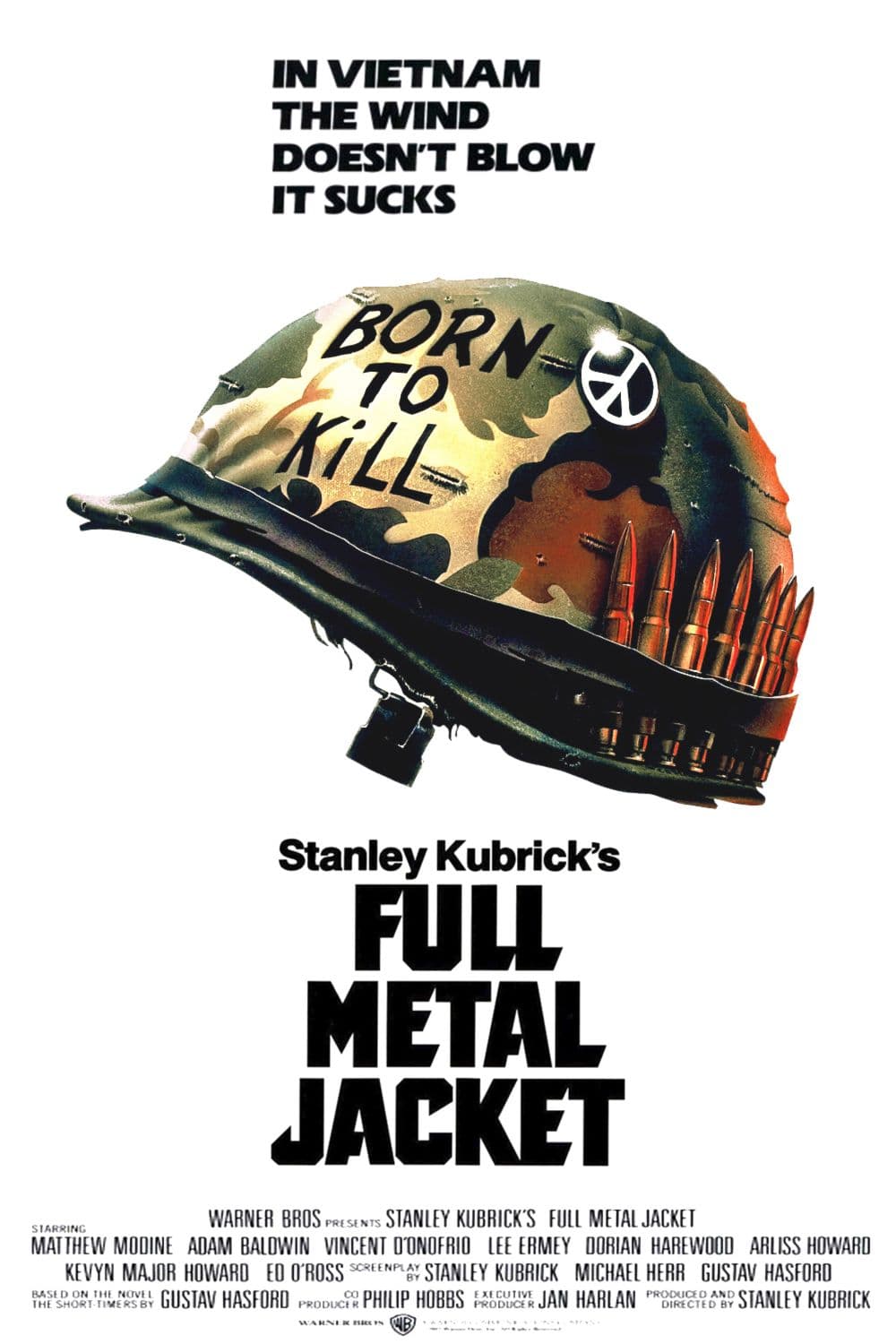
The first half is the most quoted boot camp ever filmed: Kubrick found a real Marine drill instructor, let him write half his own material, and made basic training terrifying.

Lean built an epic about the seduction of a job well done: a British colonel in a Japanese prison camp finds a strange satisfaction in building their bridge properly.
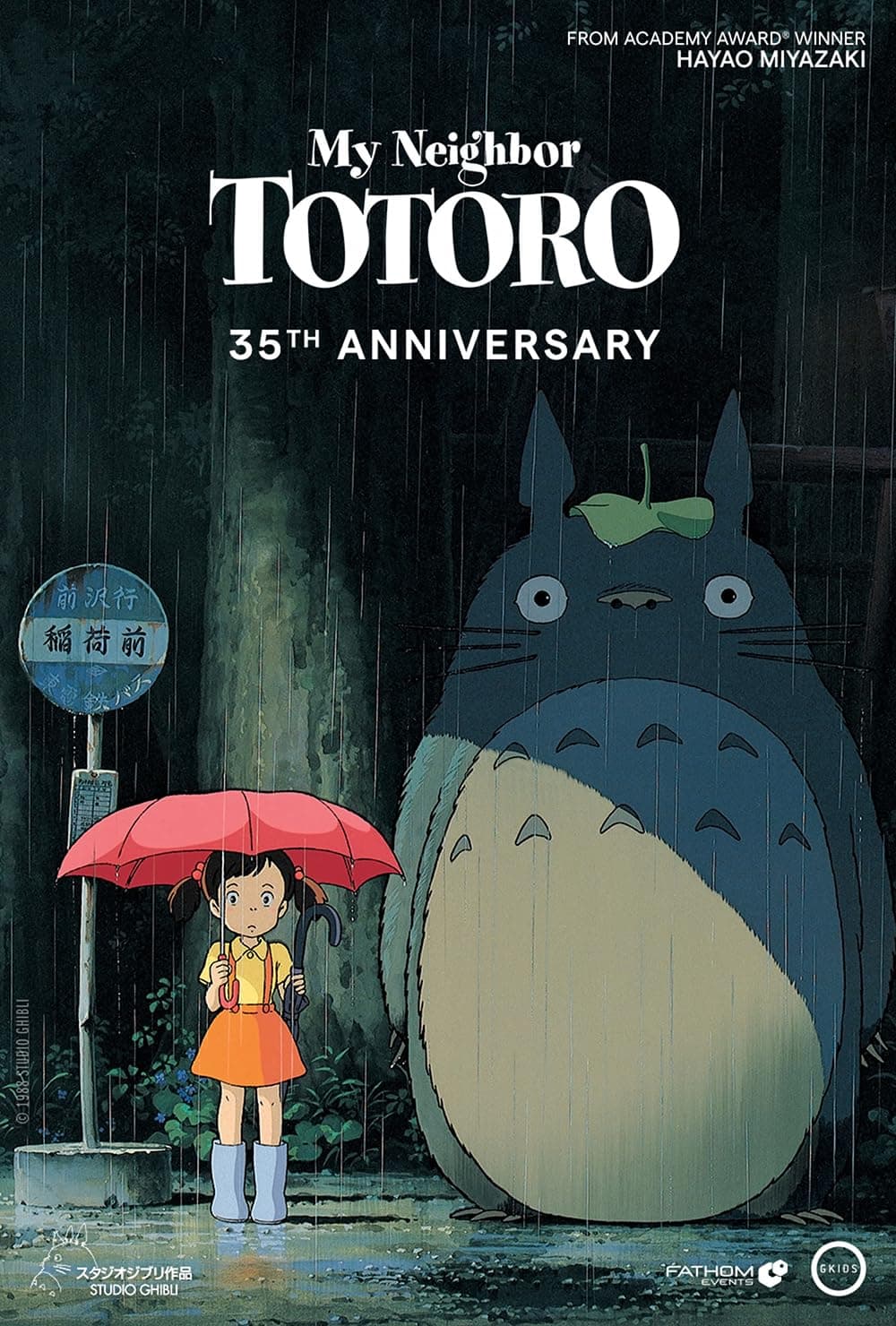
Children's films almost never dare to have no villain: Miyazaki made eighty minutes of pure safety out of two sisters and a forest spirit, and it became Ghibli's emblem.
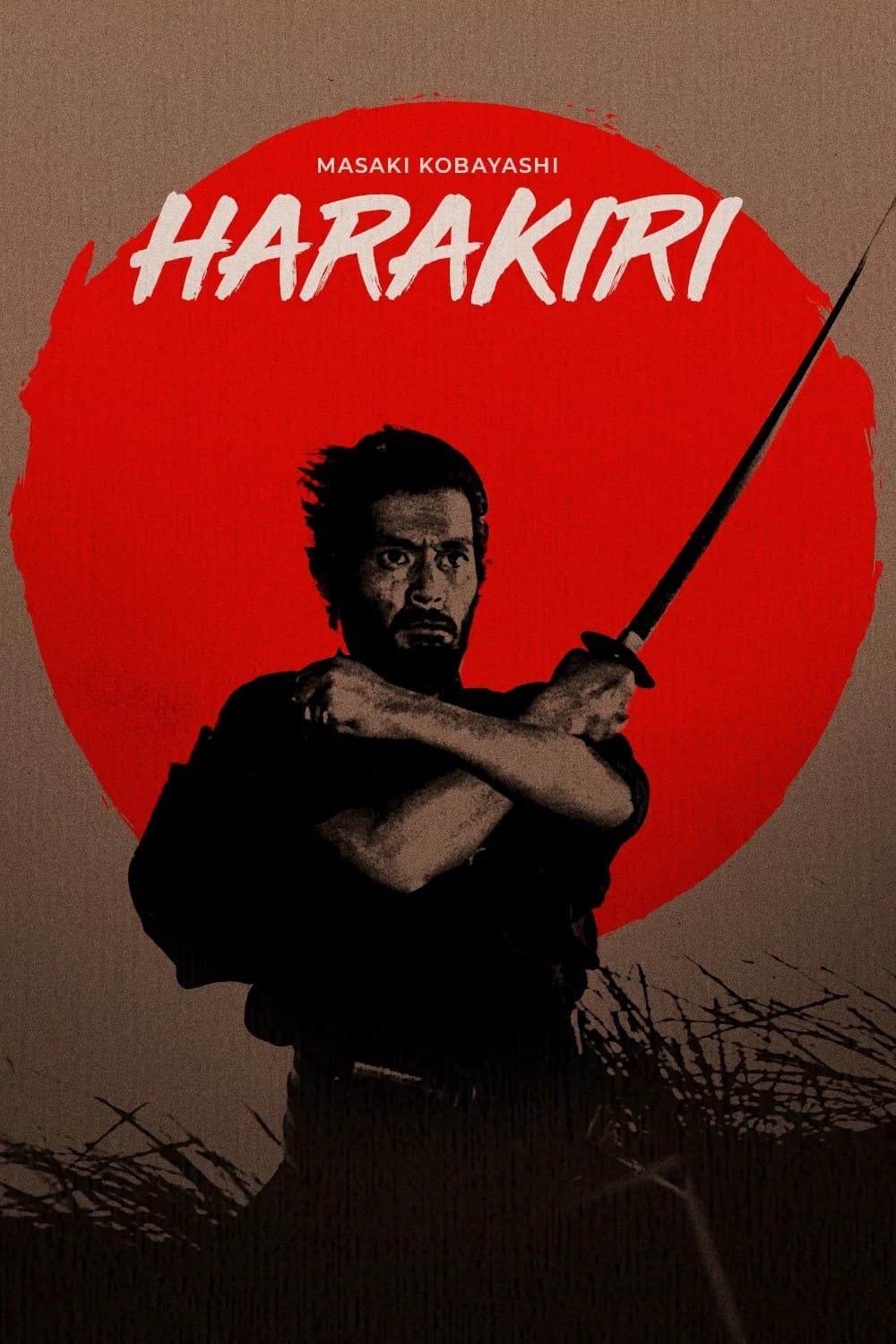
Kobayashi took the samurai film apart from the inside: an old warrior asks to die in a lord's courtyard, and what he says first dismantles the entire code of honor.
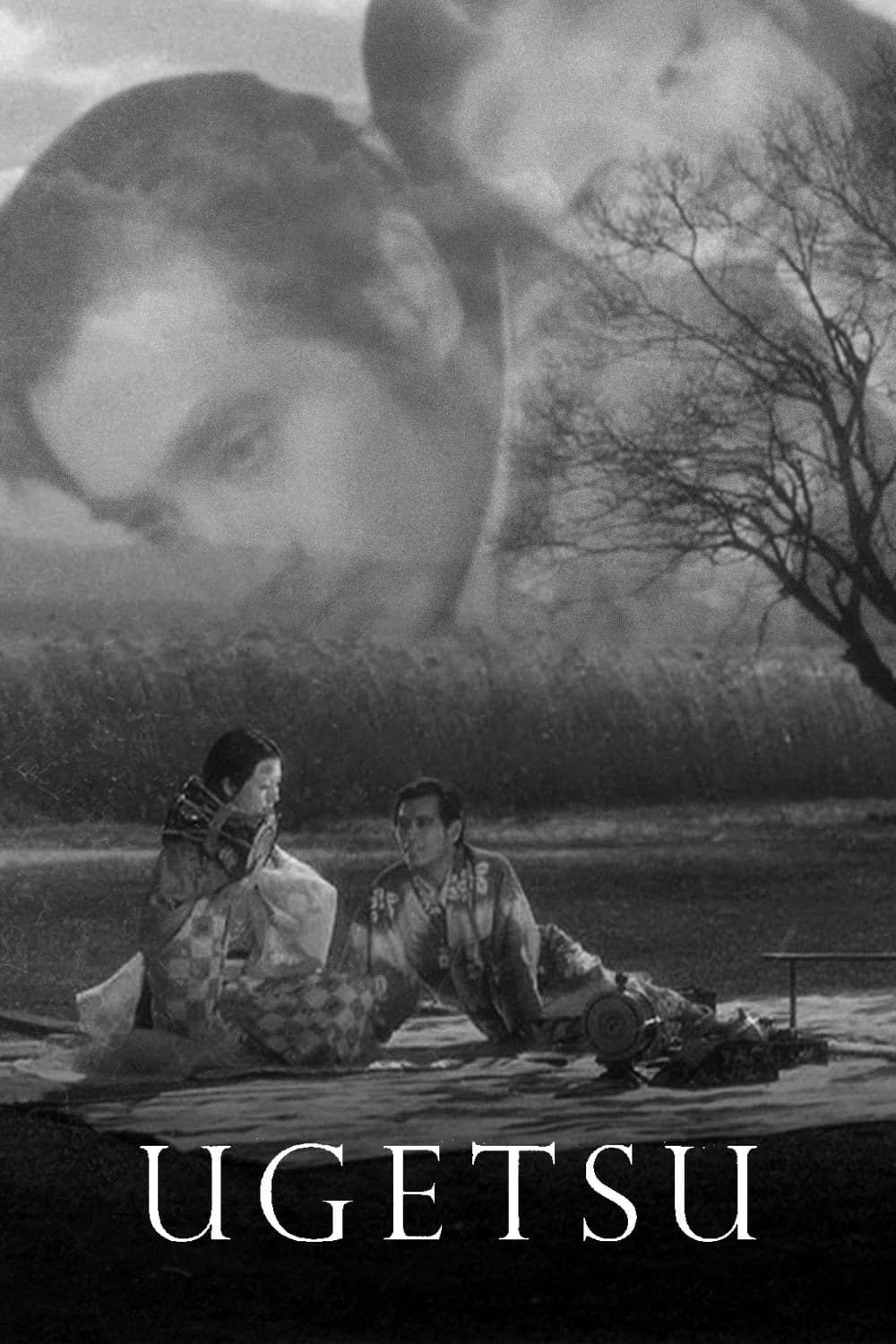
Mizoguchi's ghost story is the one other directors mention when asked what changed them: two peasants chase money through a civil war, and the crossing through fog is unearthly.
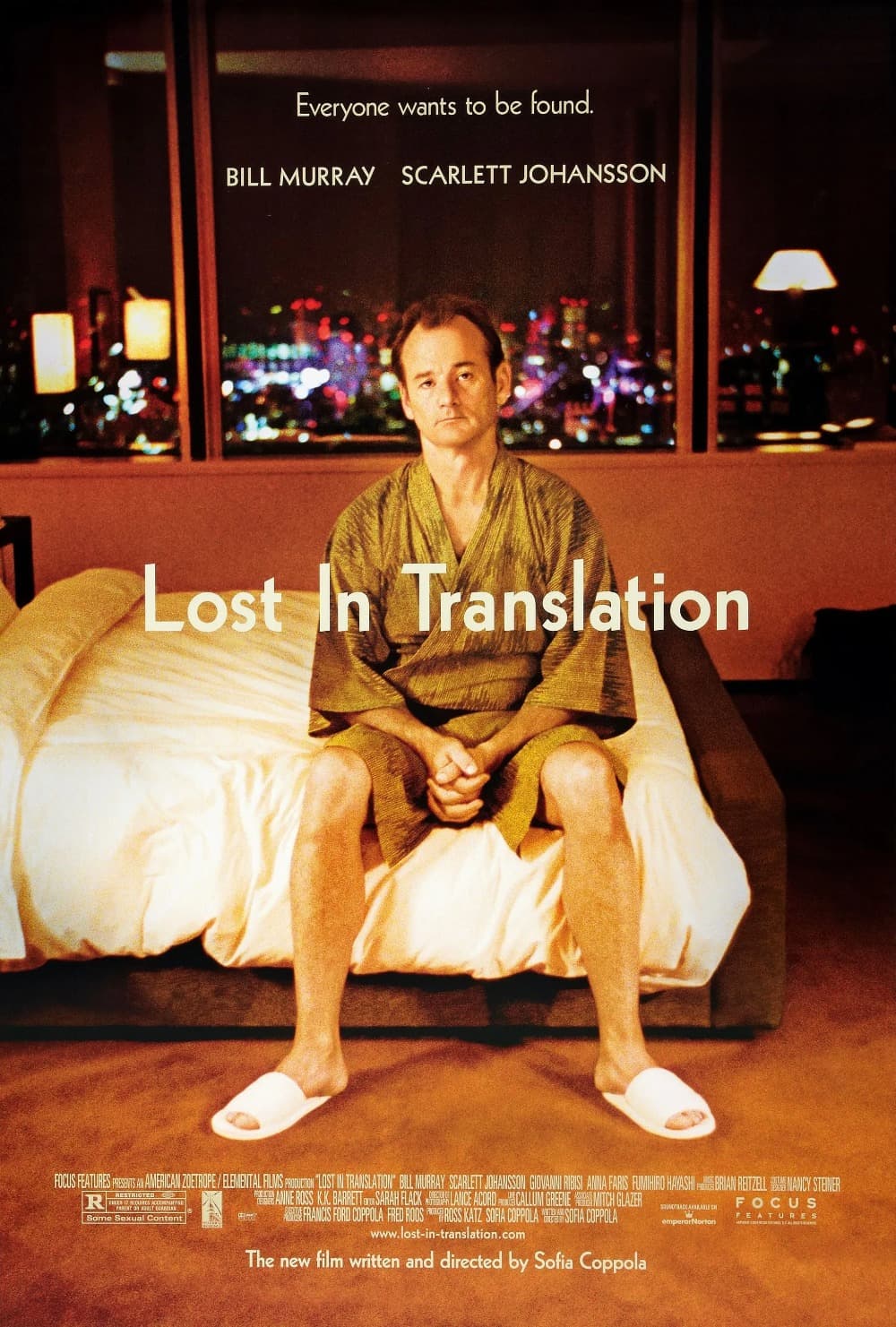
Almost nothing happens and it stays with people for years: jet lag, neon, a Tokyo hotel bar, and two people awake at the wrong hours keeping each other company.
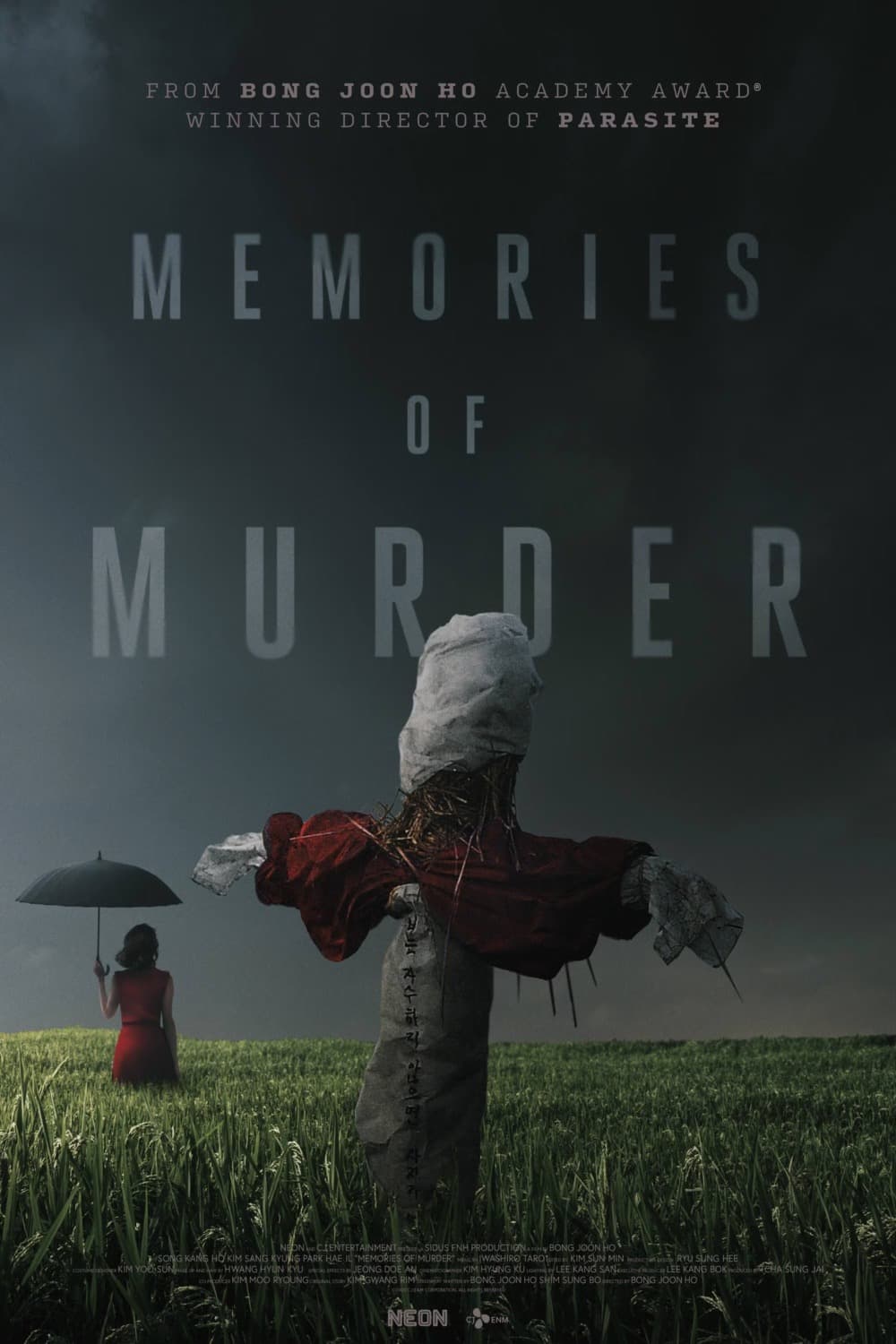
Bong made a serial killer film in which the police are the problem: it is based on a real case, and rural Korea itself ends up looking like the suspect.
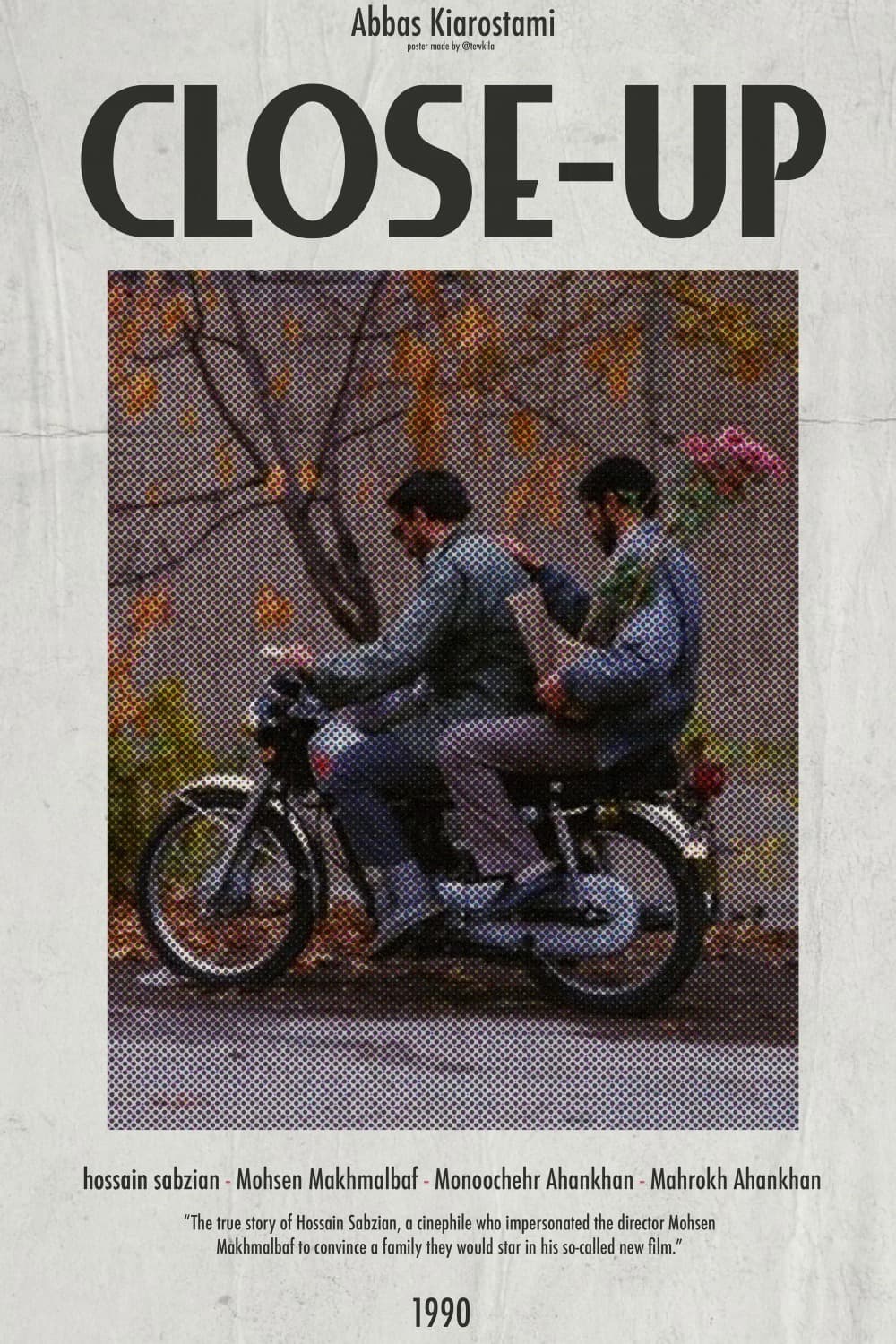
Kiarostami blurred documentary and fiction so completely that nobody has quite untangled it since: a man caught impersonating a director, with everyone involved playing themselves on camera.
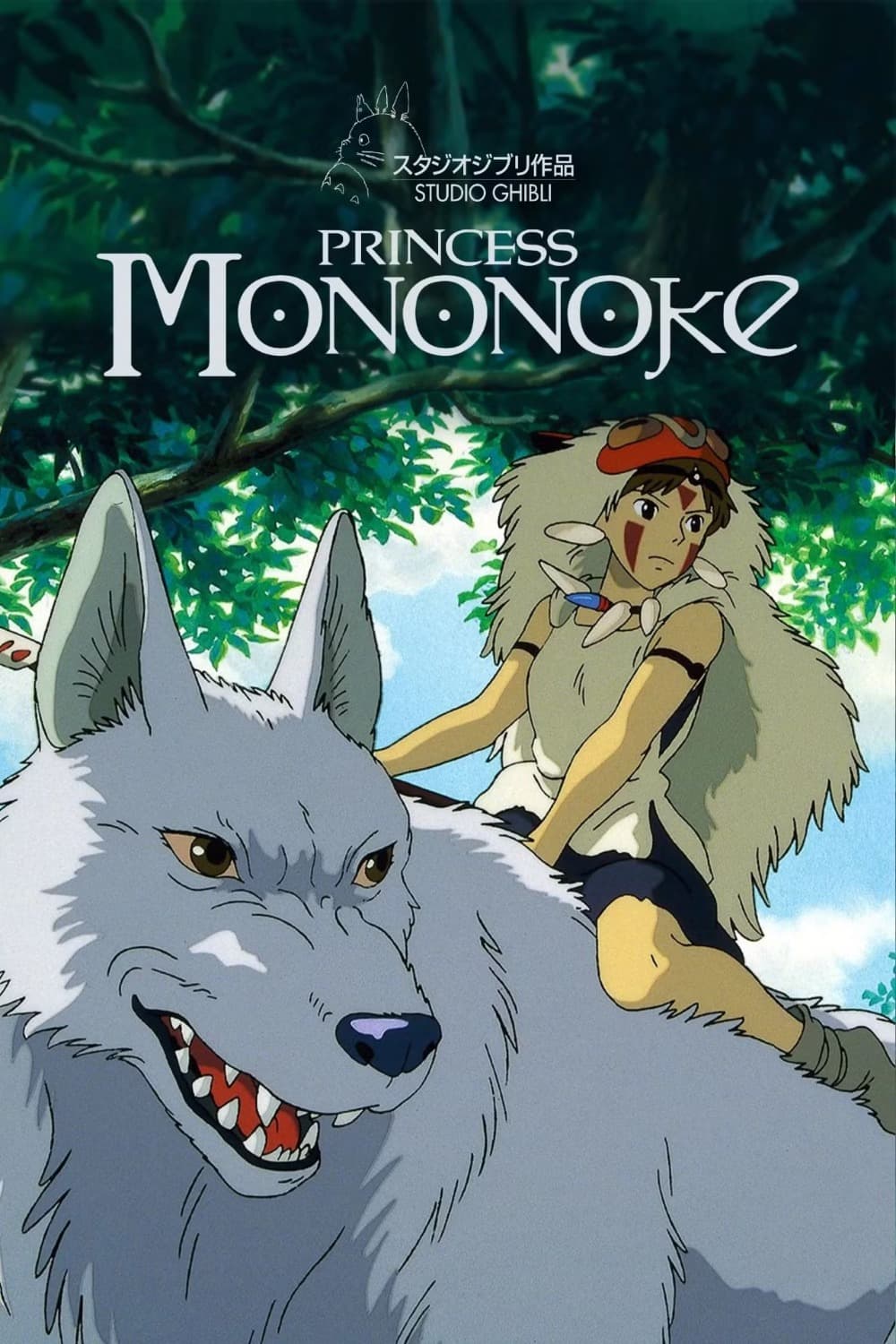
It held the Japanese box office record until Titanic arrived: Miyazaki staged a war between an iron town and the forest gods and refused to name a villain.
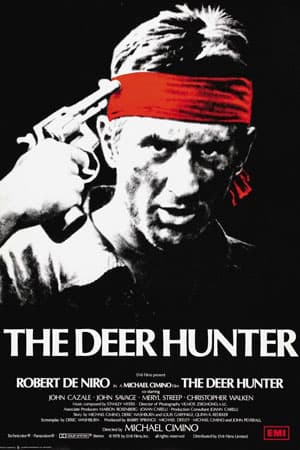
Cimino spends a whole first act on a steel town and a wedding, so that when the war arrives it lands on people you already know by name.
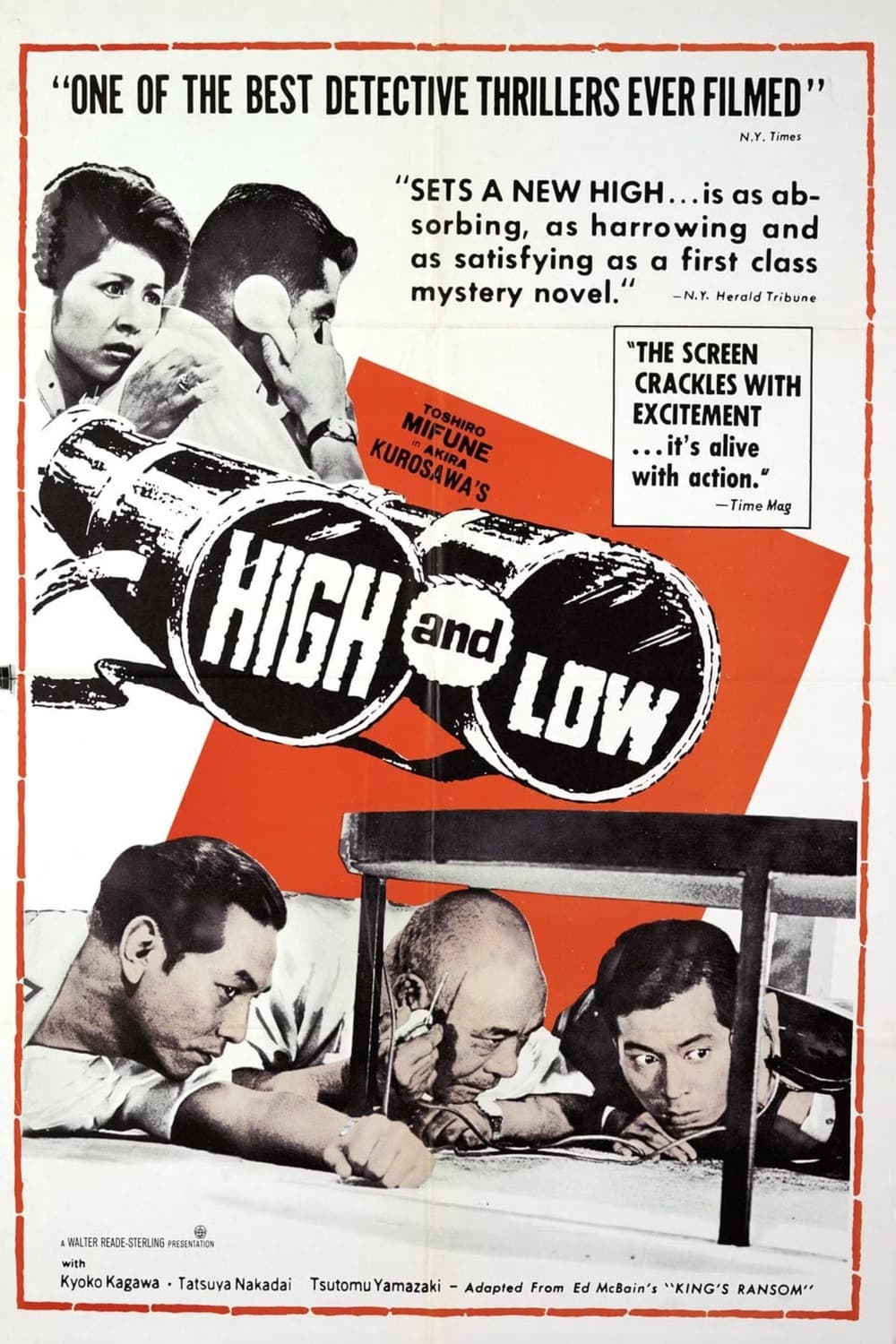
Kurosawa spends the entire first hour inside one house and it is unbearable: a rich man learns the kidnappers took the wrong child and still want his money.
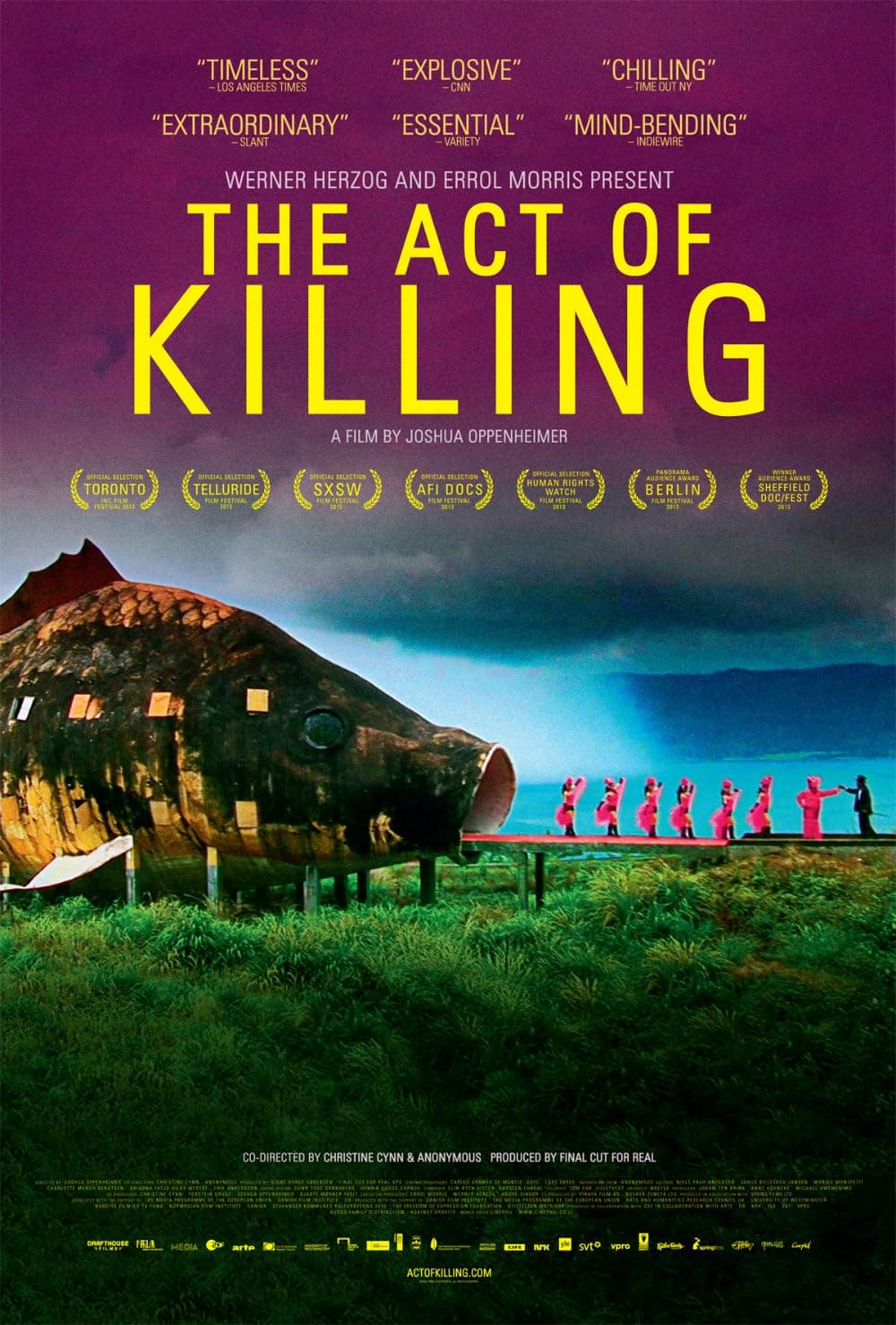
Oppenheimer asked the men who carried out Indonesia's mass killings to restage them as movie scenes, and they agreed gladly: no documentary has ever been braver or harder to sit through.
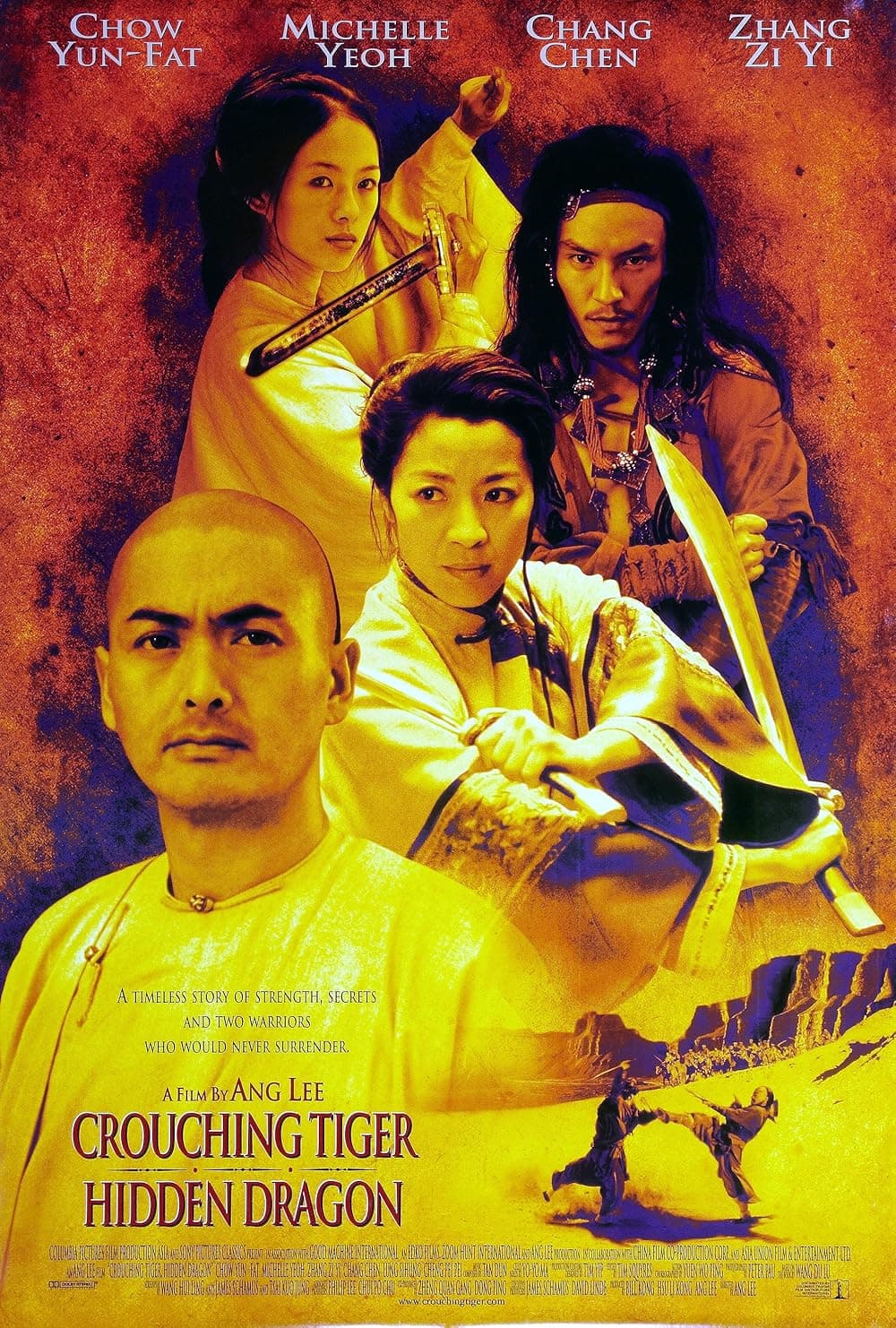
It won four Academy Awards and remains the highest grossing foreign language film ever released in America: wire work so graceful that gravity stops being a consideration.
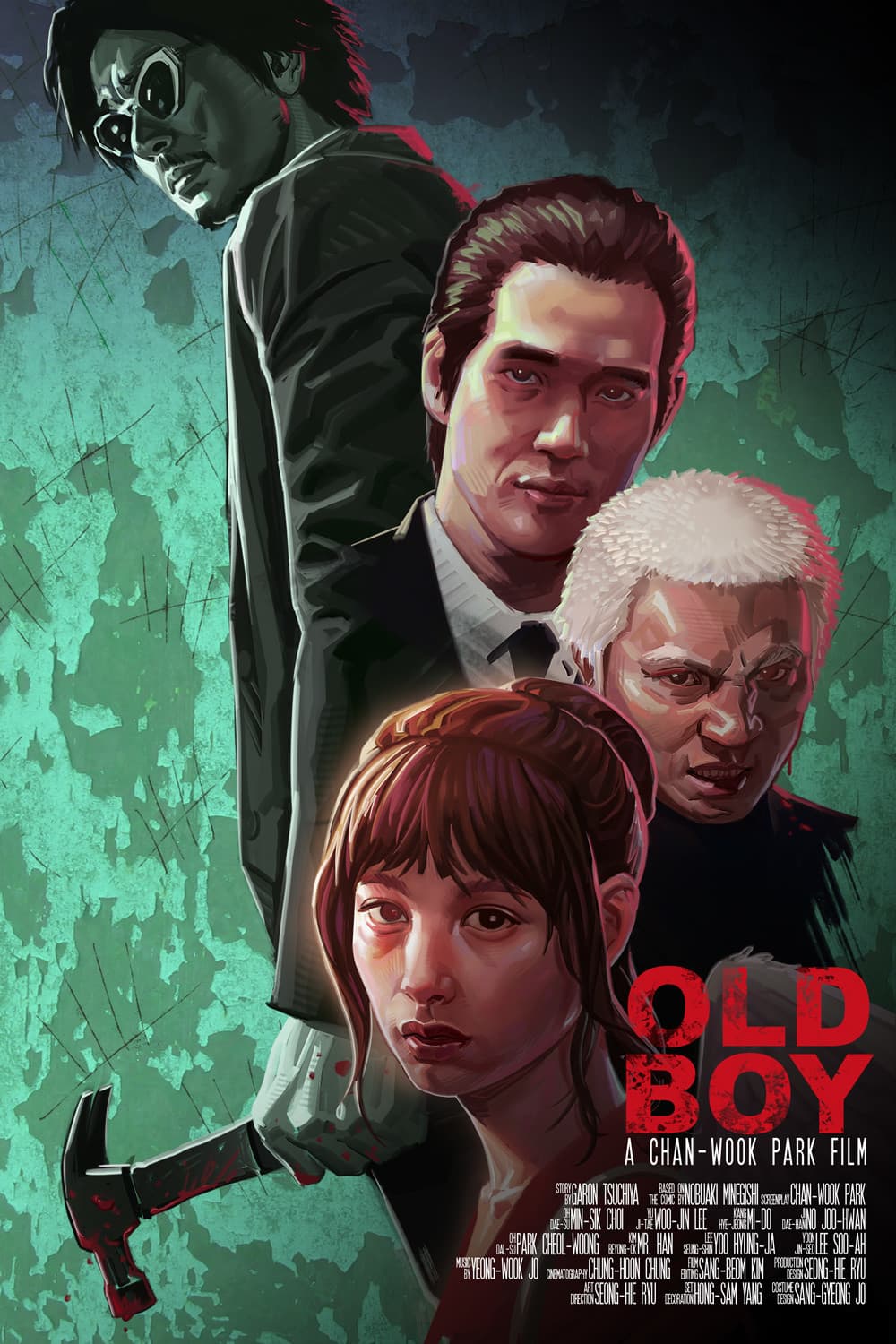
Korean cinema broke through in the West on the strength of this: fifteen years locked in a room without explanation, and a corridor fight staged in one take.
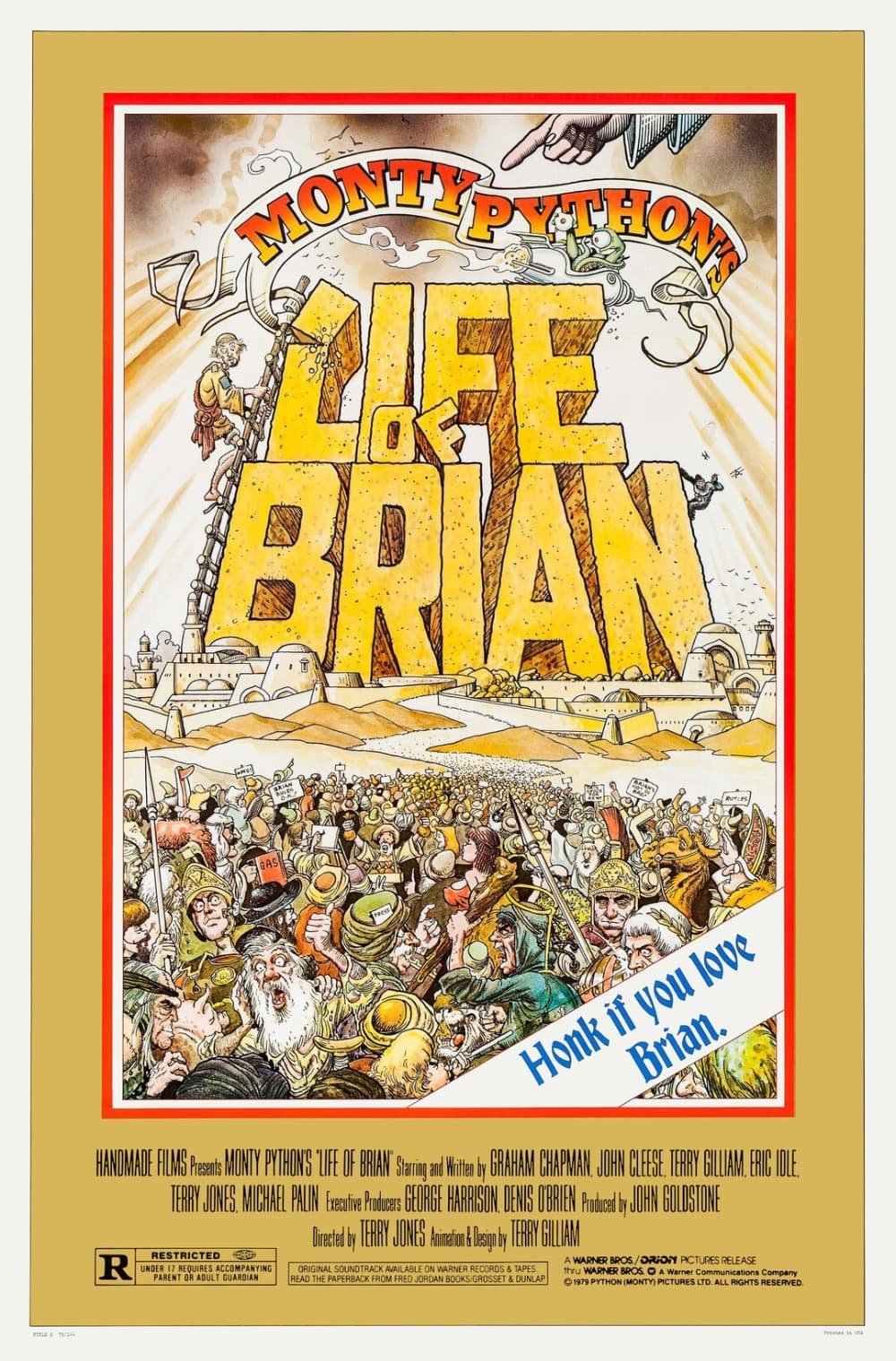
Councils across Britain banned it and Norway would not show it at all: the Pythons went after zealotry rather than faith, which is exactly why it still works.
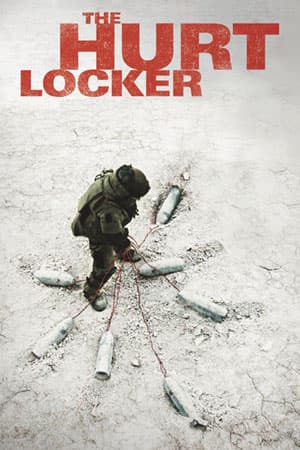
Bigelow made war feel like an addiction rather than a duty: a bomb disposal sergeant works without much fear, and every defusal is stretched until the room turns physical.
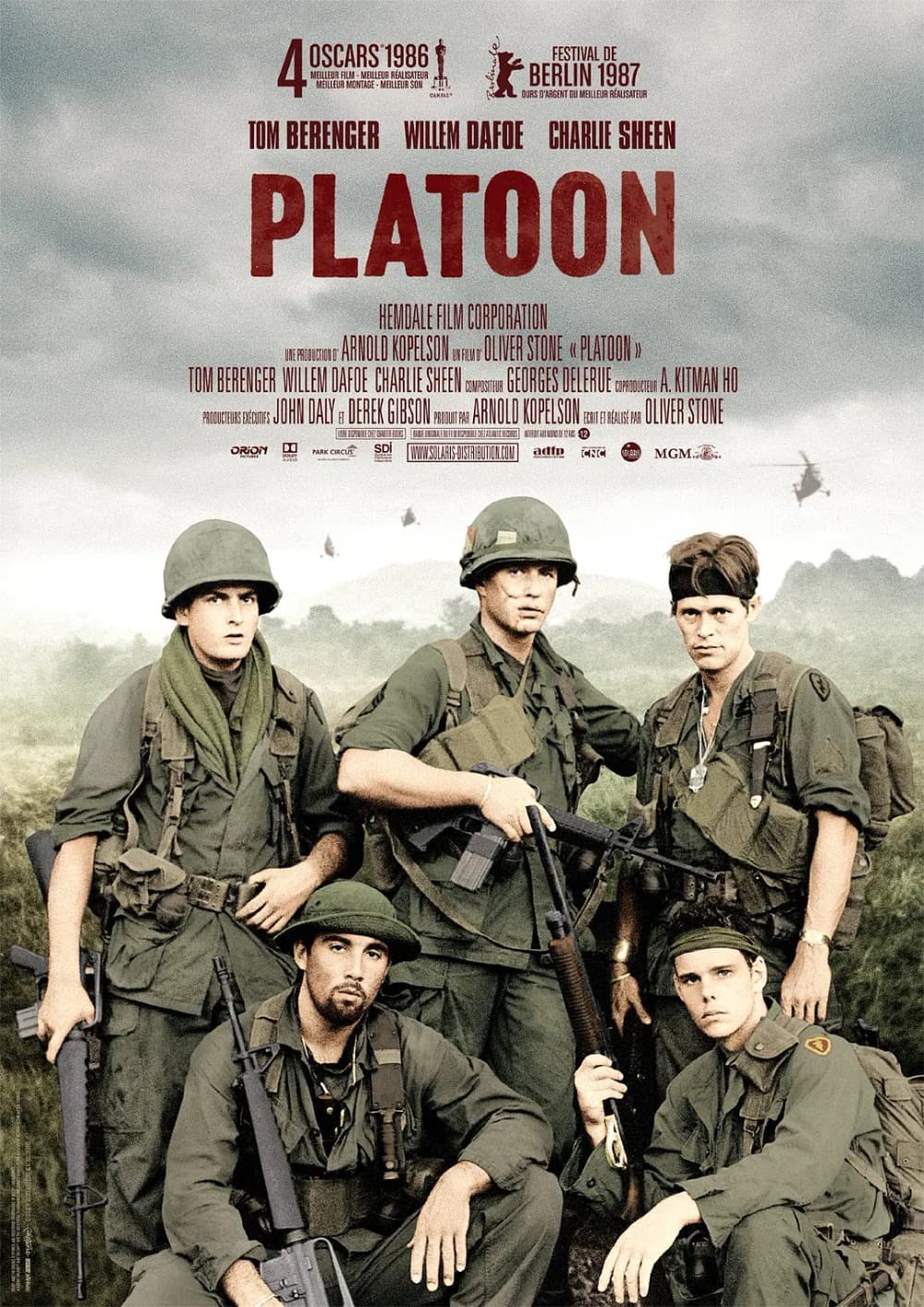
Oliver Stone served in Vietnam and made this to correct everyone else's version: no glamour, no clarity, and a platoon that splits between two sergeants and stays split.
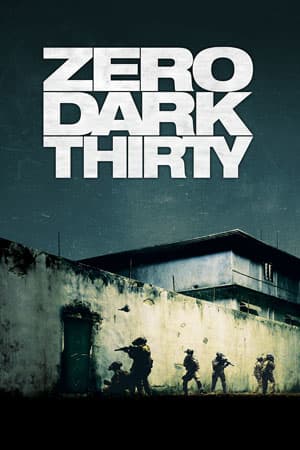
Bigelow filmed a decade-long manhunt as pure procedure and let the audience sit with what it cost: the torture scenes started an argument that has never been settled.
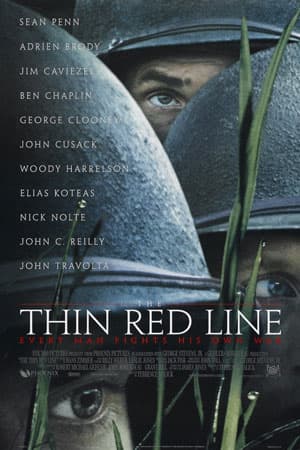
Malick came back after twenty years and made a war film about grass, light and the voices in men's heads: Guadalcanal, filmed as though the island were the subject.
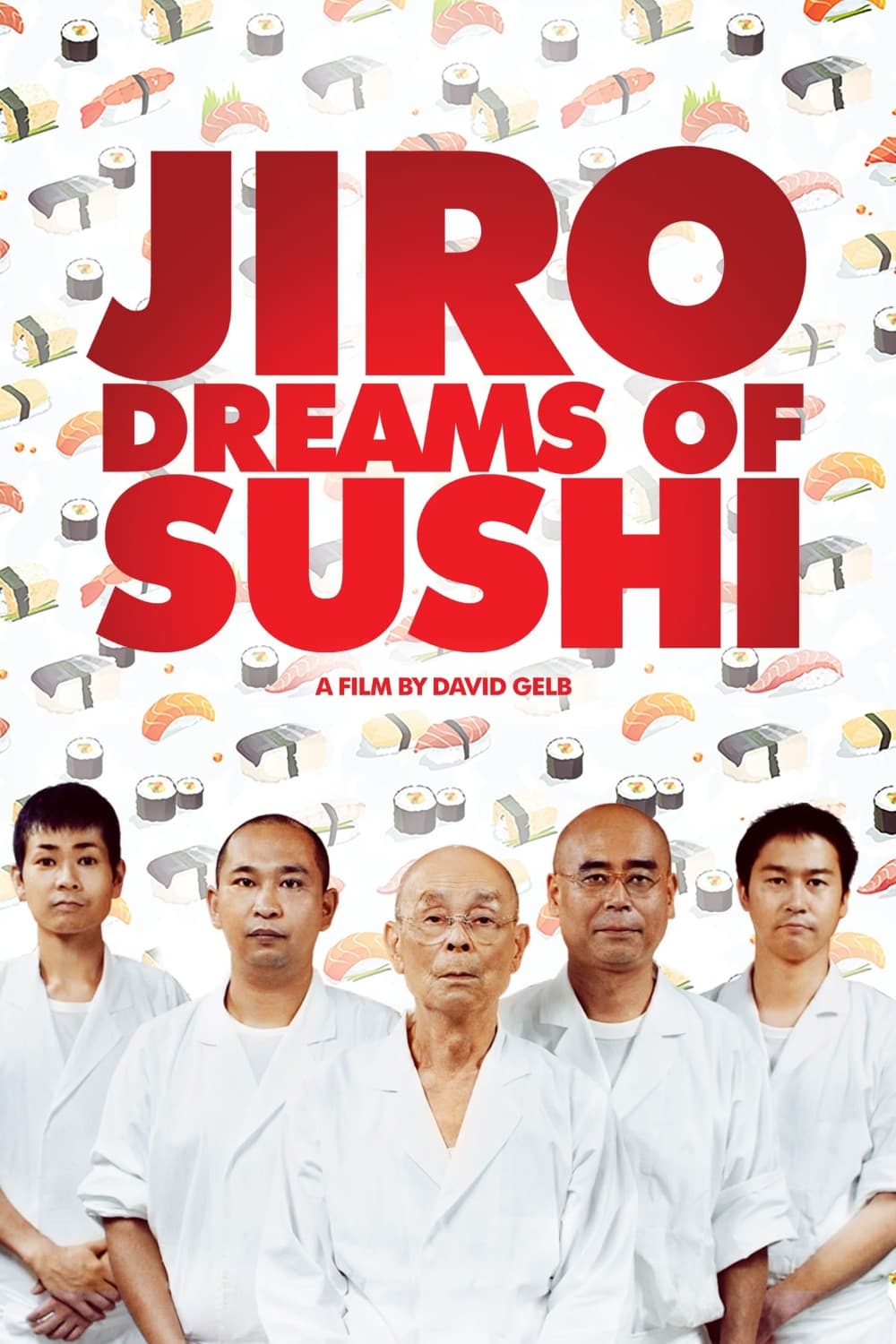
It will alter how you think about doing one thing for an entire lifetime: an eighty-five-year-old sushi master in a Tokyo subway station, still not satisfied with himself.
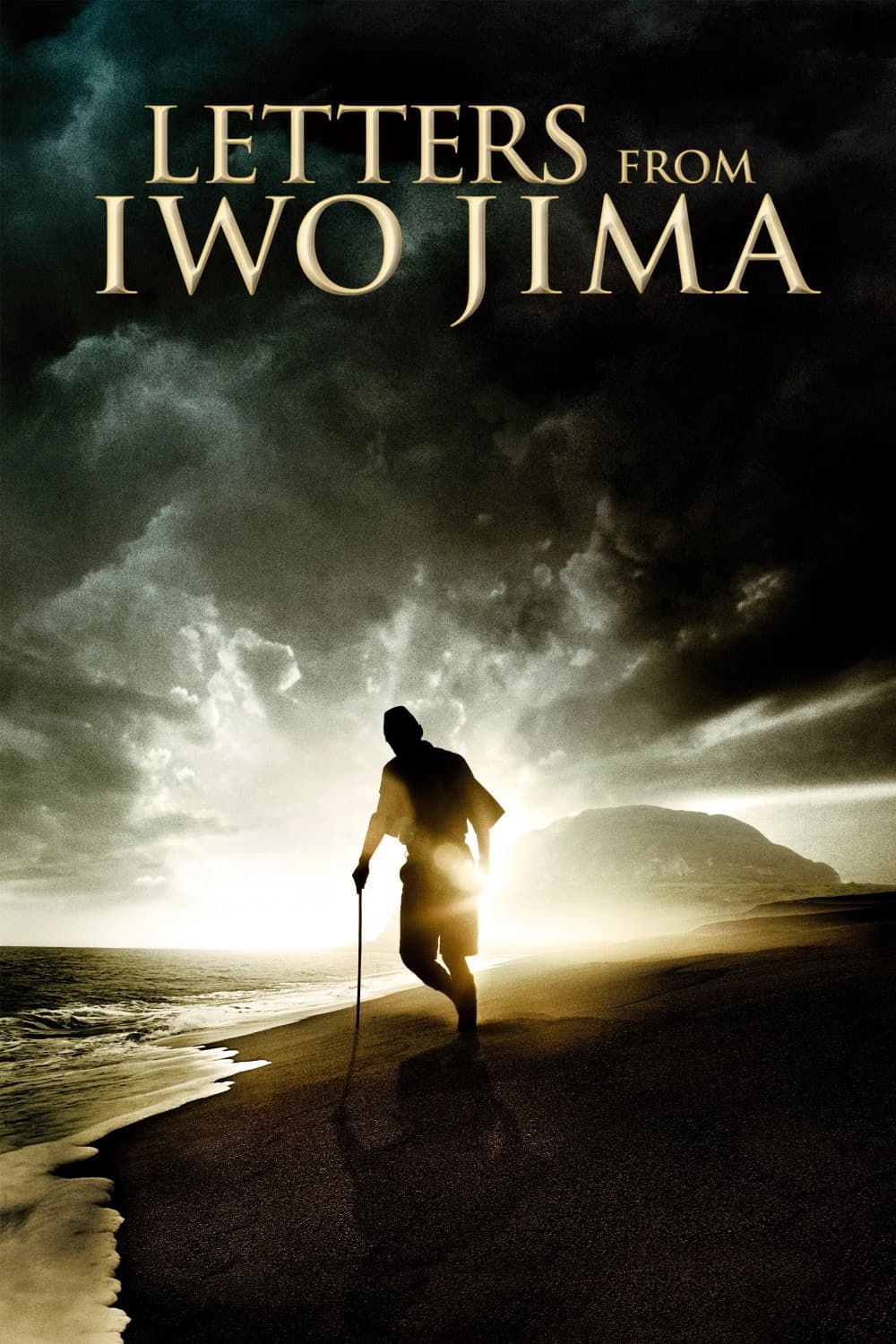
Eastwood made two films about the same battle, and the Japanese one is the better: shot almost entirely in Japanese, with a general nobody in America had heard of.
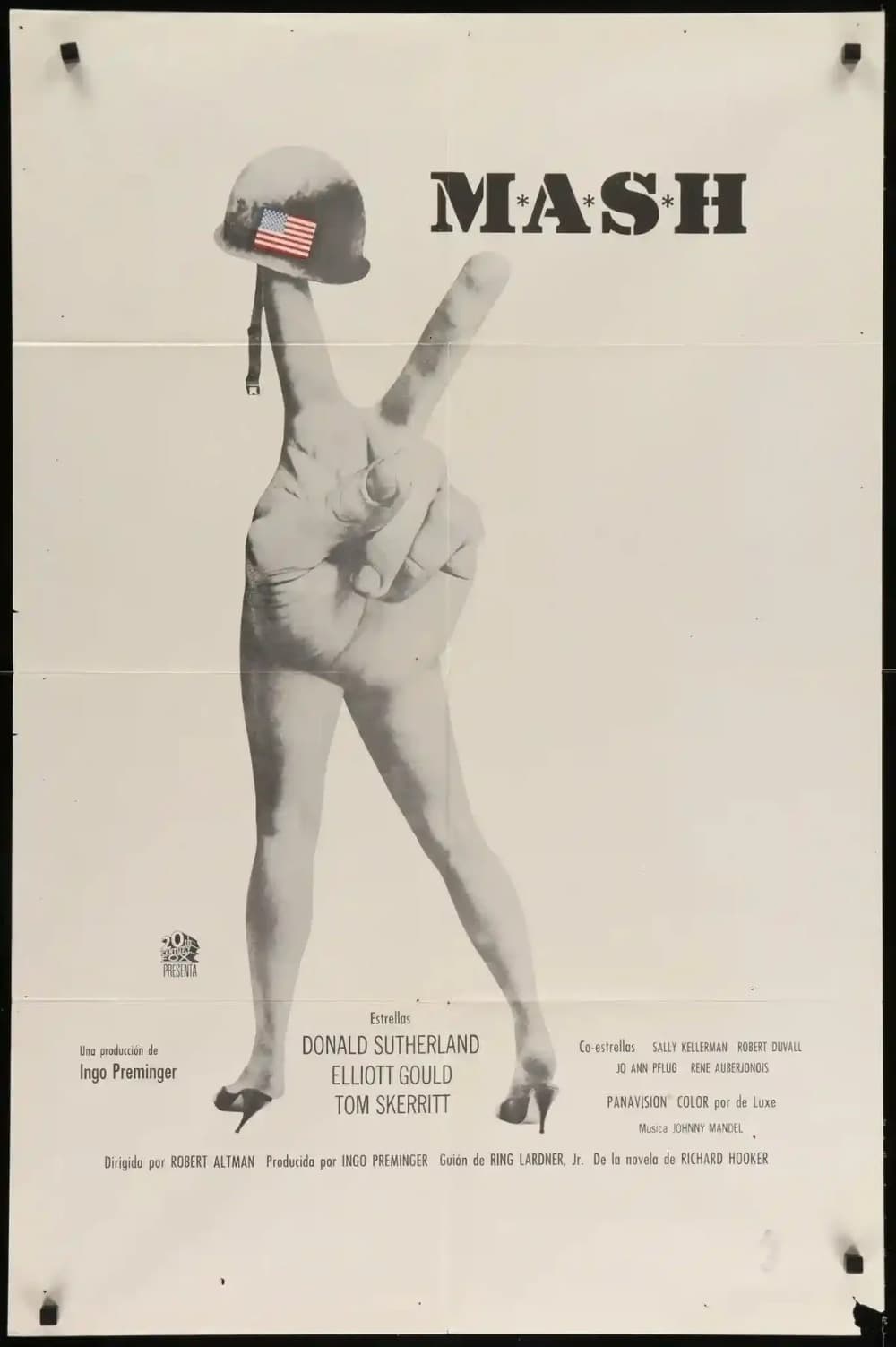
Altman's overlapping dialogue turns up fully formed: army surgeons in Korea behave appallingly in order to stay sane, and the film was really about Vietnam all along.
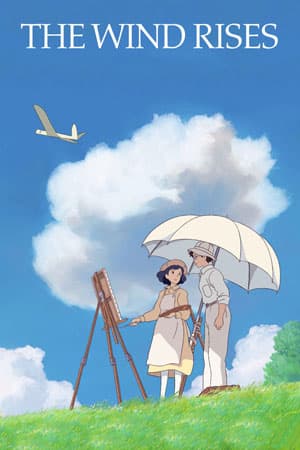
Miyazaki announced his retirement with it, a retirement he later took back: a young man designs beautiful aircraft that become weapons, and nothing about that is resolved.
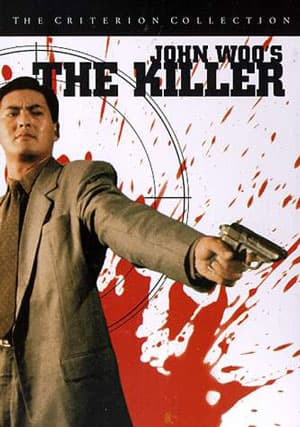
Woo shoots gunfights the way other directors shoot musical numbers: two pistols, slow motion, doves, and underneath it a straight-faced story about honor between a hitman and the cop hunting him.
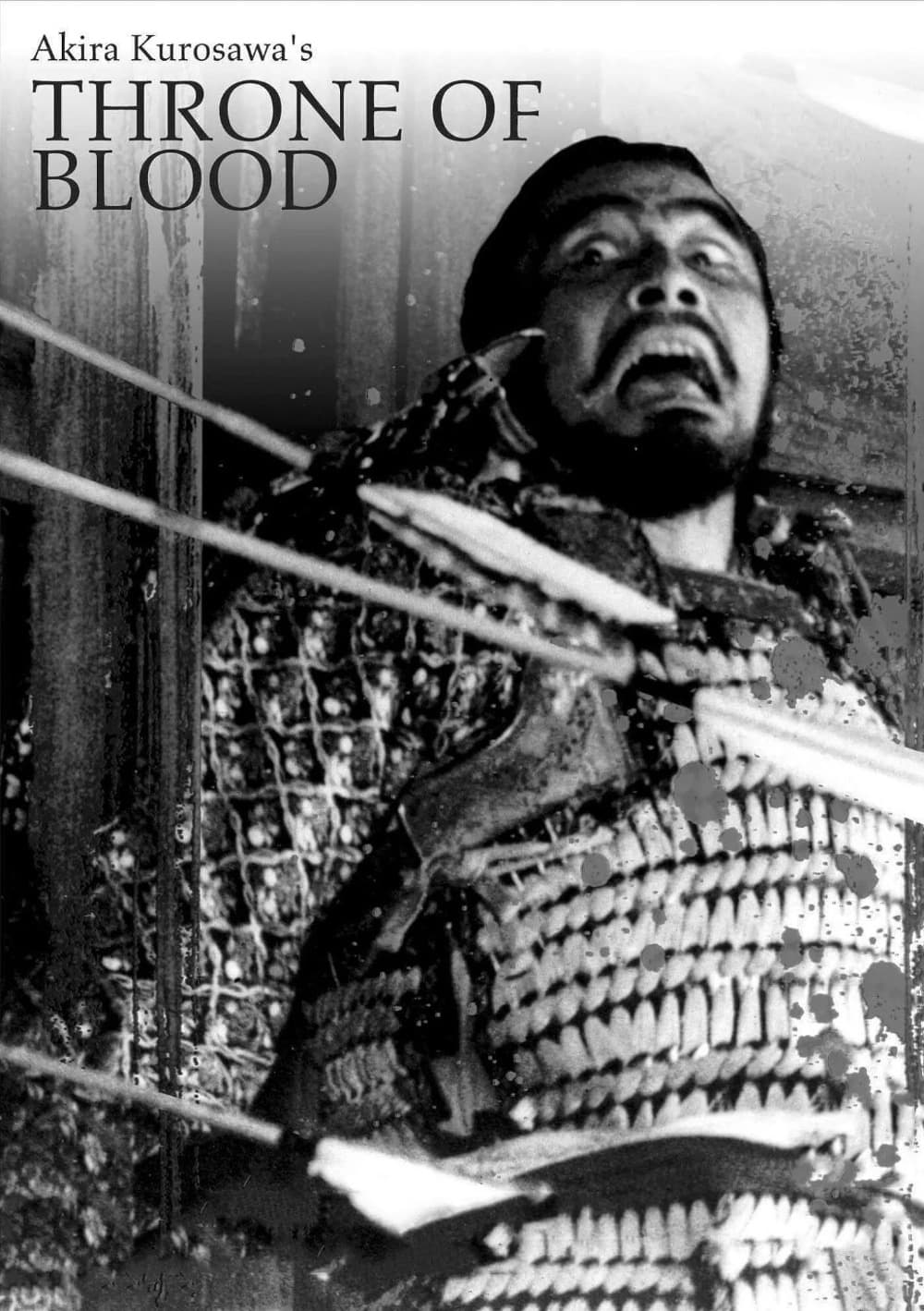
Shakespeare's Macbeth moved to sixteenth-century Japan with every line of the poetry gone: Kurosawa substitutes fog, Noh masks worn as faces, and a forest that seems to be watching the castle.
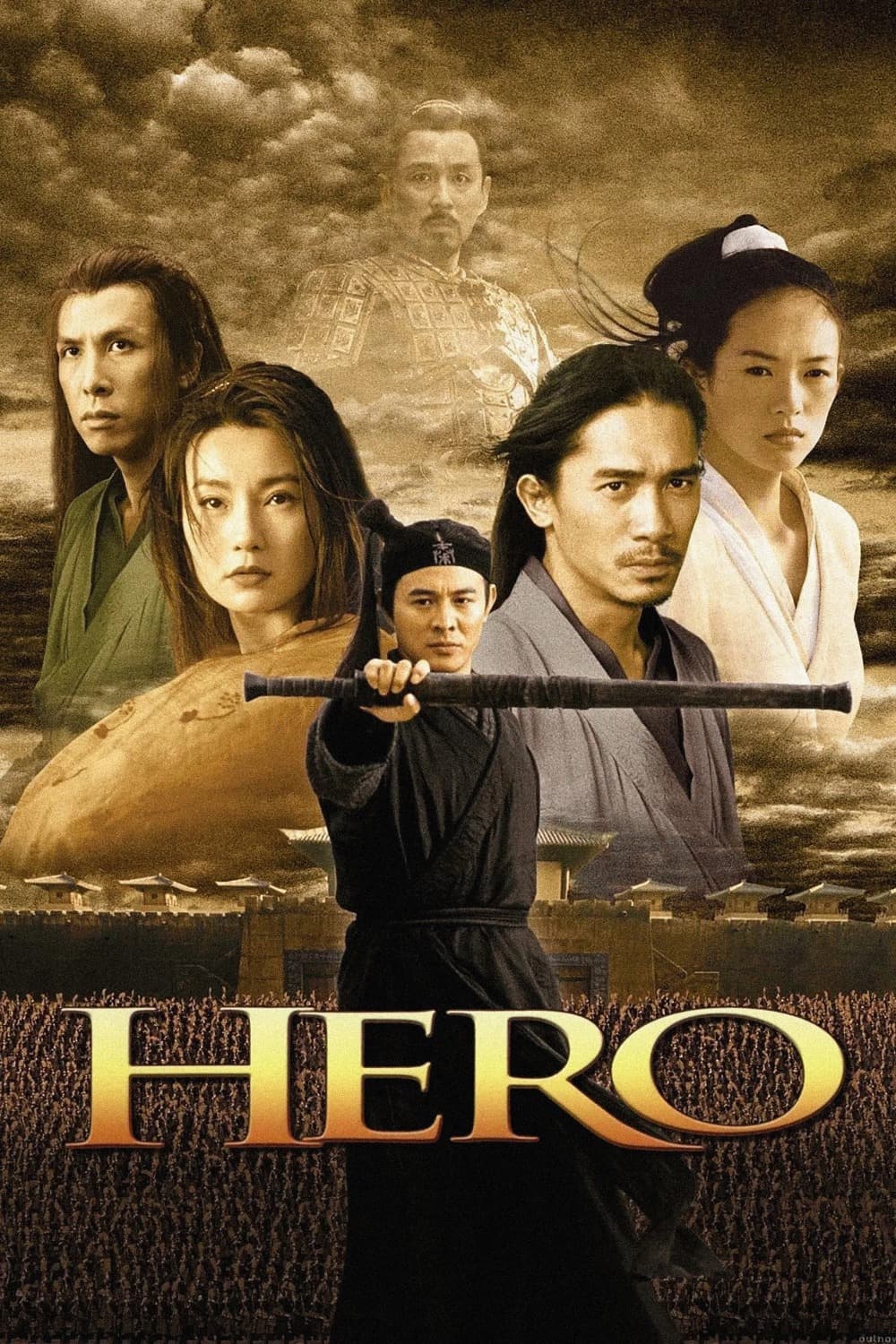
Zhang Yimou shot each retelling of one assassination attempt in a different color: Christopher Doyle's photography is so beautiful that the film's politics start an argument every single time.
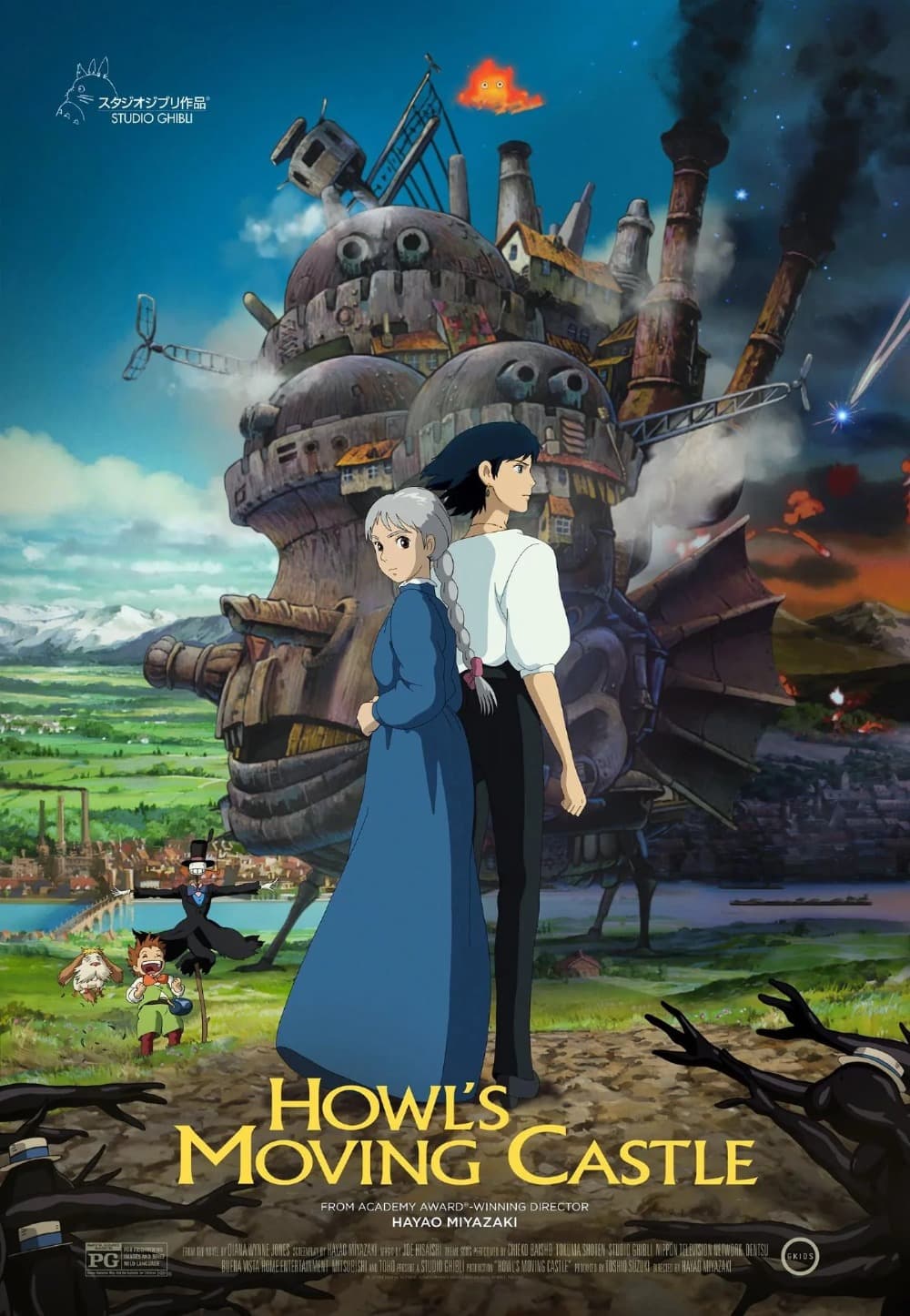
Miyazaki's most beautiful machine is a walking house held together by magic and bad temper: underneath the wonder is an angry anti-war film, made while he watched the invasion of Iraq.
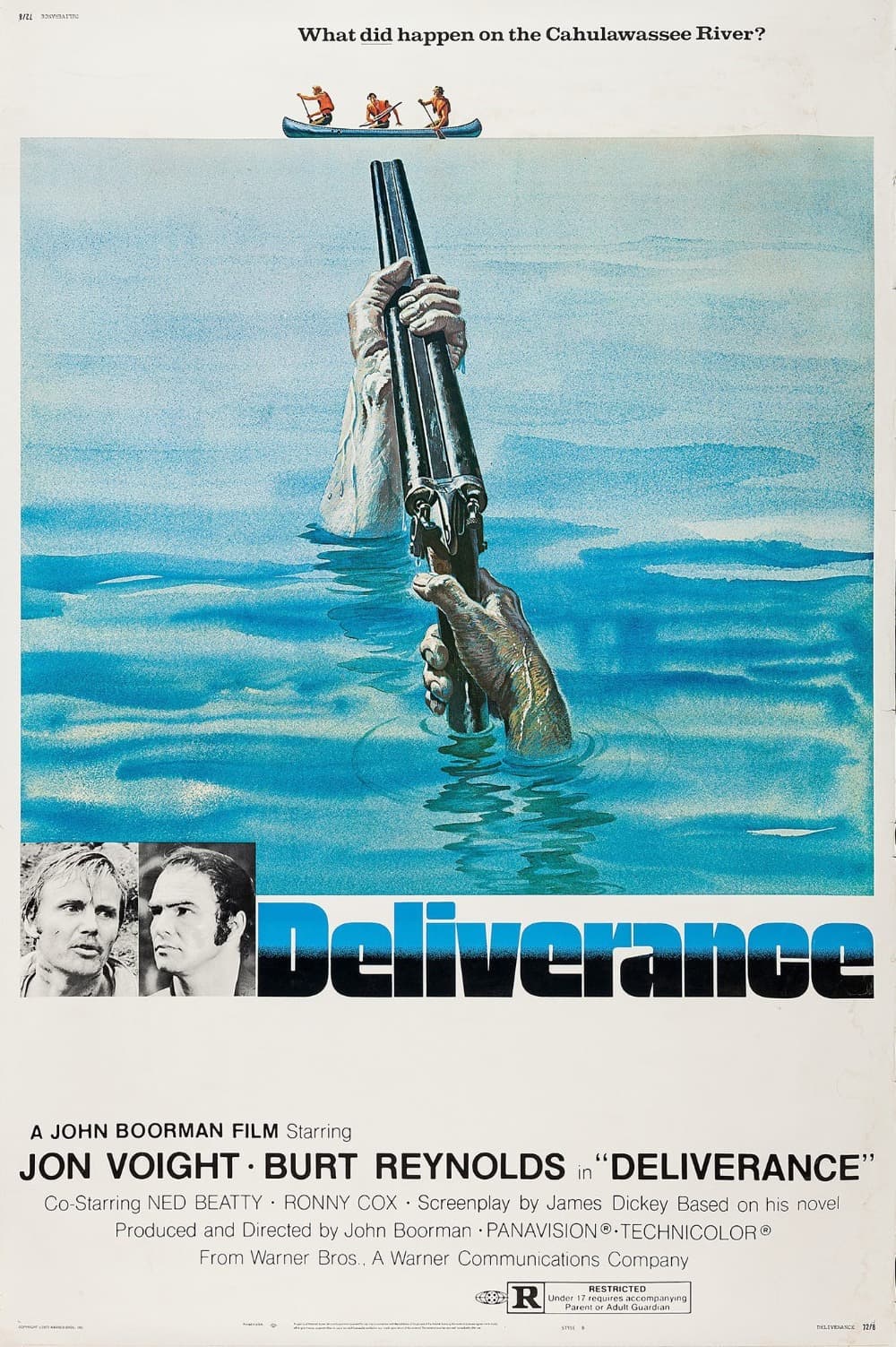
The outdoors has never felt this hostile on film: Boorman shot in sequence and made his actors run the whitewater themselves, and a weekend canoe trip turns into something much older.
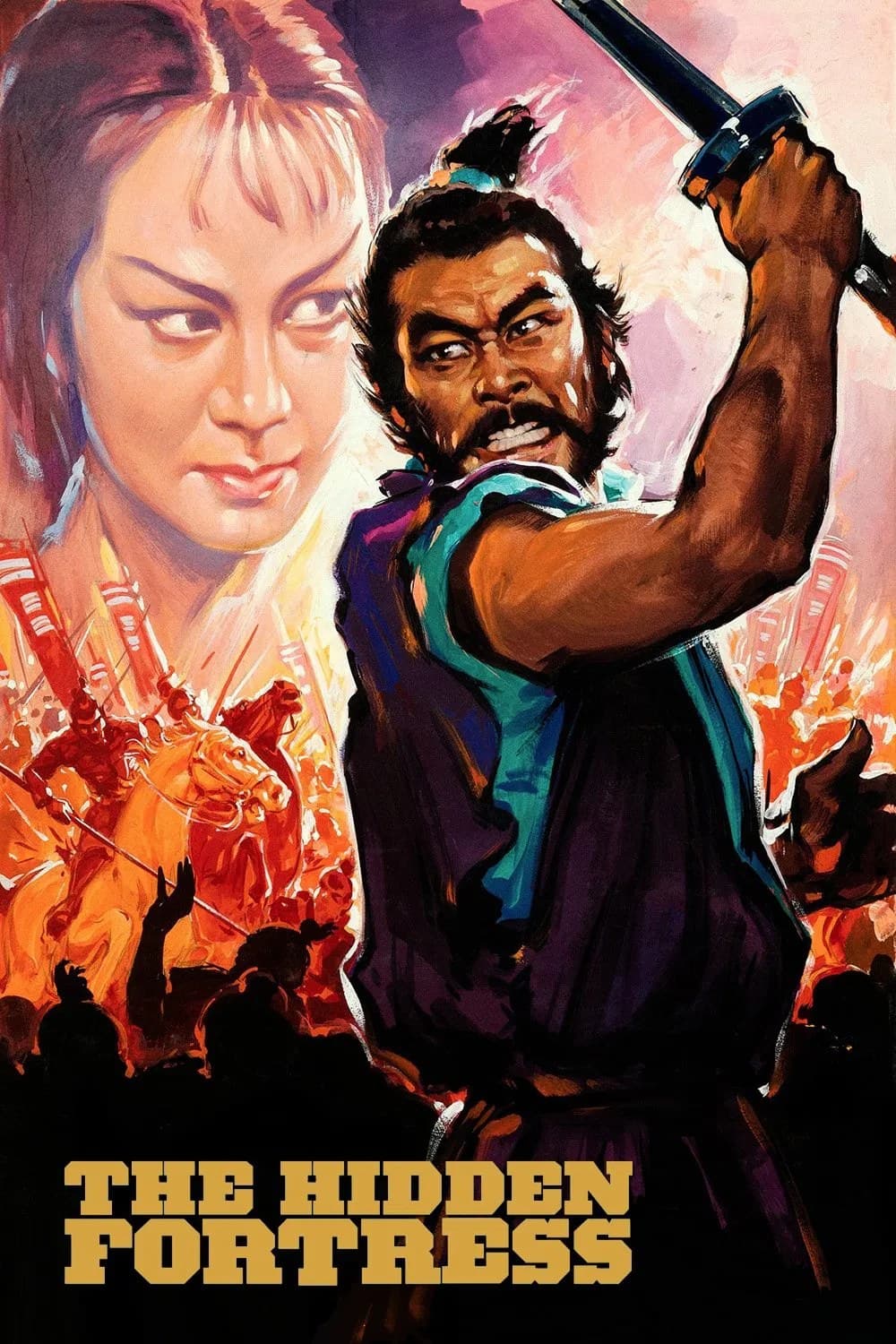
Lucas took the two bickering peasants and turned them into R2-D2 and C-3PO: Kurosawa's first widescreen film tells an escape story from the point of view of its most useless characters.
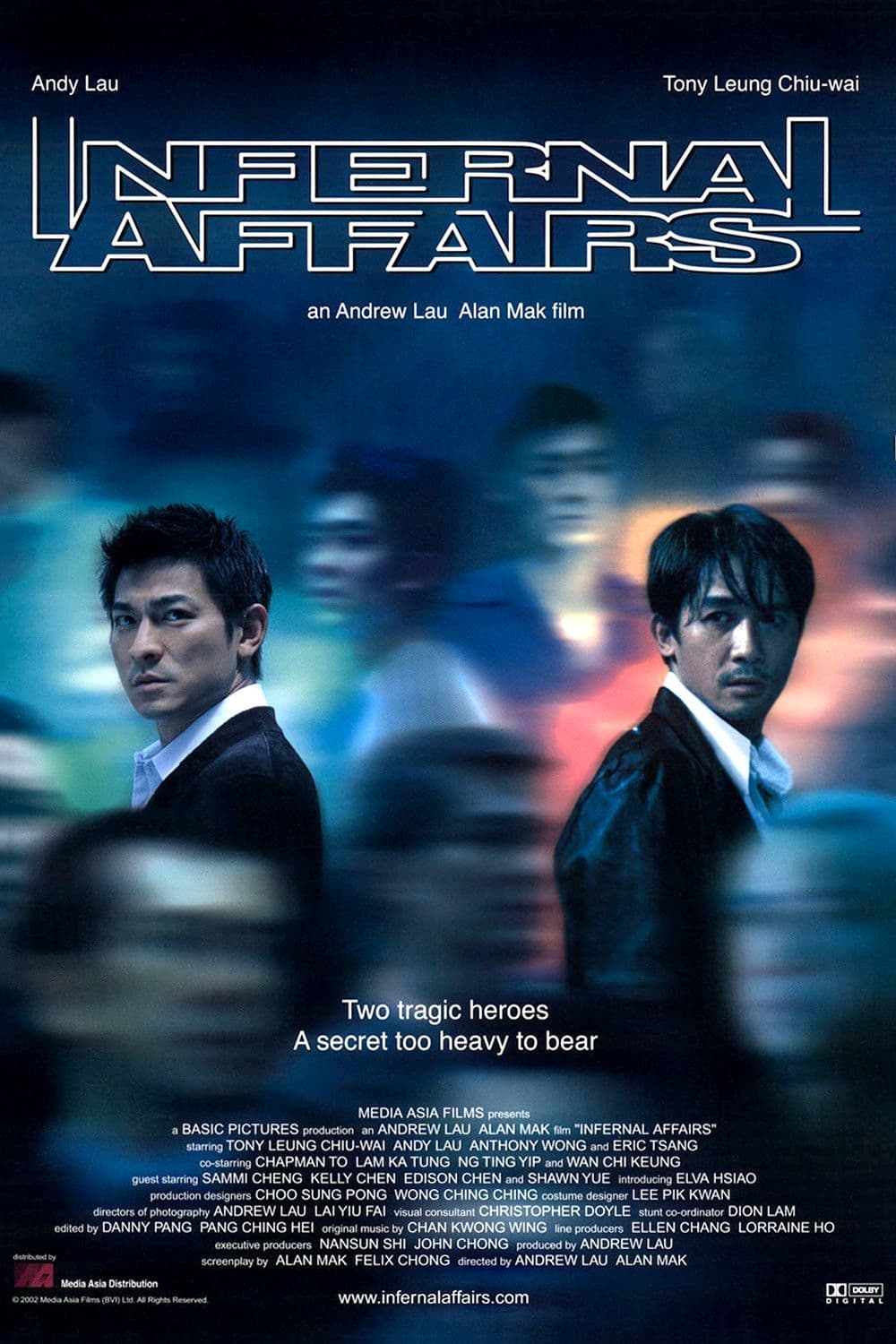
Scorsese's The Departed is a remake of this, and the Hong Kong original is fifty minutes tighter: two moles assigned to find each other, and a plot that never stops to explain itself.

Boyle shot Mumbai on small digital cameras in real streets and Rahman's score carried it around the world: a contestant from the slums is detained for cheating, and each question opens a memory.
Haing Ngor had never acted in his life and won an Academy Award for this: Roland Joffe films the fall of Phnom Penh through an American reporter and the Cambodian colleague beside him.
The Chinese government let Bertolucci shoot inside the Forbidden City, the first Western production ever allowed in: a child emperor is crowned before thousands and then history keeps rearranging him.

Huston tried to make this for twenty years and finally got Connery and Caine: two British soldiers walk into Kafiristan intending to be crowned as gods, and the joke gets serious slowly.
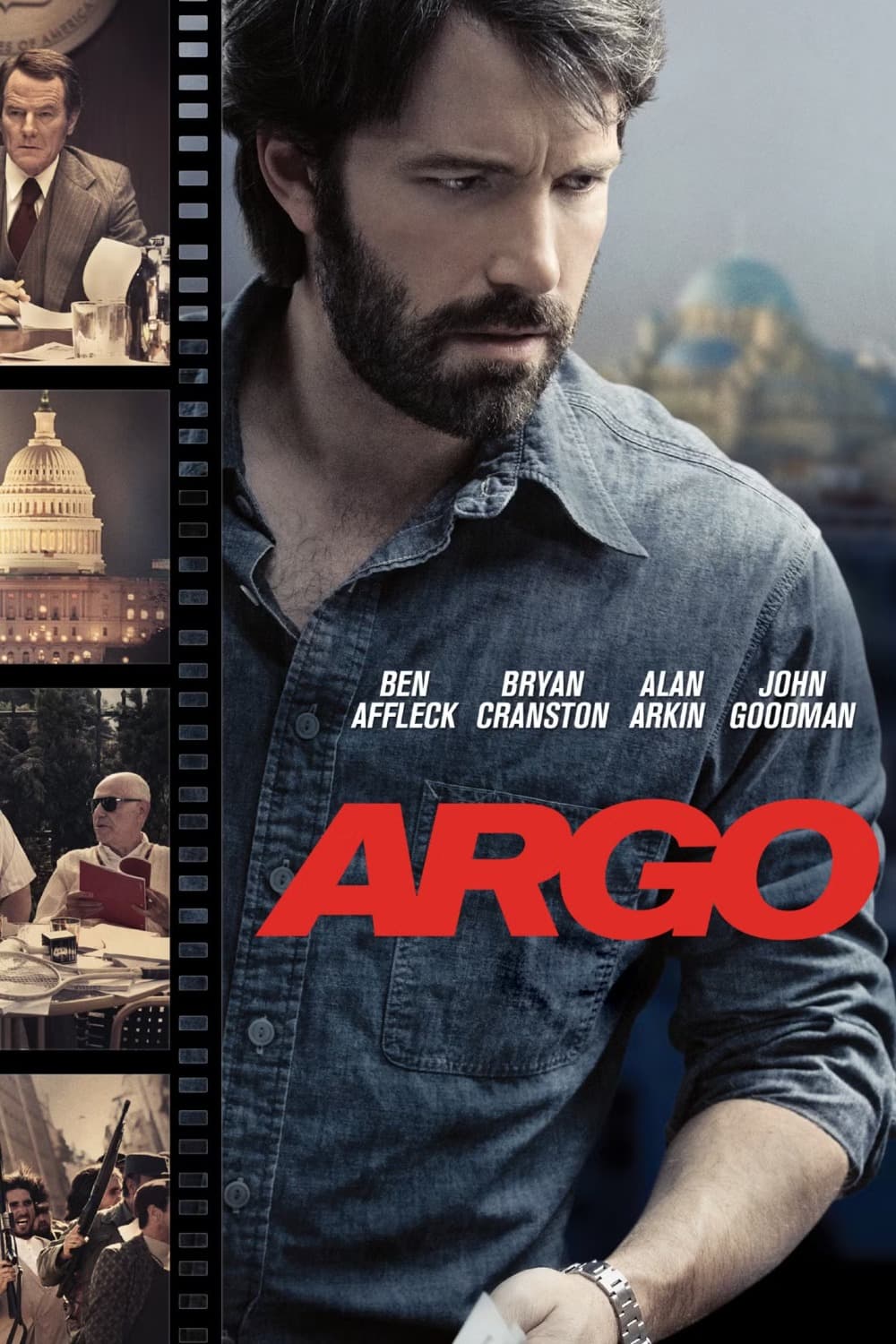
The CIA really did produce a fake science fiction movie to get six Americans out of Tehran, and kept it classified until 1997: Affleck plays the operation completely straight.
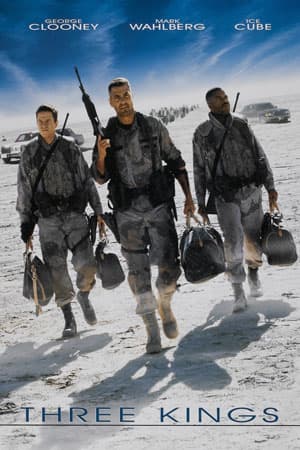
Russell shot it on bleached film stock so the desert looks radioactive: four American soldiers go looking for Kuwaiti gold in the days after the Gulf War stops, carrying a stolen map.
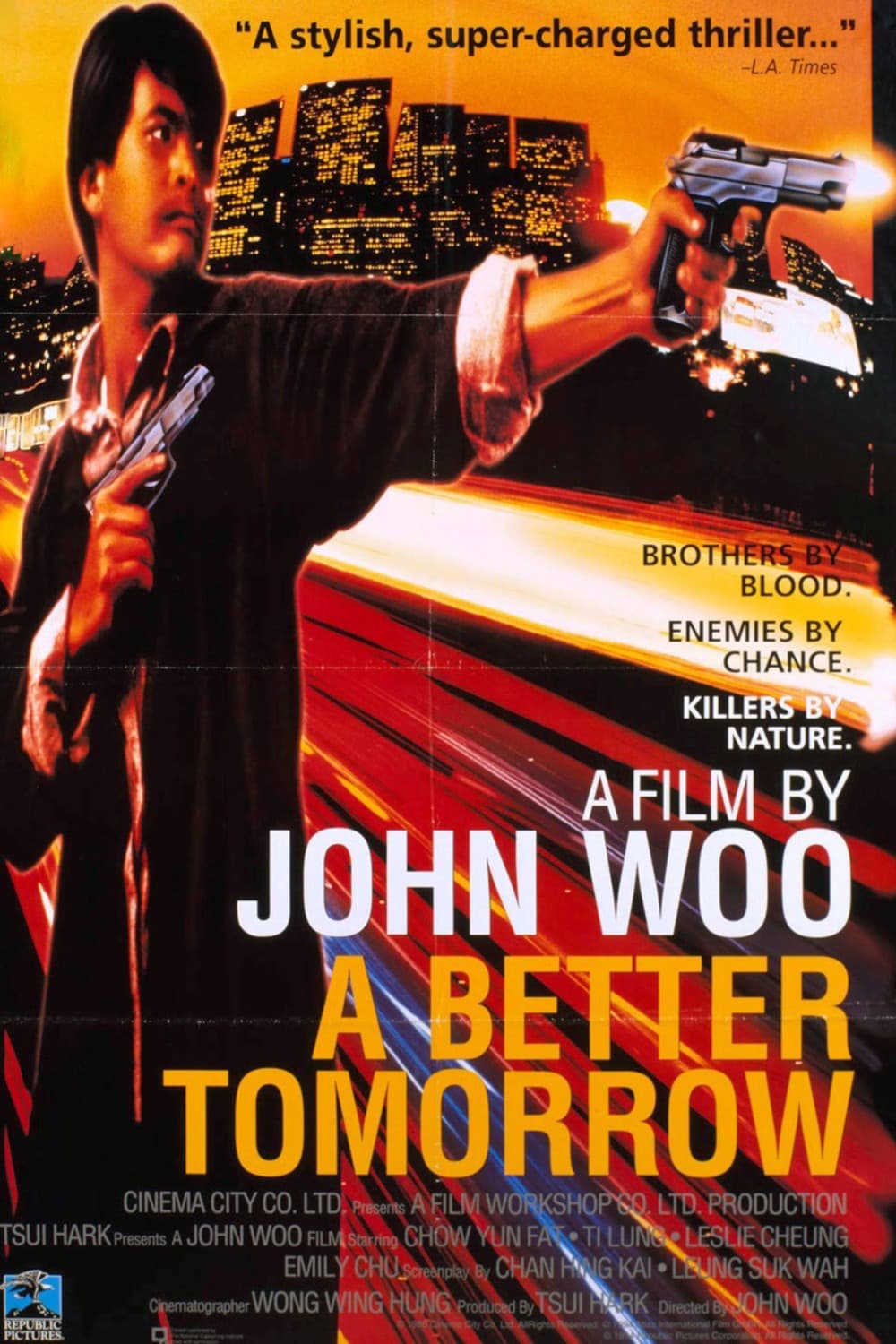
It made Chow Yun-fat a superstar and started an entire Hong Kong genre: two brothers on opposite sides of the law, and a gunman in a trenchcoat lighting a cigarette with money.
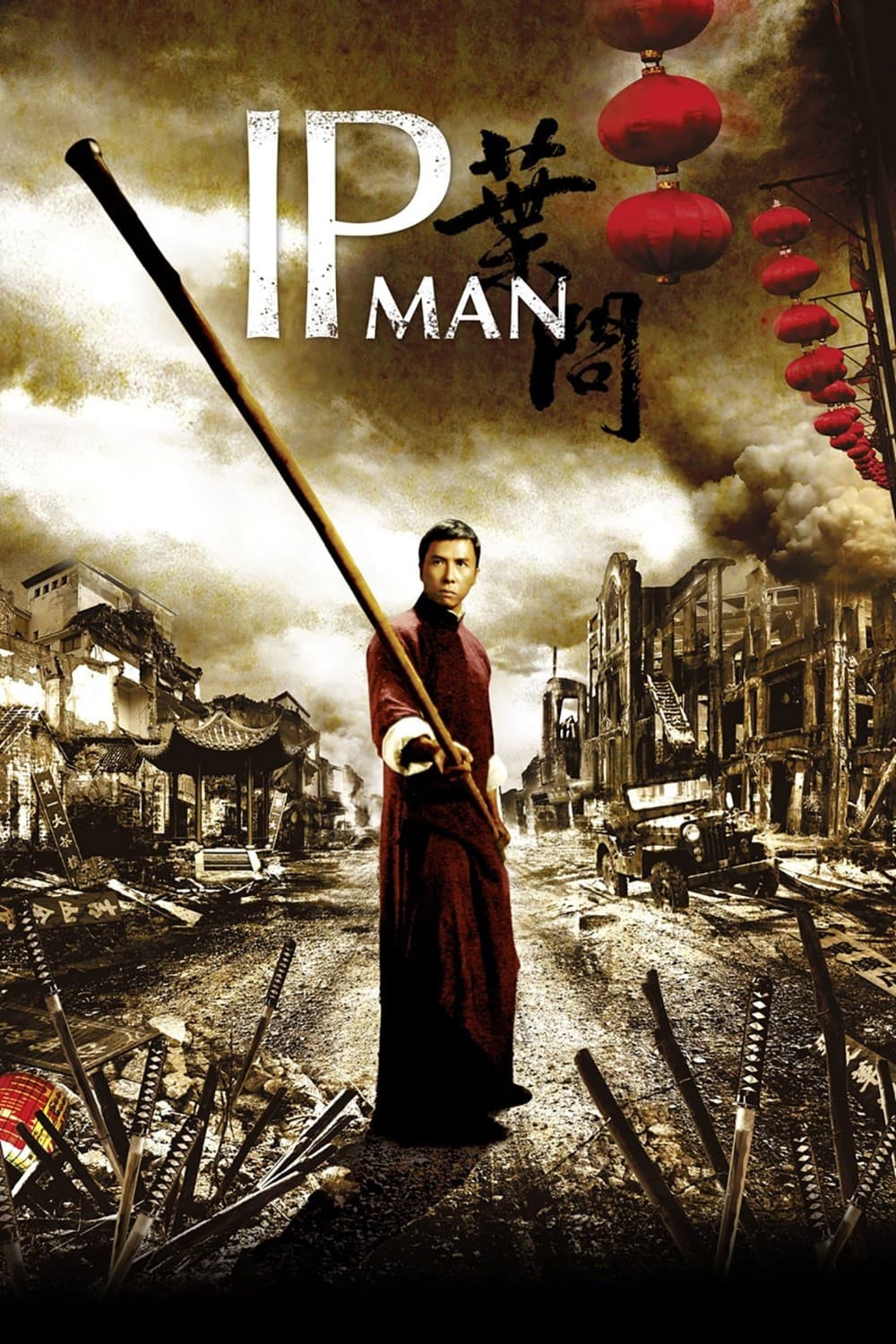
Donnie Yen plays Bruce Lee's future teacher and does his own fighting throughout: Wing Chun filmed at full speed with long takes, in a Foshan under Japanese occupation.
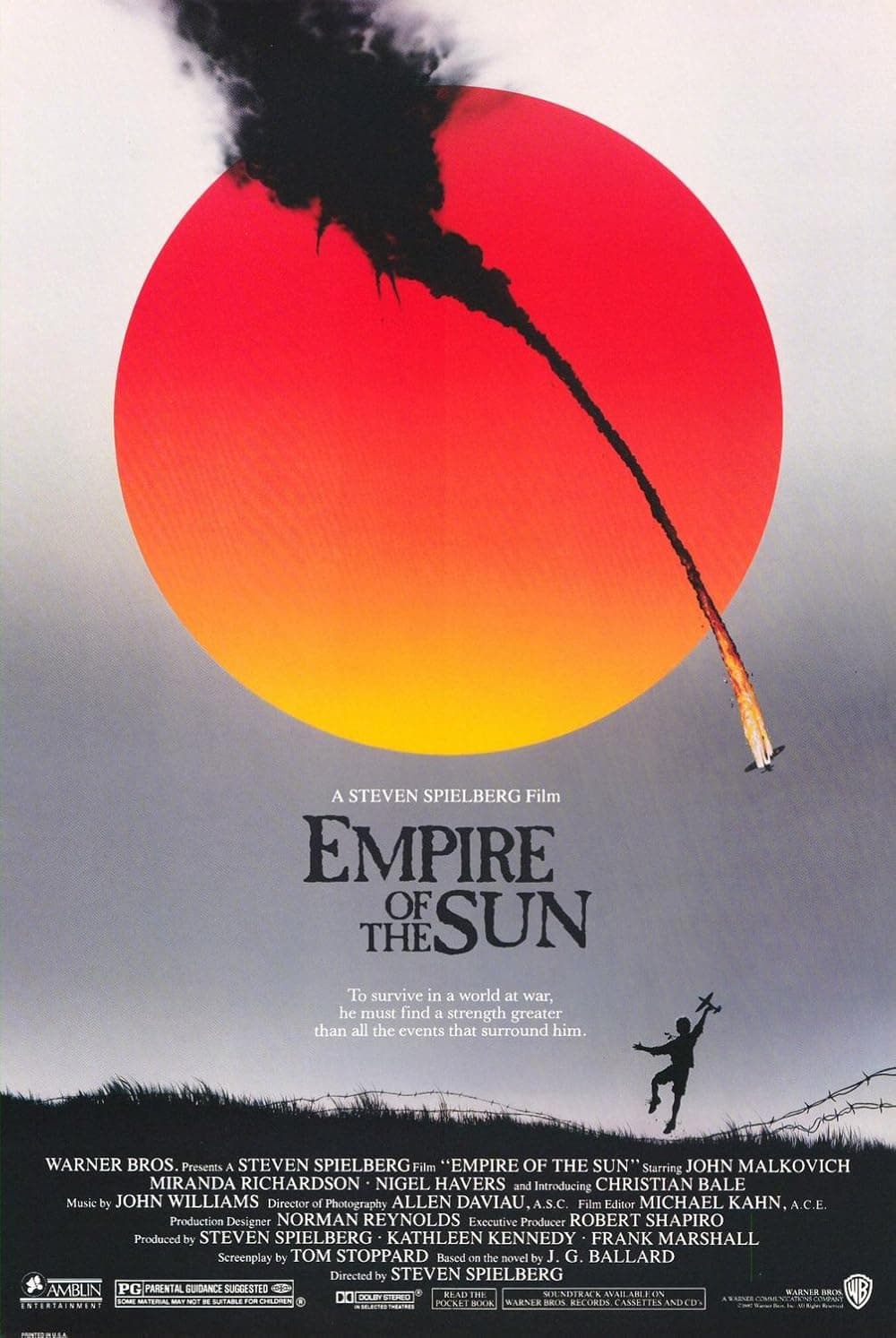
Christian Bale was thirteen and carries the entire film: Spielberg follows an English boy separated from his parents in occupied Shanghai, and never lets the war become an adventure.
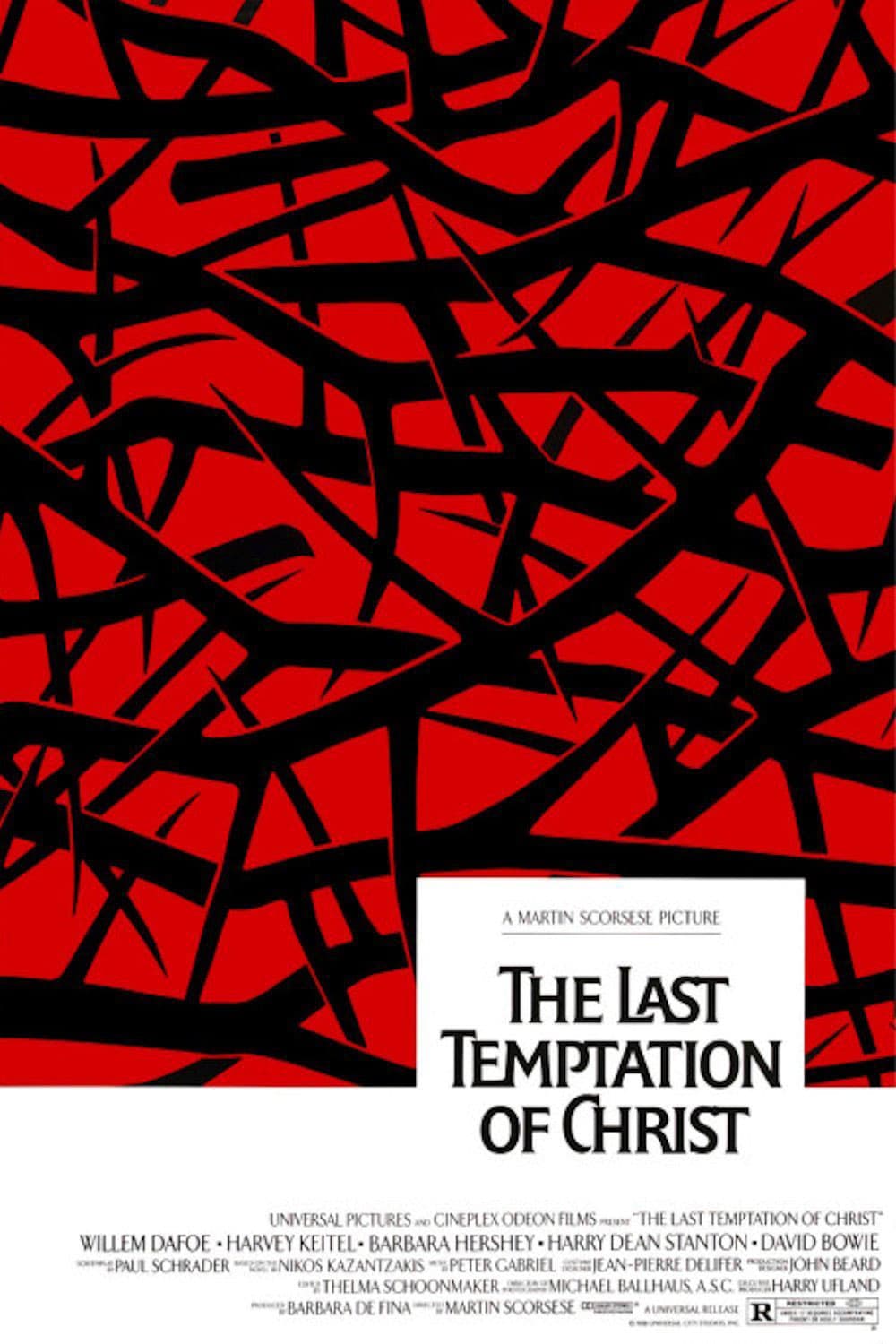
A Paris cinema showing it was firebombed and Scorsese needed years to get it financed: Christ imagined as someone who could refuse, with Peter Gabriel's score sounding like the actual Middle East.
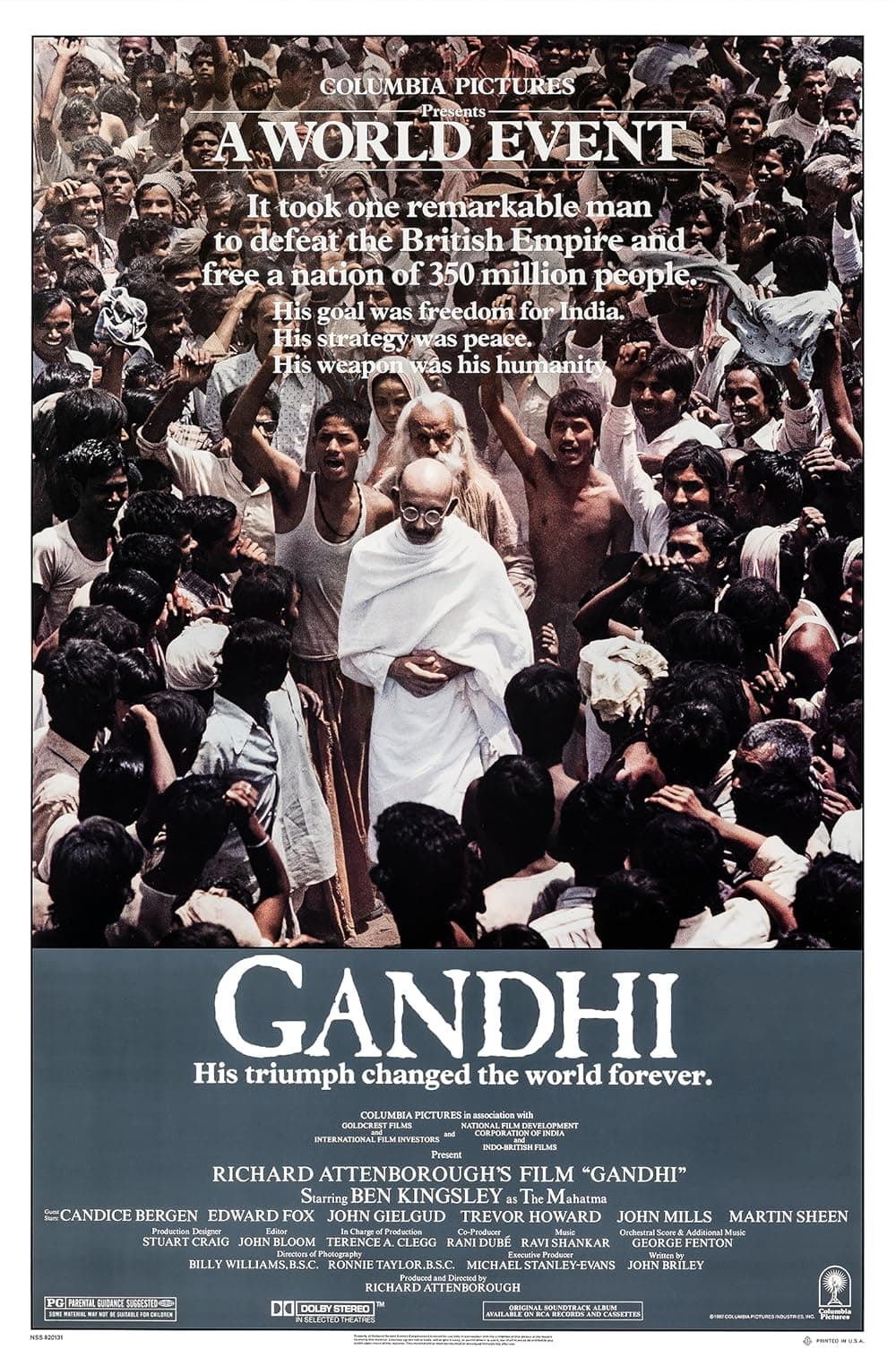
The funeral scene used around three hundred thousand extras, more than any film before or since: Richard Attenborough spent twenty years raising the money, and Ben Kingsley disappears completely.

Ron Kovic wrote the book and then the screenplay with Oliver Stone, who had been to the same war: a Long Island boy enlists in 1967, and Tom Cruise abandons his own image.
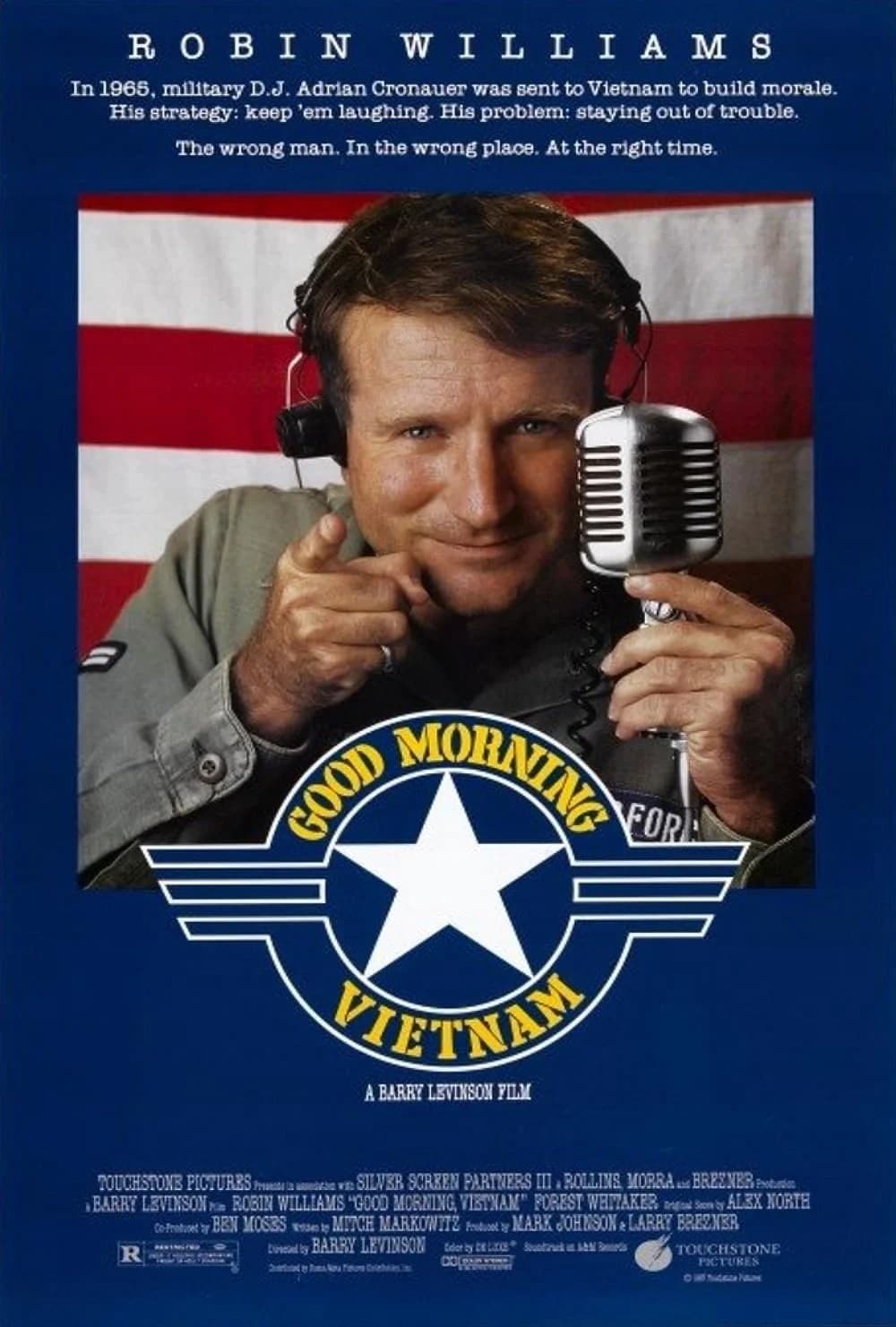
Robin Williams was handed a microphone and the cameras simply ran: an armed forces disc jockey lands in Saigon in 1965, and everyone above him wants the broadcast back the way it was.
Linda Hunt is the only person ever to win an Oscar for playing someone of another sex: Jakarta in 1965, and an Australian correspondent who understands almost nothing about it.