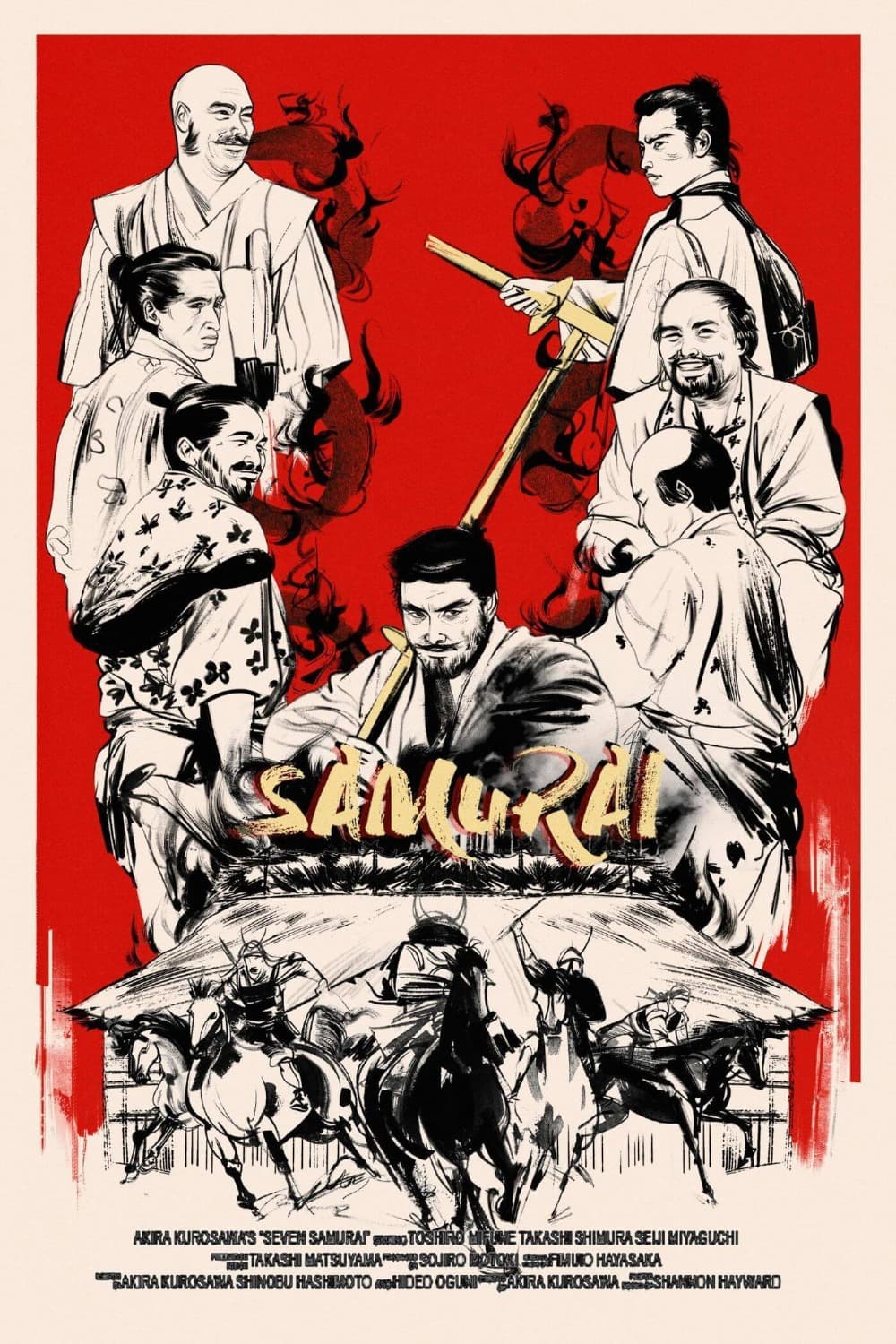
Seven Samurai
Directed by Akira Kurosawa
1954 · Japan
Every film about assembling a team for one last job descends from this one: Kurosawa makes seven men matter, then stages a battle in the mud nobody has equaled.
★ 9.9
 skopia
Every film about assembling a team for one last job descends from this one: Kurosawa makes seven men matter, then stages a battle in the mud nobody has equaled.
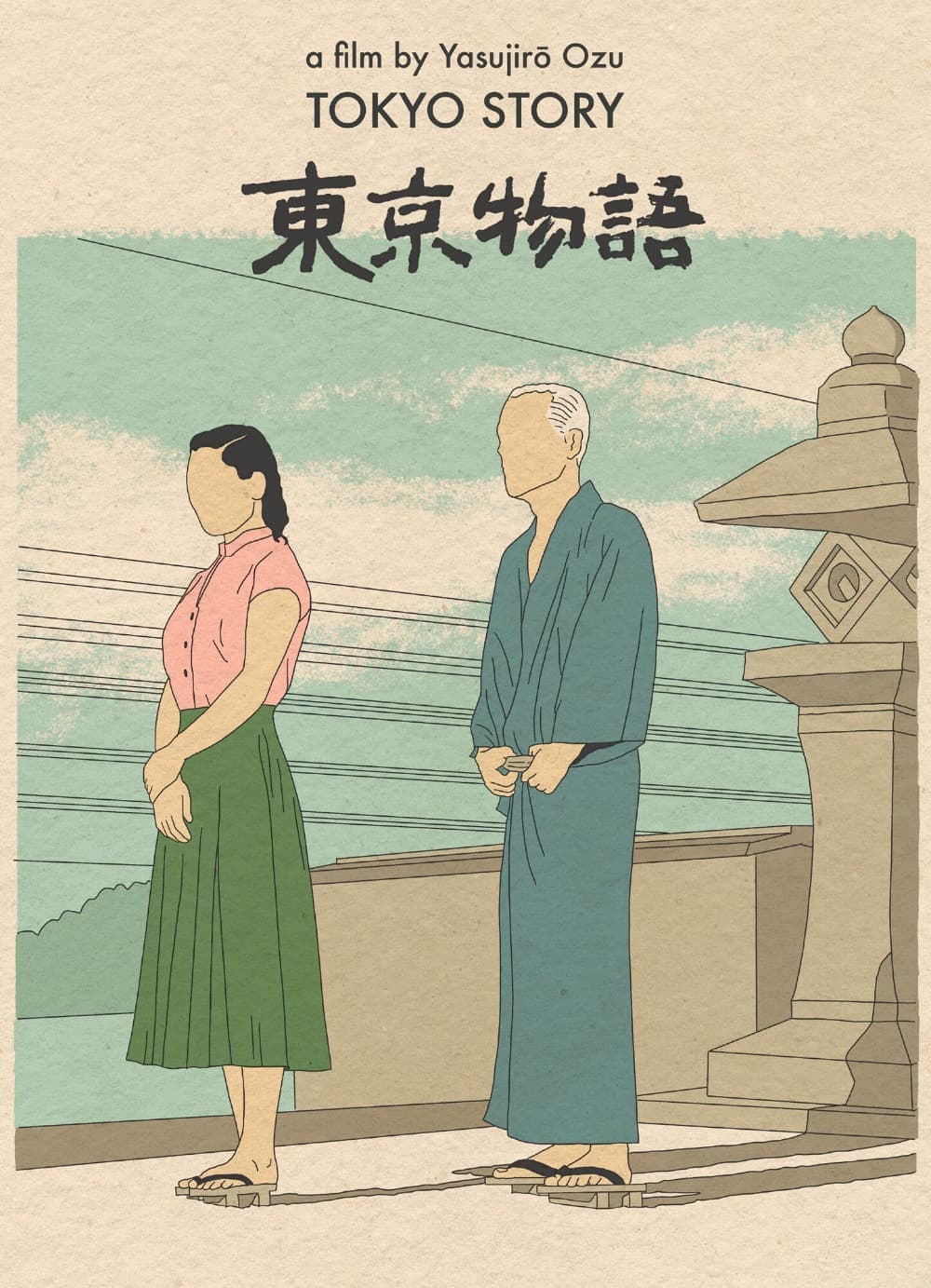
The quiet masterpiece of ordinary life: Ozu finds the ache of a whole century in parents visiting children who have no time for them, and it will find you too.
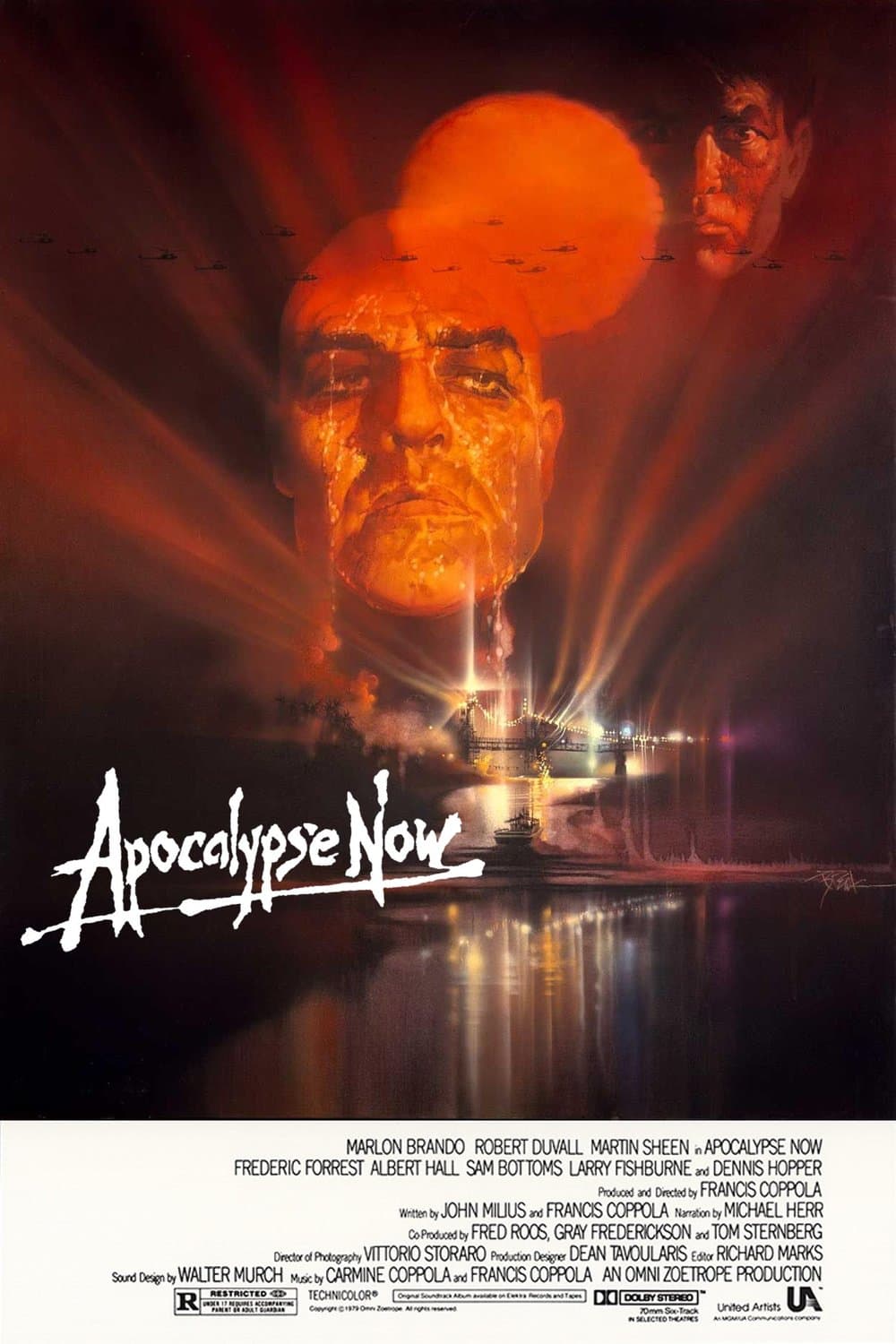
No production has ever gone further off the rails or shown it more clearly: Coppola's Vietnam abandons the war film for pure hallucination, and the helicopters over the trees are permanent.
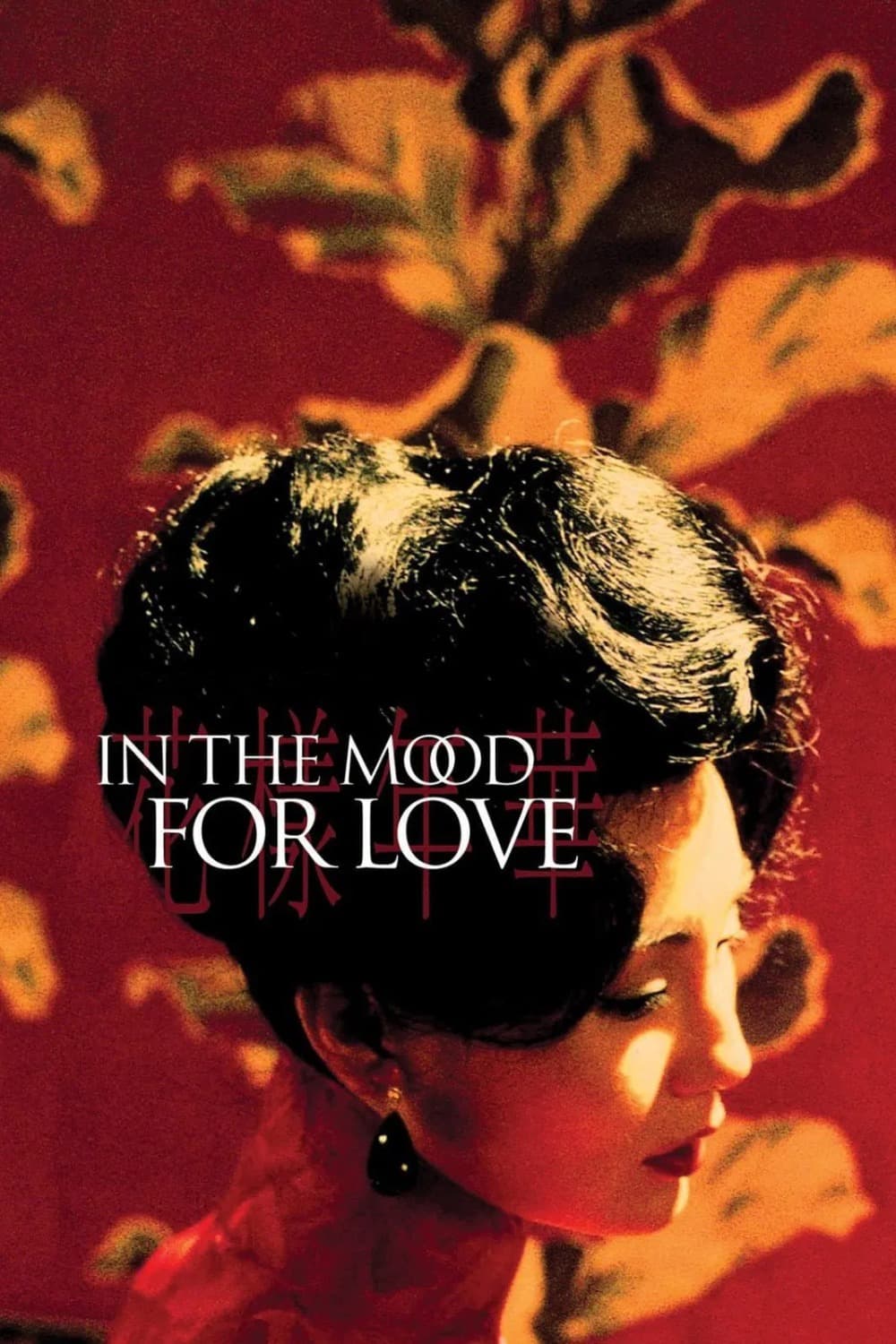
Longing has never been filmed better than this: Wong Kar-wai gets more out of a stairwell and one repeated waltz than most directors manage with an entire script.
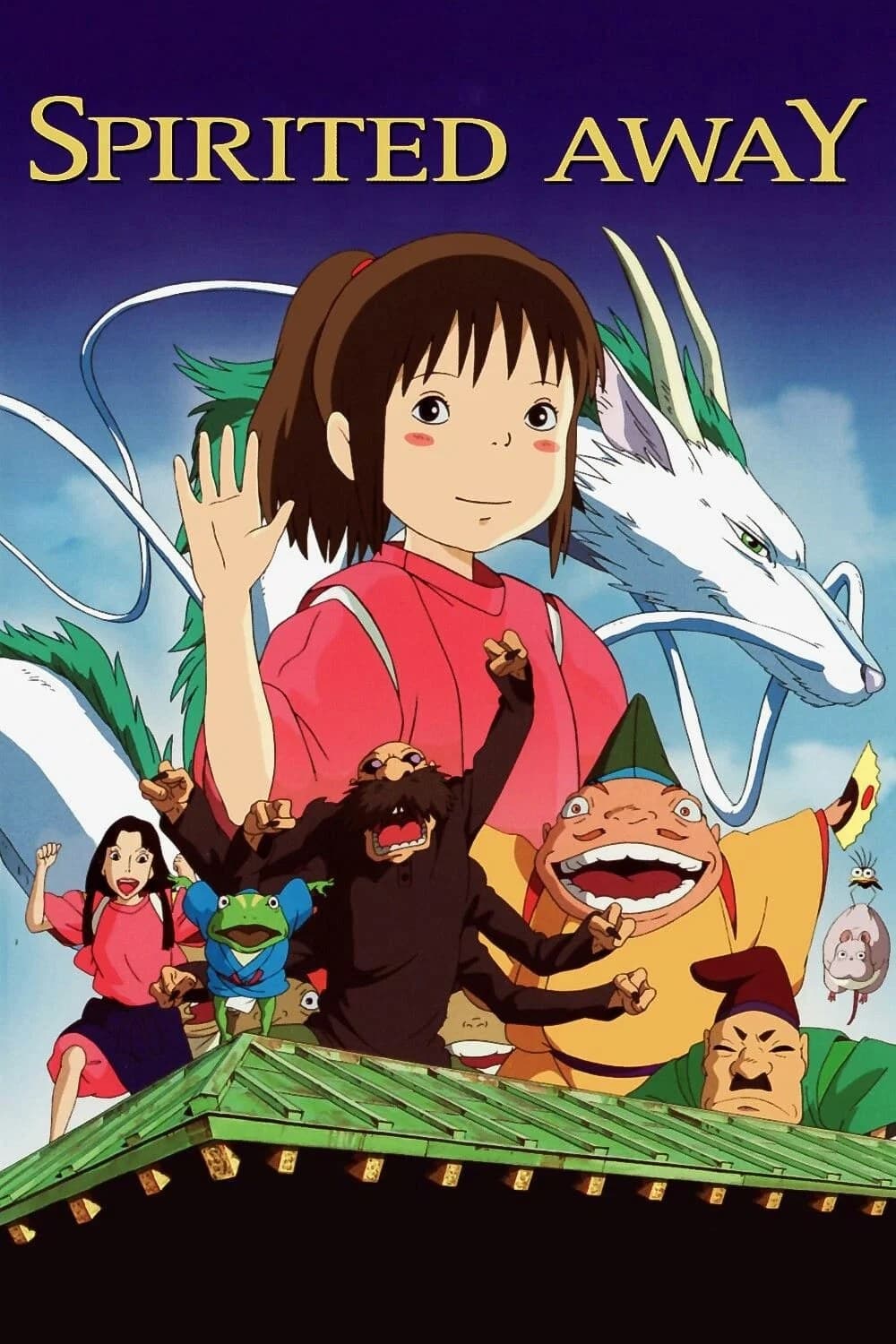
The high point of hand-drawn animation: Miyazaki invented a spirit world so dense and so unexplained that it took the Animated Feature Oscar away from every American studio.
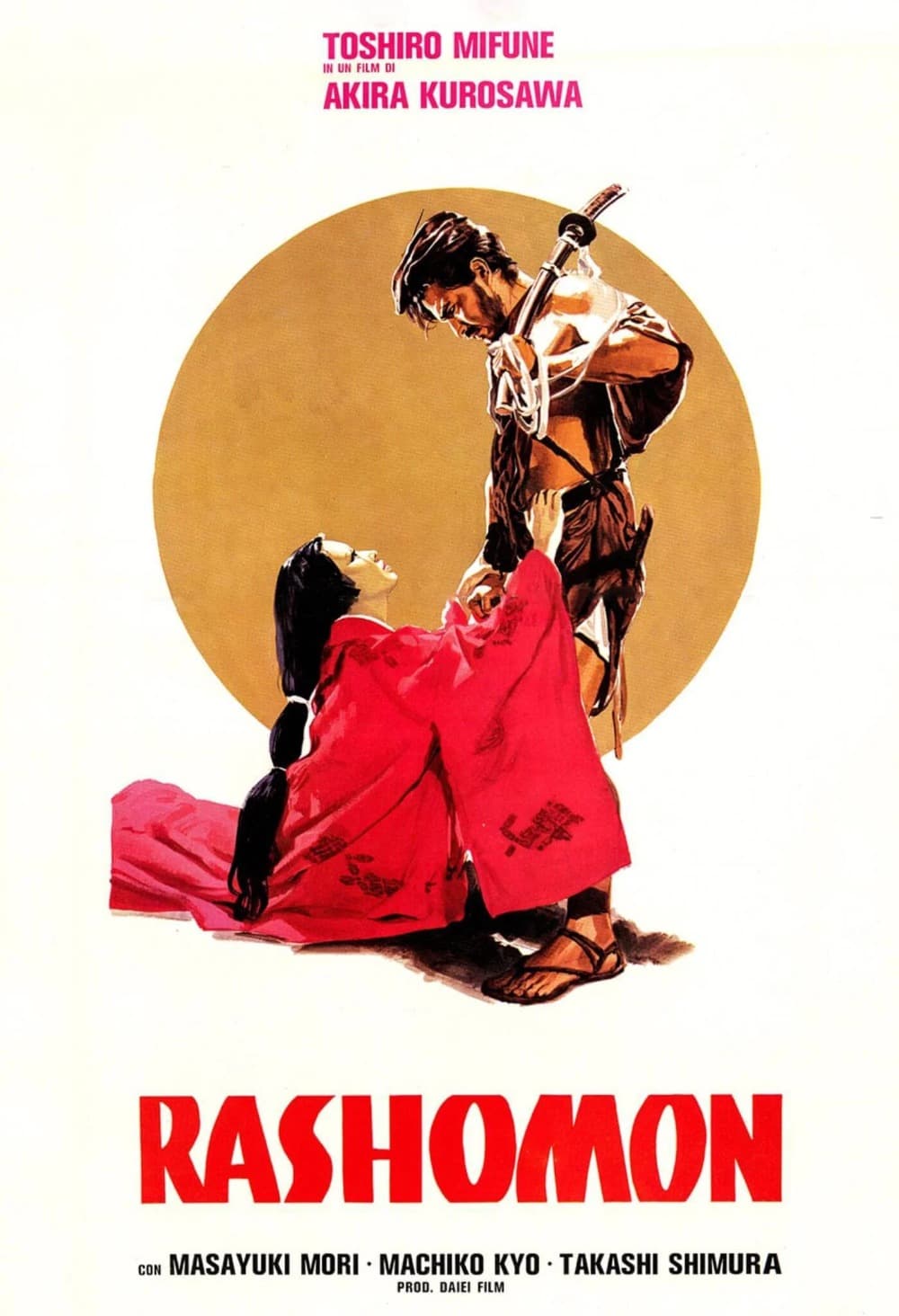
Kurosawa gave the language a word for irreconcilable testimony and opened Japanese cinema to the world: four accounts of one killing, none of which can be squared with another.
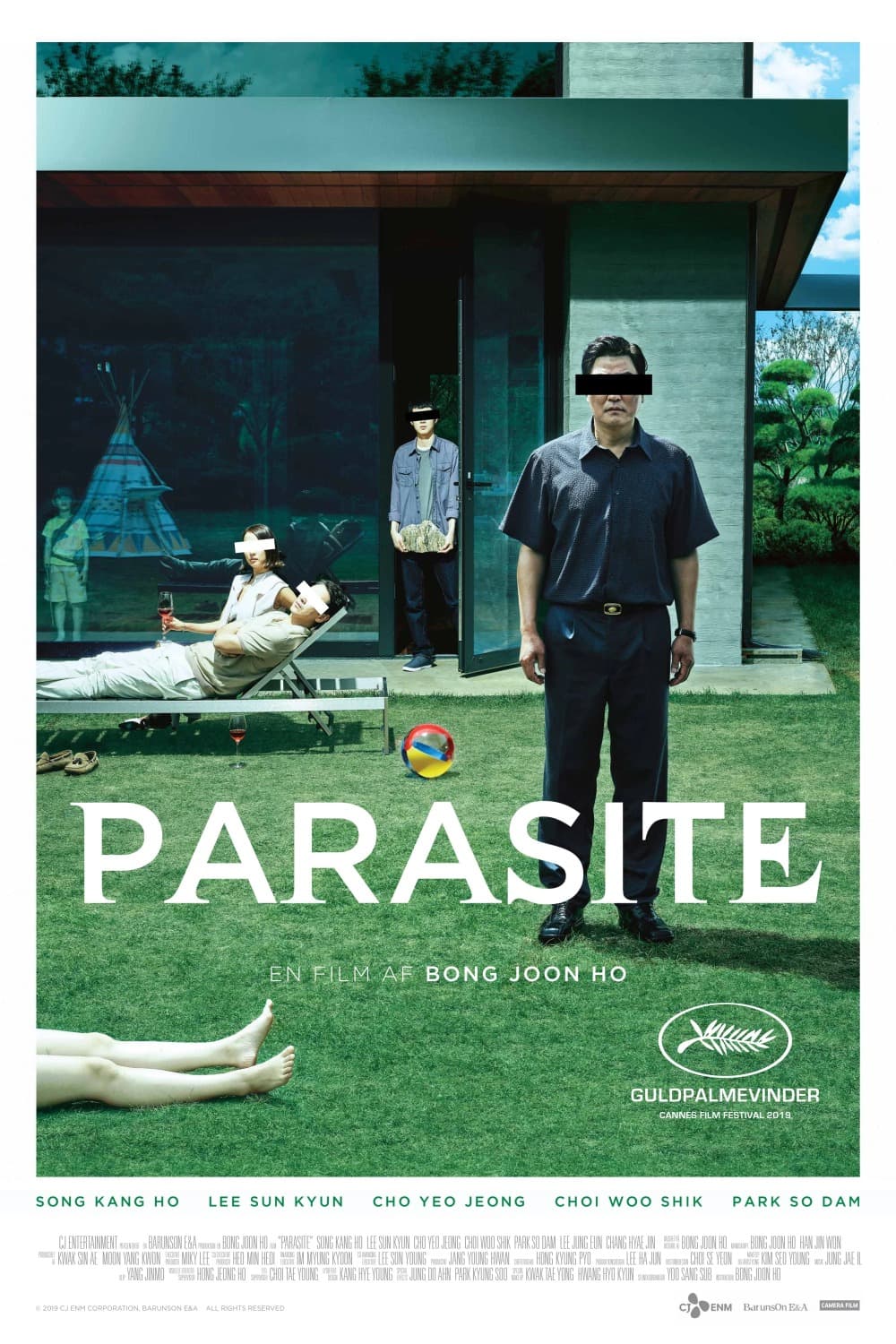
The first film not in English to win Best Picture: Bong turned class rage into something so entertaining that the whole world watched it and then argued about what it meant.
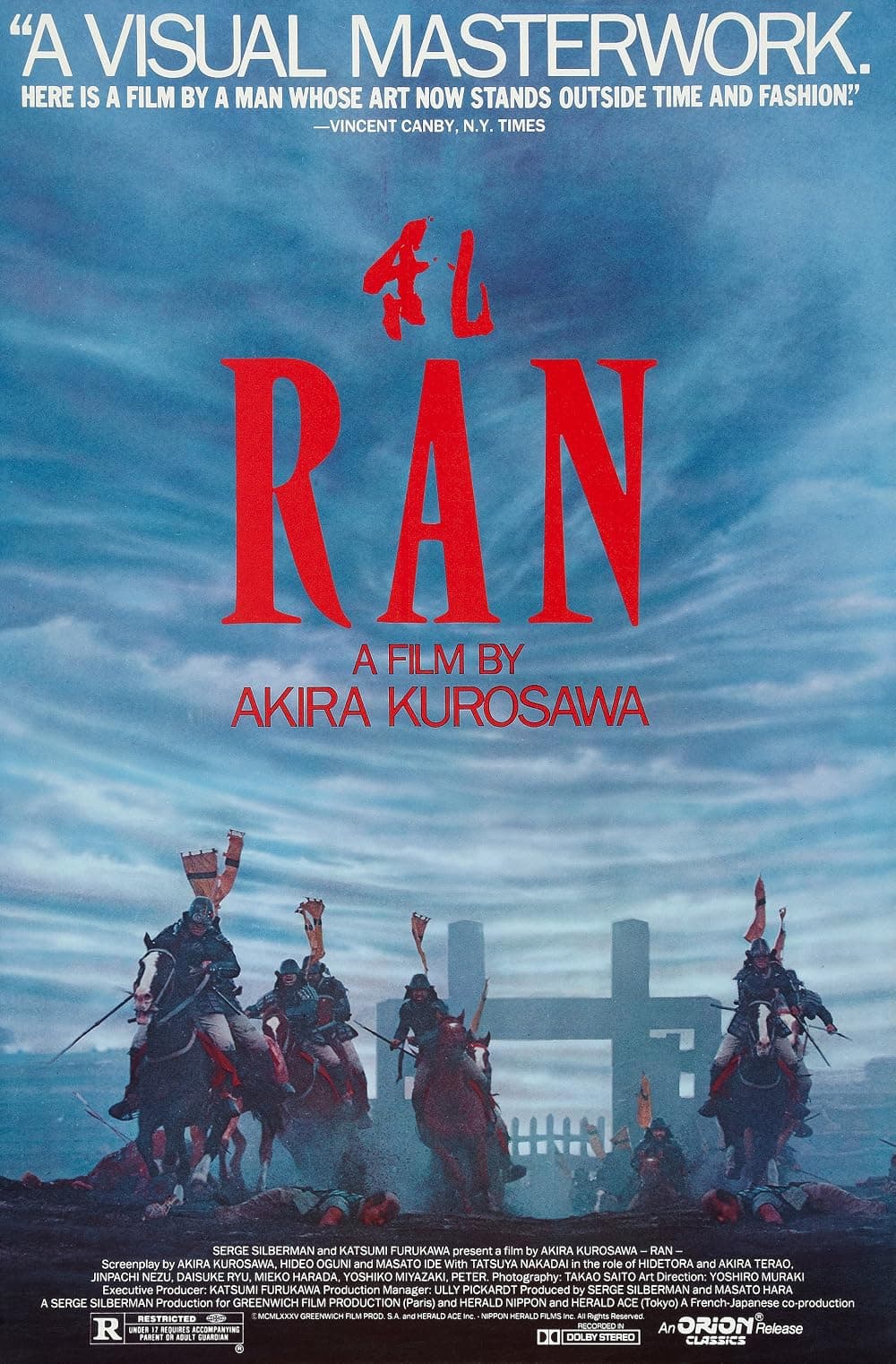
Kurosawa was seventy-five and his eyesight was failing when he made it: King Lear moved to feudal Japan, with a great battle that plays to music and nothing else.
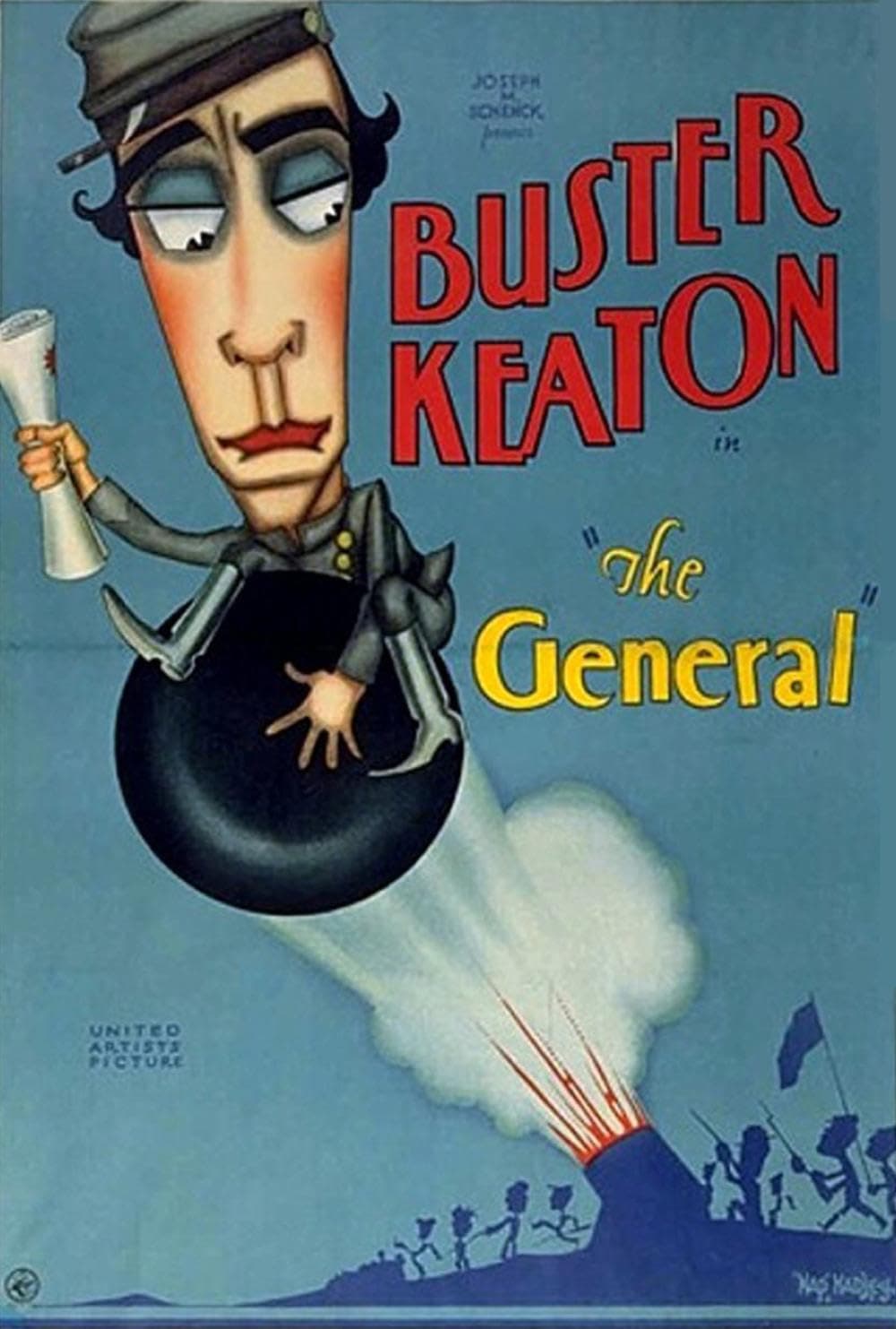
Keaton did every stunt himself and dropped a real locomotive through a burning bridge: it flopped, cost him his independence within two years, and is now considered the great silent comedy.
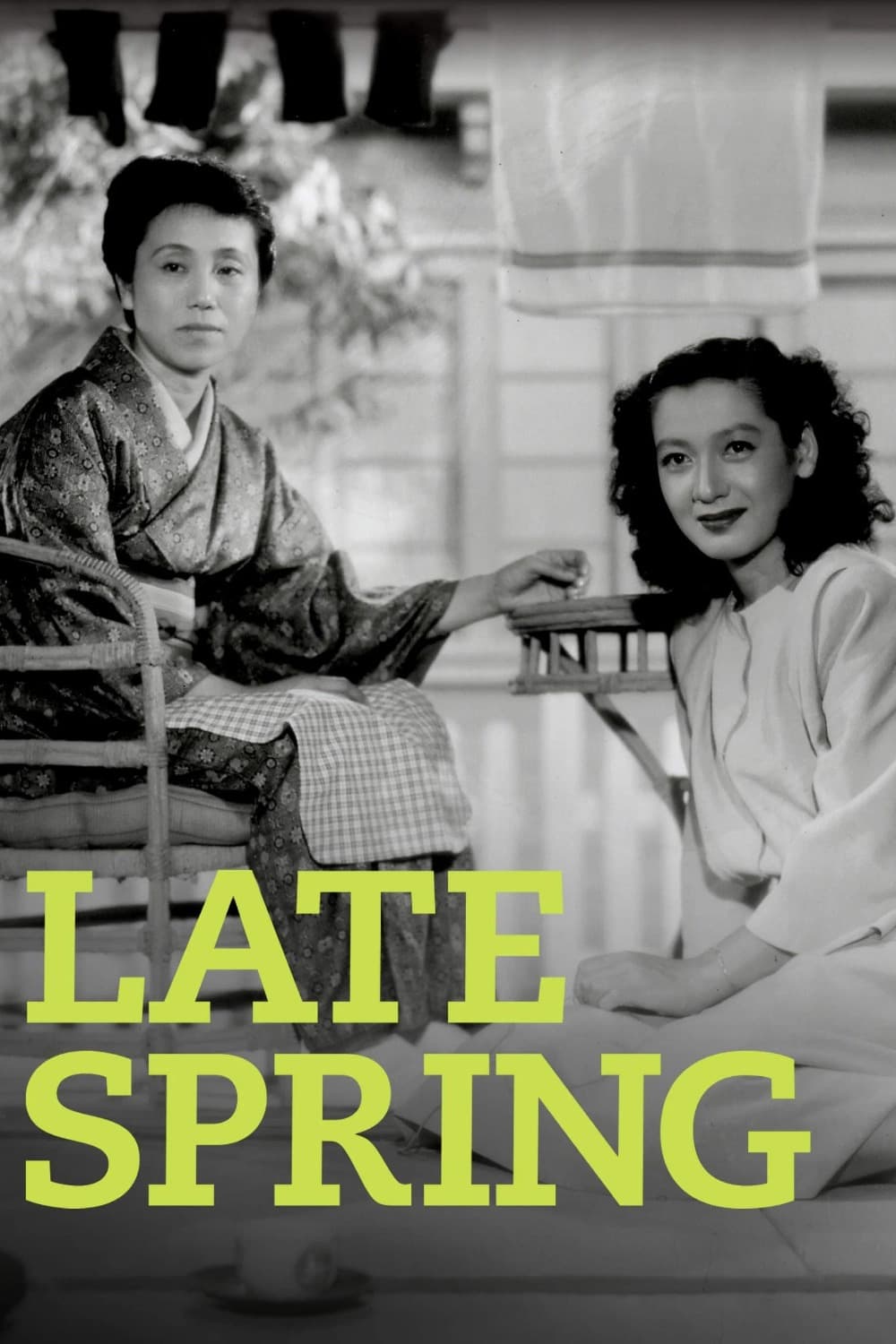
Ozu made the same film over and over and this is the most perfect version: a daughter who will not marry, a father who will not say what he wants, and one vase.
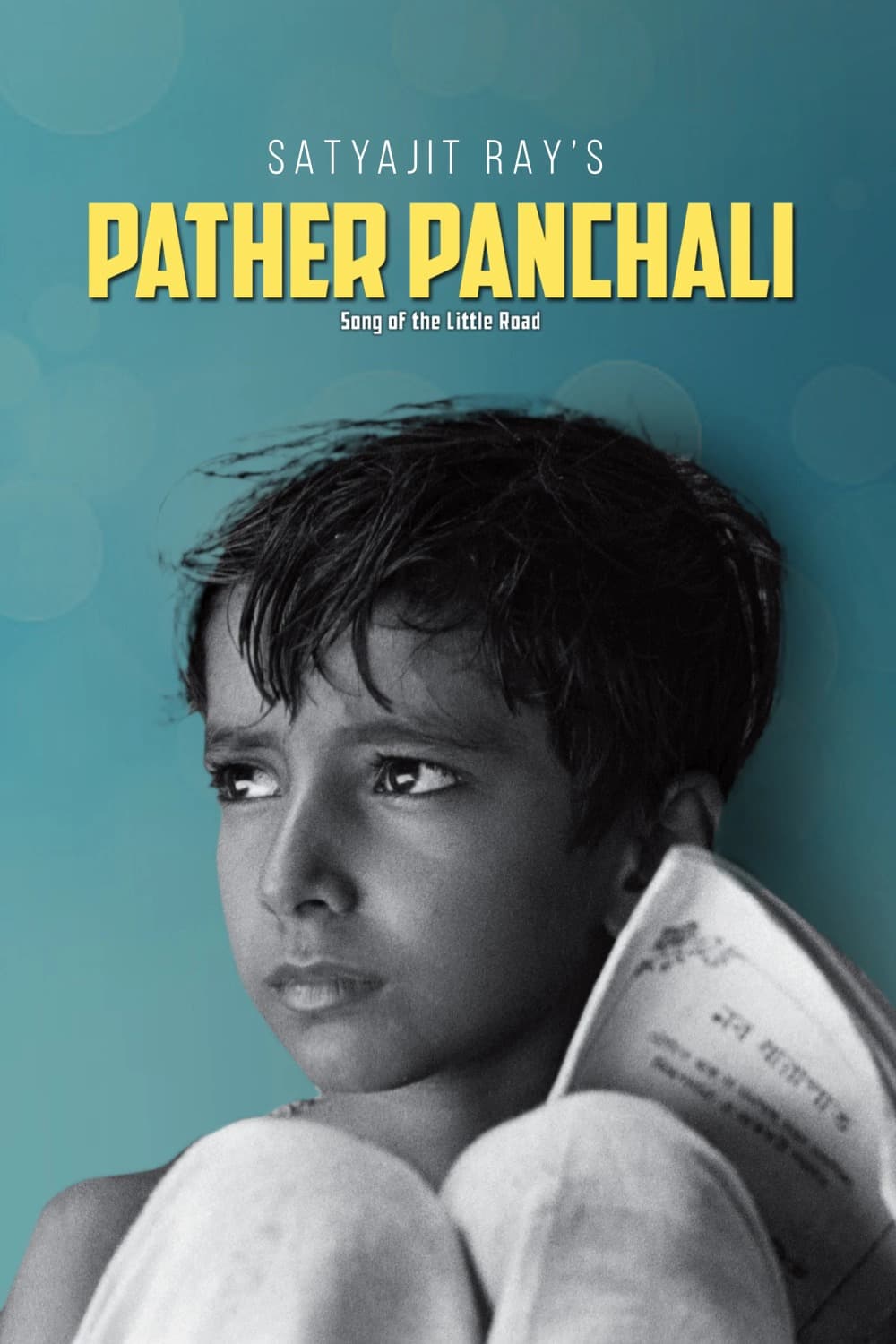
Indian cinema arrived in the world with this: Ray shot it on weekends with a first-time crew and no money, and the children seeing a train is pure wonder.
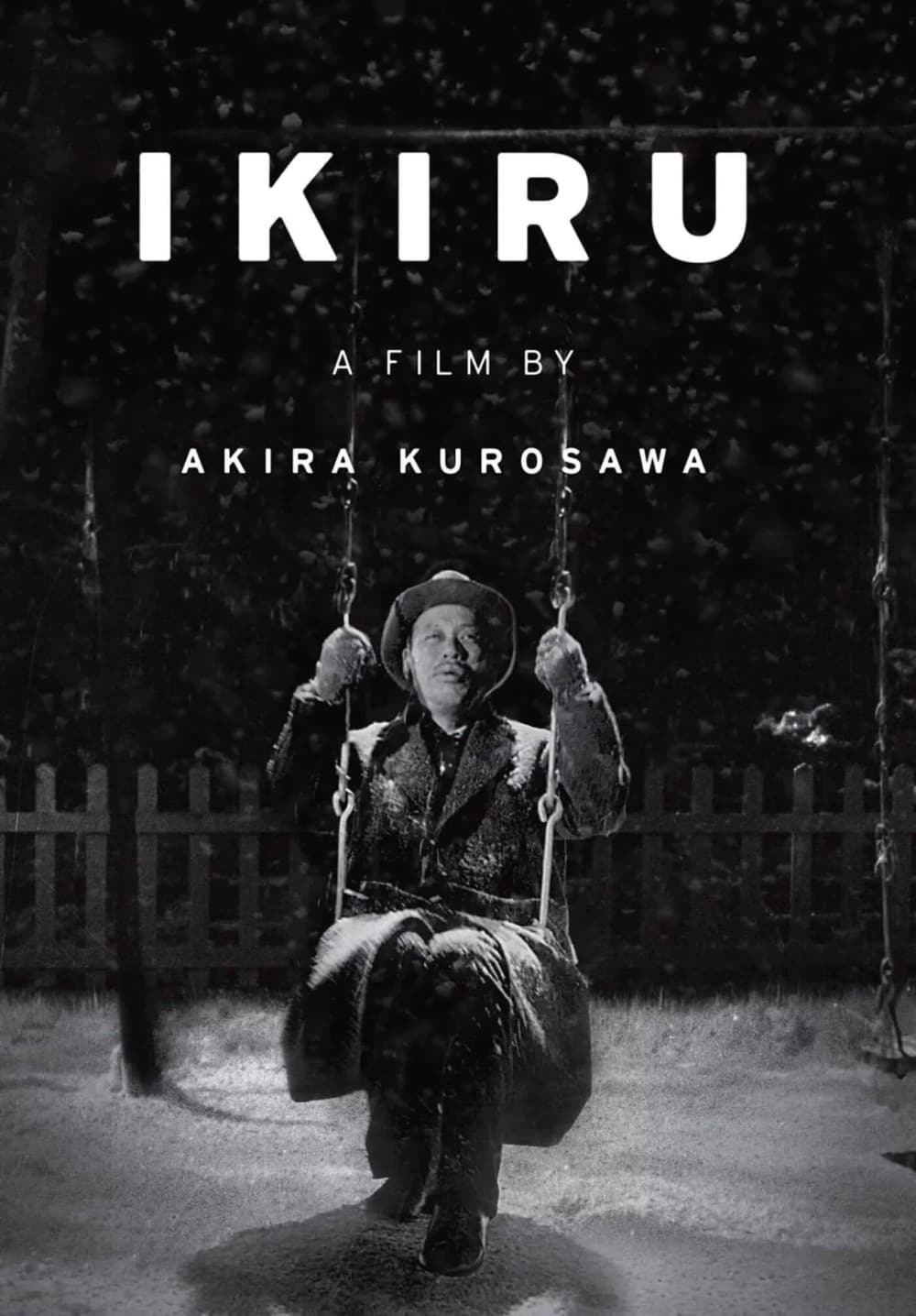
Kurosawa's answer to how a life should be spent: a bureaucrat gets one piece of terrible news and starts spending what is left deliberately, which will change how you see your job.
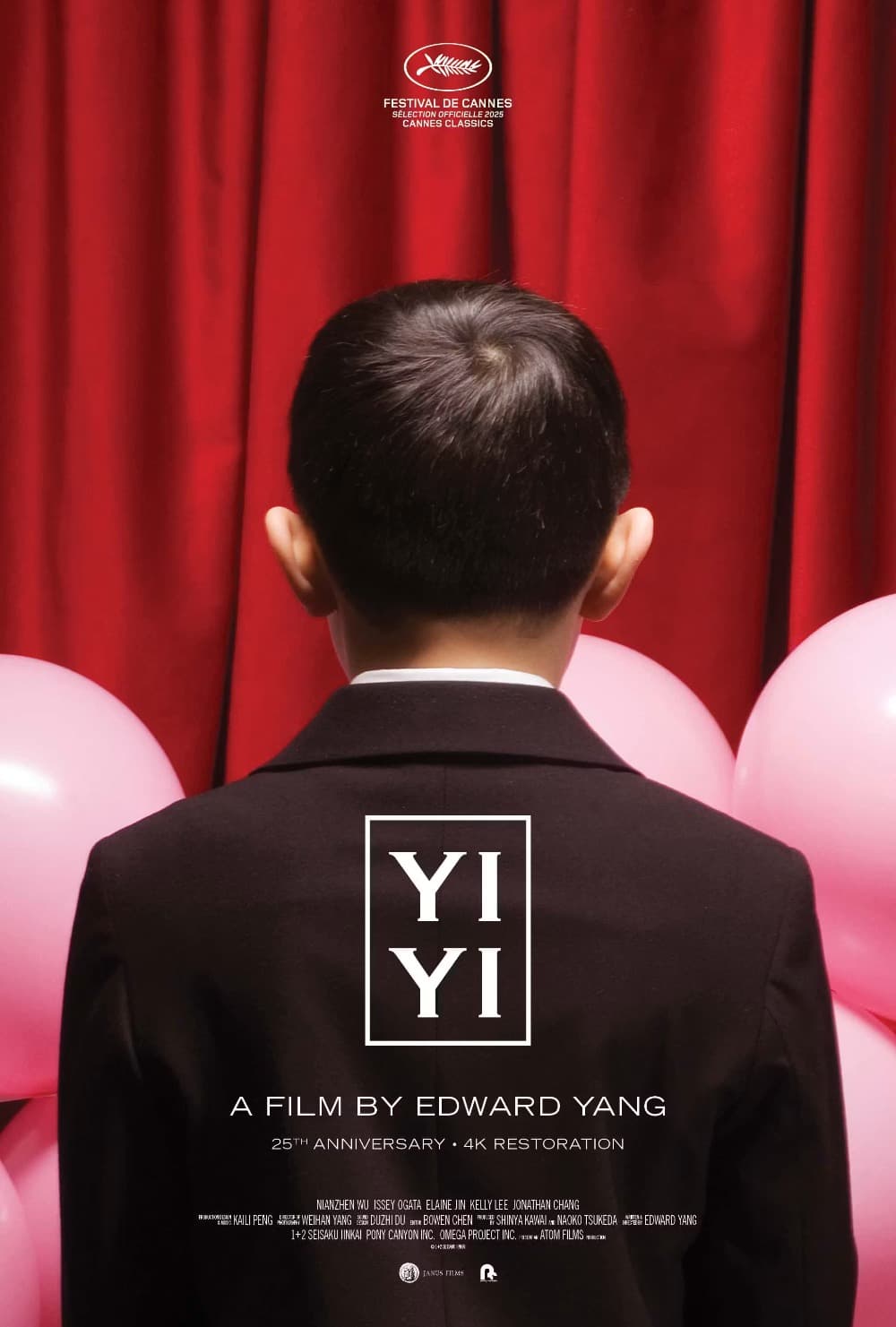
Nothing else captures an ordinary family like this: Yang holds three generations of a Taipei household in one frame, and the small boy photographing people's backs explains the whole method.
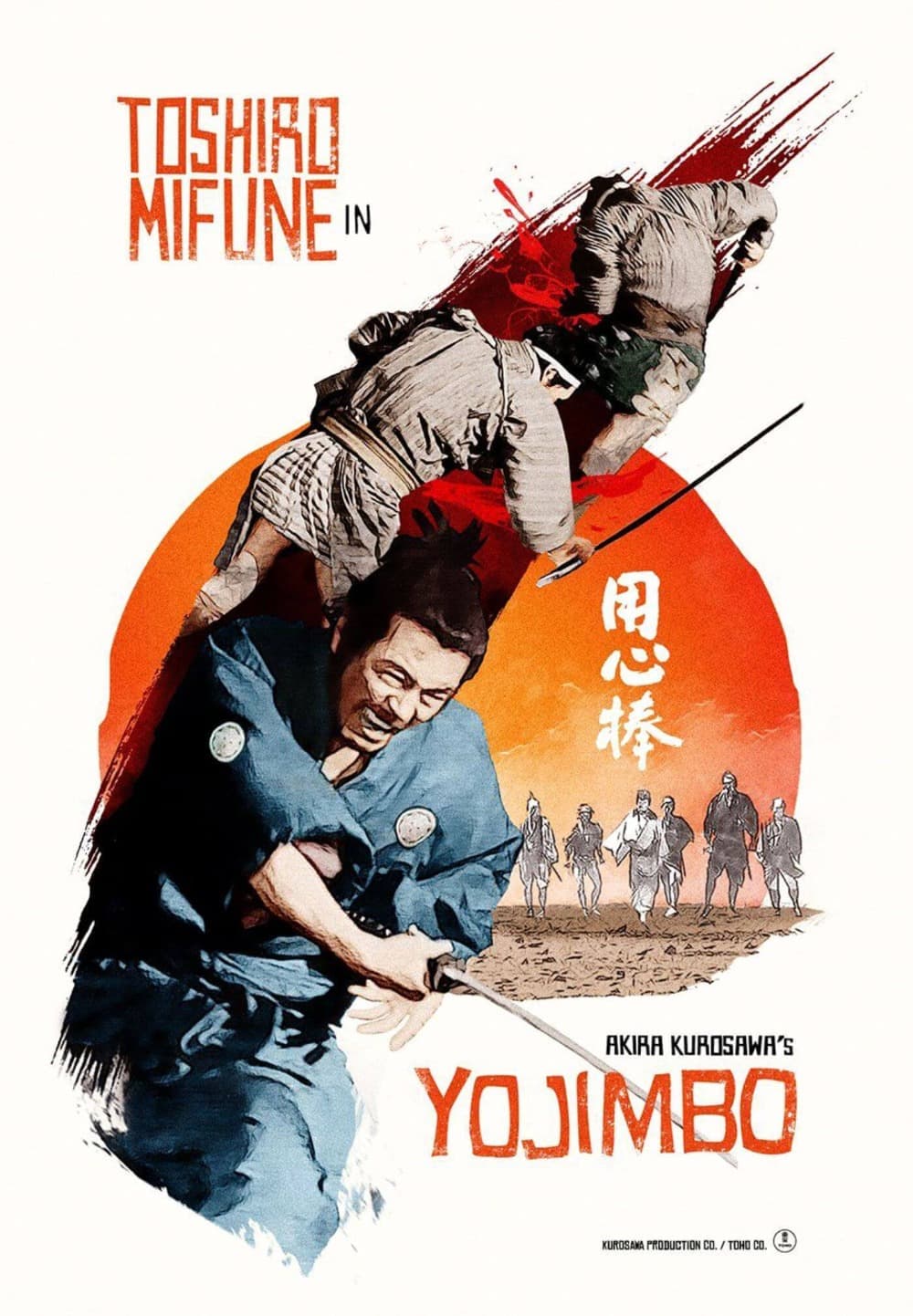
Leone took it wholesale for A Fistful of Dollars and Toho forced a settlement out of court: Kurosawa's samurai playing two gangs against each other is the template everyone still uses.
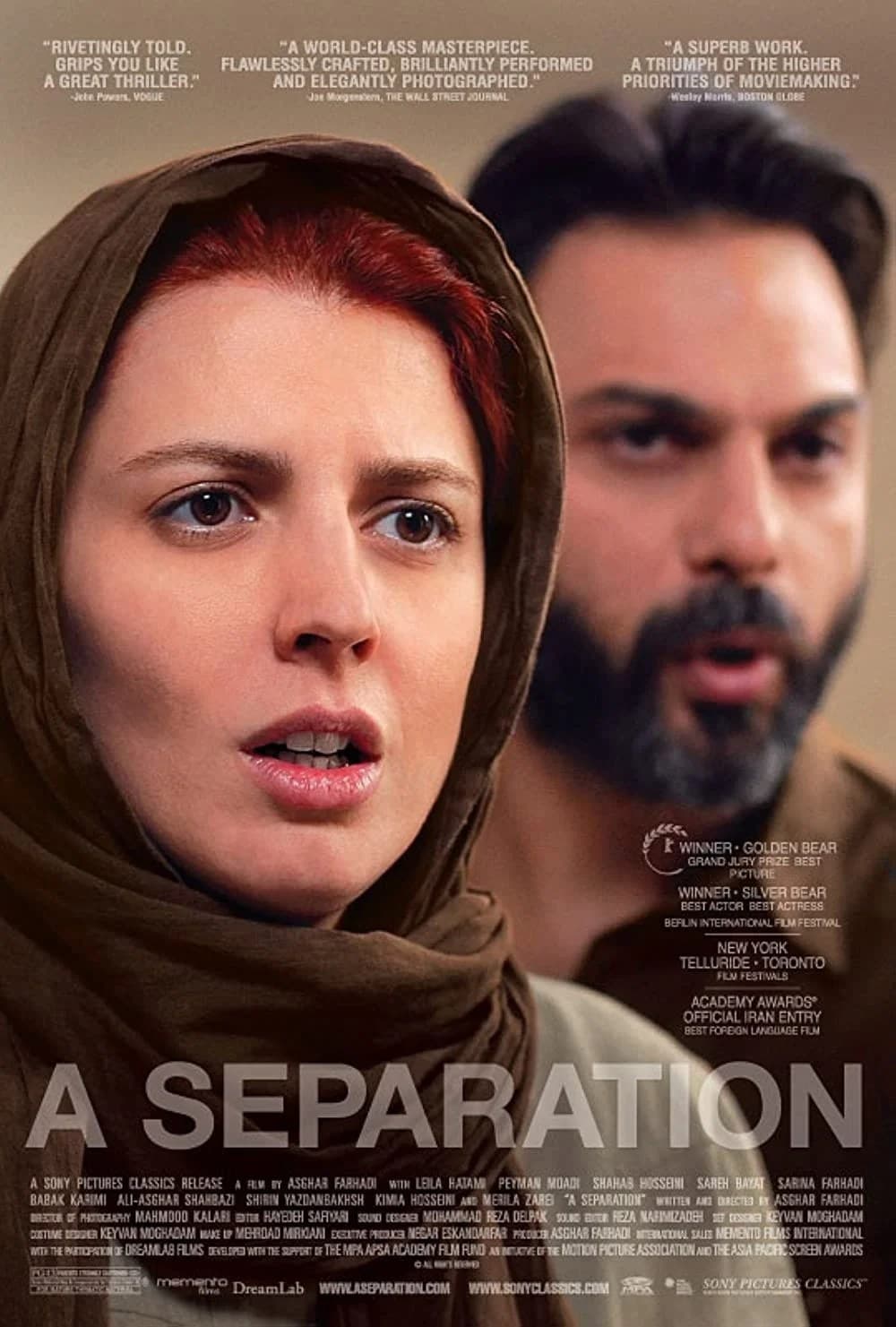
The first Iranian film to win the foreign language Oscar: Farhadi built a moral maze where every person is partly right, and you will change sides several times.
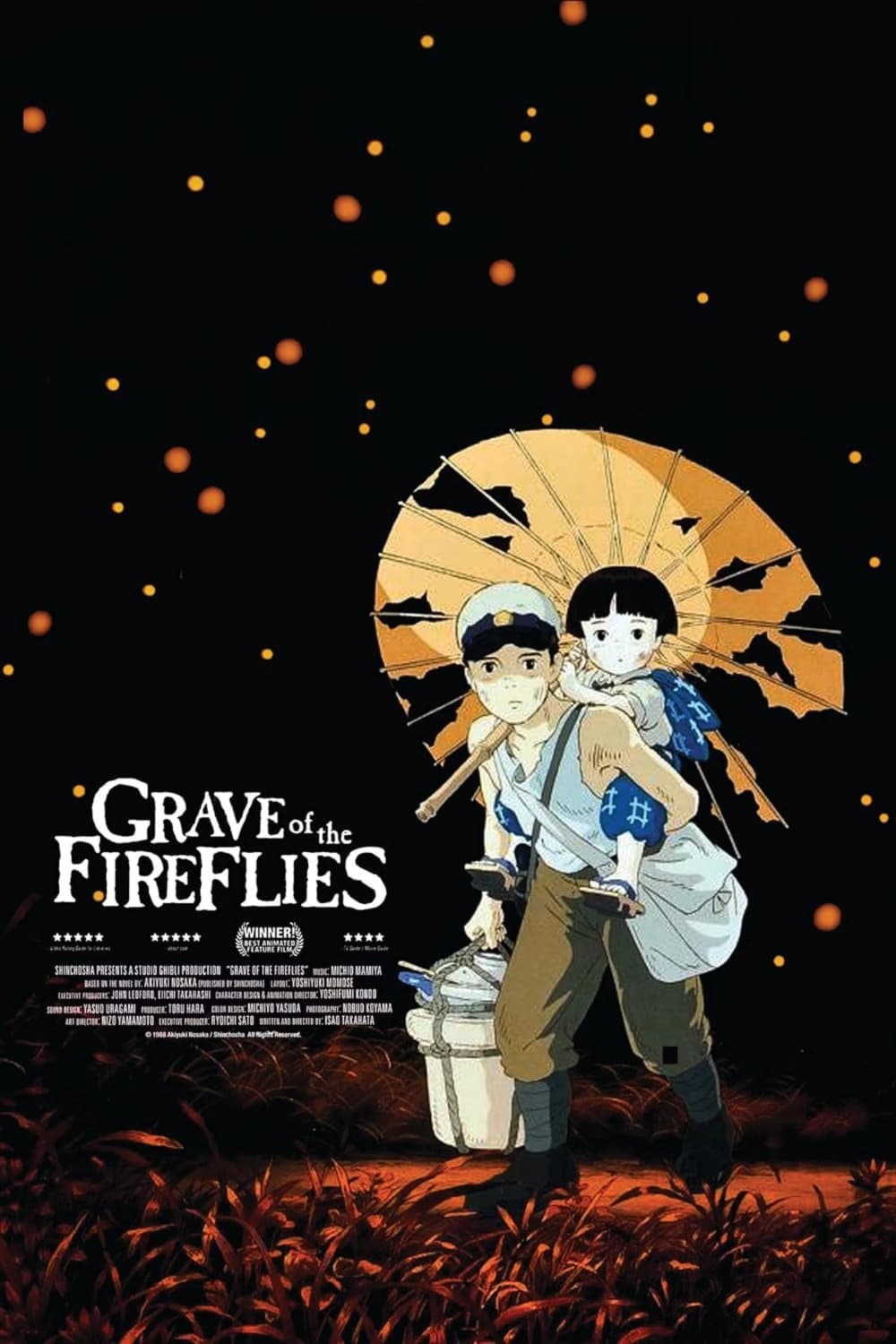
Nobody recommends this one lightly: Takahata put two children through the last months of the war in Japan, and being animated makes it harder to bear, not easier.
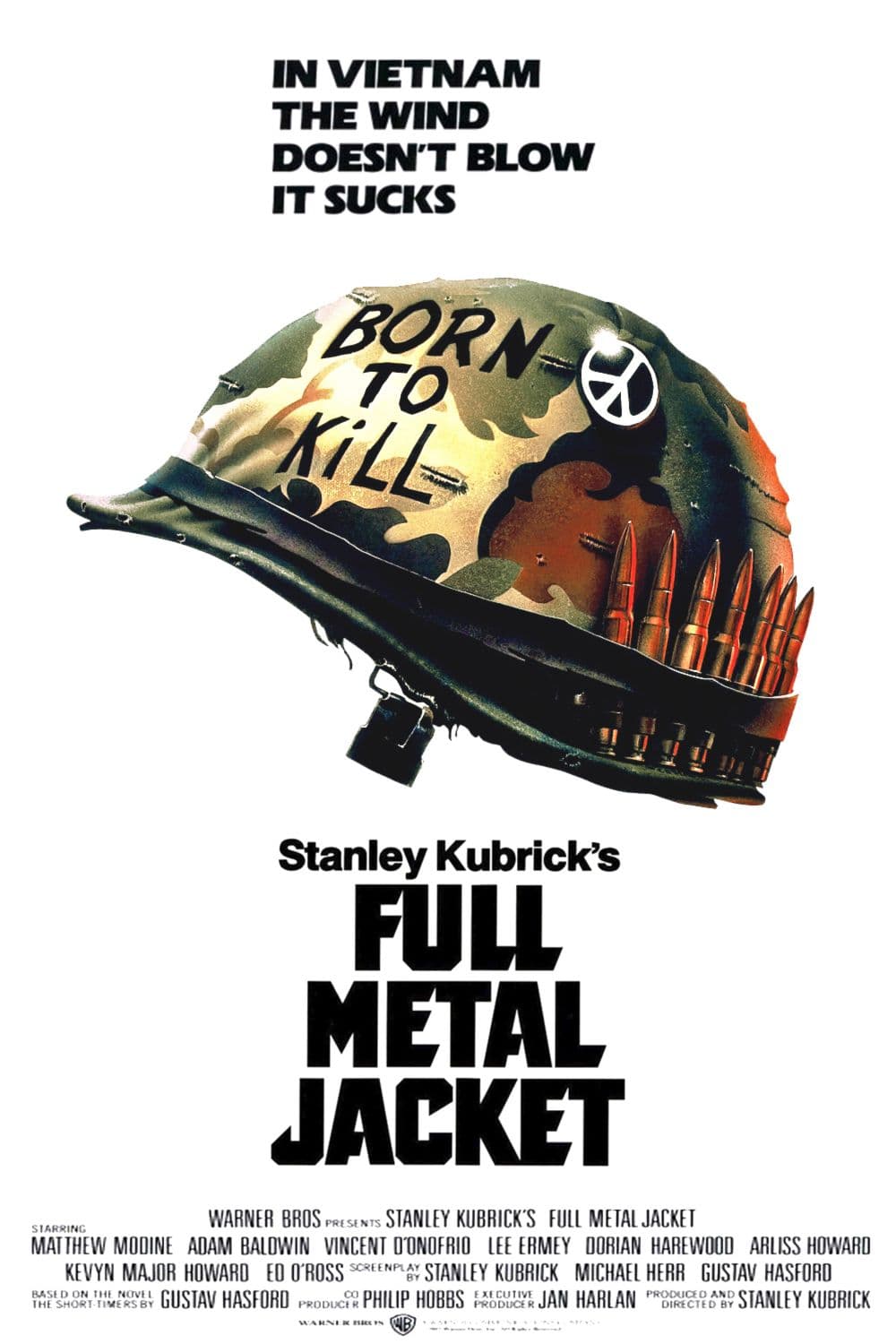
The first half is the most quoted boot camp ever filmed: Kubrick found a real Marine drill instructor, let him write half his own material, and made basic training terrifying.

Lean built an epic about the seduction of a job well done: a British colonel in a Japanese prison camp finds a strange satisfaction in building their bridge properly.
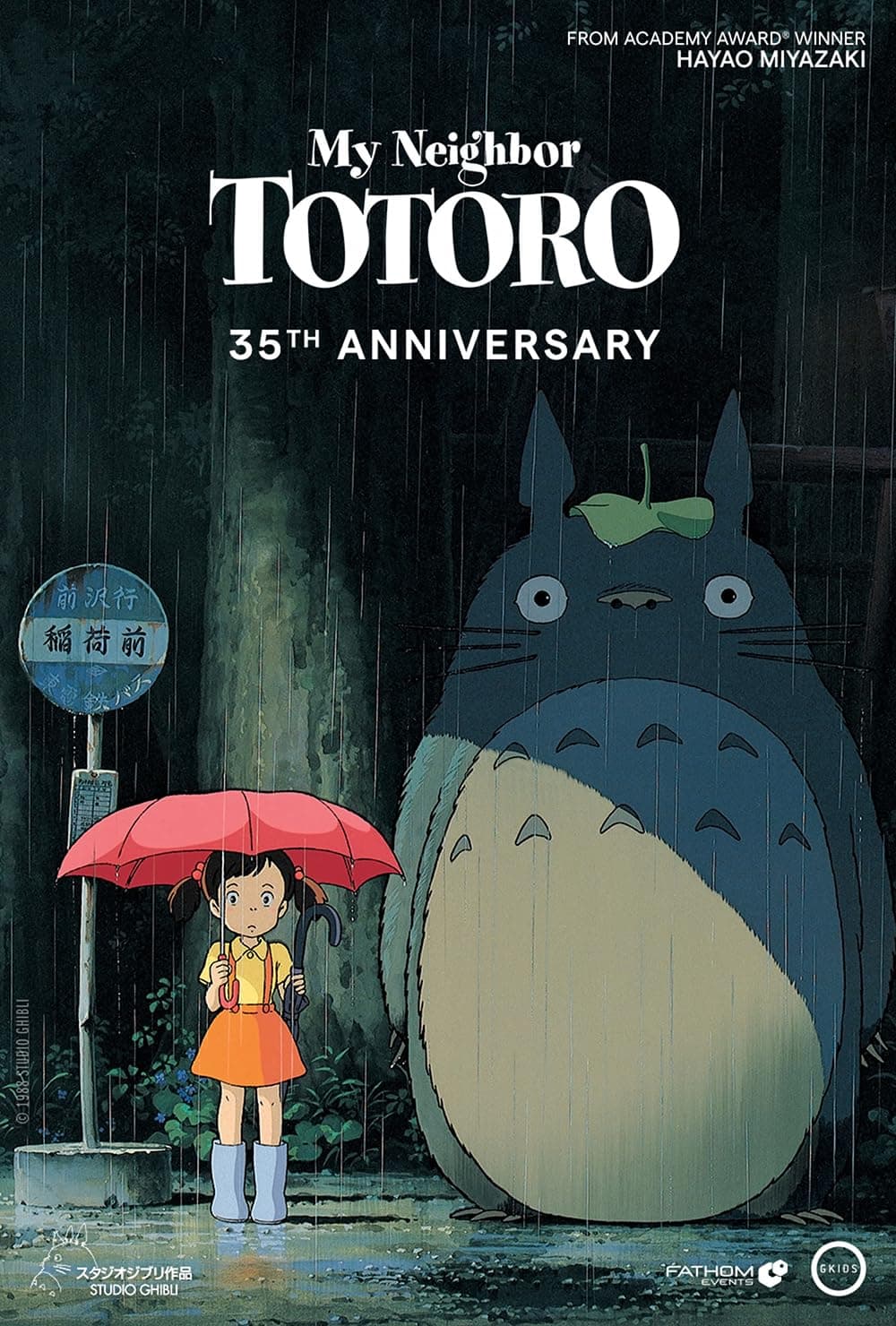
Children's films almost never dare to have no villain: Miyazaki made eighty minutes of pure safety out of two sisters and a forest spirit, and it became Ghibli's emblem.
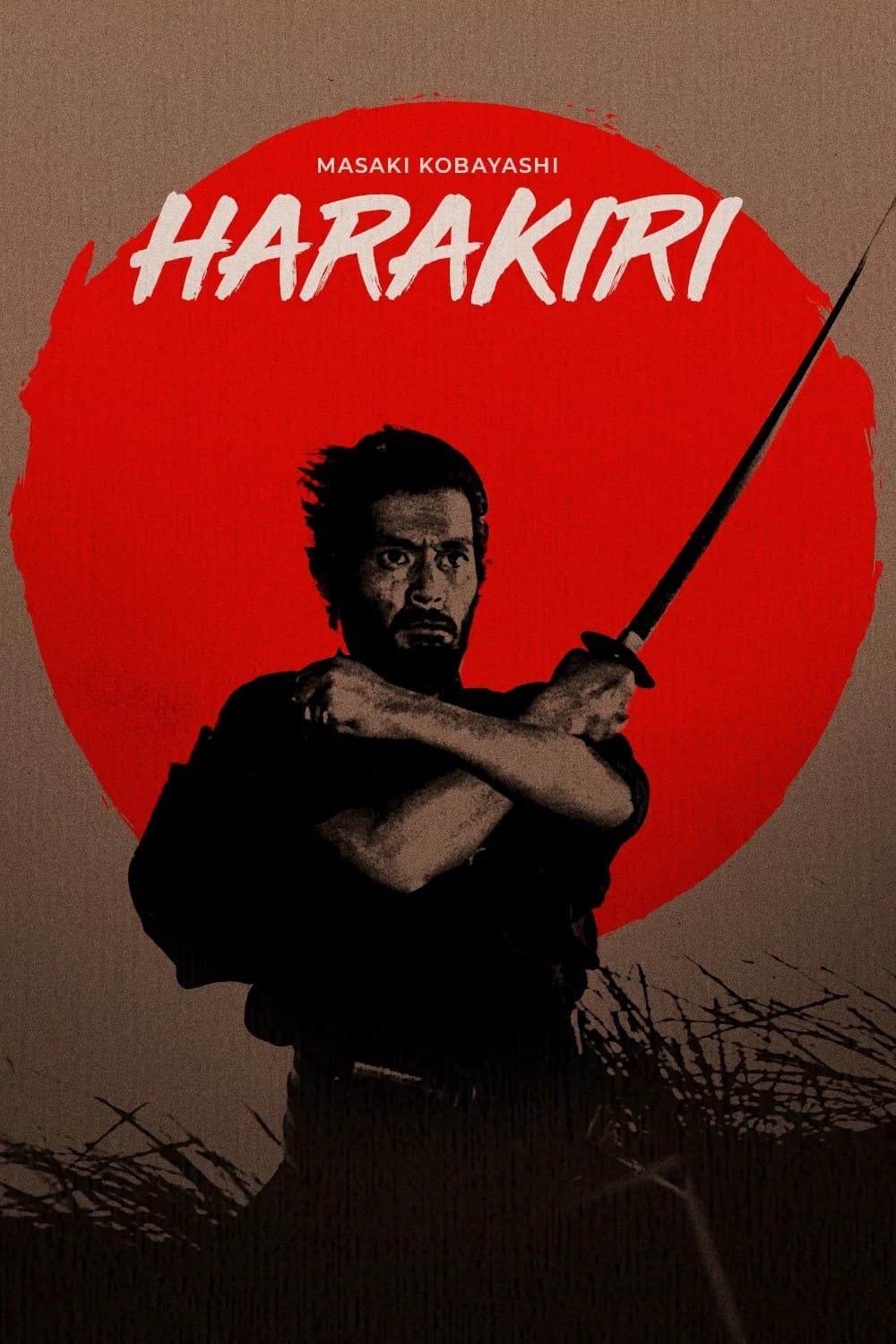
Kobayashi took the samurai film apart from the inside: an old warrior asks to die in a lord's courtyard, and what he says first dismantles the entire code of honor.