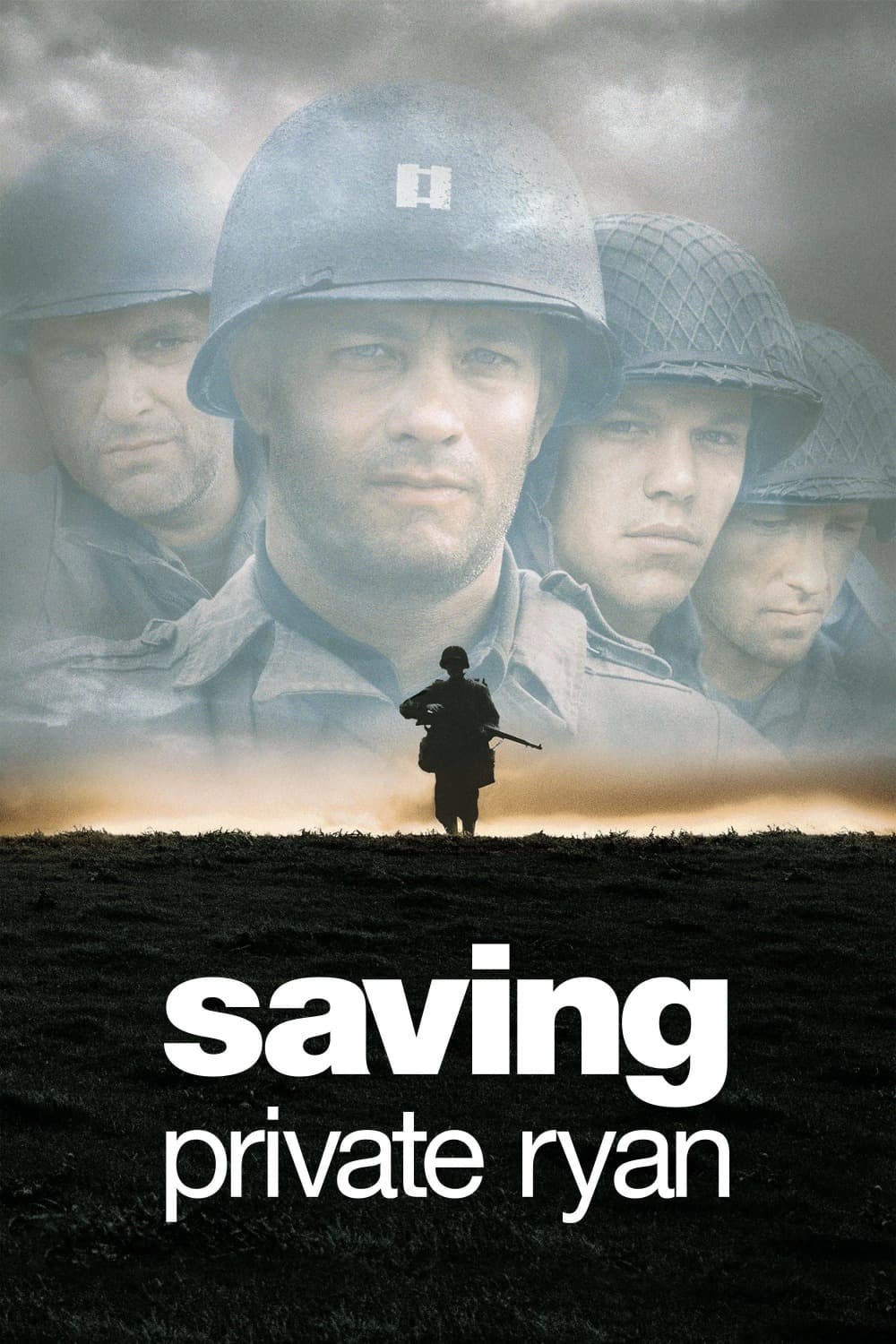
Saving Private Ryan
Directed by Steven Spielberg
1998
War films look different since the first twenty minutes of this one: Spielberg put the camera in the surf at Omaha Beach and veterans left cinemas unable to speak.
★ 8.8
 skopia
War films look different since the first twenty minutes of this one: Spielberg put the camera in the surf at Omaha Beach and veterans left cinemas unable to speak.
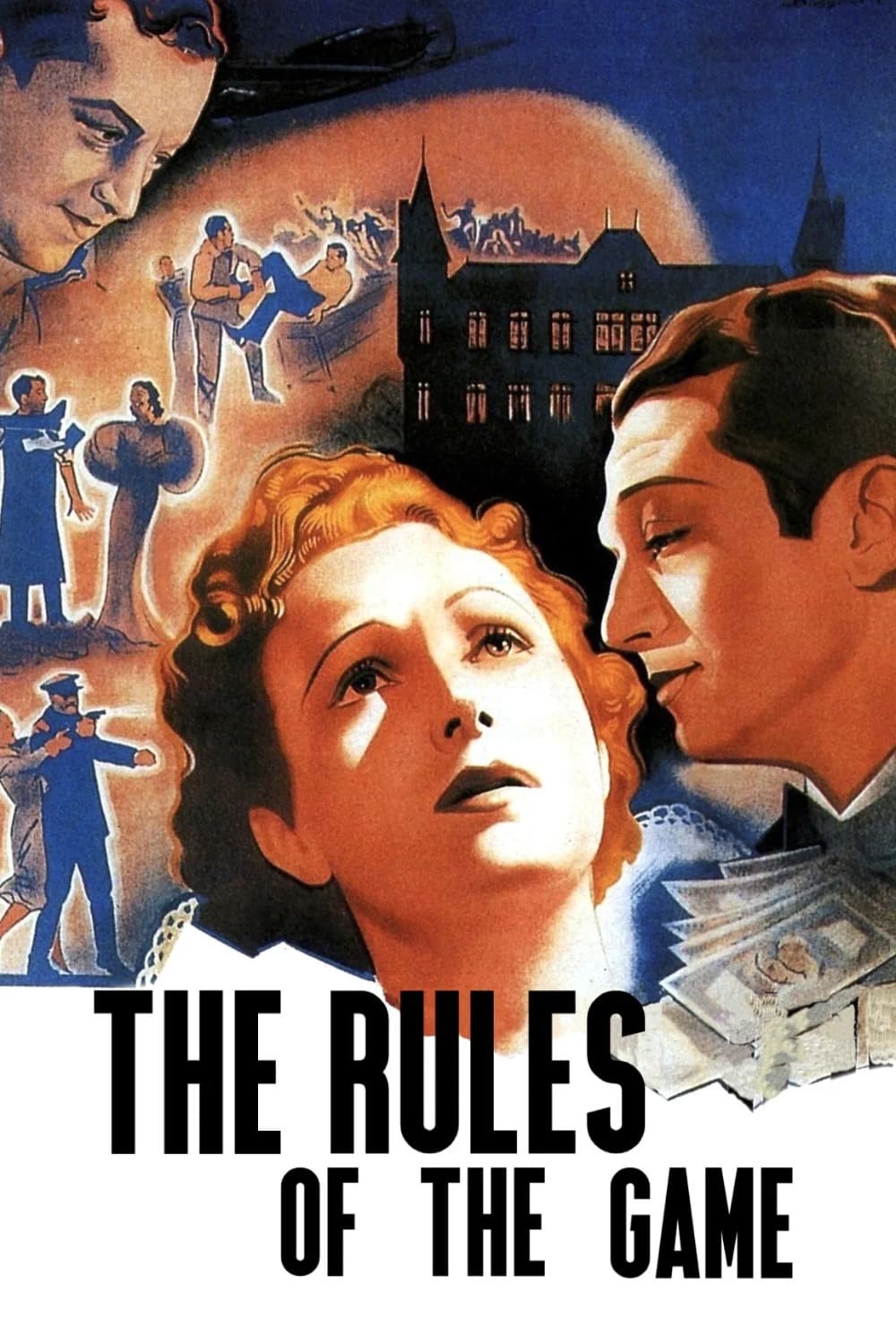
Banned in 1939, booed at its premiere, then in the top ten of every Sight and Sound poll for sixty years: Renoir turned a hunting party into a diagnosis of a doomed society.
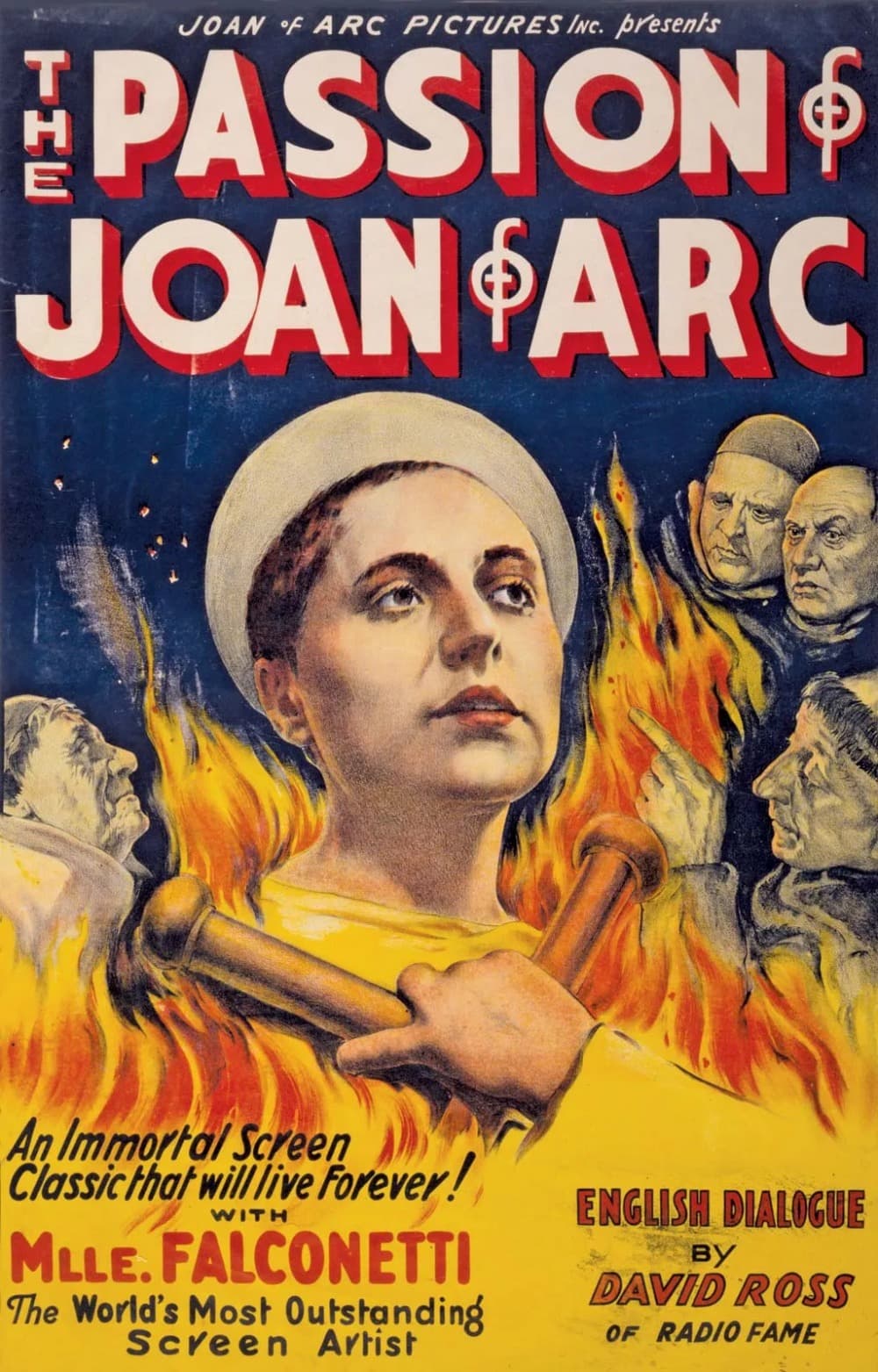
No screen performance has been called greater, and its actress never made another film: Dreyer shot Renee Falconetti's face in close-up, and his original cut went missing for fifty years.
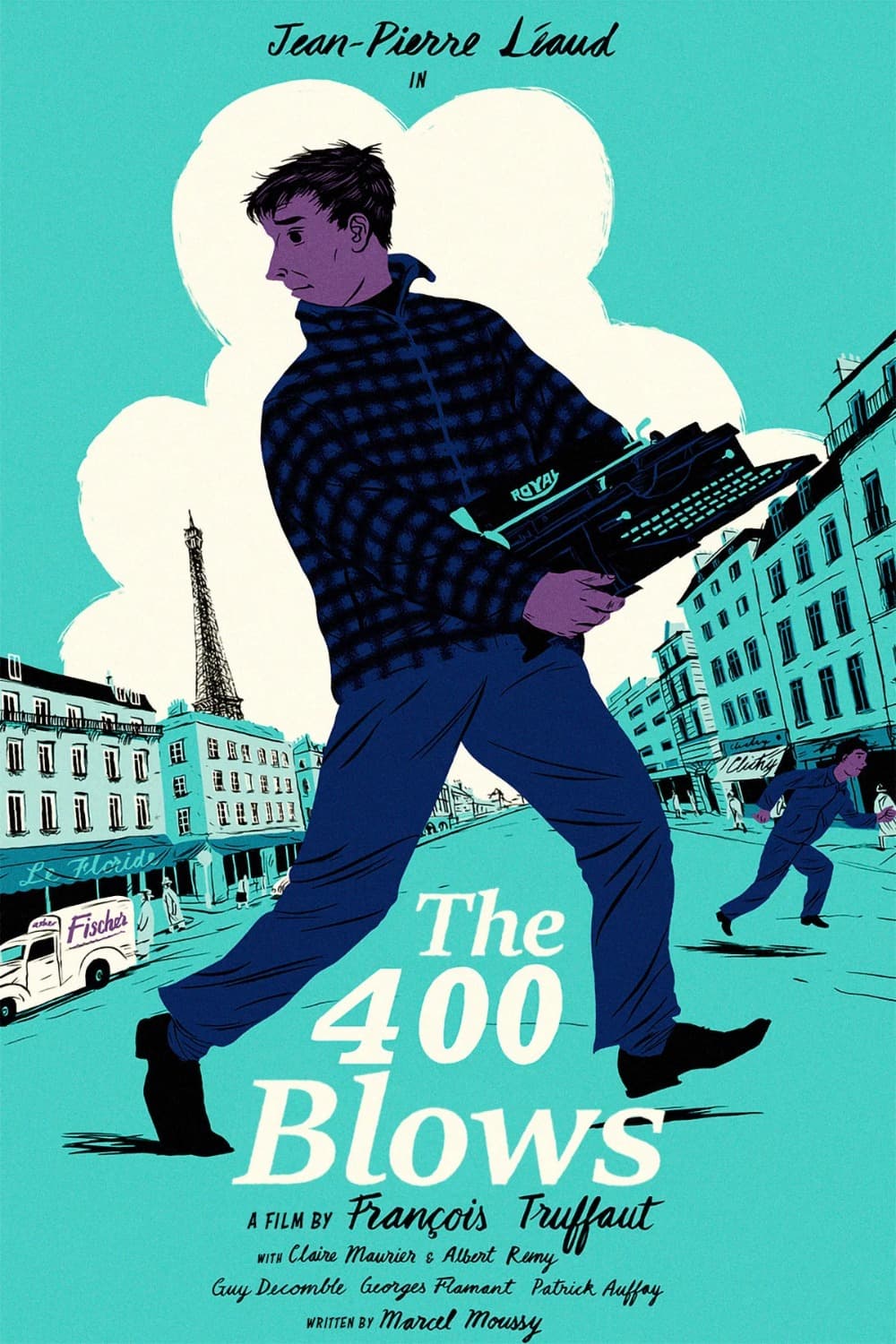
The French New Wave announces itself: Truffaut put his own miserable childhood on screen at twenty-seven, and the last shot changed what an ending was allowed to do.

Sciamma made a love story with almost no men in it and built the entire thing out of glances, firelight and the things two people decline to say.
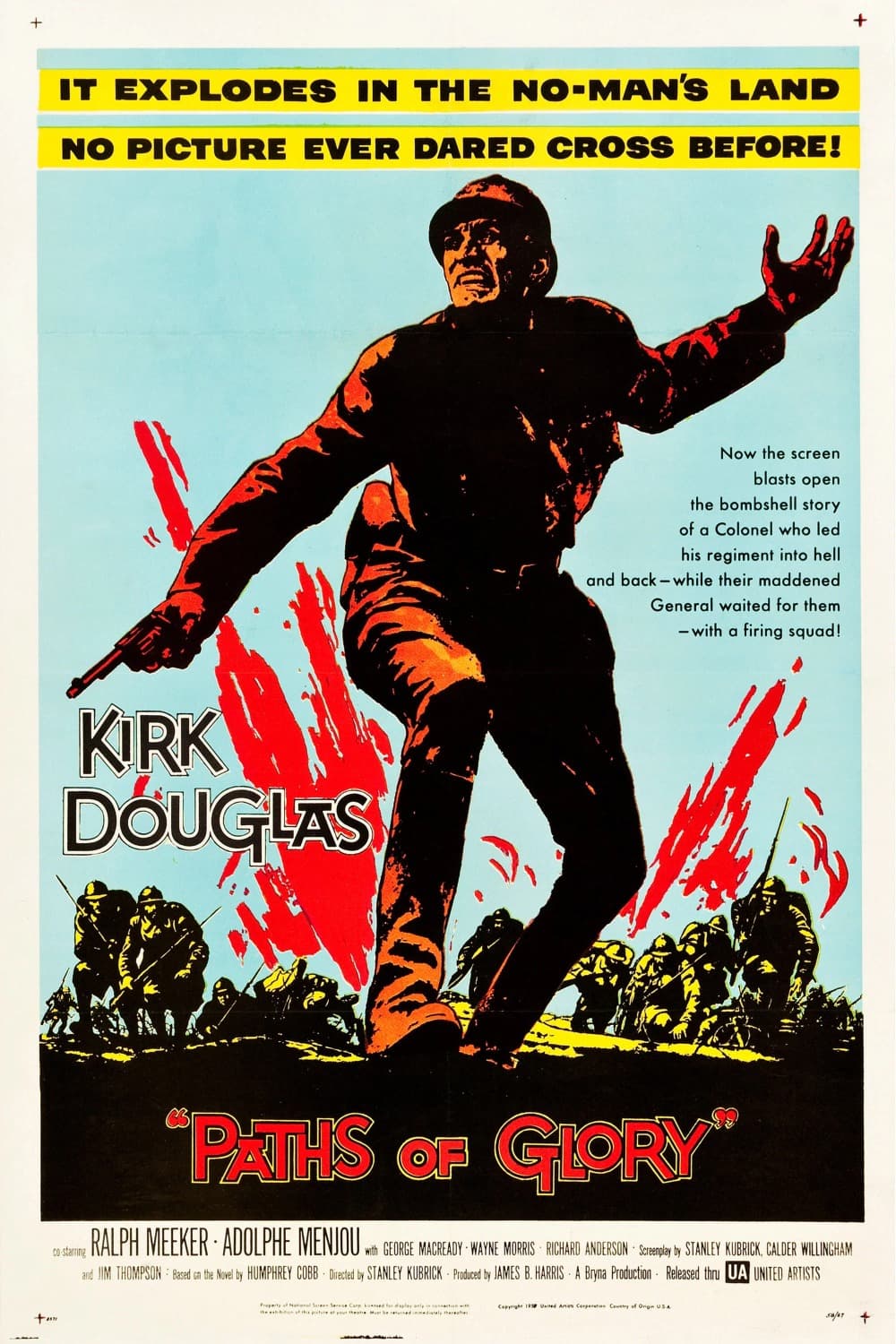
France stayed uncomfortable enough to keep it out of cinemas for eighteen years: Kubrick tracked the camera down the trenches and staged an injustice that still makes people furious.
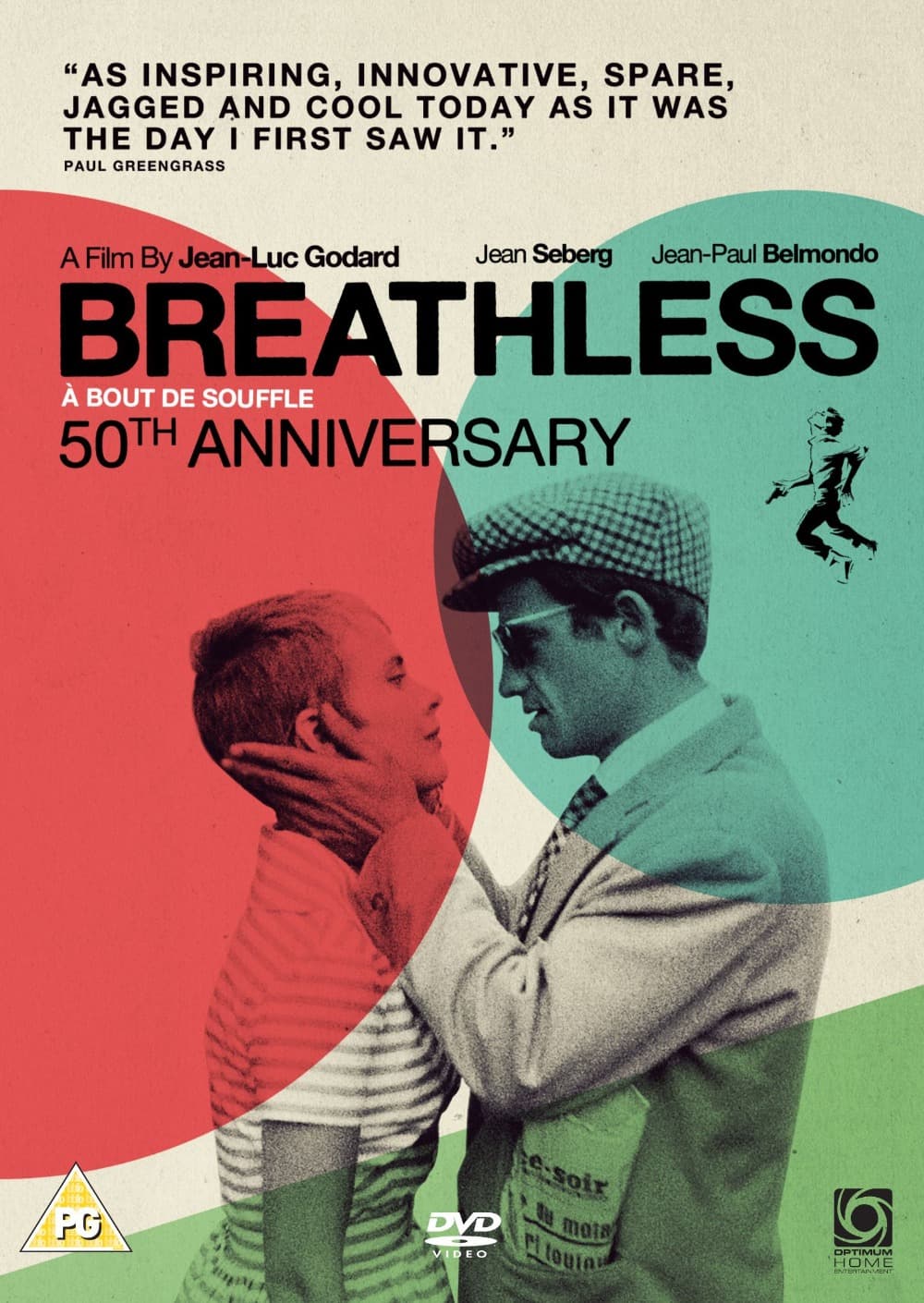
Modern film editing starts here, and partly by accident: Godard shortened an overlong picture by cutting inside his own shots, and the jump cut has been legal ever since.
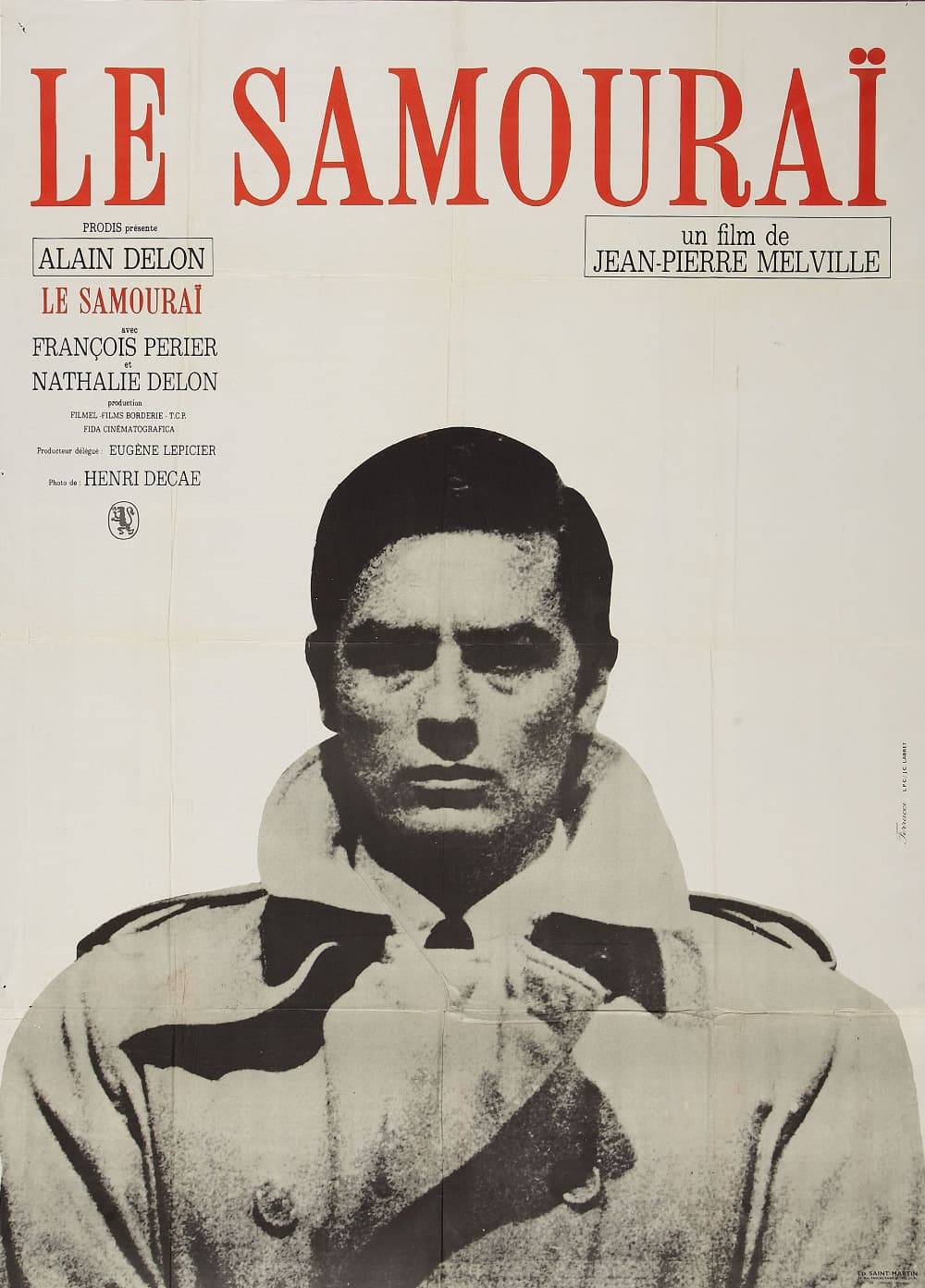
Every filmmaker who has ever shot a hitman putting on a hat is quoting this: Melville stripped the crime film down to ritual, silence and a trench coat.
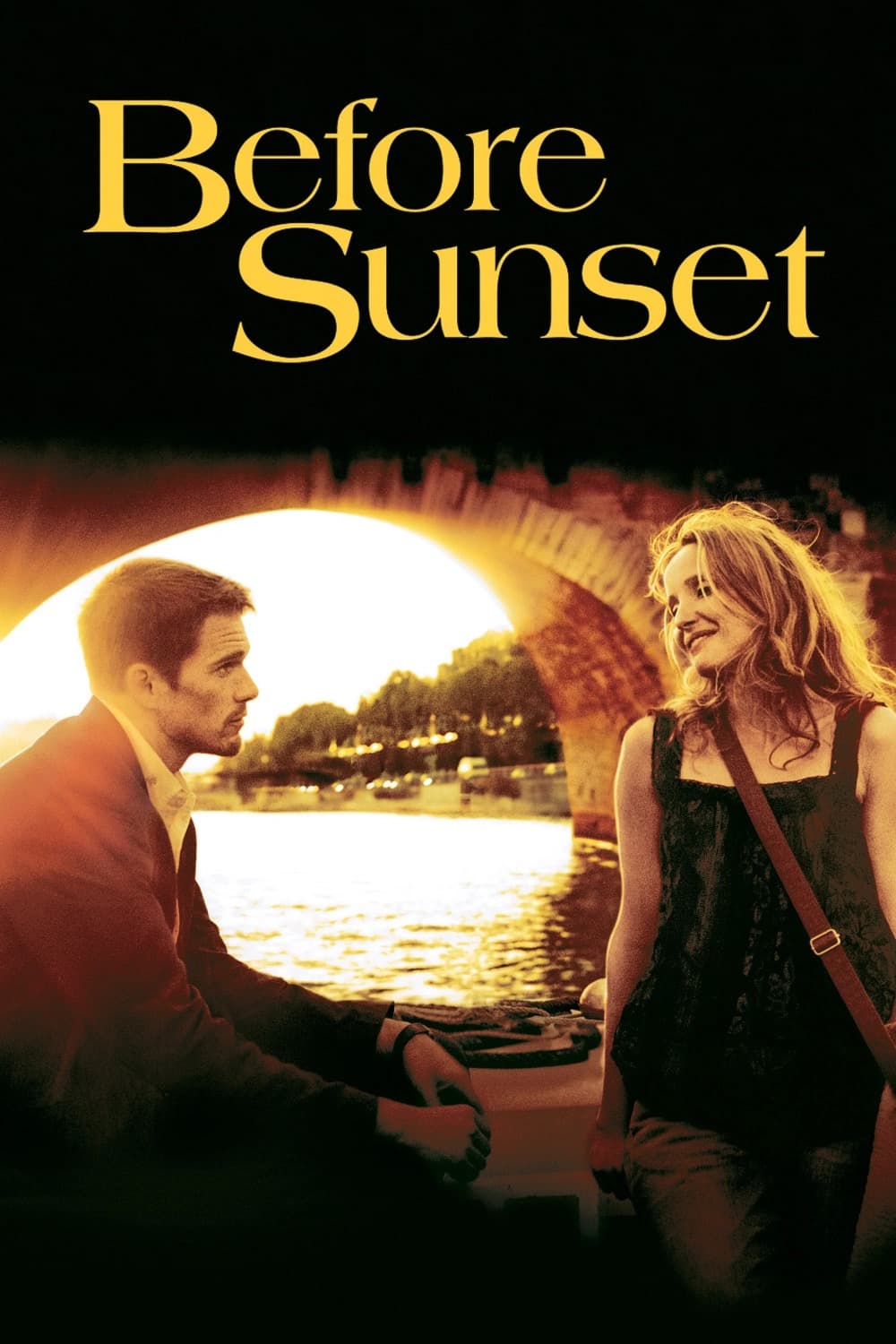
Very little else works the way this does: eighty minutes of two people walking around Paris talking, in close to real time, and it is over far too soon.
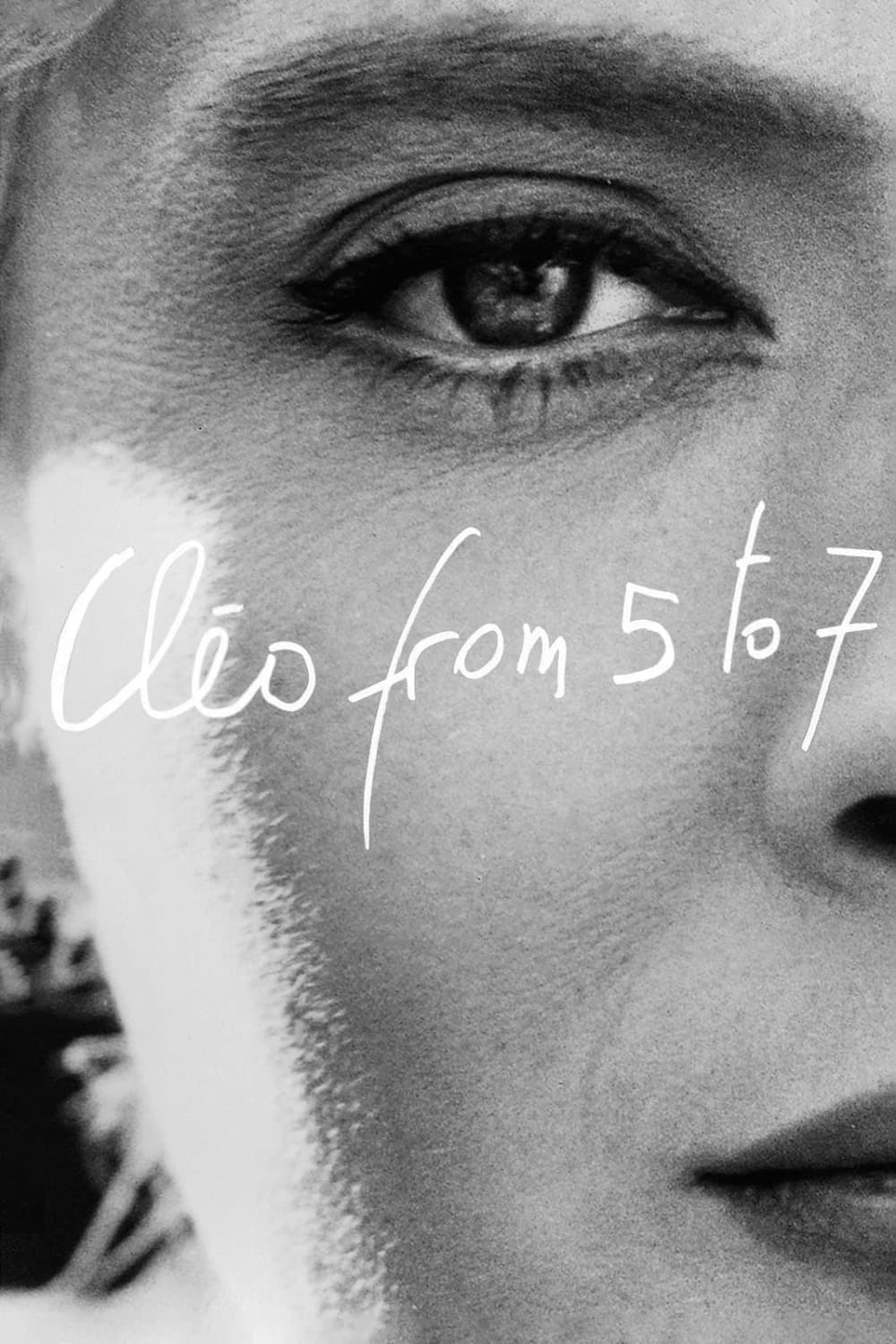
Varda was the one woman the New Wave could not leave out, and this is her breakthrough: ninety minutes of a singer walking Paris, waiting on news.
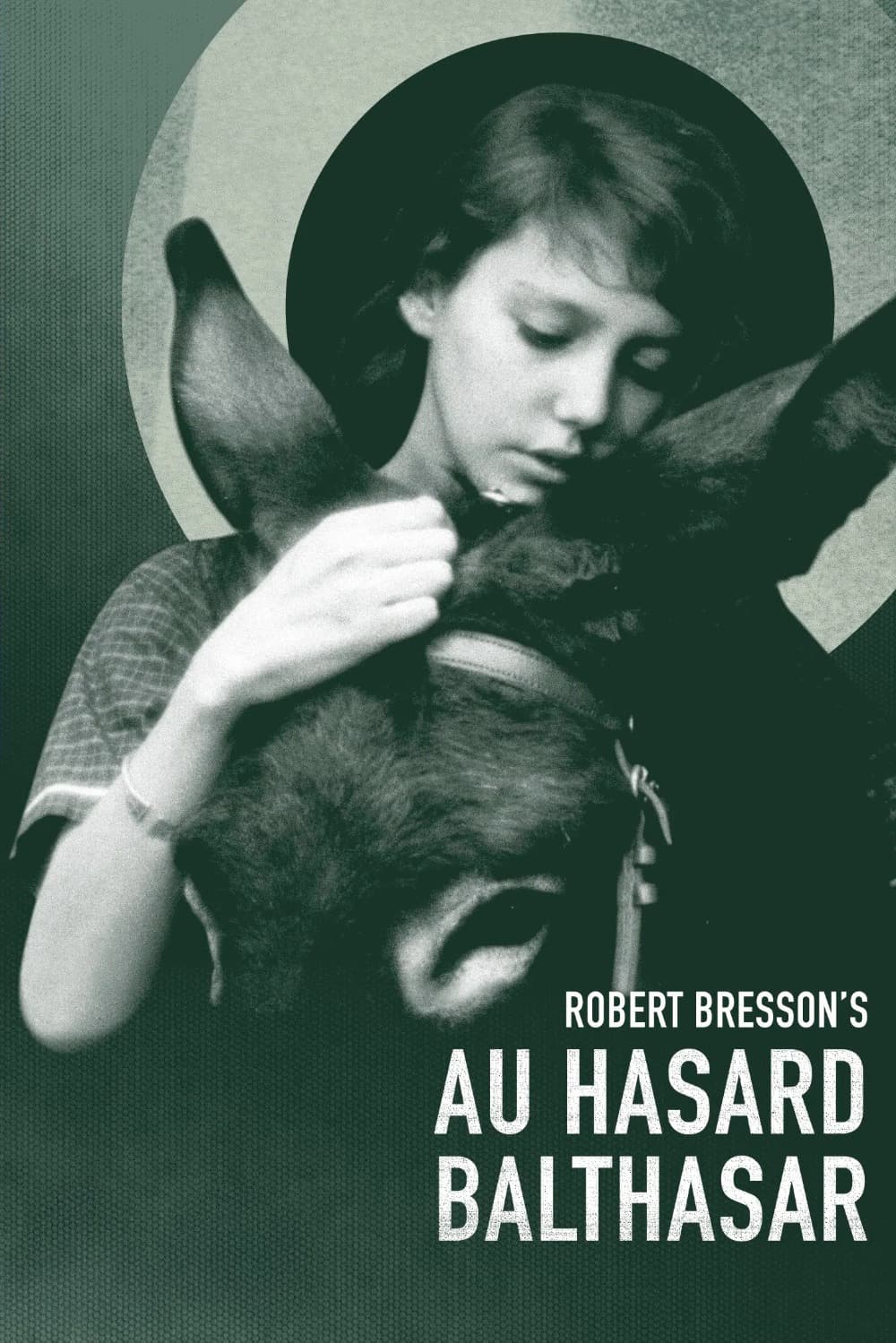
Godard said it contained the world in an hour and a half: a donkey passes from owner to owner, and Bresson makes cruelty and grace arrive without warning.
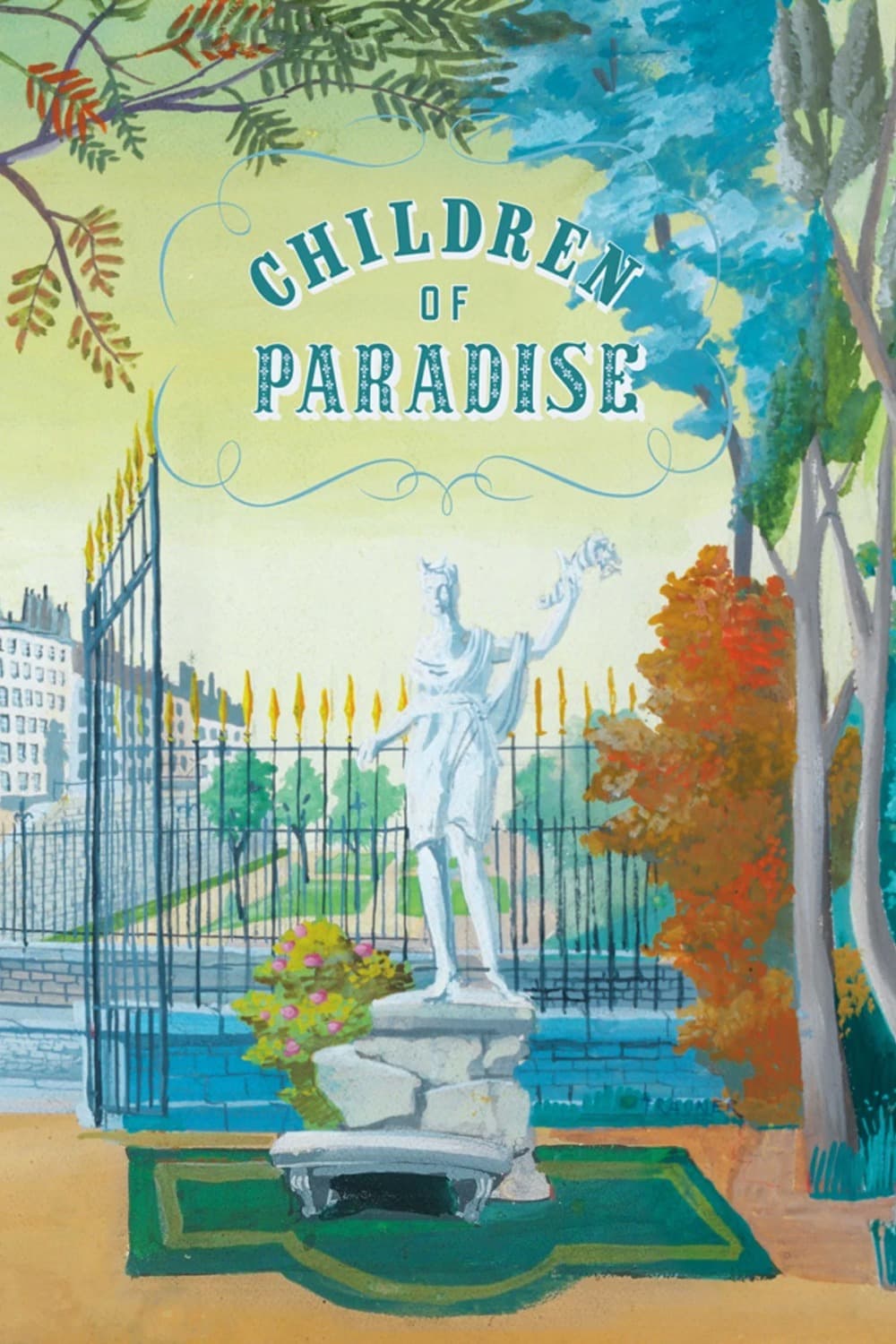
France's greatest film, and its Jewish designer and composer worked in hiding under German occupation: three hours of theater, mime and love among people who cannot afford it.
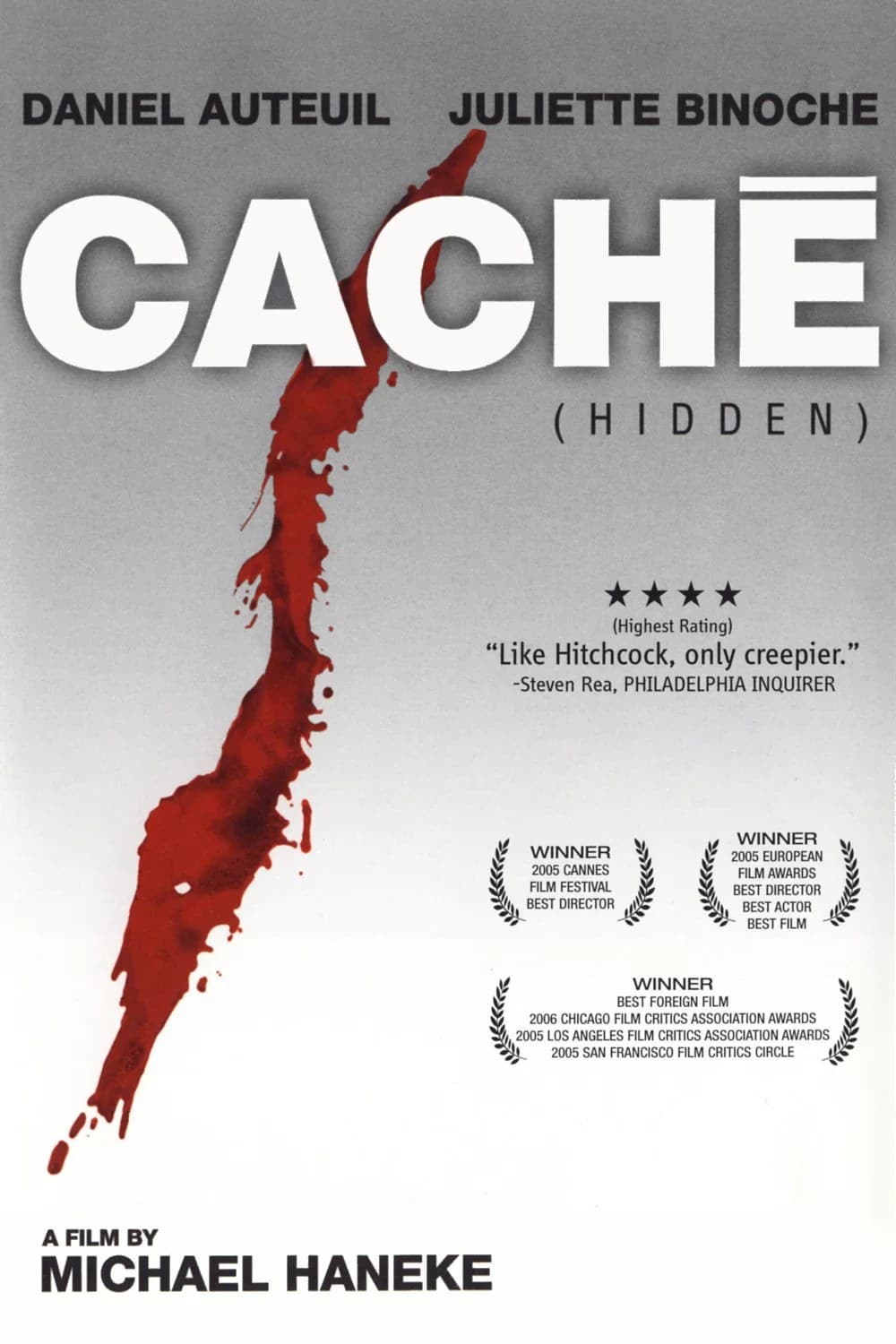
The most quietly frightening film anyone has made about guilt: videotapes of a family's own front door start arriving, and Haneke cares far more about what nobody says.
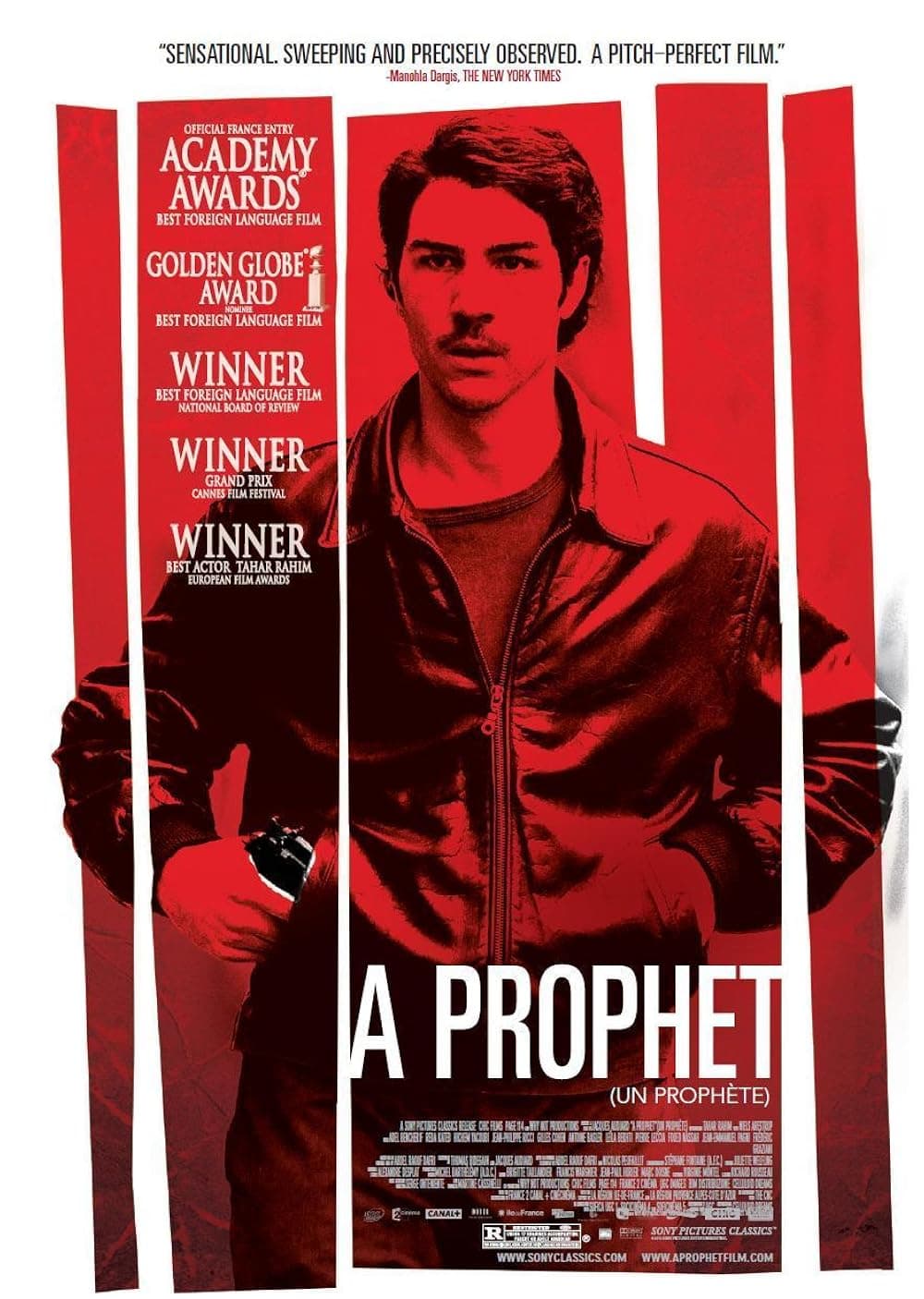
The best prison film of this century, and it works like a business education: an illiterate nineteen-year-old walks into a French jail and starts learning very fast.
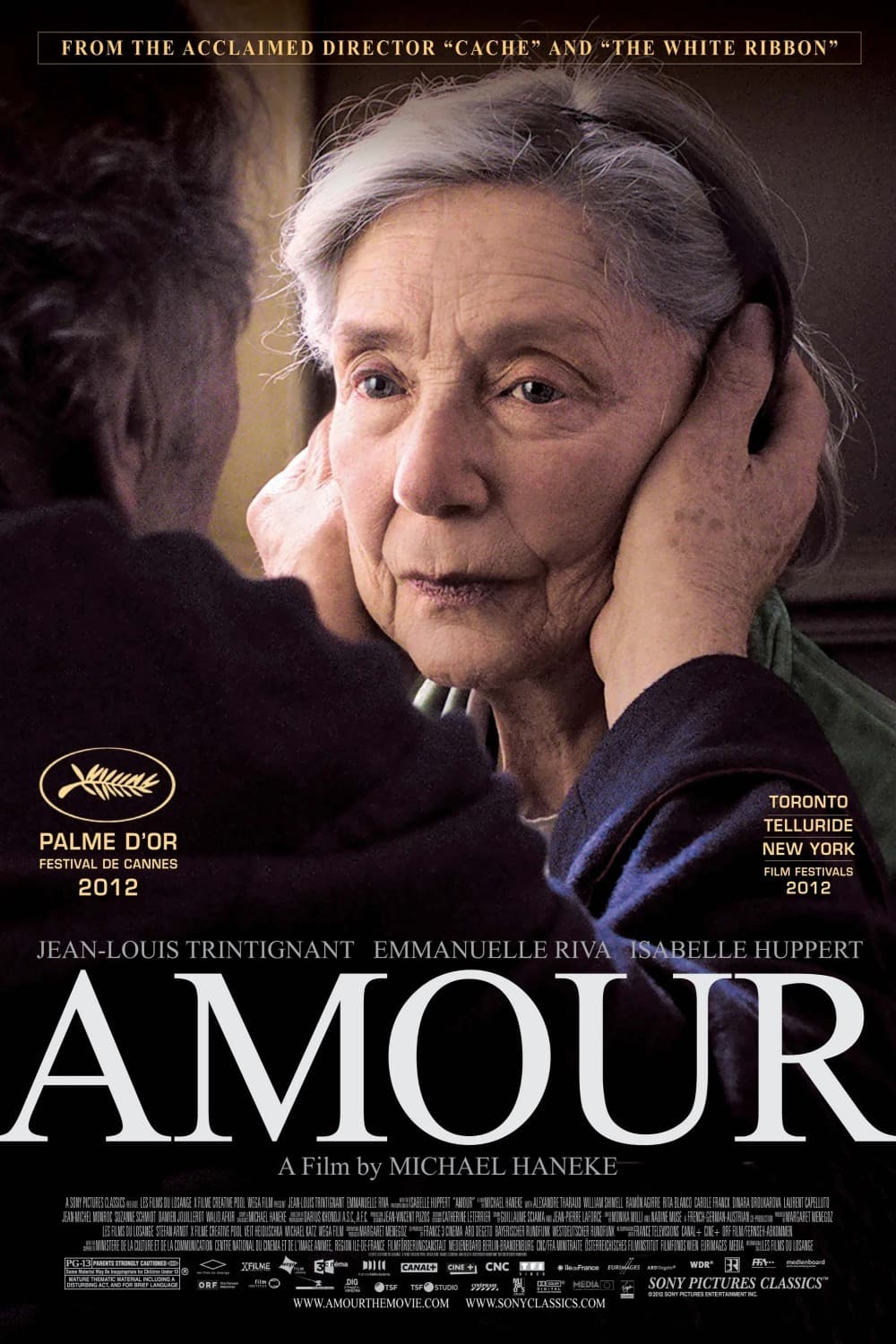
The film everyone should see once and nobody wants to see twice: Haneke barely leaves one Paris apartment while a marriage of decades reaches its last stretch.
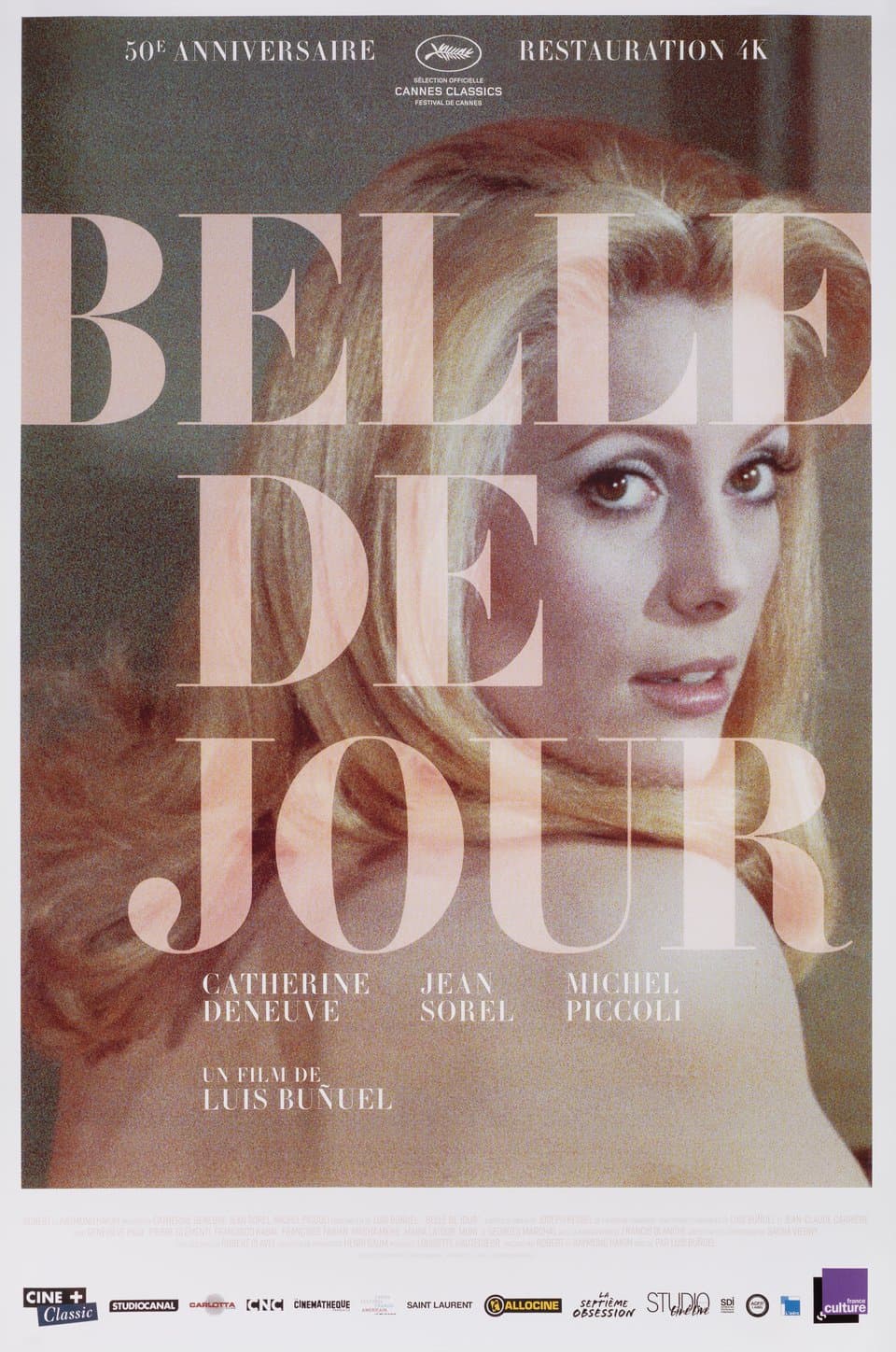
Bunuel's most seductive film, and the role Deneuve never quite escaped: a bored bourgeois wife takes afternoon work in a brothel, and her fantasies blur in without warning.
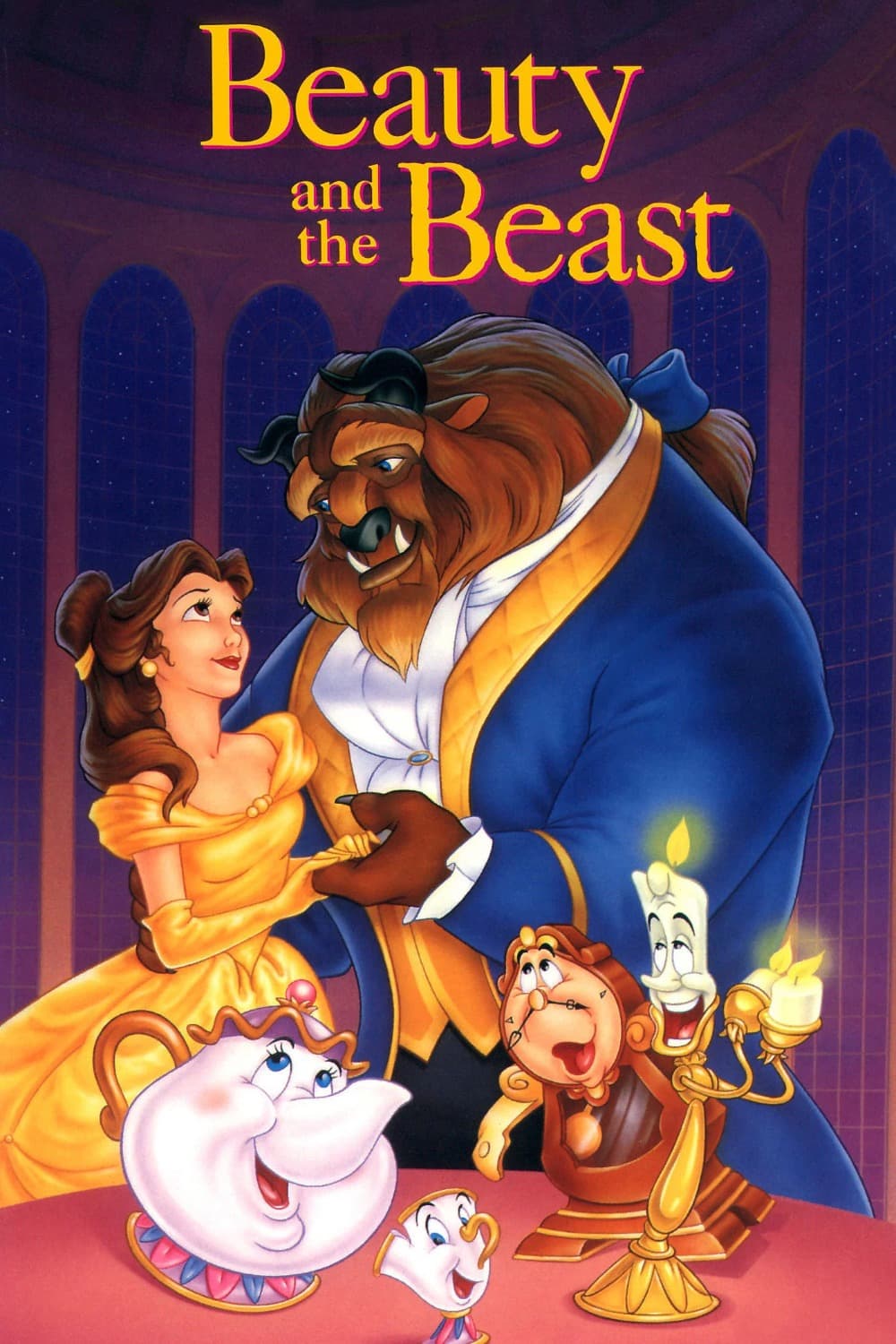
The peak of the Disney Renaissance, and the moment computers earned a place in hand-drawn animation: the ballroom sequence still looks like nothing anyone had done before.
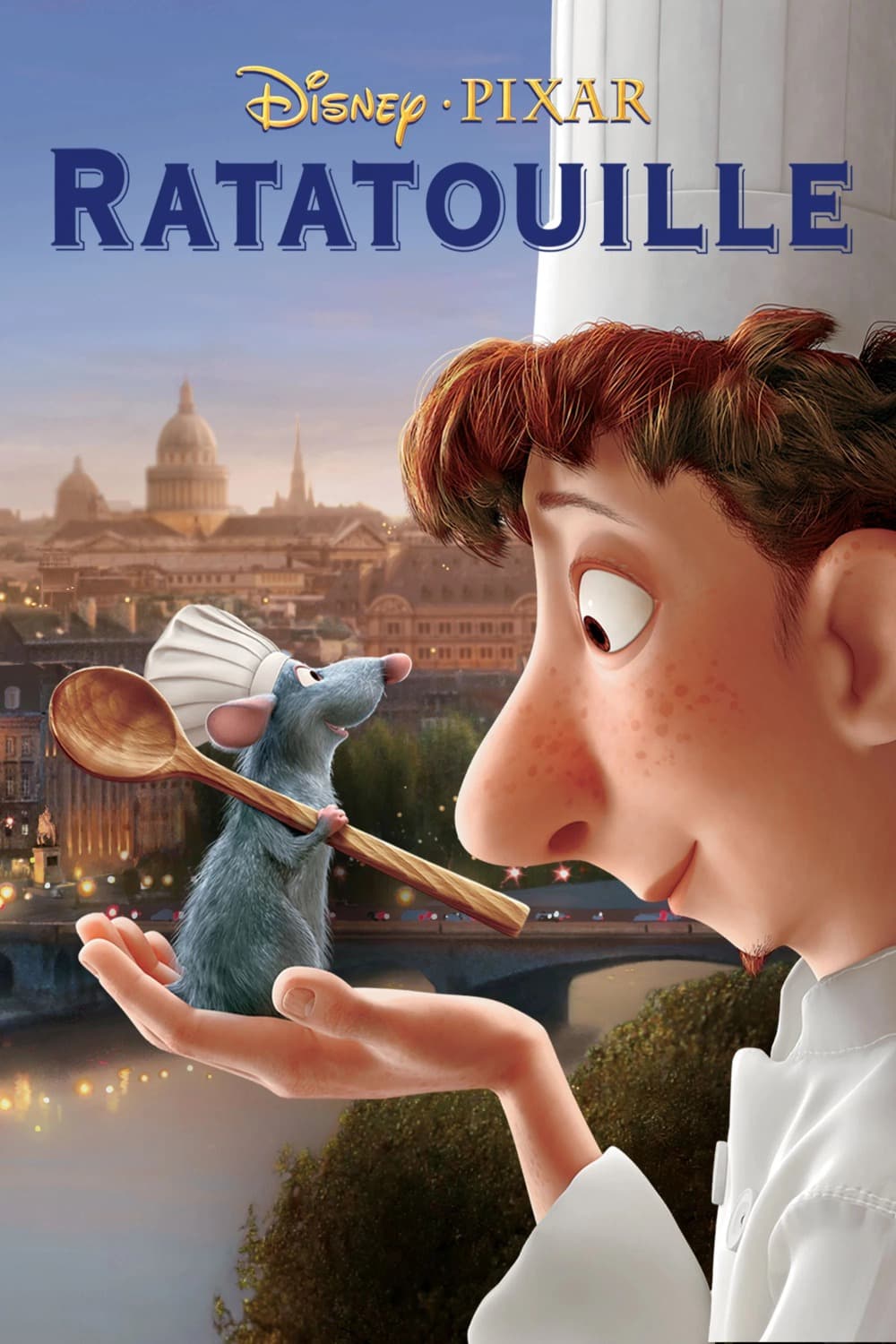
Almost nothing else takes both cooking and criticism this seriously: a rat with a palate steers a hapless human around a Paris kitchen, and the food looks extraordinary.
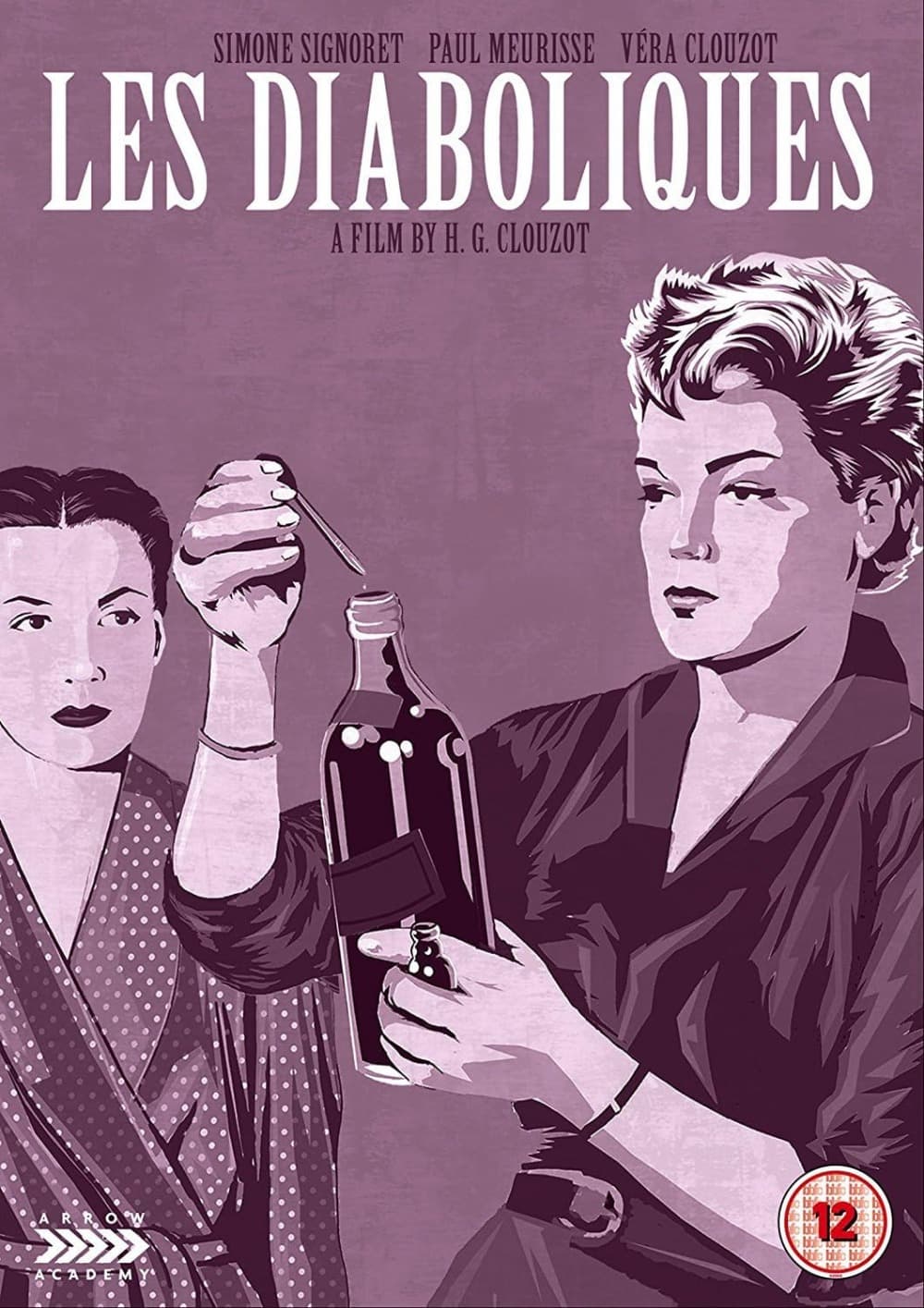
Clouzot got to the material just before Hitchcock could buy it and made the more frightening film: a wife and a mistress conspire against the same terrible man.
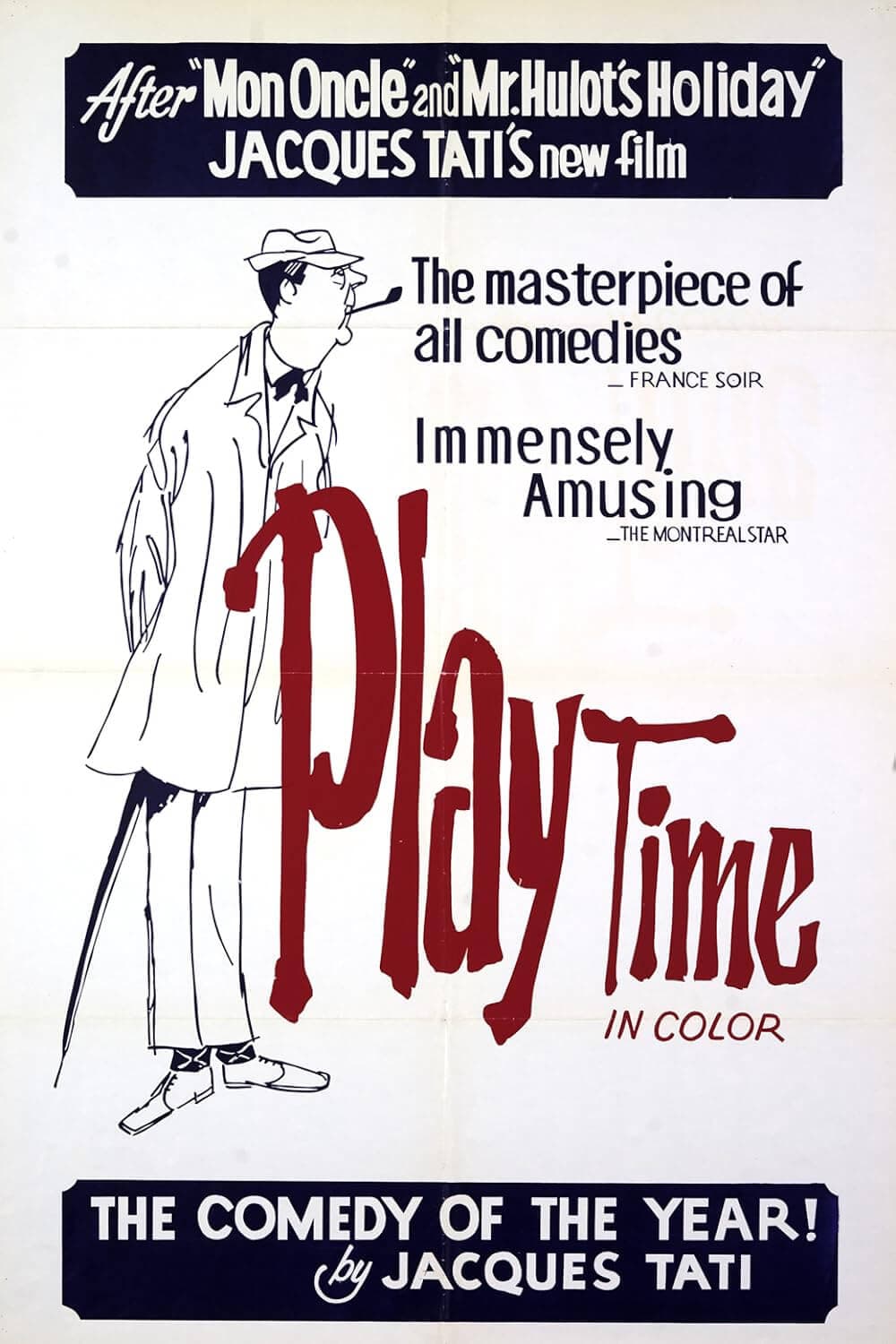
Tati built a working modern city on the edge of Paris and it bankrupted him: there is no plot, no close-up, and something funny in every corner of the frame.
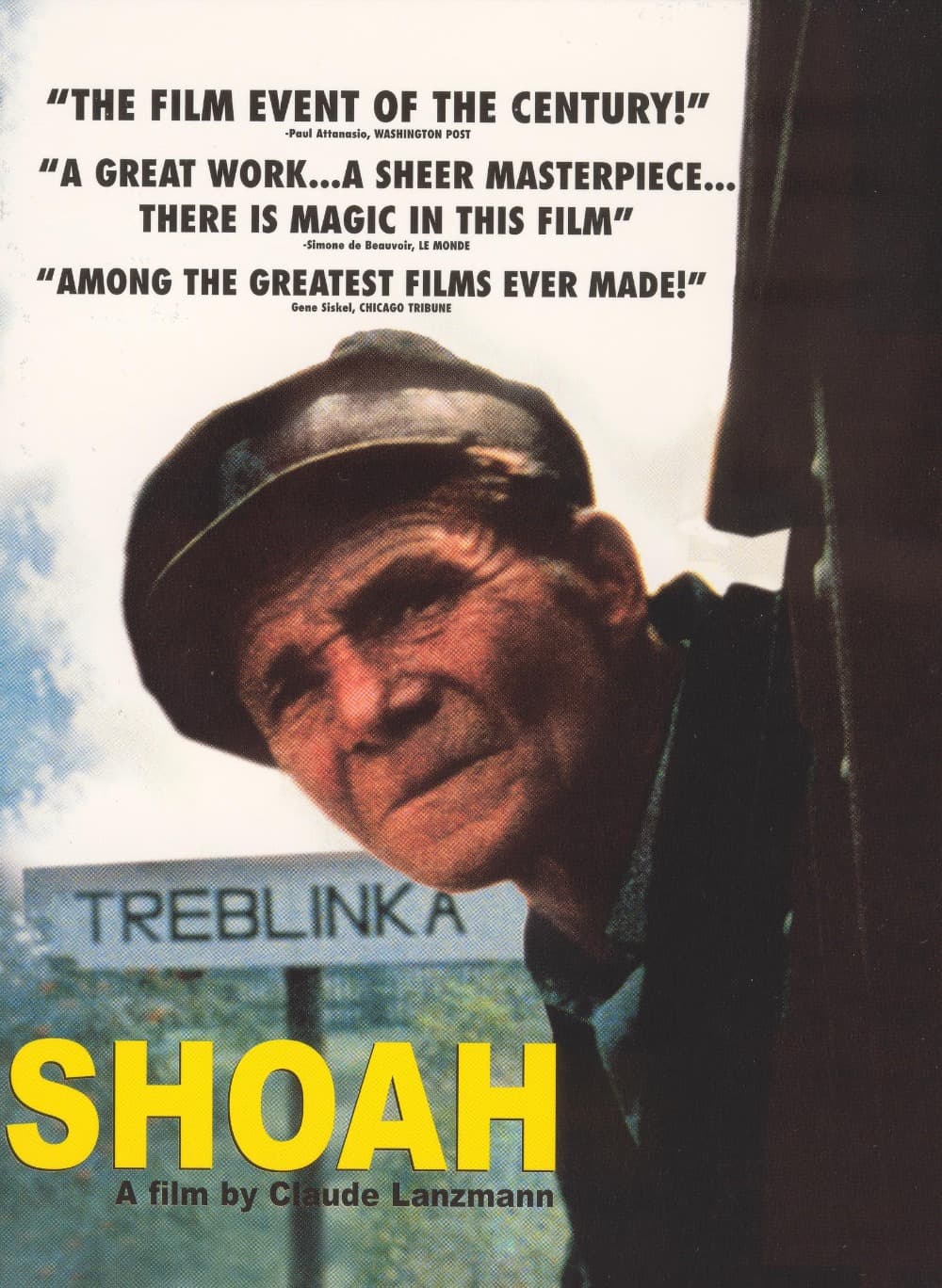
Nine hours long, with no archive footage at all: Lanzmann spent eleven years getting survivors, bystanders and perpetrators to describe what they saw, standing on the actual sites.
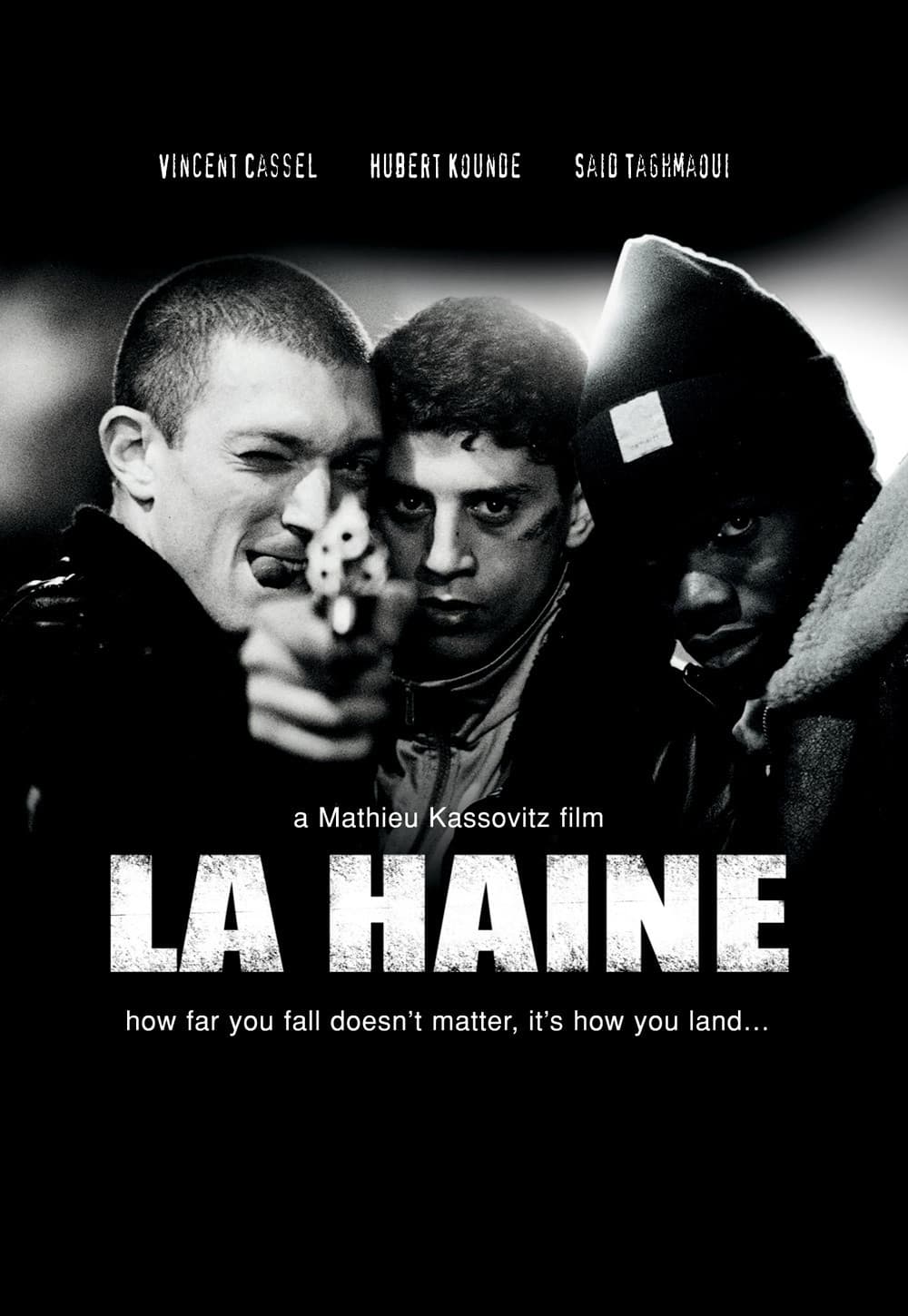
France spent a year arguing over it and the government screened it for ministers: twenty-four hours with three young men in a Paris suburb after a riot.
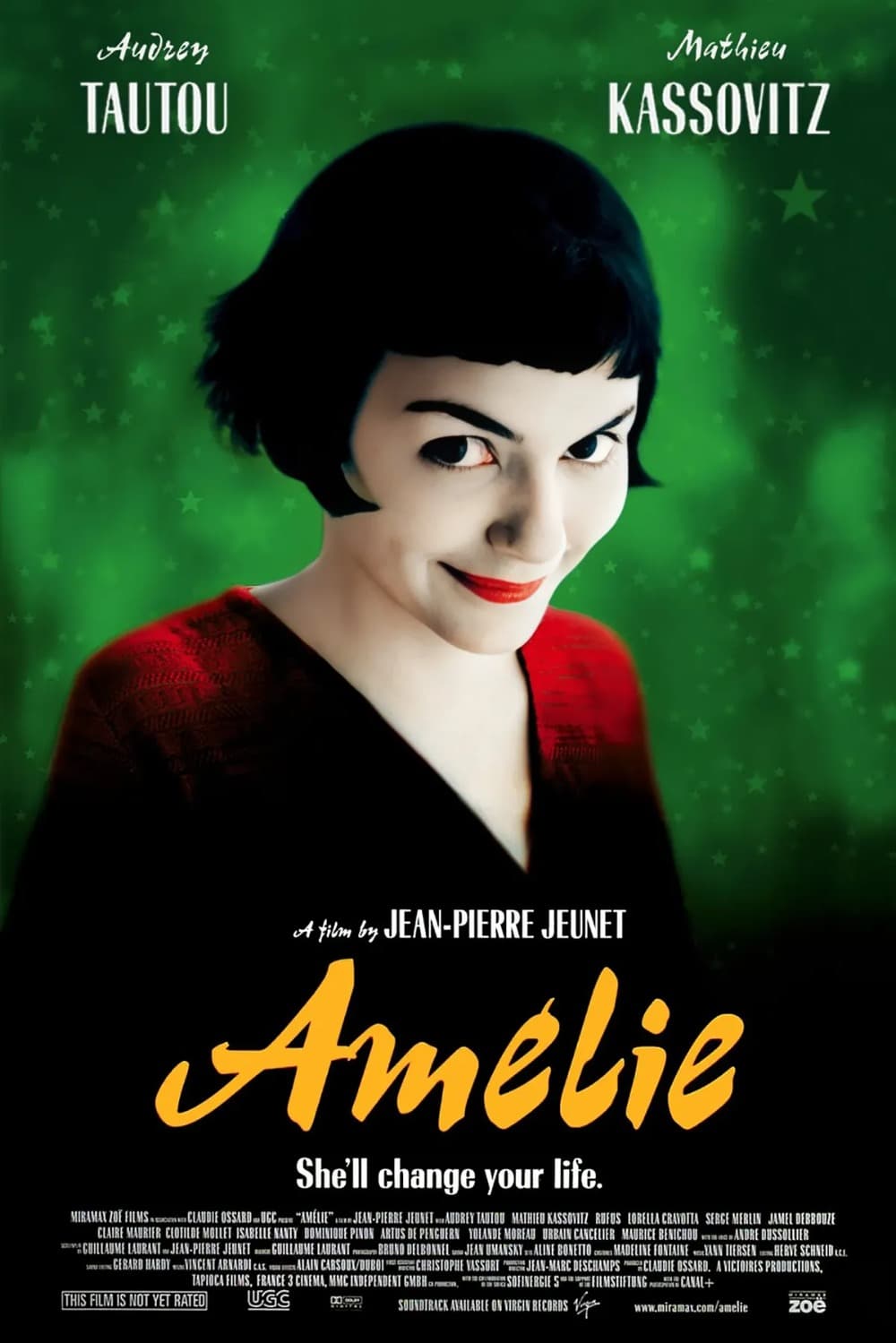
The most exported French film of its generation: Jeunet saturated Paris into green and gold and sent a shy waitress out to quietly rearrange other people's lives.
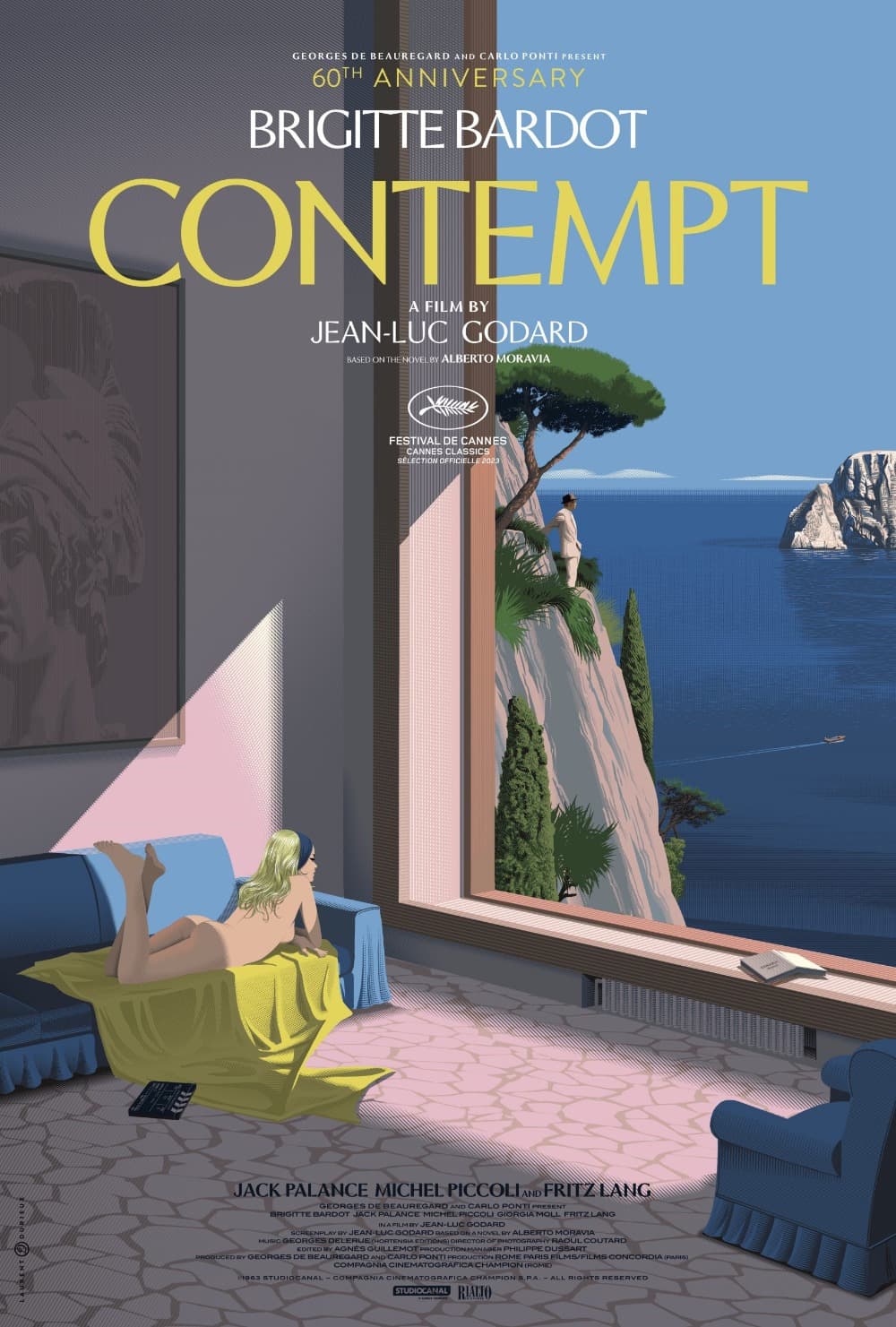
Godard put Brigitte Bardot and Fritz Lang together in a story about a marriage falling apart on a Capri terrace: the most beautiful thing he ever shot.
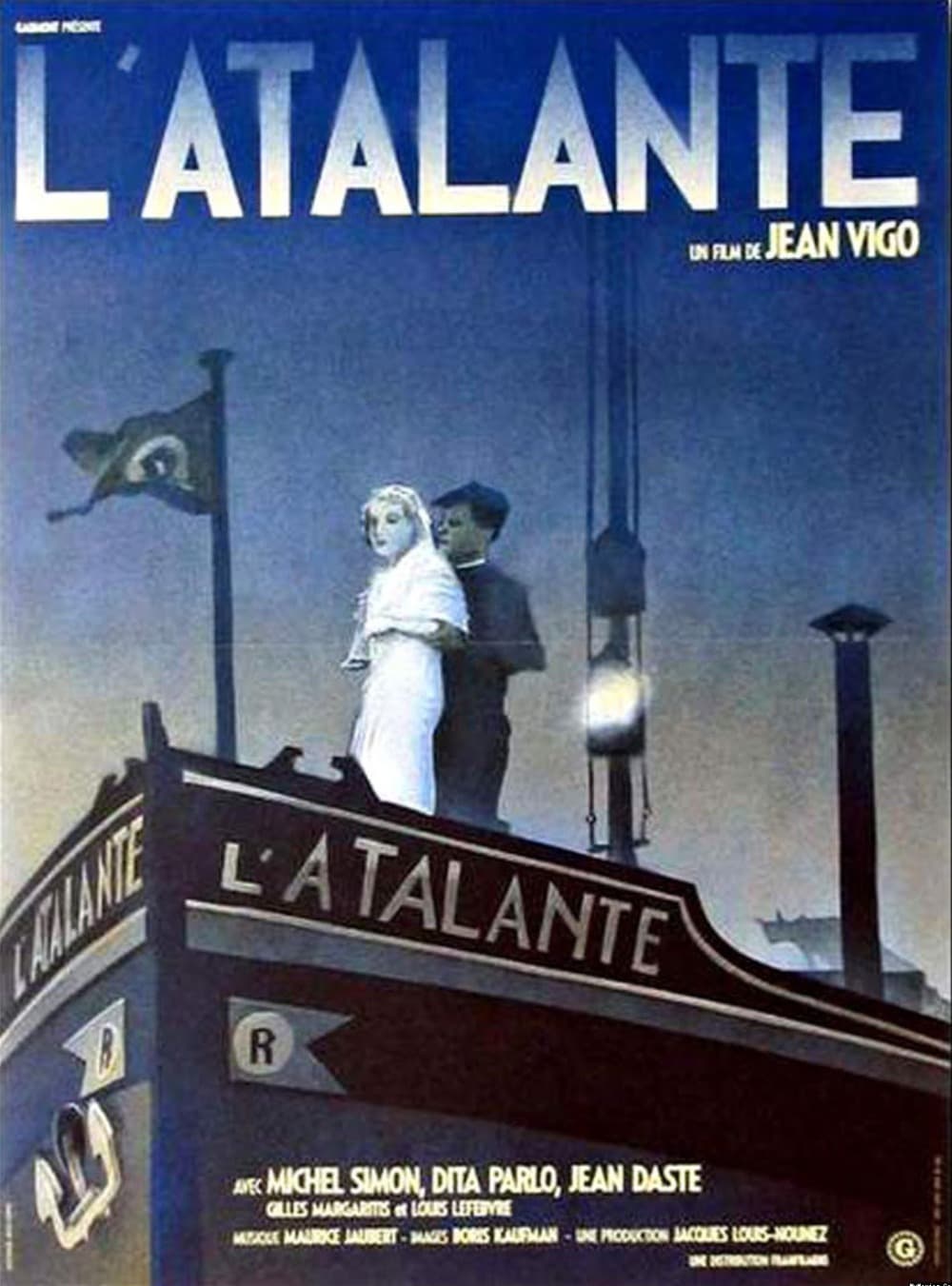
Vigo was dying at twenty-nine when he finished it and the studio hacked it apart anyway: restored, it is the most sensual thing ever filmed about being newly married on a working barge.

Cocteau made a fairy tale that looks the way one feels: human arms hold the candelabra along the corridor, and the Beast's castle behaves like a dream that has not decided to end.

Schnabel put the camera inside a paralyzed man's one working eye and left it there: the memoir it comes from was dictated letter by letter, by blinking, and the film feels weightless anyway.
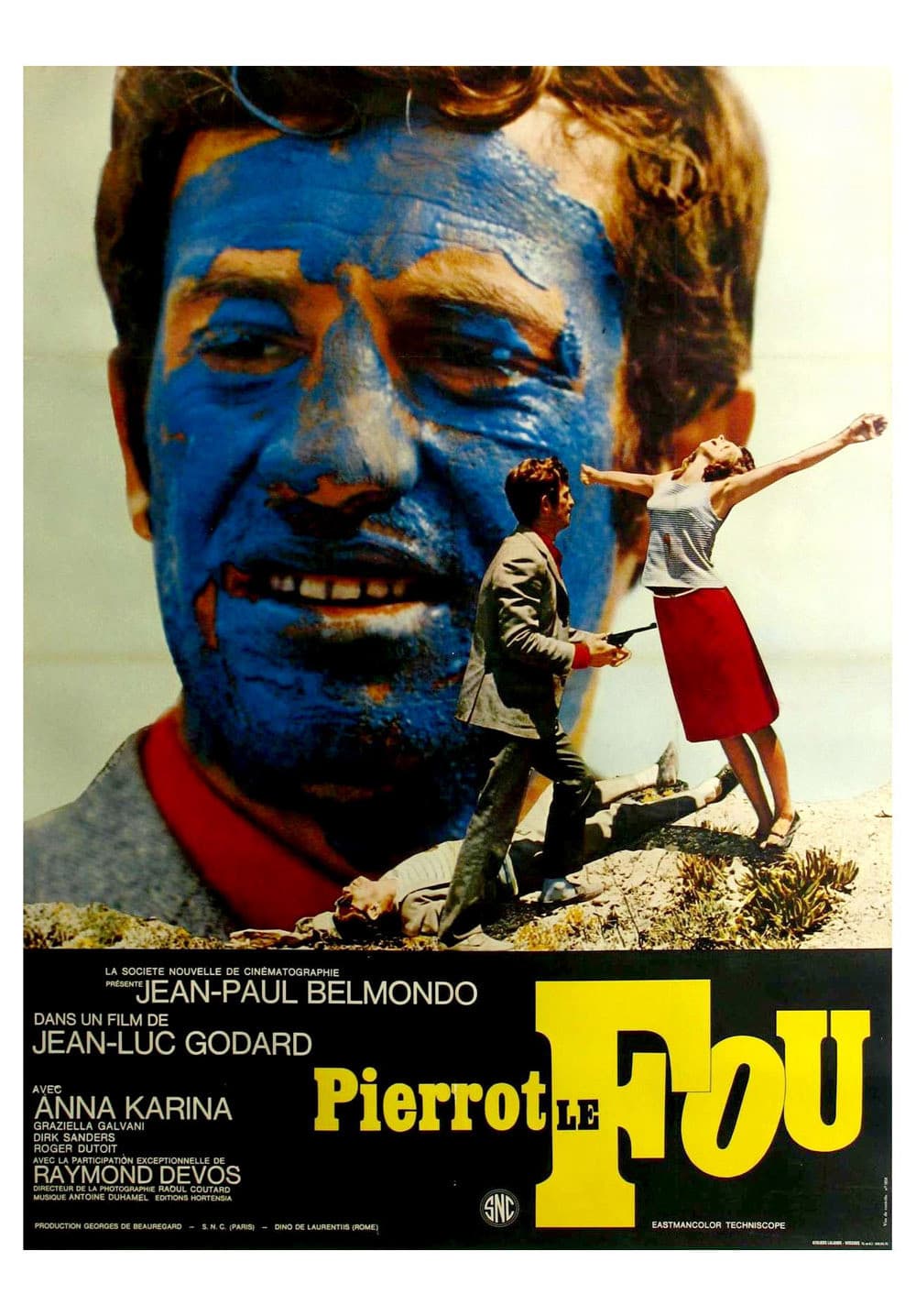
Godard at his most beautiful and least patient: Belmondo walks out of a party and drives south with Anna Karina, and the film keeps dissolving into color, quotation and pure play.
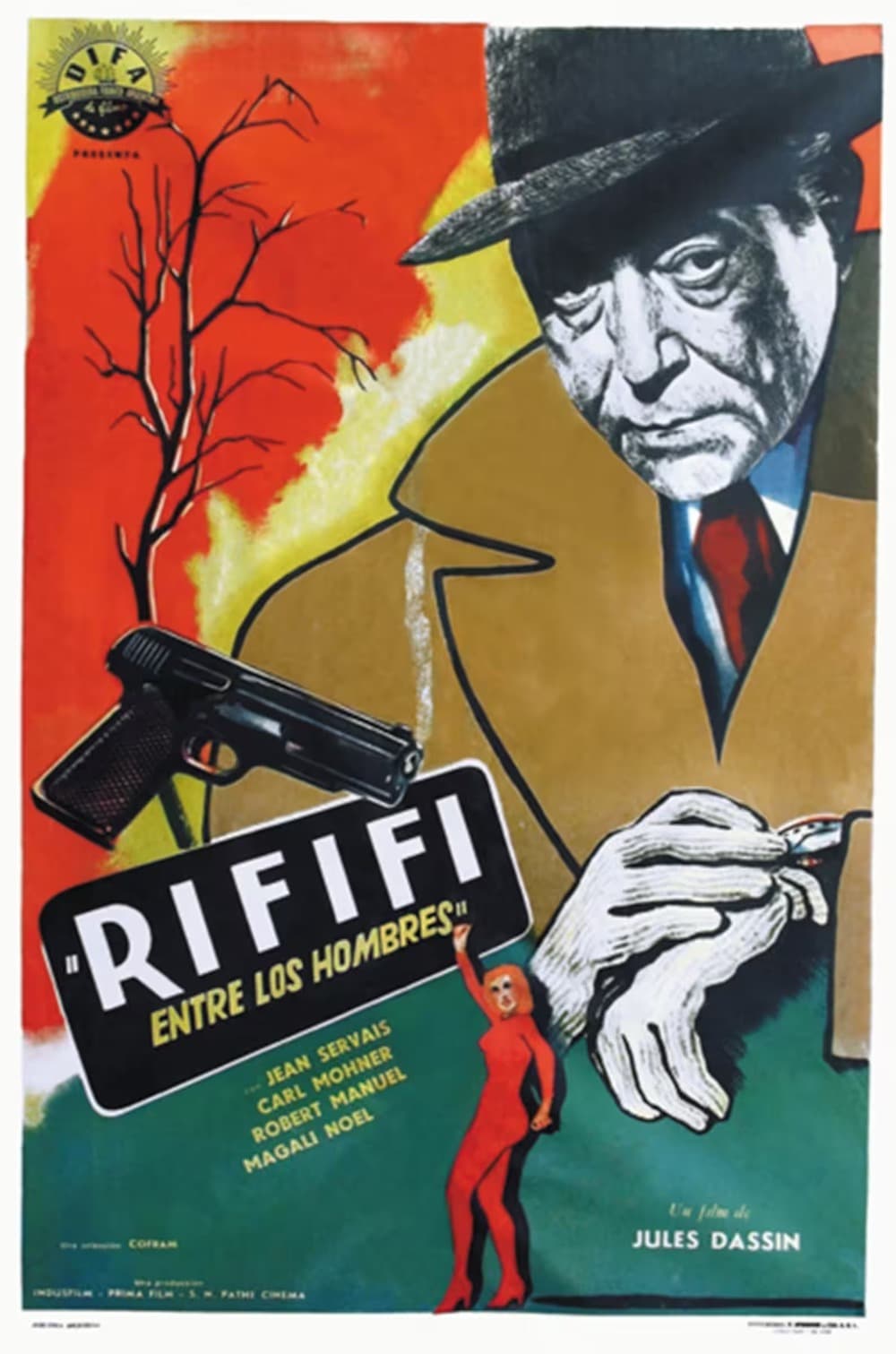
Dassin was blacklisted out of Hollywood and made this in France for almost nothing: the half-hour robbery at its center plays in near-total silence, and the genre has been imitating it since.
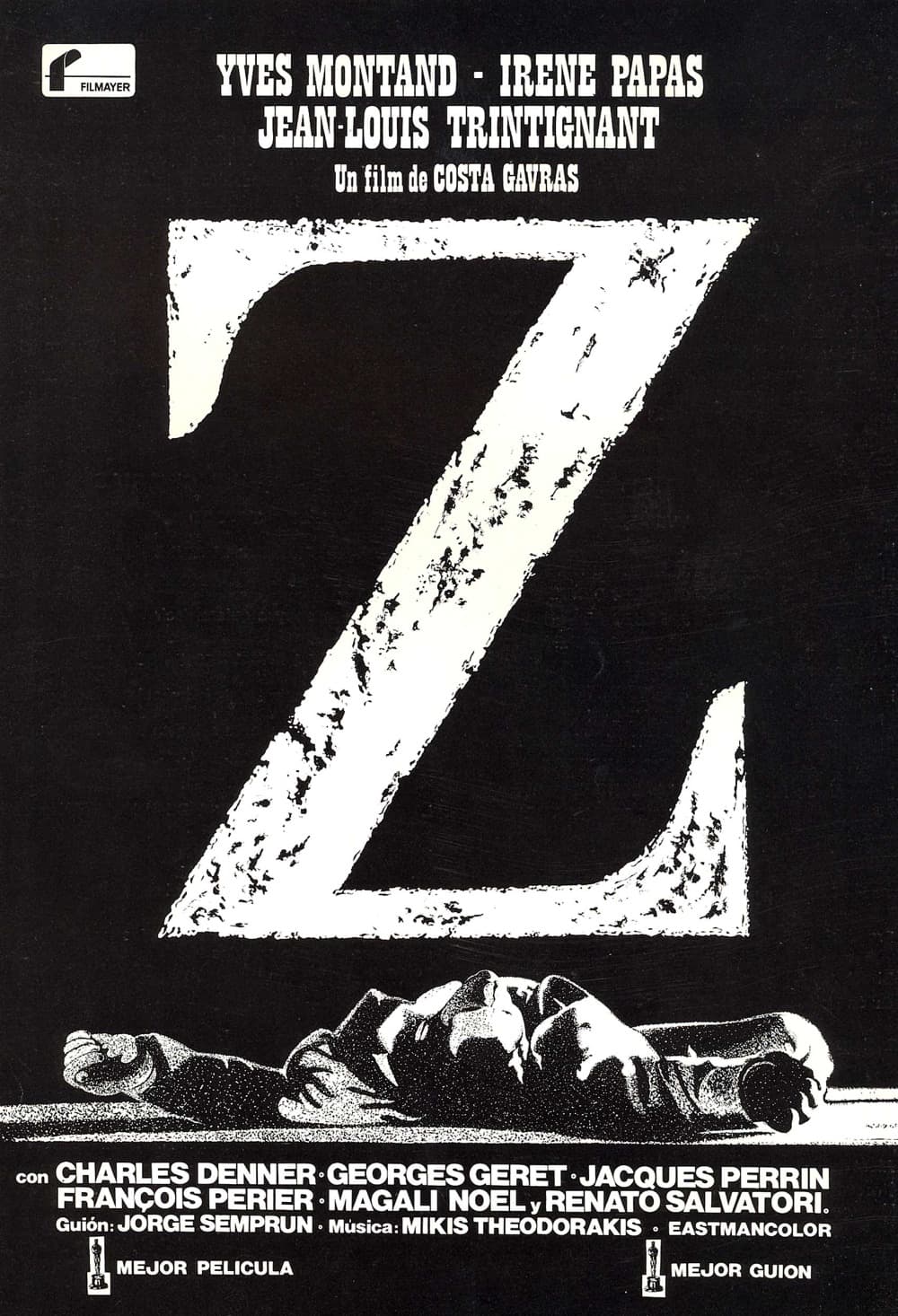
Banned by the Greek junta it was made to indict: Costa-Gavras films a political assassination and its cover-up as a procedural thriller, and the pace never lets the outrage go abstract.
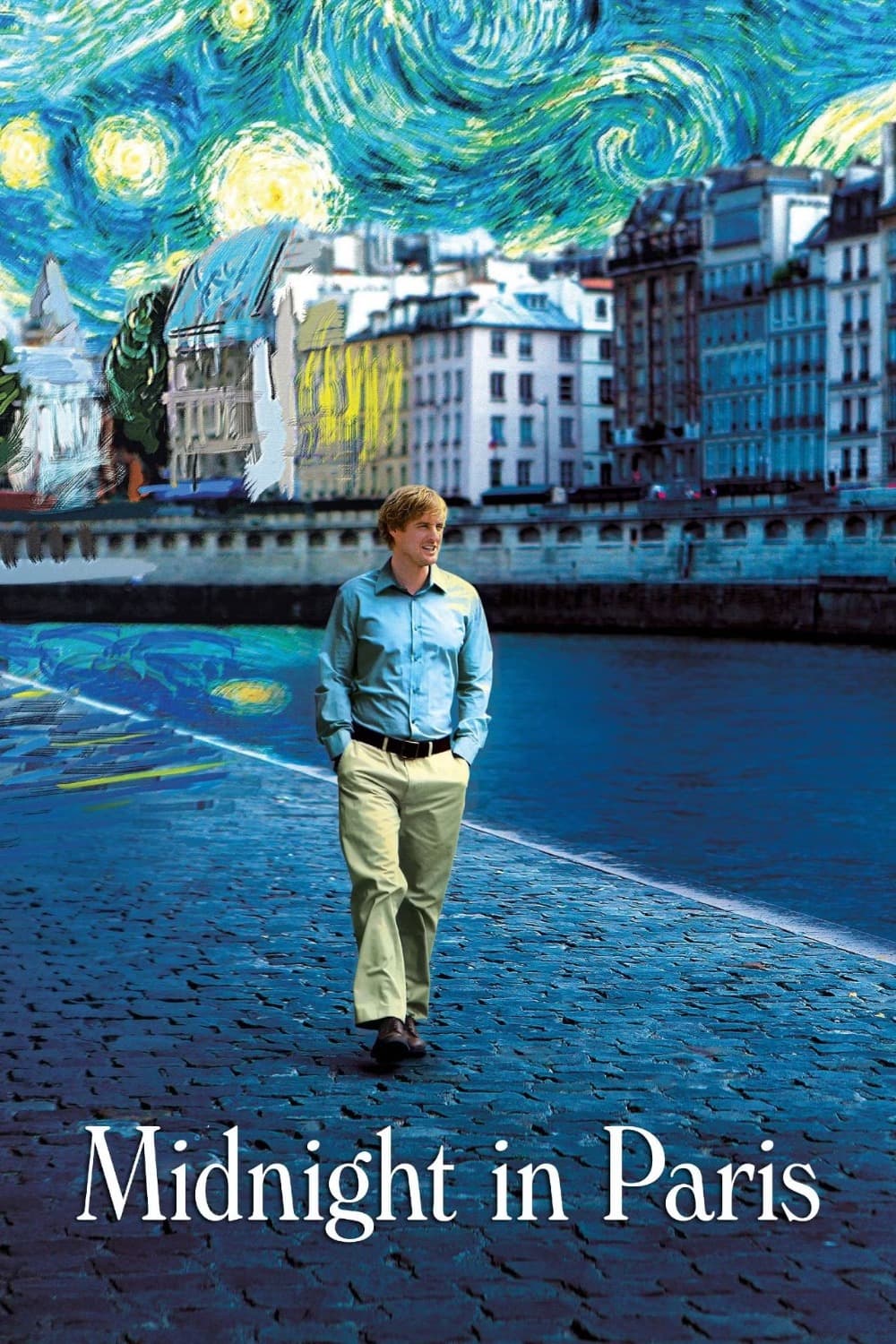
Woody Allen's biggest hit at the box office is also his gentlest: a screenwriter stuck on a novel steps into a car at midnight in Paris and is driven straight into the 1920s.
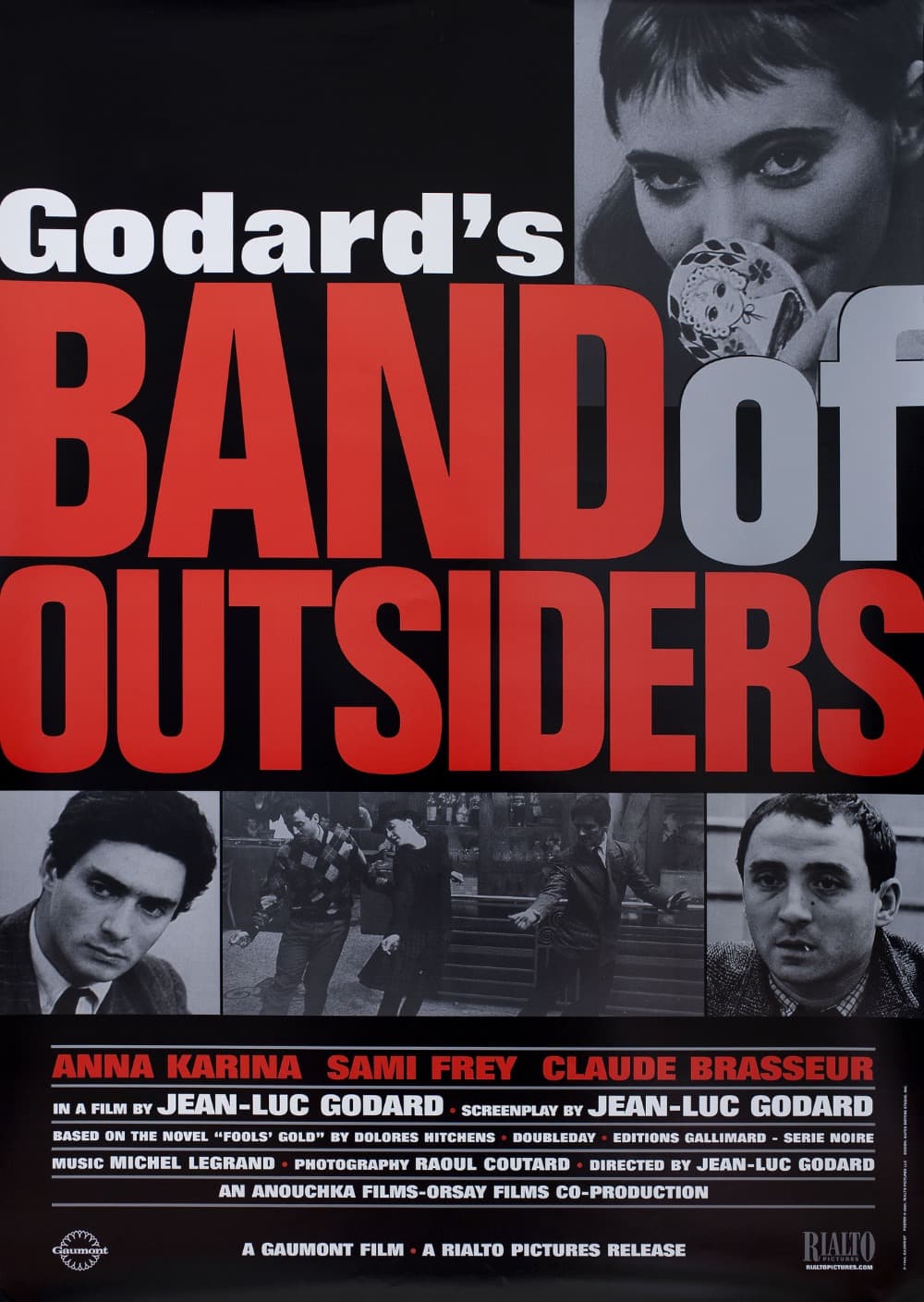
Tarantino named his production company after this film: three young Parisians run through the Louvre in nine minutes and dance the Madison in a cafe, and Godard makes crime look like play.
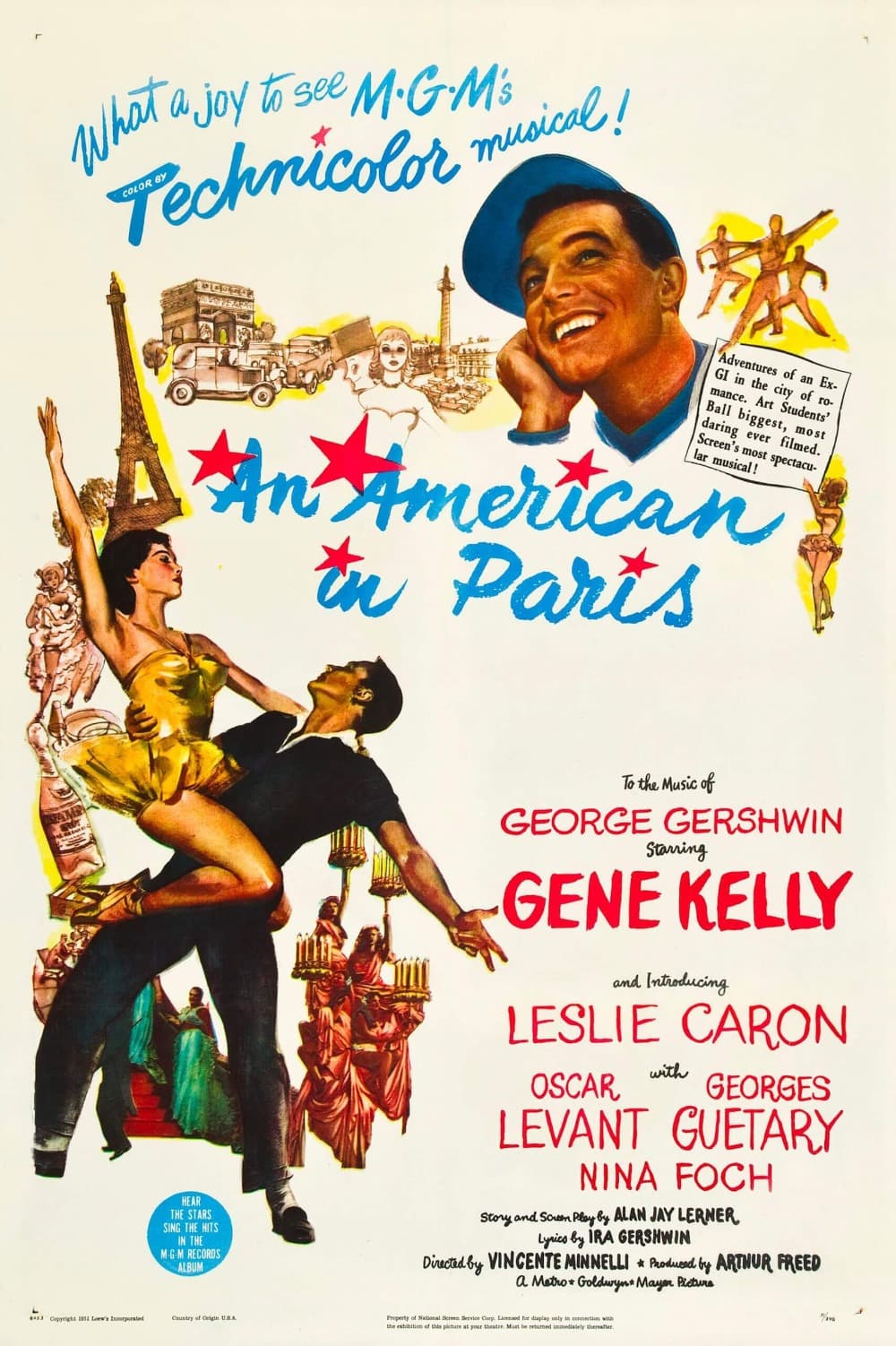
It ends with a seventeen-minute ballet and no dialogue, staged against sets copied from French painters: Gene Kelly and Vincente Minnelli bet a whole musical on one uninterrupted dance.
Nearly four hours of three people talking in Paris apartments, and nothing else defines what happened after 1968 so exactly: Eustache made it once and never made anything like it again.
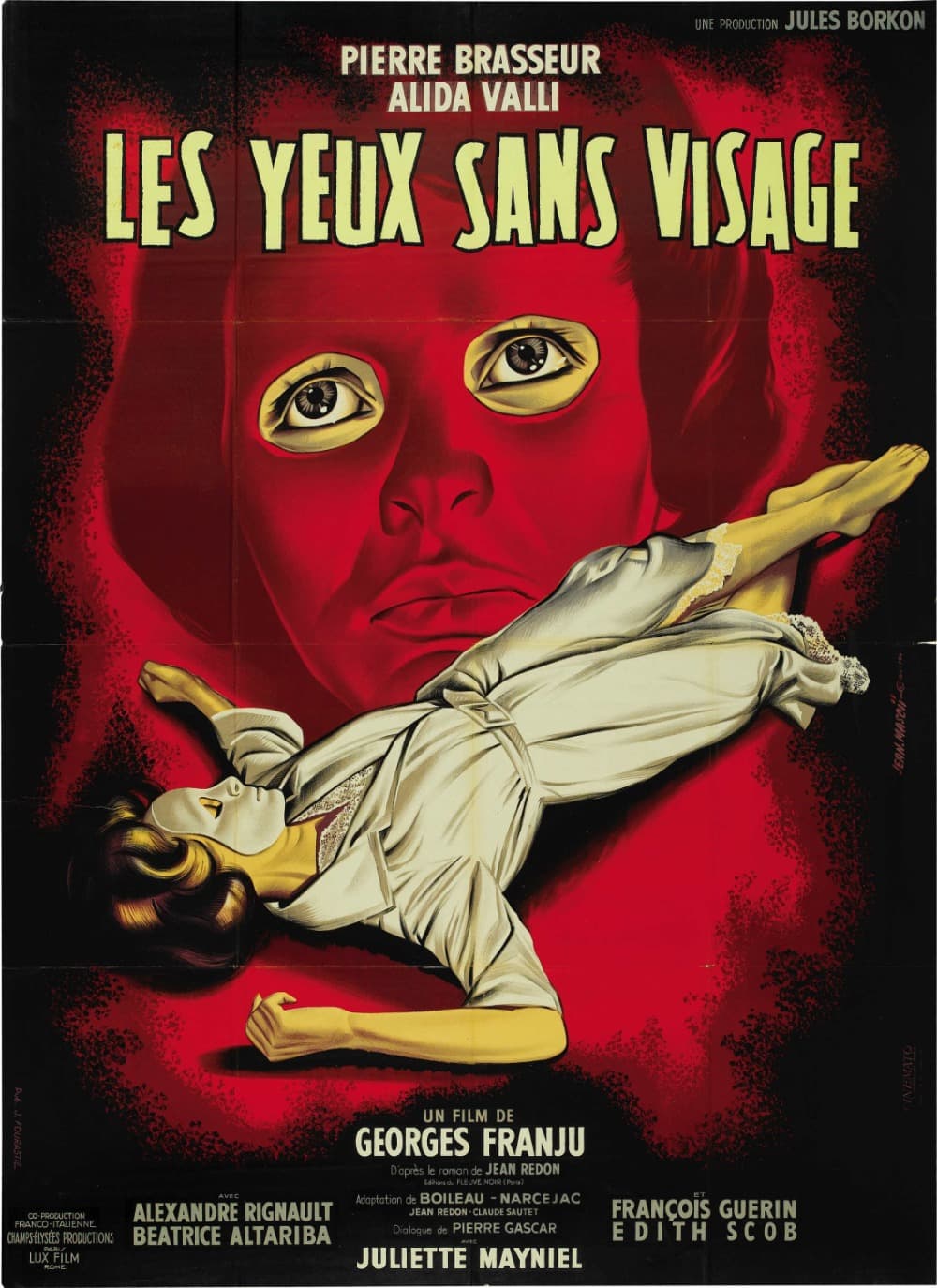
Viewers fainted at its first festival screenings and horror has been quietly borrowing from it ever since: a surgeon keeps trying to give his daughter a face, and her mask is unforgettable.
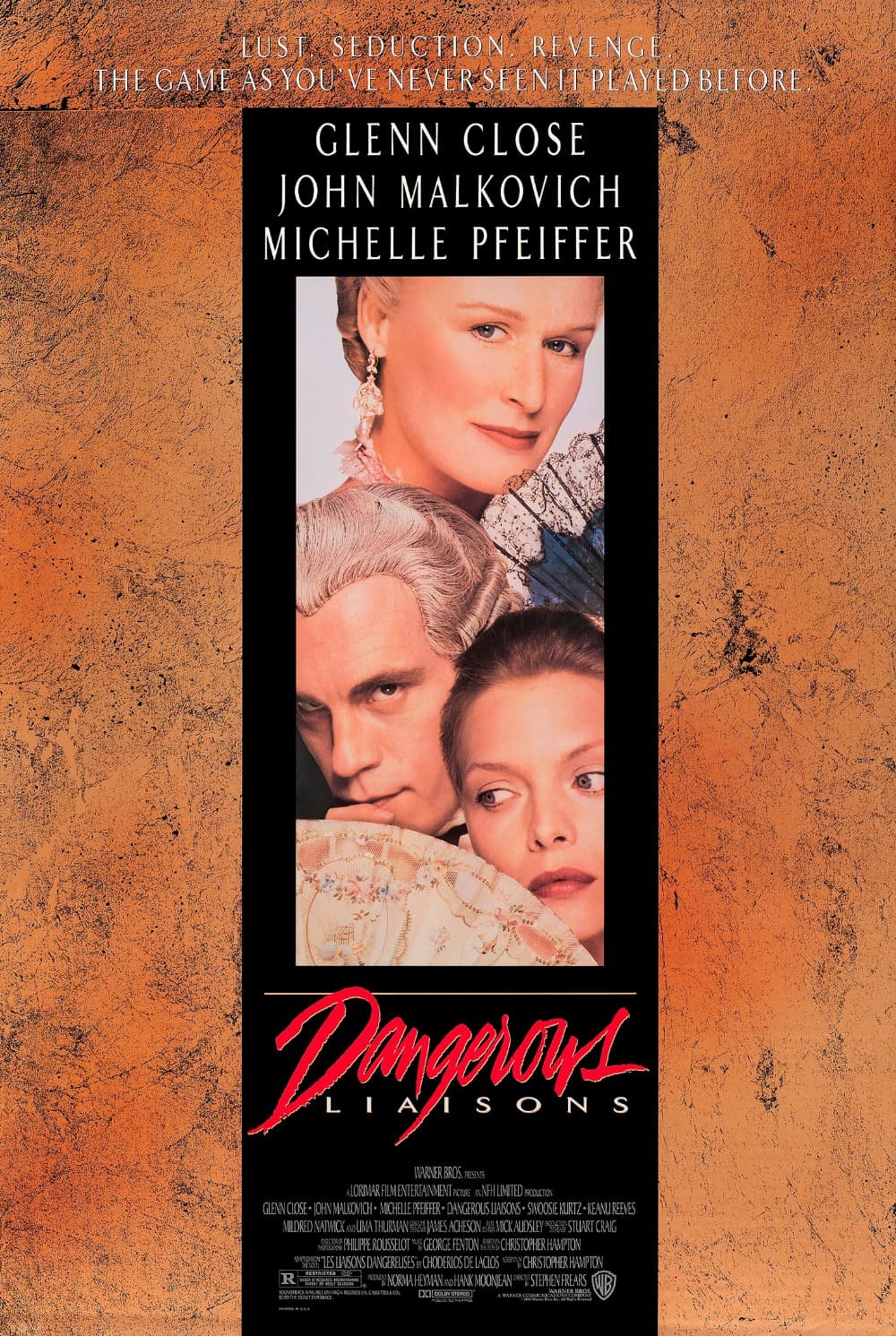
Glenn Close and John Malkovich play two aristocrats who ruin people for entertainment: Frears films eighteenth-century seduction as a campaign with objectives, and the wit stays lethal to the end.
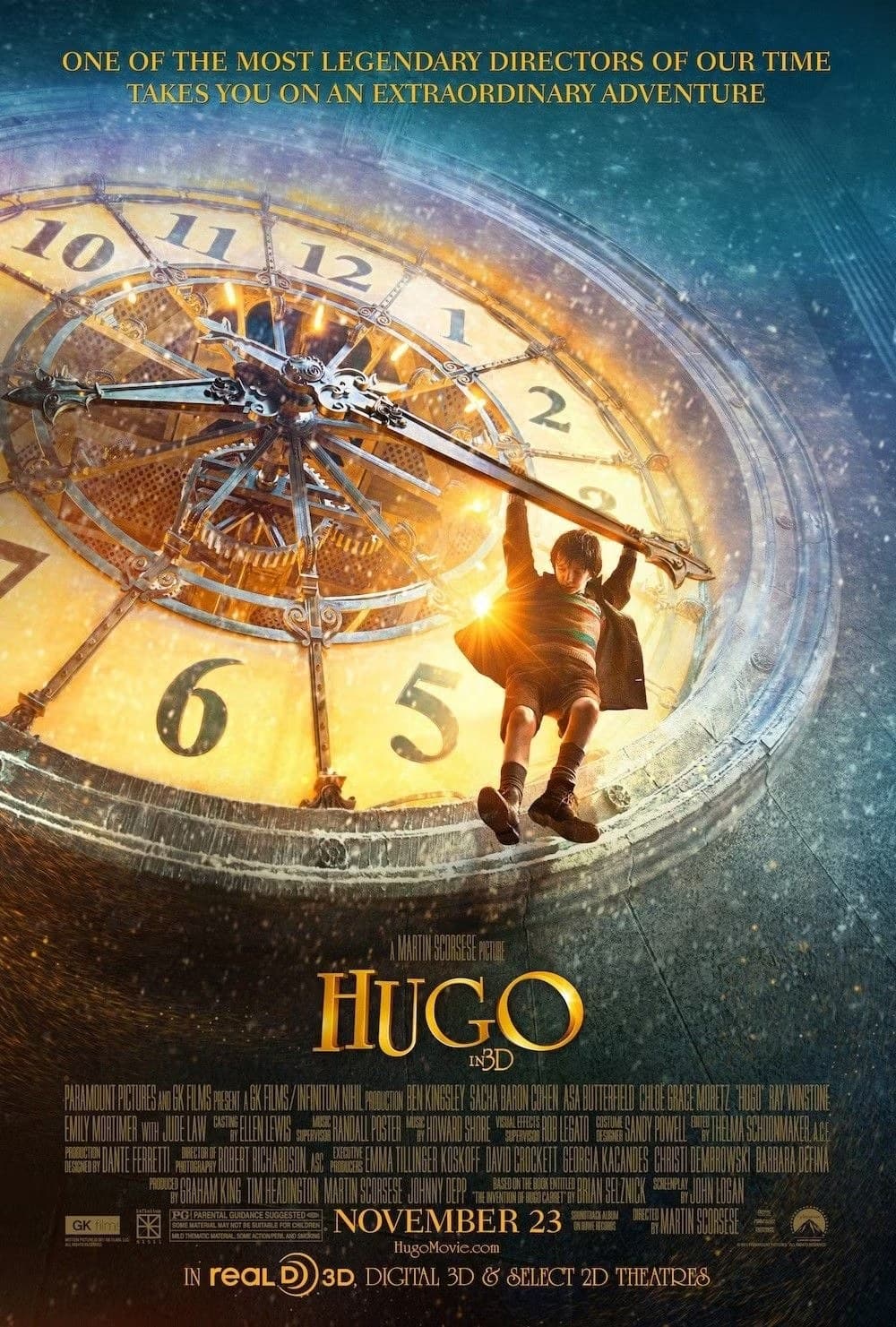
Scorsese made a children's film in 3D to argue for film preservation: an orphan living inside a Paris railway station keeps a broken automaton his father left him, and the station watches him.
The first silent film to take Best Picture since 1929, made by a French director nobody in Hollywood knew: a star of the silents watches sound arrive and refuses to adapt.
A French box office phenomenon built on two performances: a quadriplegic aristocrat hires a man from the projects precisely because he refuses to be careful around him, and Omar Sy took the Cesar.
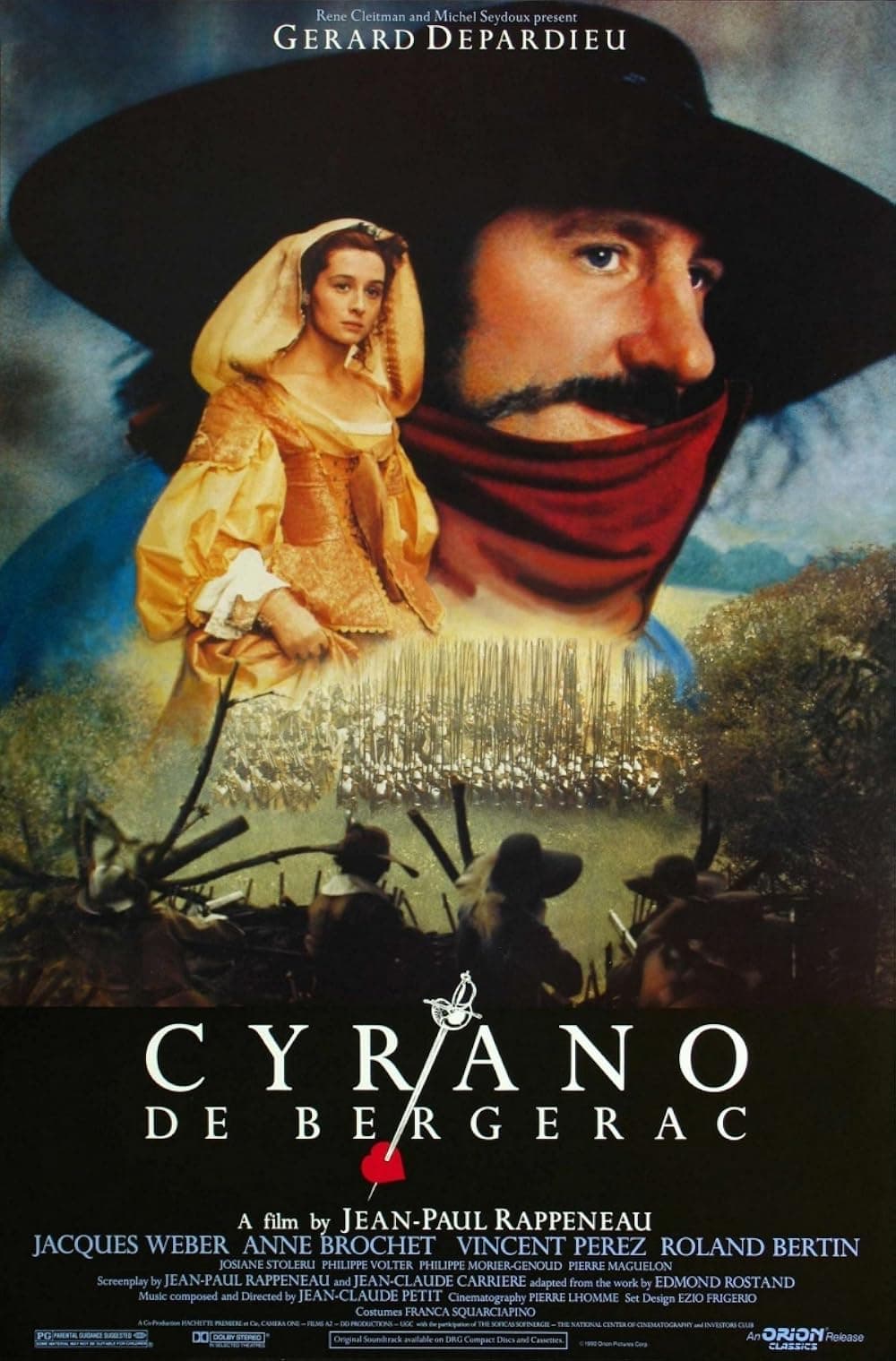
Anthony Burgess translated the subtitles into rhyming couplets so English audiences would get the verse: Gerard Depardieu plays the nose and the poetry equally, and the swordfight is a poem too.