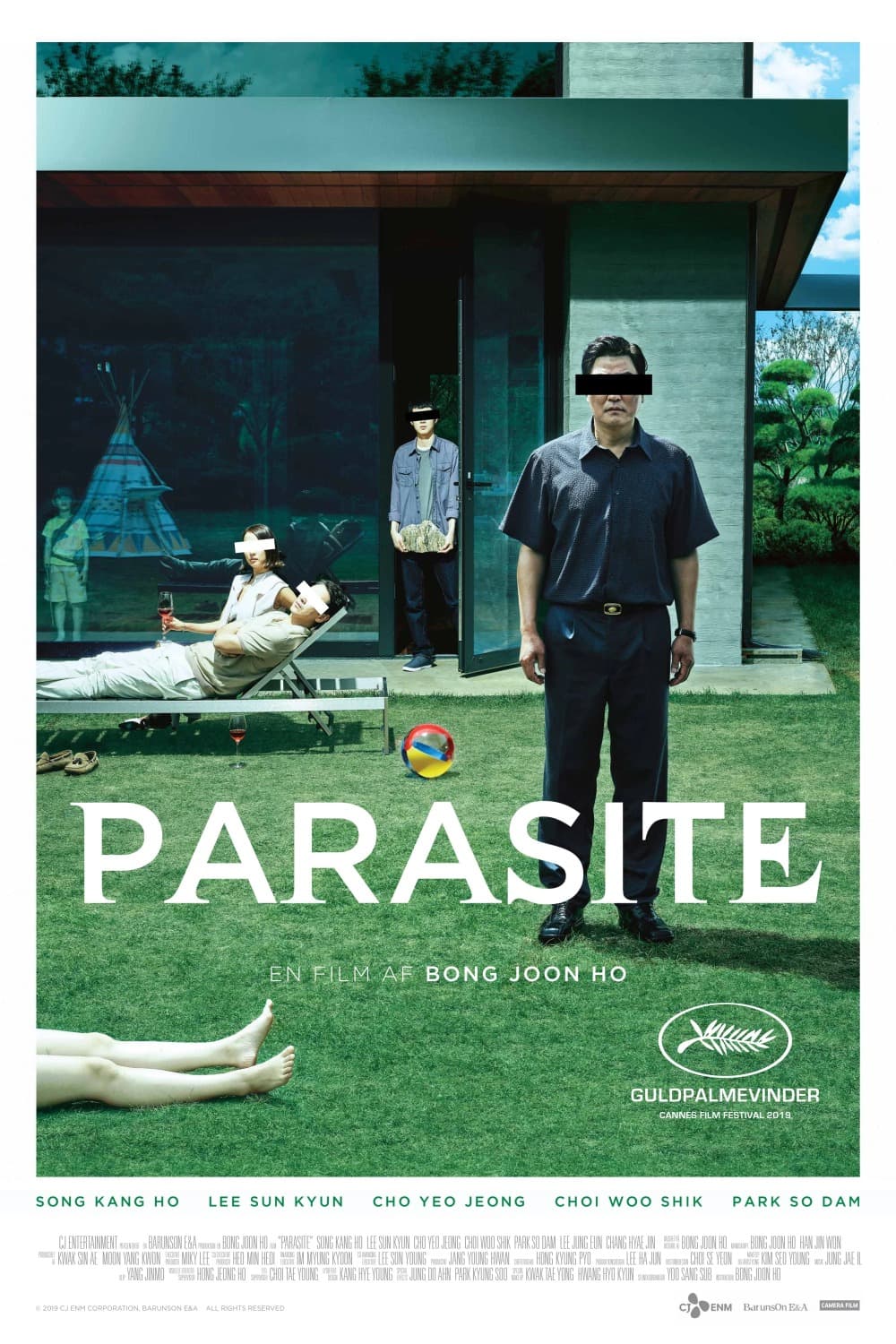
Parasite
Directed by Bong Joon-ho
2019
The first film not in English to win Best Picture: Bong turned class rage into something so entertaining that the whole world watched it and then argued about what it meant.
★ 8.9
 skopia
The first film not in English to win Best Picture: Bong turned class rage into something so entertaining that the whole world watched it and then argued about what it meant.
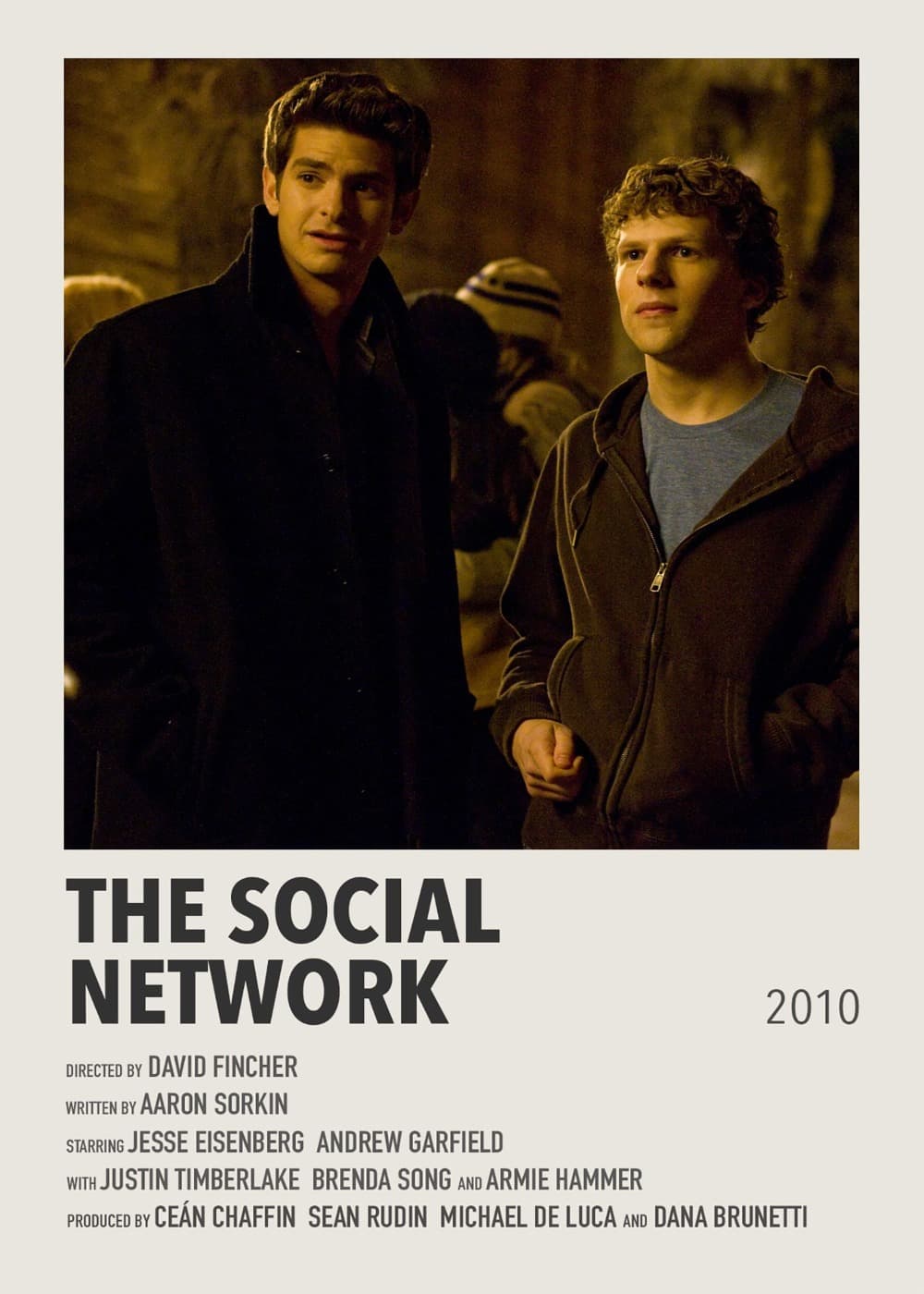
The film that got the internet age right before anyone else did: Sorkin's dialogue moves faster than you can follow, and the loneliness underneath it has only aged better.
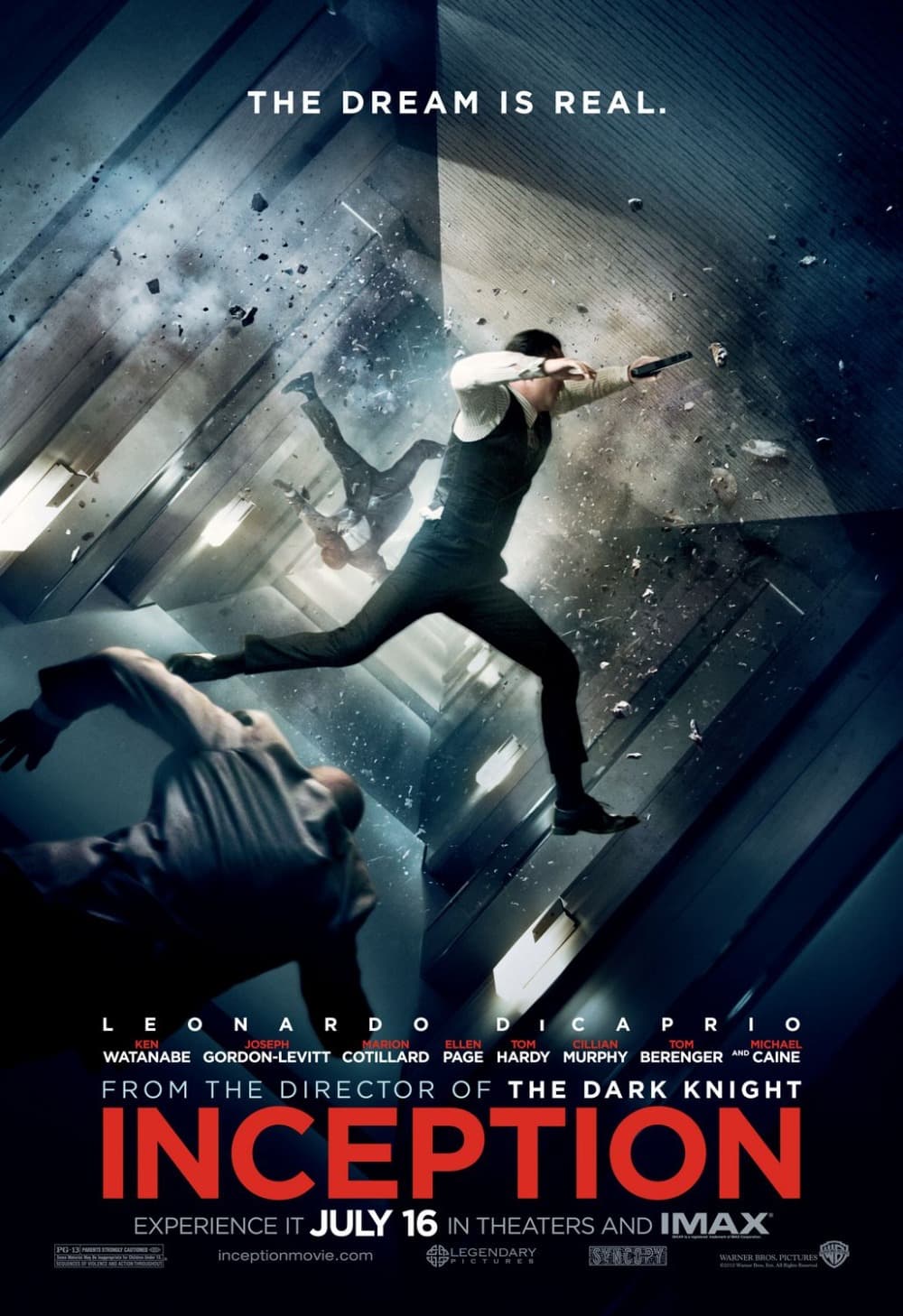
Proof that a summer blockbuster can be genuinely difficult: Nolan stacked four levels of dream on top of each other and audiences argued about the last shot for years.

Sciamma made a love story with almost no men in it and built the entire thing out of glances, firelight and the things two people decline to say.
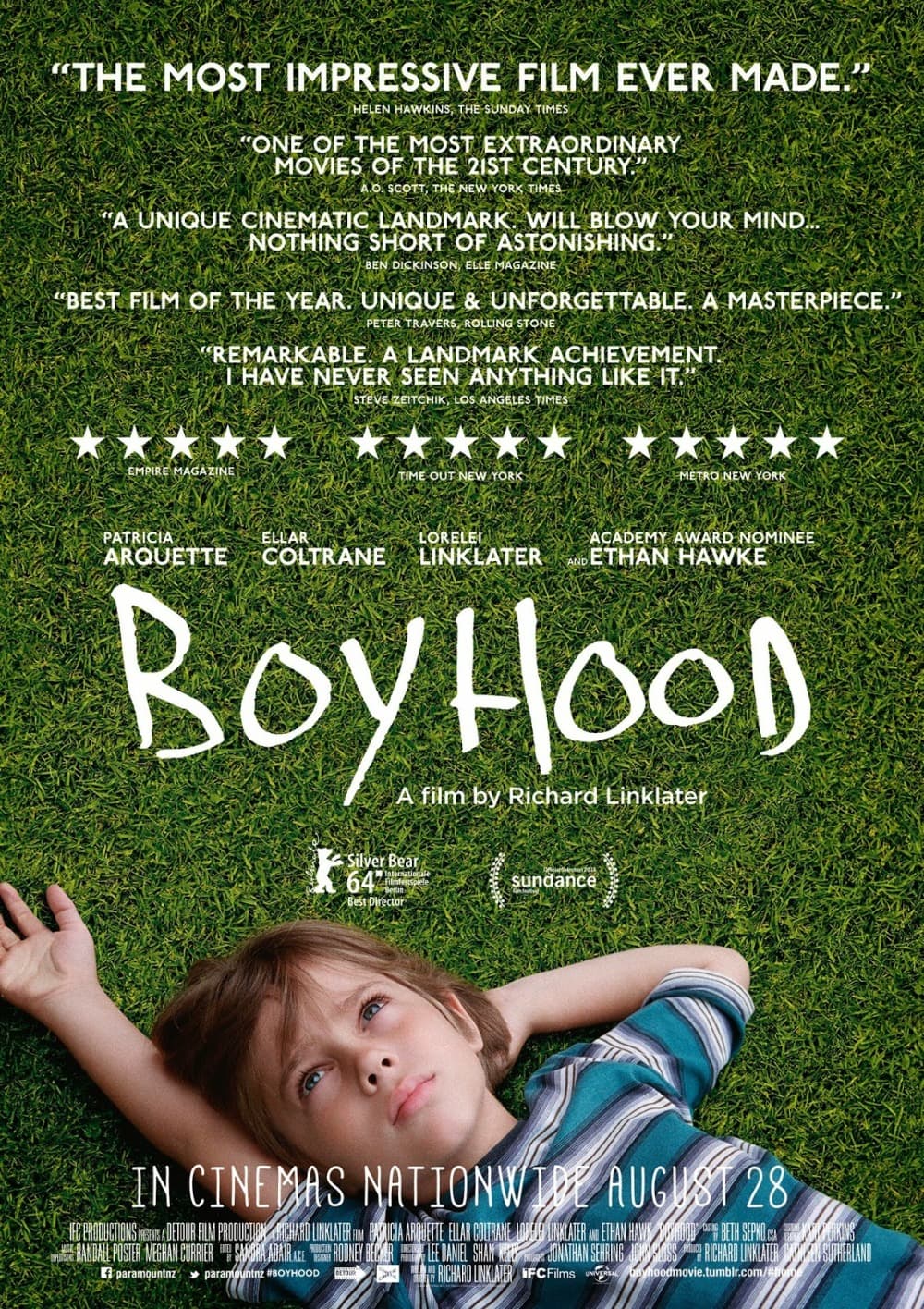
Nobody had tried this before: Linklater filmed the same cast a few days a year for twelve years, so you watch a real child turn into a real adult.
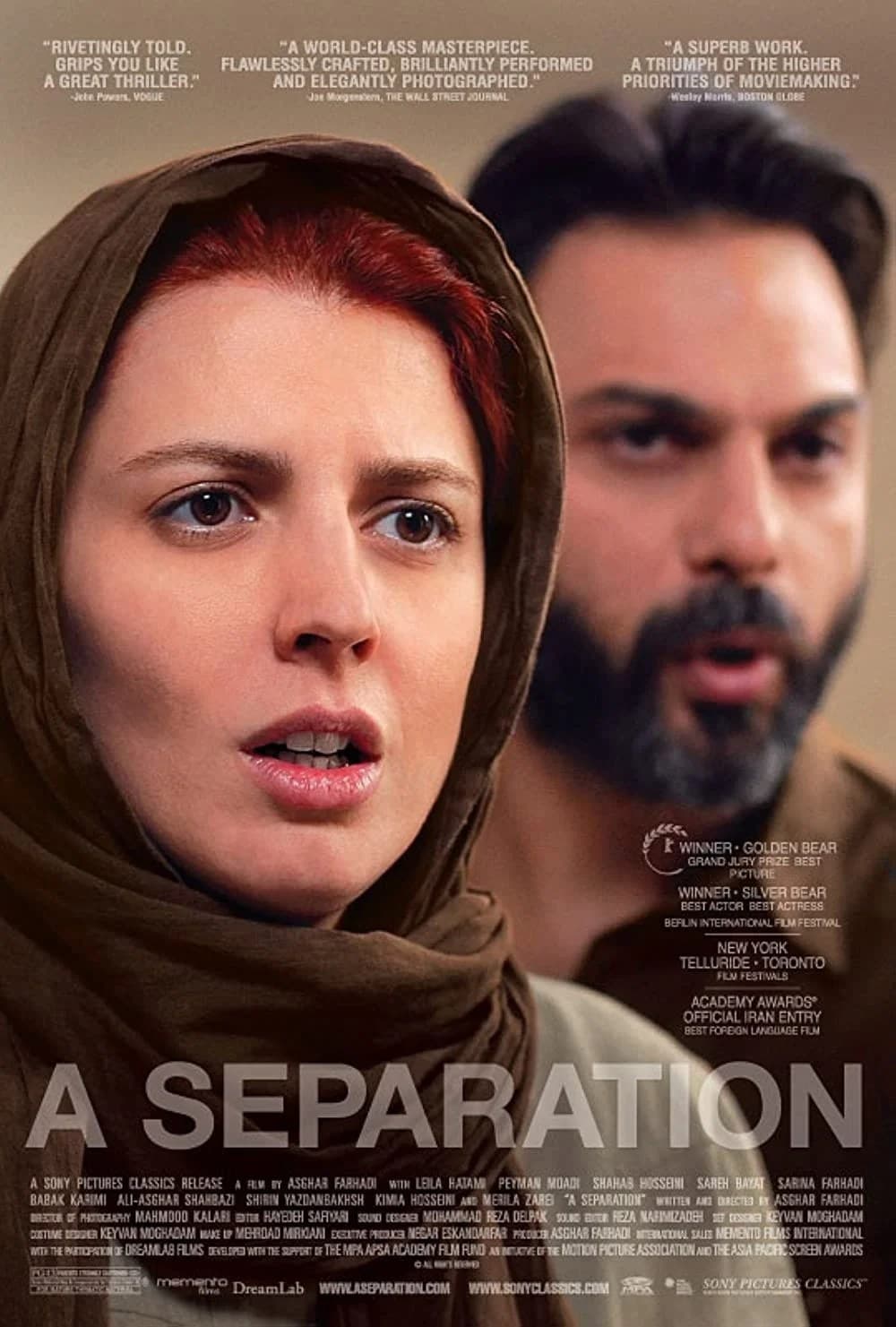
The first Iranian film to win the foreign language Oscar: Farhadi built a moral maze where every person is partly right, and you will change sides several times.
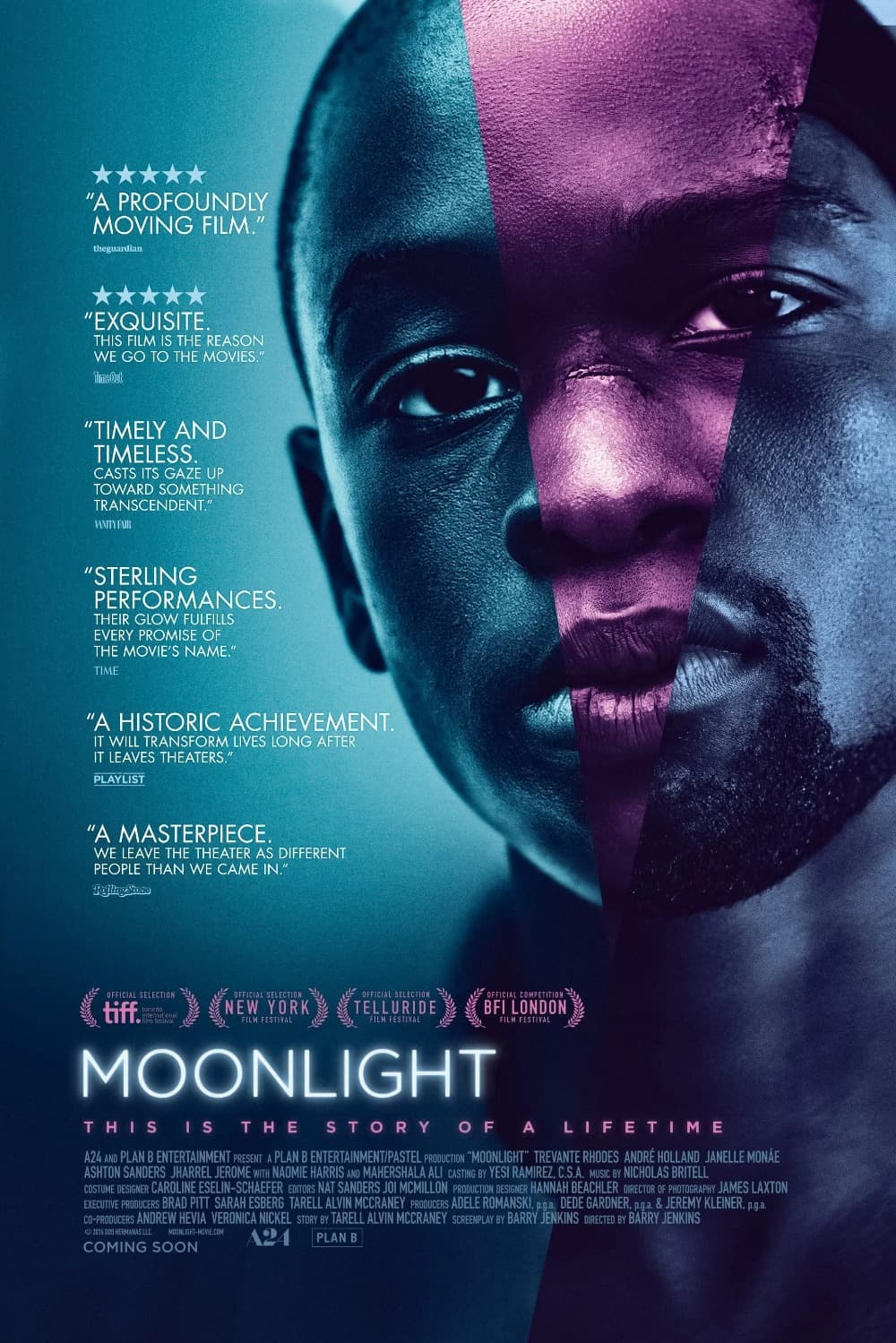
One life told in three chapters by three different actors, and shot in blues and purples so tender the film almost hums: nothing about it looks like anything else.
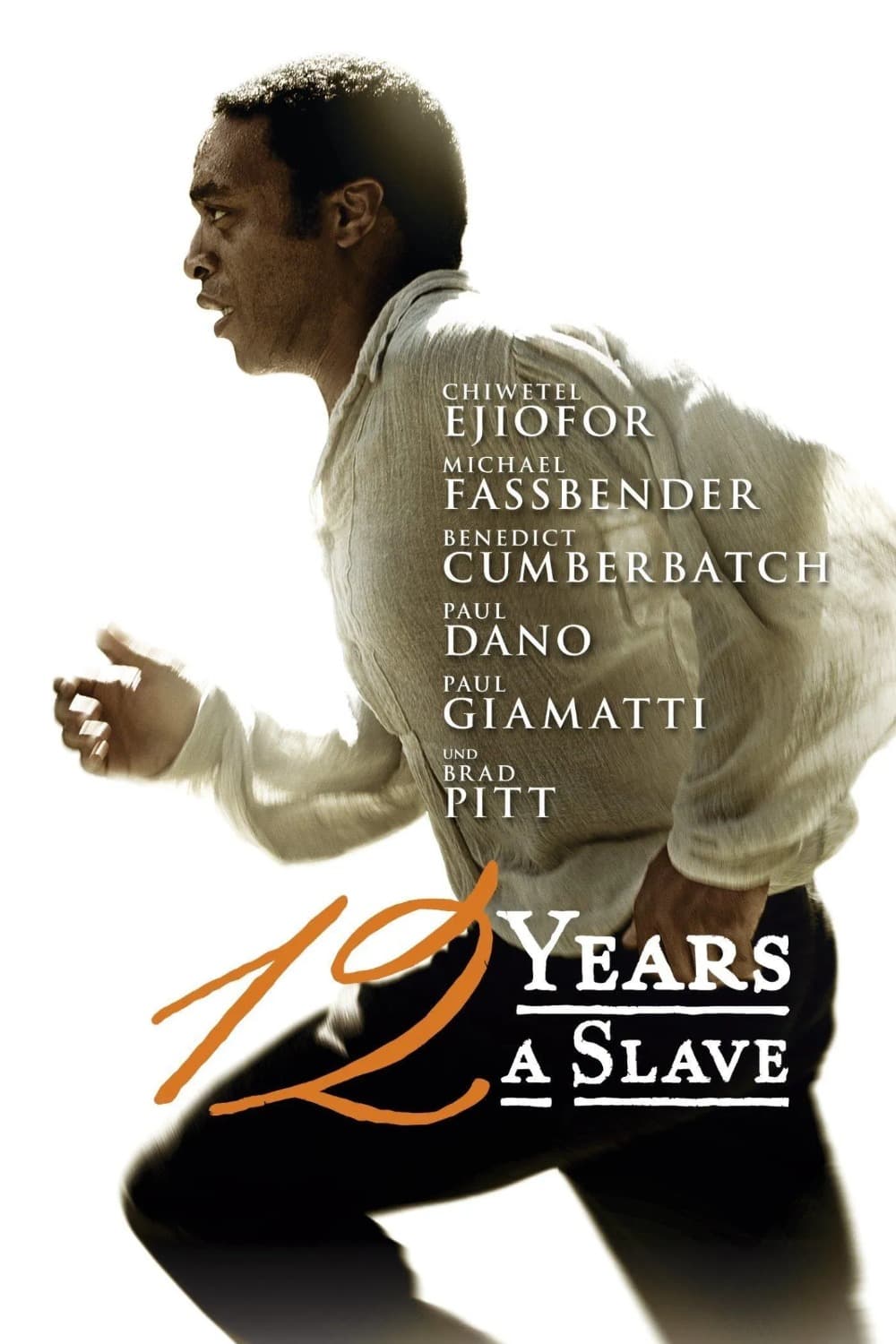
The first Best Picture from a Black director, and the least evasive film ever made about American slavery: McQueen holds shots long past comfort and refuses to look away.
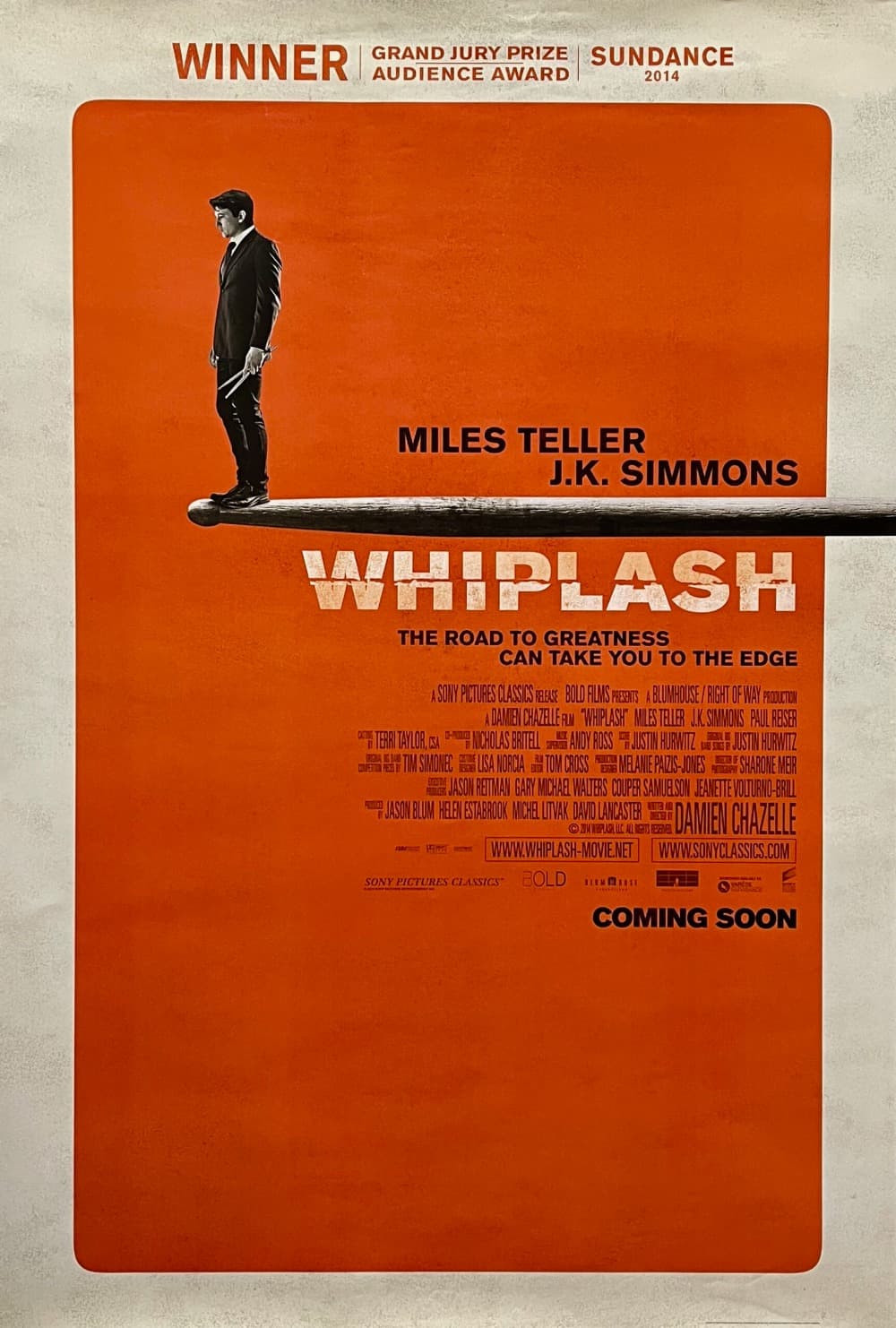
Shot in nineteen days on three million dollars, and cut like a thriller: a drummer, a teacher who throws chairs, and the question of what greatness costs.
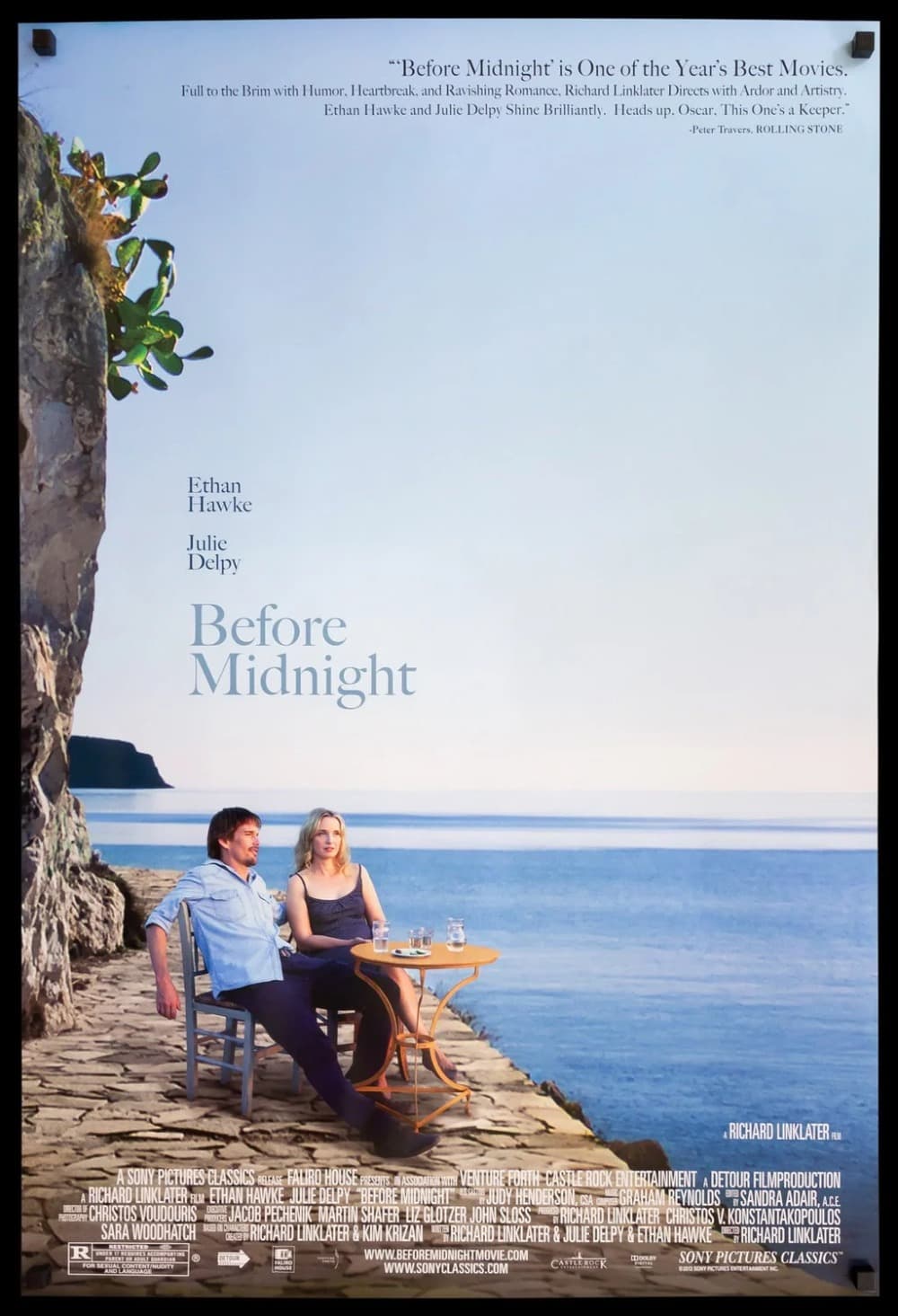
The third film is the one that hurts: Linklater and his two actors let nine more years pass, then take it somewhere the first two politely refused to go.
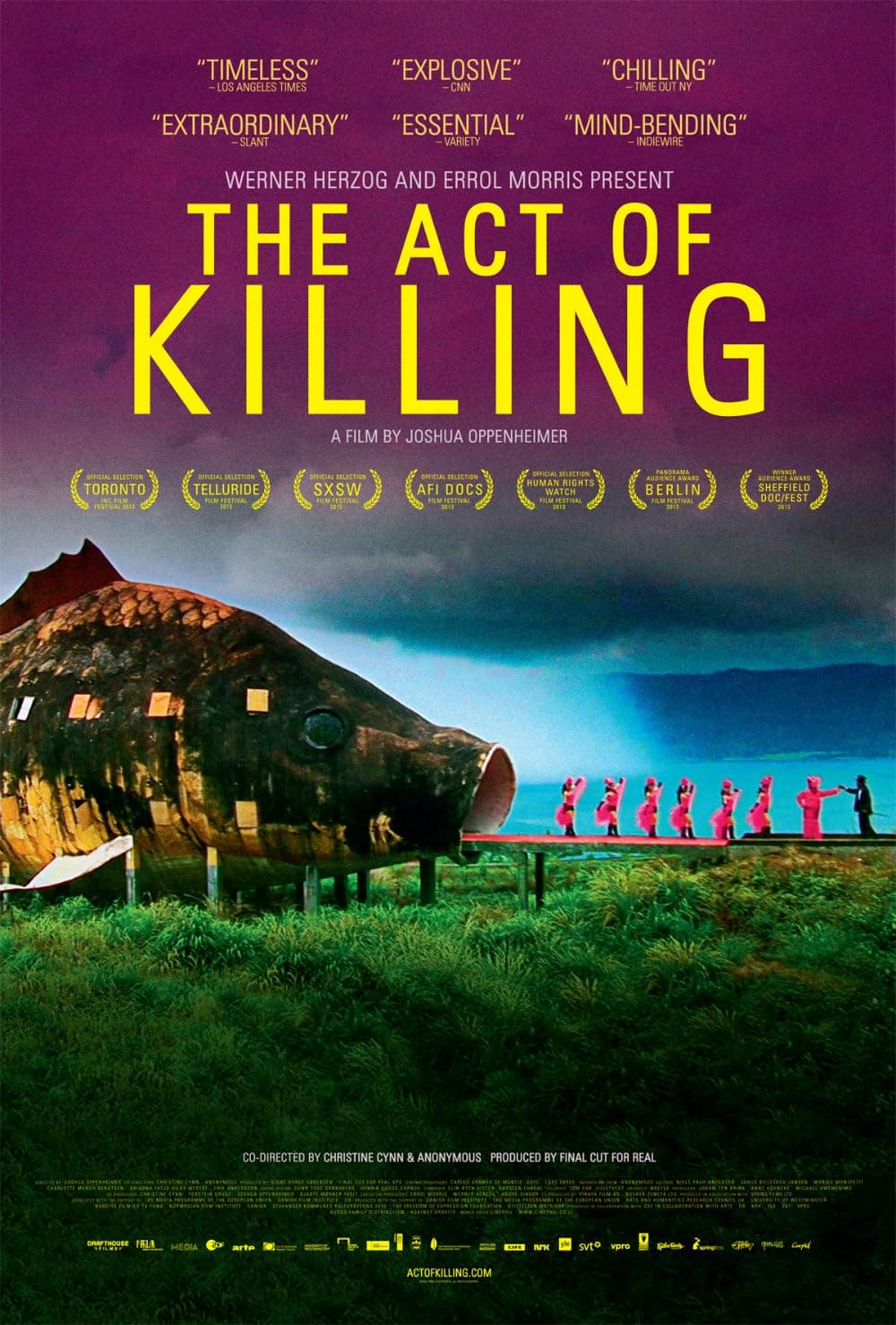
Oppenheimer asked the men who carried out Indonesia's mass killings to restage them as movie scenes, and they agreed gladly: no documentary has ever been braver or harder to sit through.
It won the Palme d'Or and audiences walked out of it: Malick set a 1950s Texas boyhood against the formation of the universe and left the connections to you.
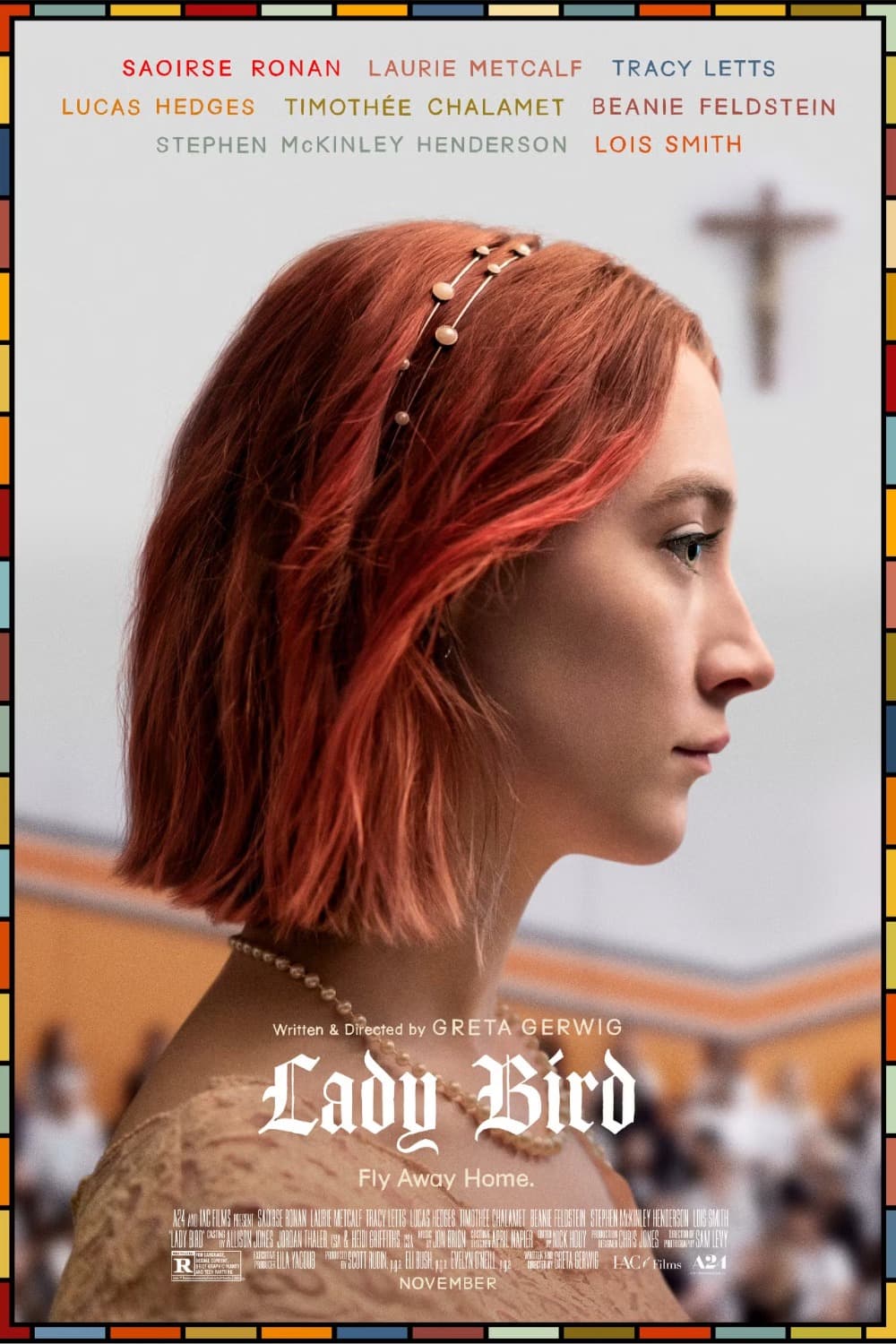
Gerwig's first solo film became the best reviewed of its year: a Sacramento teenager and her mother fight about everything, and the film refuses to take a side.
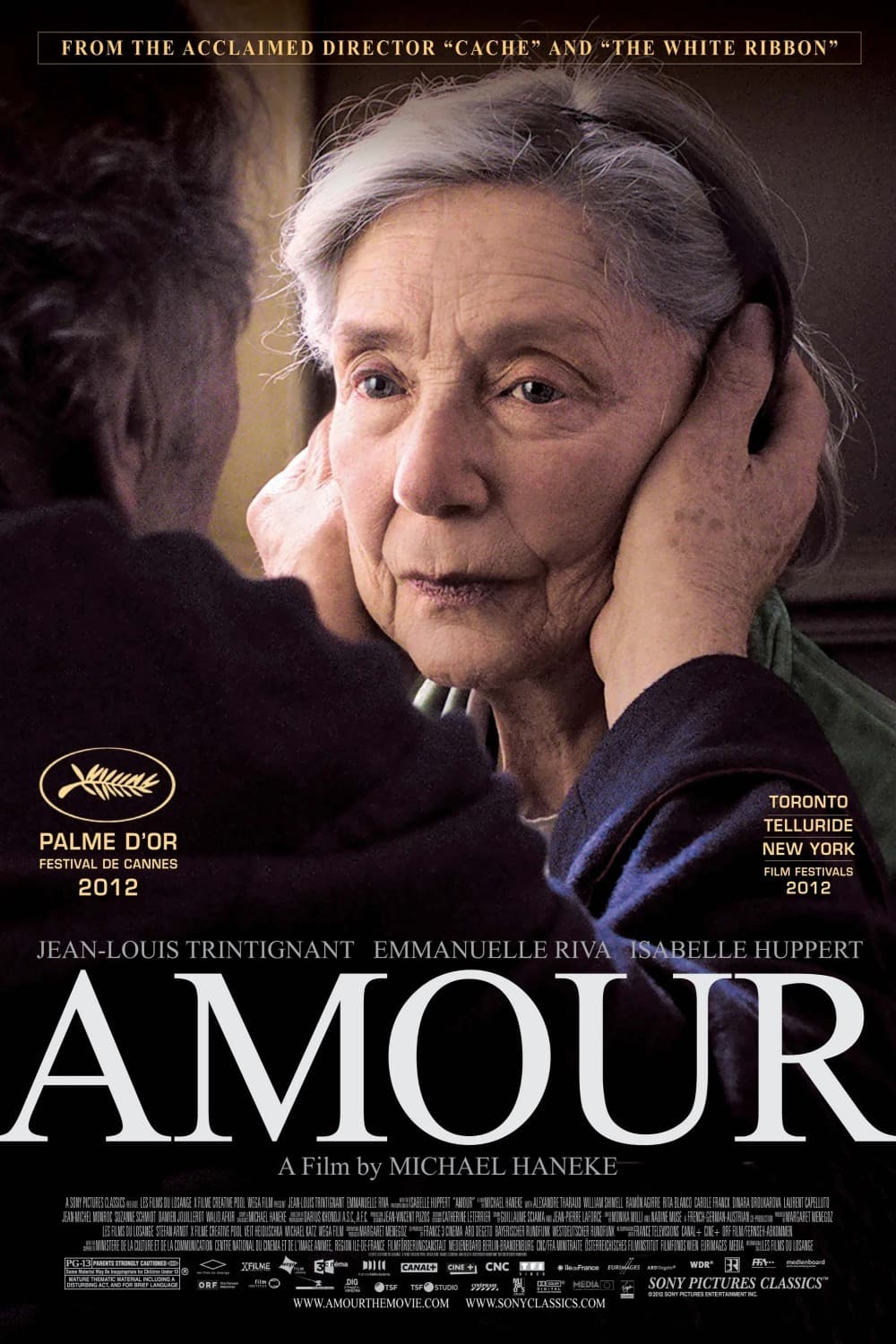
The film everyone should see once and nobody wants to see twice: Haneke barely leaves one Paris apartment while a marriage of decades reaches its last stretch.
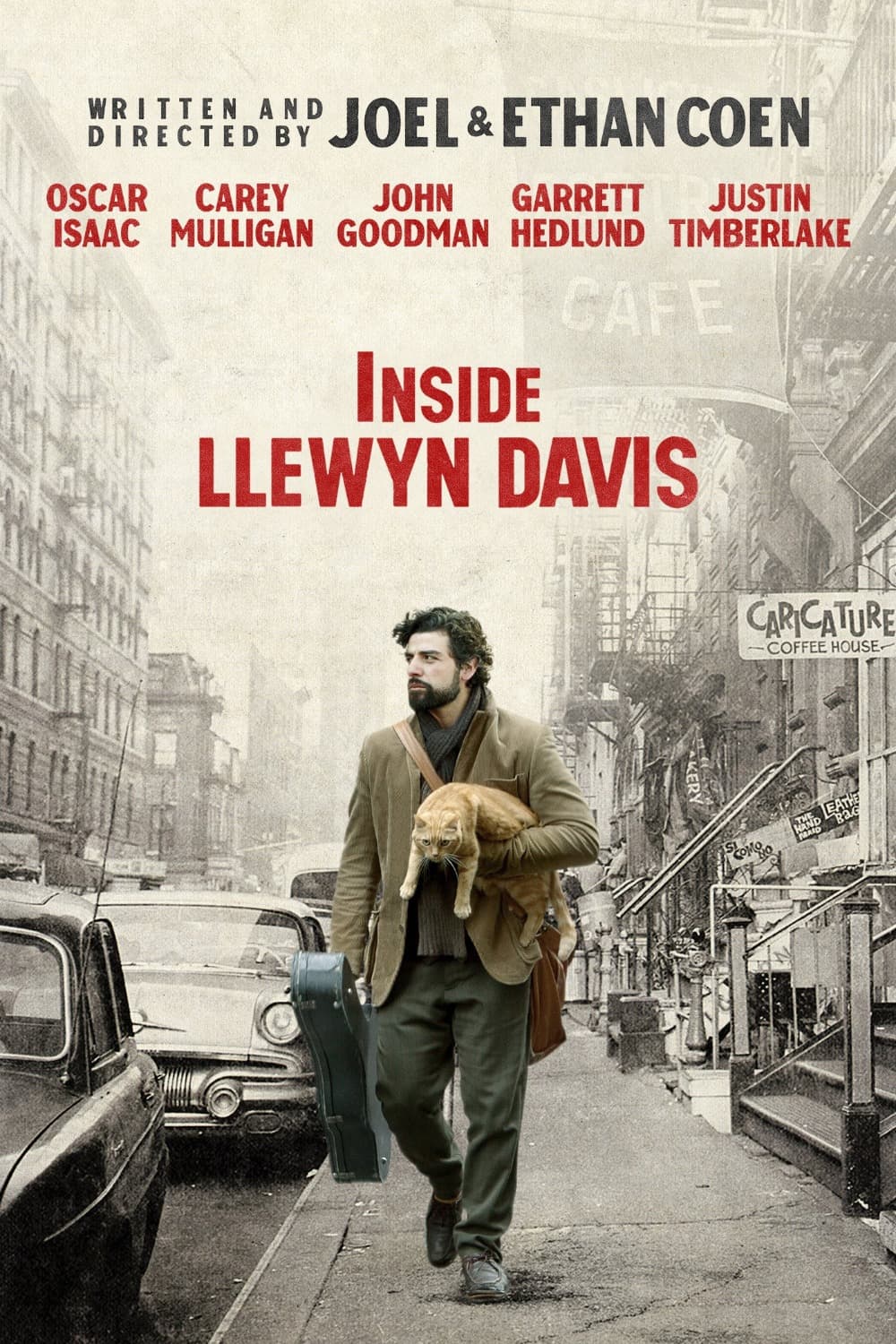
The Coens made the saddest film about failure that anyone has managed to make funny: a folk singer plays beautifully, sleeps on couches, and gets absolutely nowhere at all.
Three hours of pure excess that never once slow down: Scorsese was seventy-one years old, and it moves faster than films made by directors a third his age.
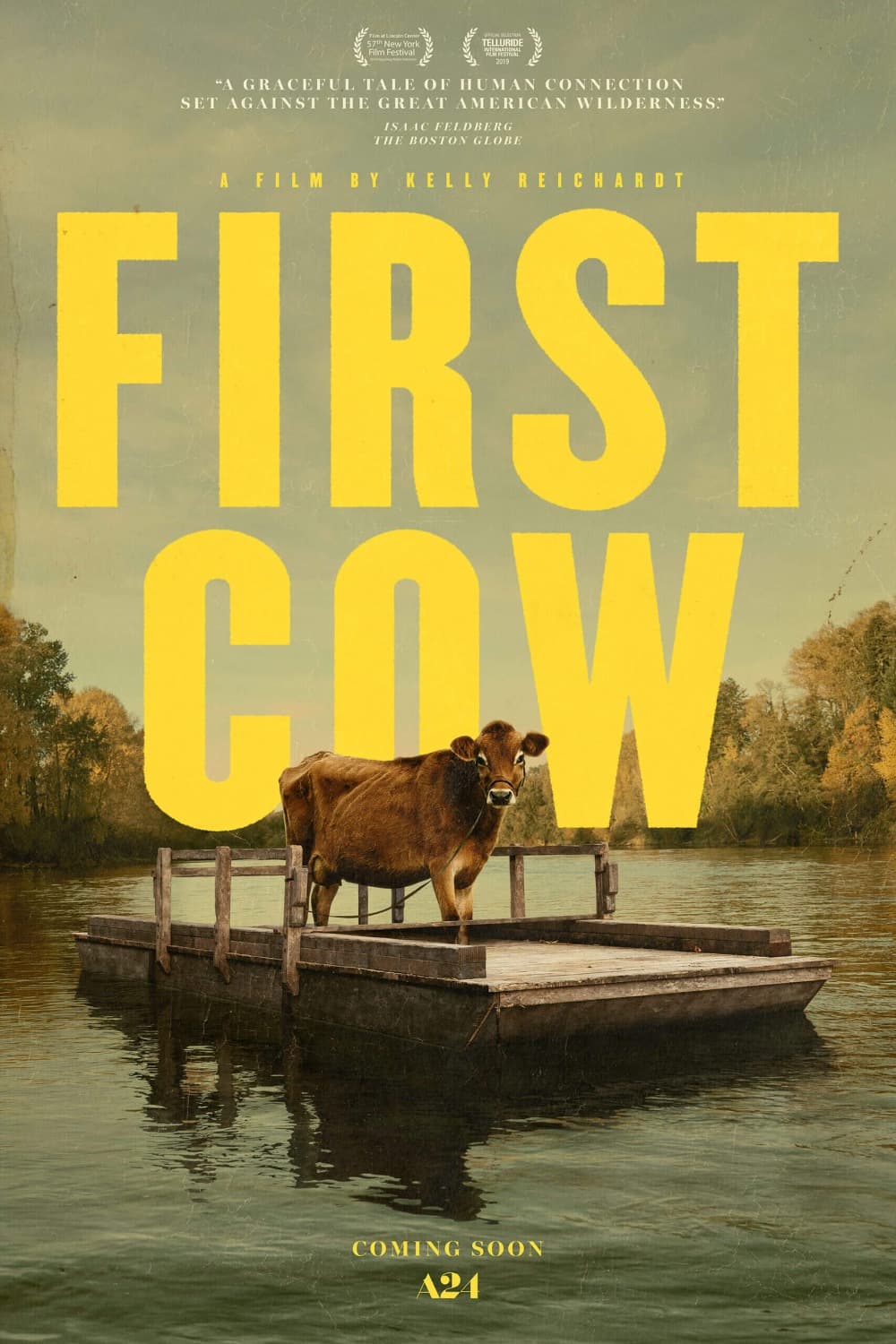
Reichardt makes the quietest films in American cinema, and this one is her warmest: two men on the Oregon frontier, one borrowed cow, and one very small crime.
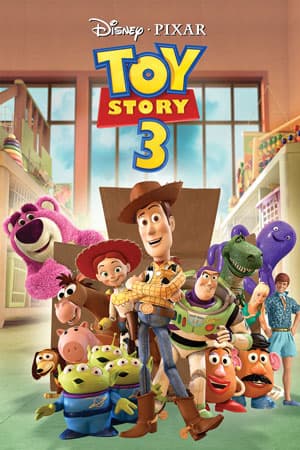
Pixar took a third film in a series somewhere nobody expected it to go: the toys end up far from a toy box, and the last act is genuinely harrowing.
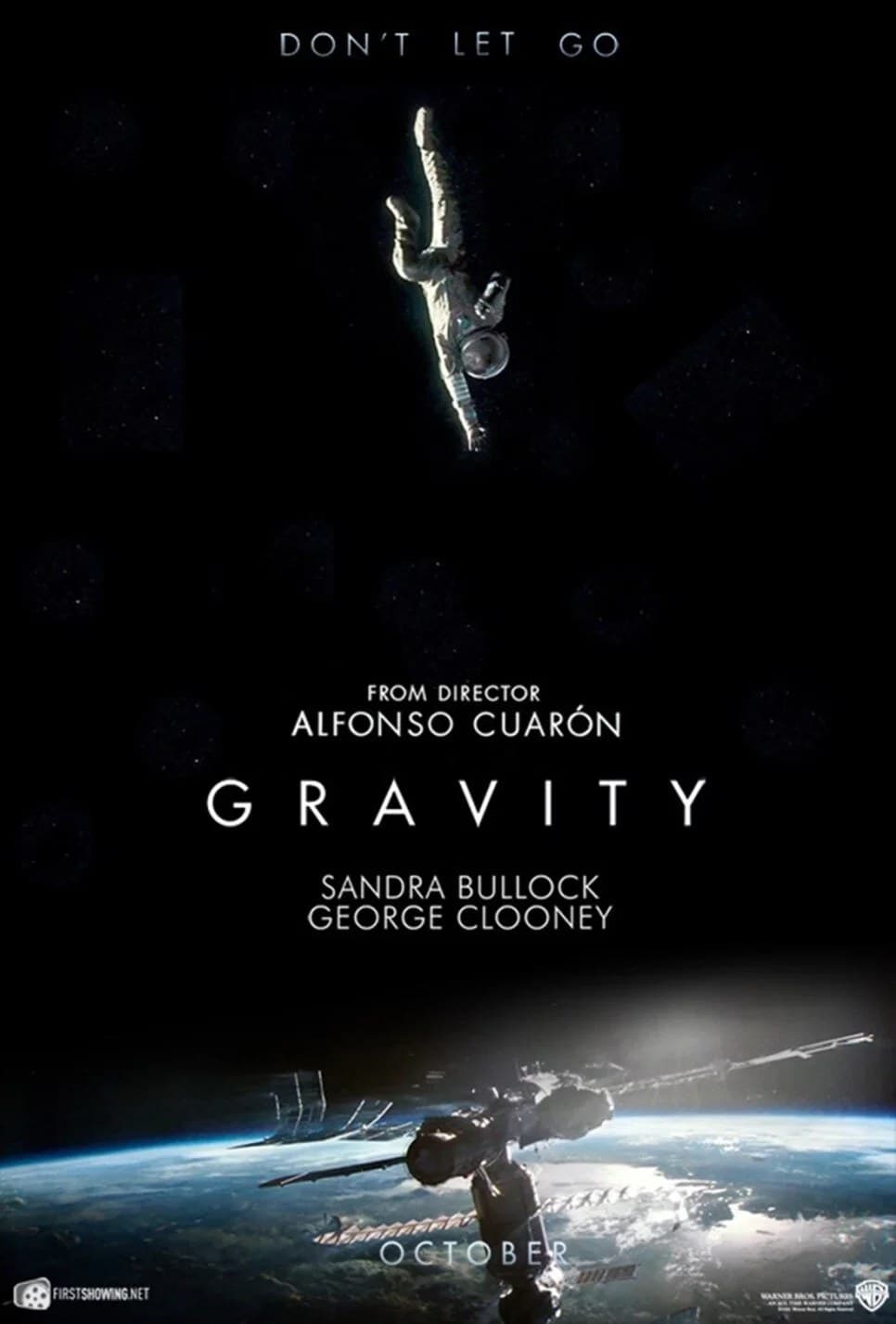
Nothing else has made space feel this physically dangerous: Cuaron opens on a shot running almost thirteen minutes, and ninety minutes later you notice you stopped breathing.
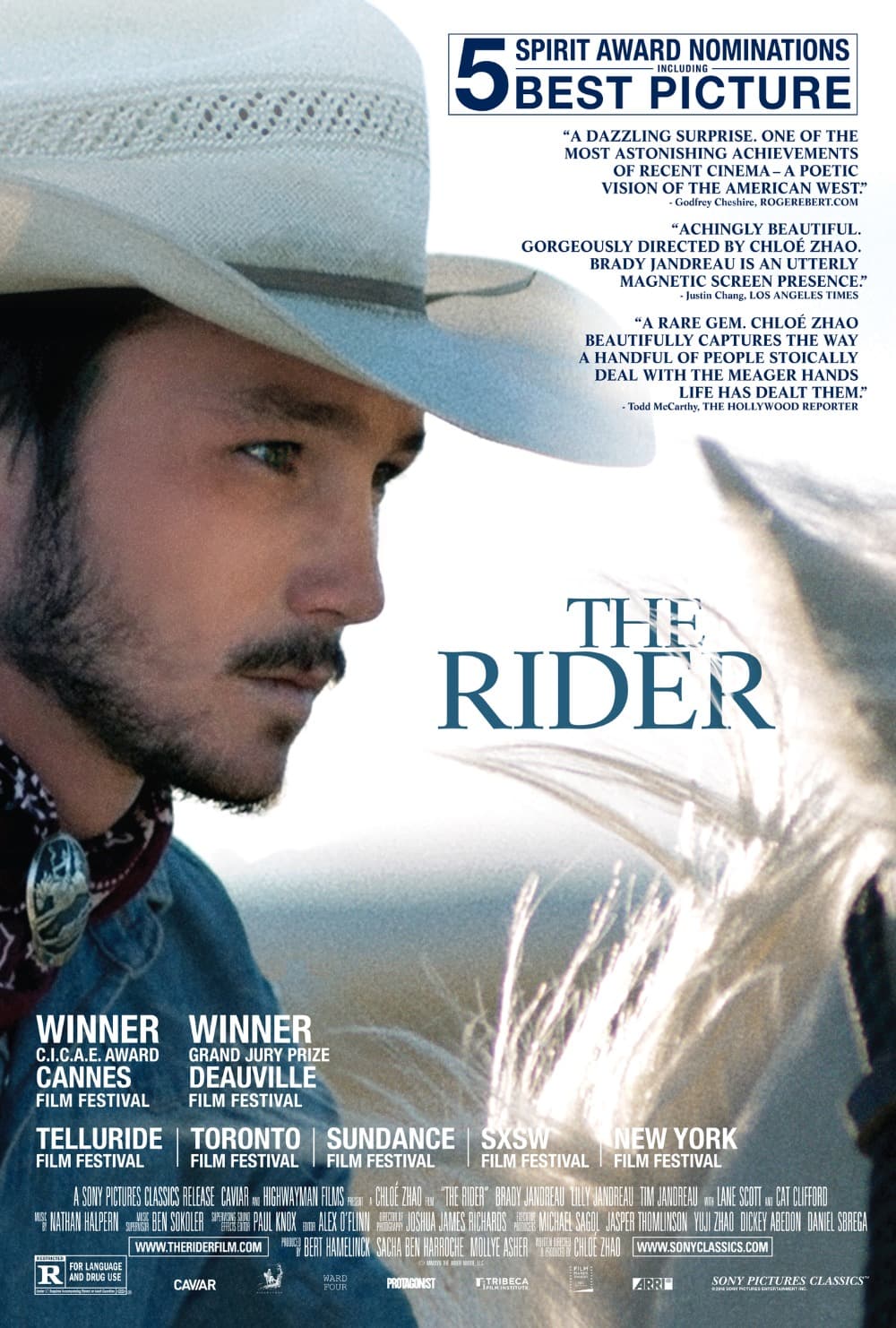
Chloe Zhao cast a real rodeo rider and his real family to play themselves: the line between documentary and fiction never appears, and neither does a false note.
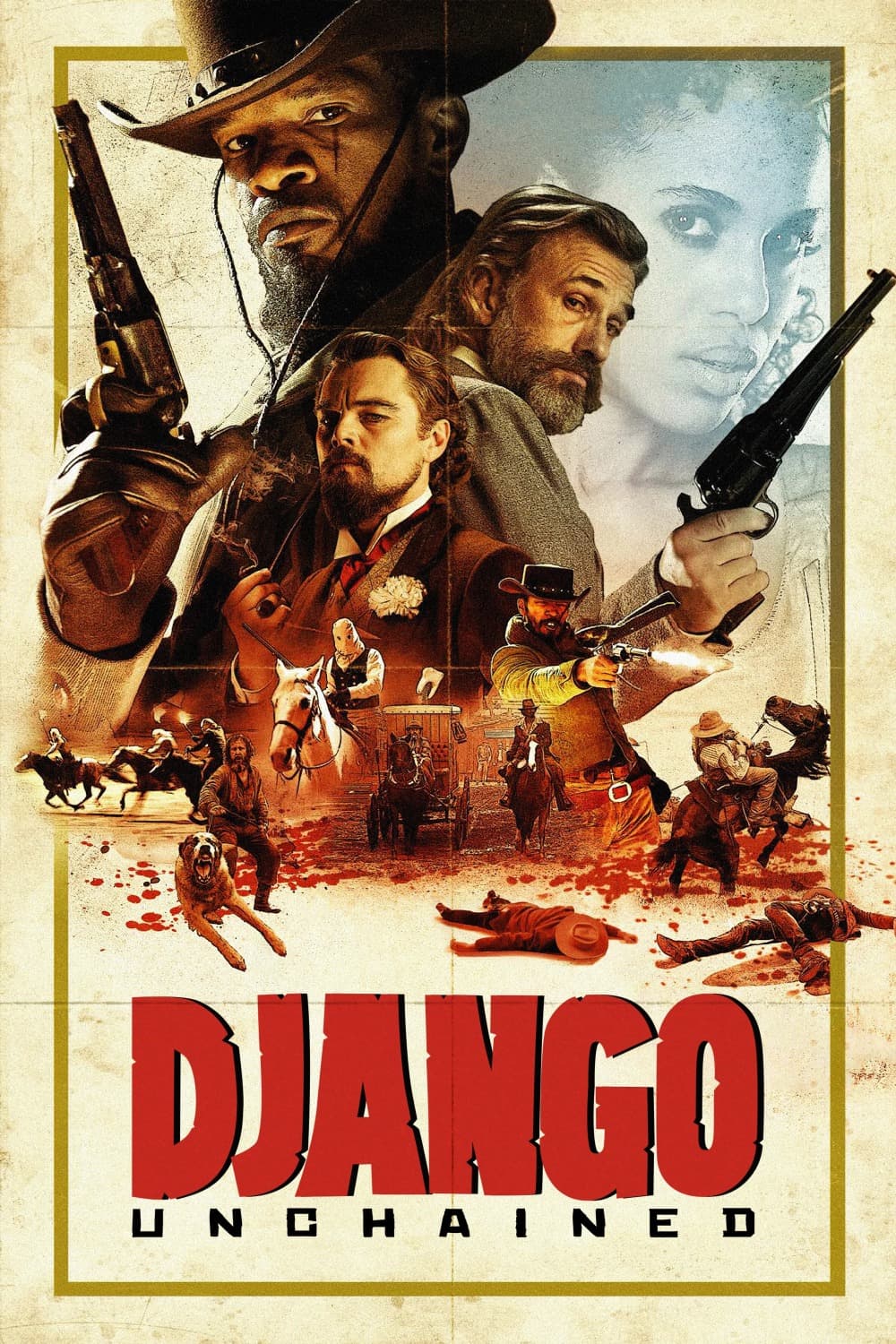
Tarantino turned American slavery into a spaghetti western and got away with it: a freed slave rides with a German bounty hunter, and the dialogue never stops crackling.
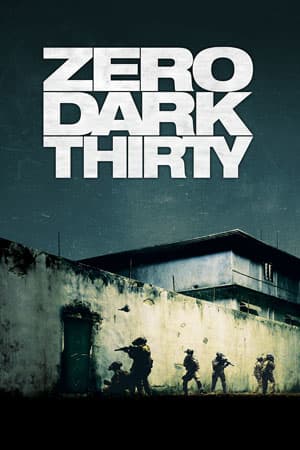
Bigelow filmed a decade-long manhunt as pure procedure and let the audience sit with what it cost: the torture scenes started an argument that has never been settled.
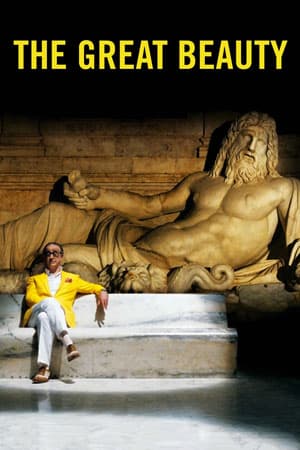
The closest anyone has come to remaking La Dolce Vita and surviving it: an aging Roman journalist drifts through parties and ruins, and the city has never looked better.
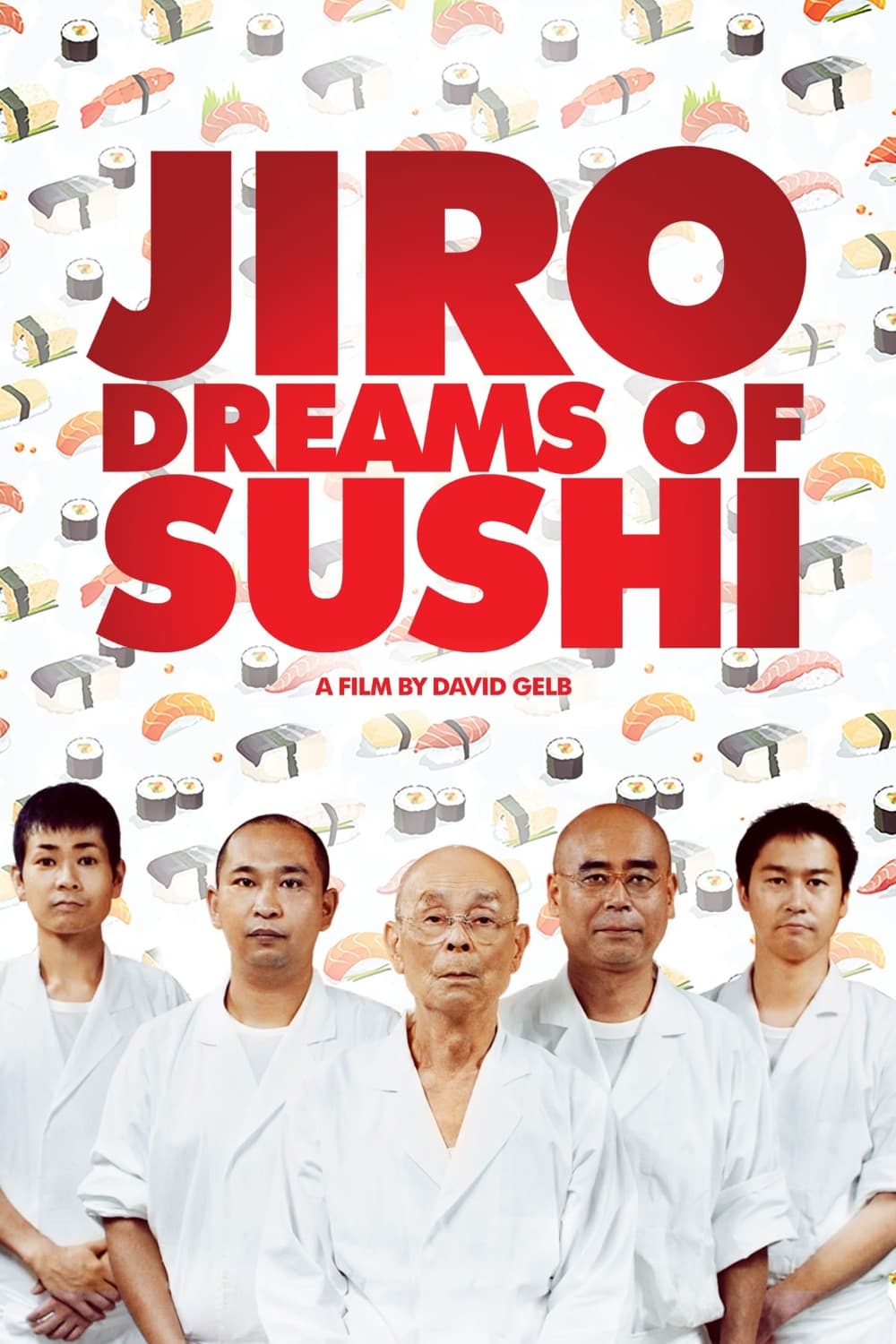
It will alter how you think about doing one thing for an entire lifetime: an eighty-five-year-old sushi master in a Tokyo subway station, still not satisfied with himself.
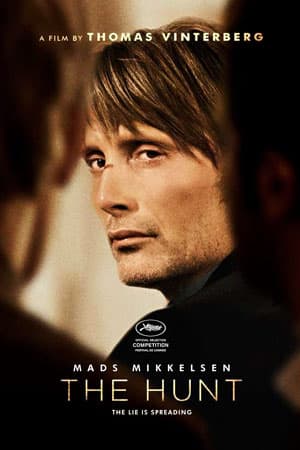
Few films are this hard to endure: a kindergarten teacher is accused of something he did not do, and Vinterberg shows how fast a village makes up its mind.
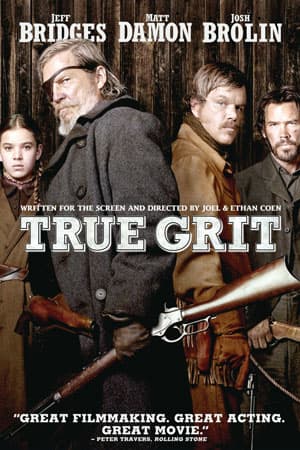
The Coens went back to Charles Portis's actual sentences and rationed contractions almost out of existence: a fourteen-year-old girl hires a drunk marshal to avenge her father.
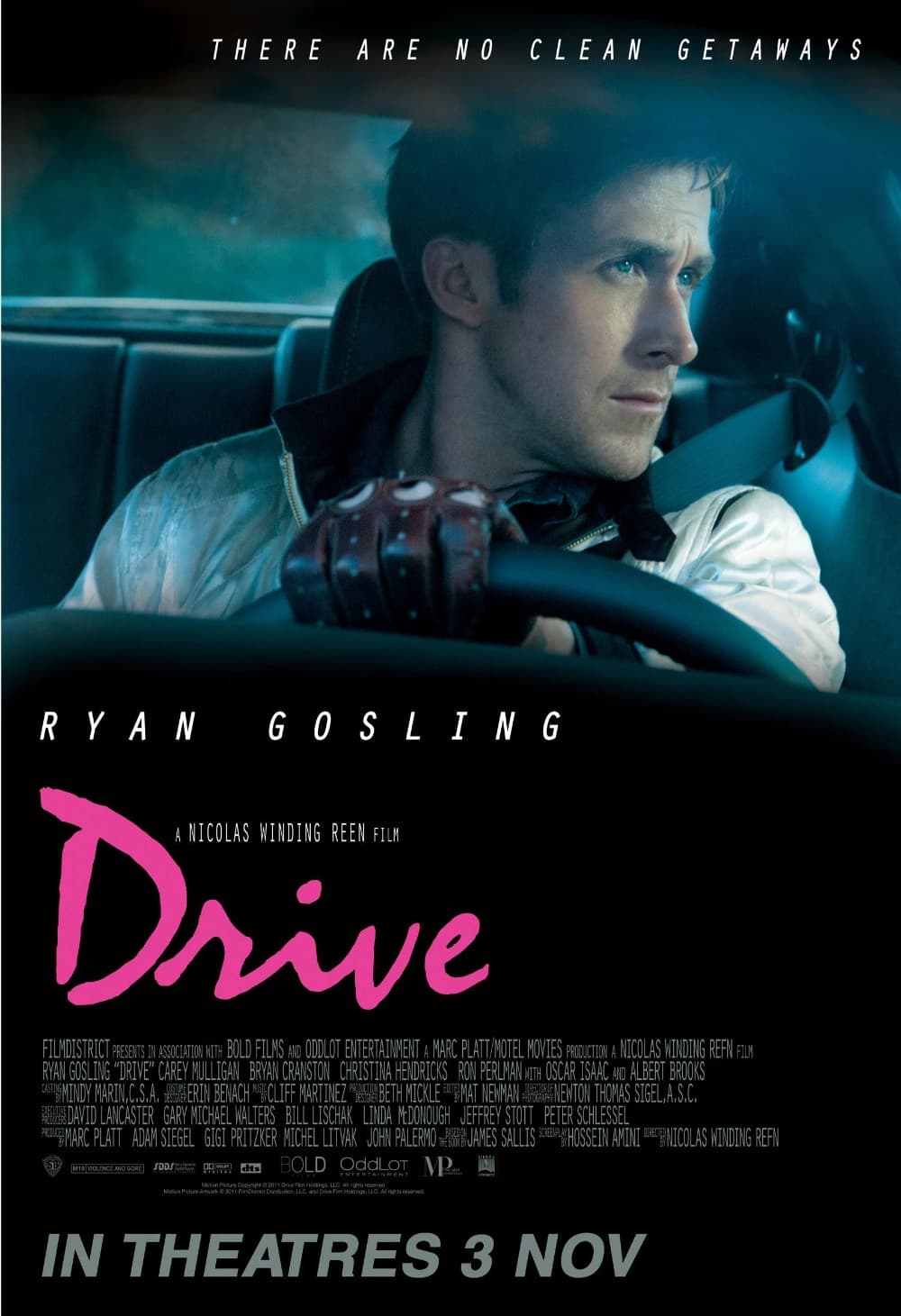
It looks and sounds like nothing else from its decade: neon Los Angeles, a synth score, a driver who barely speaks, and sudden violence that arrives without warning.
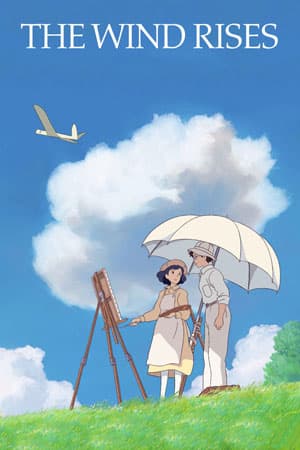
Miyazaki announced his retirement with it, a retirement he later took back: a young man designs beautiful aircraft that become weapons, and nothing about that is resolved.
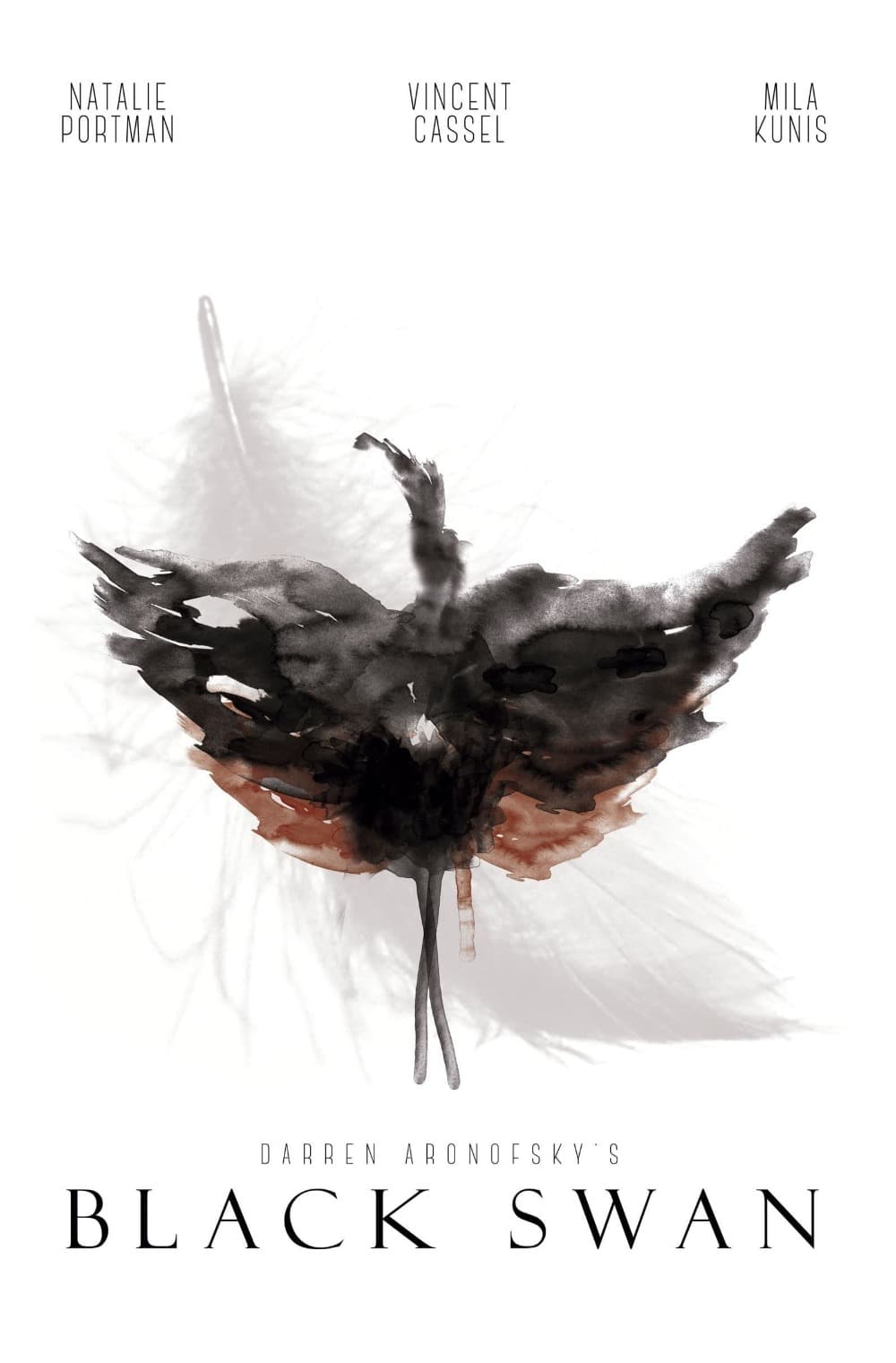
Aronofsky filmed ballet as body horror and somehow made it work: a dancer's discipline turns on her, and Natalie Portman trained for a year to make it convincing.
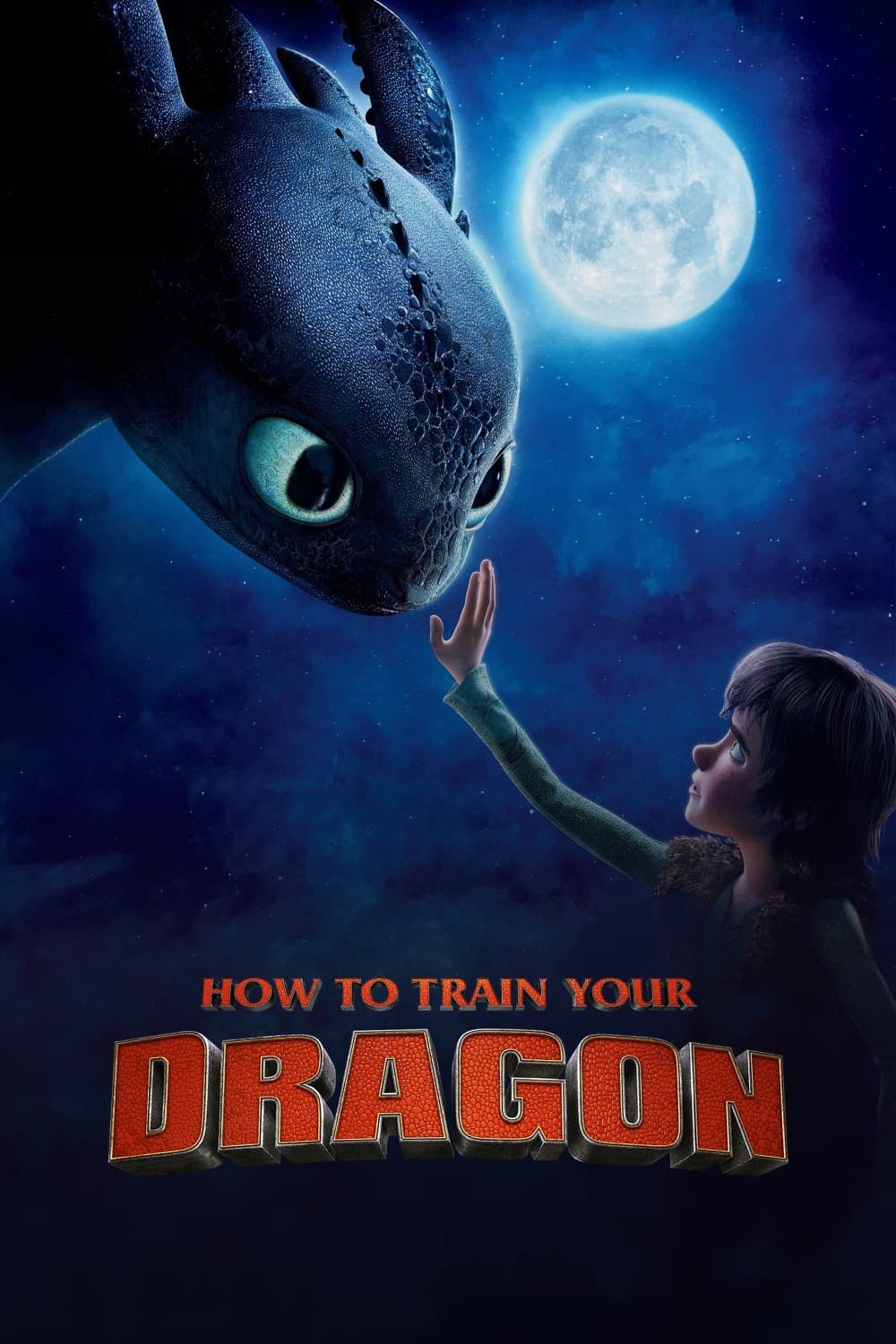
Animation has never conveyed the physical sensation of flight this well: Roger Deakins consulted on the lighting, and a Viking boy who cannot fight befriends the creature he was raised to kill.
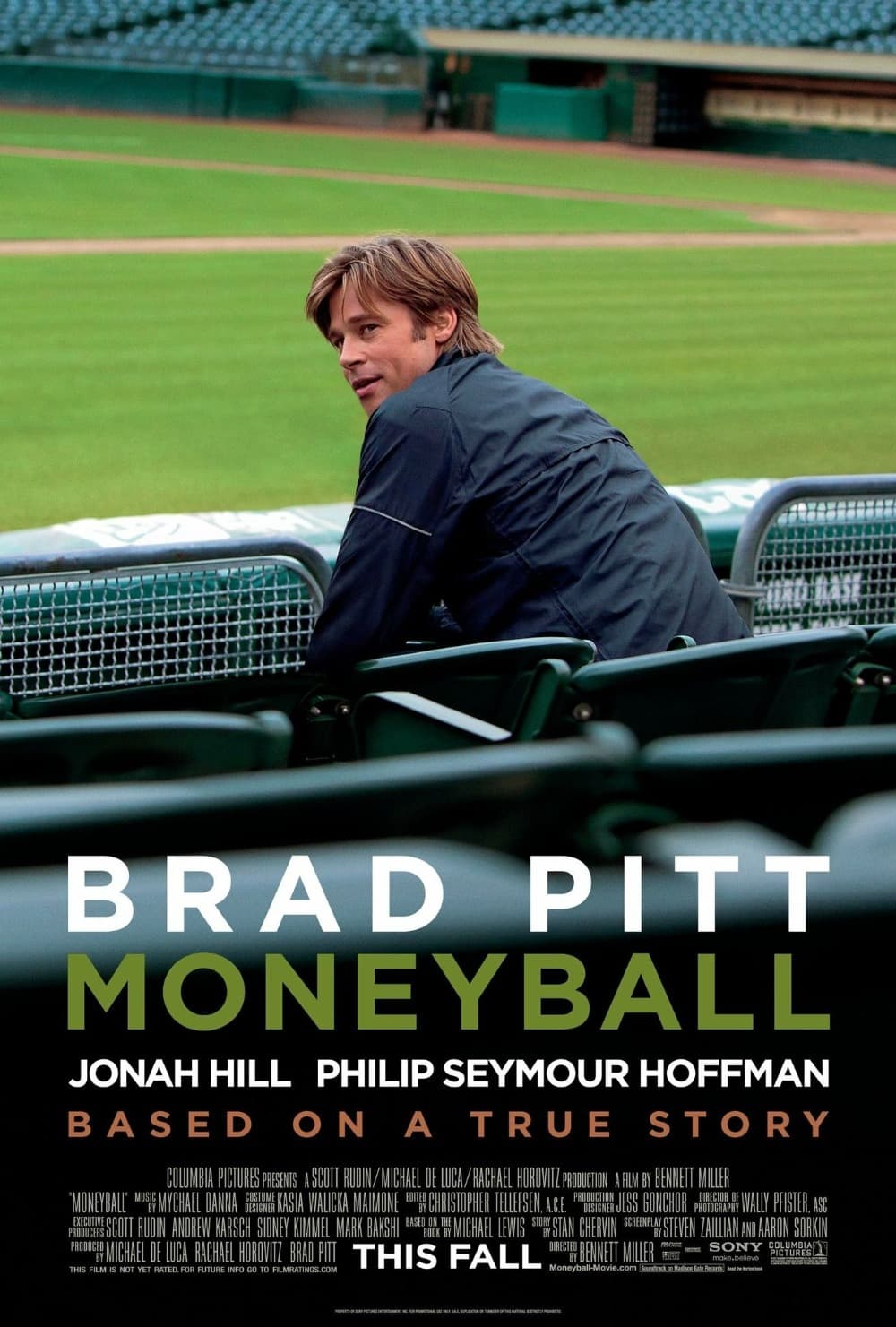
A film about a spreadsheet that plays like a thriller: Sorkin and Zaillian turn Billy Beane's 2002 Oakland roster into an argument between a broke general manager and every scout in his building.
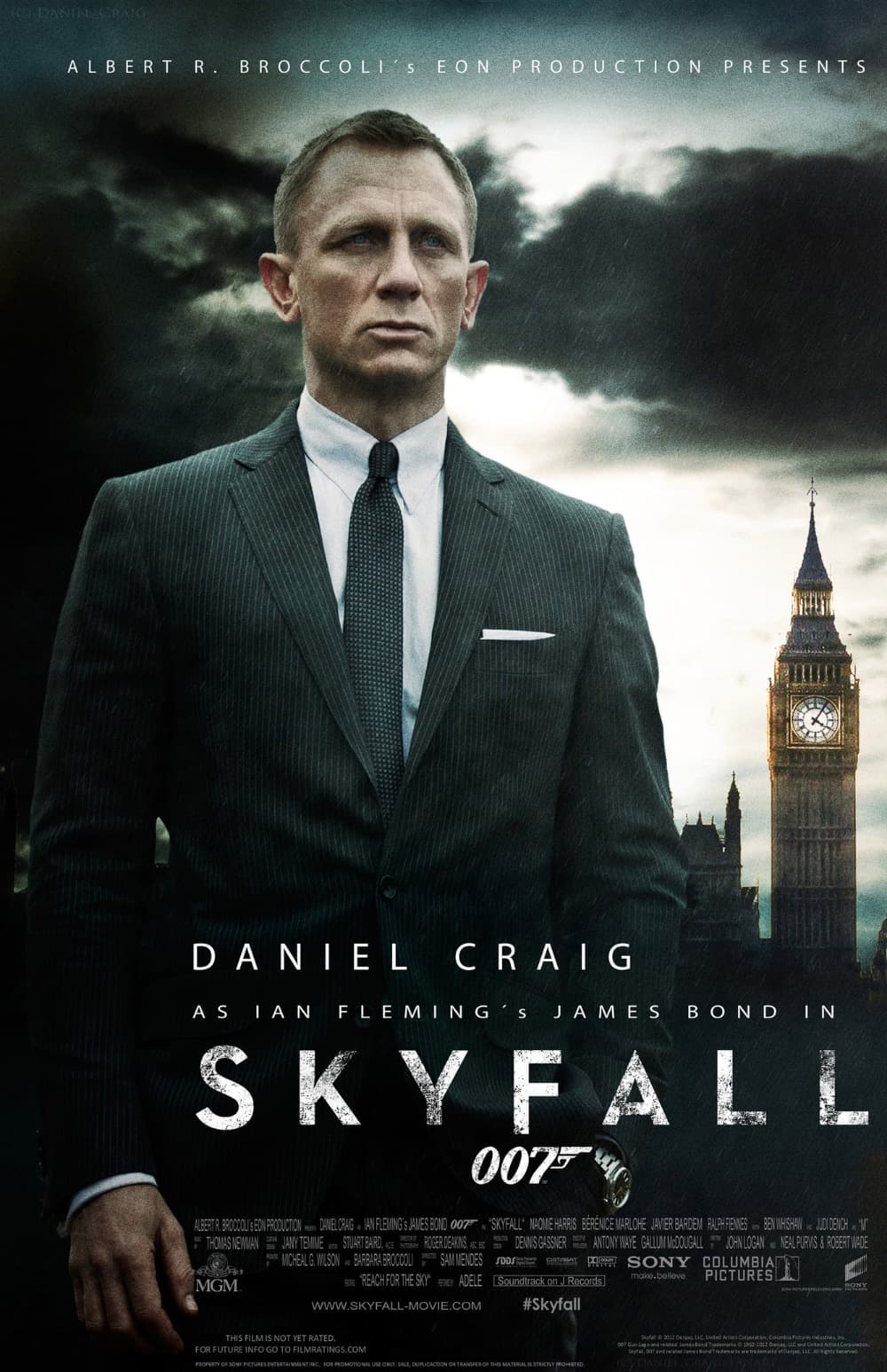
Roger Deakins photographed a James Bond film and the series has never looked the same: the Shanghai fight plays out in silhouette against neon, and the plot finally asks what Bond is for.
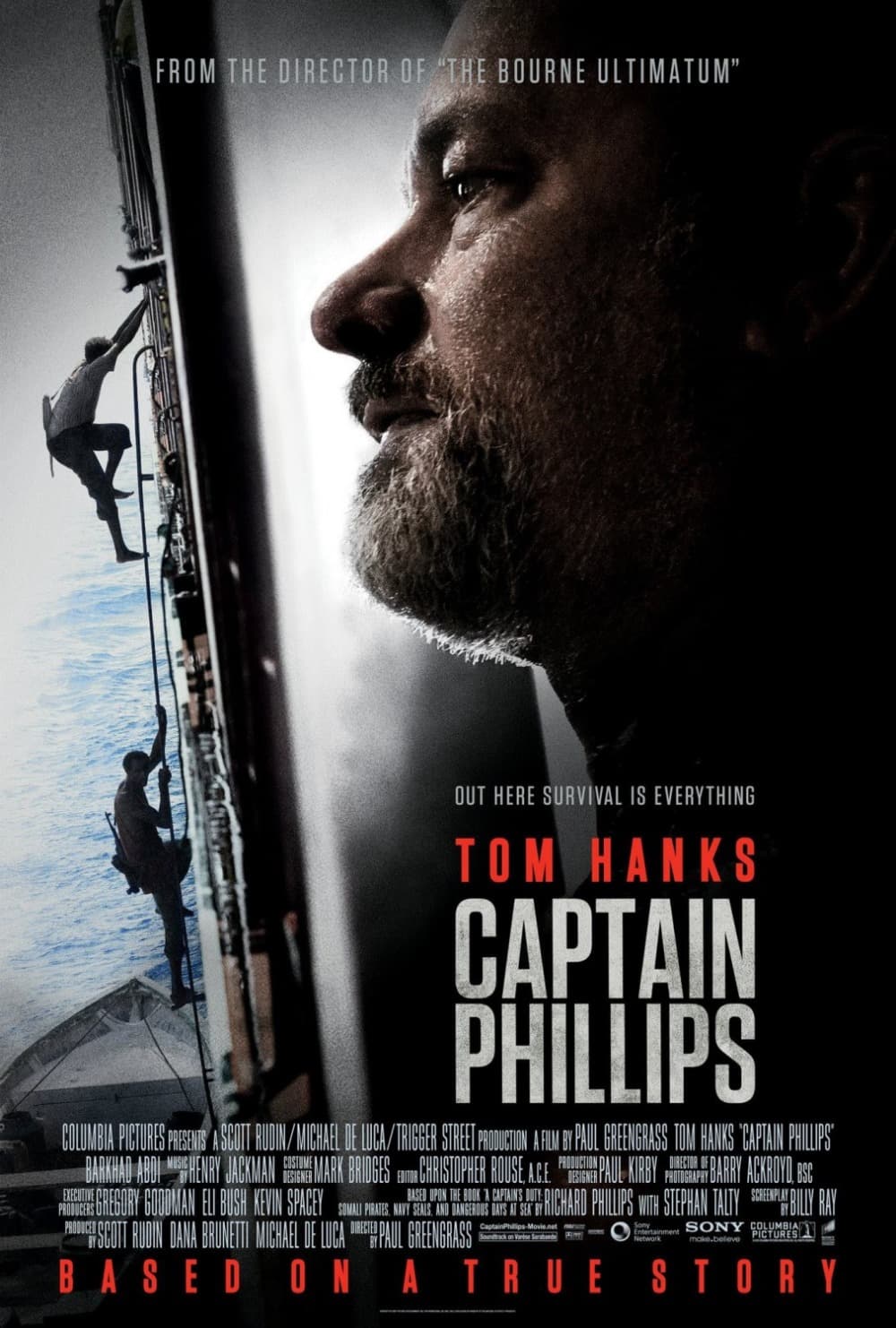
Barkhad Abdi had never acted and was cast out of a Minneapolis open call: he holds the screen against Tom Hanks through the last hour on a lifeboat off Somalia, and never blinks.
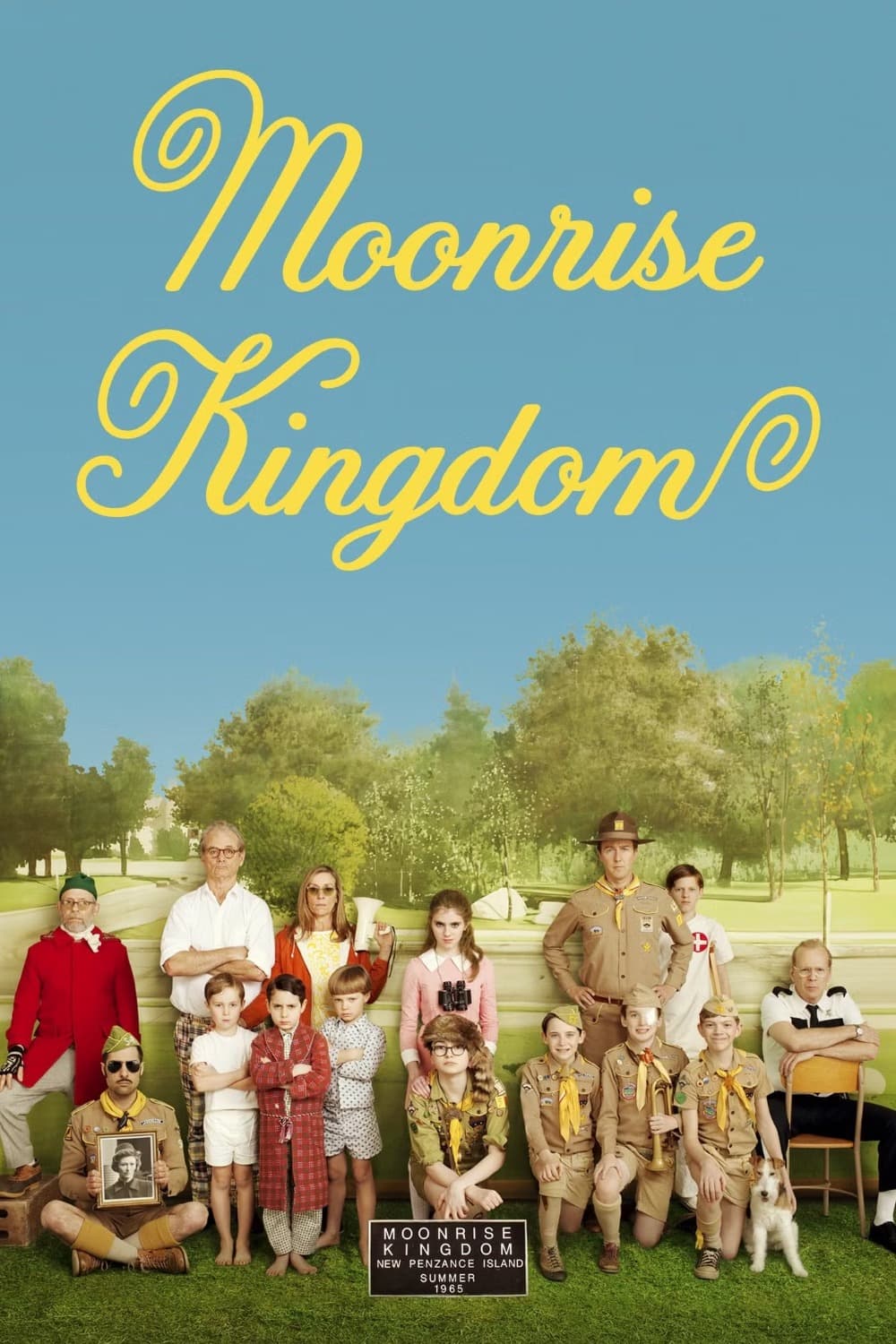
Twelve-year-olds run away together across a New England island in 1965: Wes Anderson's warmest film, and the adults chasing them are lonelier than the children they are trying to catch.
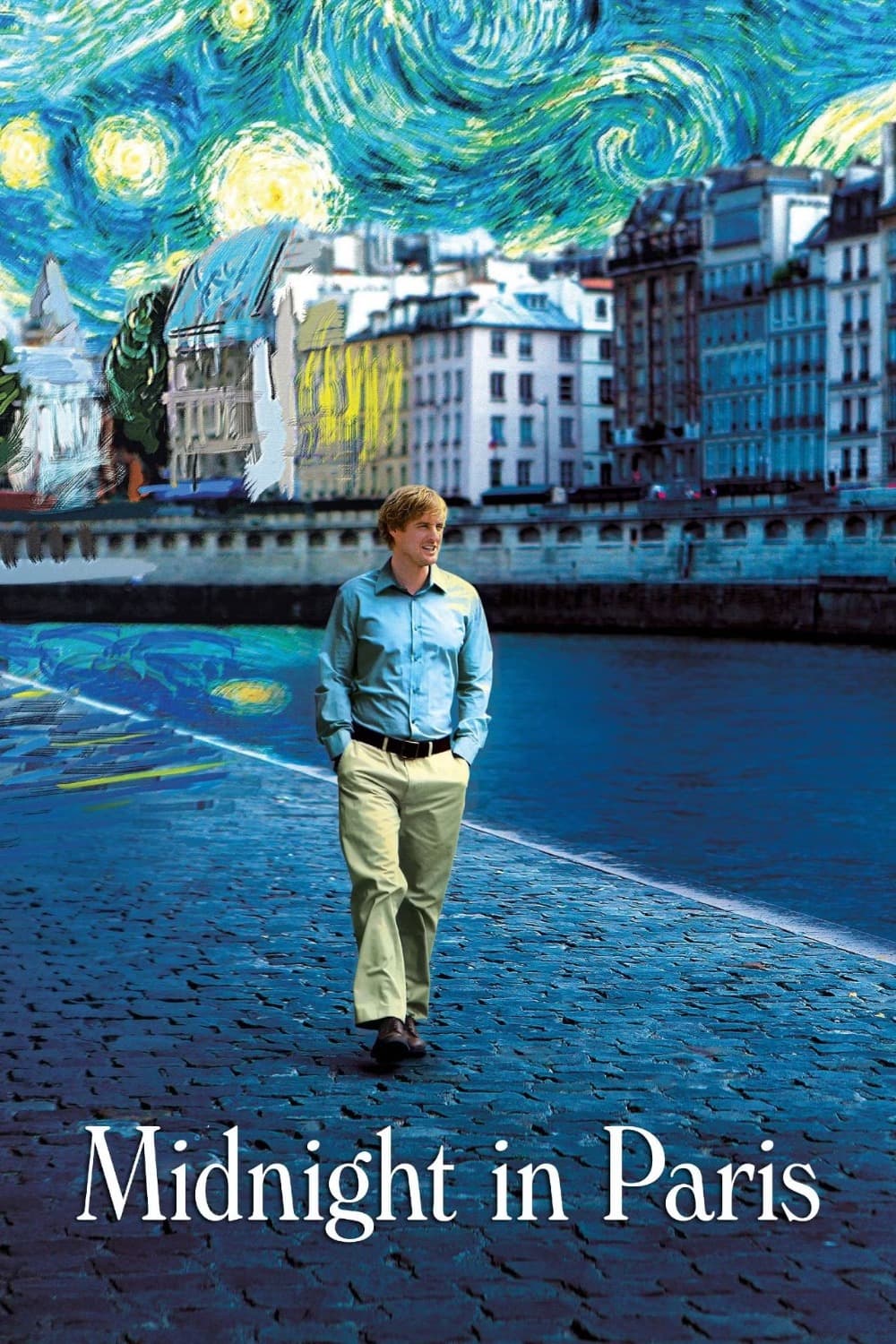
Woody Allen's biggest hit at the box office is also his gentlest: a screenwriter stuck on a novel steps into a car at midnight in Paris and is driven straight into the 1920s.
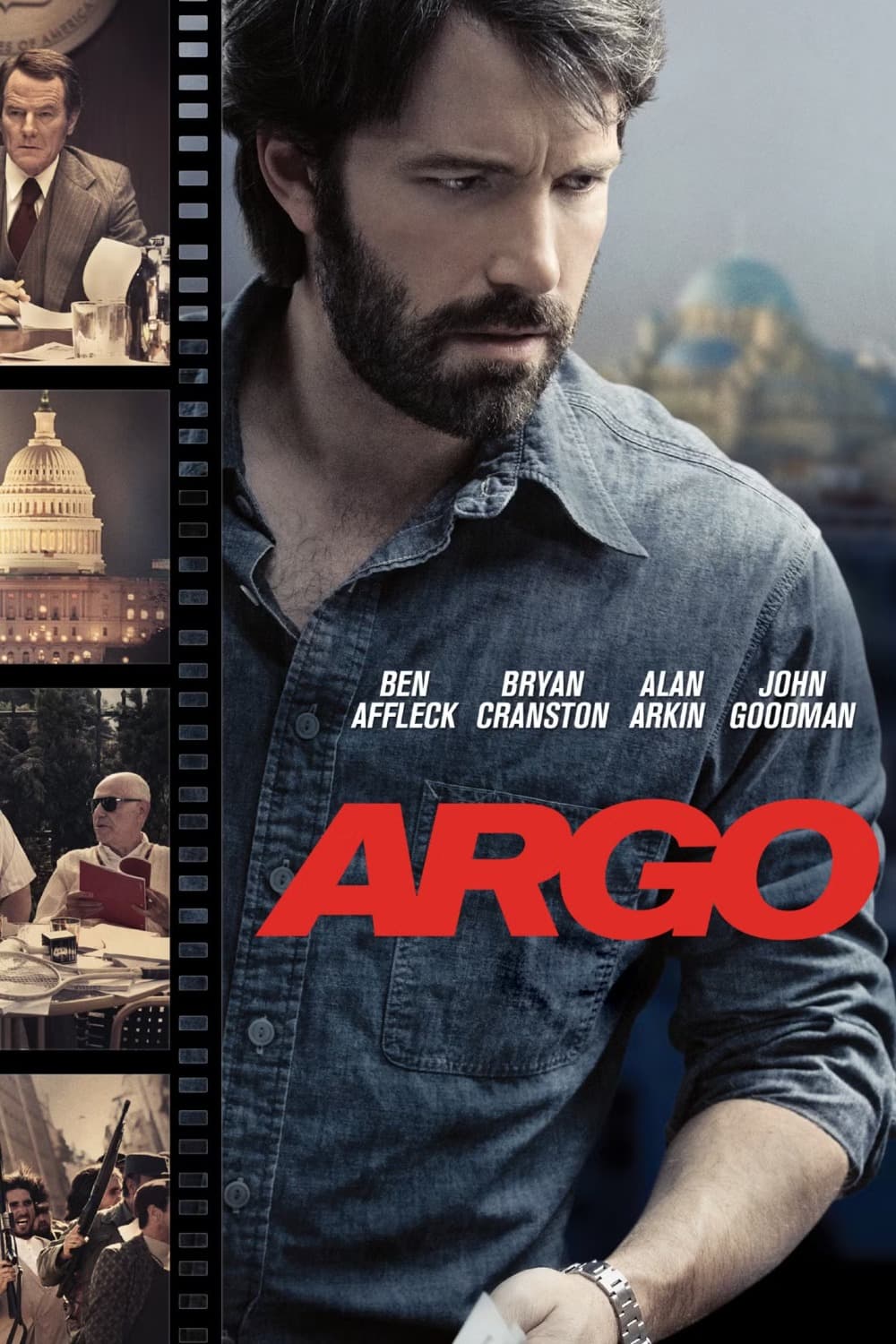
The CIA really did produce a fake science fiction movie to get six Americans out of Tehran, and kept it classified until 1997: Affleck plays the operation completely straight.
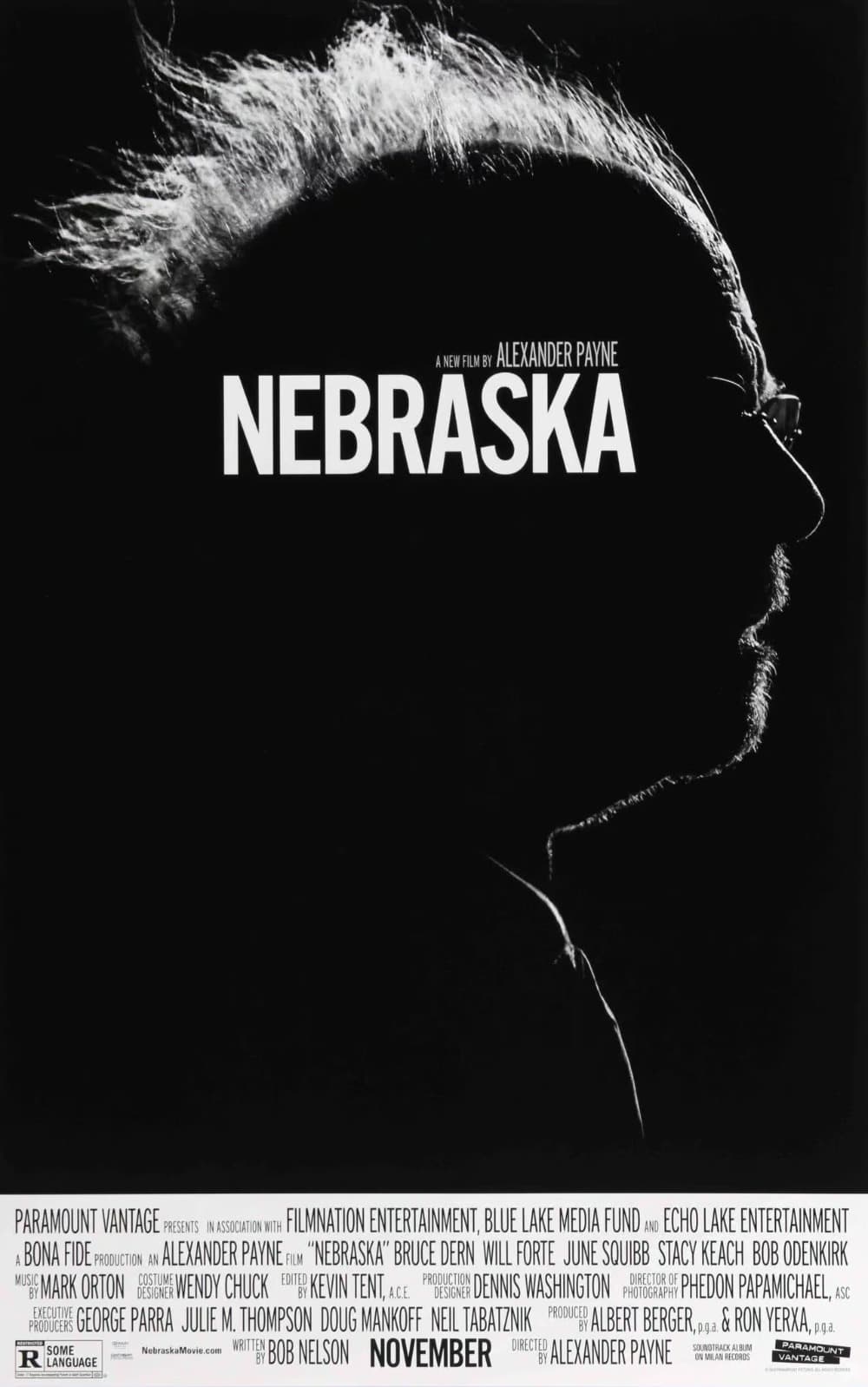
Payne wanted monochrome and the studio fought him over it: an old man believes a sweepstakes letter and sets off walking toward Nebraska, and his son drives him rather than argue.
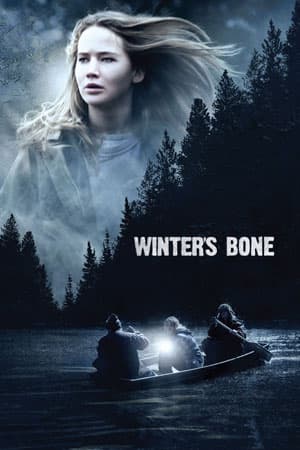
Jennifer Lawrence was eighteen and unknown when Debra Granik cast her: a girl in the Ozarks has a week to find her father or lose the house, and nobody local will help.
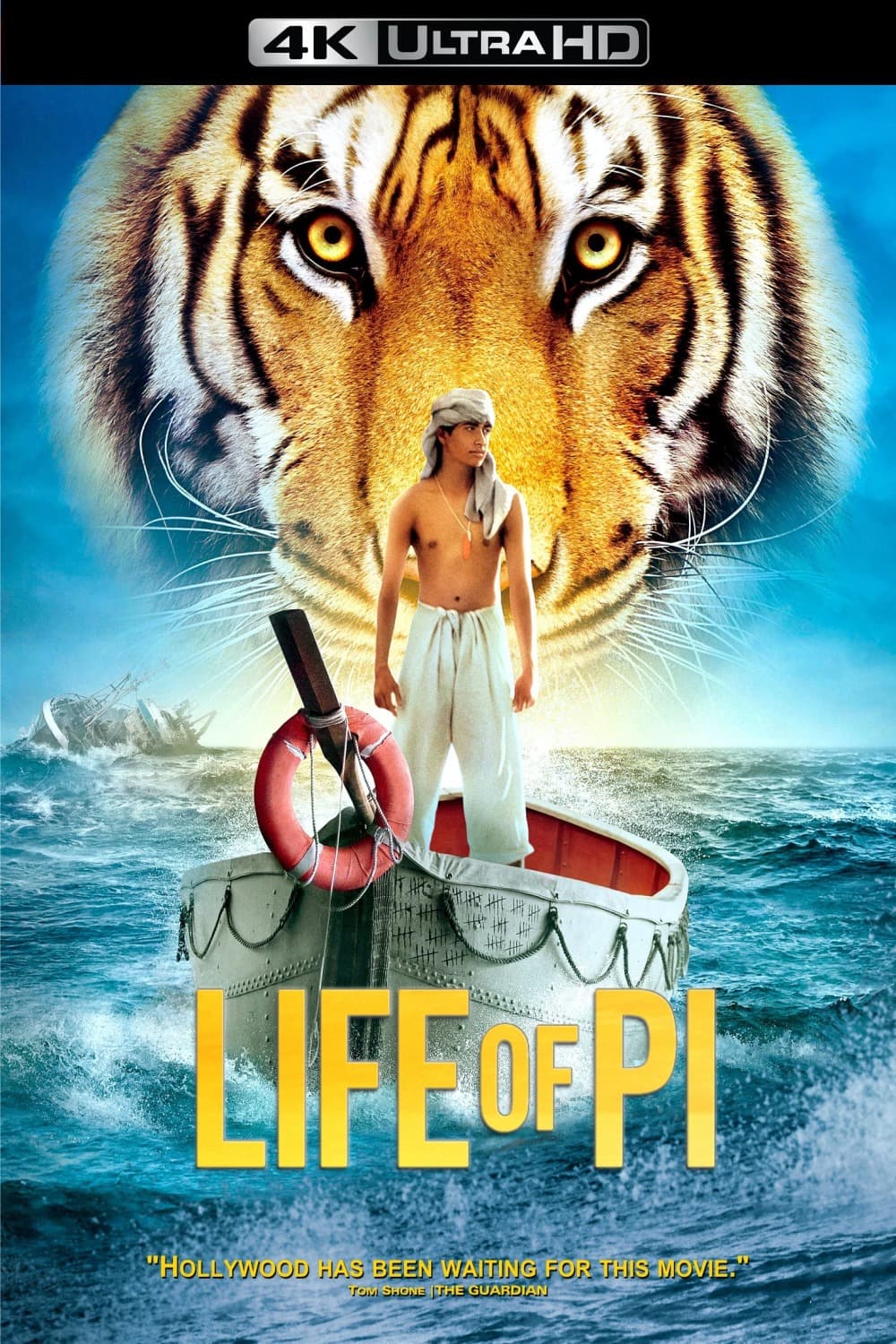
The tiger is almost entirely digital and you will not be able to tell: Ang Lee made the most beautiful 3D film there is, about a boy sharing a lifeboat with a predator.
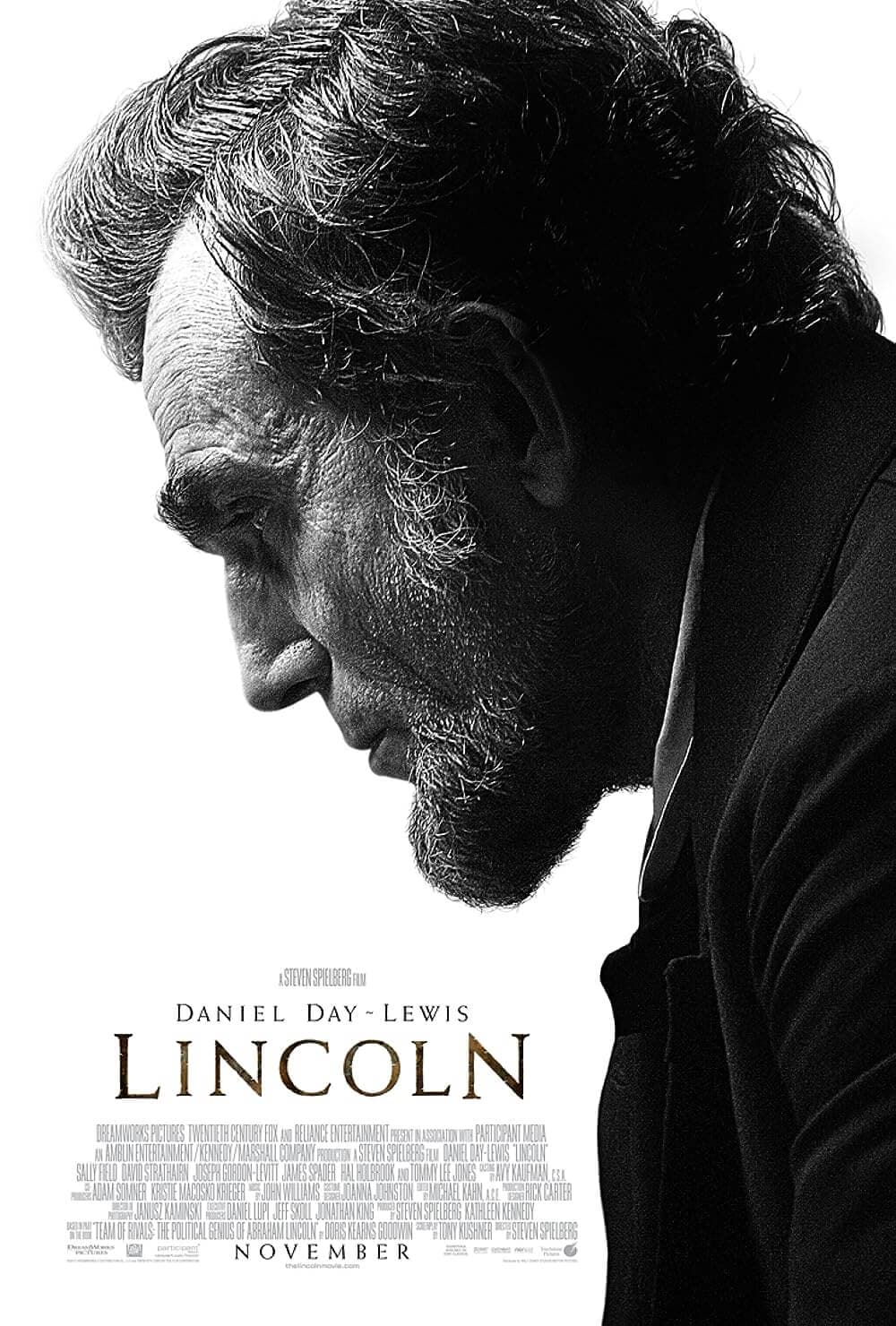
Day-Lewis found a high, reedy voice for Lincoln because the historical accounts describe one: Spielberg and Tony Kushner build a whole film out of counting votes for the Thirteenth Amendment.