Thriller
1982
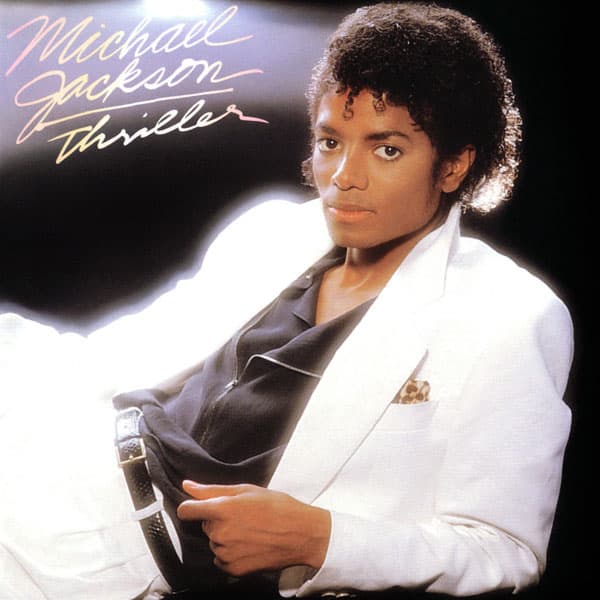
Quincy Jones and Jackson remixed the whole record because the first version sounded thin, and Eddie Van Halen played his solo for free.
★ 9.5
 skopia
Quincy Jones and Jackson remixed the whole record because the first version sounded thin, and Eddie Van Halen played his solo for free.
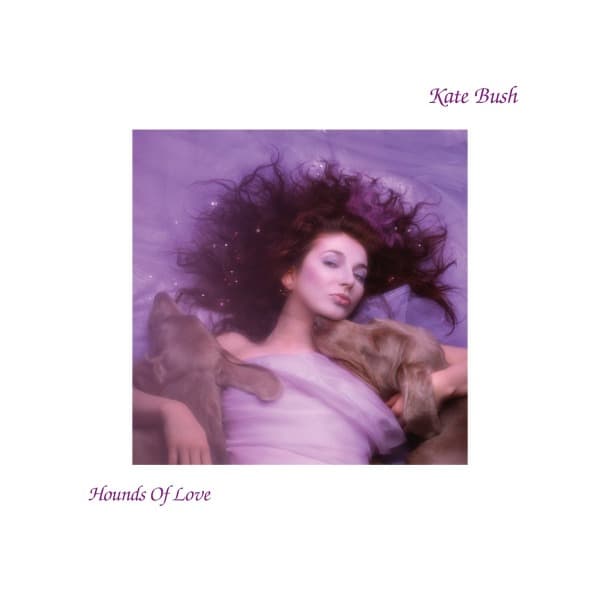
Bush built her own studio at home so nobody could interfere, then gave over an entire side to a woman drowning through one night.

The producers used sirens, squeals and feedback as rhythm instruments, which is why it sounds less like music than like an emergency.
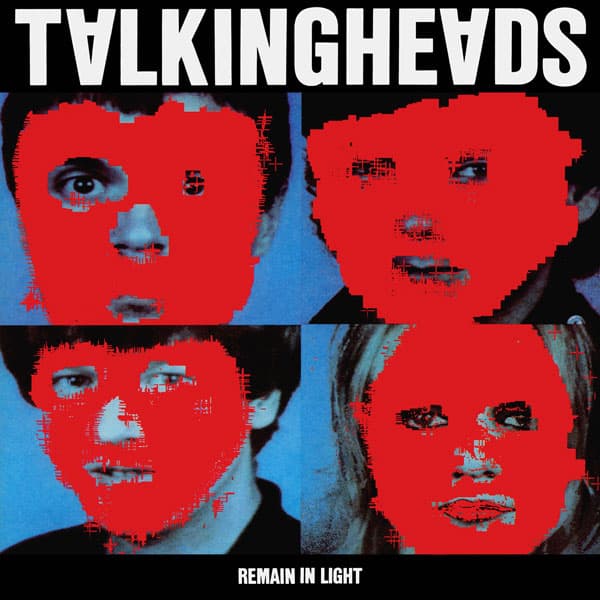
Most of it is built on a single chord that never changes, with the interest coming entirely from layers of interlocking rhythm.
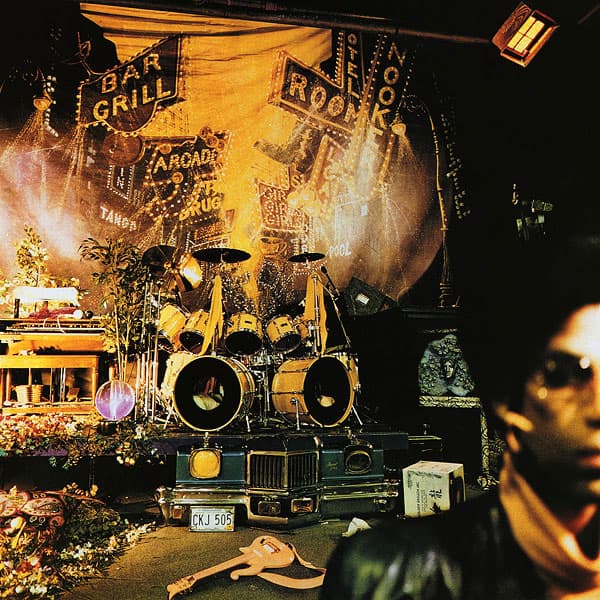
It was meant to be a triple album and the label refused. Some of it is sung by a sped-up alter ego called Camille.

It sold almost nothing for a year until MTV agreed to play Welcome to the Jungle once, at four in the morning. Then it never stopped.
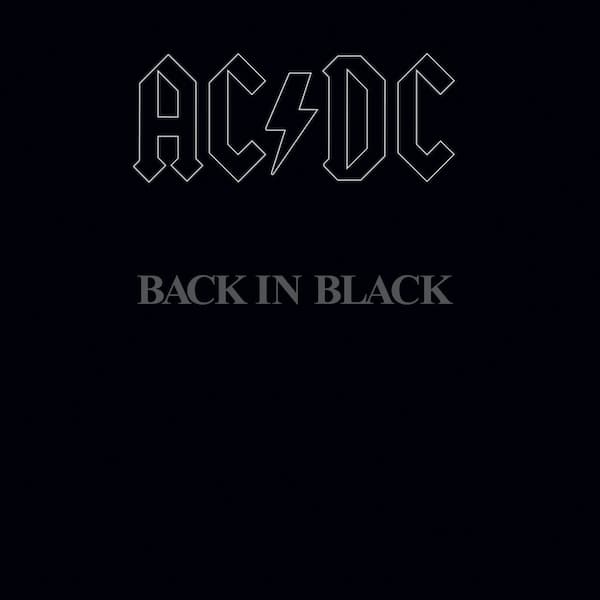
Their singer had died five months earlier. They hired Brian Johnson, put out a record in an all-black sleeve, and sold fifty million.

Reagan's campaign tried to borrow the title song, which is sung by a veteran who cannot get a job. Seven singles went top ten.

It uses well over a hundred samples, which would be unaffordable to clear today, and it sold so badly the label gave up on them.
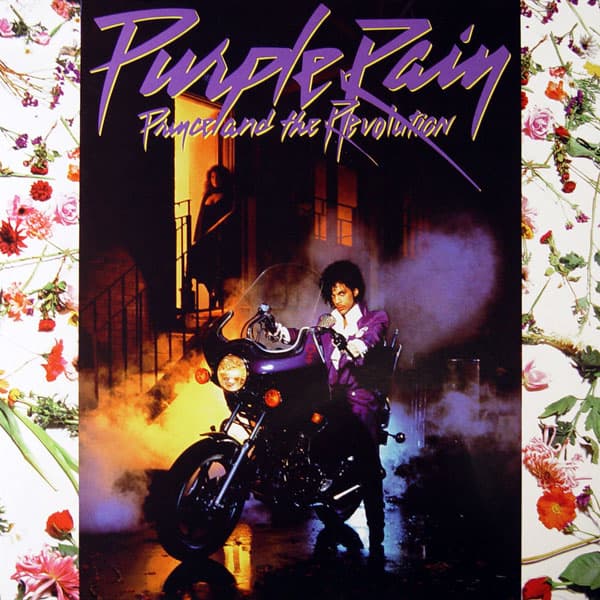
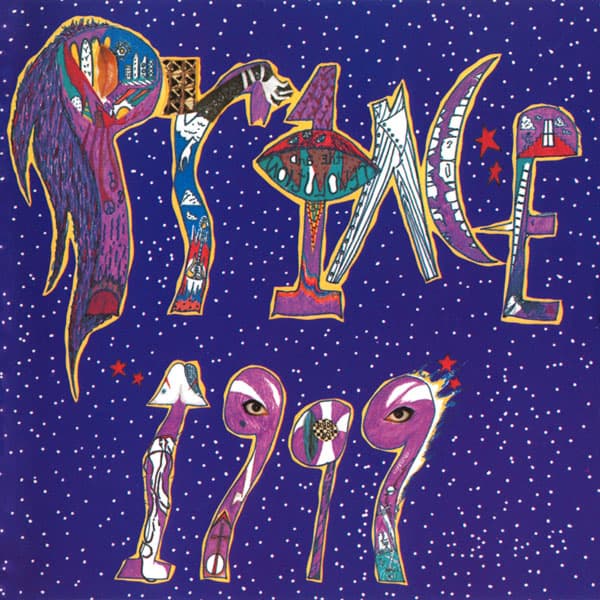
When Doves Cry has no bass on it at all, which Prince did deliberately. Several tracks were taped live at a Minneapolis club.
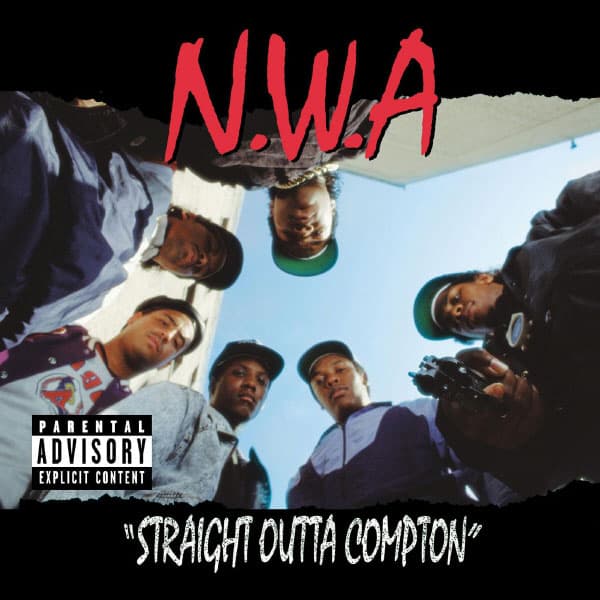
The FBI wrote to their record label objecting to one of the songs, which did more for sales than any advertising could.
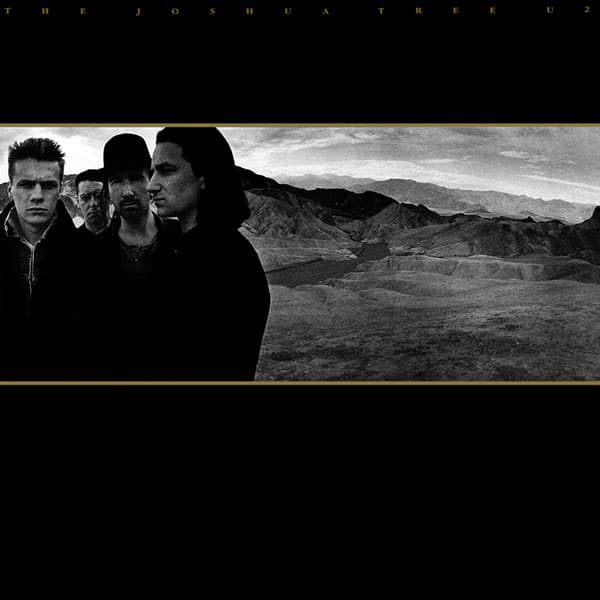
Where the Streets Have No Name took so long to record that Brian Eno considered wiping the tape to force them to start again.

The band were in a legal fight with their label while making it, and the title track opens with a clip from a 1962 British film.

They sampled so freely that the Turtles sued them, and the case helped make sample clearance the expensive business it has been ever since.
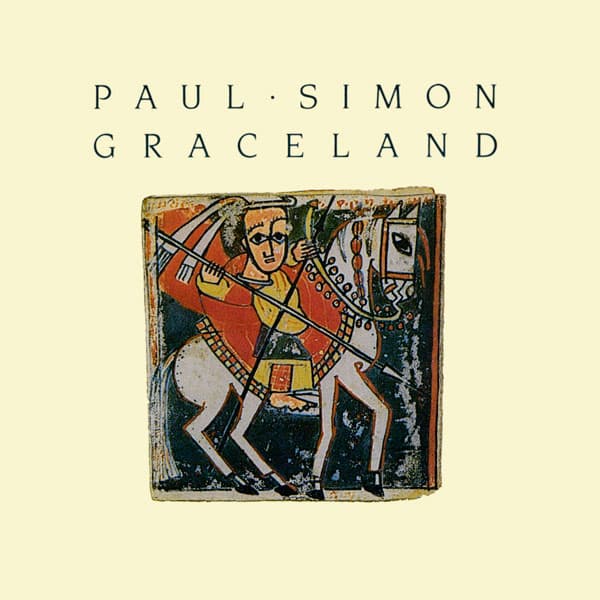
Simon recorded with South African musicians in defiance of the cultural boycott and was condemned for it. Bakithi Kumalo's fretless bass runs through everything.
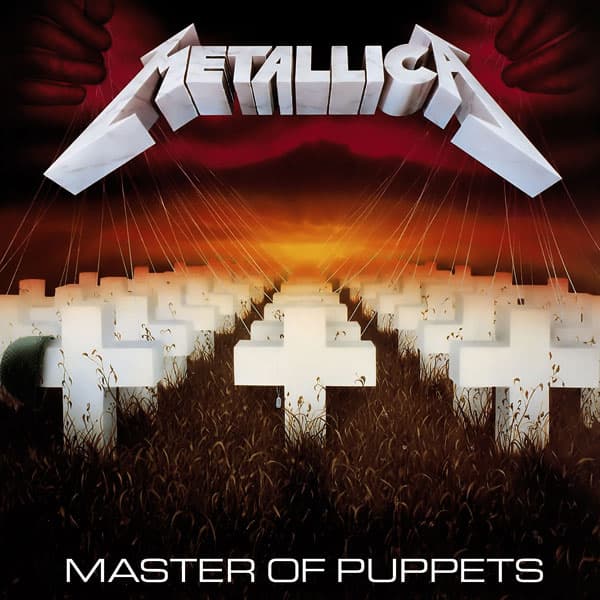
No singles and no videos, and it sold millions anyway. Bassist Cliff Burton was killed when the tour bus crashed in Sweden months later.
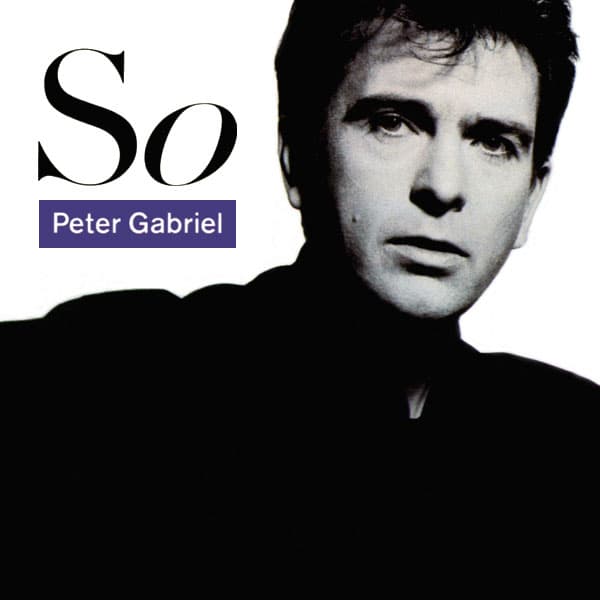
The Sledgehammer video was shot frame by frame with Gabriel lying under glass for sixteen hours. Youssou N'Dour sings the end of In Your Eyes.
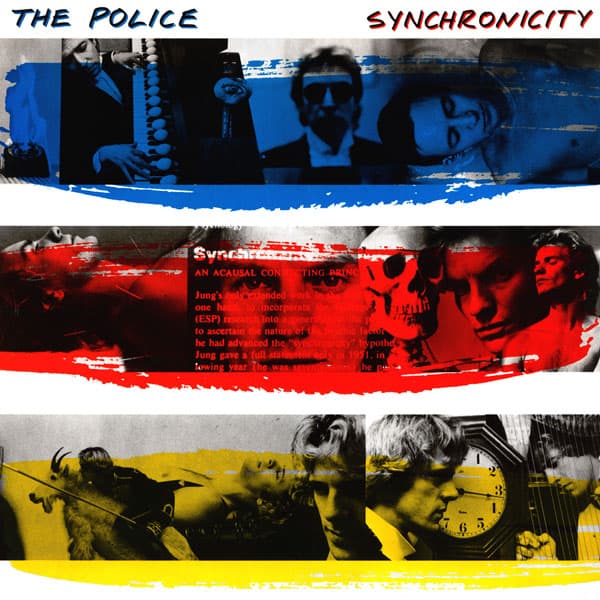
The three of them recorded in separate rooms because they could no longer stand each other, and then made the biggest album of the year.
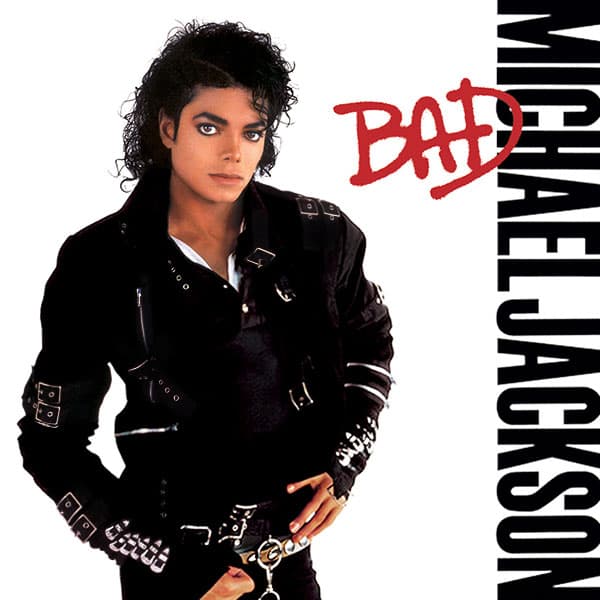
Prince was supposed to sing the title track with Jackson and turned it down. Five singles from it went to number one anyway.
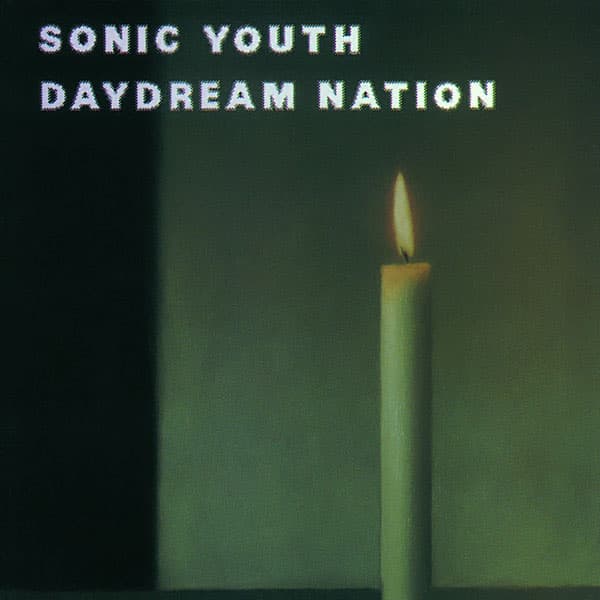
A Gerhard Richter candle painting on the sleeve, a double album made on almost no money, and the last thing before they signed to a major.
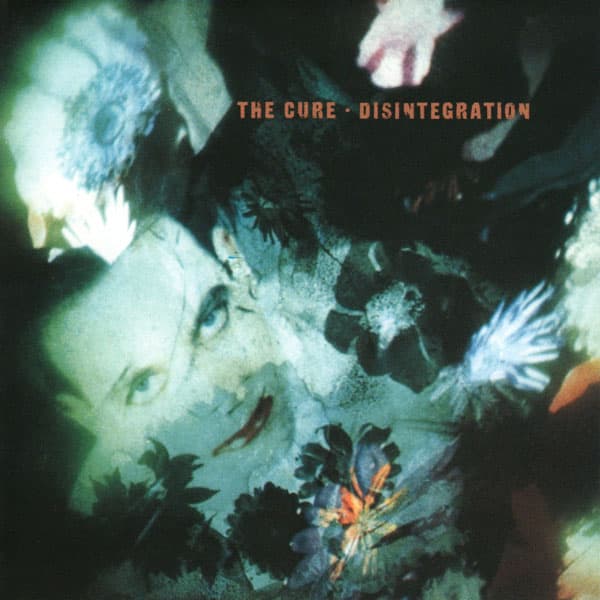
Robert Smith turned thirty, decided he was finished, and made the biggest record of the band's life about it.
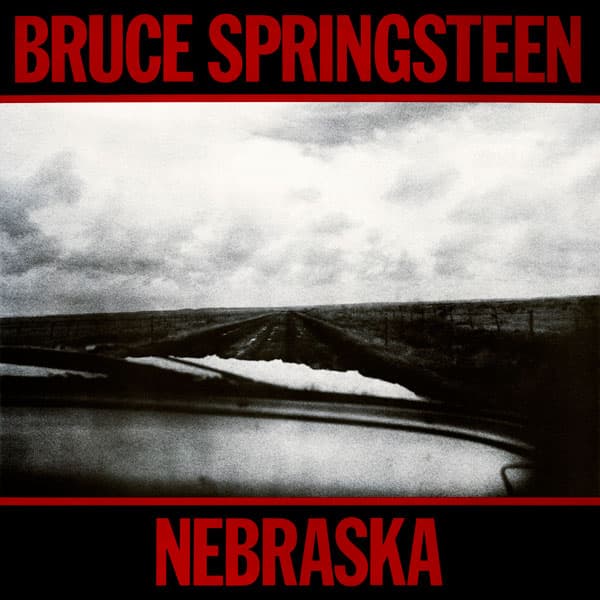
He taped it alone on a four-track in his bedroom, carried the cassette around in his pocket, and it ended up released as it was.
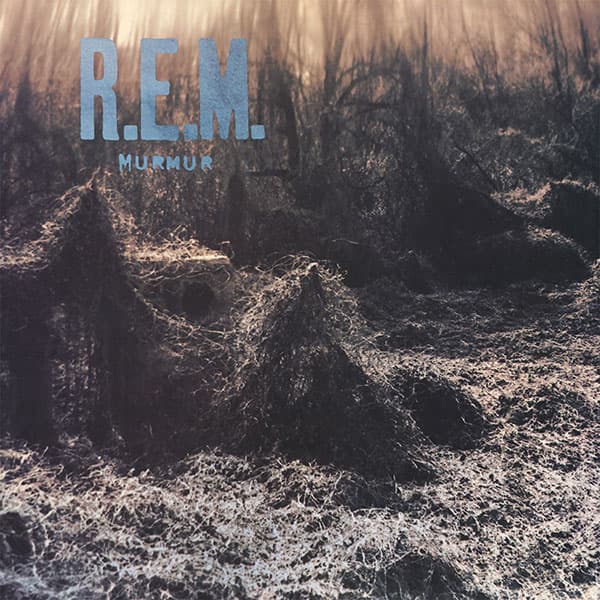
Stipe's words are deliberately buried in the mix, and nobody could work them out. Rolling Stone still named it album of the year over Thriller.
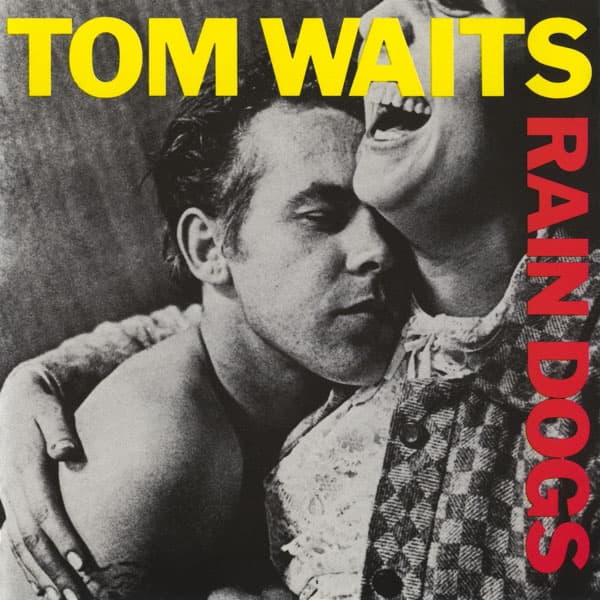
Waits had Marc Ribot play guitar as though he had never been taught, and Keith Richards turns up on three tracks.

Rakim rhymes inside his lines rather than only at the ends of them, and delivers all of it without ever raising his voice.
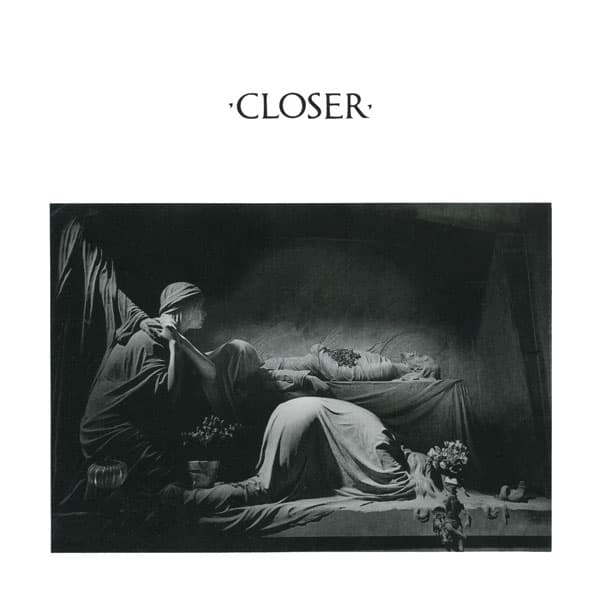
Ian Curtis killed himself two months before it came out. The sleeve, chosen beforehand, is a photograph of a tomb.

Forty-five songs, most under two minutes, and the title is a joke about obeying the speed limit. D. Boon was dead within eighteen months.
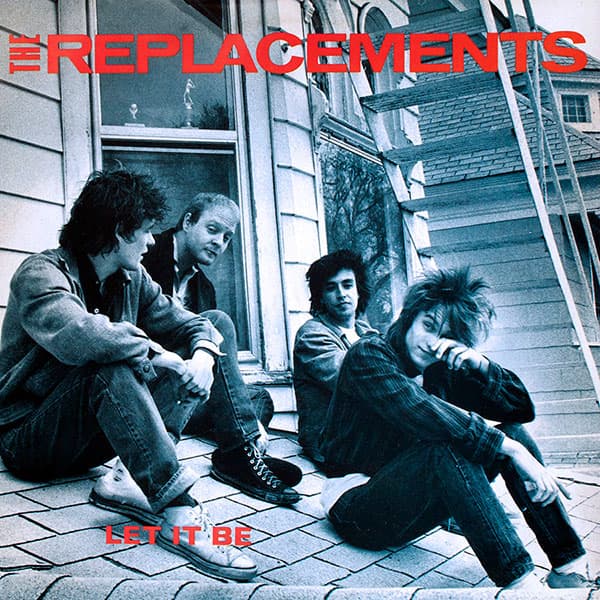
They called it Let It Be mostly to annoy people. The songs run from a joke about answering machines to Westerberg howling that he is unsatisfied.
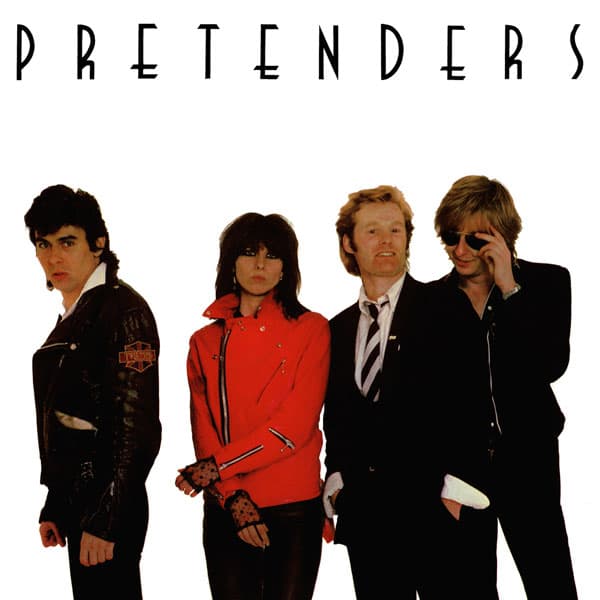
Chrissie Hynde moved from Ohio to London, worked in Malcolm McLaren's clothes shop and wrote for the NME before getting a band together.
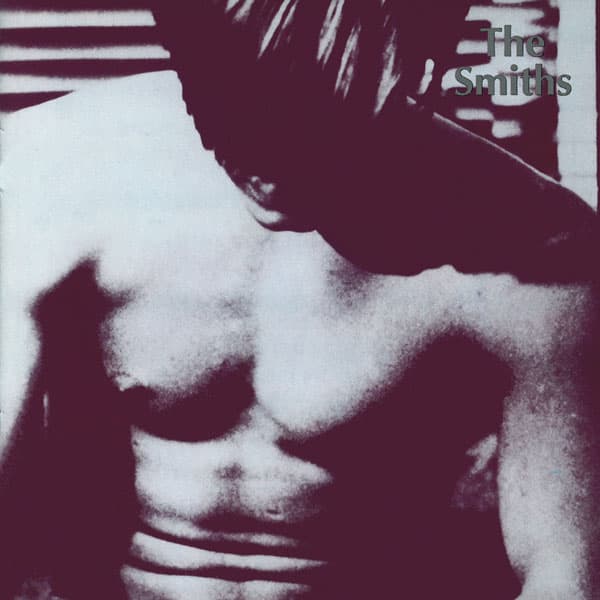
Johnny Marr knocked on Morrissey's door with a friend to propose the band. Morrissey had been writing letters to the music papers for years.
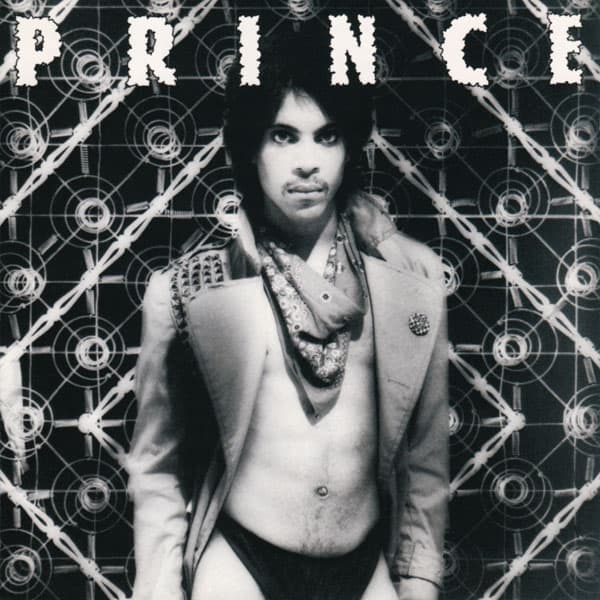
Prince made it at home as a set of demos, and Warner decided to put them out exactly as they were.
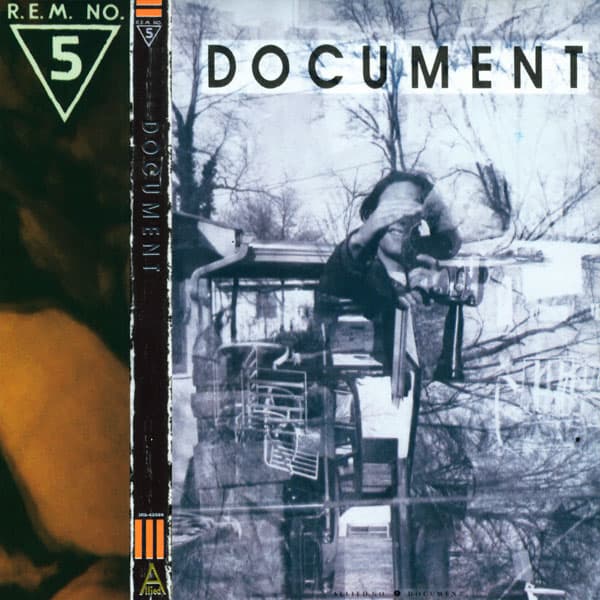
The record where the singer, Michael Stipe, finally sang loudly enough to be understood, though the words still come far too fast to catch.
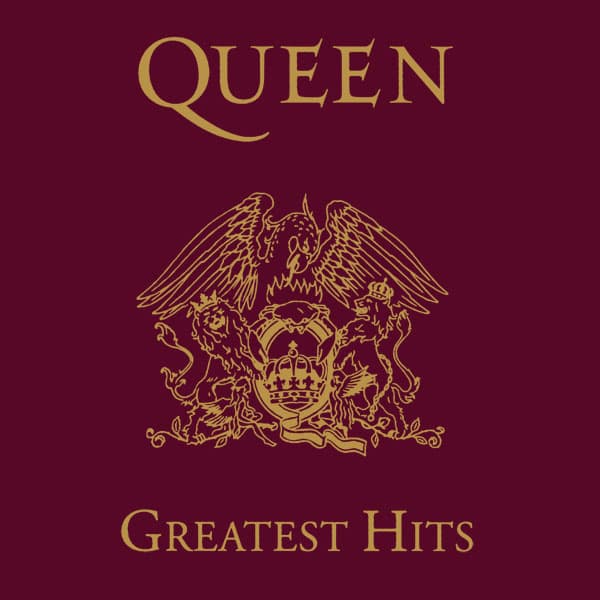
The best-selling album in British history, with roughly one copy sold for every three households in the country. Almost every track was a single.

Put together three years after Marley died, and it has essentially never left the American catalogue charts in the forty years since.
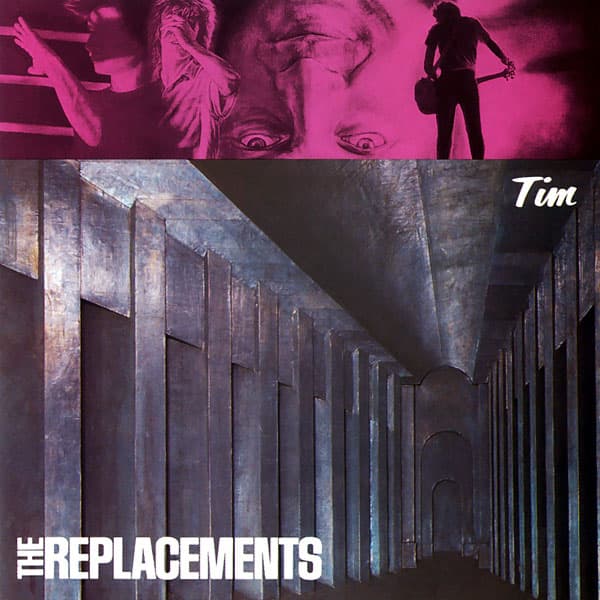
Tommy Ramone produced it, and the band got themselves banned from Saturday Night Live after one drunken appearance a few months later.
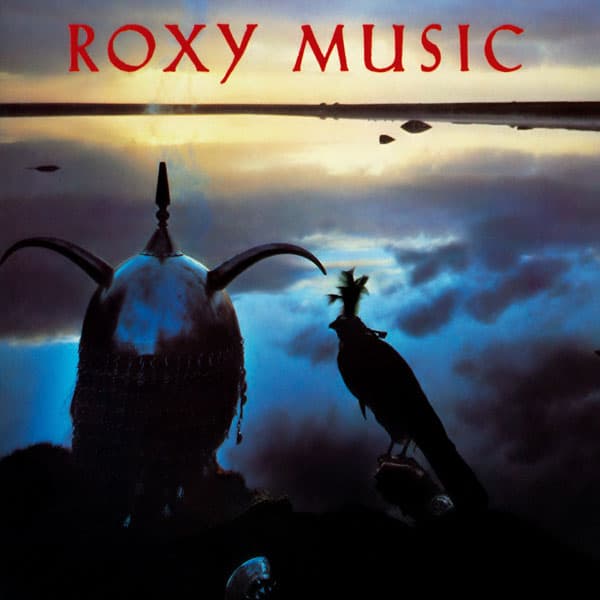
Roxy Music's last record, made partly in the Bahamas and finished so smoothly it barely sounds played. Bryan Ferry never made another with the band.
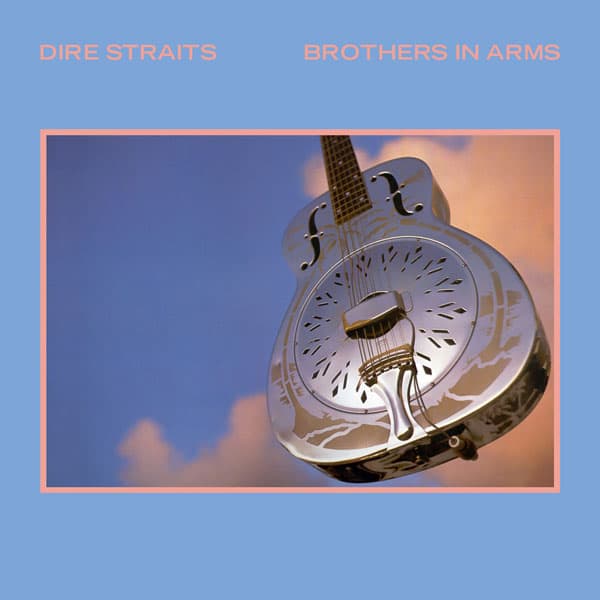
The first album to sell a million copies on compact disc, and one of the first recorded digitally start to finish.
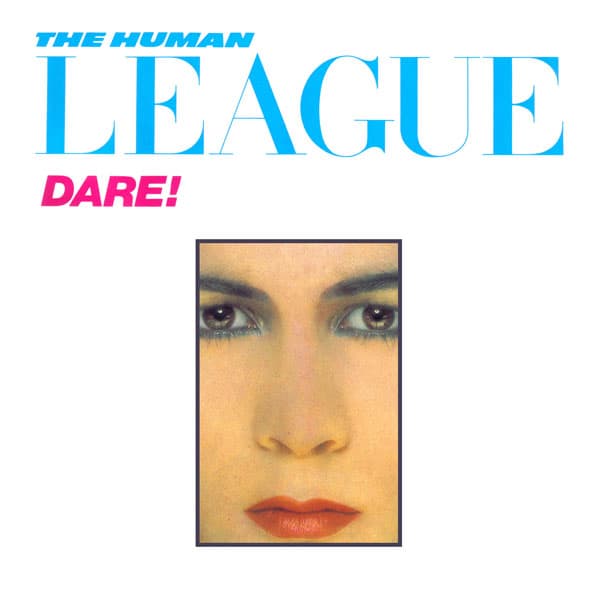
Singer Phil Oakey found two of his backing vocalists dancing in a Sheffield nightclub and put them on stage within weeks. Neither had sung professionally.
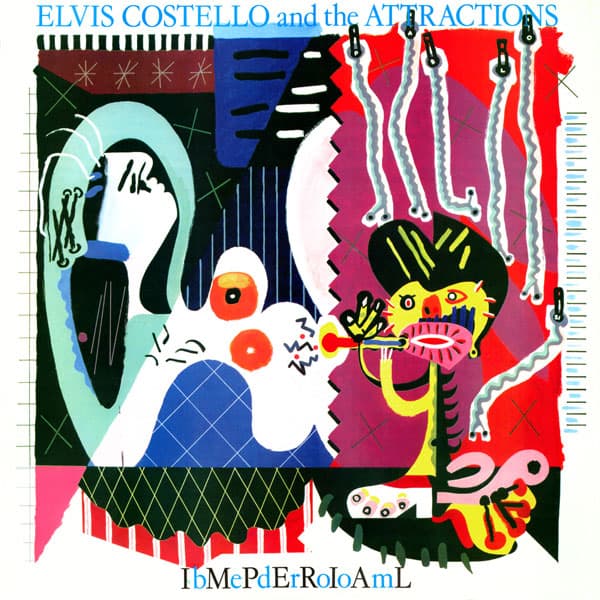
Geoff Emerick, who had engineered Sgt. Pepper, produced it, and the lyrics were printed on the sleeve as one unbroken block of text.