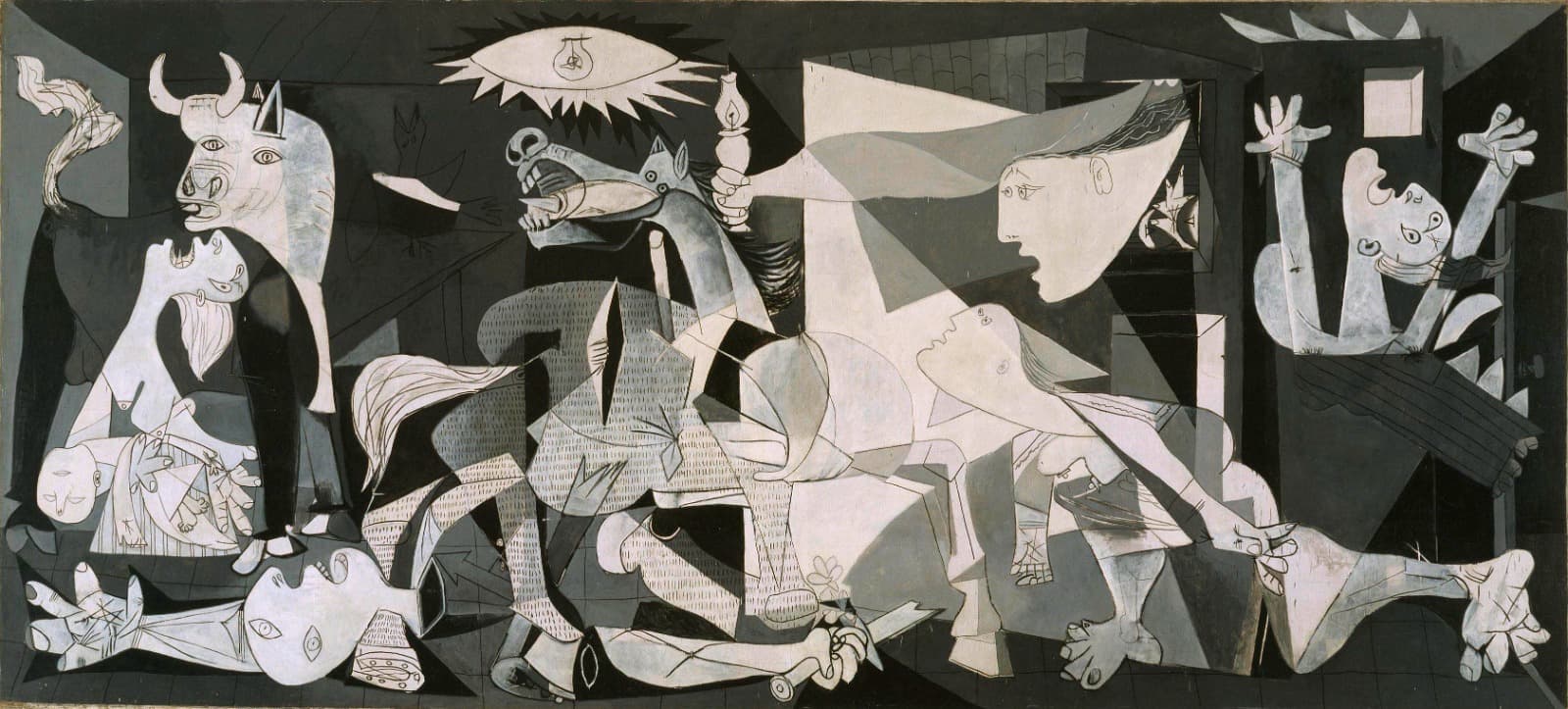
Guernica
1937 · Museo Reina Sofia, Madrid
A screaming horse, a mother with her dead child, all in grey. Picasso painted it in weeks after German bombers leveled a Basque town.
★ 9.9
 skopia
A screaming horse, a mother with her dead child, all in grey. Picasso painted it in weeks after German bombers leveled a Basque town.

Dalí said the soft watches came to him from a camembert melting in the sun, and he painted them with hallucinatory precision.
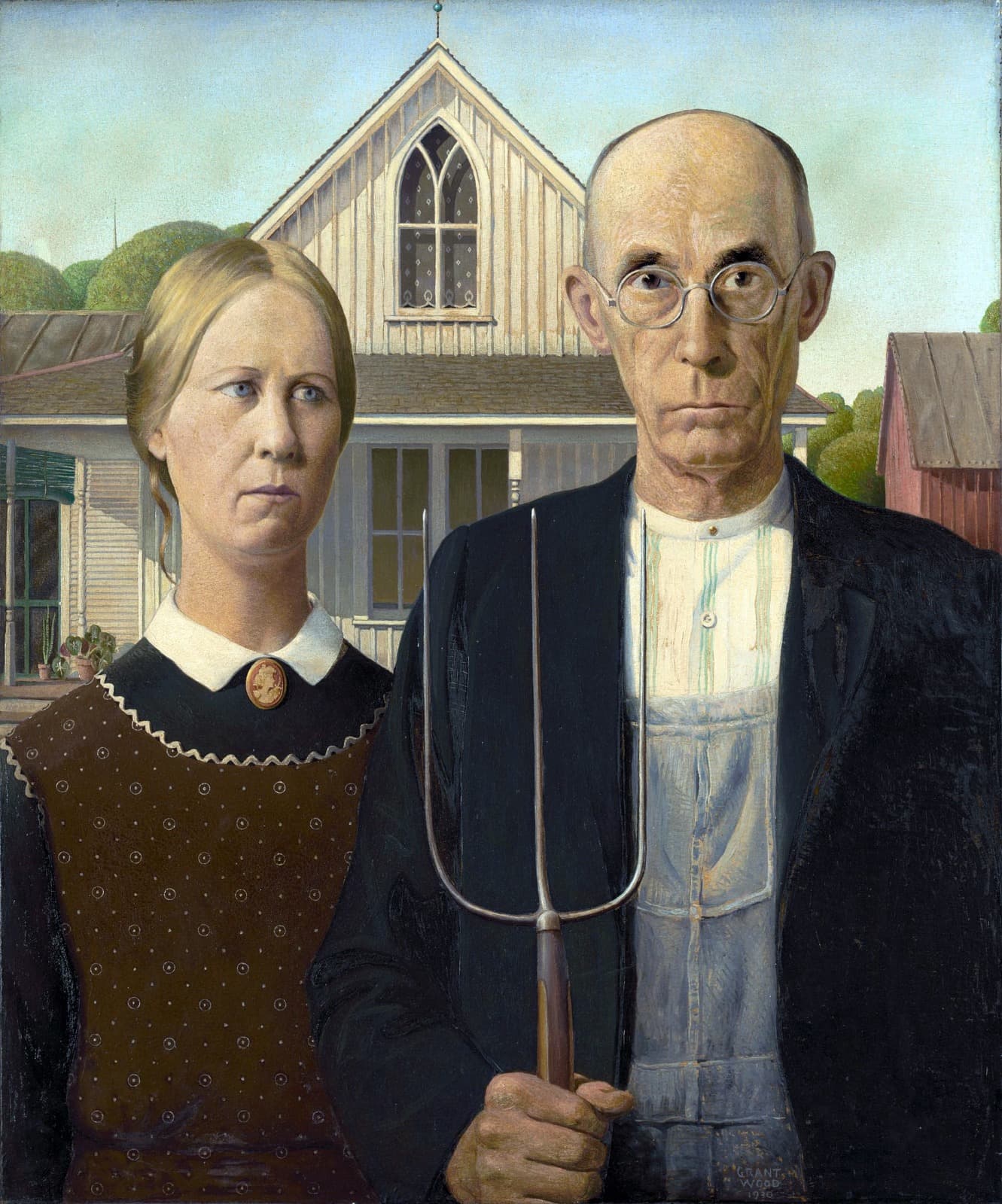
Wood posed his sister and his dentist in front of a farmhouse window, and people have argued ever since whether he meant tribute or mockery.
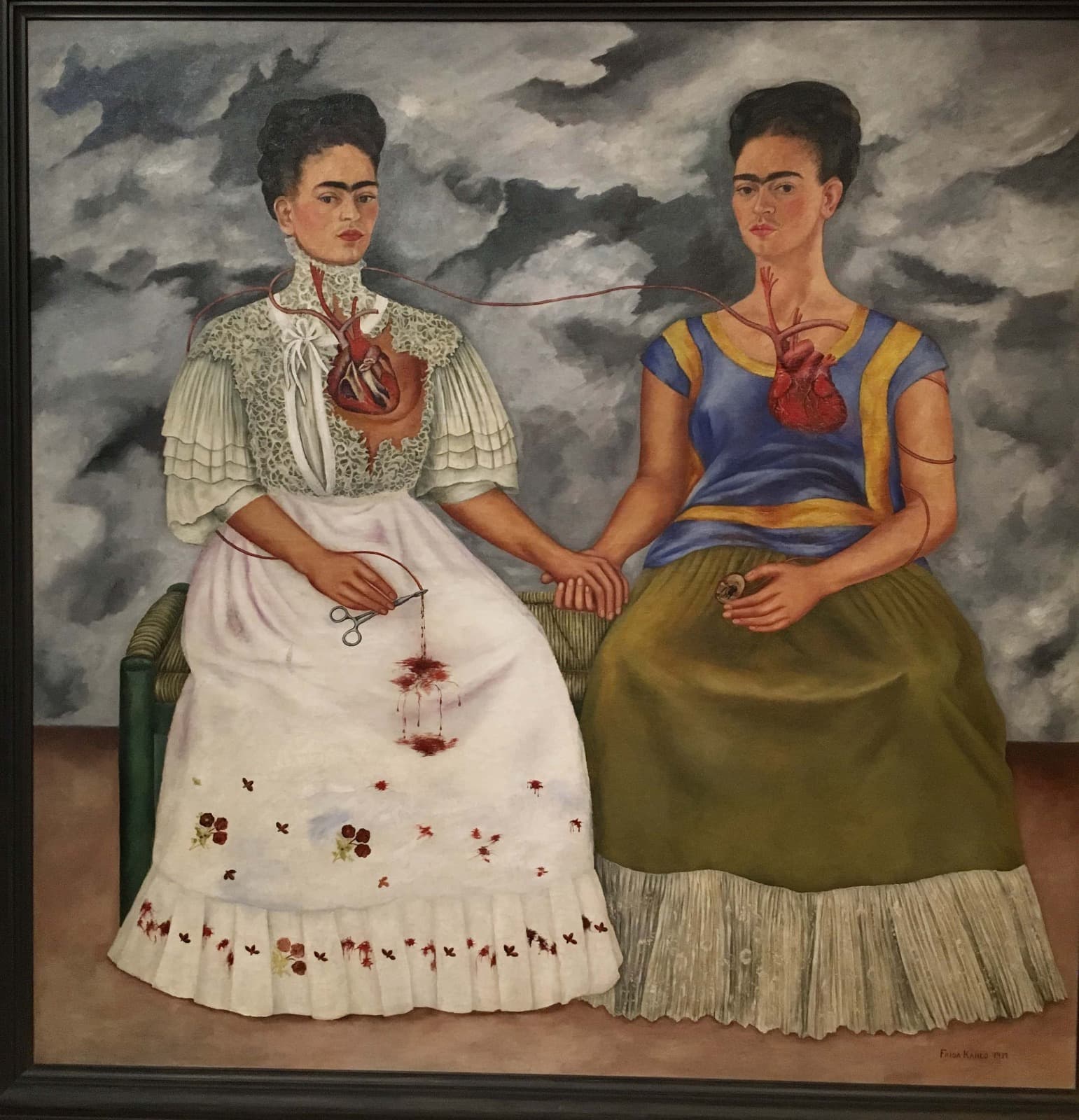
Two versions of herself hold hands with one artery running between them, clamped shut. She painted it as her marriage to Rivera fell apart.
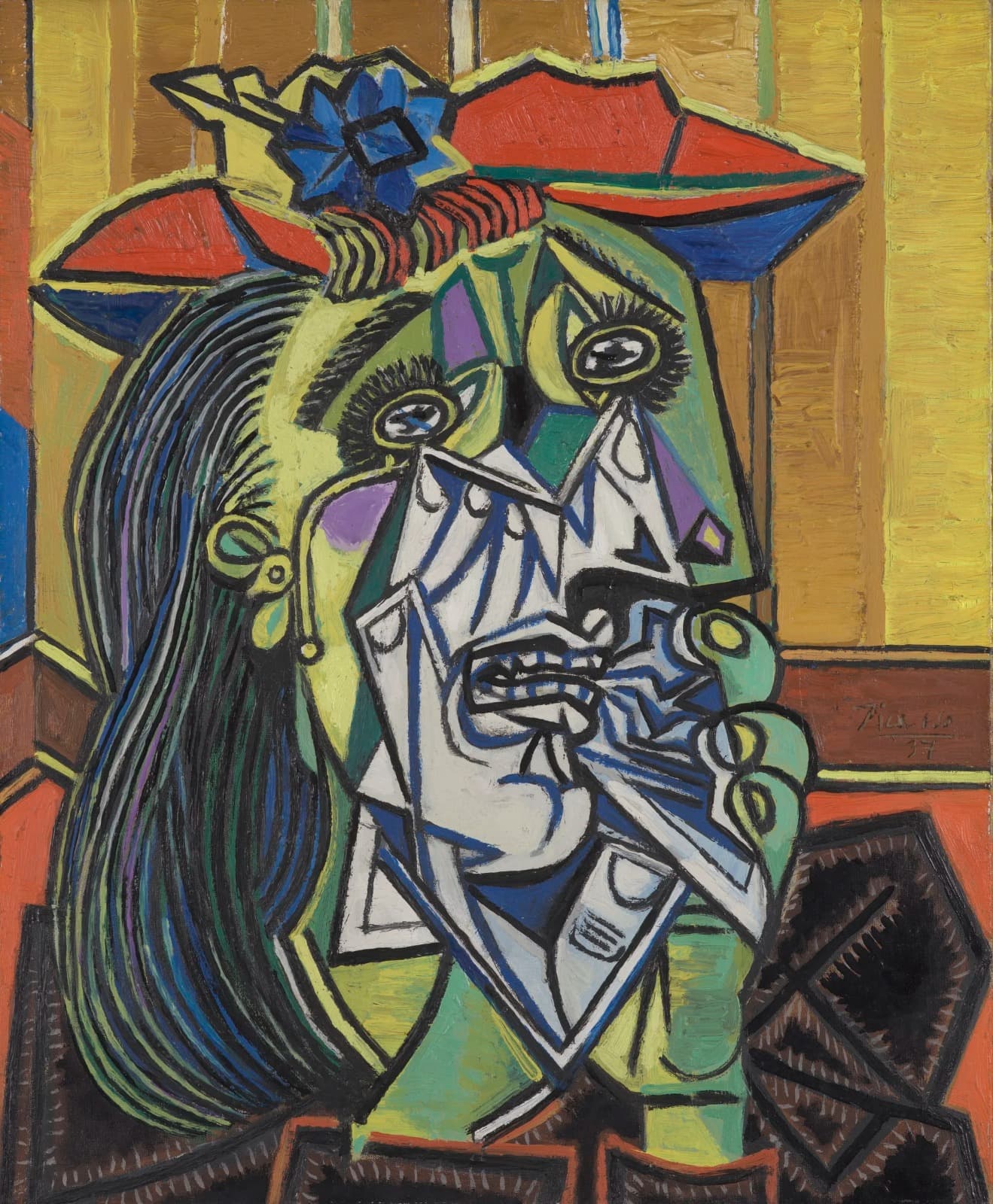
Picasso pulled her out of the screaming mother in Guernica and gave her the face of Dora Maar, his lover and a photographer.

O'Keeffe collected sun-bleached bones off the desert and hung this one in the sky over the hills, with a single white hollyhock beside it.
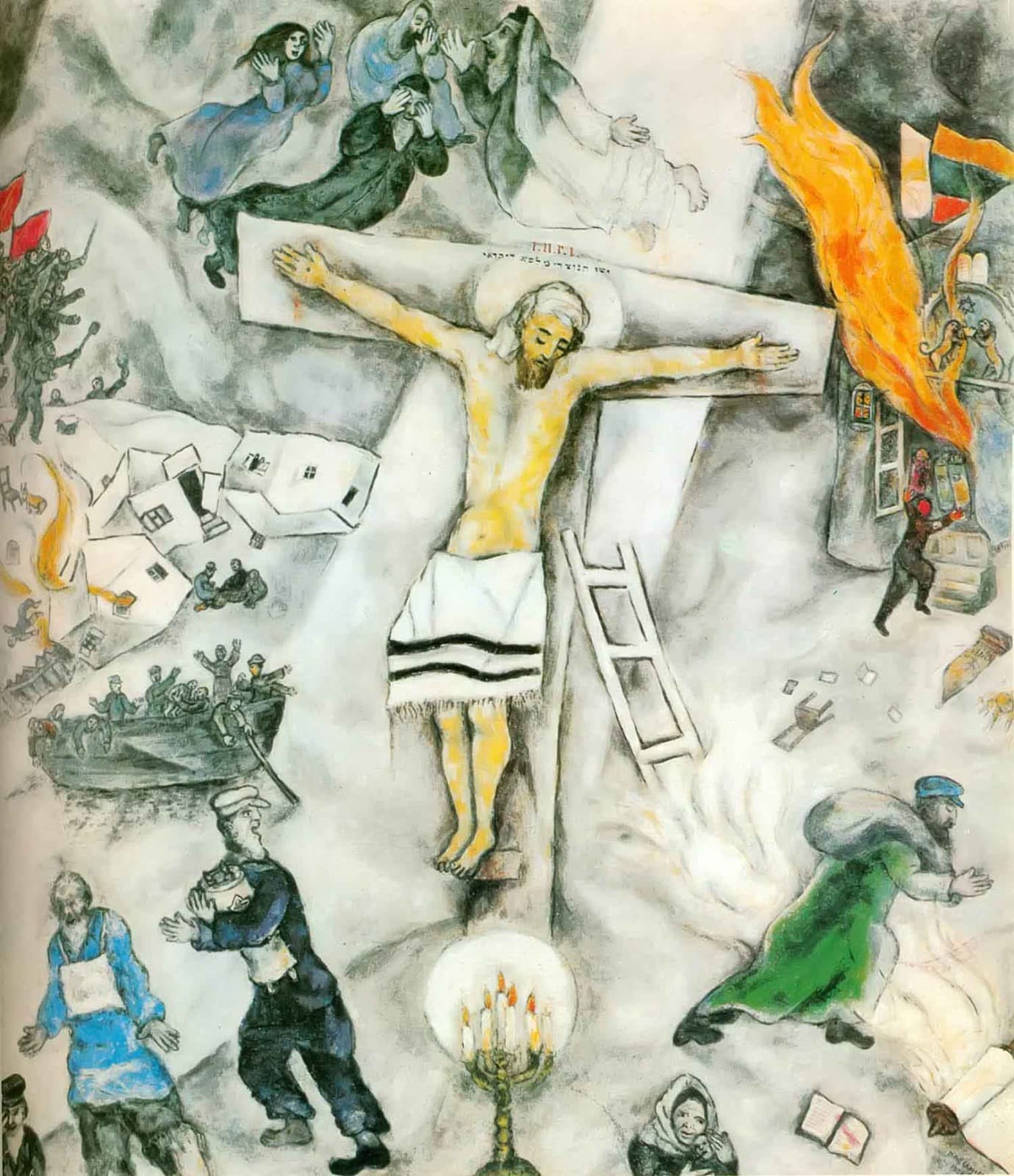
Christ wears a Jewish prayer shawl while a synagogue burns and refugees flee by boat. Chagall painted it in 1938, watching what was coming.
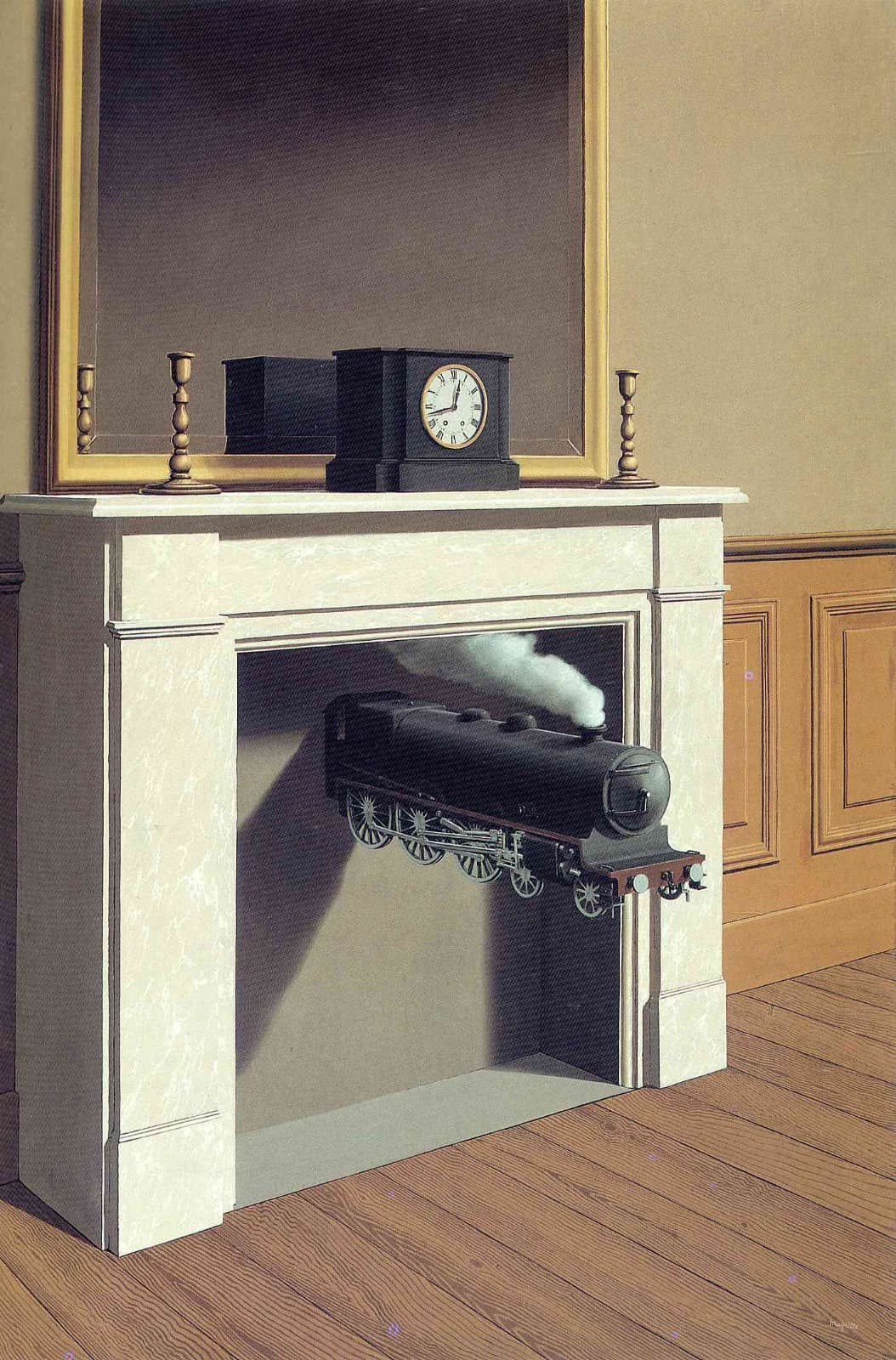
A small steam locomotive comes out of a fireplace under the mantel clock, and the room around it is otherwise entirely ordinary.
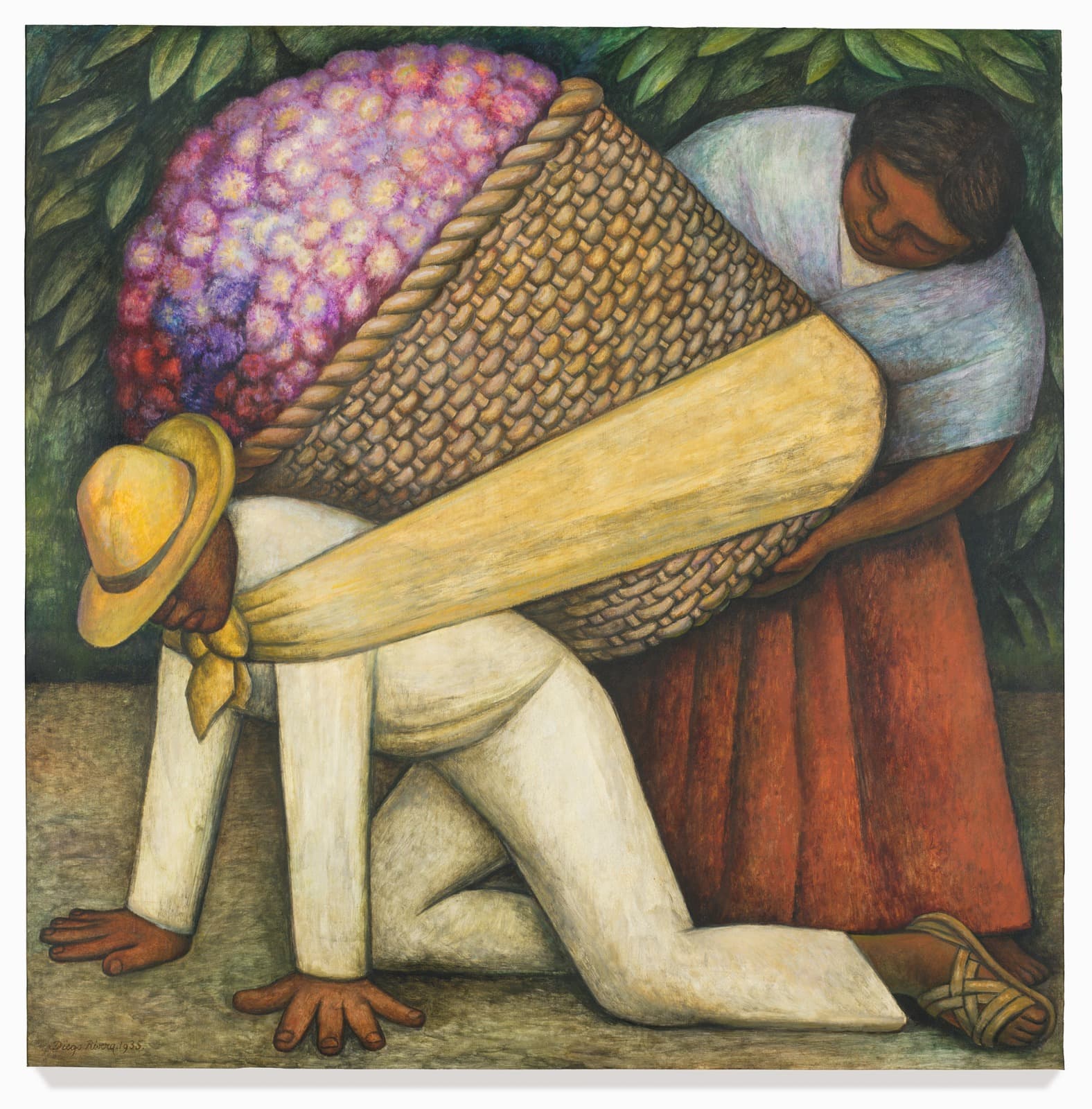
An enormous basket of flowers forces the man down onto his hands and knees, and a woman steadies the load from behind.

Marie-Thérèse asleep beside a sculpture of her own head and a philodendron, from the year Picasso could seemingly do nothing wrong.
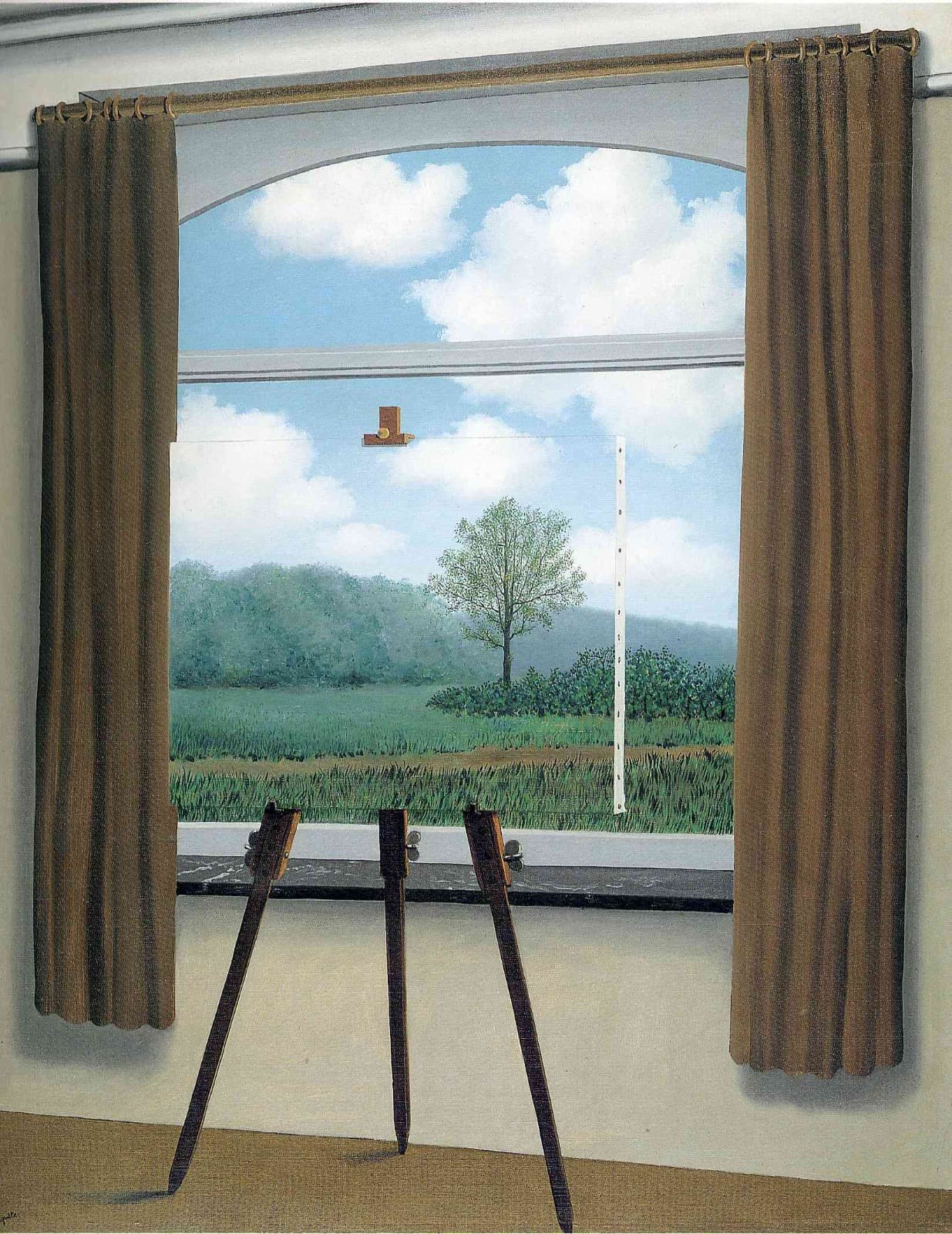
A canvas on an easel shows exactly the landscape it is standing in front of, and therefore hides it completely.

He reads the paper, she touches one key of the piano, and we are watching from the street through their window.

Marie-Thérèse asleep in a red armchair, her face split into curves. Picasso is said to have done it in a single afternoon.

The kneeling figure on the left is the same shape as the stone hand on the right, holding an egg with a flower coming out.
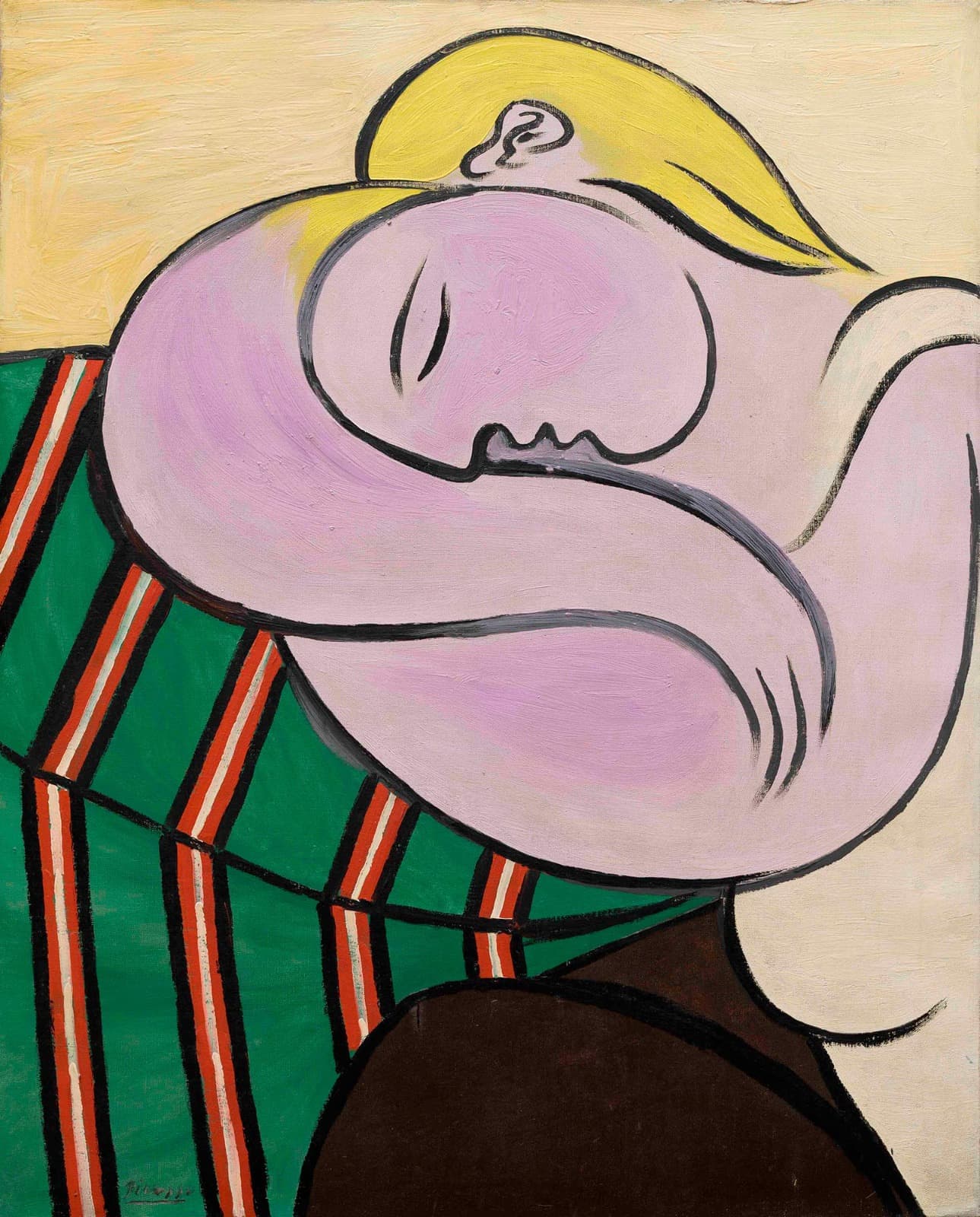
Marie-Thérèse asleep with her head on her arms, the angular violence of Cubism gone soft and curved for a few years.
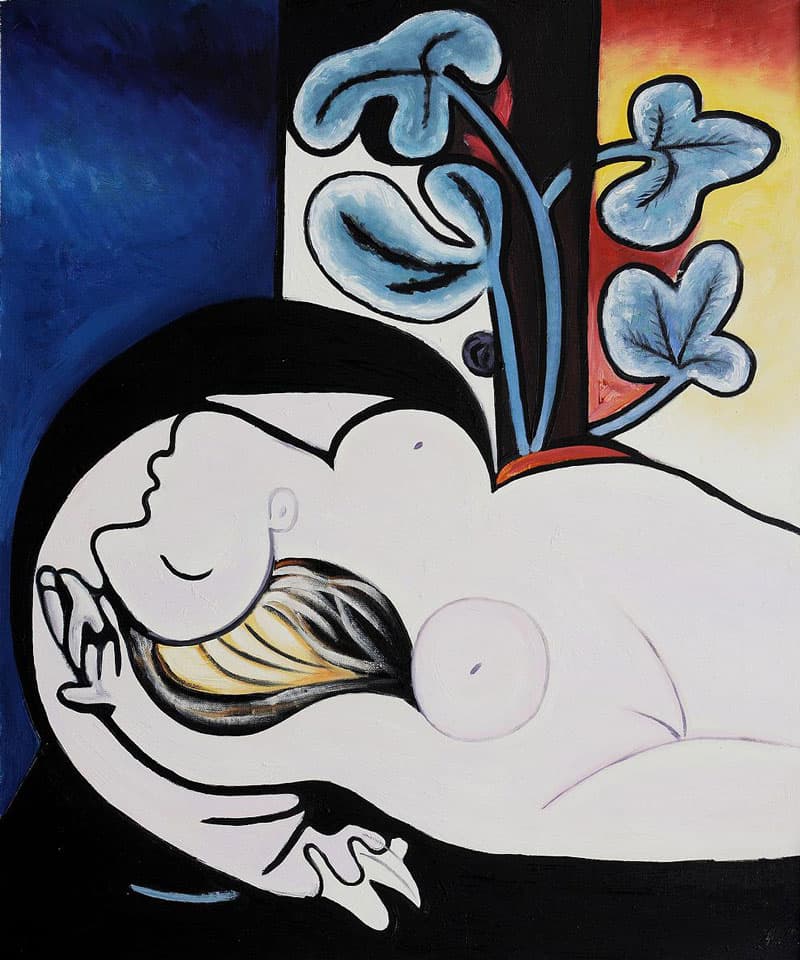
The dark chair throws the body forward, all lilac and rose curves, a plant arching over the sleeper from behind.

Three swans on a lake, and in the reflection the necks have become trunks and the trees have become legs.

A cannon points across a room whose walls are panelled with samples of the world: sky, wood grain, fire, bells, a woman's torso.
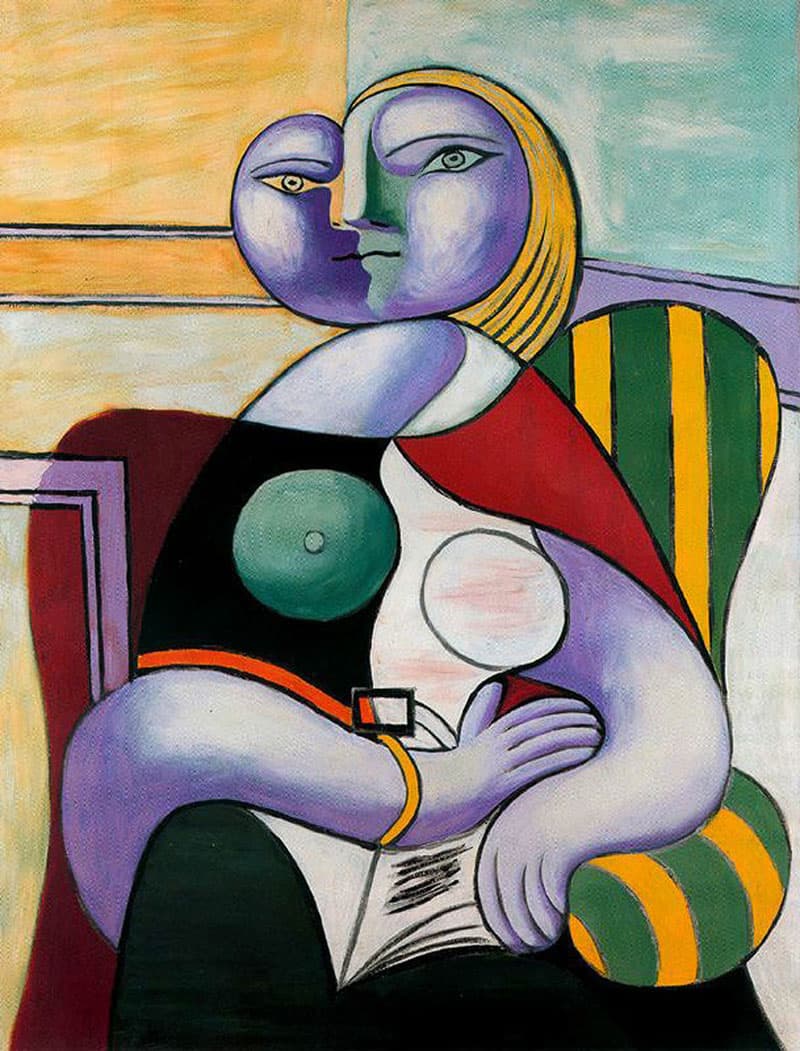
Marie-Thérèse has fallen asleep over her book with her head on her arms, from the year Picasso painted her over and over.

Red New Mexico hills roll across the canvas with a few flowers brought right up close, the vast and the fragile in one frame.
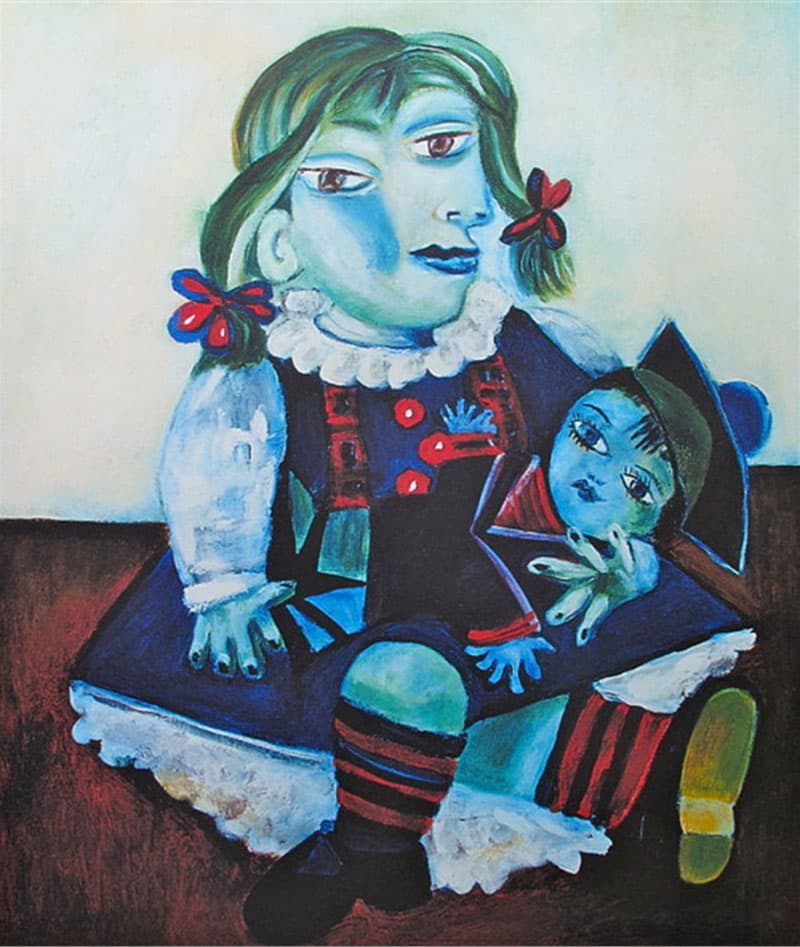
His daughter Maya holding her doll, her face split front and profile at once, the Cubist trick turned warm for once.
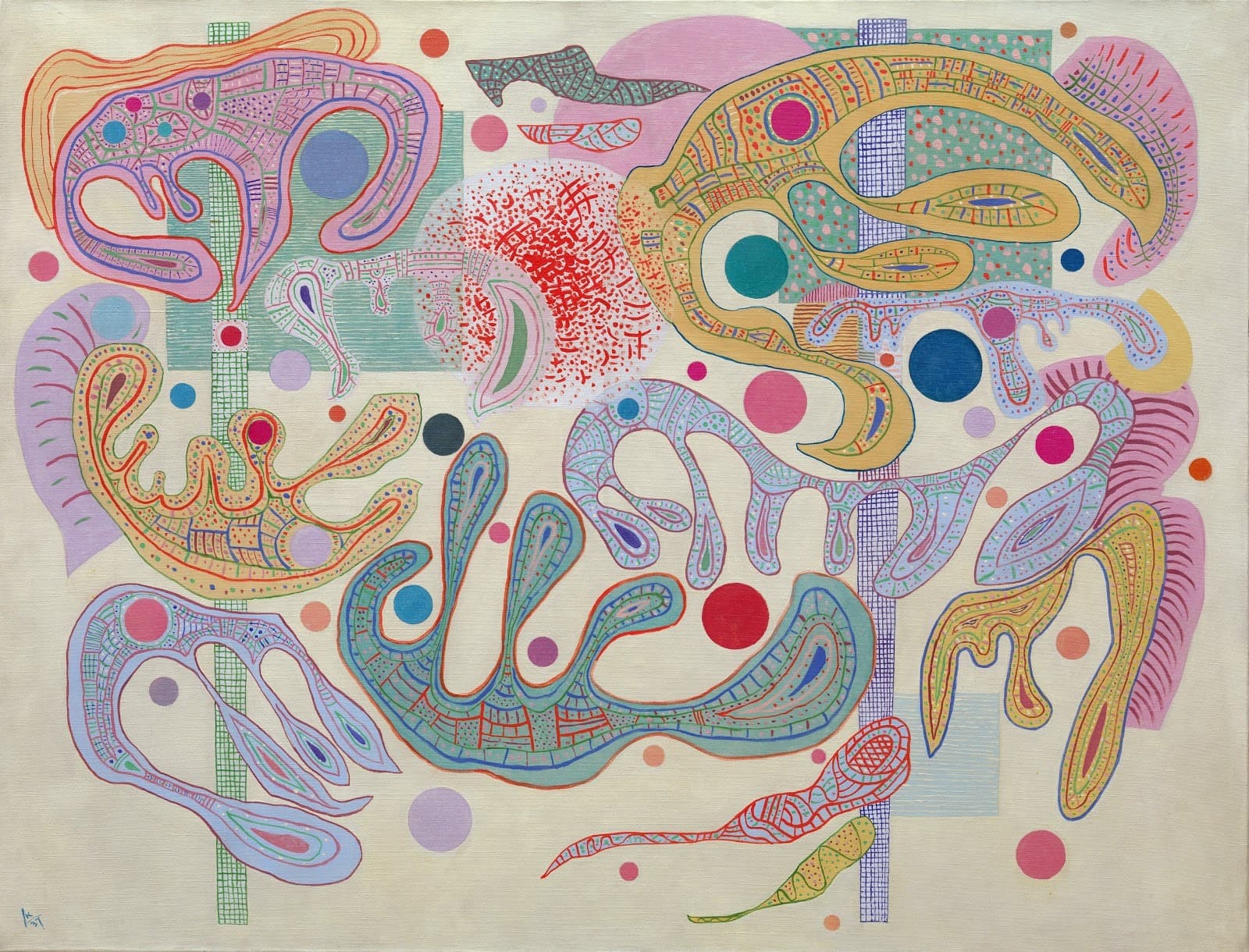
The Bauhaus grids and circles have given way to floating amoebas. Kandinsky in Paris at the end, inventing a biology instead.