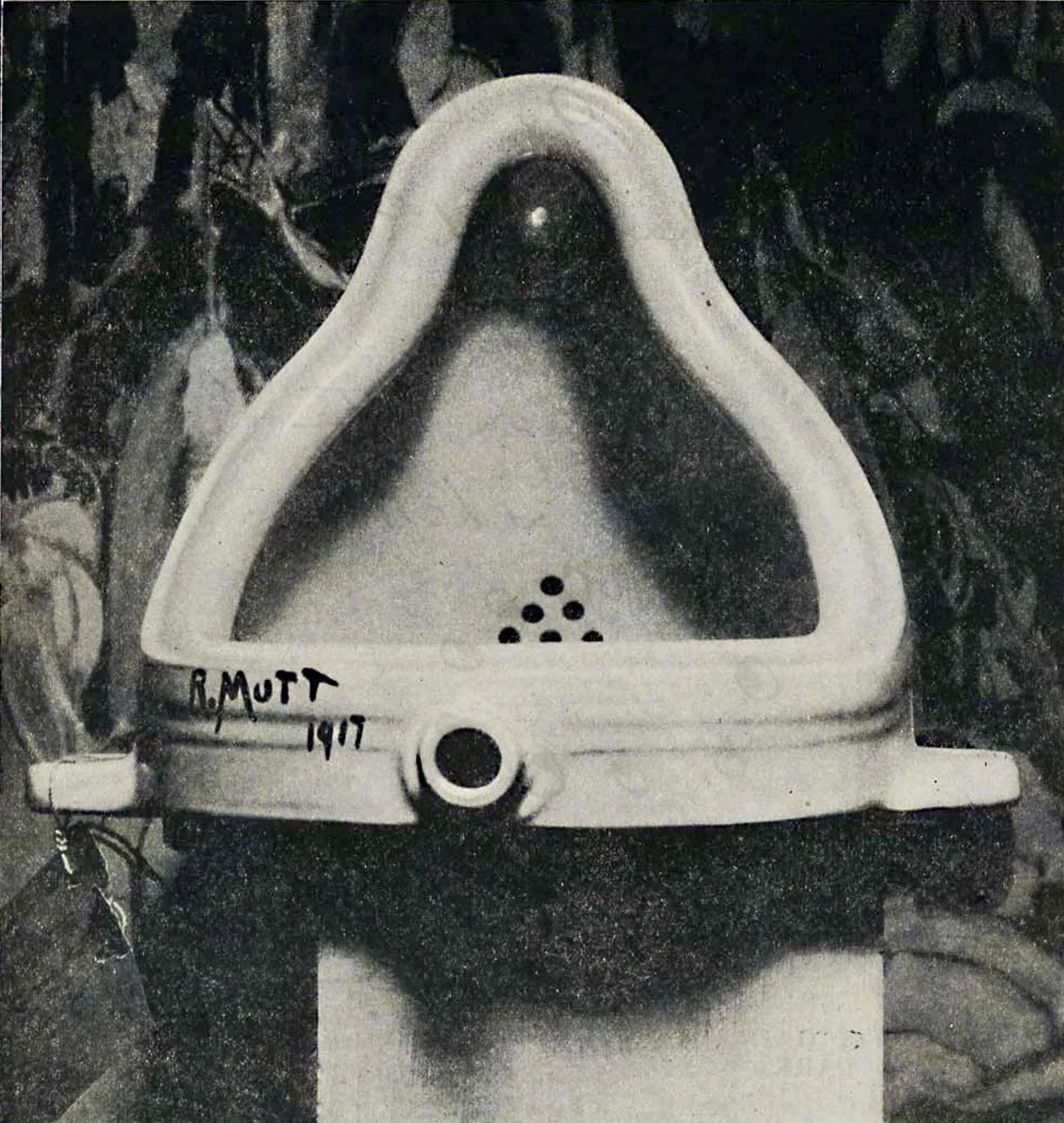
Fountain
1917
Duchamp submitted a porcelain urinal signed R. Mutt to an exhibition he was helping to judge, and the committee rejected it.
★ 9.5
 skopia
Duchamp submitted a porcelain urinal signed R. Mutt to an exhibition he was helping to judge, and the committee rejected it.

Noise from the 1913 premiere audience drowned out the orchestra, so Nijinsky stood in the wings shouting the counts at his dancers.
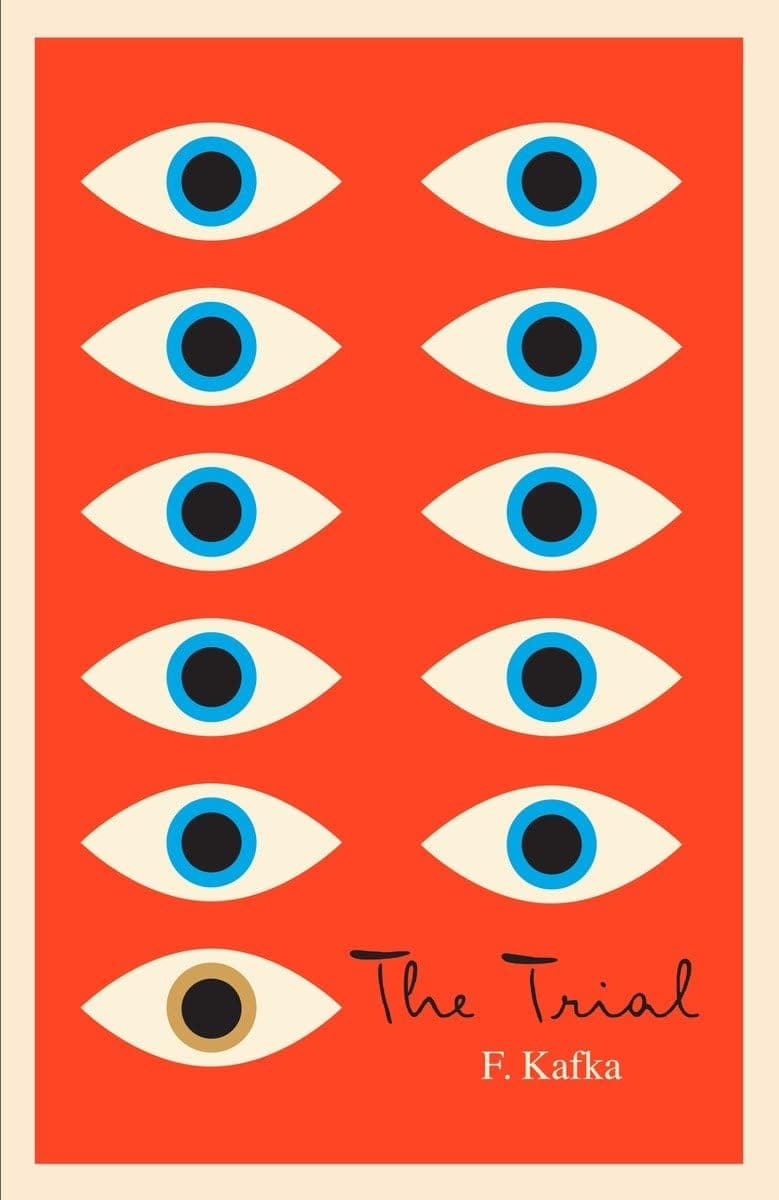
Josef K. is arrested one morning, never told the charge, and ruined by his own efforts to clear himself. Kafka made faceless authority funny, and gave the century its word for dread.
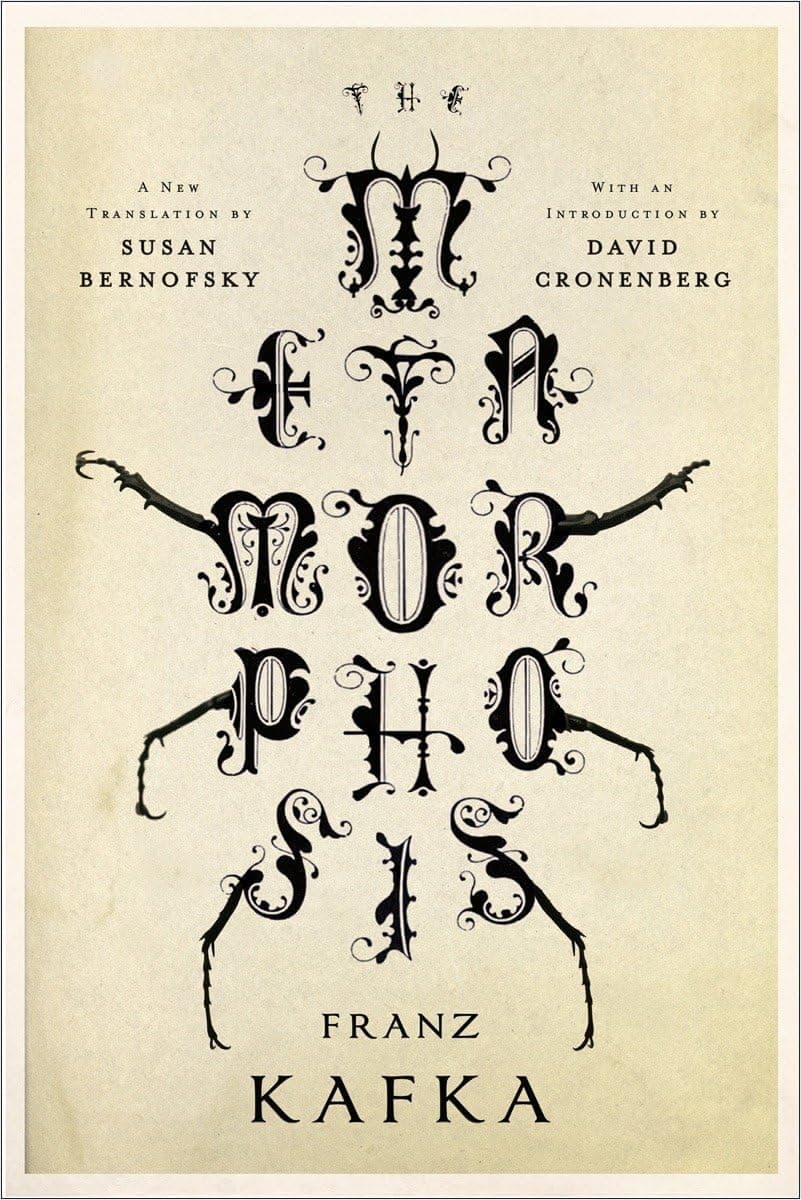
Gregor Samsa wakes as an enormous insect and worries first about missing his train. The horror turns domestic fast, and his family decides the son who supported them is now a burden.
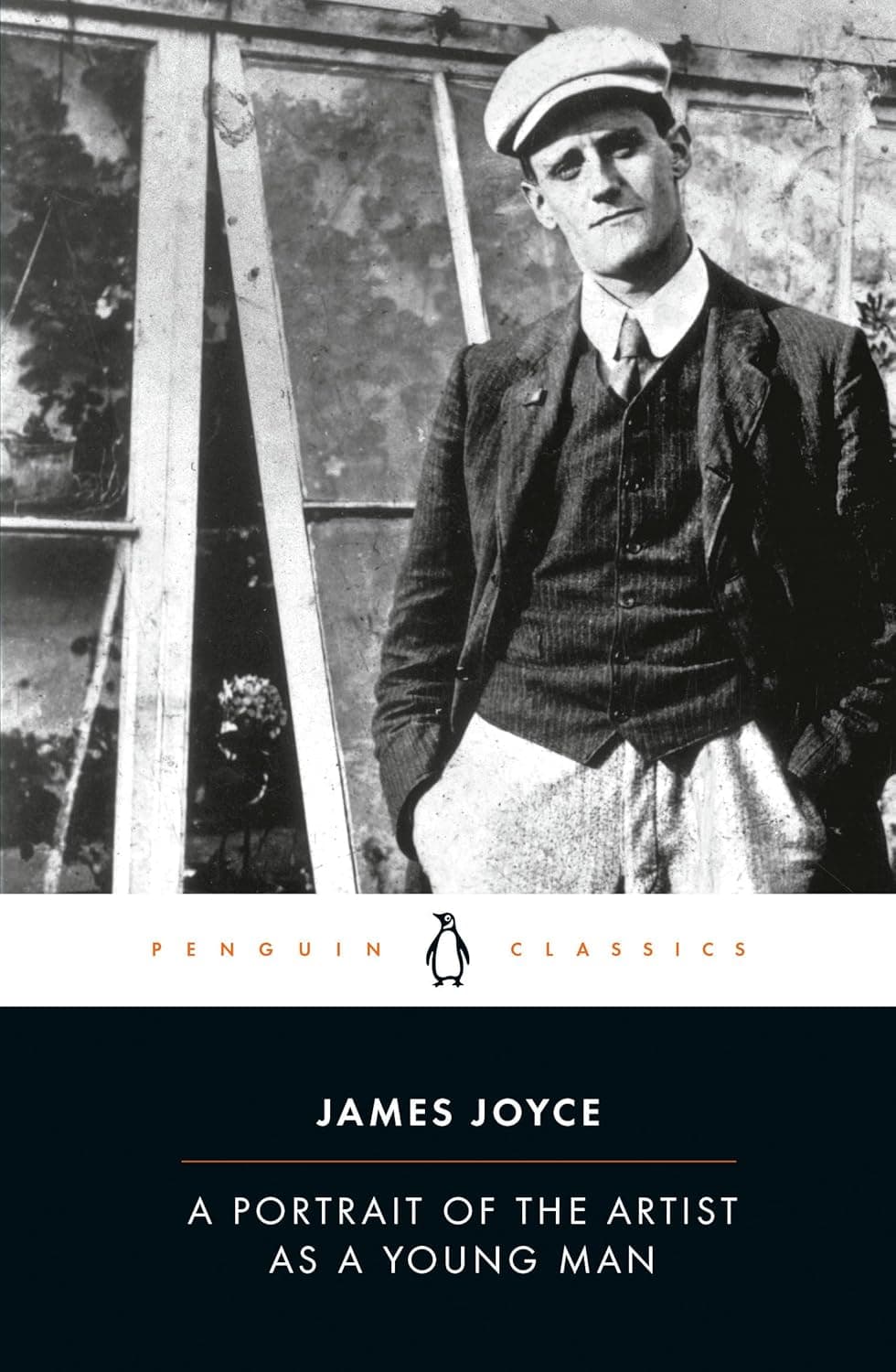
Stephen Dedalus grows from a small boy into a young man set on leaving Ireland to make art. The prose matures sentence by sentence with him, from baby talk to fierce argument.
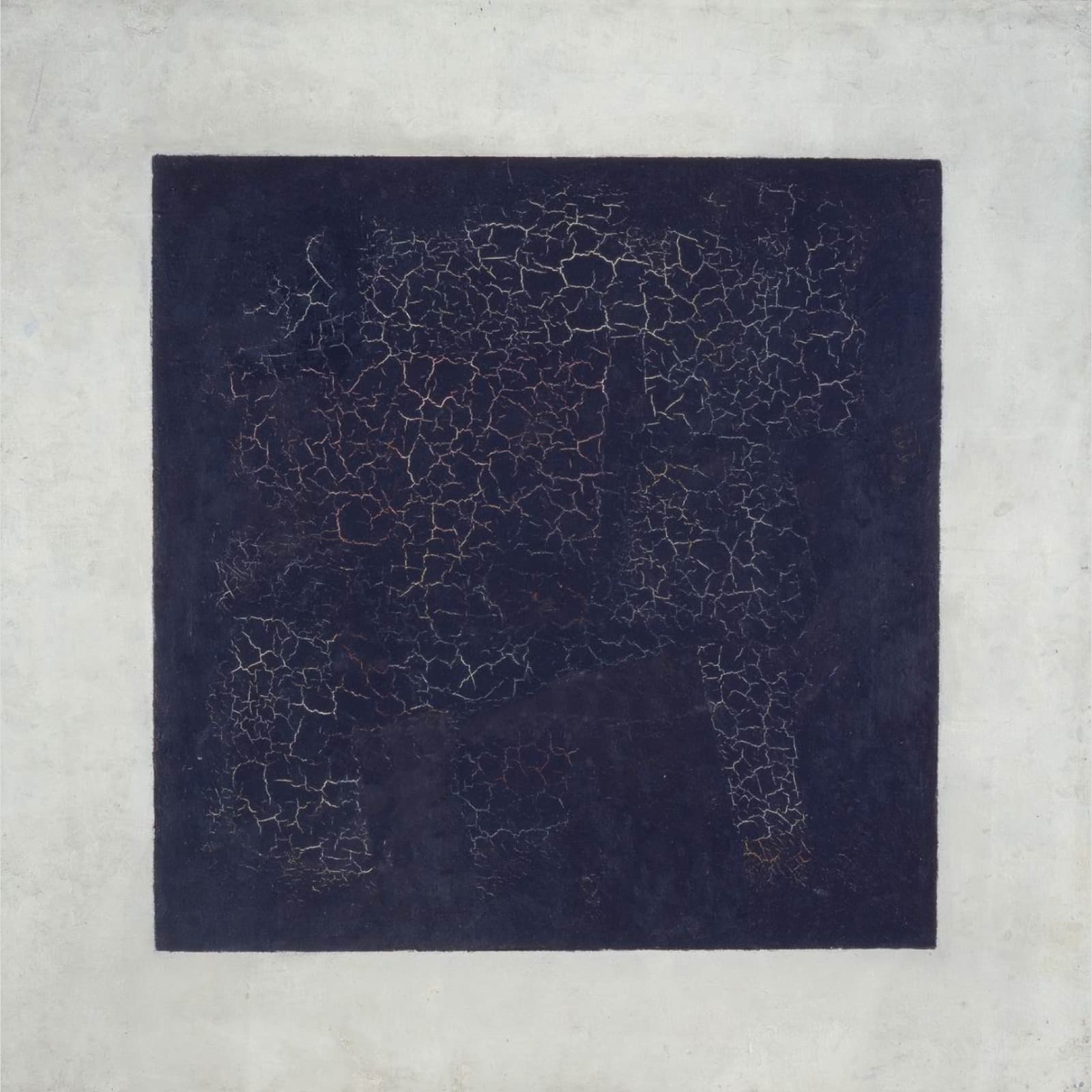
Malevich hung it high in the corner where a Russian house keeps its icons, and called it the zero of form.
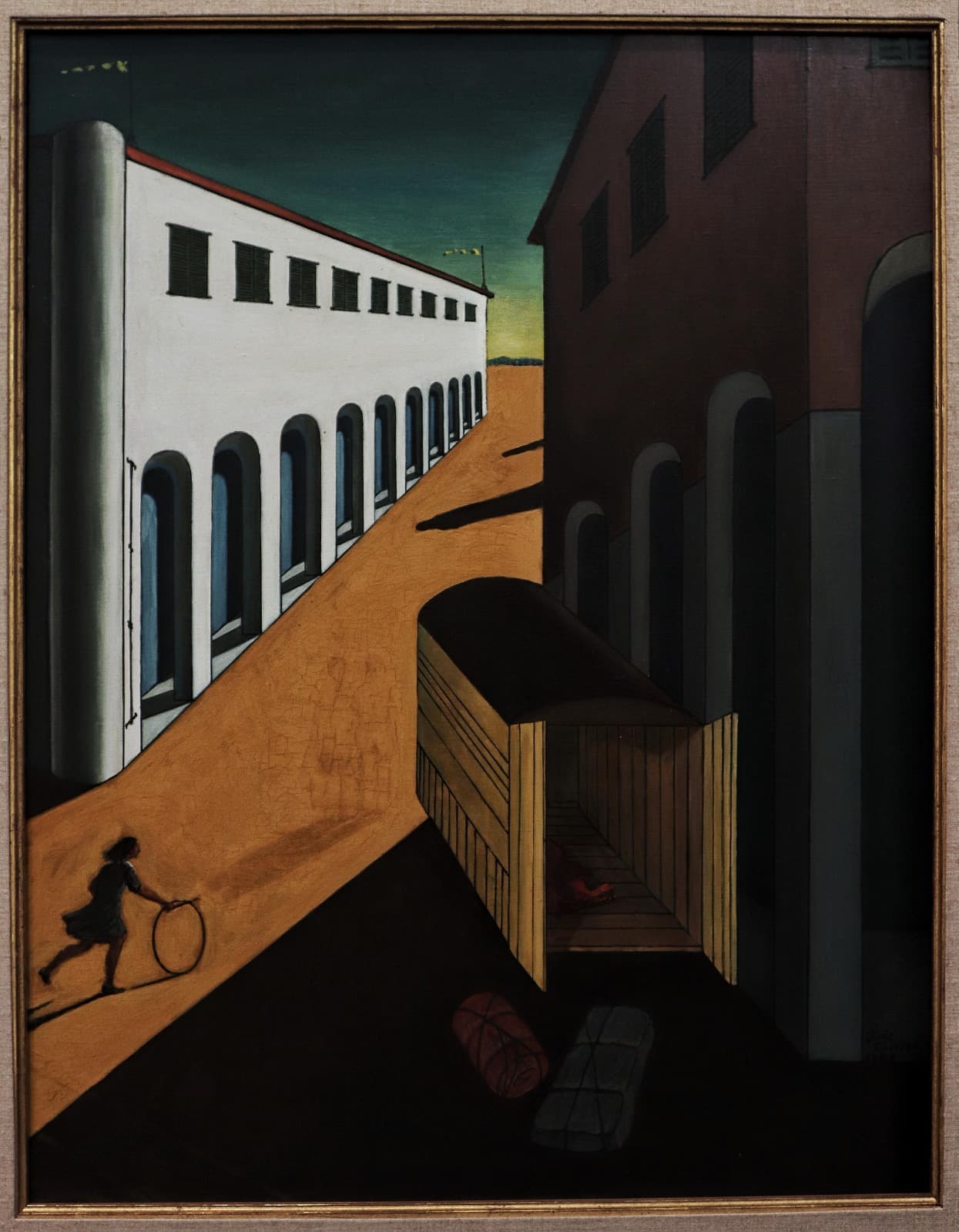
A girl rolls a hoop down an arcaded street toward a shadow coming around the corner, in light that belongs to no hour.
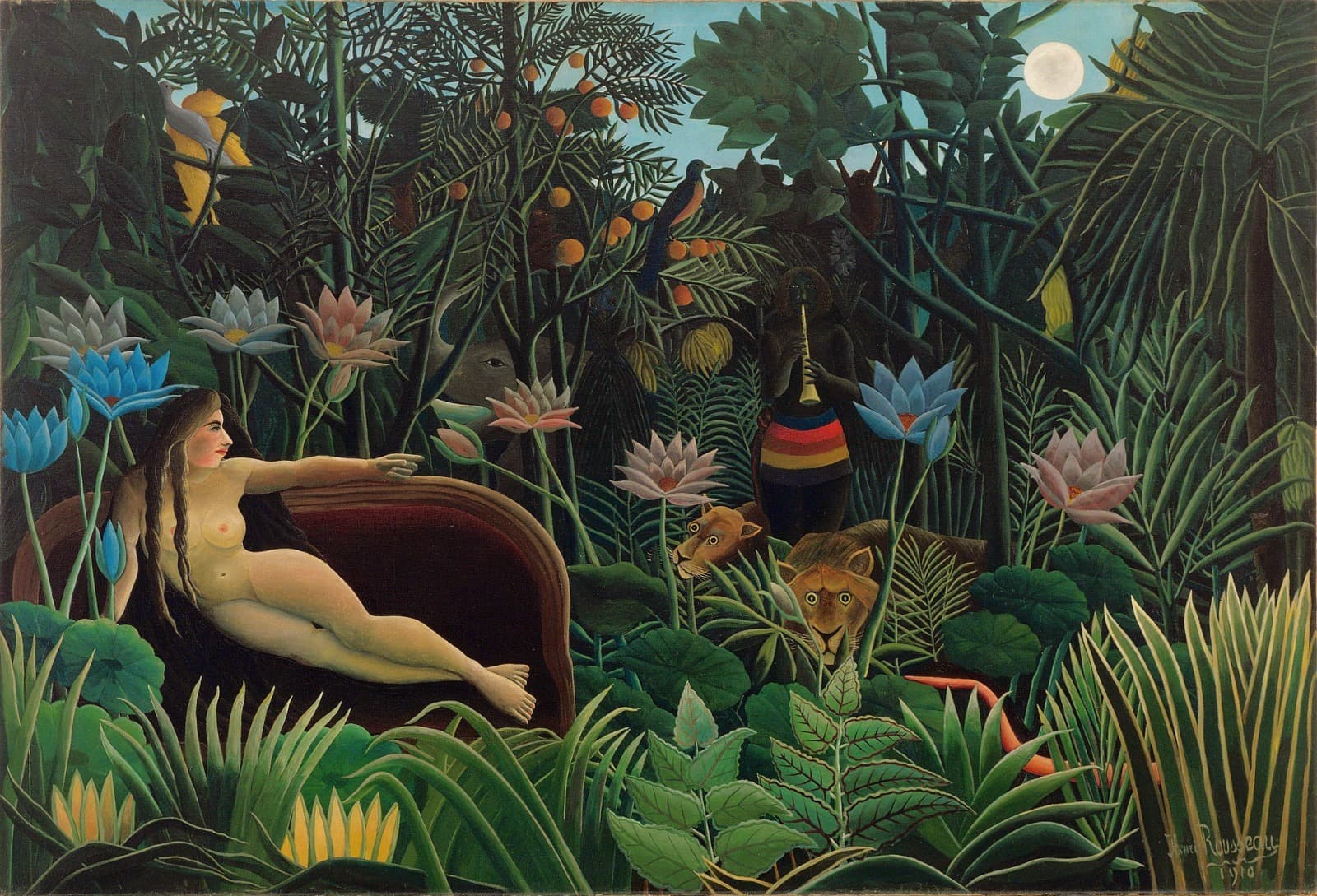
Rousseau painted this in the last year of his life and explained that the woman on the sofa is dreaming herself into the jungle.
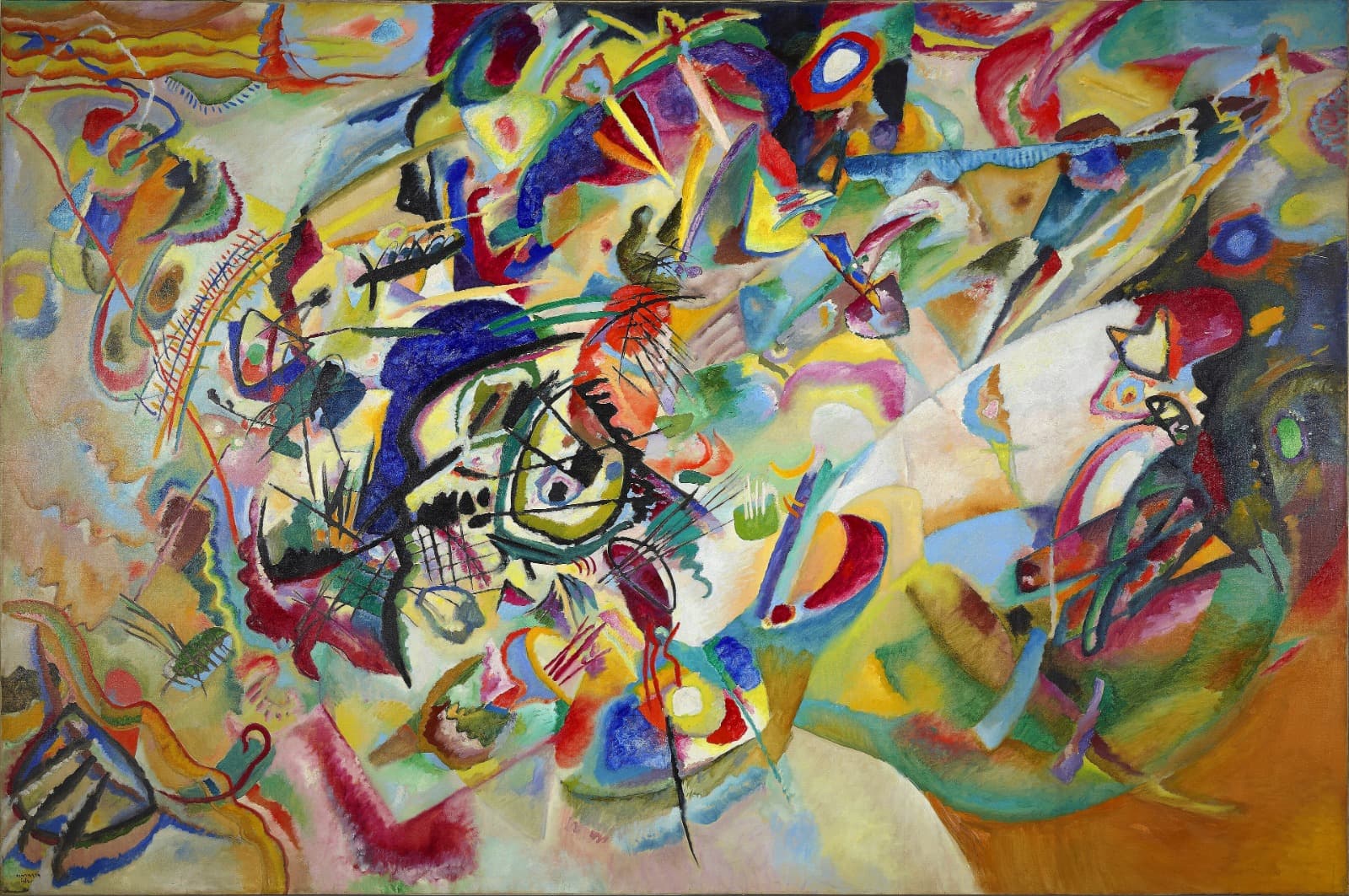
Kandinsky made more than thirty studies for this and then painted the four-meter canvas in three days, apocalypse dissolved past recognition.

A critic at the 1913 Armory Show called it an explosion in a shingle factory, and the insult followed the painting around America.

A marble head, a red rubber glove and a green ball hang together on a wall, and a train goes by in the distance.
Stark's first run of 400 copies took a year to sell; Joplin was cutting it to piano roll in 1916.
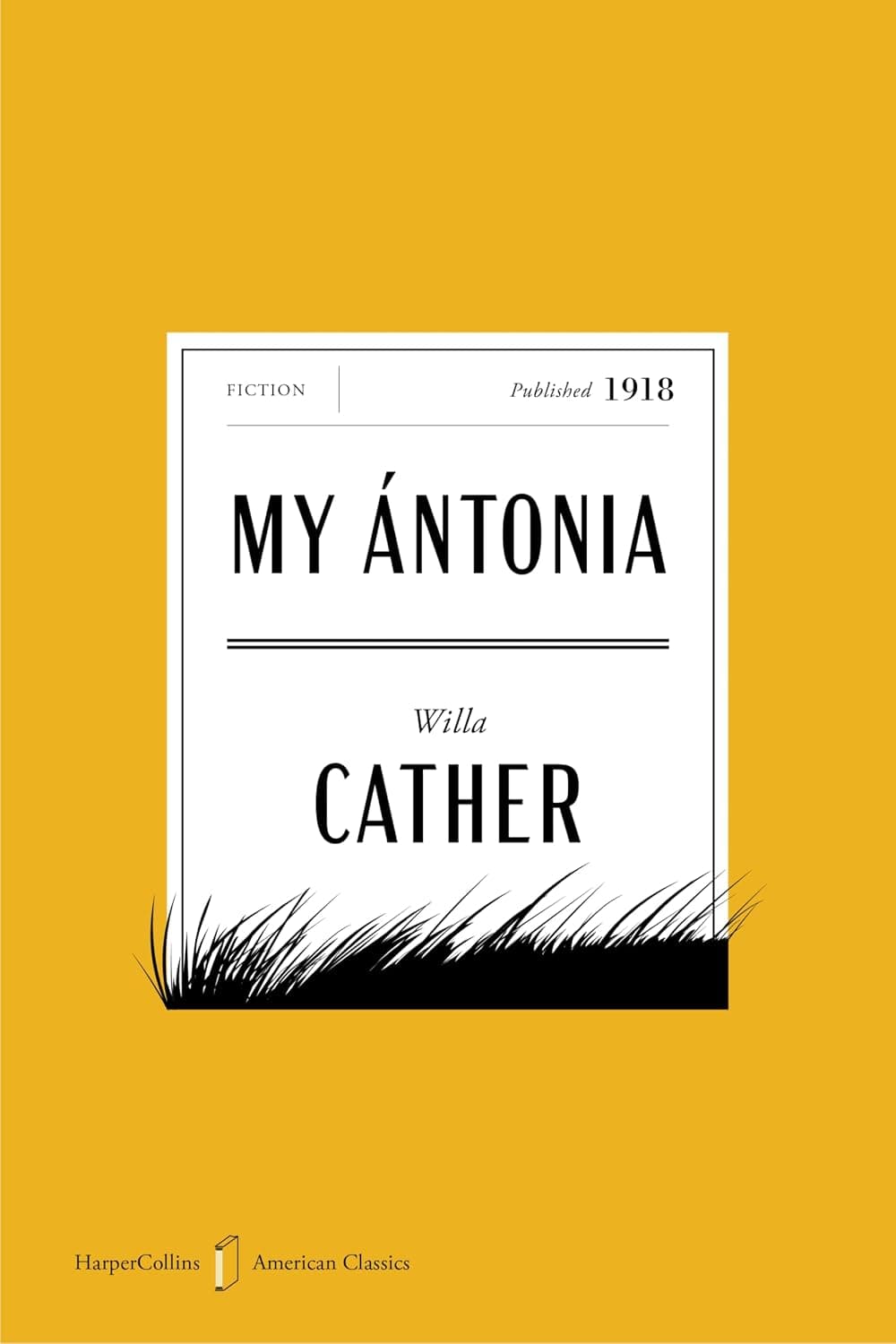
Jim Burden arrives orphaned in Nebraska and finds Antonia Shimerda, an immigrant girl whose family is barely surviving the winter. Cather writes the prairie so well the book reads like your own childhood.

A green-faced peasant and a cow look at each other, and the houses behind them are upside down. Chagall grew up in Vitebsk.
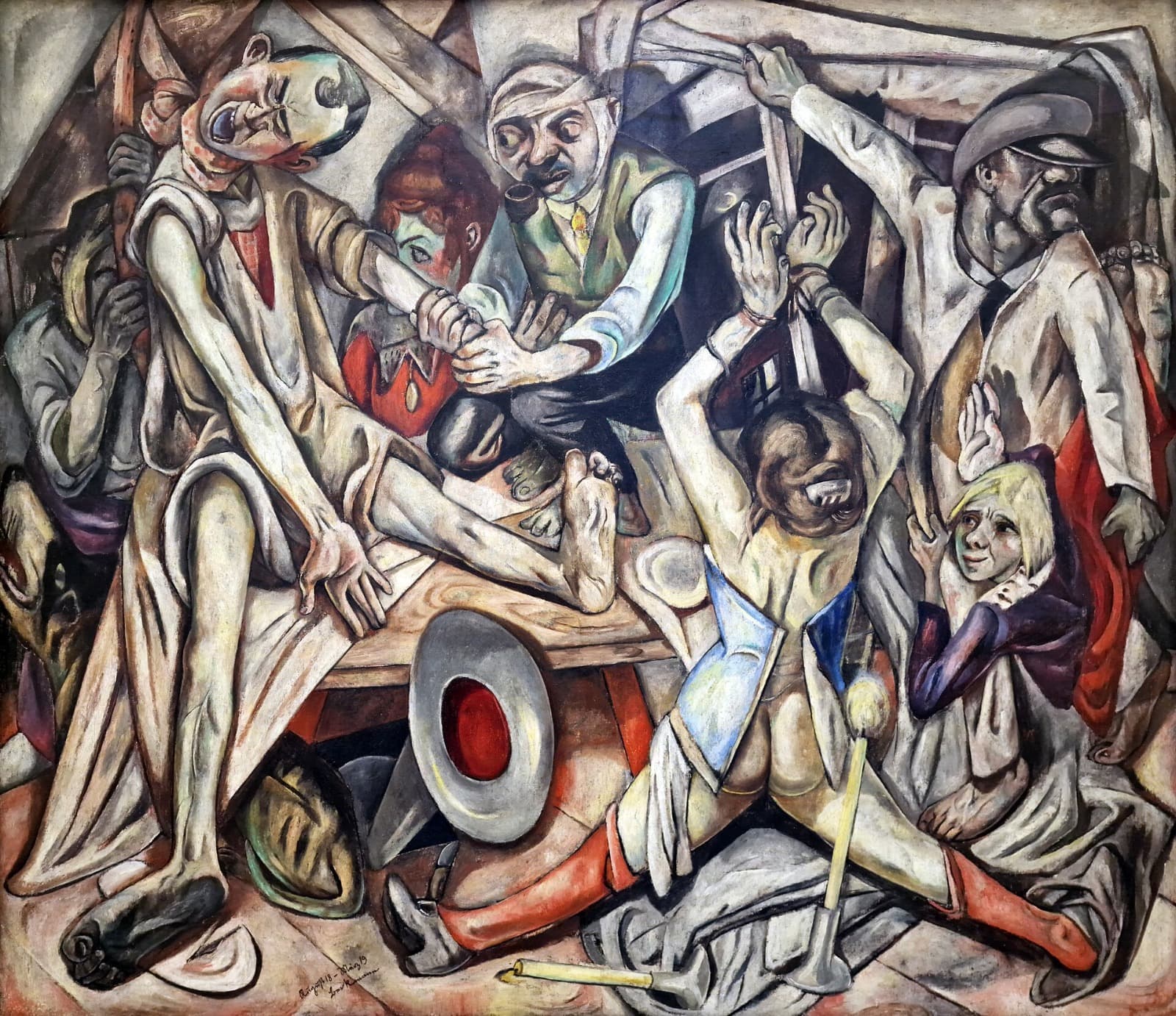
A family is tortured in a room too small for it, painted in Germany in 1919 with the war and the revolution just finished.

Late medieval France and the Netherlands ran on public weeping, elaborate tournaments, and constant awareness of death. Huizinga paints this as no Renaissance dawn but a culture worn out by its own forms.
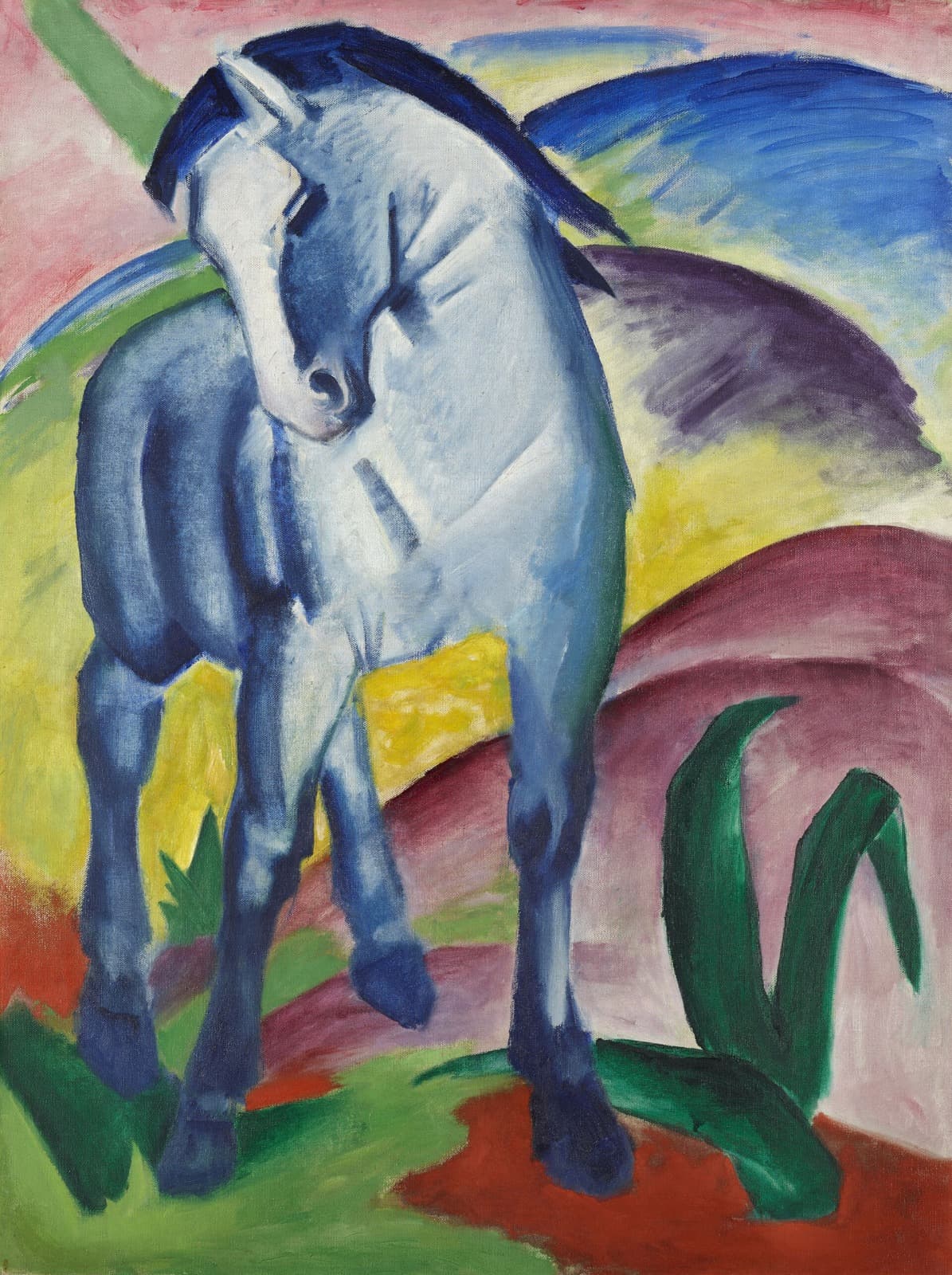
Marc gave his animals symbolic colors, blue for the spiritual, and looked to them for an innocence he thought people had lost.

Colored bars drift at diagonals across a white void with no ground under them, which Malevich meant as pure feeling and nothing else.
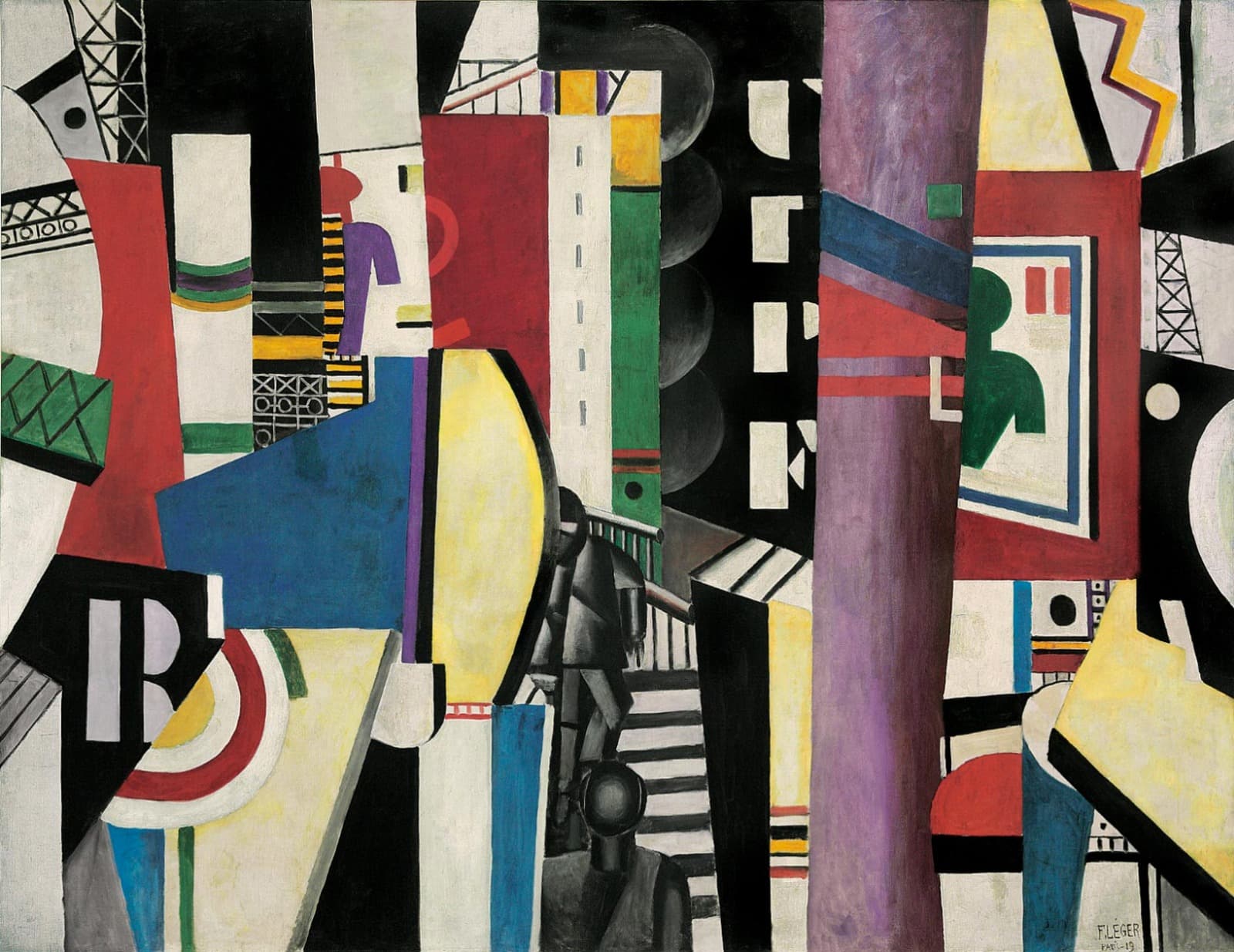
Billboards, scaffolding and stairways in flat primary color, with people reduced to bright interchangeable parts. Léger loved machines and made no secret of it.
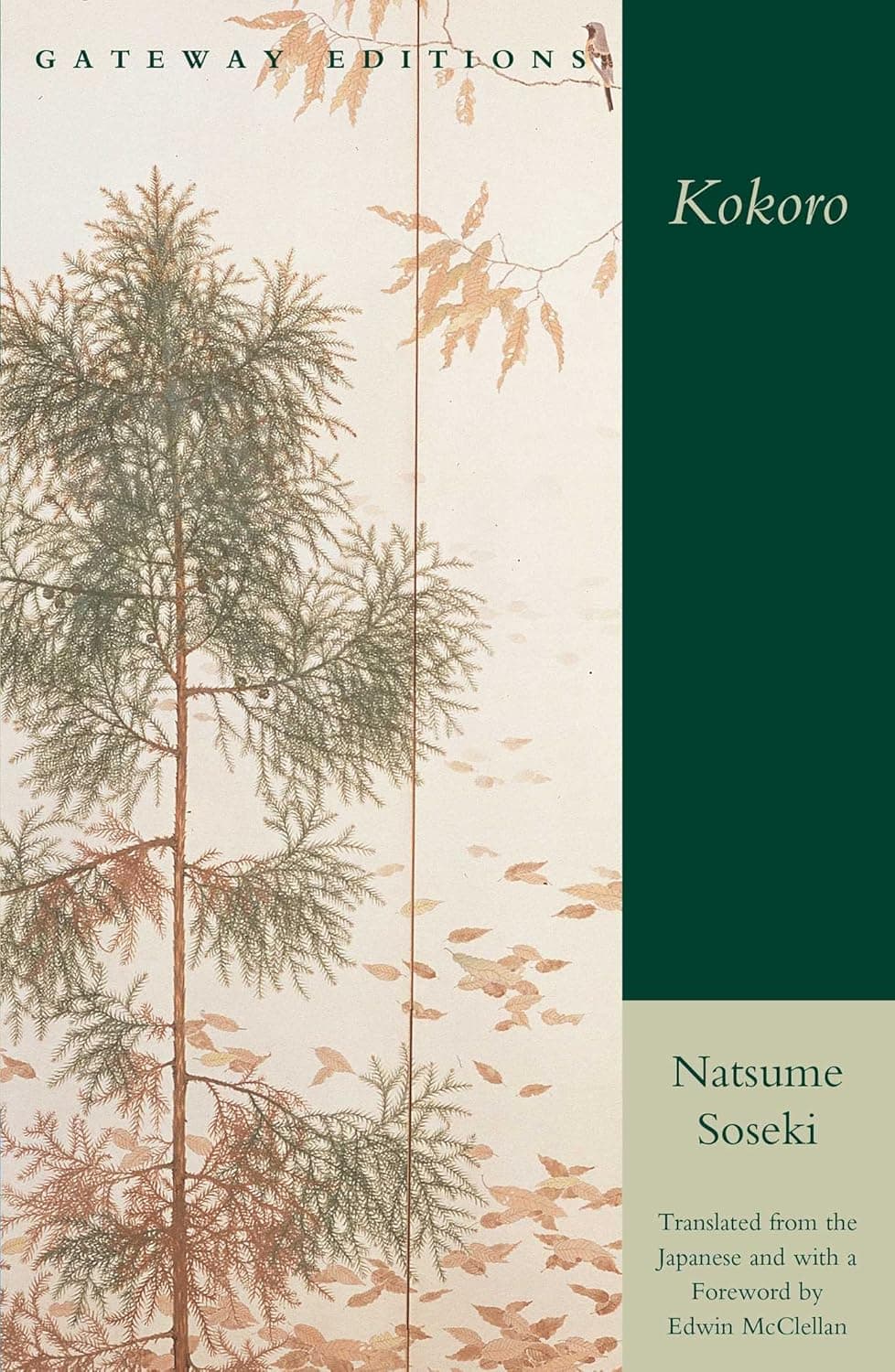
Modern Japanese literature turns on this book. A student attaches himself to a withdrawn man he calls Sensei, and the letter that finally explains him confesses a betrayal that has never healed.
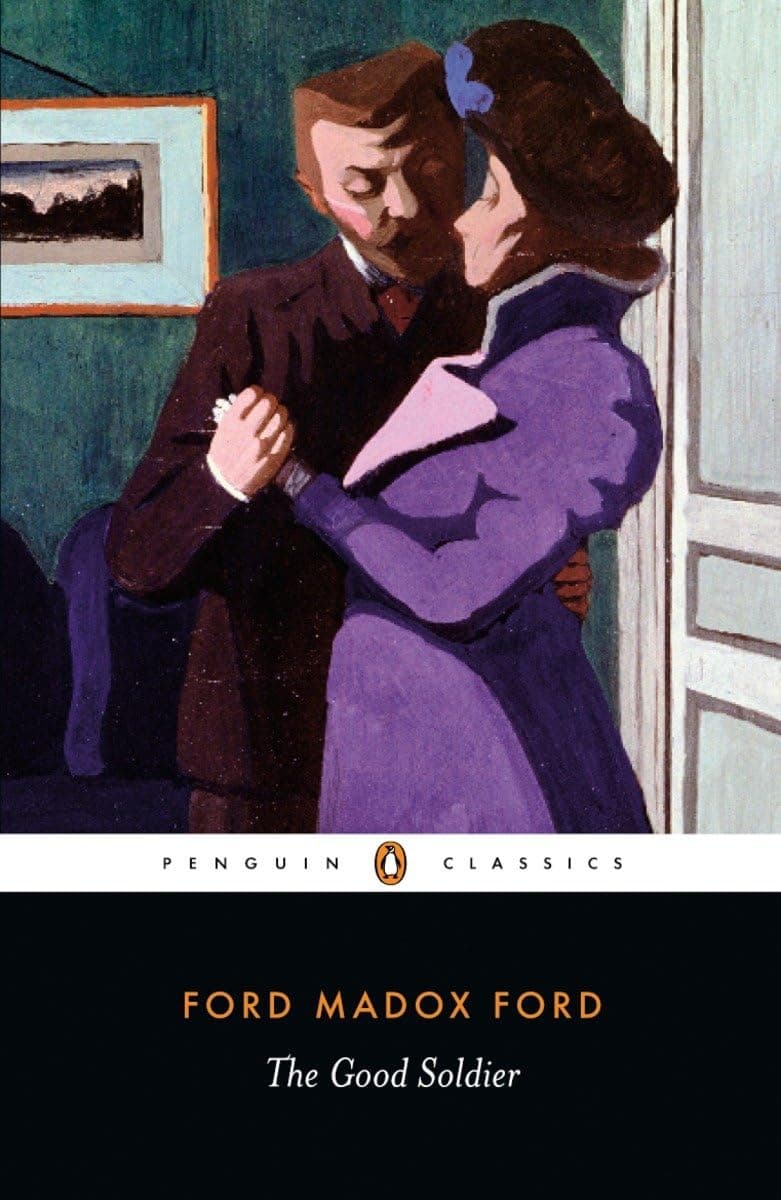
This is the saddest story I have ever heard, an American begins, then tells it out of order, circling two couples whose friendship at a German spa hid adultery, debt, and ruin.

Four Victorian idols go under Strachey's scalpel: Cardinal Manning, Florence Nightingale, the headmaster Thomas Arnold, and General Gordon at Khartoum. The malice is so elegant that English biography never went back to reverence.
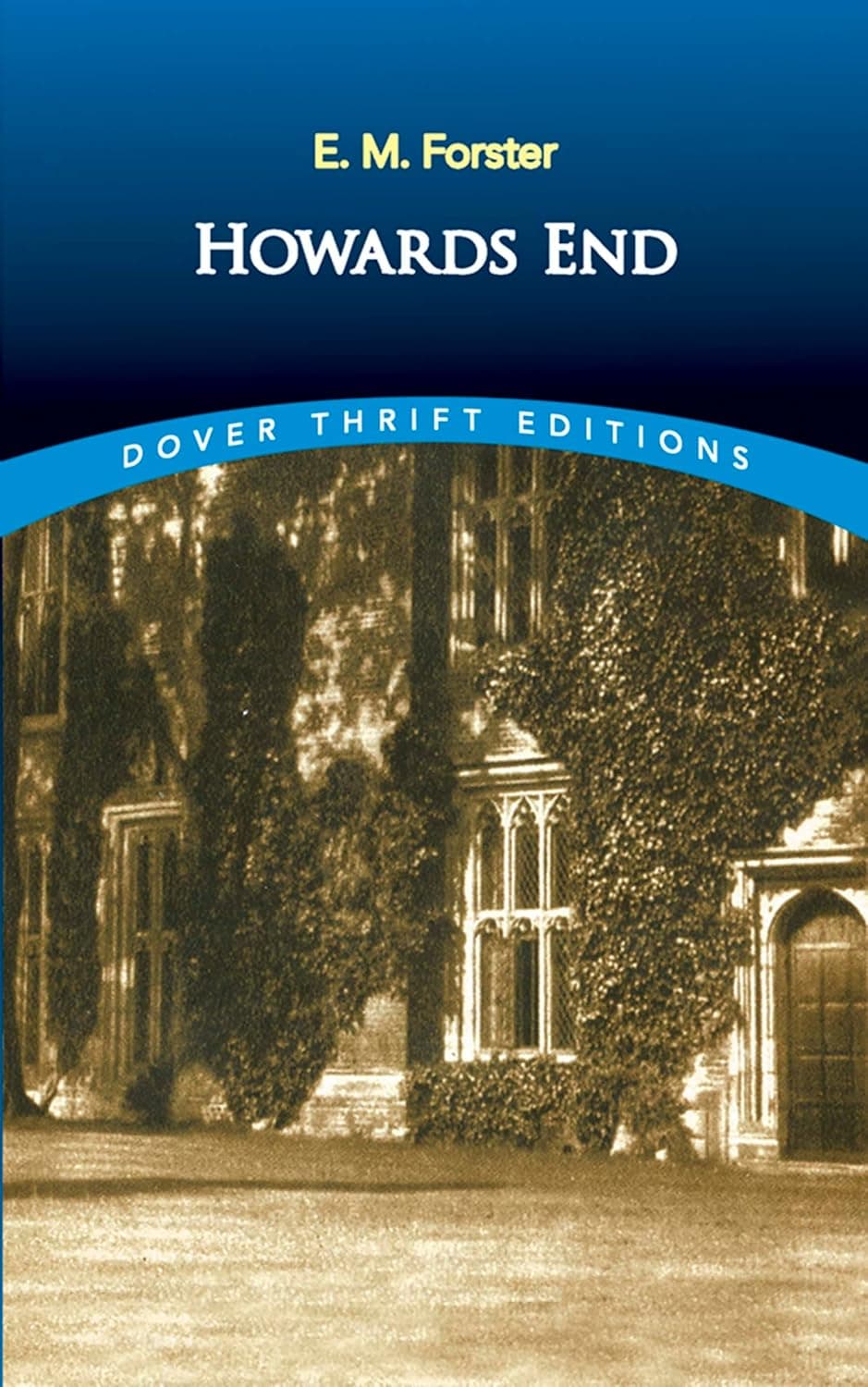
Two families and one house. Forster sets the cultured Schlegel sisters against the money-making Wilcoxes, drags a poor clerk into the collision, and makes the question of who inherits England literal.
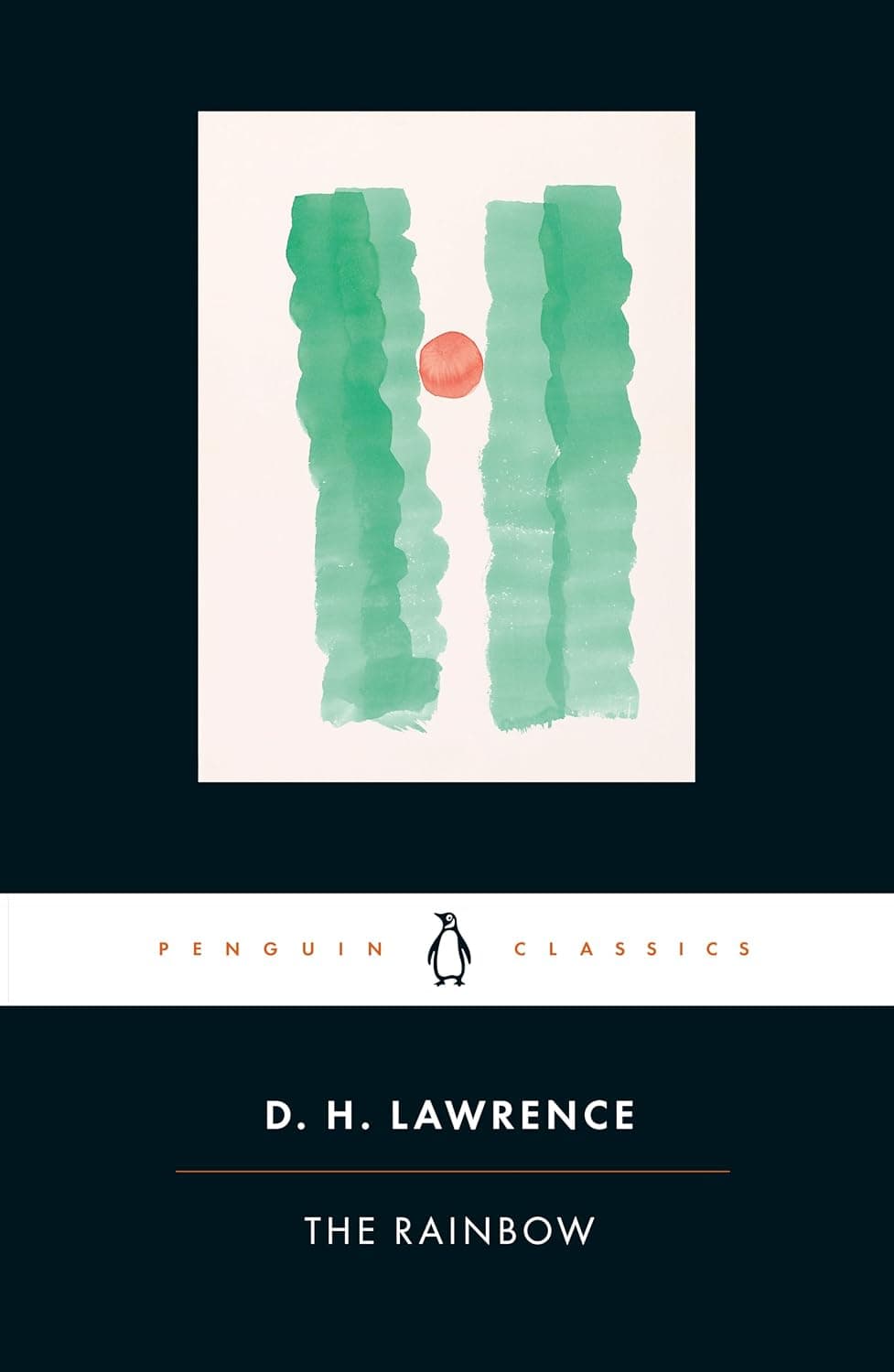
Three generations of one Nottinghamshire family, and Lawrence writes their marriages from inside the body: what draws two people together, what turns cold, and what the granddaughter Ursula cannot find.
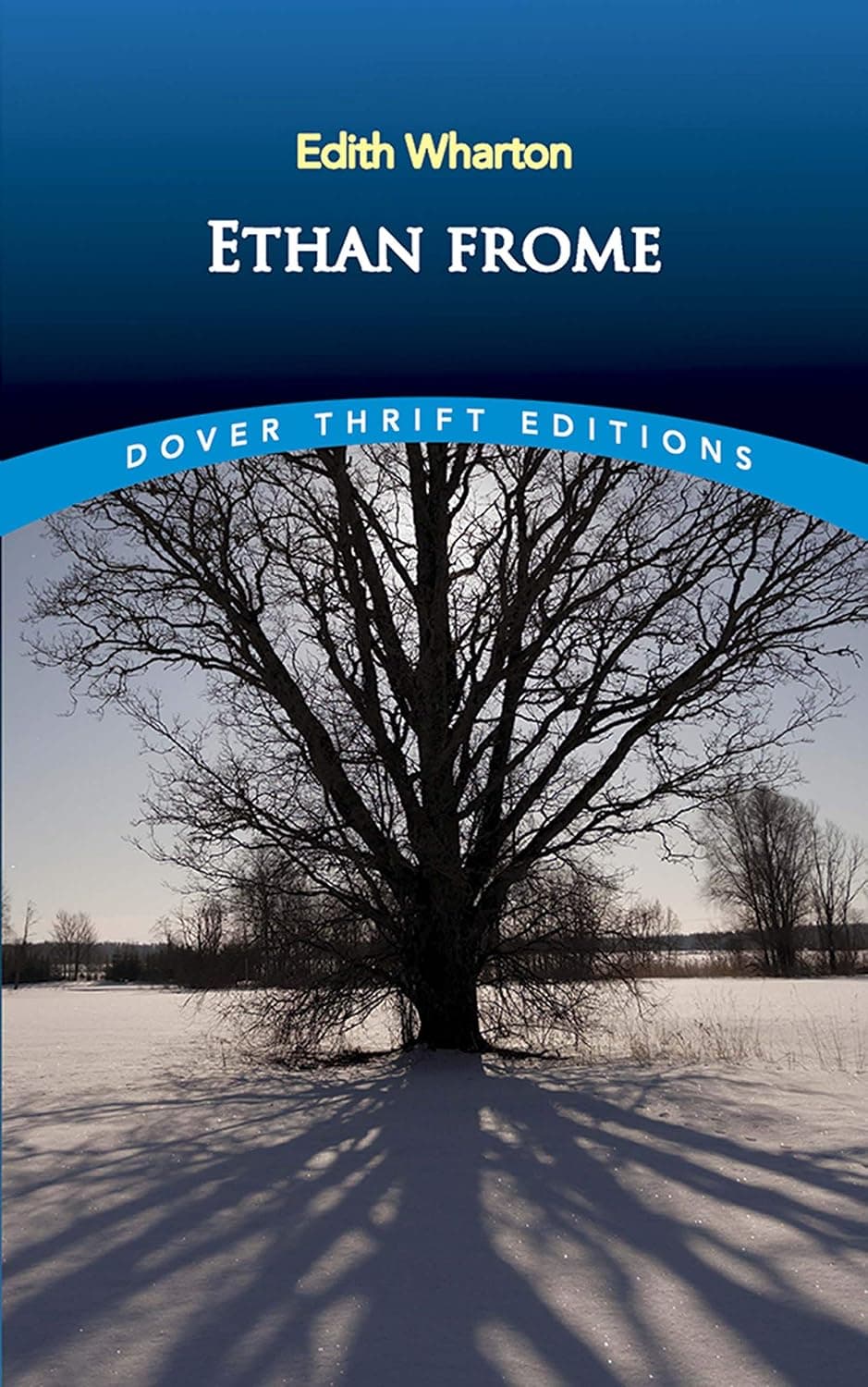
Snowbound on a failing Massachusetts farm, Ethan Frome works beside a wife who is perpetually ill and the young cousin he has fallen for. Wharton makes poverty and duty feel like weather.

Orphaned by cholera in India, a sour, unloved child arrives on the Yorkshire moors and finds the key to a walled garden that brings her and her bedridden cousin back to life.
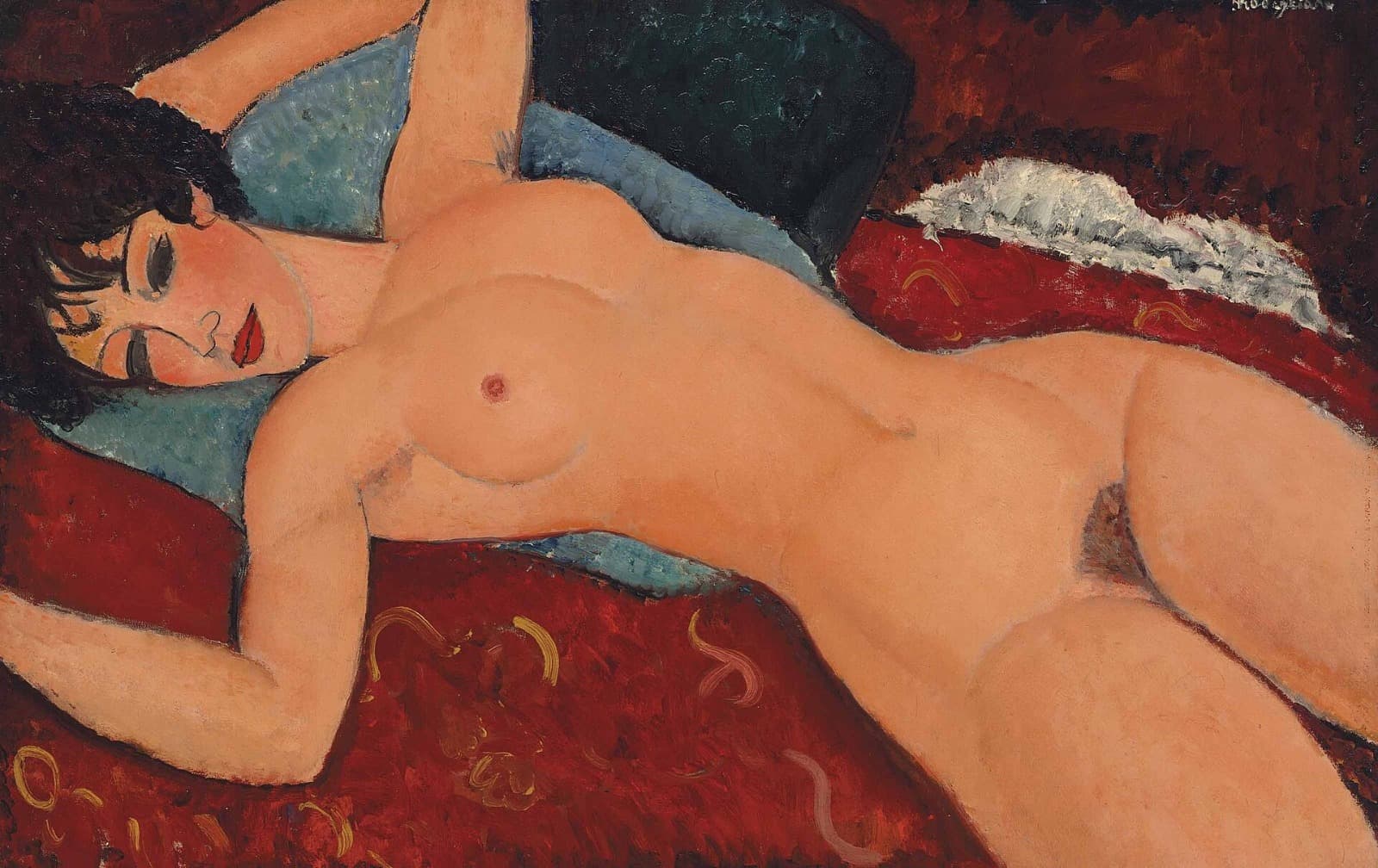
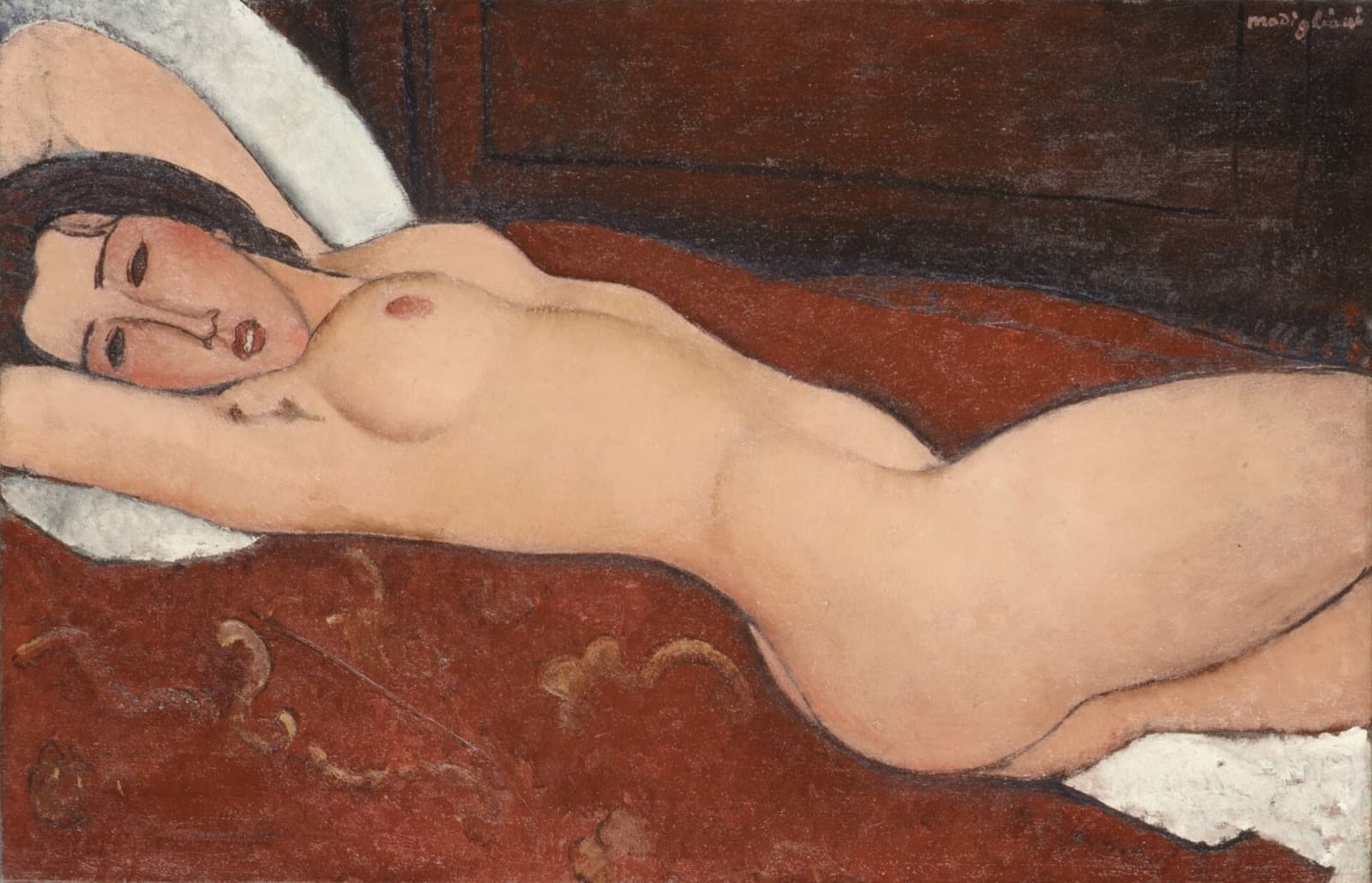
The police shut down Modigliani's only solo show for indecency, and this was among the nudes that did it.
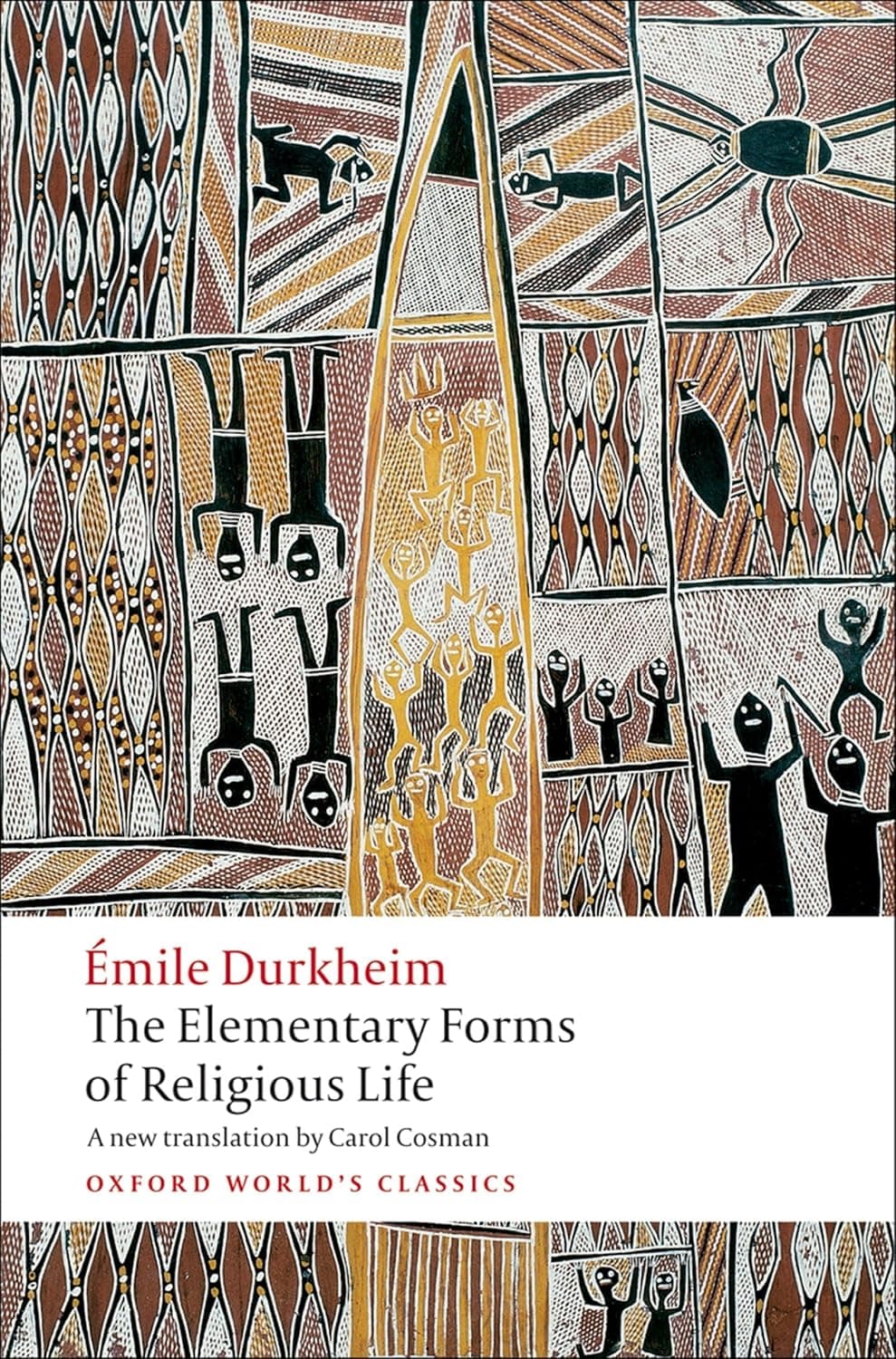
Religion is society worshiping itself. Durkheim builds the case from Australian Aboriginal totemism: a clan gathers, works itself into collective frenzy, feels a force greater than any member, and calls it a god.
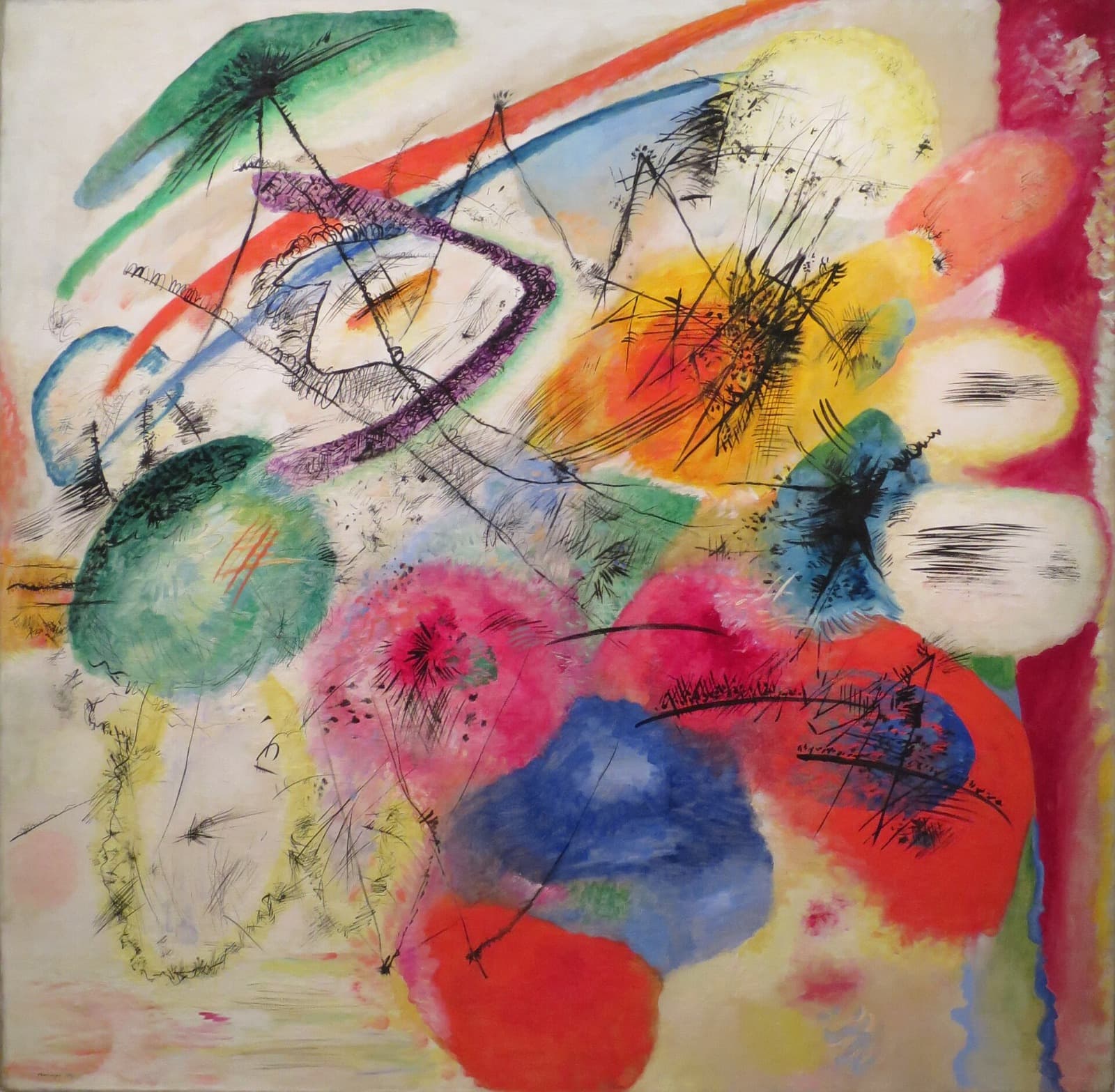
Black skeins and floating patches of color with nothing recognizable in it at all. Kandinsky thought painting could work on you like music.
Weber told students in a collapsing Germany what science and politics demand: science can give you clarity but never choose your values, and politics is the slow boring of hard boards.
Alexandra Bergson inherits her father's failing Nebraska claim and mortgages it to buy more land while the neighbors give up and leave. Cather made the American prairie a landscape fit for epic.
Hadji Murat quits the rebel imam Shamil for the Russians, hoping to free his captive family, and both sides use him. The critic Harold Bloom ranked it the best story in the world.
Orphaned and clubfooted, Philip Carey tries Germany, Paris, painting, and medicine, then wrecks himself on a waitress who despises him. Nobody has written the humiliation of unreturned love more exactly.

Adams writes his own life as another man's, grandson and great-grandson of presidents, educated for a world that vanished. A Paris dynamo strikes him with the force medieval pilgrims felt from the Virgin.
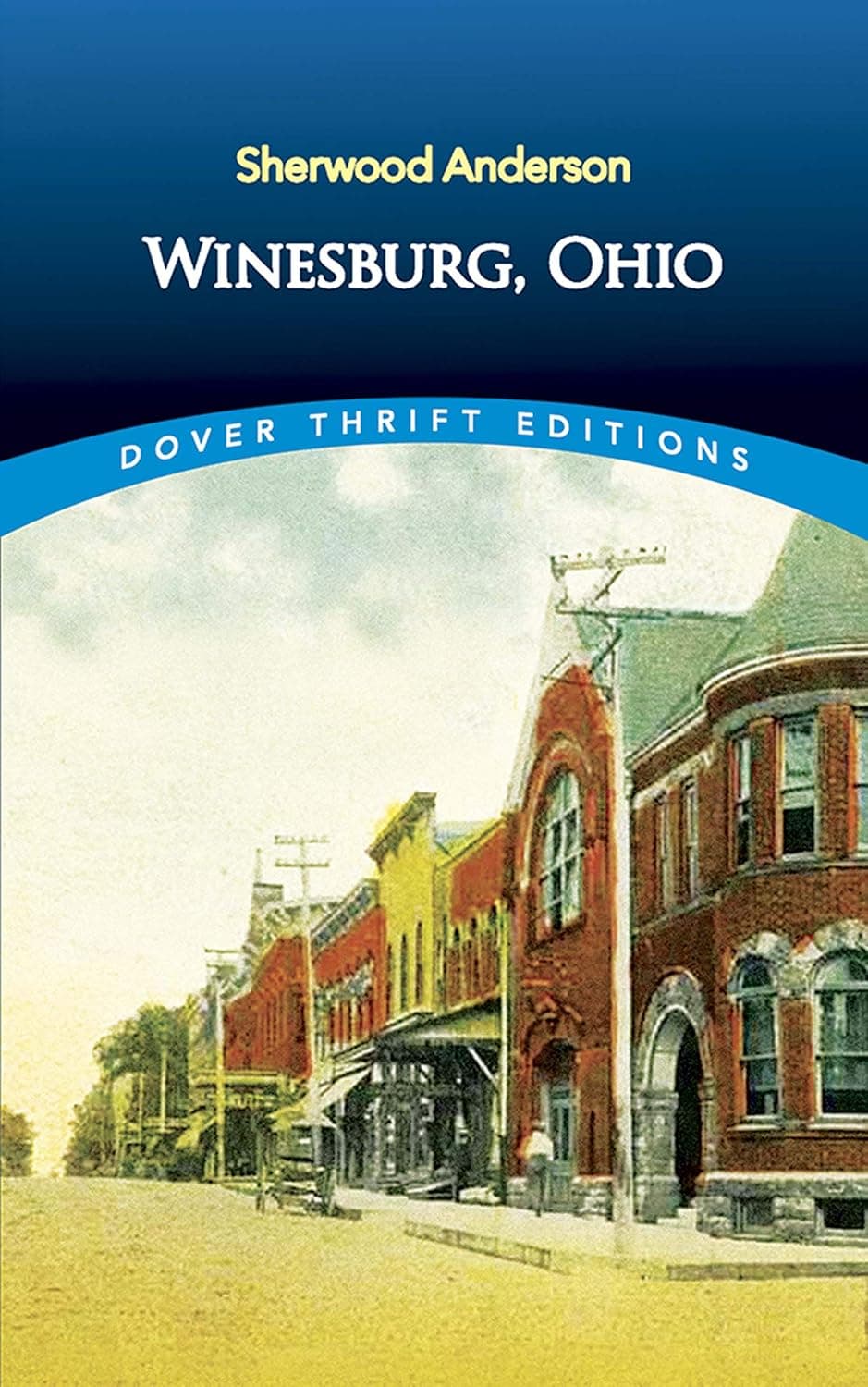
Twenty-two linked stories about people in an Ohio town who cannot say what they feel, except to the young reporter George Willard. Faulkner called Anderson the father of his generation of American writers.
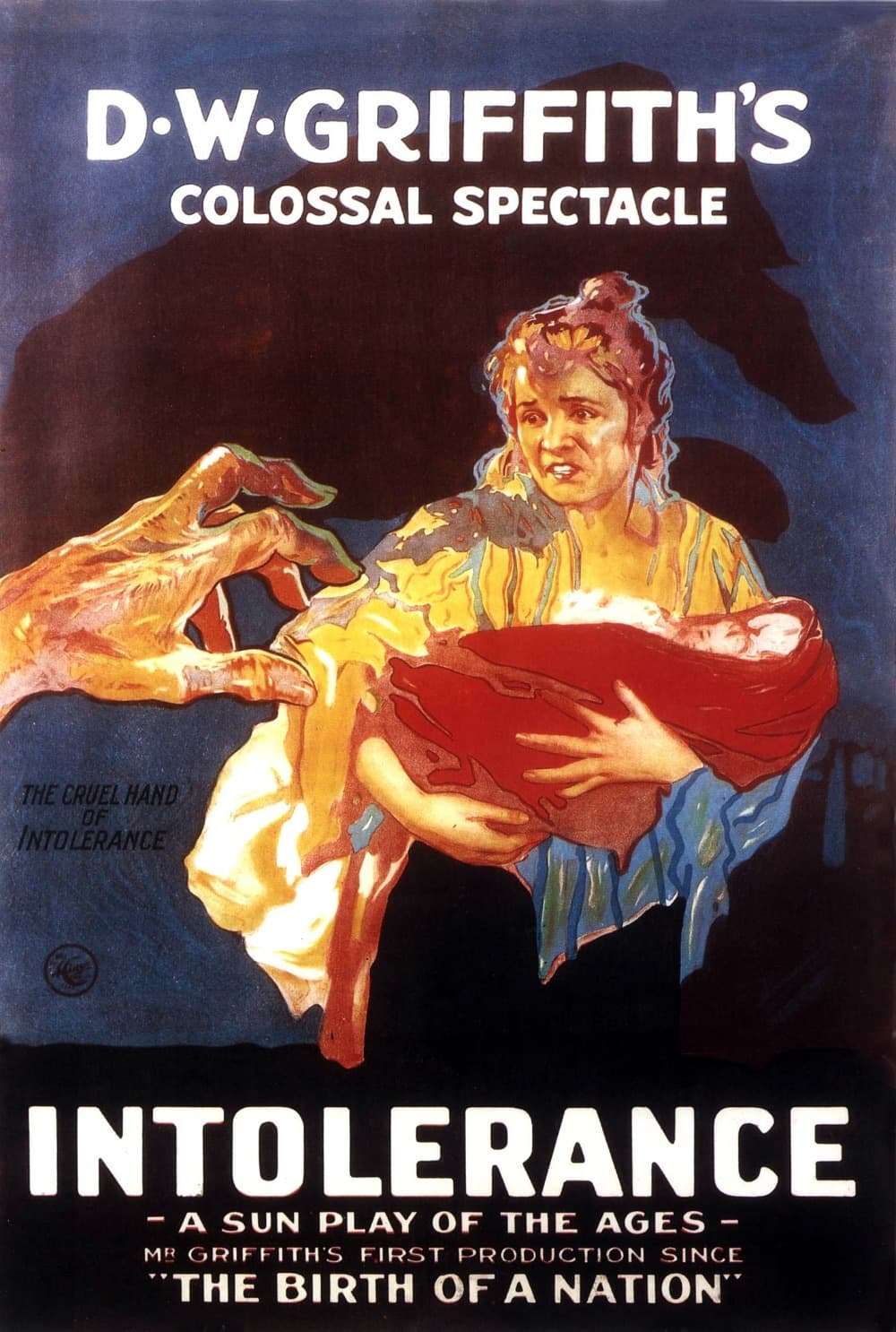
Nothing in 1916 looked remotely like this: Griffith cuts between four eras at once, and his Babylon set was so enormous it was left standing in Hollywood for years afterward.
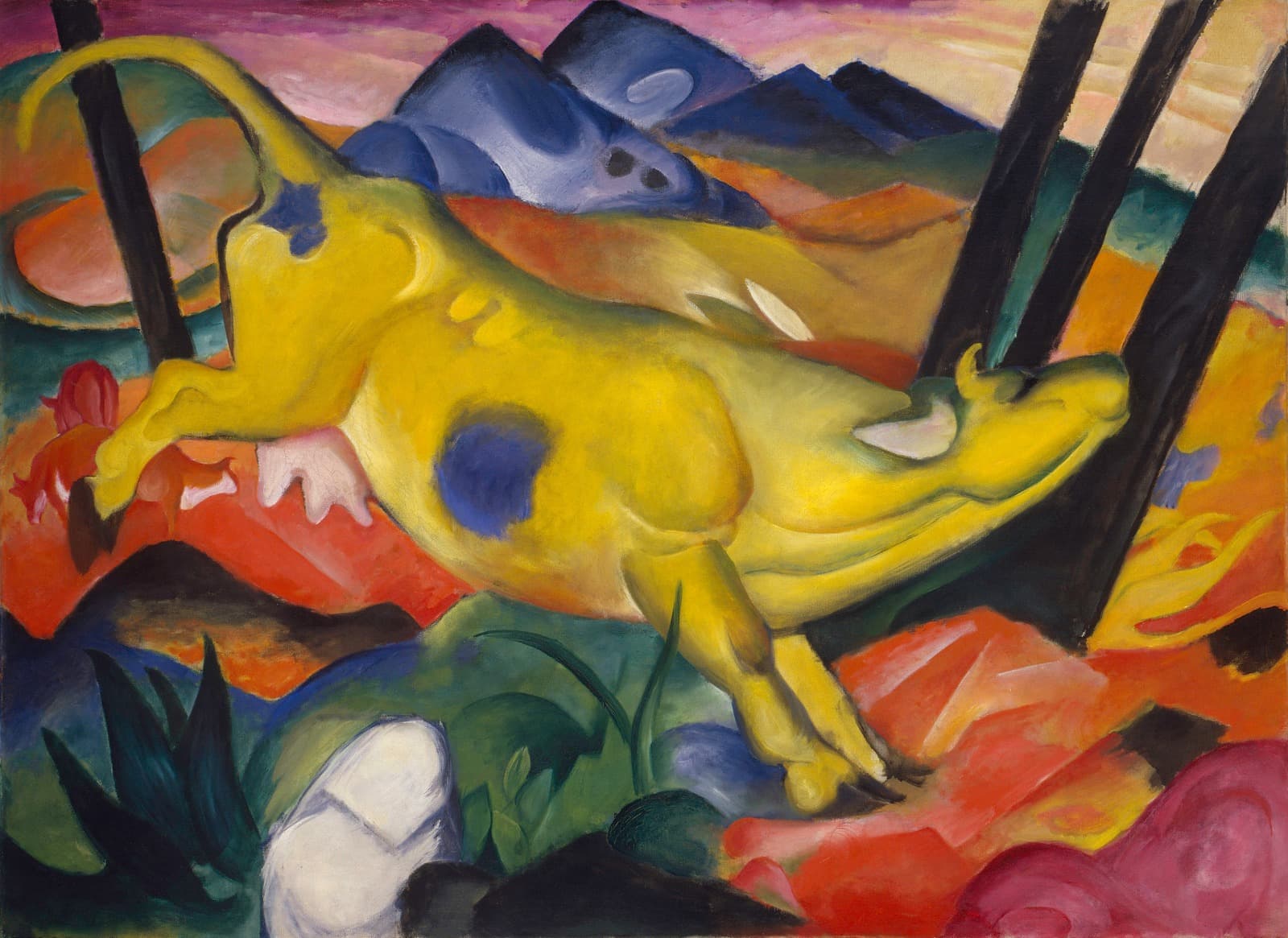
Marc used yellow for whatever was gentle and joyful, and this cow is kicking its legs out across the hills for the pleasure of it.

A curve of the guitar, some stenciled letters, and otherwise a lattice of brown and grey. Braque and Picasso developed this together, canvas by canvas.
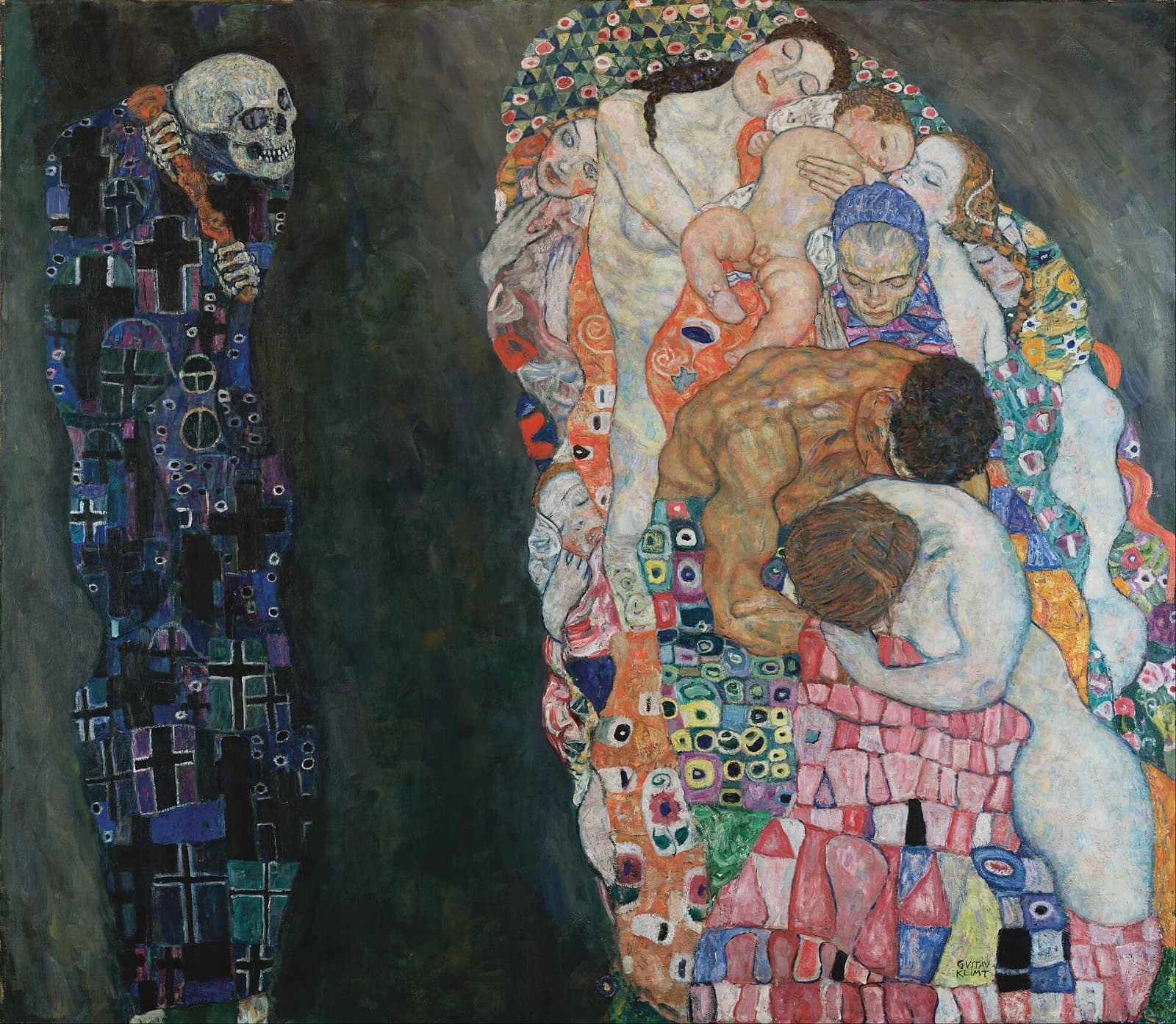
Death stands at the left in a patterned robe holding a club, watching a heap of sleeping people who have not noticed him.
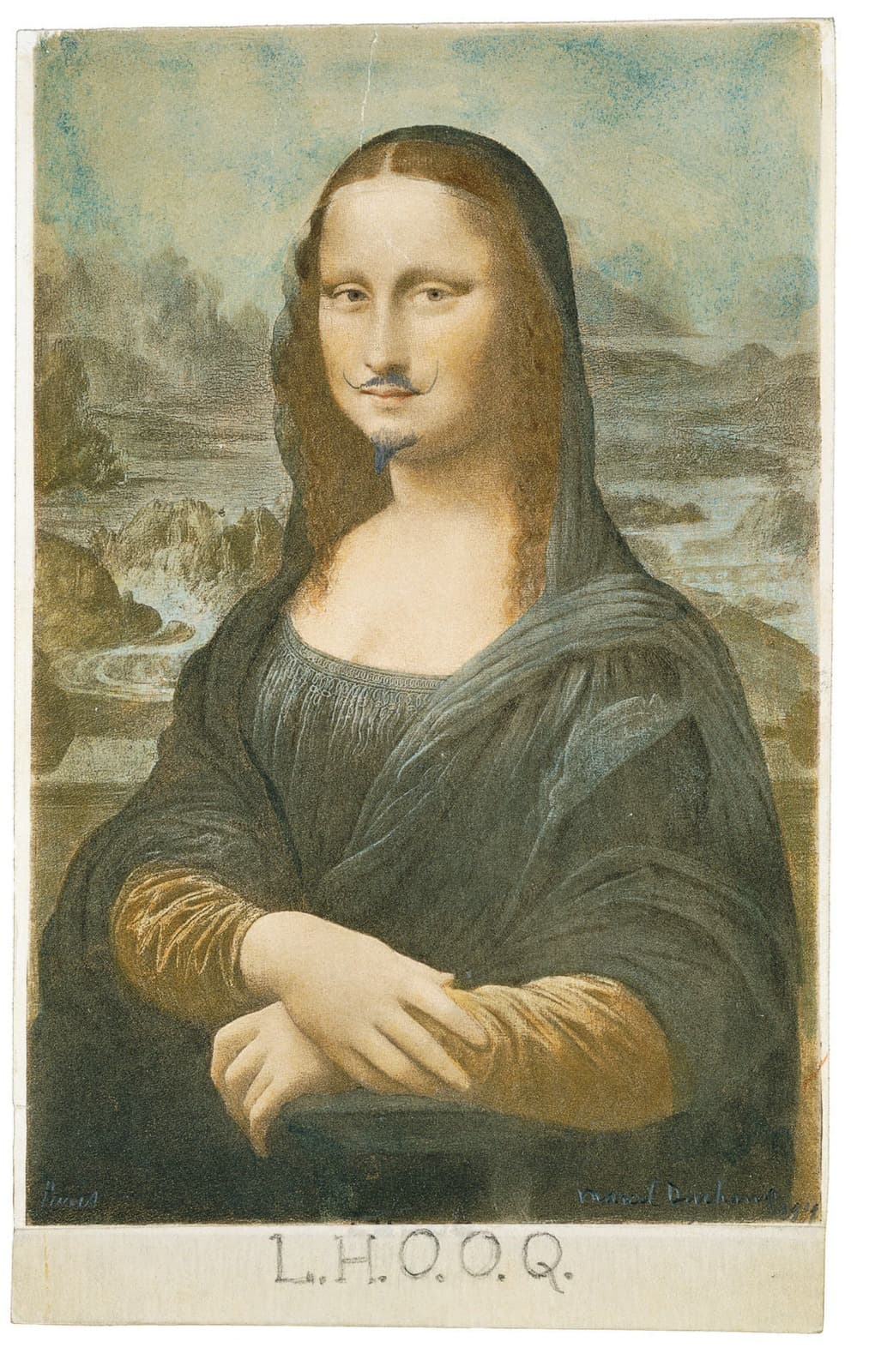
Duchamp bought a postcard of the Mona Lisa, drew a moustache on it, and added five letters that make a crude joke in French.

Splintered stumps and shell craters under a cold sun, and Nash gave it that title on purpose, as an official British war artist.

Color and line act on the soul directly, Kandinsky argues, the way music does, with nothing depicted. He handed abstract painting its justification, and a generation of European artists walked away from representation.
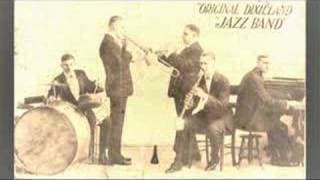
Barnyard imitations from clarinet, cornet and trombone, waxed for Victor in February 1917: the first jazz record commercially released.

Monet went to Venice late and found a city already doing what he had spent fifty years trying to paint.
African masks, Cycladic figures and Renaissance Venuses, folded into one long golden diagonal. Among the most expensive paintings ever sold.

Stolen from the Musée d'Art Moderne in Paris in 2010 and never recovered, so it survives here only as a photograph.

The state is one class crushing another, so workers must smash the machine, not inherit it. Lenin wrote it weeks before seizing Russia, and communist parties from Moscow to Beijing governed by it.

Brown and grey planes rebuild a violin into a lattice, painted while Braque and Picasso were working almost as one person.
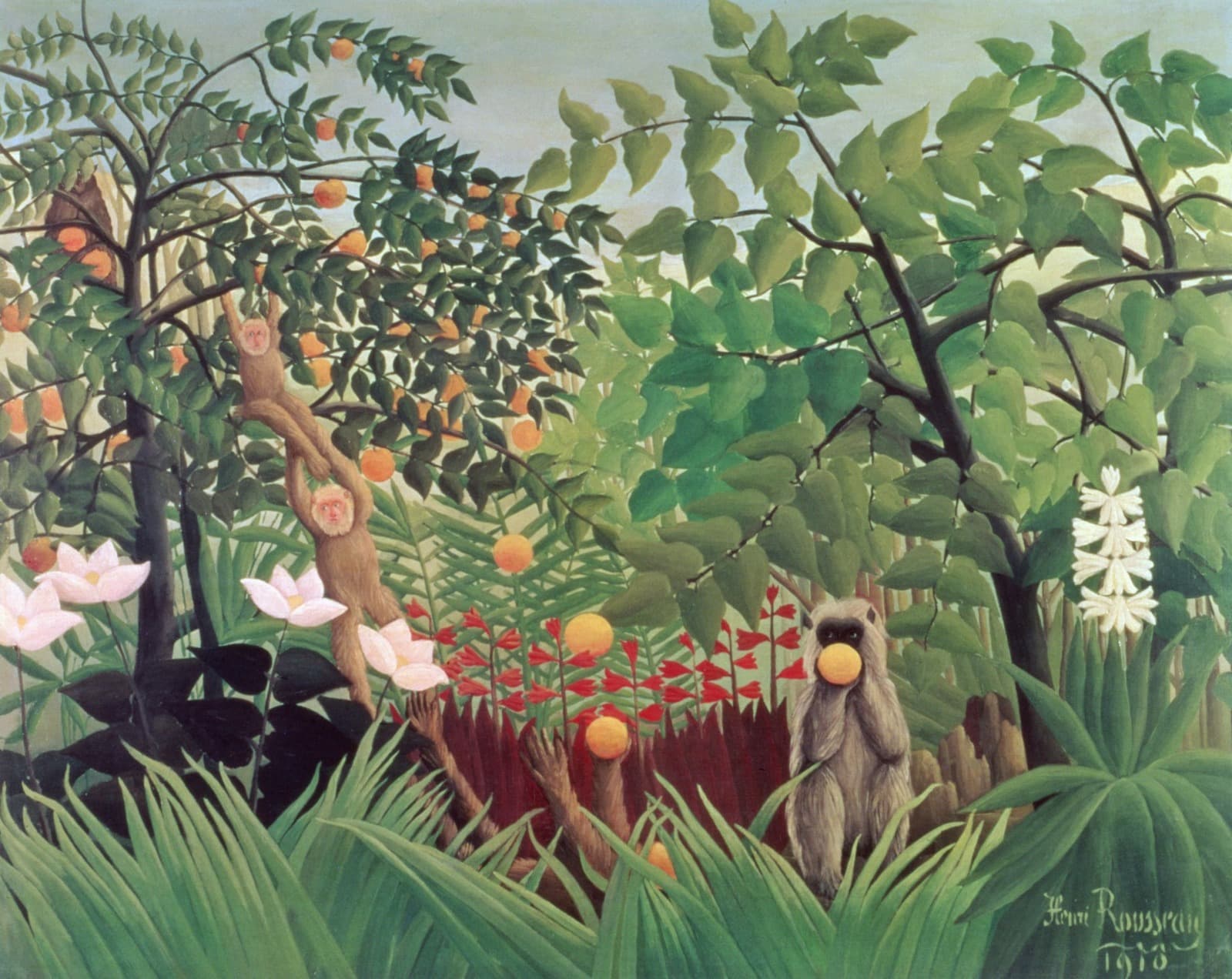
Monkeys look out from between giant leaves in a jungle Rousseau assembled from the Paris botanical gardens, the zoo, and illustrated books.

Peasants and houses rendered as polished metal cylinders. Malevich was three years away from painting a black square and stopping.

A train crosses the sky upside down, a man drifts past on a parachute, and the cat on the sill has a human face.

A dumpy Catholic priest with an umbrella solves crimes by imagining himself into the criminal until he could have done it. Chesterton answered Sherlock Holmes with conscience rather than forensics.

Under the Mirabeau Bridge the Seine runs on and the love does not. Apollinaire brought the machine age and the trenches into French verse, and coined the word that named surrealism.

Jung reads the daydreams of an American woman he never met against myth and religion from every culture, finding the deepest material in a mind is inherited, not personal. It cost him Freud.

The philanthropists of the title are house painters who give their labor away and defend the system that ruins them. Owen, the socialist, cuts up bread to demonstrate the money trick.

Naked conscripts showering in a barracks under a mounted officer, painted after the army service that broke Kirchner down.
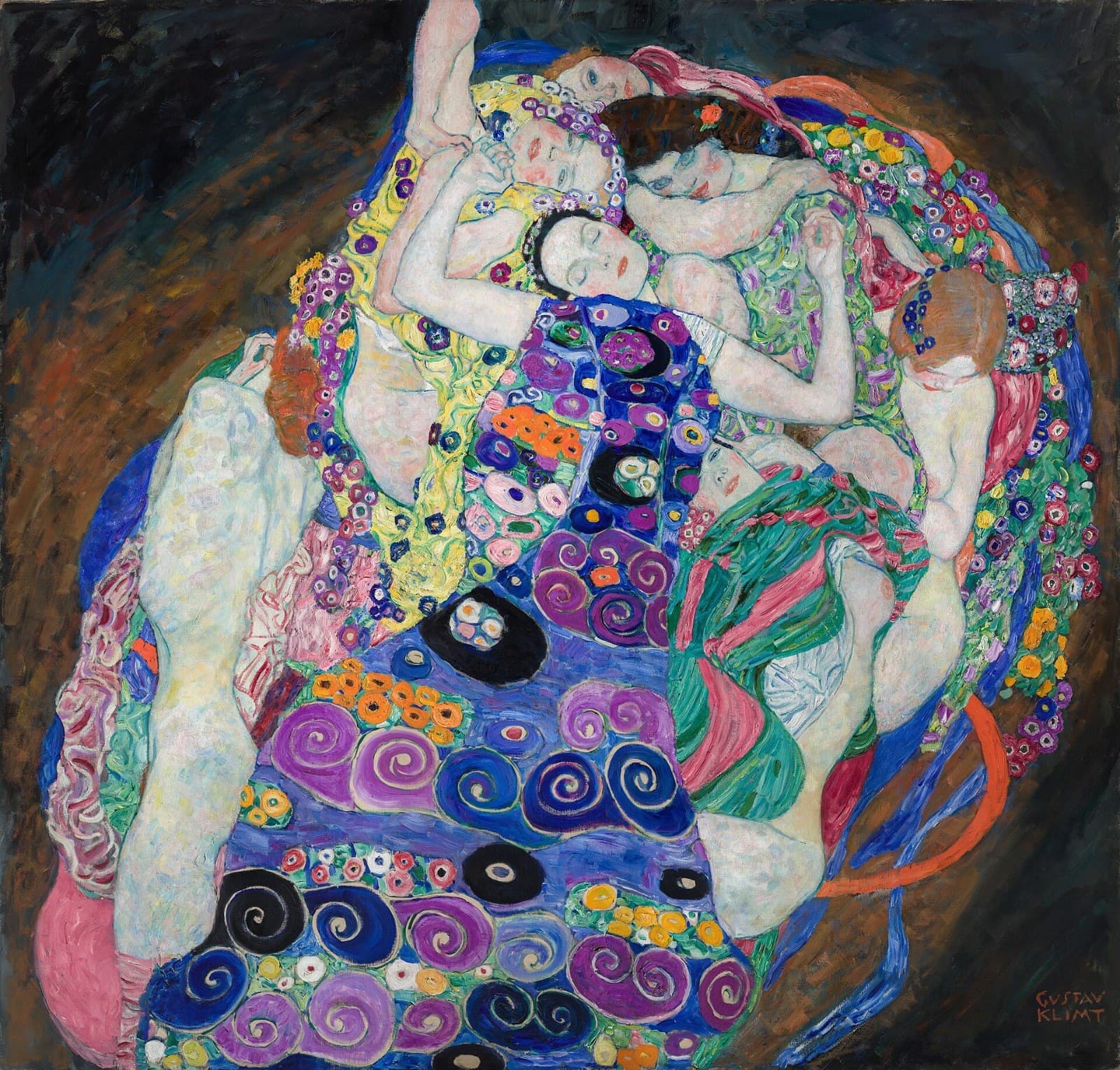
Sleeping women tangled into a whirlpool of pattern and flowers, one of them at the center just about to wake up.

Cocteau sits stiffly upright with his neck drawn long, one of the sharpest personalities in Paris turned into an elegant mask.