In Search of Lost Time (set of 6)
The most complete account of memory ever written. A man tastes a madeleine, and three thousand pages of remembered love, jealousy, and vanished aristocrats change permanently how you look at your own past.

The most complete account of memory ever written. A man tastes a madeleine, and three thousand pages of remembered love, jealousy, and vanished aristocrats change permanently how you look at your own past.

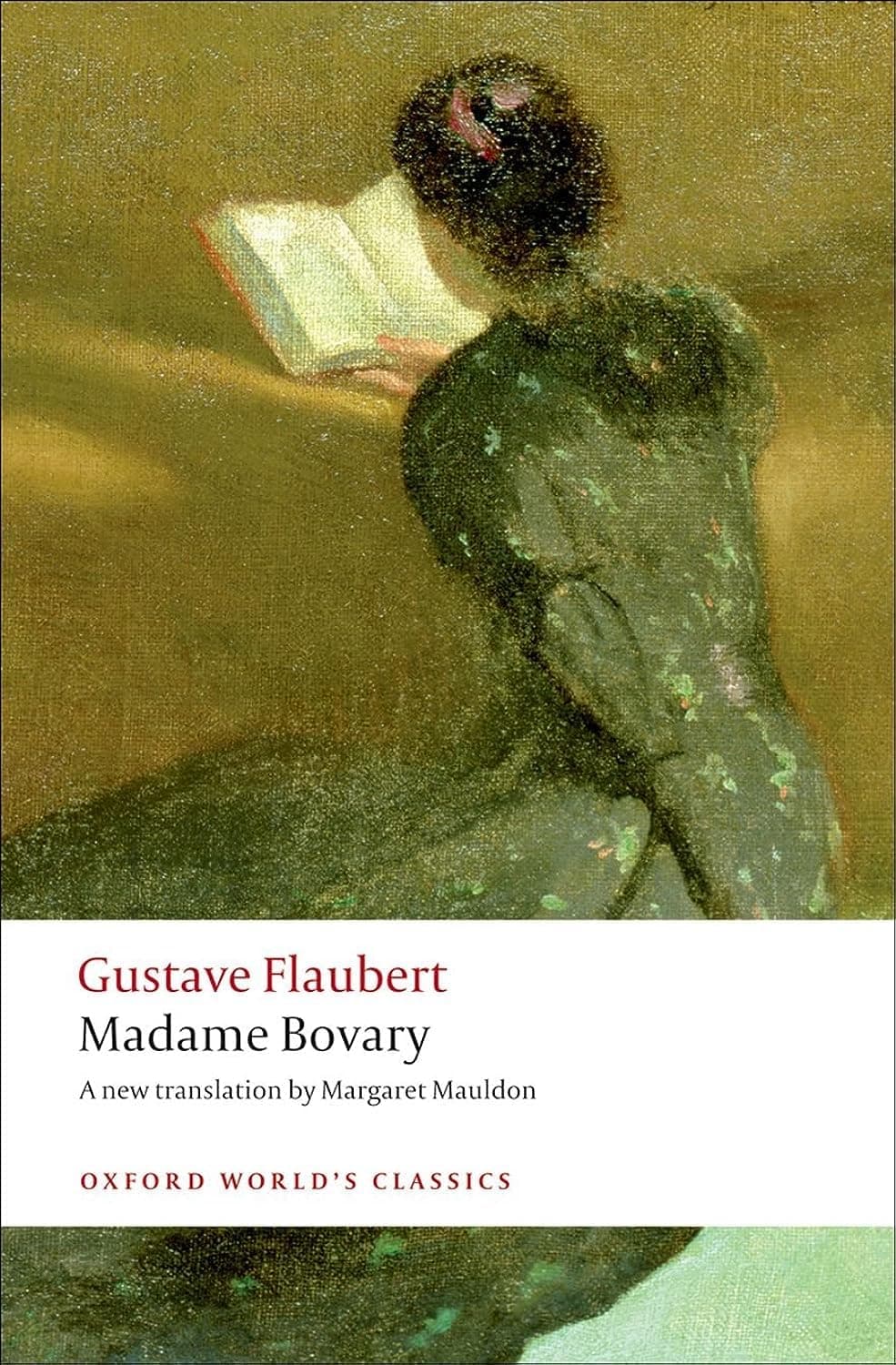
Emma Bovary reads romances, takes lovers, and runs up debts trying to feel something in a provincial town. Flaubert weighed every sentence, and modern fiction's idea of style begins with him.

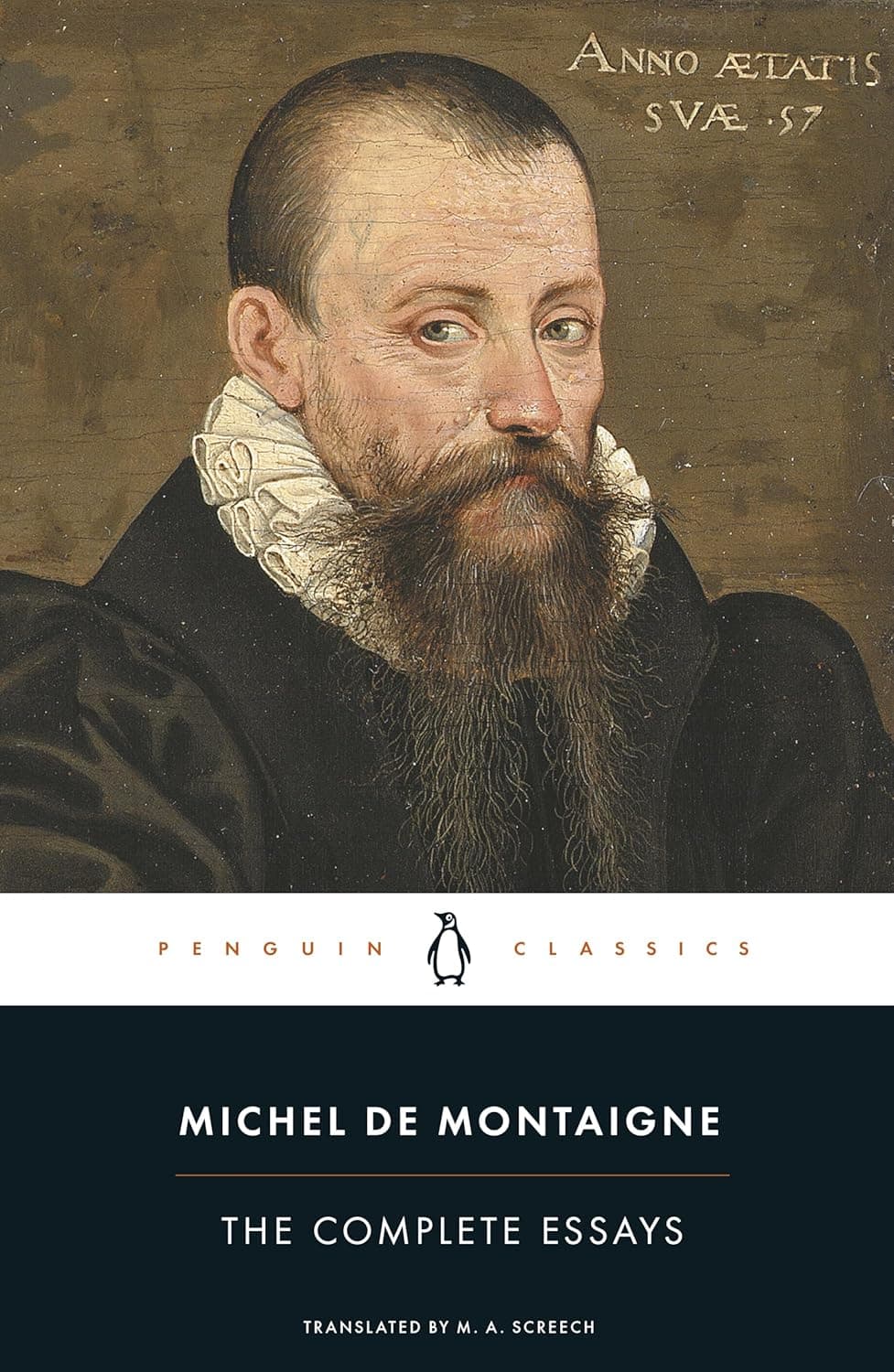
Montaigne wrote short pieces on friendship, fear, sleep, and his kidney stones, and invented the essay doing it. As company on the page he remains unmatched in four centuries.

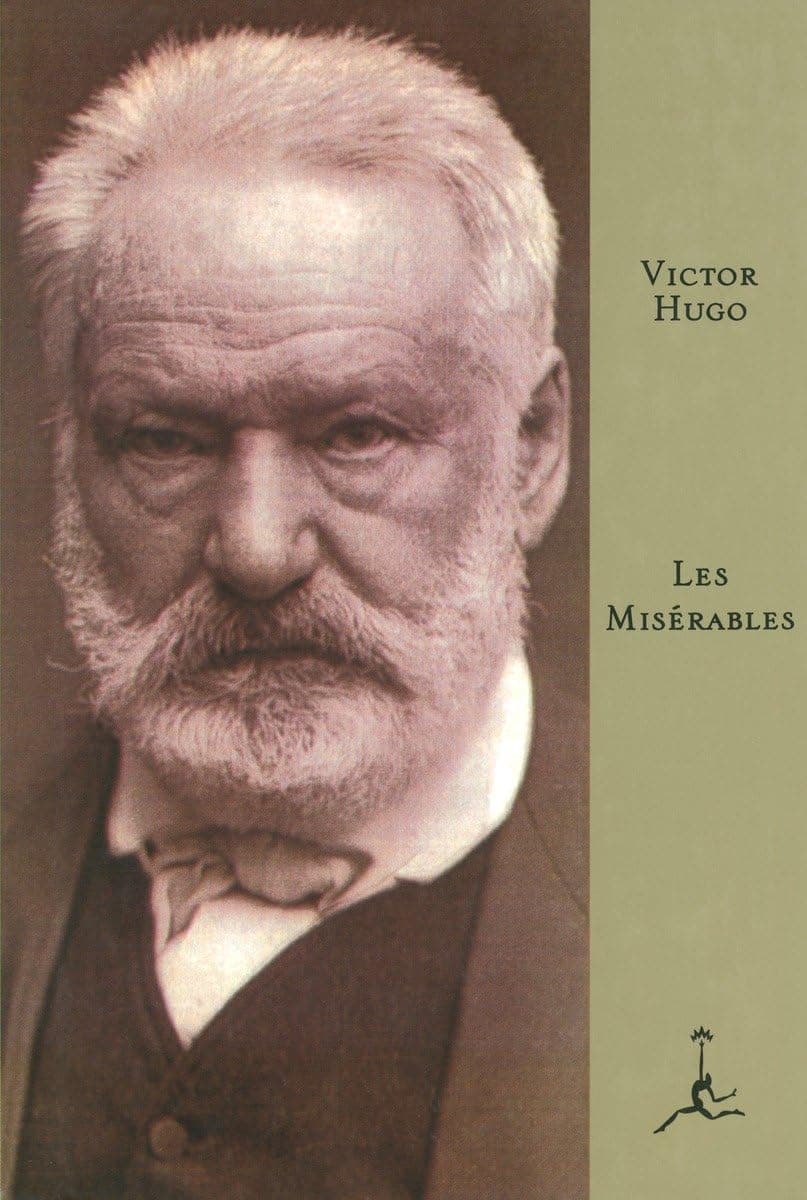
Jean Valjean serves nineteen years for stealing bread, breaks parole, and is hunted the rest of his life by a relentless policeman. Around them Hugo builds the century's great argument for mercy.

Julien Sorel, a carpenter's son with a memorized Bible and enormous nerve, climbs out of provincial France into Paris society by way of two women. Stendhal reports each calculation without excusing him.

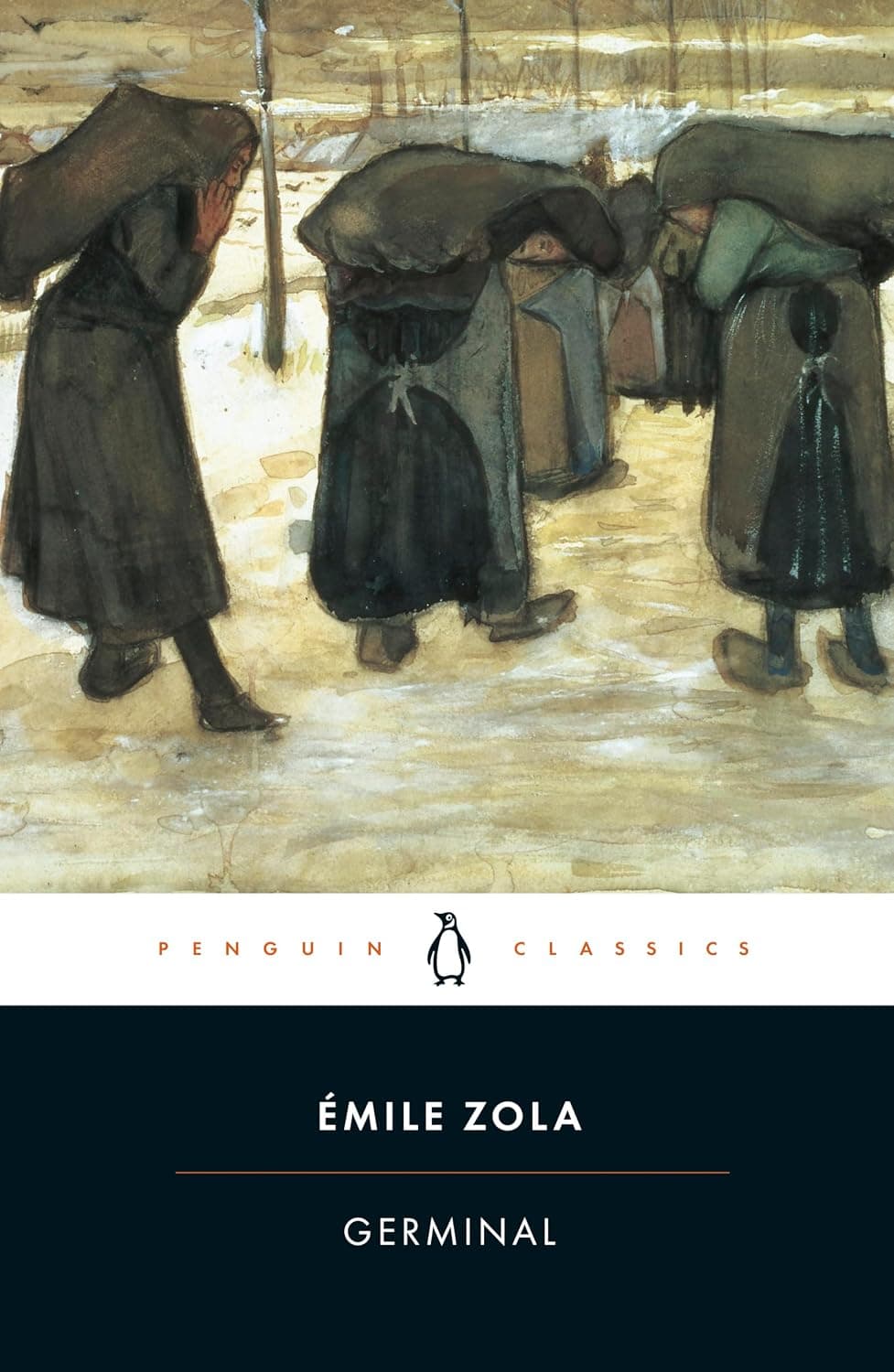
Etienne Lantier takes work in a French coal pit and talks the starving miners into striking. Zola went down a real mine to write this, and you feel the rock overhead.

Late medieval France and the Netherlands ran on public weeping, elaborate tournaments, and constant awareness of death. Huizinga paints this as no Renaissance dawn but a culture worn out by its own forms.

Banished from court, Rosalind hides in the Forest of Arden in men's clothes and coaches the man she loves in how to court her. She talks rings around everyone in Shakespeare.

In a shabby Paris boarding house, an old man sells off everything for two daughters ashamed to be seen with him. Balzac counts every franc and shows what money does to love.

Passed over by her rich relations, a poor spinster sets out to ruin them, helped by a wife who bankrupts men for a living. Balzac makes envy a protagonist and never looks away.

Sent to Paris to pry a young American away from a Frenchwoman, a middle-aged emissary looks around and tells a young painter to live all he can. James called it his best novel.

Caesar reports his own conquest of Gaul in the third person, equally calm about bridge building and massacre. The Latin is so clean that students still learn the language on it.

Every confessional memoir descends from this. Rousseau promised to show himself entire and delivered: the ribbon he stole and blamed on a servant girl, the five children he gave to a foundling hospital.

Modern conservatism begins here, in Burke's fury at revolutionaries who tore down old institutions for the sake of an abstraction. Society is a partnership between the dead, the living, and the unborn.

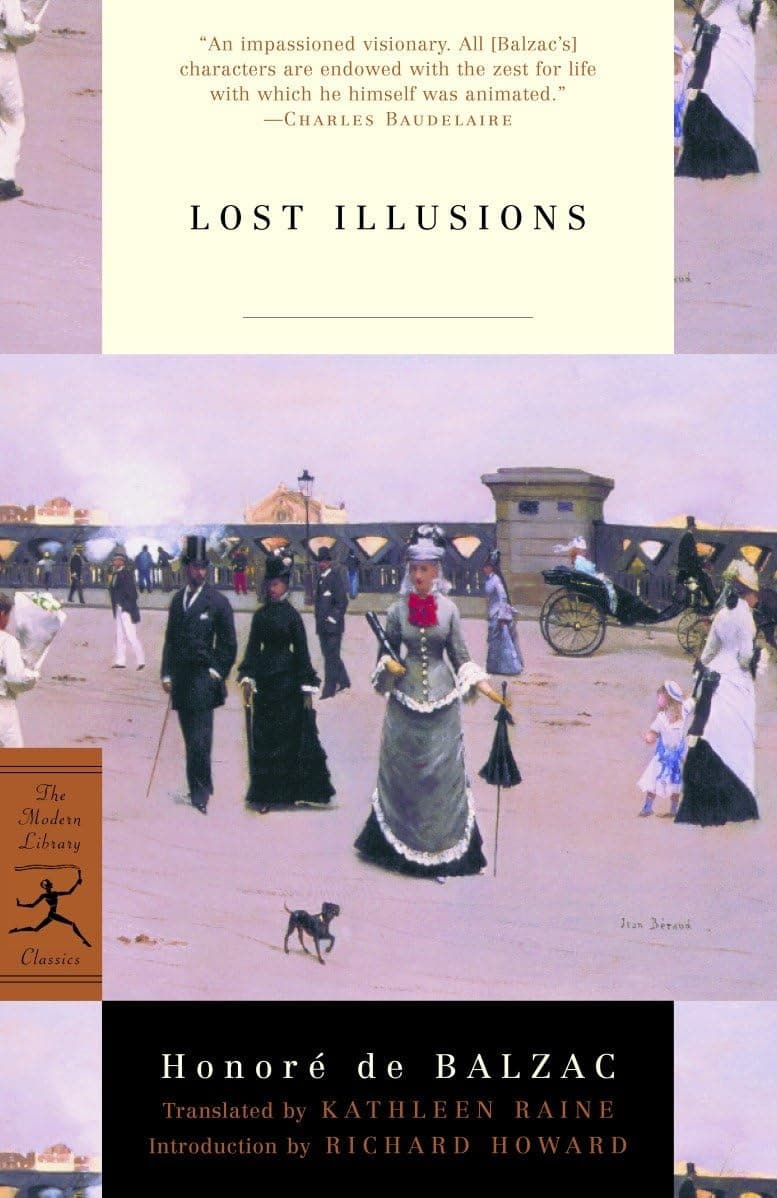
Lucien leaves Angouleme certain his poems will make him famous in Paris, and finds literature there is a trade in favors and paid reviews. Balzac invented the modern story of selling out.

Eighteen years in the Bastille have left Doctor Manette making shoes in the dark. Dickens carries his daughter's household from London into the Terror, where Madame Defarge knits a death list.

Frédéric Moreau spends his youth in Paris loving a married woman he will never have and drifting through the 1848 revolution. Flaubert made wasted life a permanent subject for the novel.

Alceste cannot tell a lie and is destroying himself over a woman who lives on flattery. Tartuffe, the fake holy man eating his host's house, is hypocrisy caught whole and played for laughs.

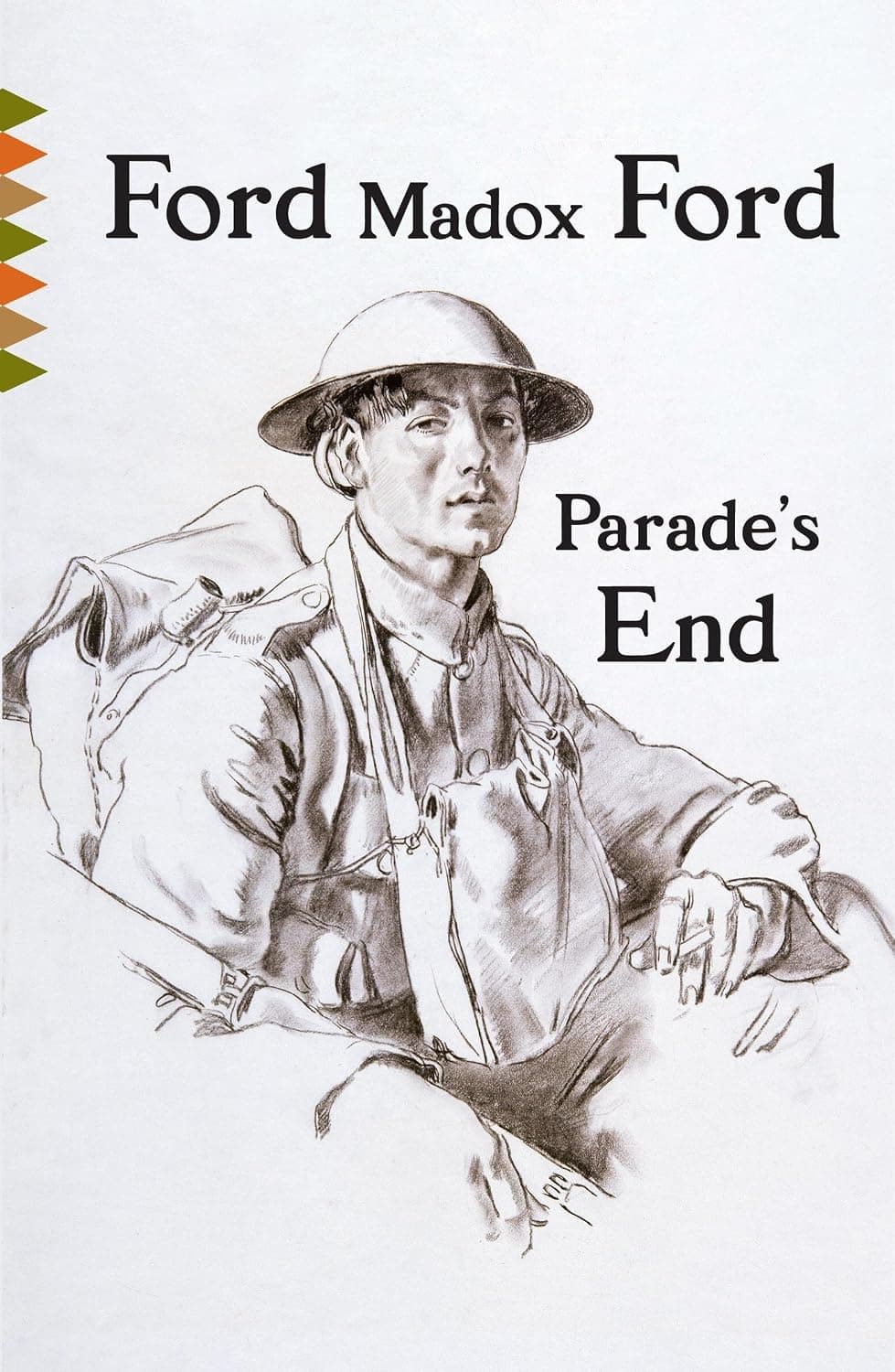
Christopher Tietjens, a government statistician called the last Tory, endures a wife bent on ruining him and a war in France that takes apart the England he was raised to defend.

Seventeen-hour shifts in a Paris restaurant kitchen, then the tramps' road between London workhouses. Orwell went into poverty himself and came back able to describe what hunger does to a mind.