
The Great Gatsby
1925 · 208 pages
Gatsby throws enormous parties hoping the woman he loved will wander into one. Fitzgerald made the Jazz Age America's myth of itself, and the last page is the most beautiful in American writing.
★ 9.4
 skopia
Gatsby throws enormous parties hoping the woman he loved will wander into one. Fitzgerald made the Jazz Age America's myth of itself, and the last page is the most beautiful in American writing.

Huck runs off down the Mississippi with Jim, who is escaping slavery, and the moment he decides he would rather go to hell than turn him in is the hinge of American fiction.
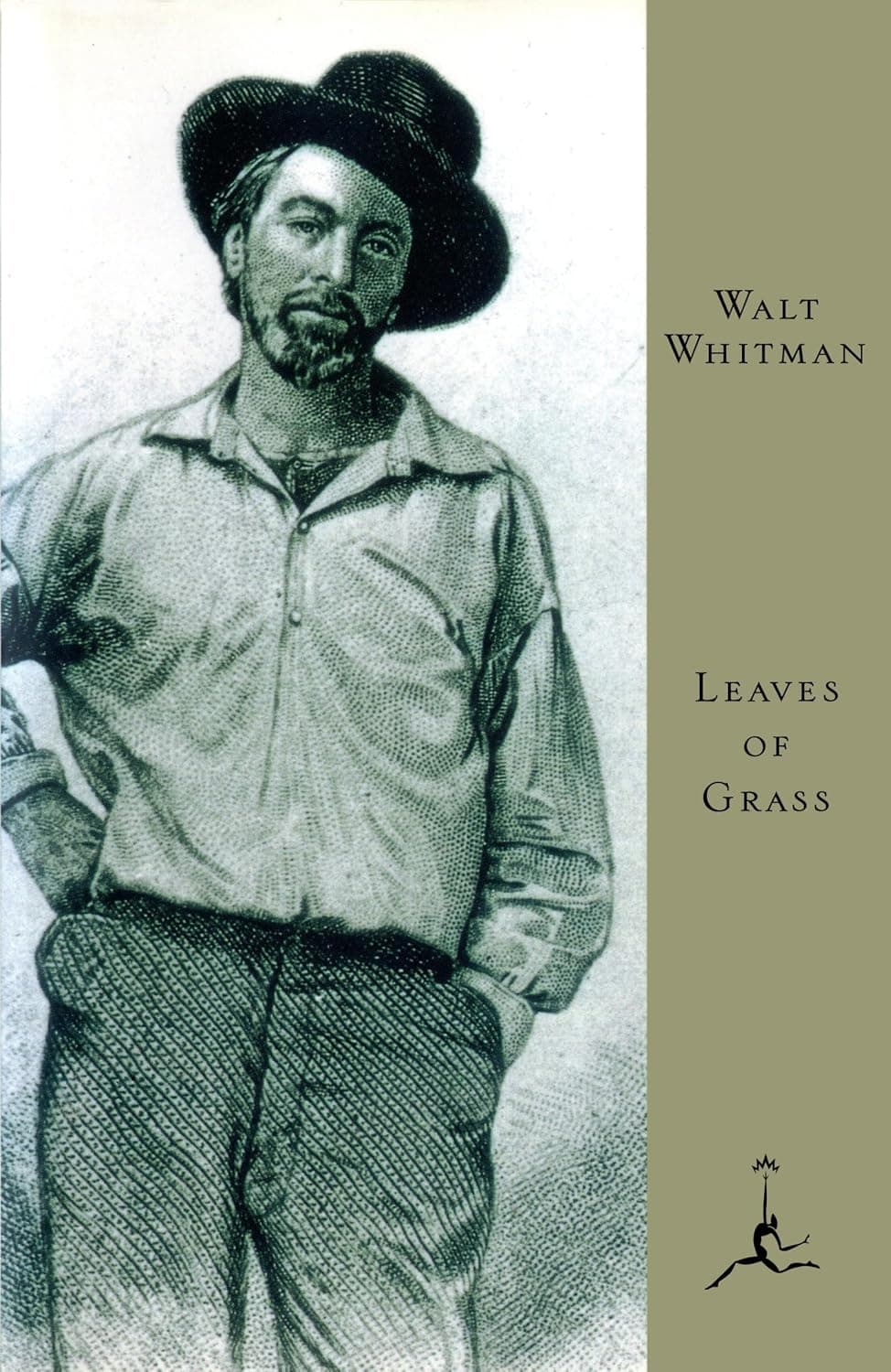
Whitman threw out rhyme and meter to write the body, the country, and himself at full voice. In "Song of Myself" he speaks straight at you, delighted that you finally showed up.

Four sections circle one Mississippi family's ruin, and the first belongs to a brother who cannot speak or keep time in order. Faulkner makes confusion itself carry the weight of grief.

Humbert Humbert explains how he became stepfather to a twelve-year-old girl and drove her across America. Nabokov gives the monster the most beautiful prose in English and dares you to enjoy it.
Thomas Sutpen arrives in Mississippi from nowhere with a band of slaves and a French architect and builds a dynasty that destroys itself. Two students retell it until it swallows them.
Thrown out of college, then used by a Harlem political movement, a nameless Black man ends up living in a cellar on stolen light. Ellison writes American rage with jazz timing.
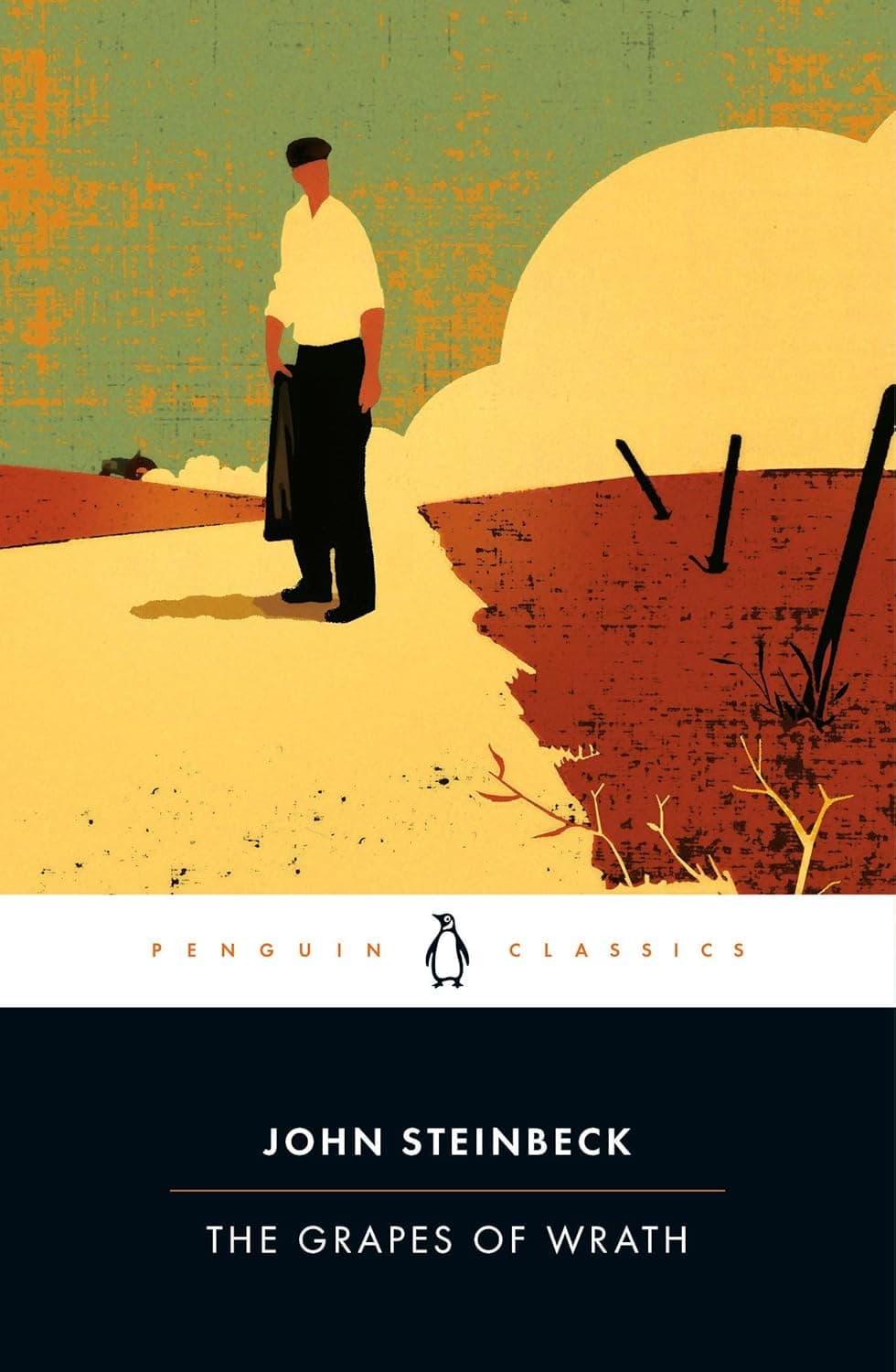
The Joads lose their Oklahoma farm and drive west to California, where the promised work is a lie. Steinbeck's fury at what was done to them still comes off the page.
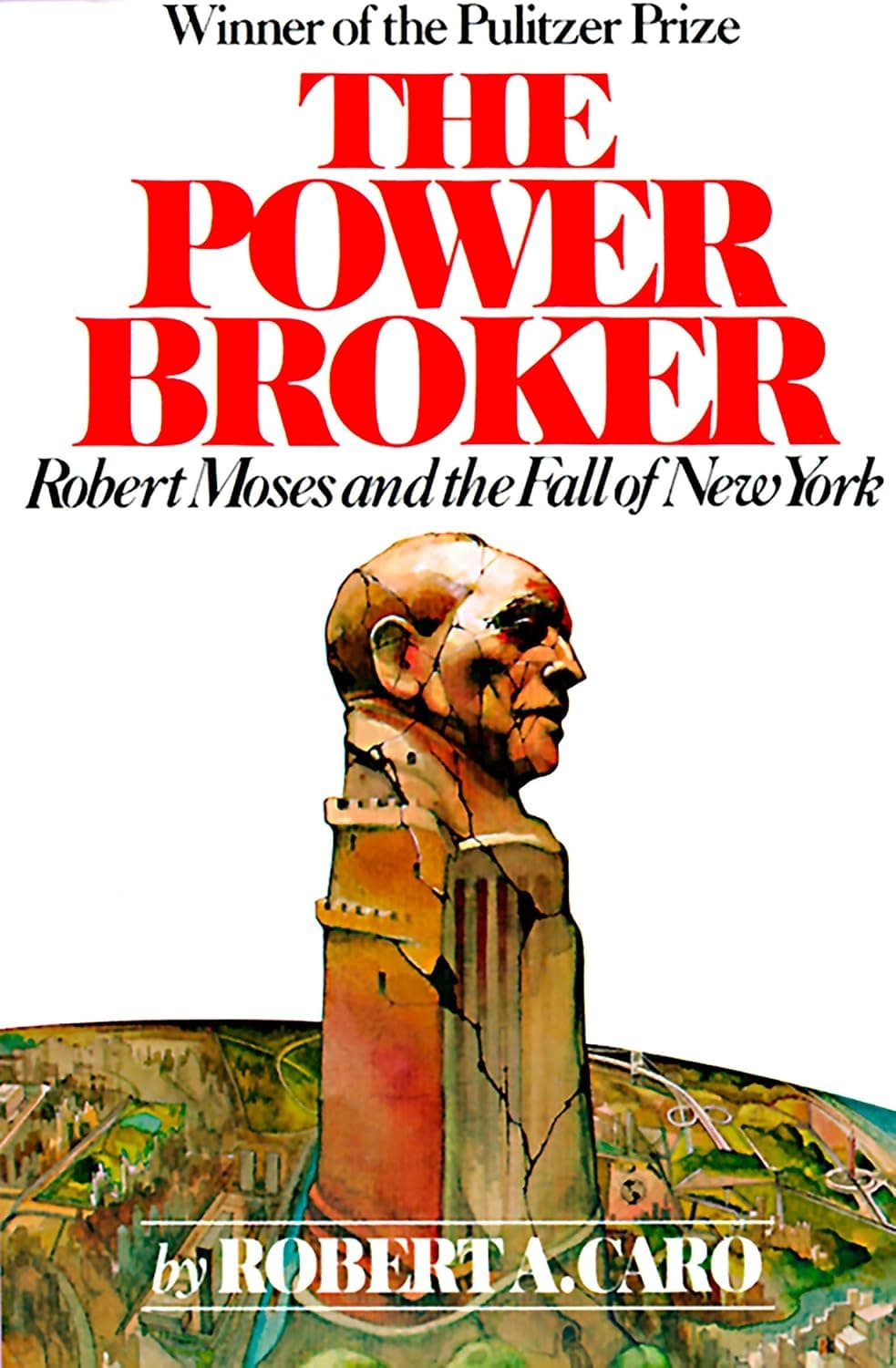
Robert Moses was never elected to anything and remade New York for forty years, throwing up bridges and expressways and flattening the neighborhoods in their way. Caro shows exactly how it was done.

Blanche DuBois arrives at her sister's New Orleans apartment with nothing left, and her brother-in-law Stanley sets about destroying what remains. No American play has staged desire and cruelty this nakedly.
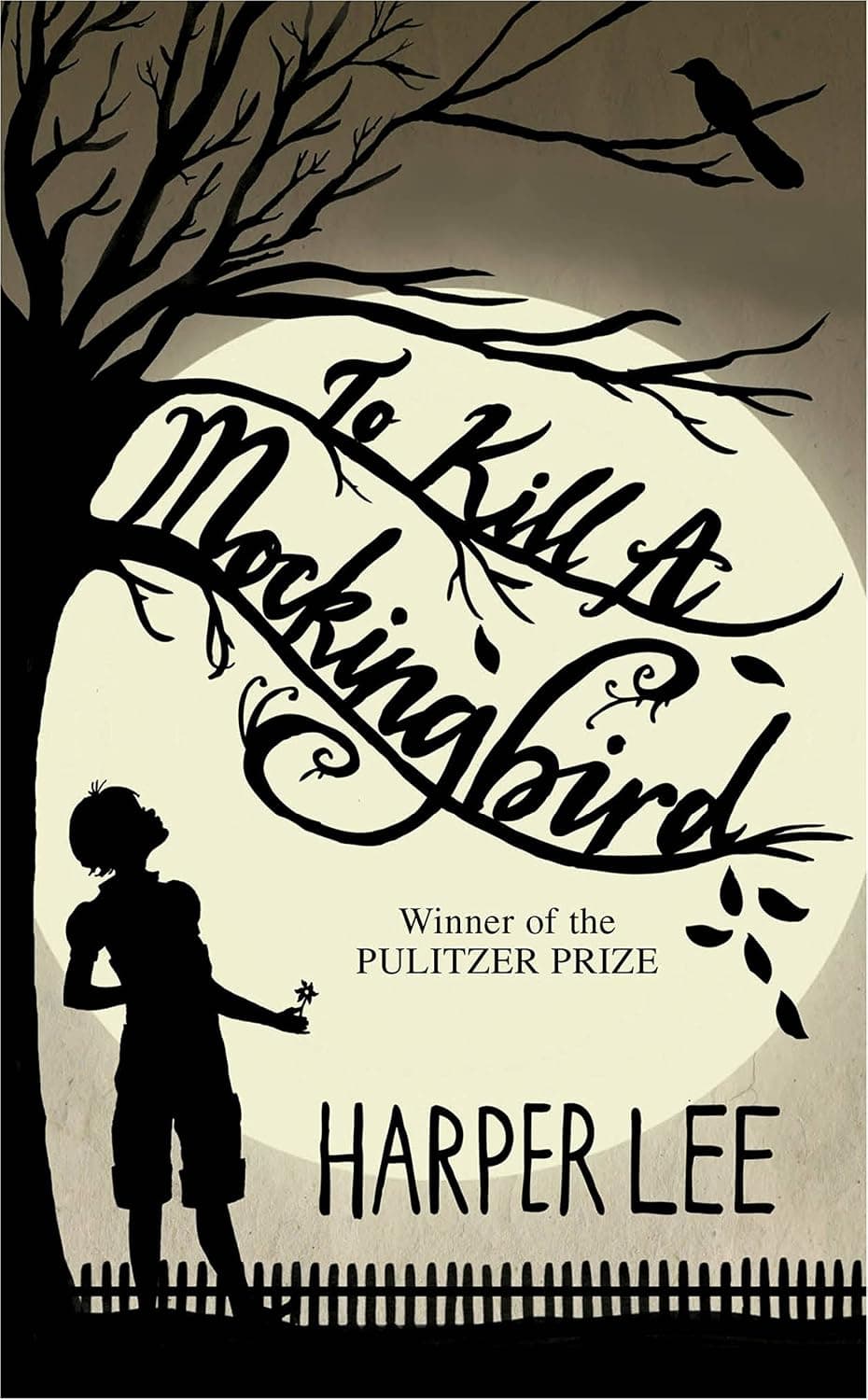
Scout Finch's father, a lawyer in a small Alabama town, defends a Black man accused of raping a white woman. The trial reaches you through a child who understands less than you do.

No foreigner has ever read America this well. Touring the young republic in 1831, Tocqueville found equality rather than liberty the engine of the place, and warned that majority opinion smothers free minds.

A dead poet's 999 lines arrive wrapped in footnotes by a neighbor certain the poem is about his own lost northern kingdom. The ingenuity is total and the grief underneath is real.
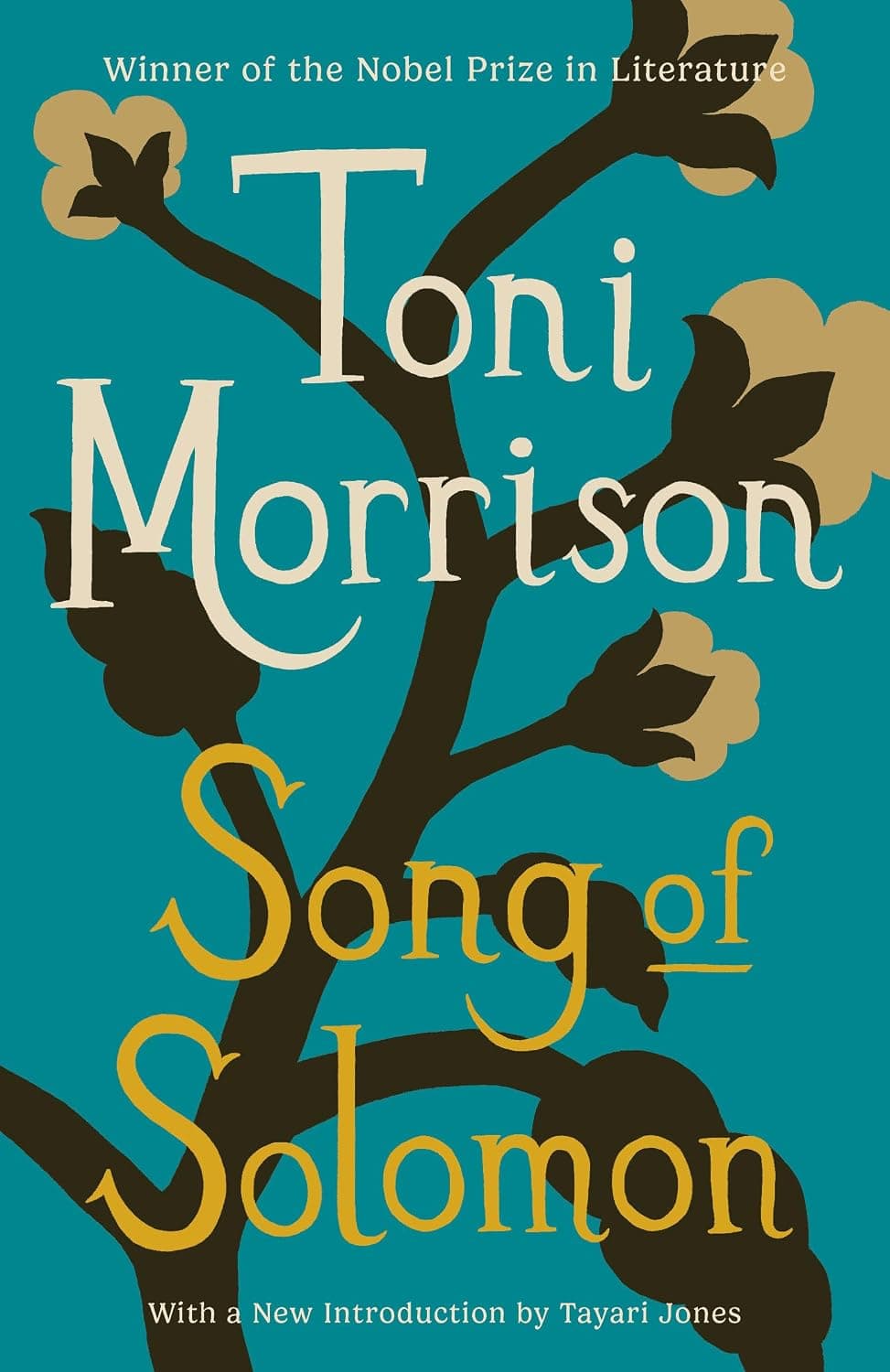
Hunting gold in the South, a rich man's bored son finds his family's history instead, hidden in a song children sing. Morrison turns it into myth: an African ancestor who flew home.

Holden Caulfield is thrown out of prep school and spends three days loose in New York, telling you about it. Salinger got the voice so exact that teenage fiction has echoed it since.

Malcolm X was a Michigan boy, then a Harlem hustler, then a convict copying the dictionary, then a speaker no one in America could ignore. He was still changing when he was murdered.

Jacobs watched her Greenwich Village street and argued that crowded sidewalks, short blocks, and eyes on the street are what keep a city alive. After this, bulldozing a neighborhood stopped looking like progress.
Pushing a shopping cart south through a burned gray America, a man and his boy hide from people who eat other people. The talk between them is the tenderest thing McCarthy ever wrote.
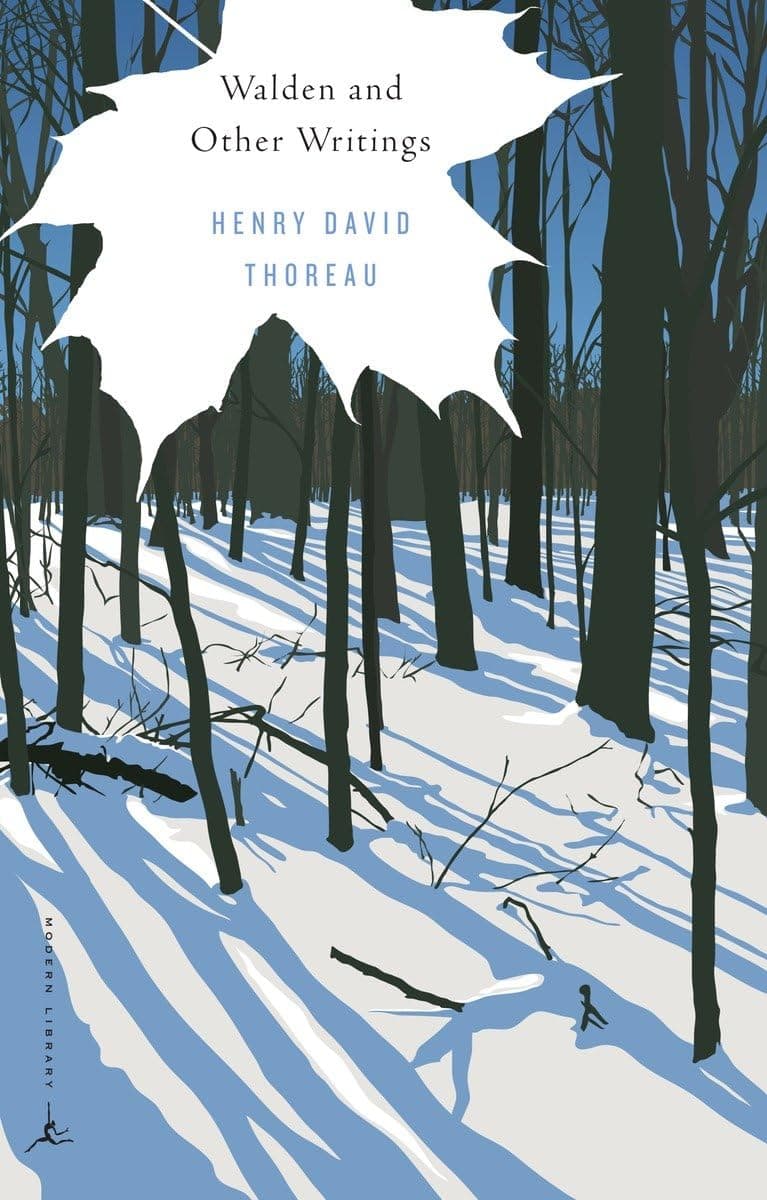
Two years in a cabin by a Massachusetts pond, and the permanent argument against a life spent earning. Thoreau writes about beans, loons, and why most people lead lives of quiet desperation.

Du Bois named the double consciousness of seeing yourself through white eyes and called the color line the problem of the twentieth century. The chapter on his firstborn son's death is unbearable.

Puritan Boston fastens a red letter to Hester Prynne's dress for adultery, and she refuses to name the child's father. Hawthorne turns public shame into something you feel in your body.

Addie Bundren dies and her family hauls the coffin across Mississippi through flood and fire. Fifteen voices tell it, and you laugh at people whose misery you can feel.

Janie comes home to a Black town in Florida and tells a friend about her three marriages and how she found her own voice. Hurston writes porch talk exactly as it sounded.
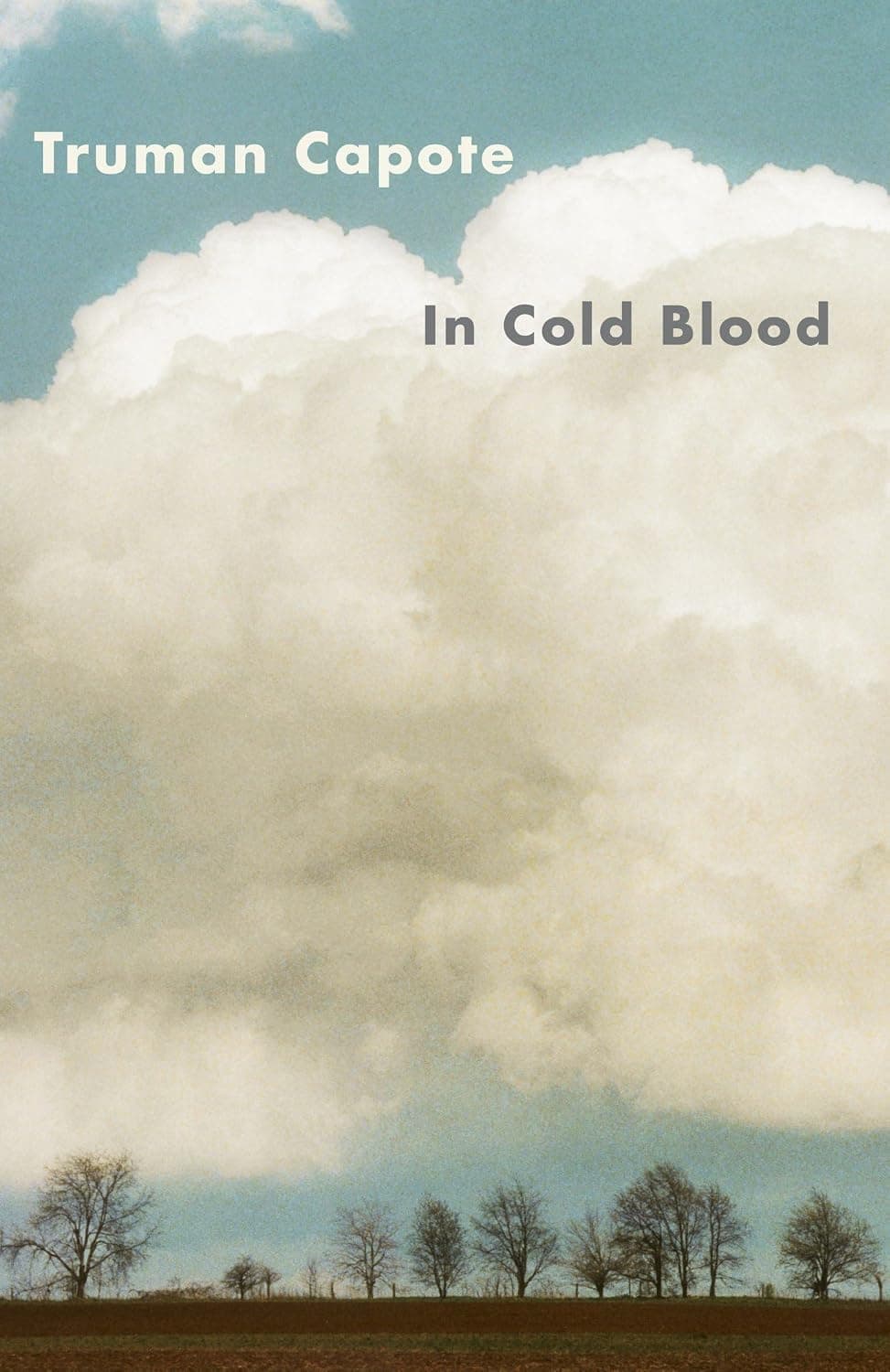
In 1959 two ex-convicts murdered a Kansas farm family of four they had never met. Capote spent years with the killers and turned reporting into a novel, patient and entirely without comfort.

McPherson carries the whole Civil War in one volume, from the fights over slavery in the 1840s through Antietam to the surrender at Appomattox, and it reads like dispatches filed the same day.

Moses Herzog, a professor whose wife left him for his closest friend, comes apart and writes furious unsent letters to philosophers, ex-wives, and the dead. Bellow makes a breakdown enormous fun.
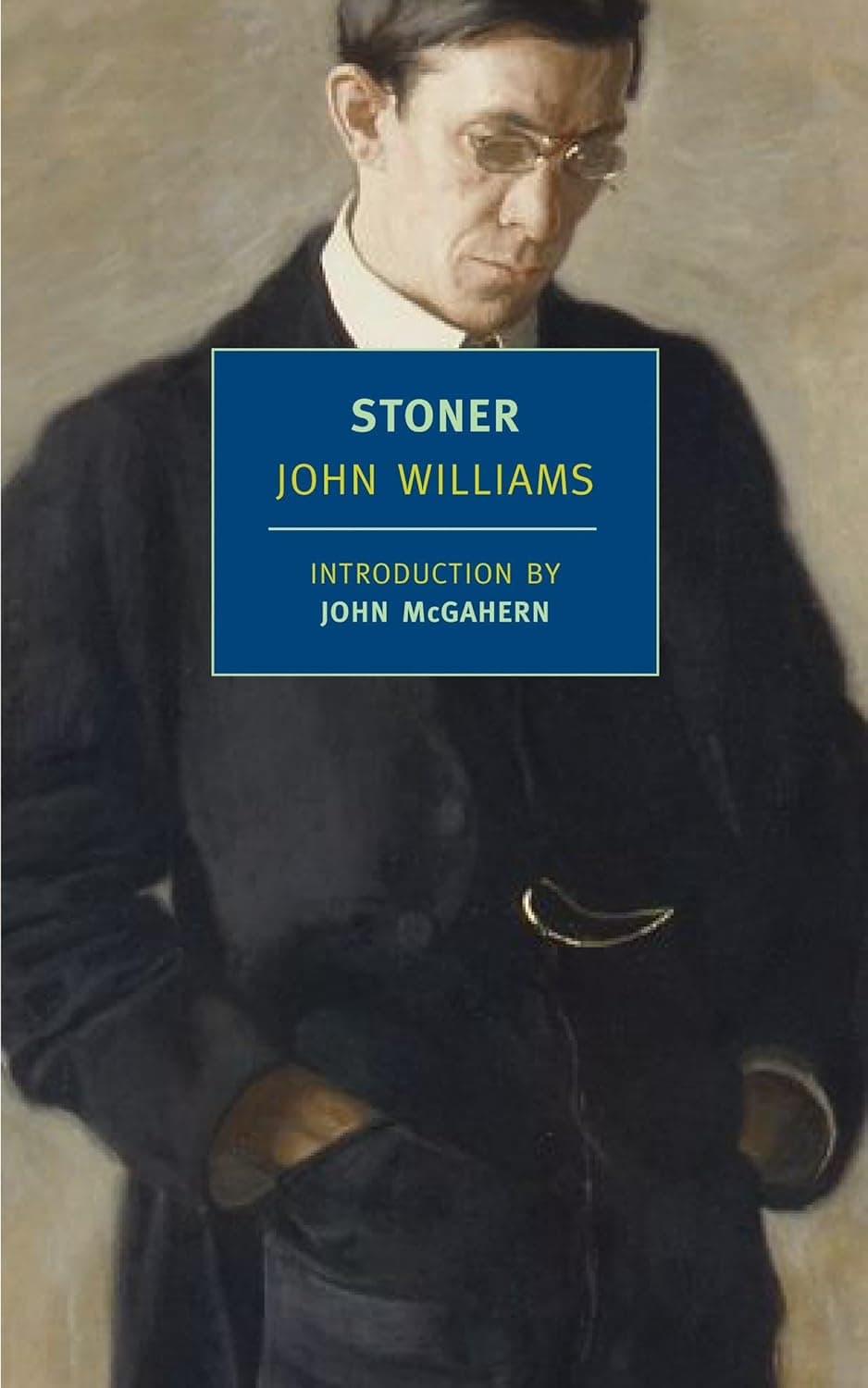
Sent to study agriculture, a Missouri farm boy falls for English literature instead and never leaves the university. Williams makes an unremarkable life, badly used by everyone in it, hold you completely.

In the theocracy that replaced the United States, fertile women are assigned to powerful men to bear their children. Atwood put nothing in it that had not already happened somewhere.
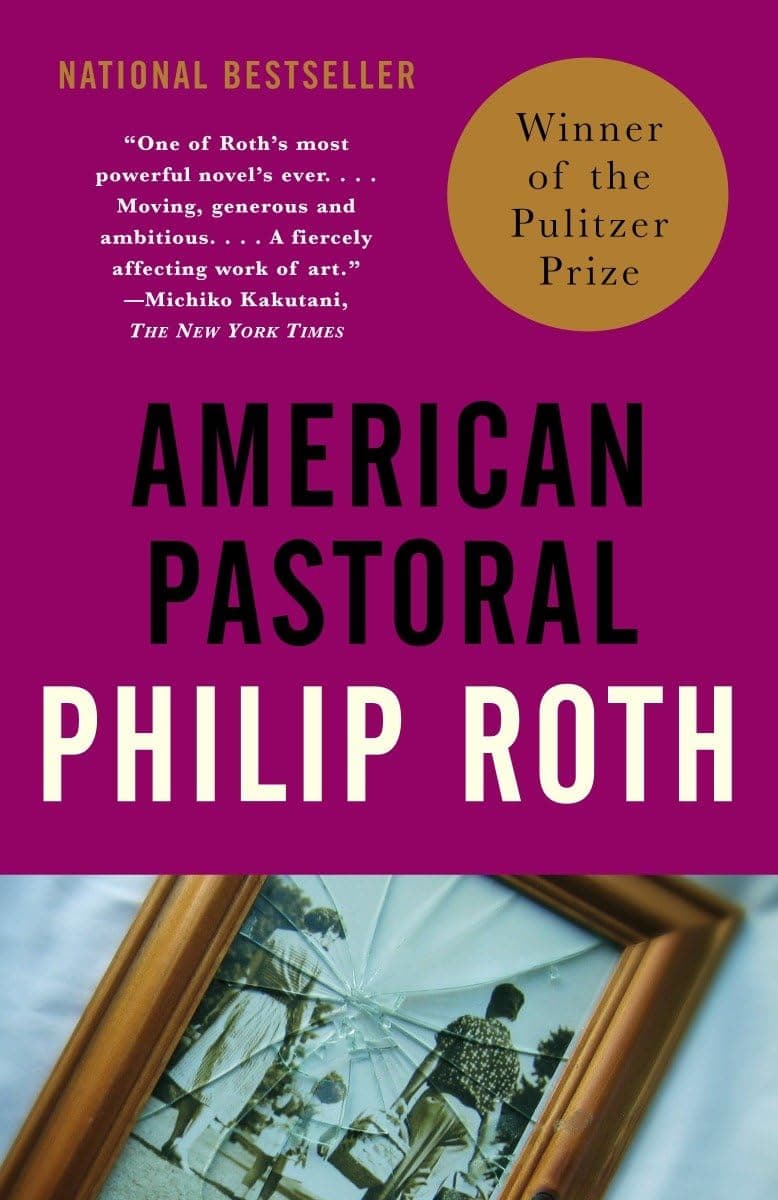
Seymour Levov has a glove factory, a beauty queen wife, and the whole postwar American promise, until his stuttering daughter plants a bomb in 1968. Roth takes a decent man apart.

Somewhere there is a film so entertaining that anyone who watches it stops eating. Wallace chases it through a tennis academy and a halfway house full of addicts he writes with real love.
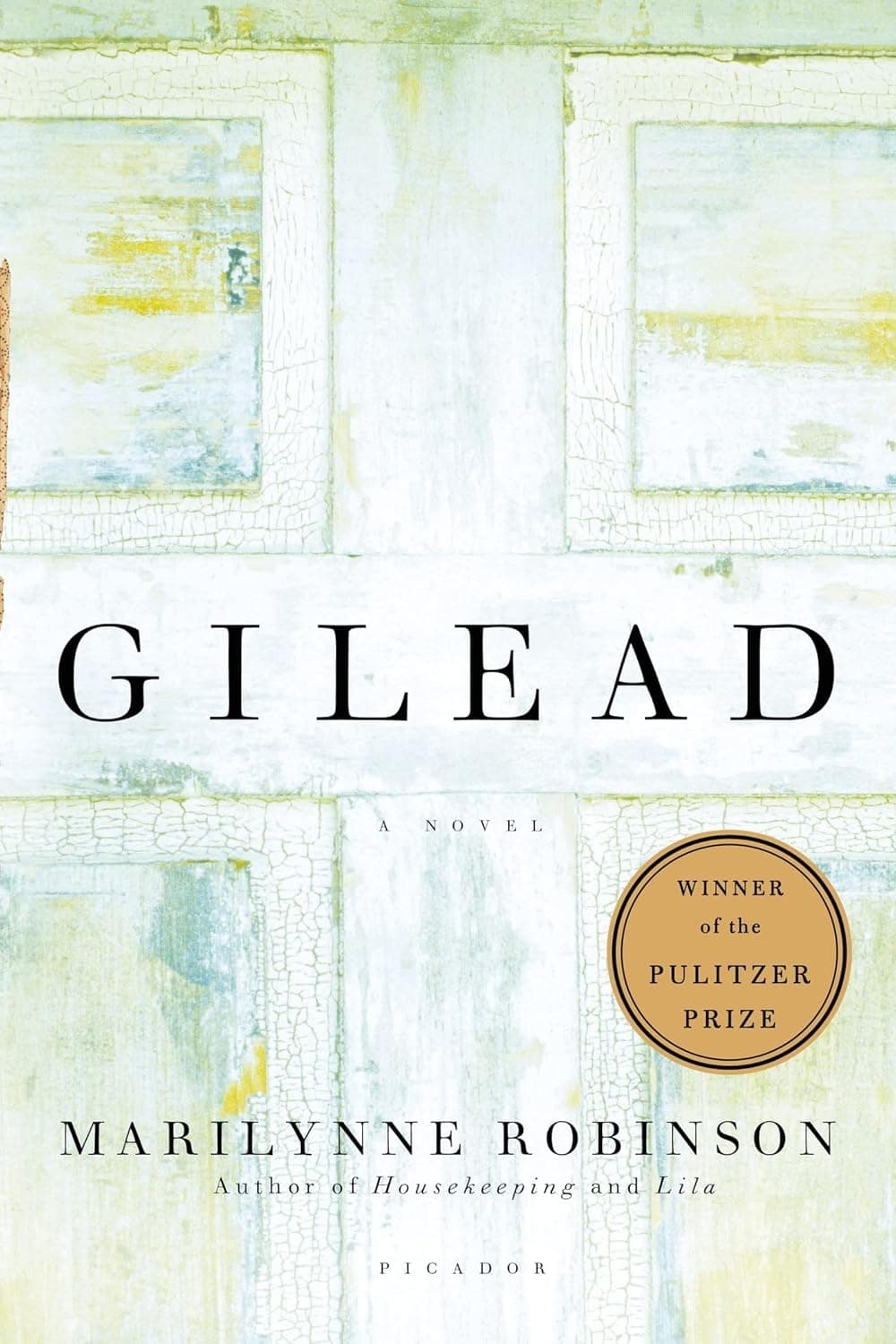
John Ames, an old preacher in Iowa, is dying and sets his life down for the seven-year-old son who will not remember him. Robinson makes an ordinary afternoon feel like grace.

Newland Archer, engaged to the right New York girl, falls for her cousin the Countess Olenska, back from a ruinous European marriage. Old New York moves against them without ever raising its voice.
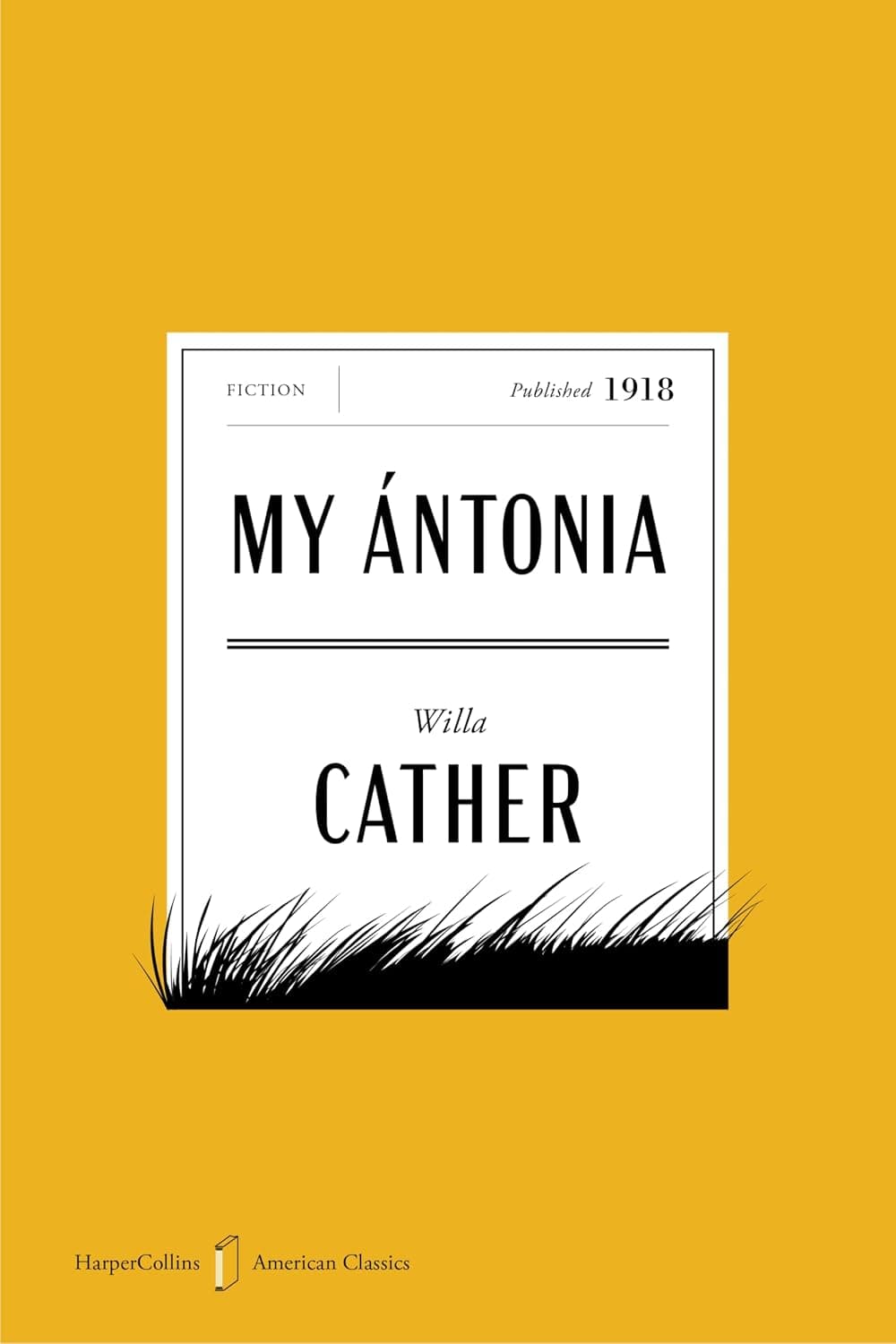
Jim Burden arrives orphaned in Nebraska and finds Antonia Shimerda, an immigrant girl whose family is barely surviving the winter. Cather writes the prairie so well the book reads like your own childhood.
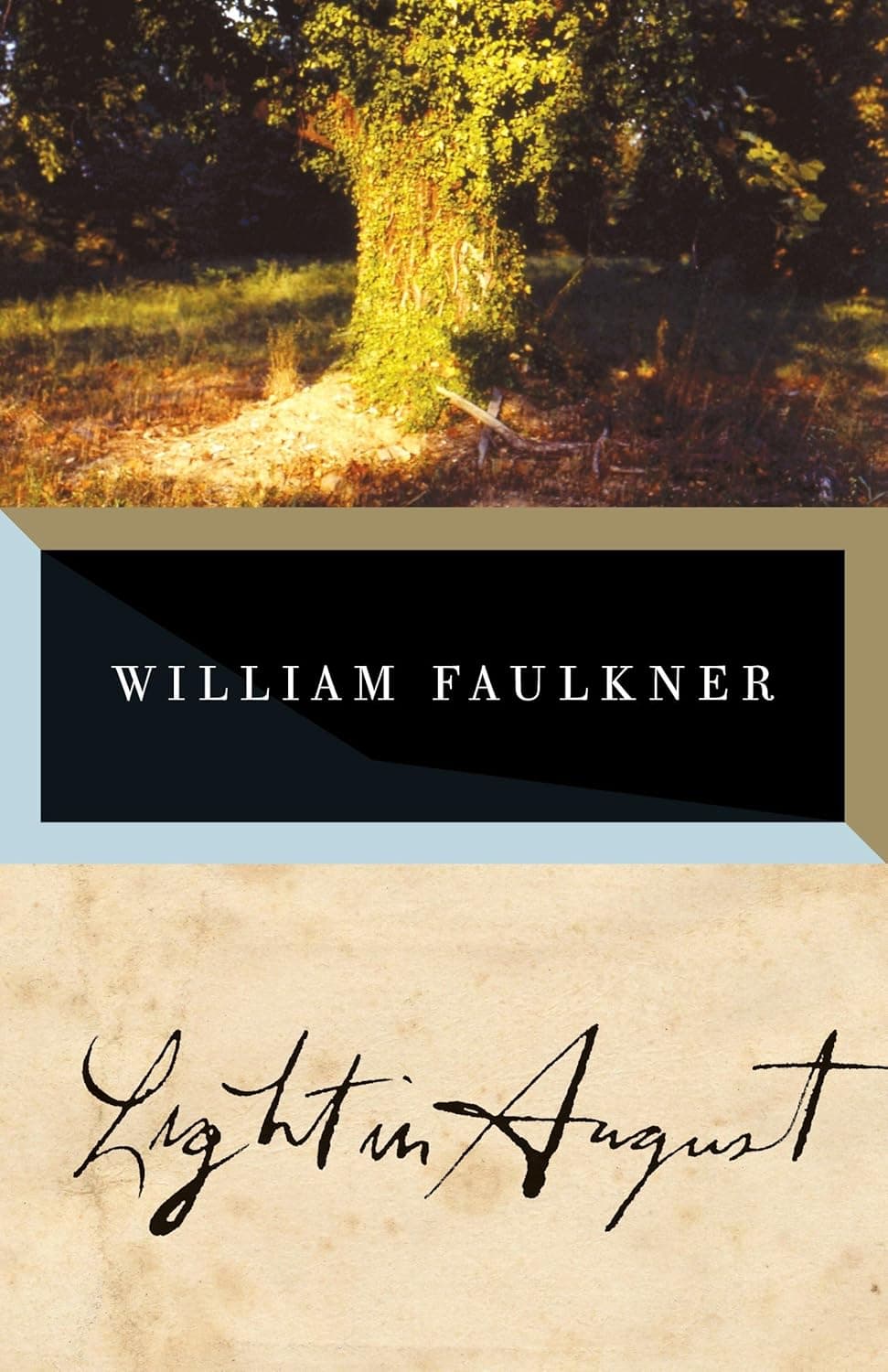
Pregnant and walking from Alabama, Lena Grove looks for the man who left her. Nearby a man who cannot say whether he is black or white is running out of room.
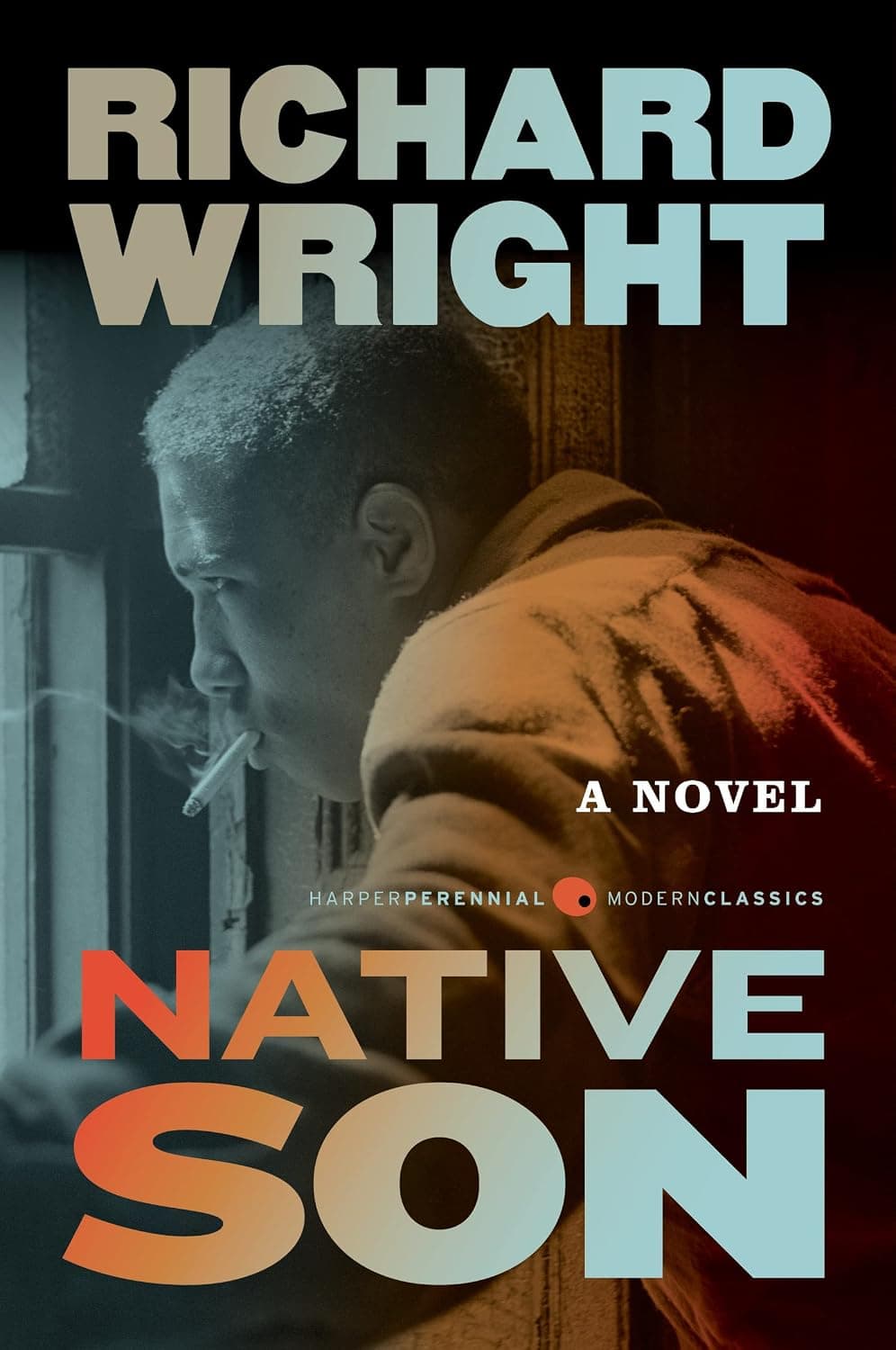
Bigger Thomas drives for a rich white family in 1930s Chicago and kills their daughter in a panic his first night. Wright keeps you inside his head and will not soften him.

Poe invented the detective story and perfected the tale of terror. His narrators wall people up alive, hear a heart beating under the floorboards, and watch a house split apart.

Hired to copy documents in a Wall Street office, a clerk answers every request with "I would prefer not to." He explains nothing, and quiet refusal turns out to be unanswerable.
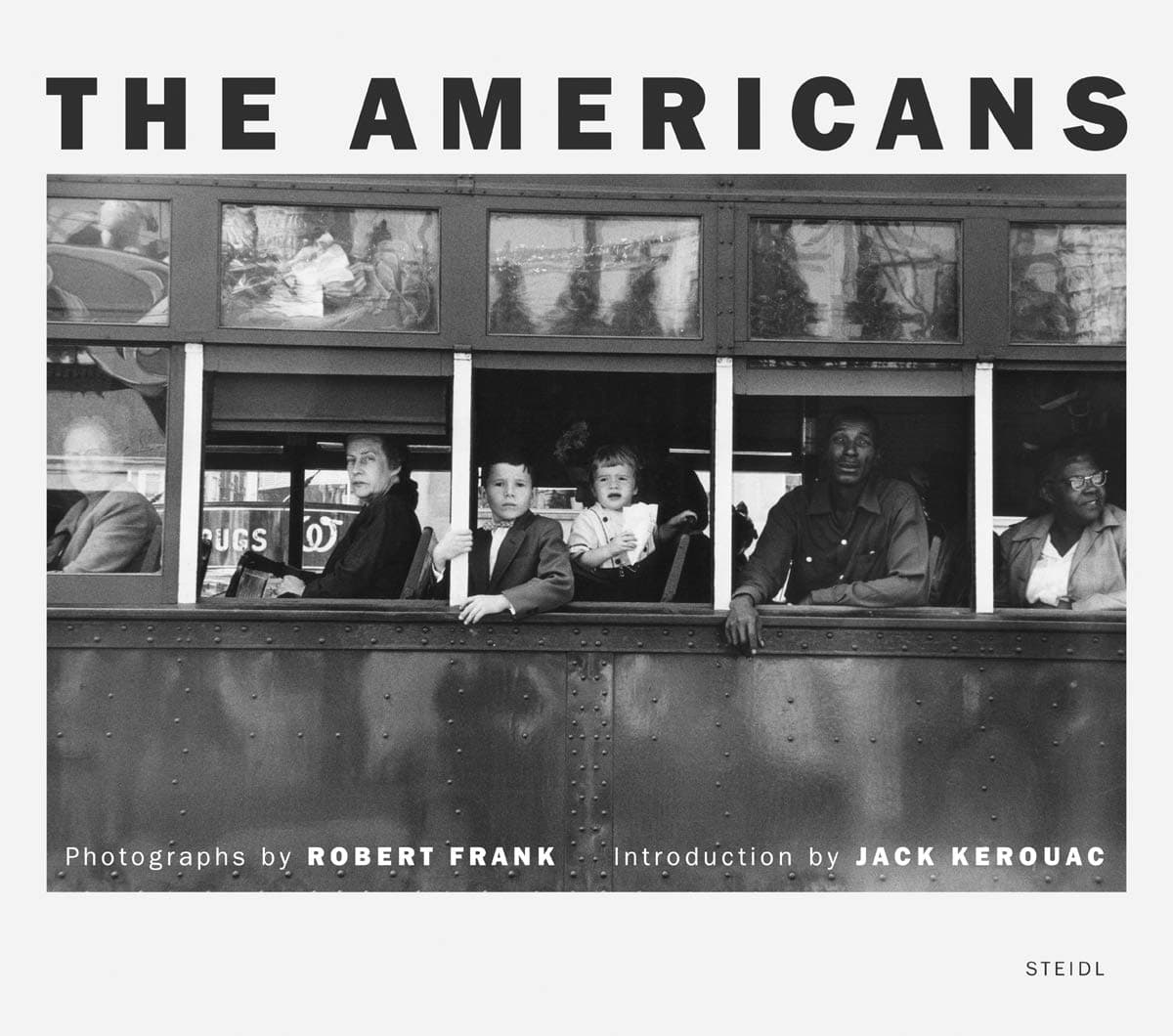
Frank drove ten thousand miles across America in 1955 and 1956, then cut the trip to eighty-three photographs of jukeboxes, funerals, and flags. American photography has not left their shadow since.
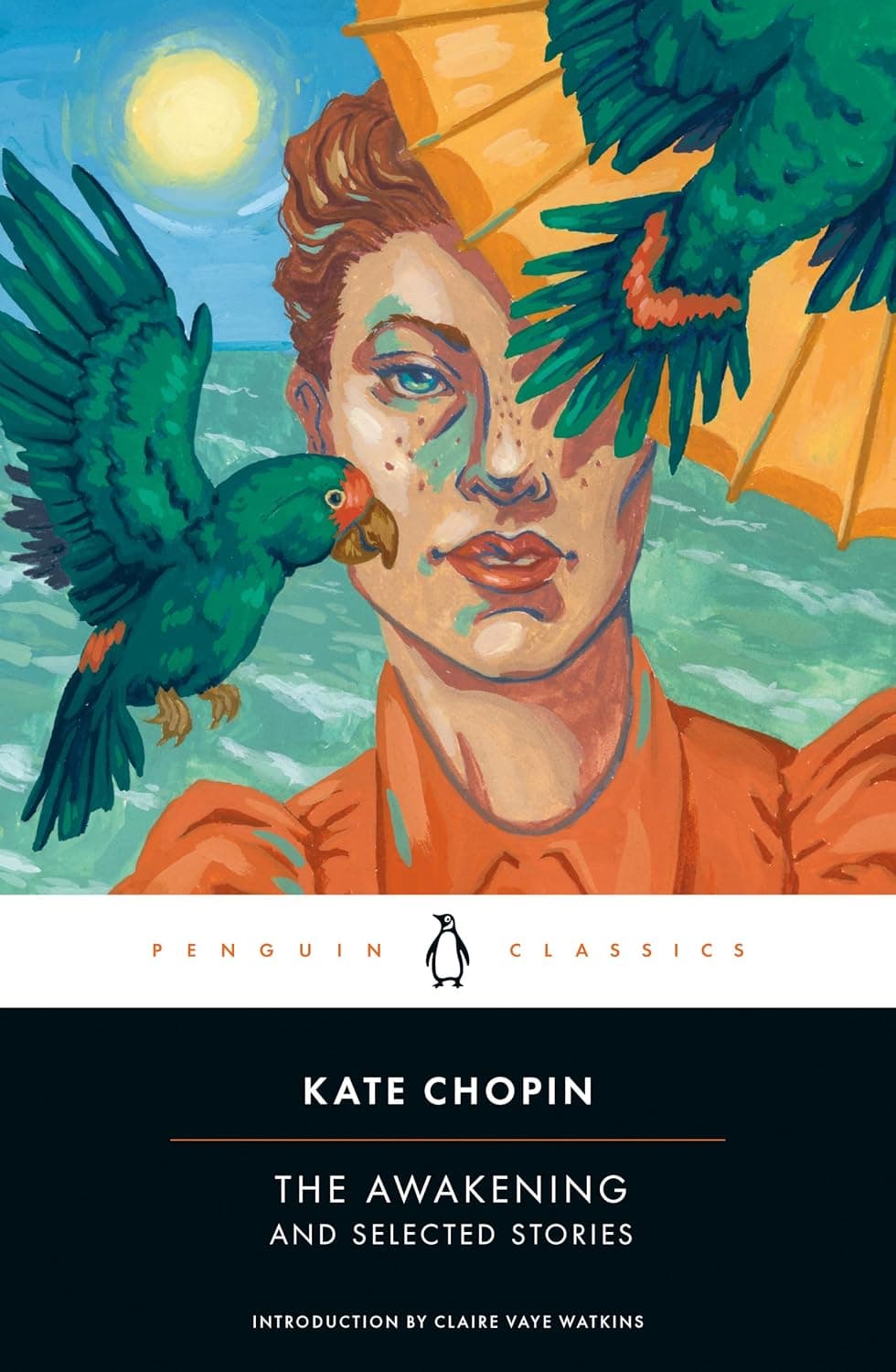
On a Louisiana resort island a married woman learns to swim, and the pleasure undoes everything she agreed to be. Edna Pontellier wants a life of her own, and 1899 offers none.
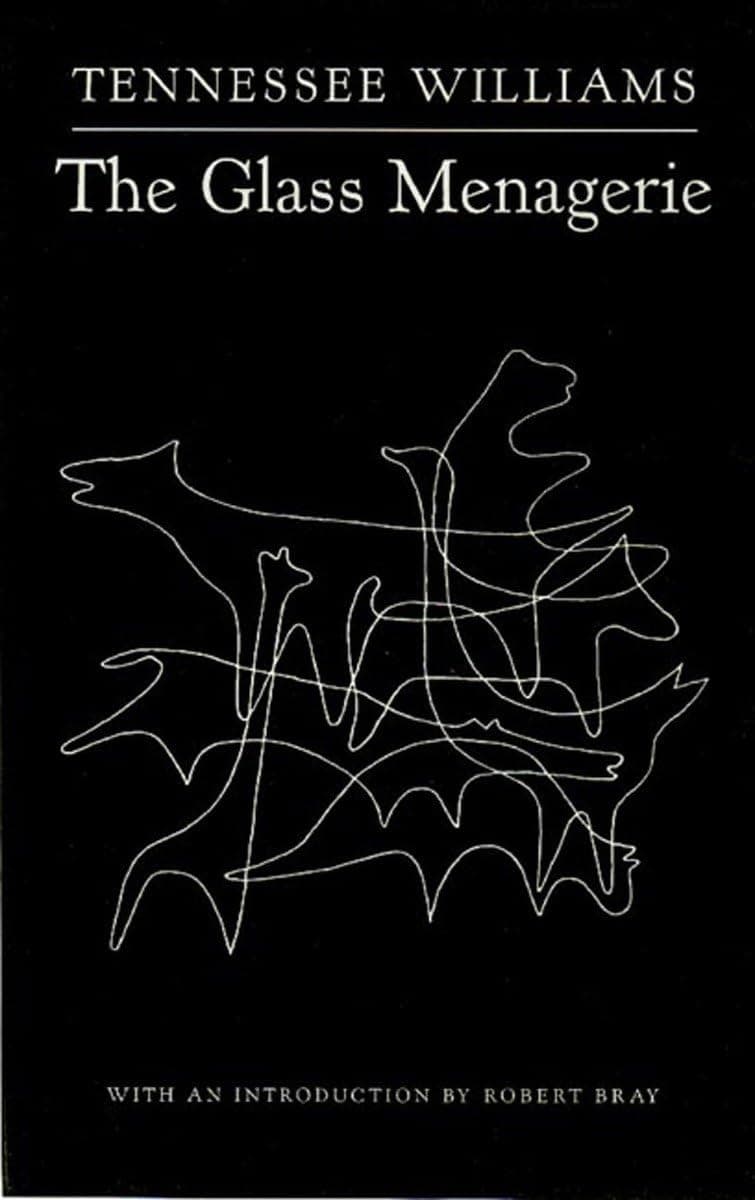
Tom narrates the St. Louis apartment he escaped, where his mother relives the seventeen gentlemen callers of her girlhood and his limping sister tends her glass animals. Everything turns on one visitor.

Lily Bart is beautiful, twenty-nine, and unmarried, which in Old New York is a countdown. Wharton tracks her slide from ballroom to boarding house without once softening the arithmetic.

Salem, 1692: girls caught dancing in the woods begin naming witches, and the town learns that an accusation cannot be answered. Miller wrote it while Congress hunted Communists, and audiences understood immediately.
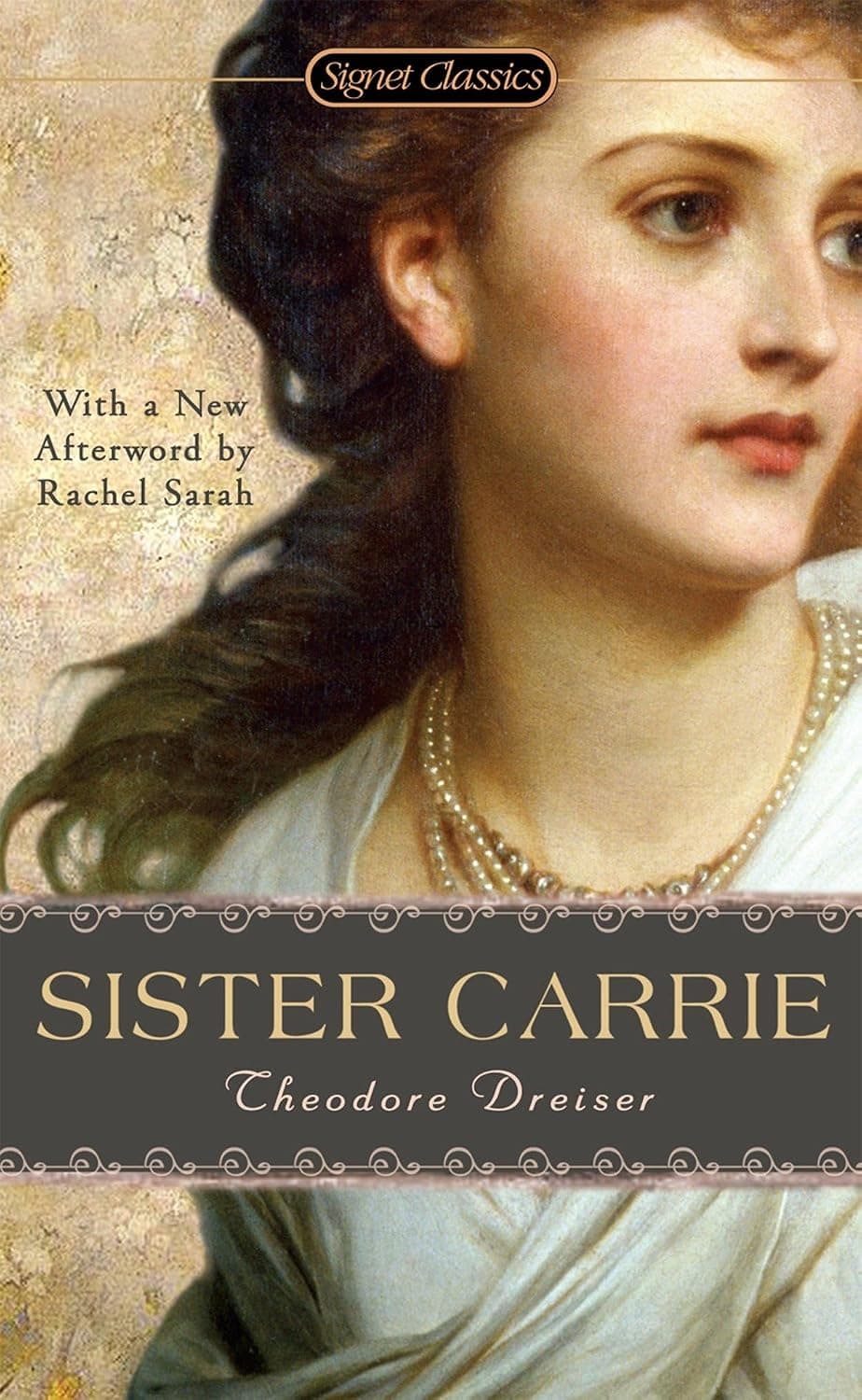
Carrie Meeber leaves Wisconsin for Chicago and rises through two men to the New York stage. Dreiser lets her prosper without remorse or retribution, and American fiction has been freer ever since.
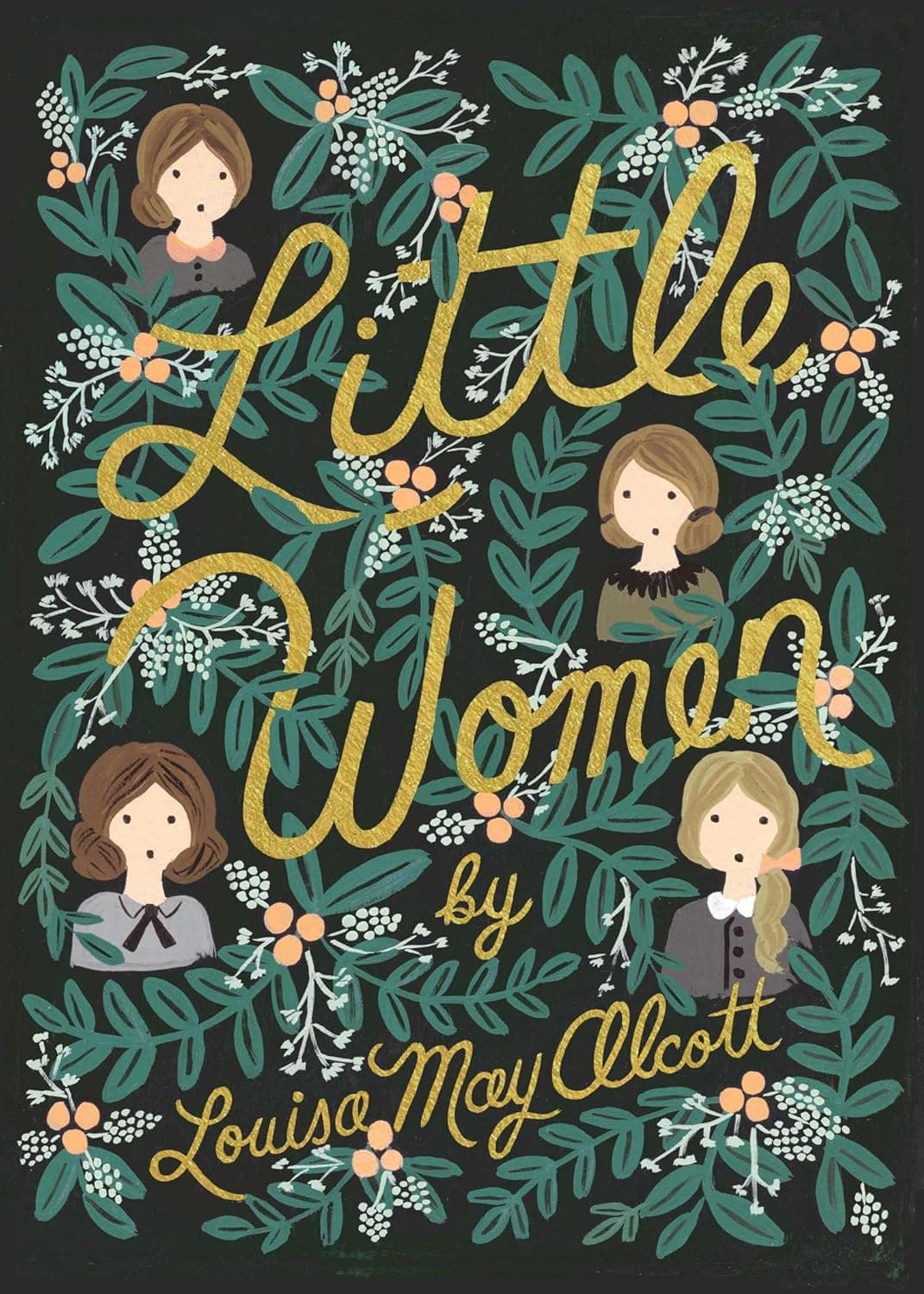
Four sisters grow up poor in a Massachusetts town while their father serves in the Civil War. Jo March wants to write, and readers have measured their own ambition against hers ever since.
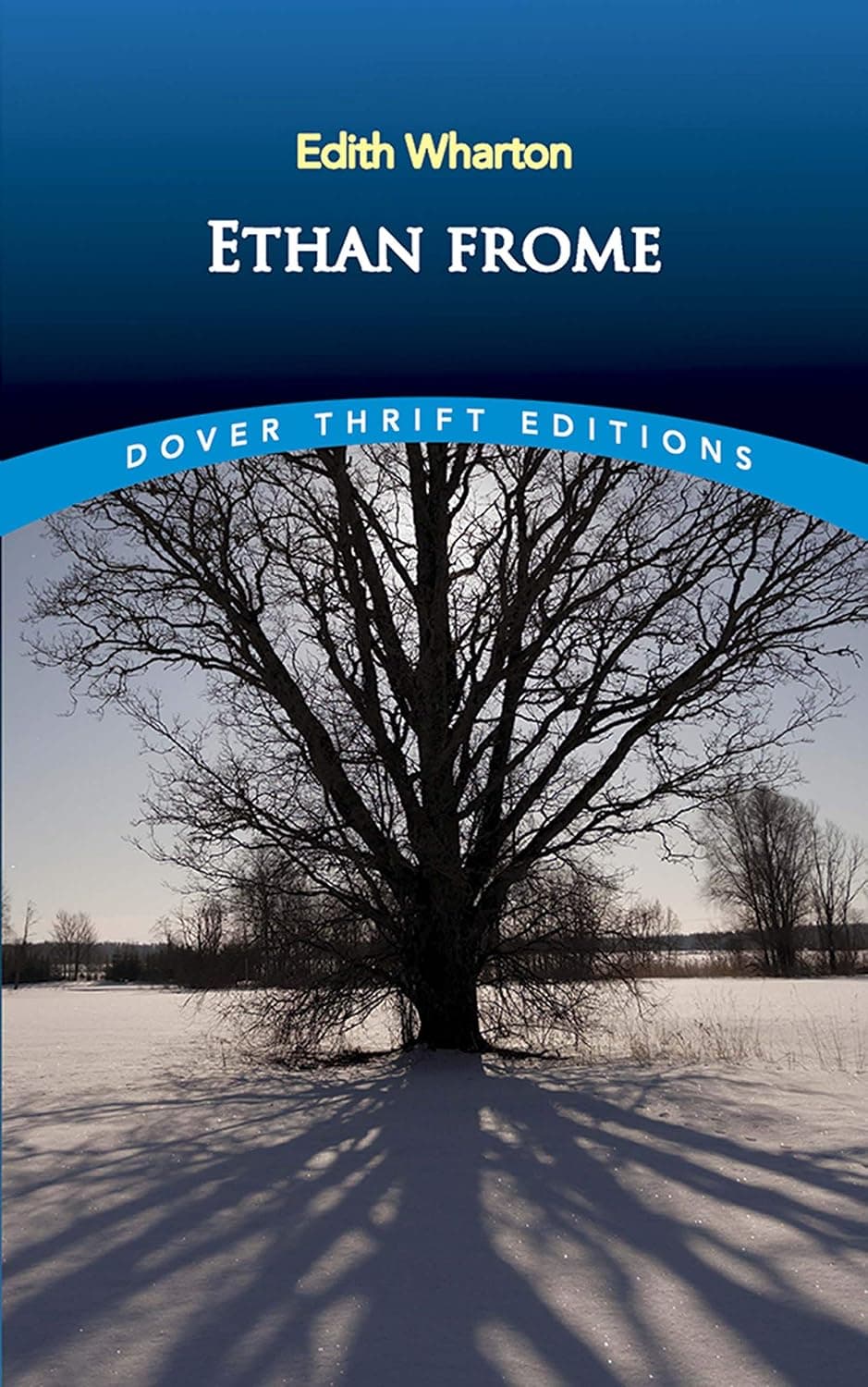
Snowbound on a failing Massachusetts farm, Ethan Frome works beside a wife who is perpetually ill and the young cousin he has fallen for. Wharton makes poverty and duty feel like weather.

"I am an American, Chicago born," Augie announces, and the novel loosened its collar. He takes every job and every mentor the Depression offers him and refuses to be claimed by any.

The men who walked America into Vietnam were the most credentialed in Washington, and Halberstam shows how their brilliance became the problem. He reconstructs the meetings and memos that made escalation feel reasonable.

Born wild in the Canadian North, a wolf-dog passes from a Native camp to a dogfighting pit to a man who tames him. The Call of the Wild runs the other way.

Two French priests give their lives to a diocese in territorial New Mexico. Cather dissolves plot into landscape and legend, and their friendship carries decades of desert riding without a raised voice.
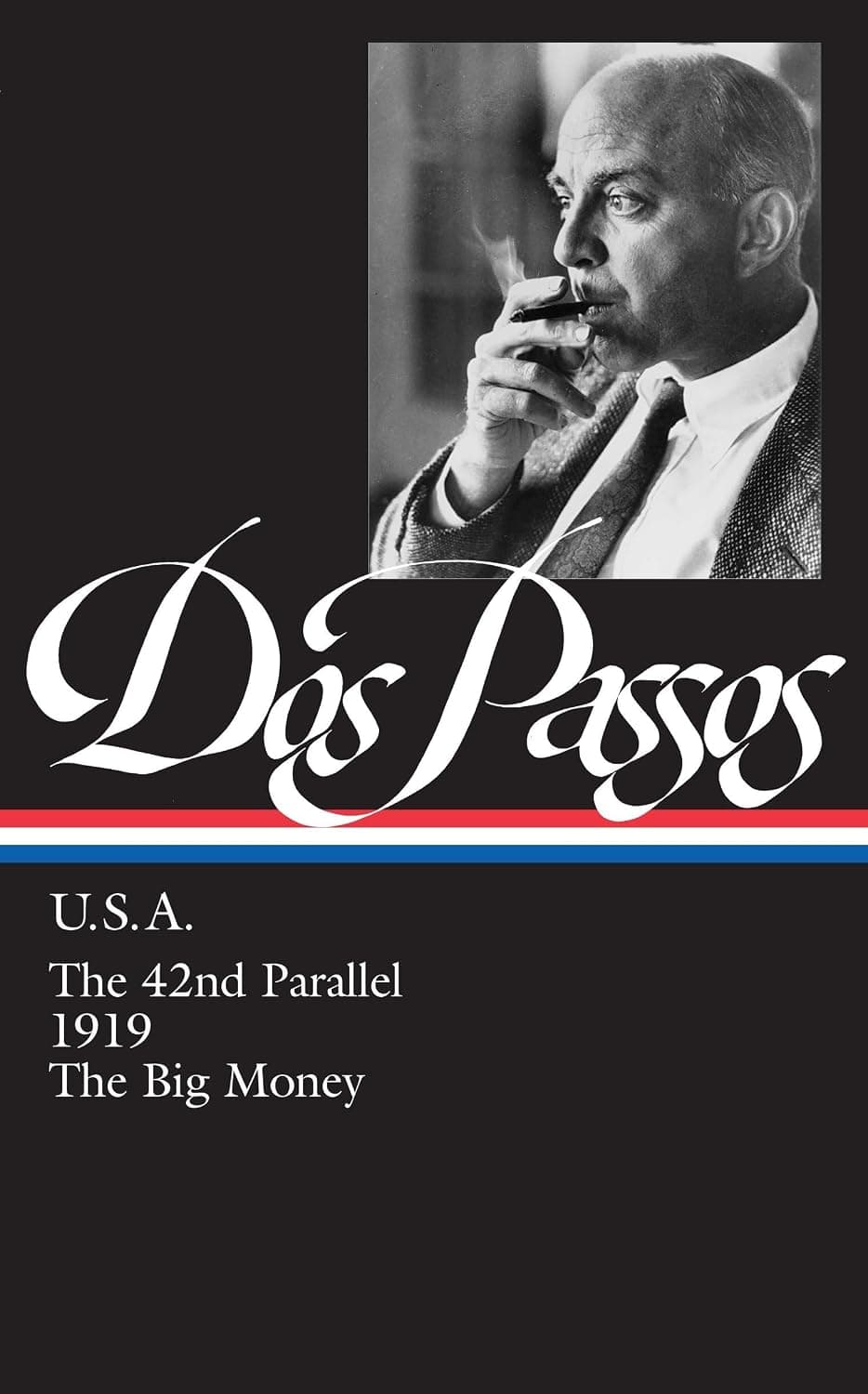
No American novel takes in more of the country. Dos Passos cuts fictional lives against newspaper headlines, song lyrics, and portraits of Henry Ford and Woodrow Wilson, covering the century's first three decades.

George looks after Lennie, huge and slow-witted, across the California ranches, and the two of them keep describing a farm they mean to buy. Steinbeck presses the Depression into that dream.

Fisher wrote about oysters, wartime rationing, and eating alone, and made food a way of writing about hunger of every kind. The poet W.H. Auden said nobody in America wrote better prose.

In our family, Maclean writes, there was no clear line between religion and fly fishing. Two brothers and their minister father on the Big Blackfoot, and a love that cannot save anyone.
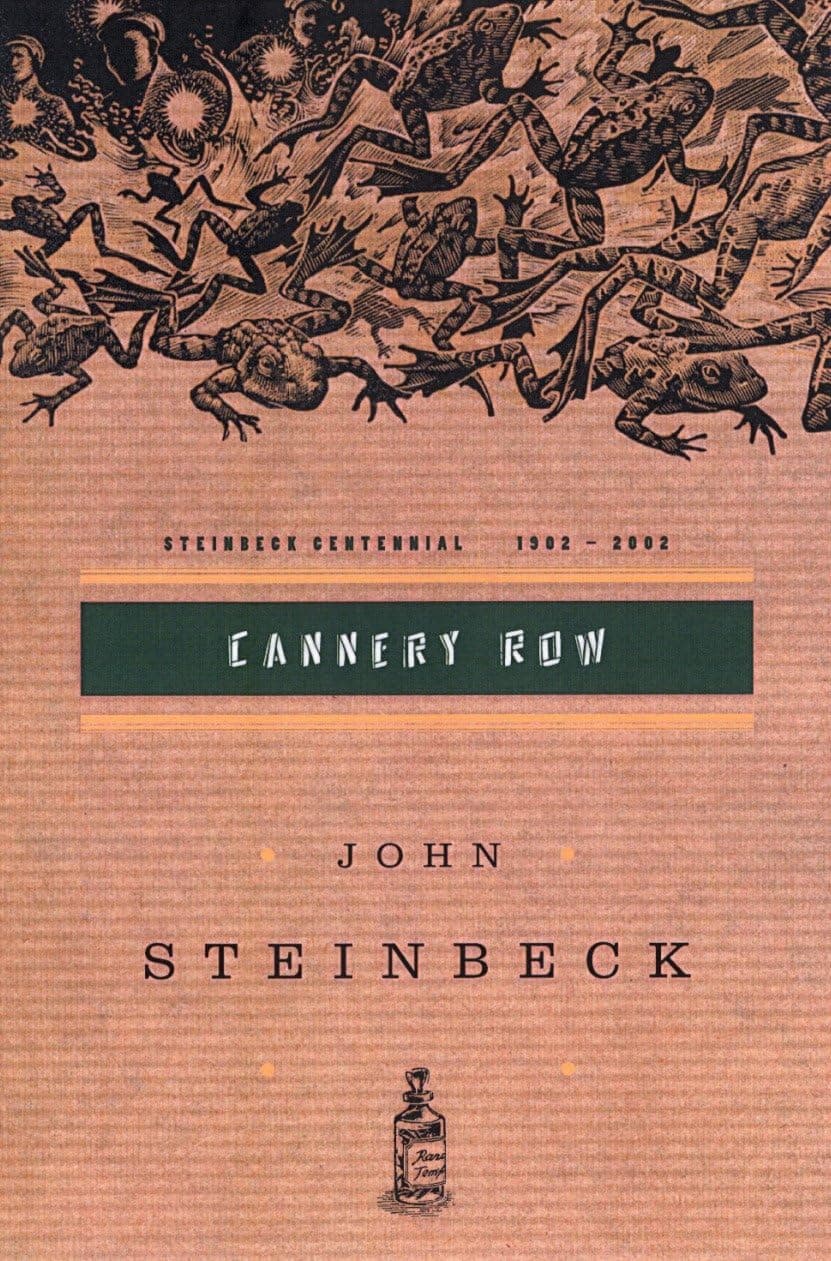
Mack and his friends, unemployed and unhurried, decide to repay Doc the marine biologist with a party. Steinbeck writes a Monterey street of bums and grocers and whores as a functioning society.

At what moment did Peru screw itself up? A newspaperman and his father's chauffeur drink through an afternoon in a Lima bar called the Cathedral, and their talk rebuilds a country under dictatorship.

Northup was a free New Yorker with a family and a violin. Lured to Washington in 1841, he woke chained in a slave pen and spent twelve years on Louisiana cotton plantations.
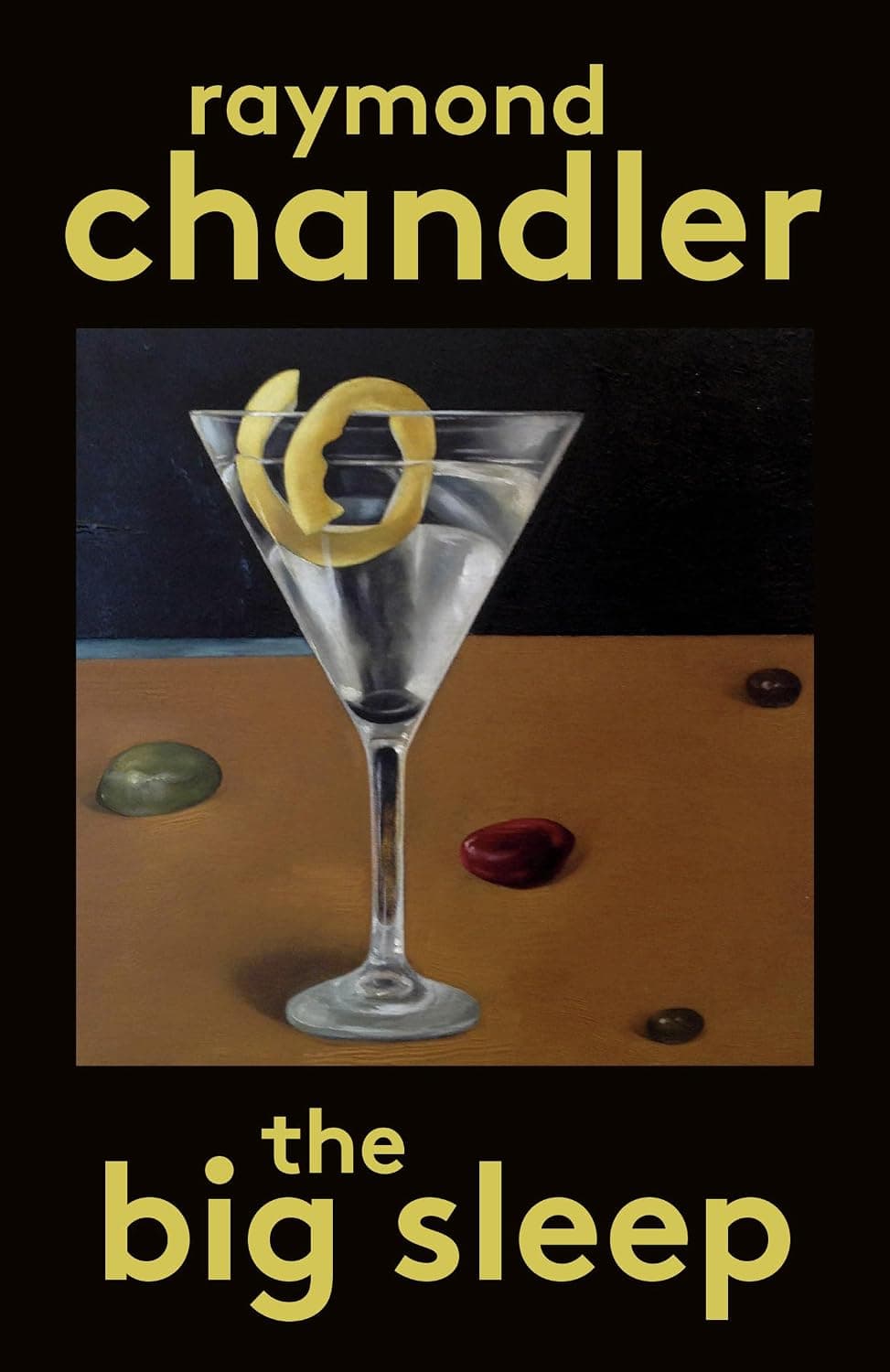
A dying general among his orchids hires Philip Marlowe to settle a blackmail debt, and the job opens into pornography, missing husbands, and Los Angeles money. Chandler's sentences became an American standard.
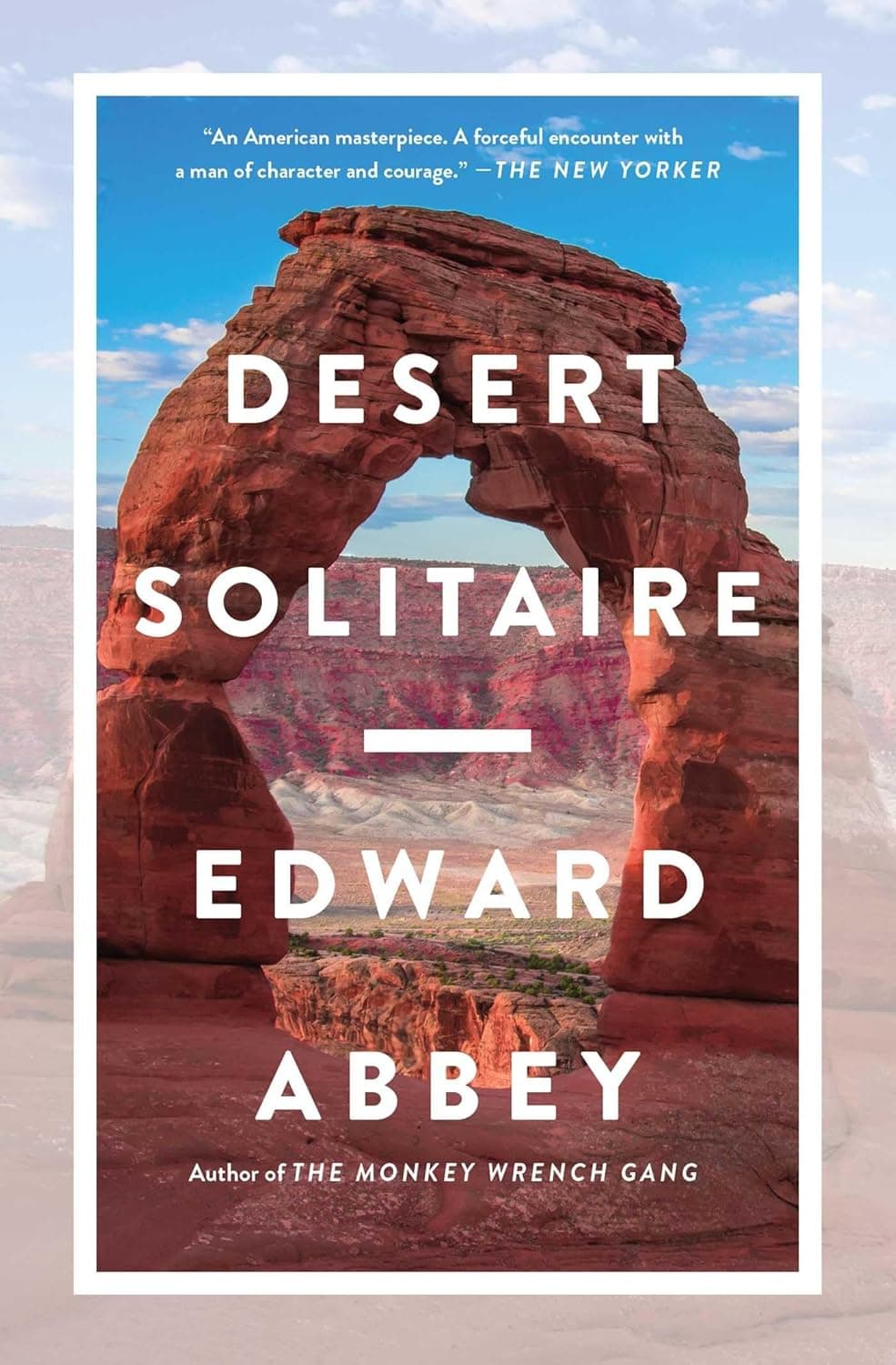
Two seasons as a ranger at Arches in Utah, and Abbey renders the red rock with a naturalist's precision and turns his fury on the paved roads bringing cars into the parks.
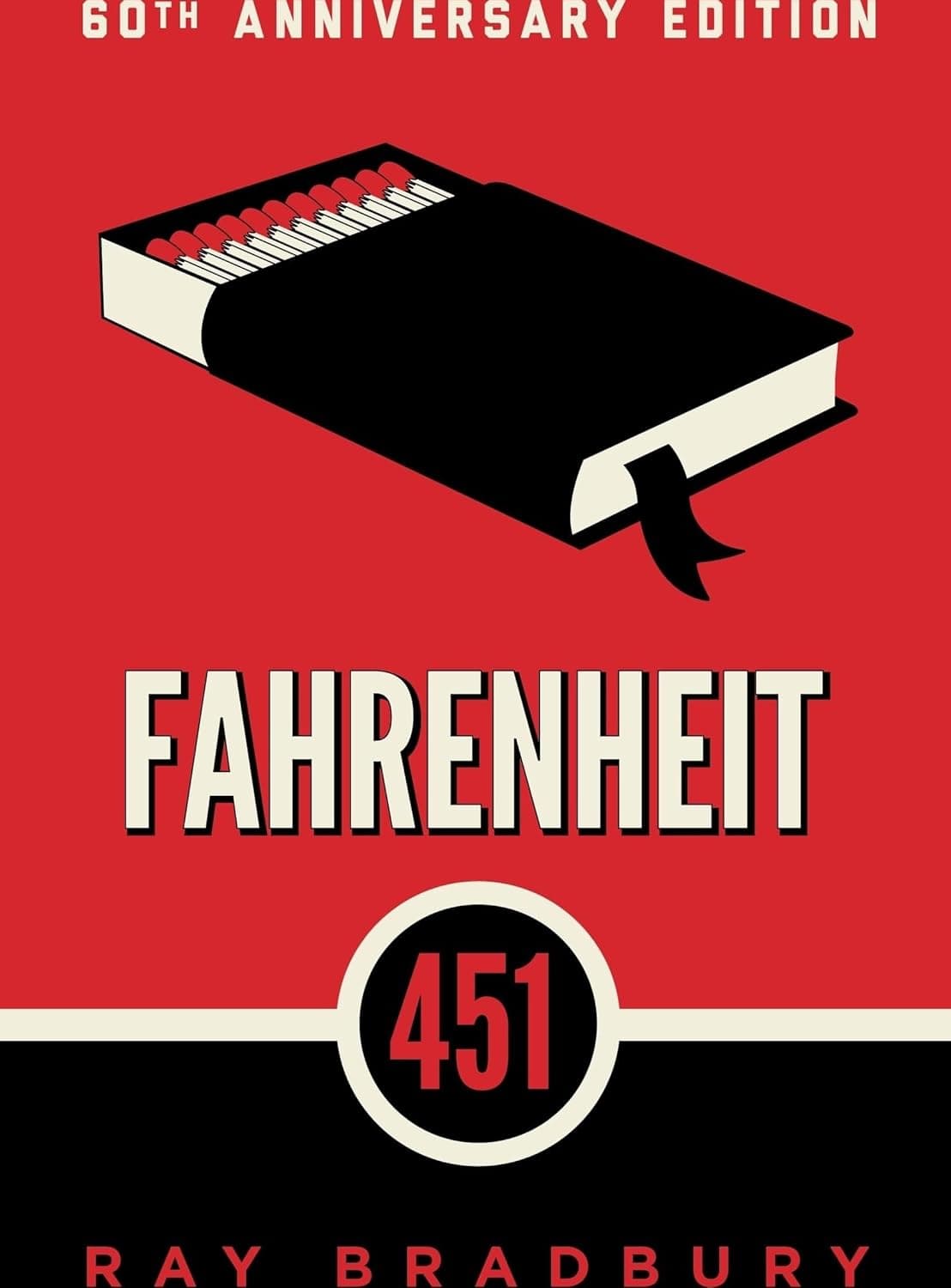
Montag burns books for a living until a neighbor's questions and a woman who chooses to burn with her library break him open. Bradbury's target is a public that stopped wanting to read.

Virginia's planters learned from the uprising of 1676 that poor whites and enslaved Africans might combine against them, and answered by writing racial contempt into law. Morgan makes freedom and slavery one story.

Thirty years of broken treaties, forced marches, and massacres, told from inside the Cheyenne, Navajo, Apache, and Lakota camps. Dee Brown ended the frontier myth for a generation of American readers.

Working nights in a Massachusetts basement, a crew of young engineers races to build a new computer in a year, and Kidder catches every argument. Nobody had made engineering a literary subject.

Woodward and Bernstein worked doorsteps, phone books, and a source who met Woodward in a parking garage, tracing campaign money into the White House. Journalism has measured itself against this reporting ever since.

Seven years in a crawlspace three feet high, watching her children through a peephole. Jacobs named what men's slave narratives left out: the owner who pursued her from her teens.

Harry Angstrom peaked at eighteen on a basketball court and now demonstrates kitchen gadgets. He leaves his pregnant wife and drives south. Updike gave the American suburb prose nobody thought it deserved.
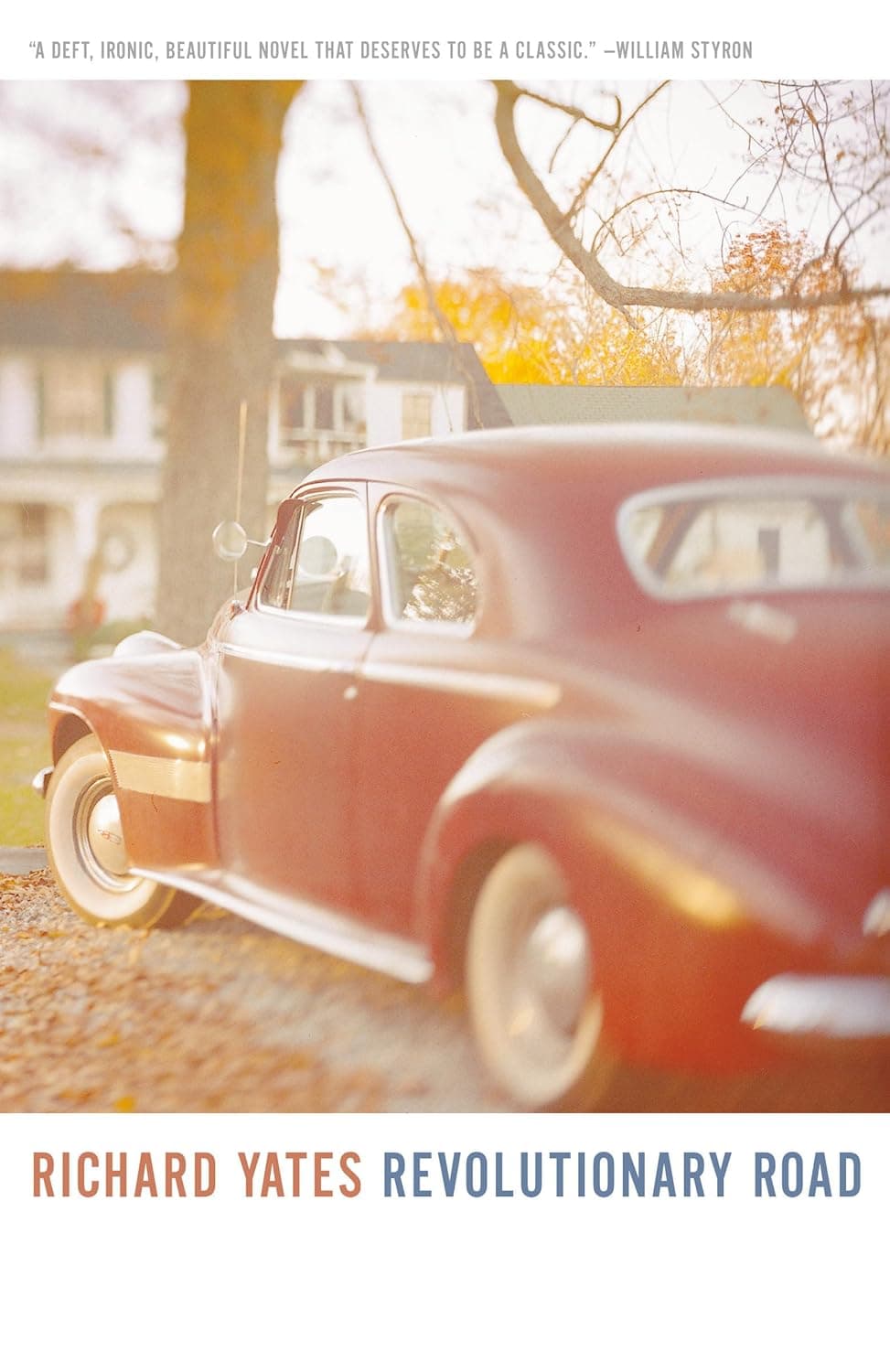
Frank and April Wheeler tell themselves they are too fine for Connecticut and plan an escape to Paris. Yates tracks every evasion and self-flattering lie until the marriage has nothing underneath it.
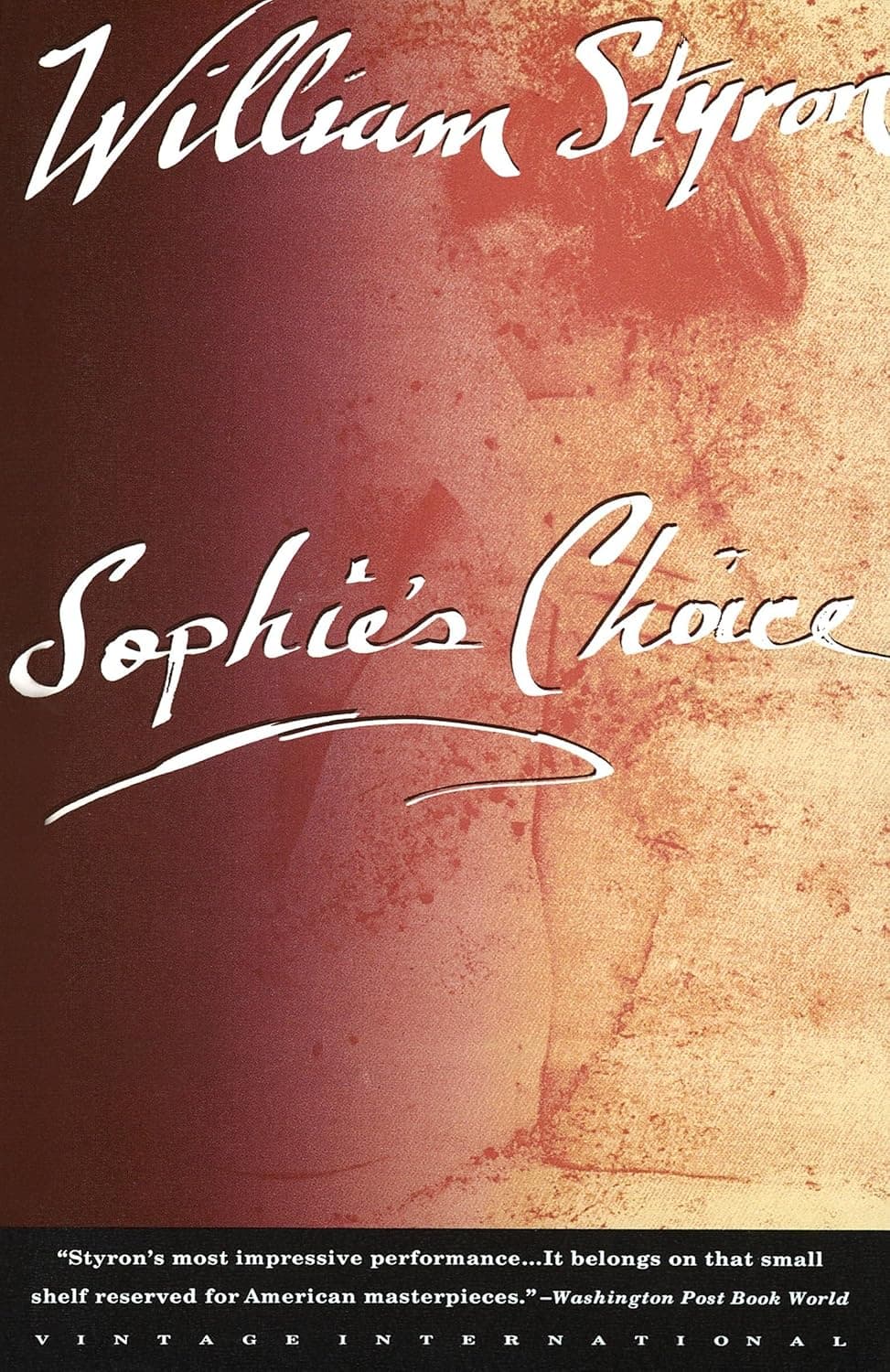
In a Brooklyn rooming house in 1947, a Southern writer falls in with Sophie, a Polish Catholic who survived Auschwitz, and her violent lover. The title is now English for an impossible decision.

Ignatius J. Reilly, obese and certain the modern age is beneath him, is pushed out of his mother's New Orleans house to find work. Toole wrote the funniest American novel of its century.

Shilts reconstructed the AIDS epidemic's first years and showed the deaths were a political choice, from unfunded research to blood banks that refused to screen. He learned his diagnosis the day he finished.

Veblen argued that the rich buy expensive things to prove they can afford waste, and that idleness is itself a display. He named it conspicuous consumption, and nobody has improved on the term.
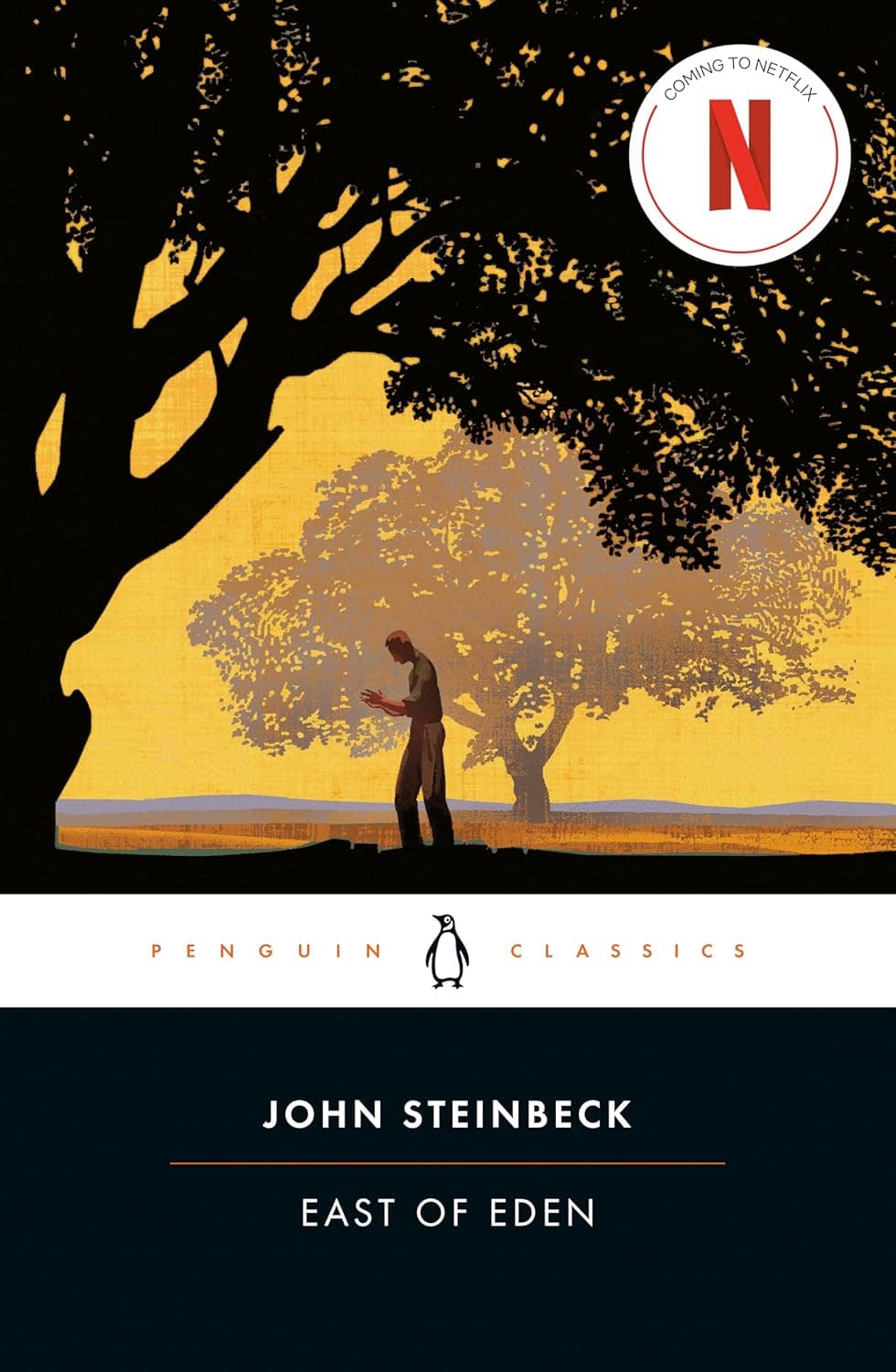
Two generations of a Salinas Valley family repeat Cain and Abel, and Steinbeck stakes everything on one Hebrew word: timshel, thou mayest, which leaves a man free to choose against his blood.

Rockefeller controlled ninety percent of American oil refining by the time he was forty, tithed to his church weekly, and saw no contradiction. Chernow makes him legible without absolving him.

Three years of humiliation as Kennedy's vice president, then Dallas, and Johnson seizes a stunned government. Caro tracks it week by week to the civil rights bill the South had blocked for decades.
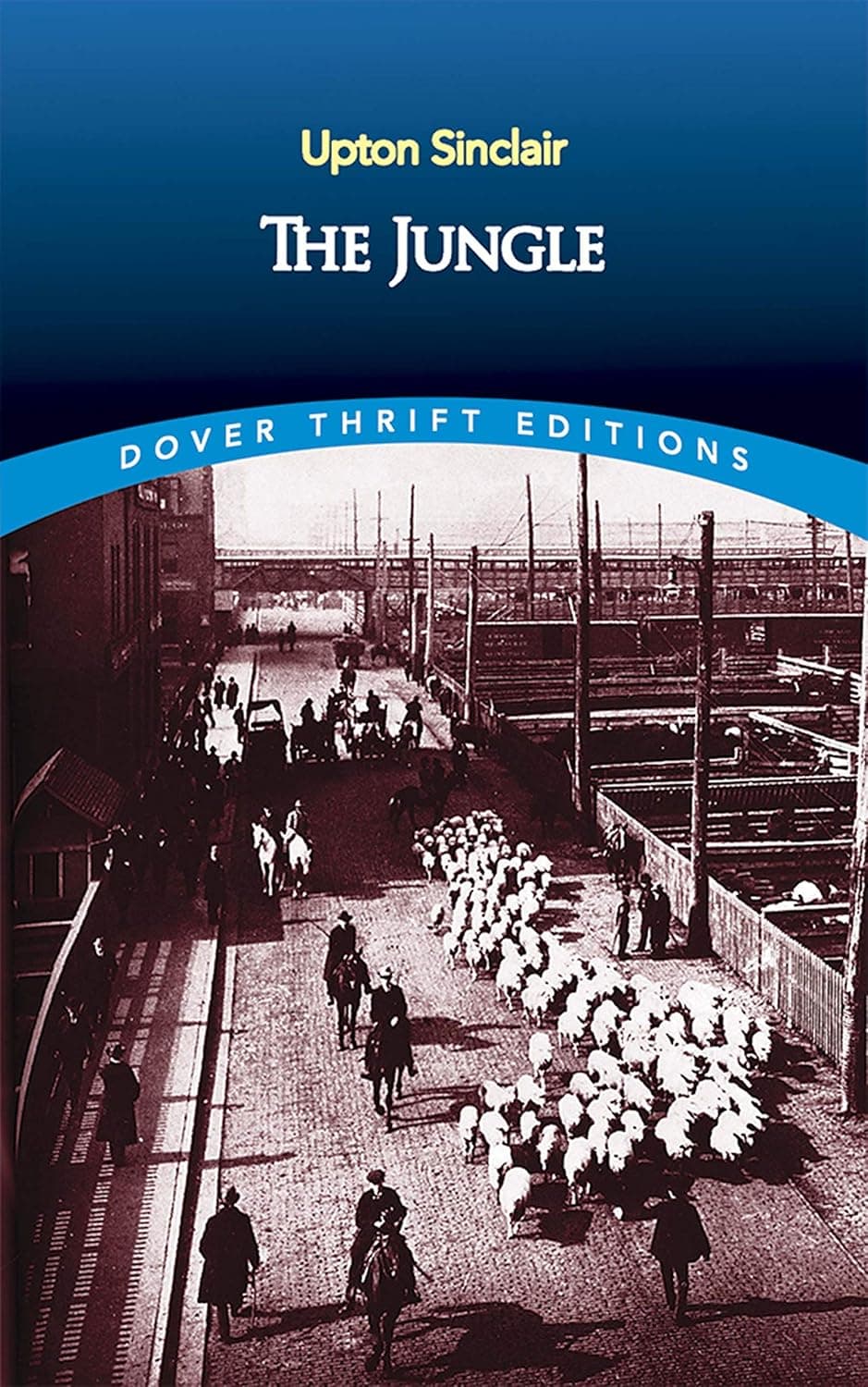
Jurgis Rudkus comes from Lithuania to work Chicago's killing floors, and the packing plants destroy his family while diseased meat ships out. Roosevelt read it and Congress passed federal food inspection within months.
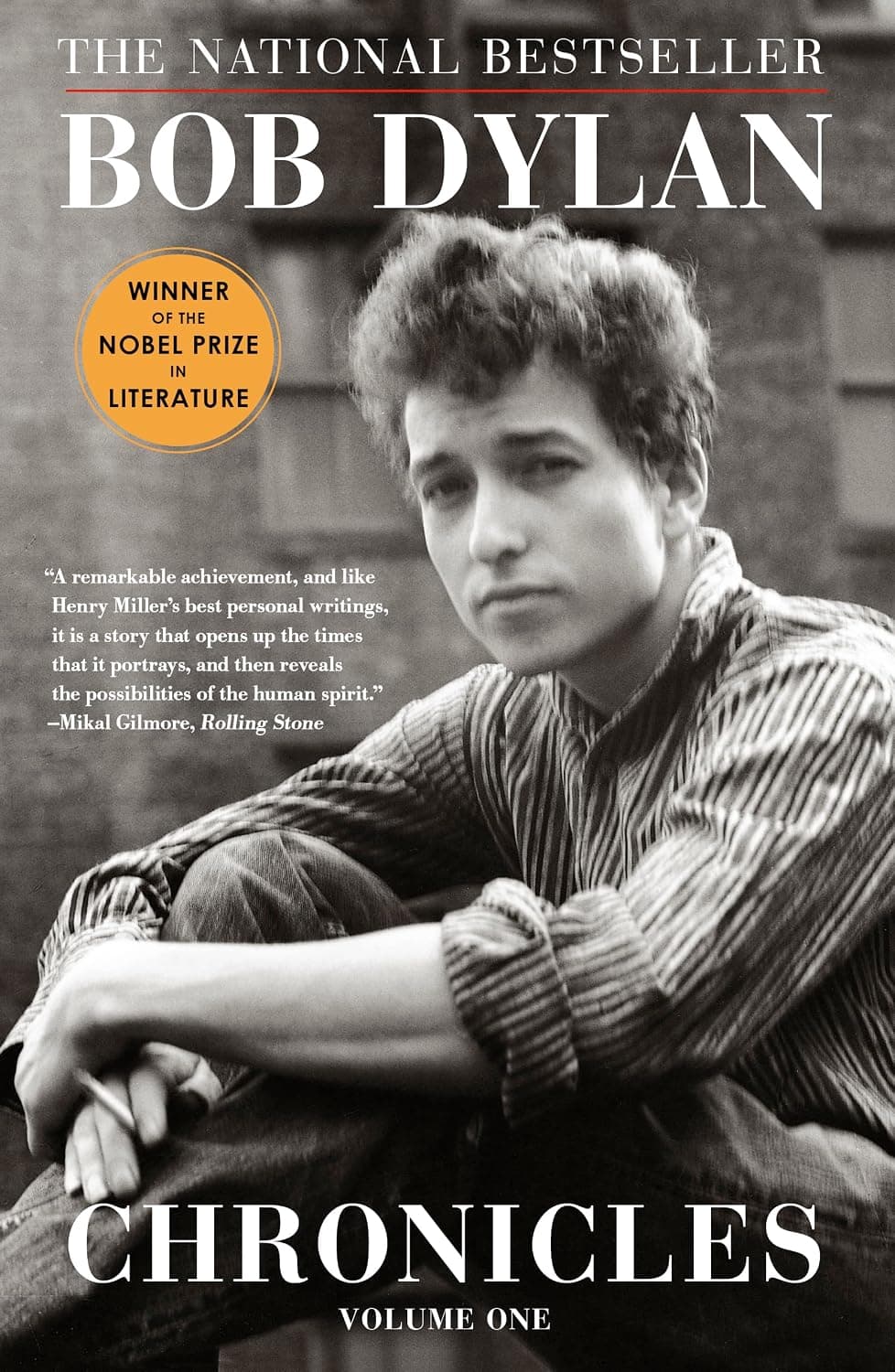
Dylan refuses the story everyone wants. He writes instead about borrowed couches in Greenwich Village in 1961 and a New Orleans studio in 1989, in prose as good as his songs.

Henry Townsend was bought out of slavery by his father and came to own more than thirty slaves himself. Jones wrote the novel that forced American fiction to hold Black slaveholders in view.

Seventeen and running from his apprenticeship, Franklin walks into Philadelphia carrying three bread rolls. He later ruled a daily chart of thirteen virtues, and every American self-improvement book works from that design.

Tom cons the neighborhood boys into whitewashing his aunt's fence, then witnesses a graveyard murder and attends his own funeral. Twain gave America the childhood it has claimed to remember ever since.
Alexandra Bergson inherits her father's failing Nebraska claim and mortgages it to buy more land while the neighbors give up and leave. Cather made the American prairie a landscape fit for epic.
Lutie Johnson believes what Benjamin Franklin promised about work and thrift, and rents an apartment on 116th Street to raise her son. The men who watch her climb the stairs have other plans.
Hunger runs through Wright's Southern boyhood: for food, for books, which he gets by forging notes on a white man's library card. He sets down Jim Crow's cruelty without a word of self-pity.

Still the fullest American novel of army life. Private Prewitt refuses to box for his company and the army sets about breaking him, on a Hawaii post months before Pearl Harbor.
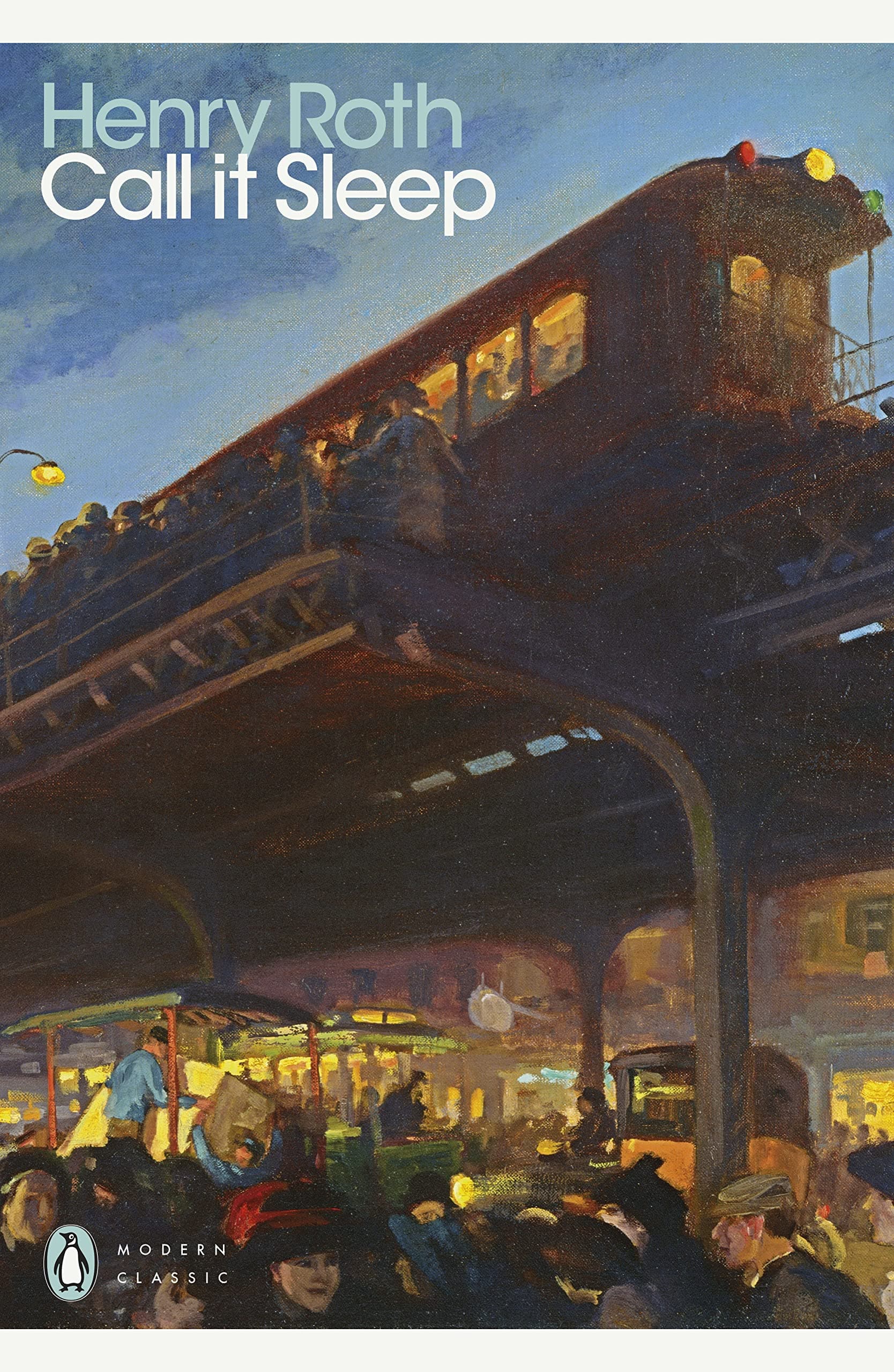
Roth put the immigrant Lower East Side inside a child's skull. David Schearl is six, terrified of his father, safe only in his mother's kitchen, and the street reaches him as raw sensation.

John Grimes turns fourteen in Harlem in 1935 and spends the night on a storefront church floor, fighting for salvation. Baldwin pours the sins of three adults into that one boy's conversion.

Fifteen years after the Axis won, dealers in Japanese-occupied San Francisco sell forged Americana to the conquerors. Dick's people consult the I Ching and pass around a novel where the Allies won.
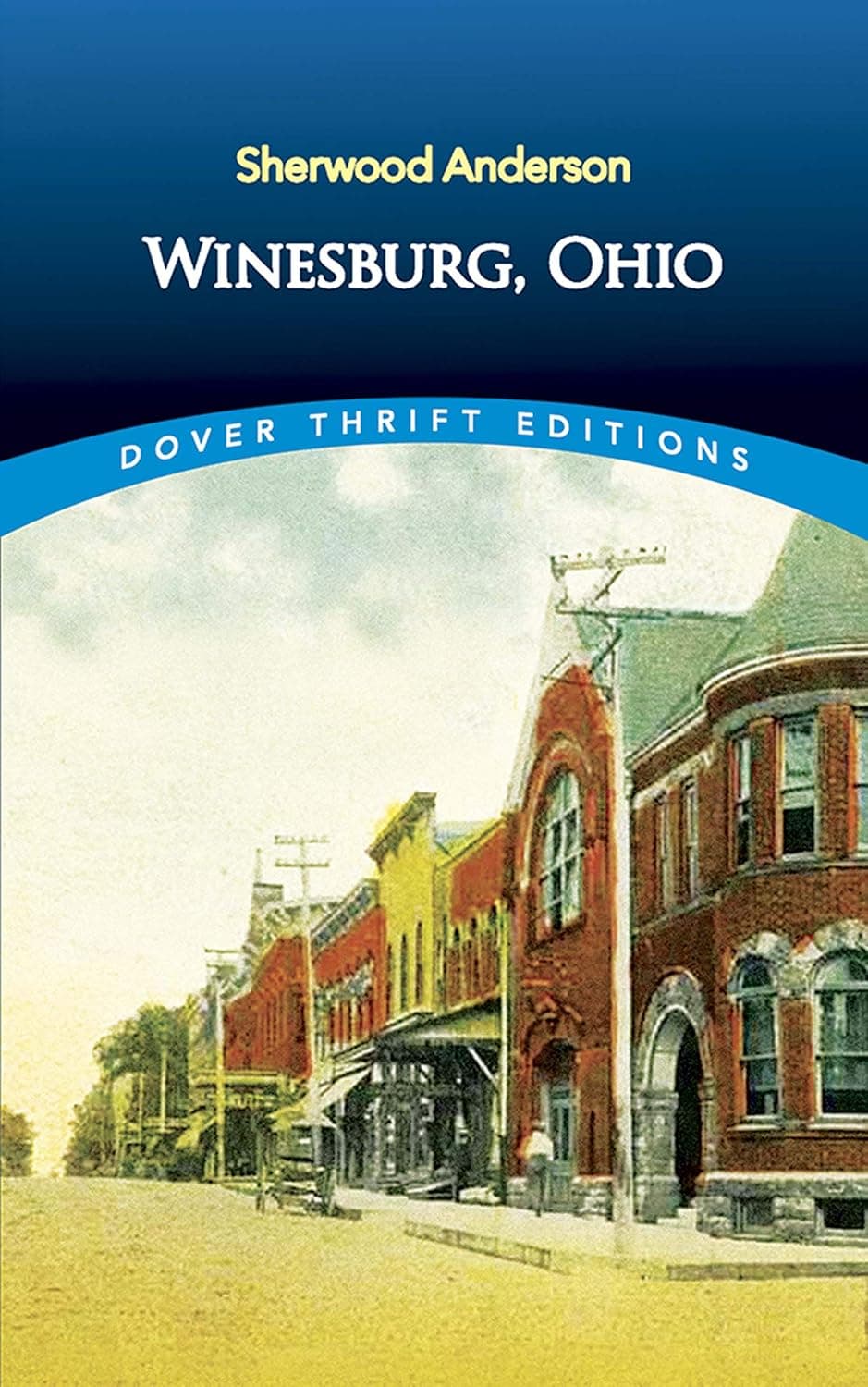
Twenty-two linked stories about people in an Ohio town who cannot say what they feel, except to the young reporter George Willard. Faulkner called Anderson the father of his generation of American writers.

Eighty-seven photographs of faces, storefronts, gravestones, and wooden churches, sequenced by Evans into a cold portrait of the United States. Robert Frank and the photographers after him worked from his example.

Clyde Griffiths, raised by street preachers and starving for money, gets a factory girl pregnant as a rich one turns toward him. Dreiser drew the lake that follows from a 1906 murder case.

Chandler said Hammett took murder out of the Venetian vase and dropped it into the alley. His detective Sam Spade loses a partner, trusts nobody, and chases a black statuette worth killing for.

Out of prison and hunting the girl he lost eight years ago, Moose Malloy sets the private detective Philip Marlowe loose on Bay City, where the police belong to whoever is paying.

Two in the morning, a history professor and his wife receive a younger couple after a faculty party, and the drinking turns into a night of games designed to strip them bare.

In 1714 a rope bridge in Peru snaps and five travelers fall to their deaths. A Franciscan who witnessed it spends six years reconstructing their lives to prove God chose them.

Hofstadter strips the myths off American statesmen from Jefferson to Franklin Roosevelt and finds one propertied creed underneath. The Emancipation Proclamation, he writes, had all the moral grandeur of a bill of lading.

The earliest surviving English book by a woman came from an anchoress sealed into a cell beside a Norwich church. Julian saw all creation lying in her palm, small as a hazelnut.
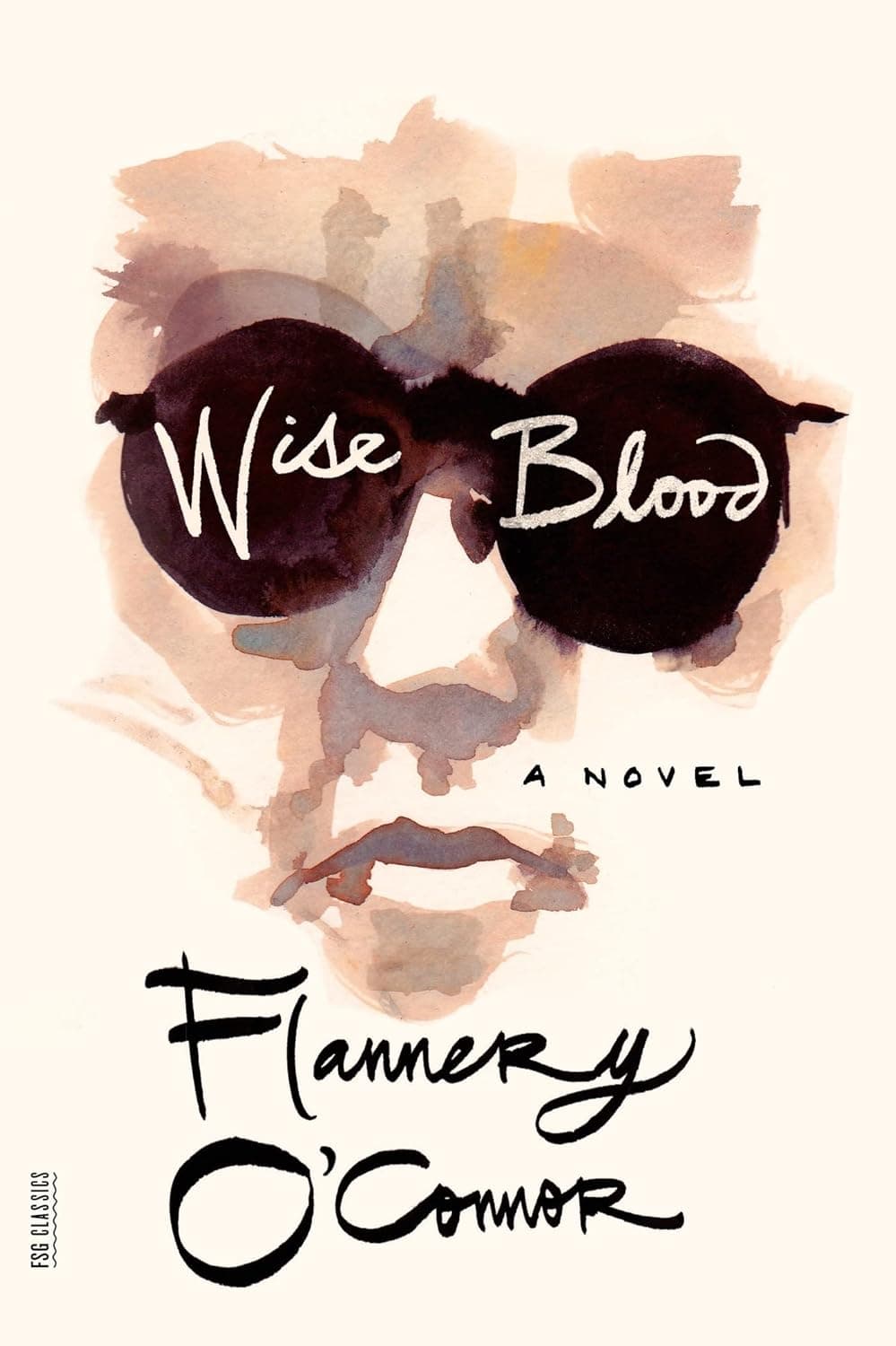
Back from the war, Hazel Motes preaches the Church Without Christ from the hood of a rat-colored car, insisting there was no Fall and nothing needing redemption. O'Connor makes blasphemy sound like faith.

Leander Wapshot pilots a decrepit ferry while his rich cousin dangles the family fortune at his sons, payable only if they father sons. Cheever sends the boys into an America that baffles them.
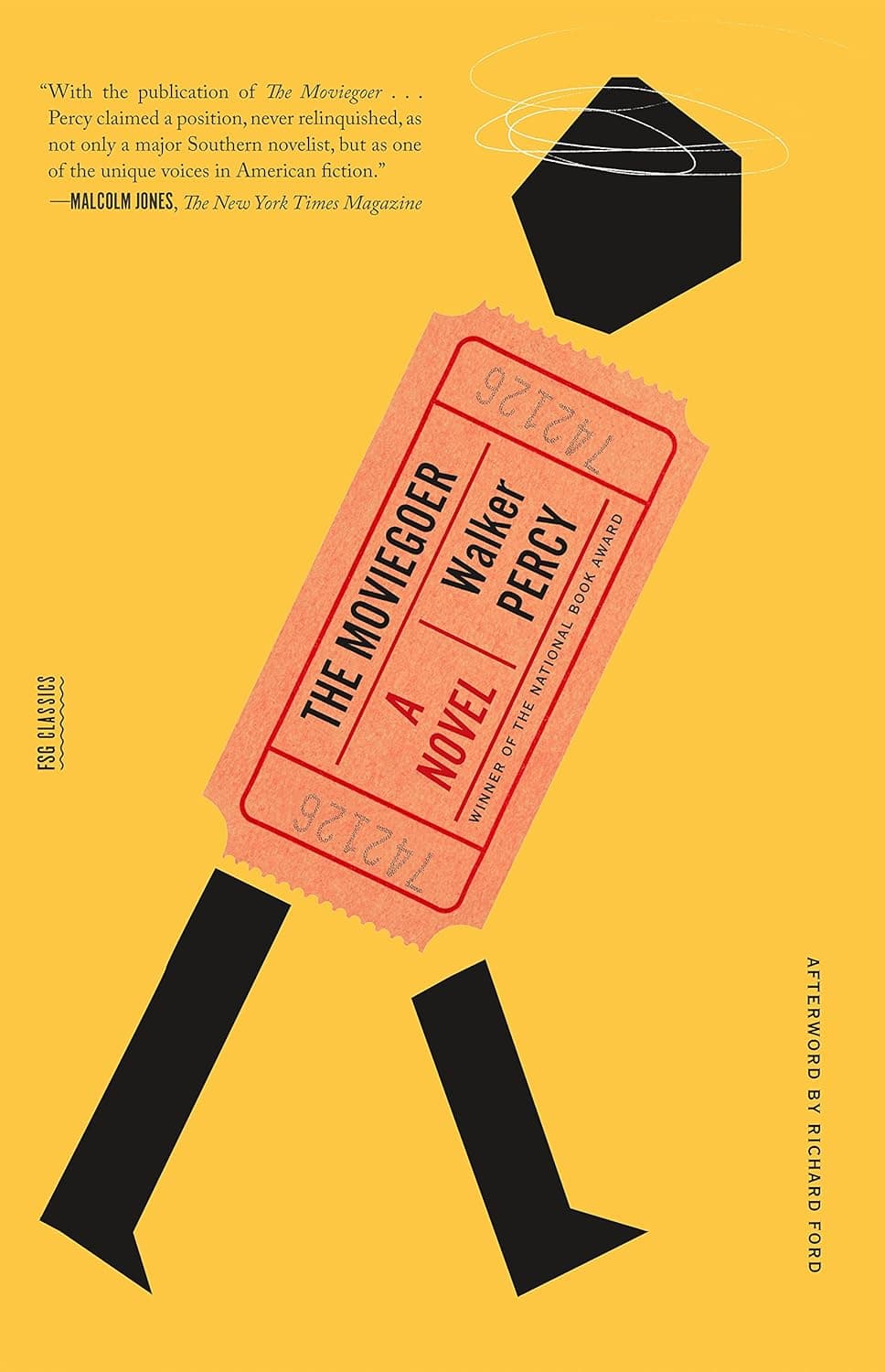
Binx Bolling sells stocks in a New Orleans suburb, sits through afternoon movies, and calls his way out of everydayness the search. Percy's first novel beat Catch-22 to the National Book Award.
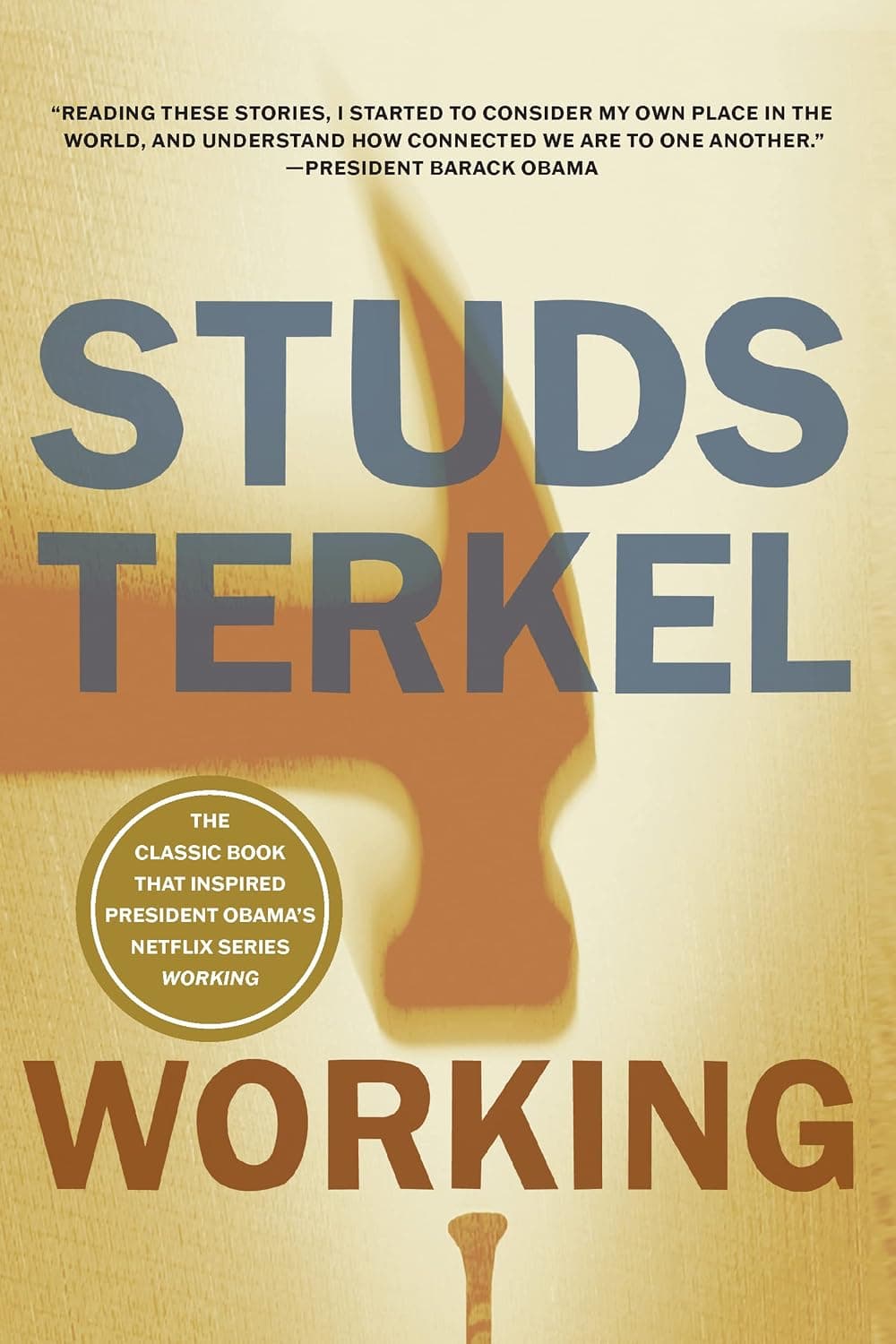
Terkel put a tape recorder before a gravedigger, a receptionist, a steelworker, and asked what the day costs them. Work is violence to the spirit as well as the body, he writes.

Friedan named the ache of the educated housewife: the problem that has no name. Three million readers found their own lives in it, and she went on to lead the movement they built.
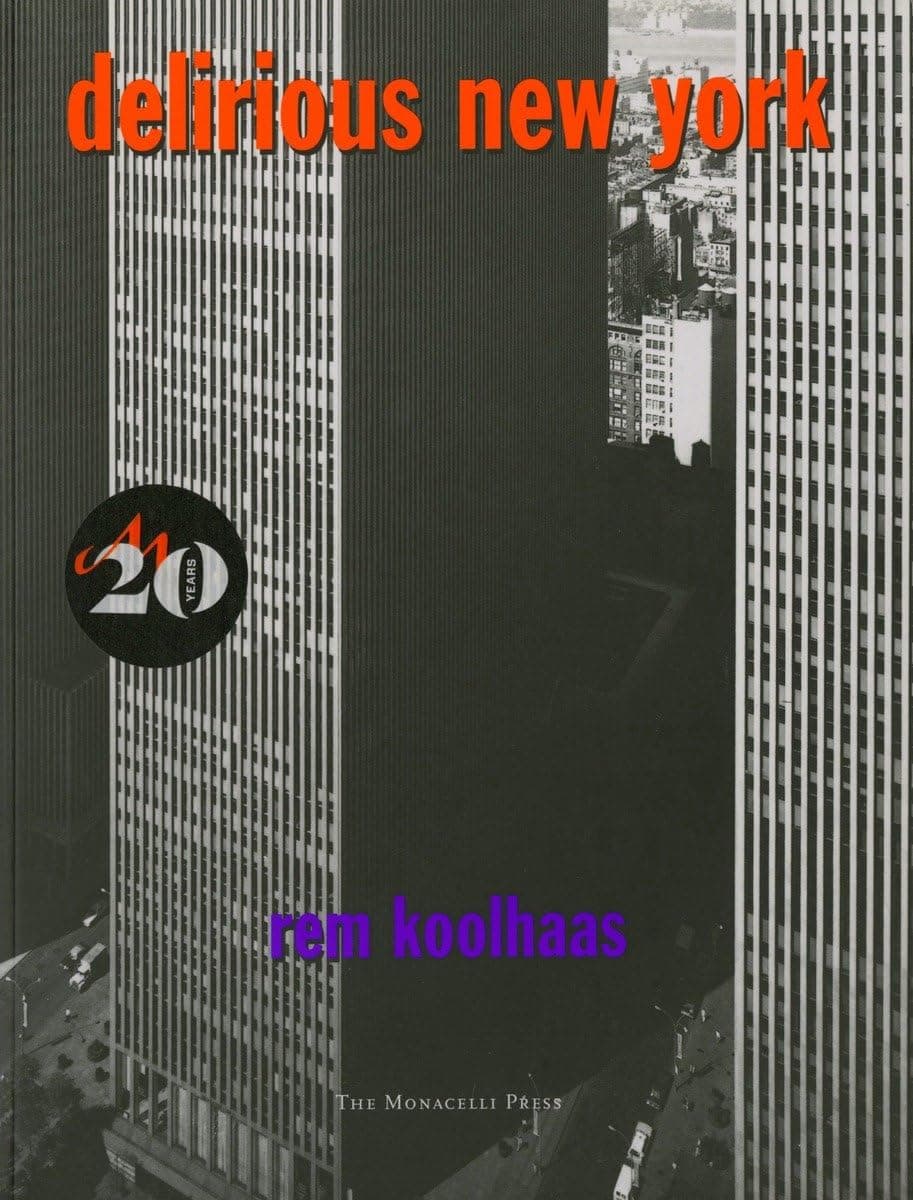
Manhattan built itself without a theory, so Koolhaas supplied one afterward: the grid, the skyscraper, and Coney Island as a culture of congestion. He turned density from planning's disease into architecture's ambition.