
Philosophy in the Boudoir
1795 · 173 pages
Two libertines take a girl of fifteen through atheism, pleasure and cruelty, pausing for a pamphlet urging the Republic to abolish God with the king. Sade takes reason to its worst conclusion.
★ 4.2
 skopia
Two libertines take a girl of fifteen through atheism, pleasure and cruelty, pausing for a pamphlet urging the Republic to abolish God with the king. Sade takes reason to its worst conclusion.
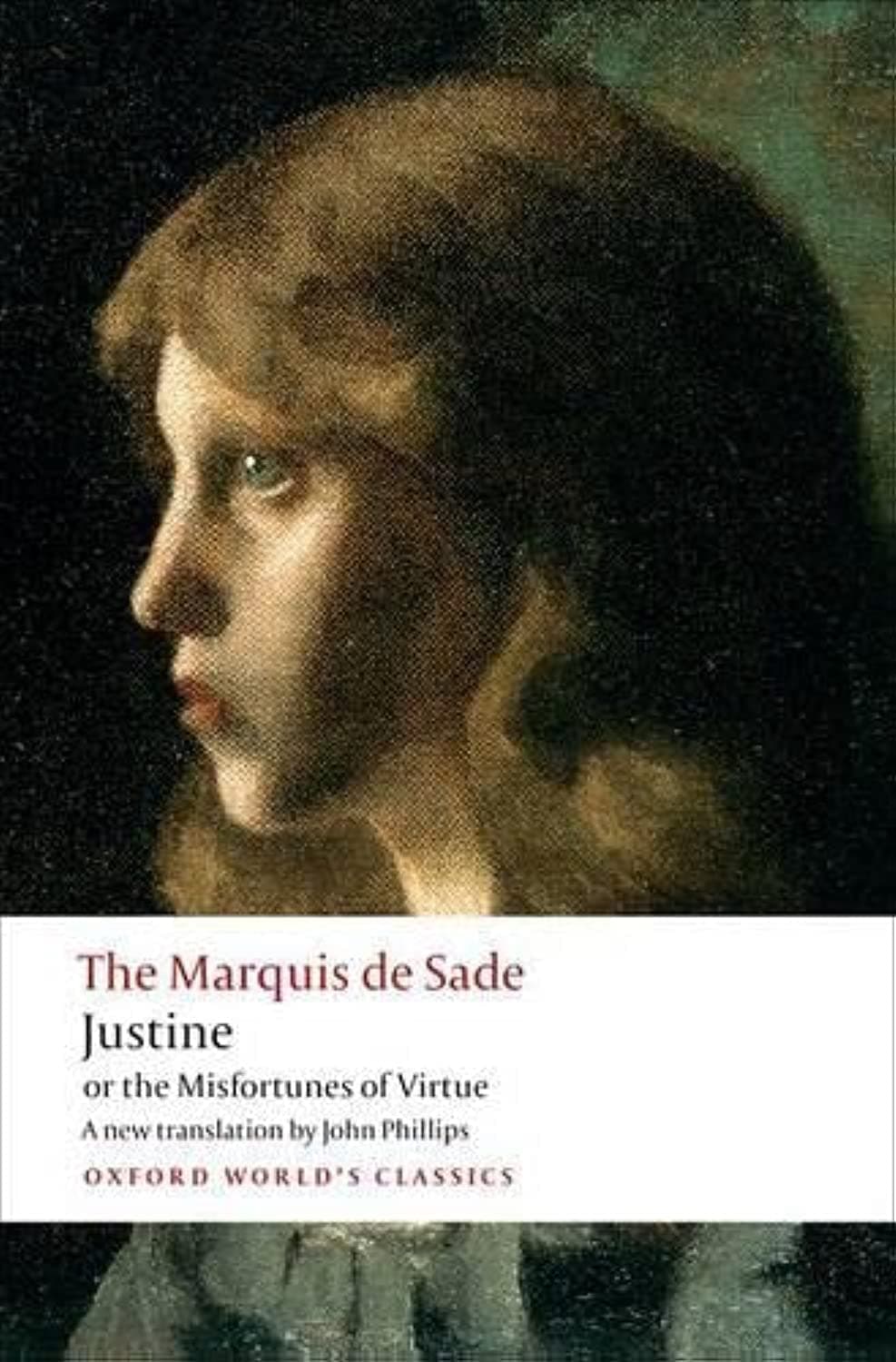
Twelve years old and orphaned, Justine chooses virtue and is punished for it by monks, surgeons, and noblemen who argue at length that nature rewards cruelty. Napoleon had Sade arrested for writing it.
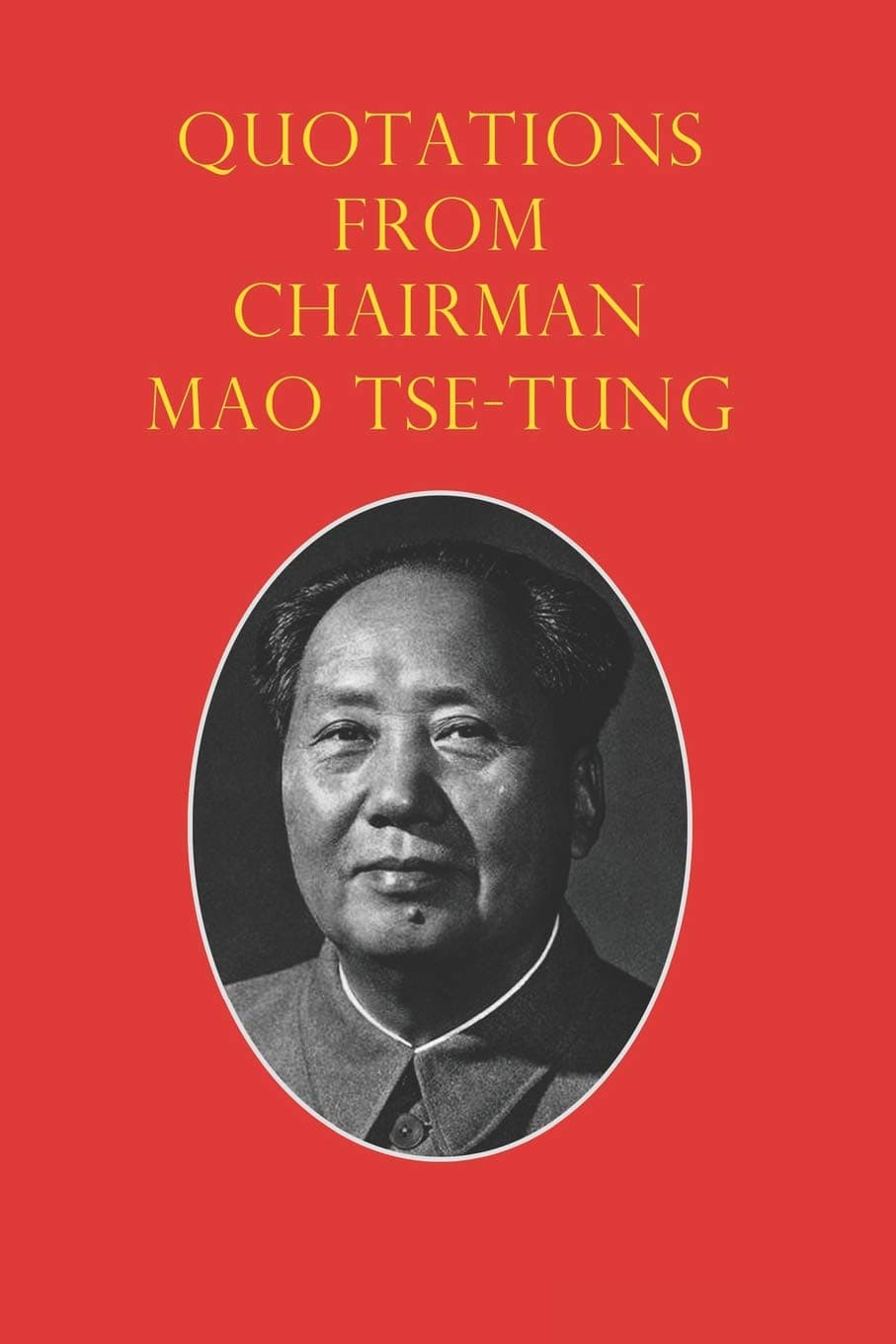
Printed by the billion and waved by Red Guards, Mao's pocket handbook compresses his politics into 427 quotations on struggle, self-criticism, and war. During the Cultural Revolution, not carrying one was dangerous.

Chin skied from the summit of Everest and hung off El Capitan to film Alex Honnold climbing it without a rope. His photographs come with what it cost to stand there.
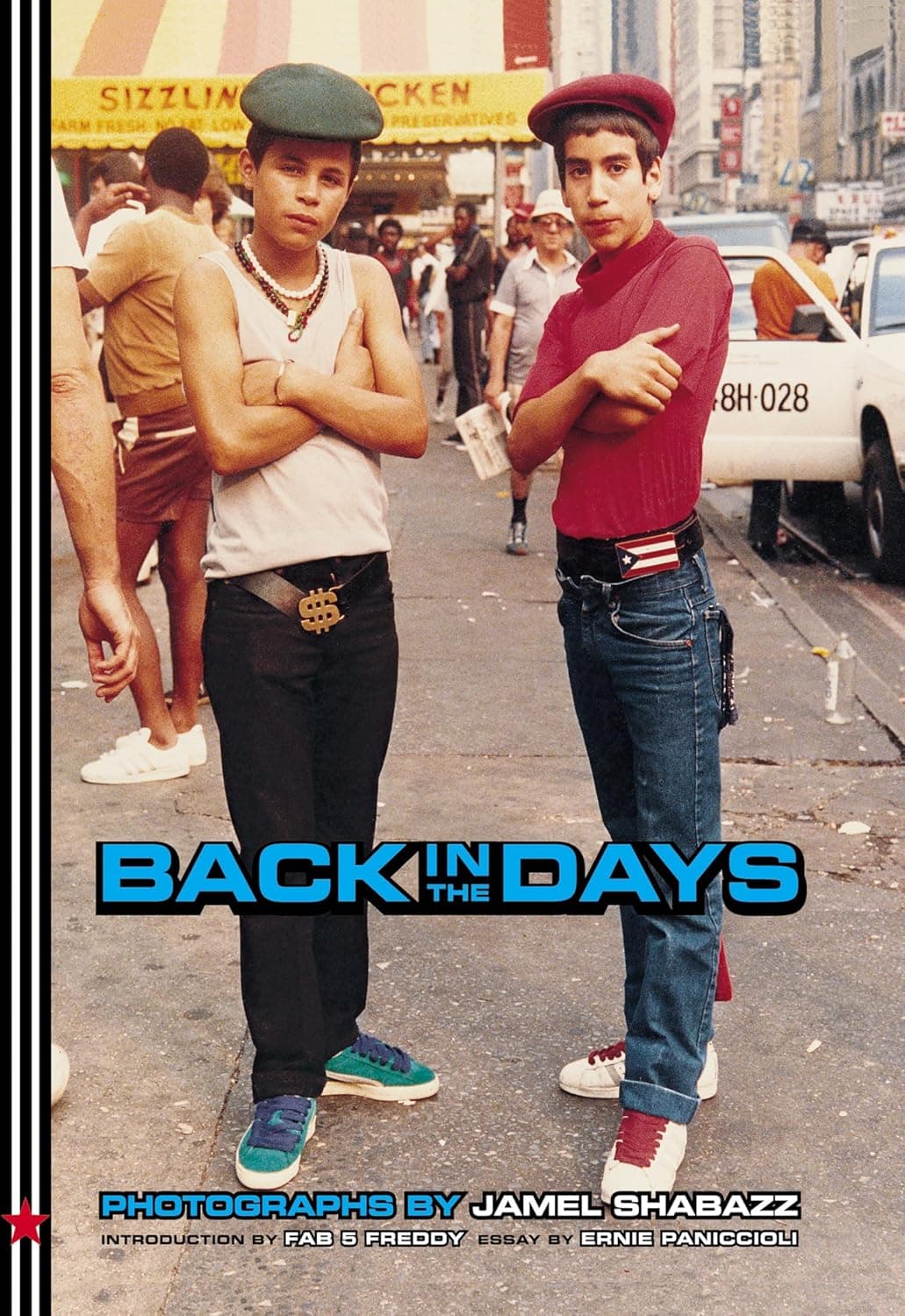
Between 1980 and 1989, Shabazz stopped young New Yorkers on the street and photographed them in shell-toe Adidas, sheepskin coats, and gold ropes. Everything hip hop later sold the world is already here.
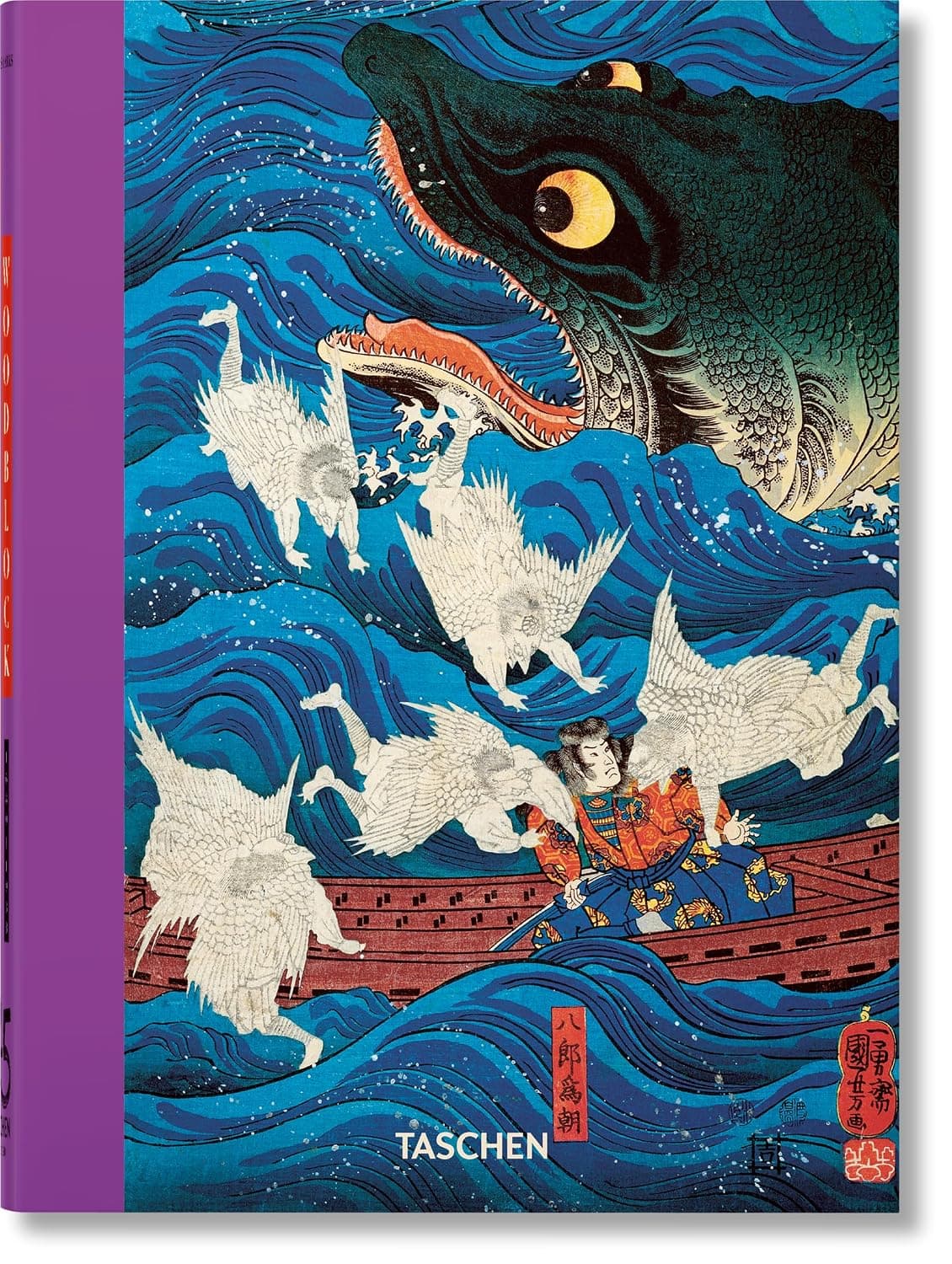
Two hundred prints run chronologically from 1680 to 1938, black-and-white sheets giving way to the full-color glut of Utamaro's beauties, Hiroshige's roads, and Hokusai's wave. Marks names the publisher behind every design.

A Los Angeles magazine asked architects how postwar America should live, and Eames, Koenig, and Neutra answered in steel and glass on hillsides. Julius Shulman's photographs sold California modernism to the world.
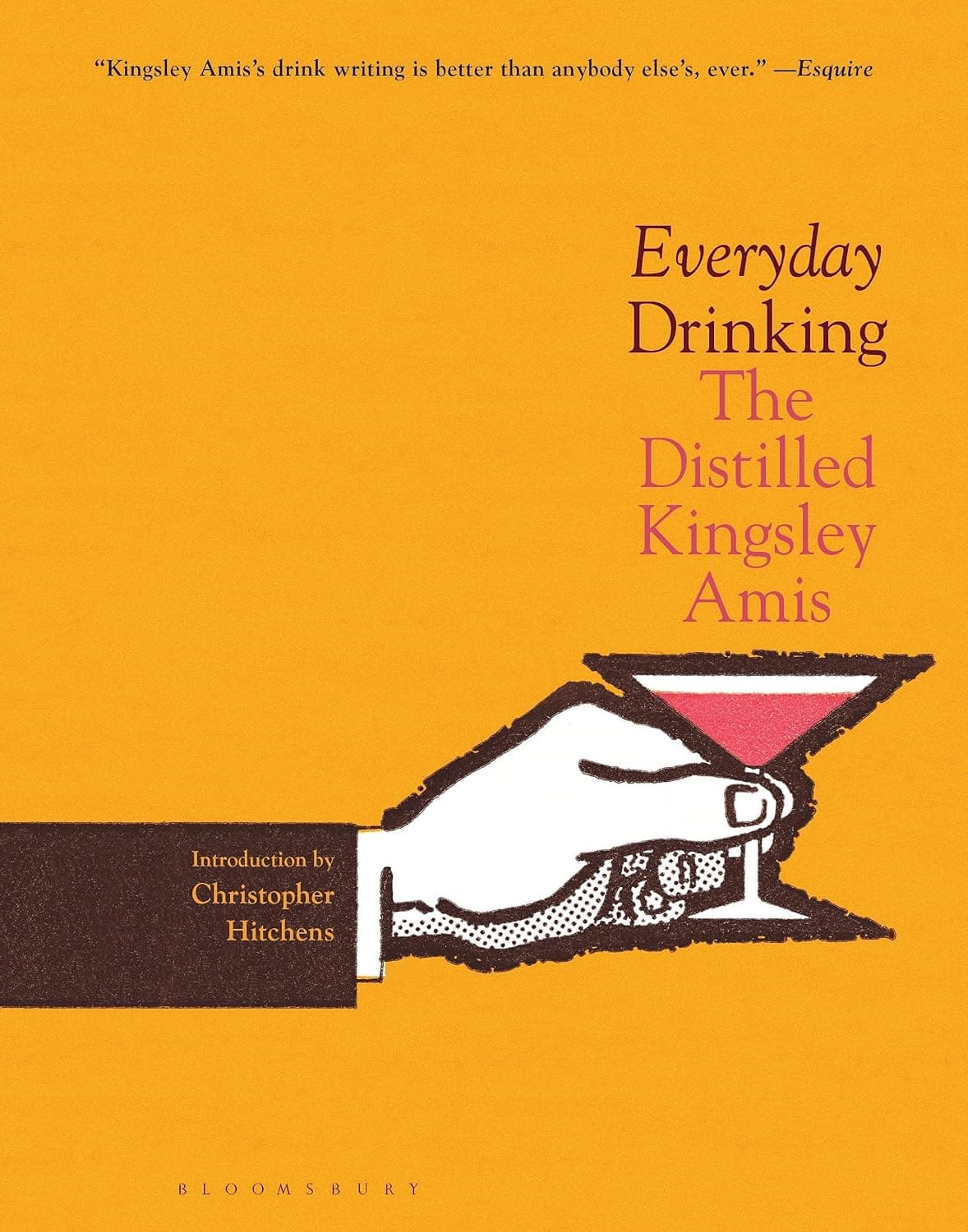
Nobody has written funnier prose about drink. Kingsley Amis separates the physical hangover from the metaphysical one, calculates what a party will actually consume, and hands down recipes he plainly tested.
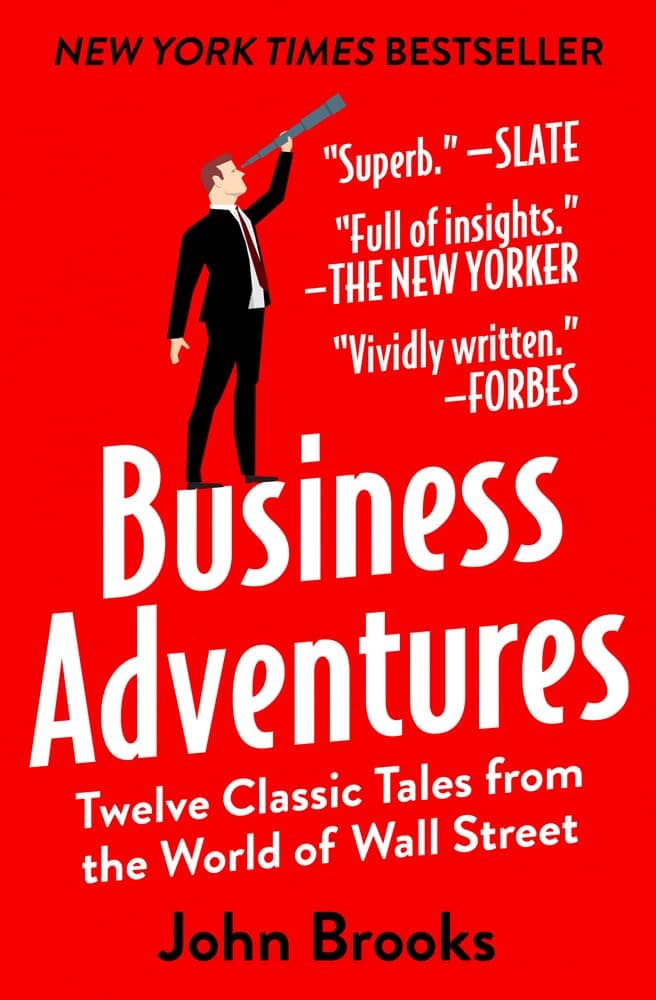
Twelve New Yorker reports on how companies behave: Ford burning millions on the Edsel, a grocer trying to corner his own stock. Bill Gates calls it the best business book he has read.

Hergé sent his boy reporter into a Soviet Union he had never visited, cribbed from one anti-Bolshevik tract of rigged elections and staged factories. Crude work, and the series it opened conquered Europe.

Give the mouse a cookie and he wants milk, then a straw, then a mirror to check his milk mustache. Numeroff taught four decades of children how one small yes becomes an afternoon.

Pendergrast traces coffee from an Ethiopian hillside to the corner cafe, through Brazilian slave plantations and the US-backed coup in Guatemala, and shows how grocery marketing wars made American coffee undrinkable.

In the great green room a rabbit says goodnight to the moon and the quiet old lady whispering hush, while the pictures darken page by page until the child hearing it is asleep.
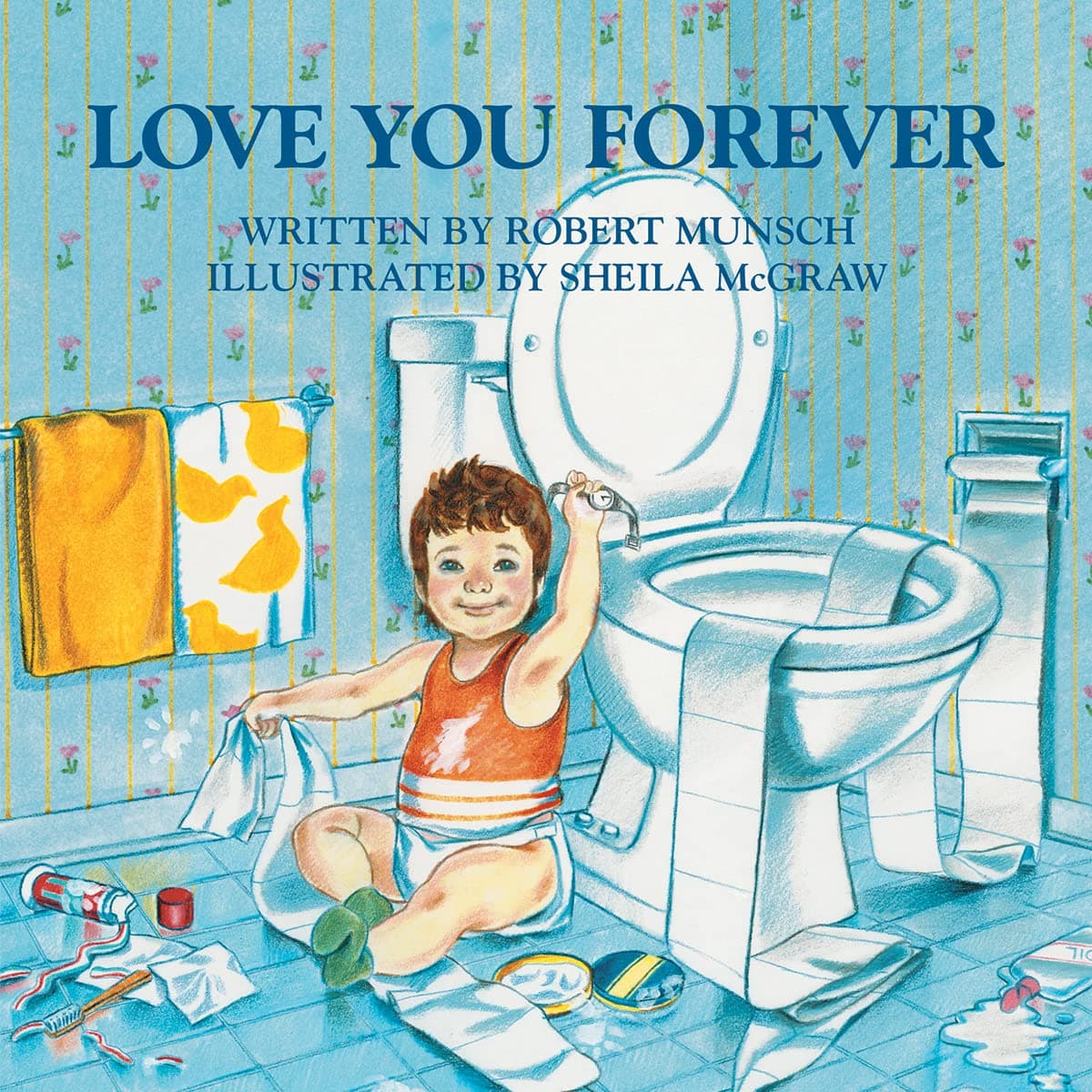
A mother sings the same four lines to her son at every age, and the years turn the song around. Munsch made it up after two stillborn children.
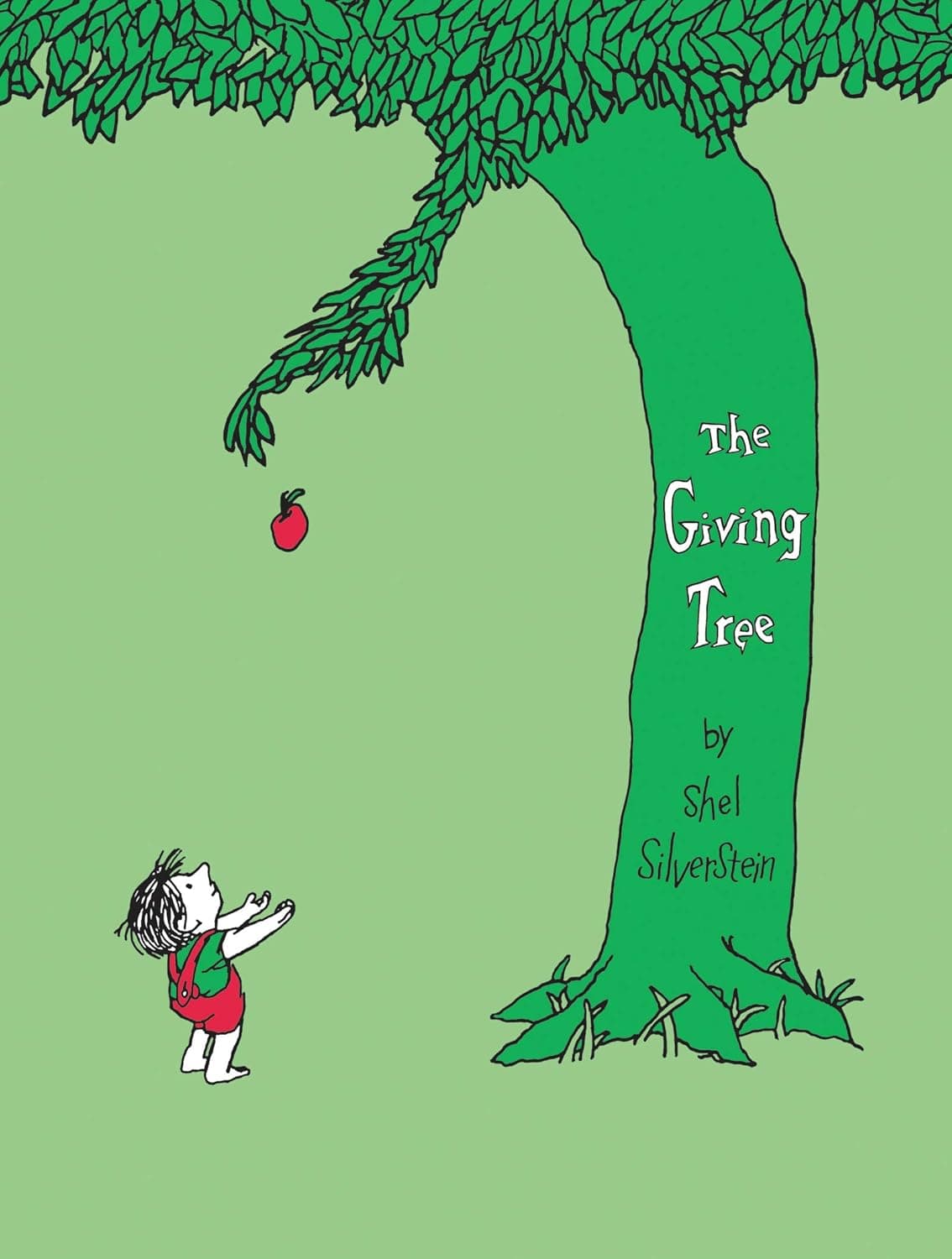
A tree loves a boy. She gives him her apples, then her branches, then her trunk, until she is a stump he sits on. Readers still cannot agree whether that is love.
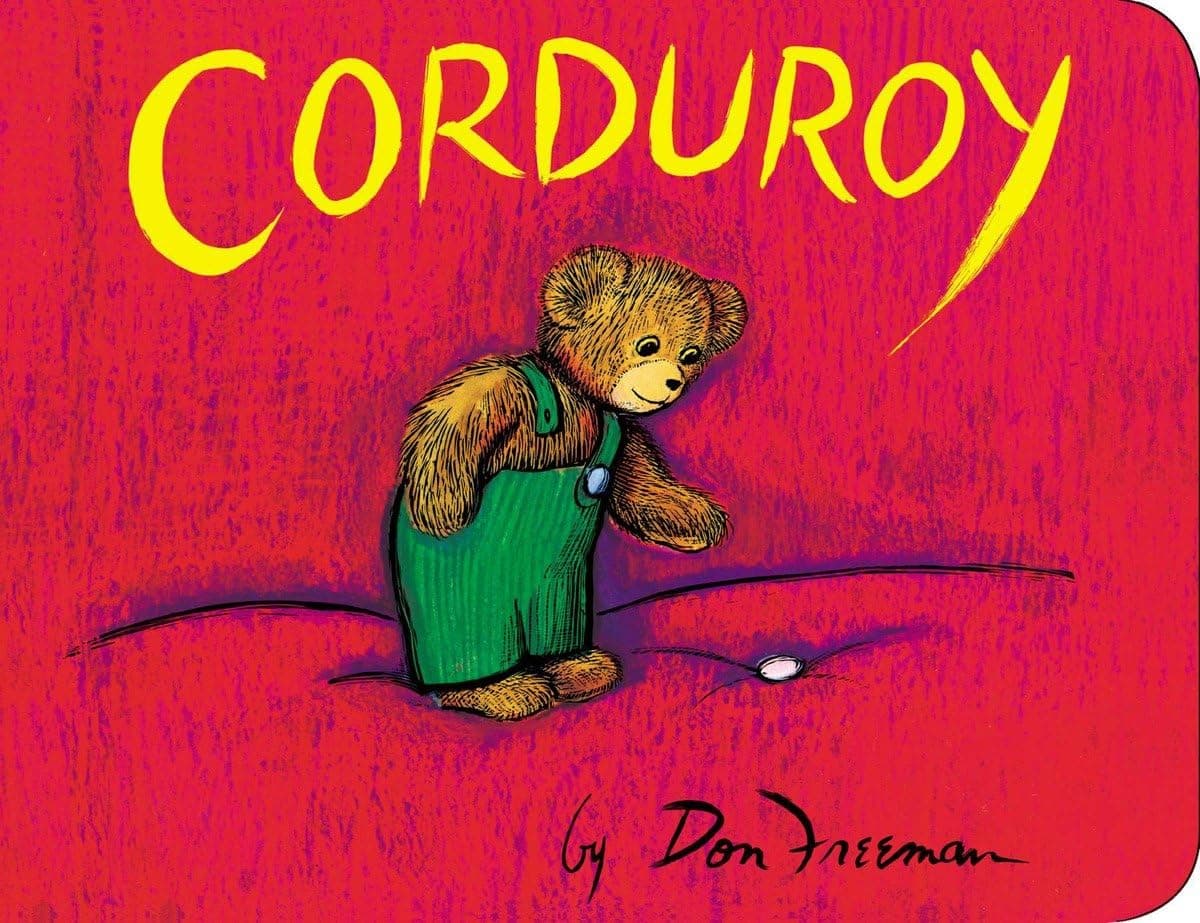
A department store bear hunts the dark for the button missing from his overalls. Lisa buys him with money she saved herself, a Black girl in a 1968 picture book, drawn without comment.

You leave town in a yellow suit and hit the Lurch, the Slump, and the Waiting Place, where nothing happens. Seuss made the standard graduation gift out of a warning about failure.

A young bull who would rather smell flowers than fight is hauled to the Madrid ring, where he sits down. Franco banned the book in Spain and the Nazis burned it in Germany.
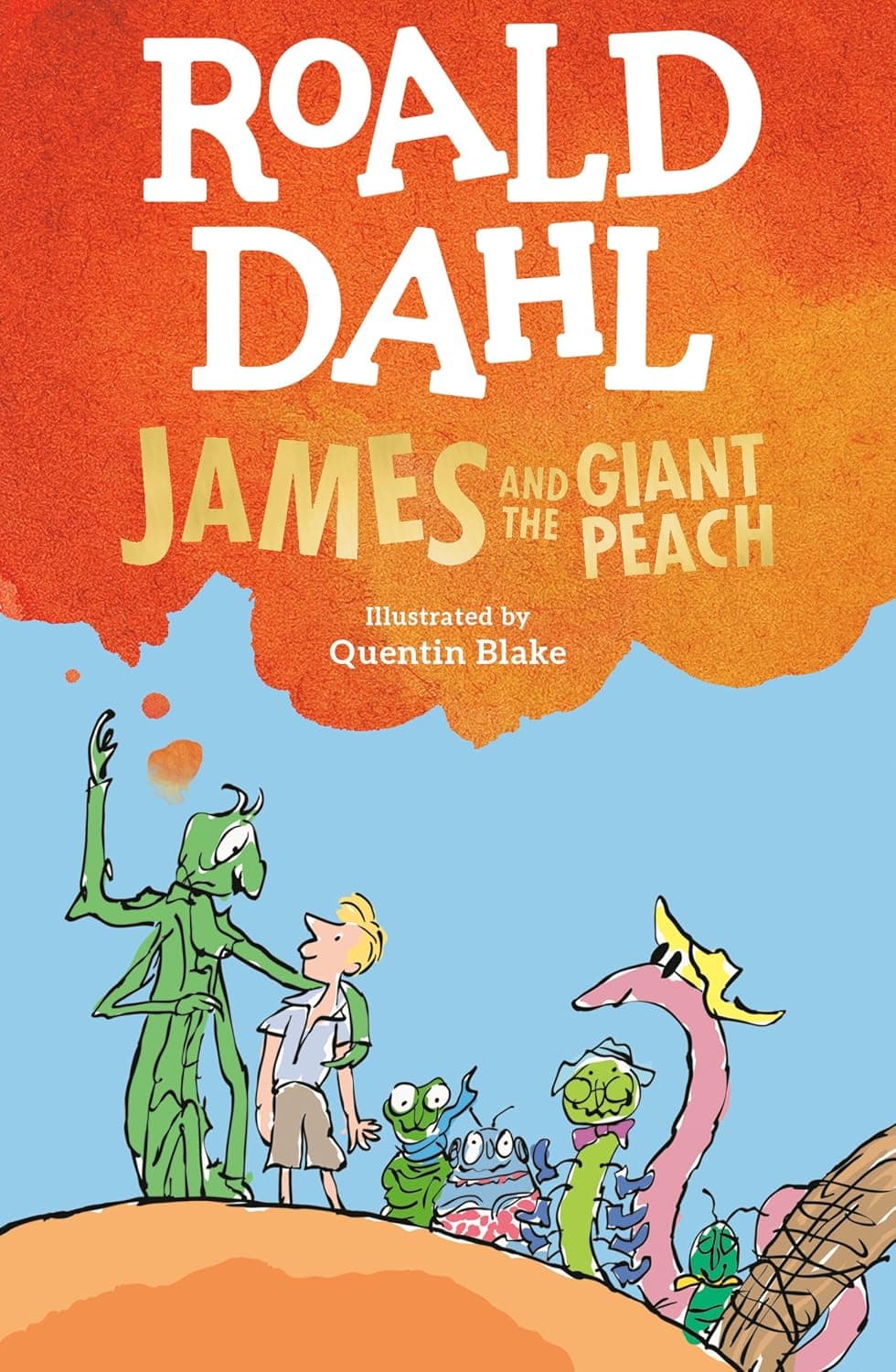
A rhinoceros escapes London Zoo and eats James's parents. Handed to two dreadful aunts, he crawls inside a house-sized peach and crosses the Atlantic with a crew of insects who become his family.

A toy becomes Real only when a child has loved it for years, by which time its fur is rubbed off and its eyes are gone. Williams's stuffed rabbit is loved that hard.

Beauty and utility generate each other, Paul Rand argues, and the designer's job is fusing idea with image. He pulled European modernism into American advertising and made the trade take design seriously.

Every American house is a set of clues: roof pitch, window shape, porch depth. McAlester supplies the vocabulary, from Georgian mansions to postwar ranches, and you walk out able to name your street.

A boy called Africa stares into the wolf's cage and will not leave. The one-eyed wolf gives in, and each reads a whole life in the other's eye: Alaska's snow, then the deserts.

A Berkeley merchant drives France cellar by cellar, buying from small growers and arguing that filtering a wine bright strips out what you want to drink. Lynch taught Americans to taste for place.

Two bodies lie on a Kyushu beach, arranged as lovers who died together, and the case turns on four minutes at Tokyo Station. Matsumoto pointed Japanese crime fiction straight at government corruption.

Serious photography meant black and white when Singh shot India in color, insisting a country this saturated demanded it. He packs pilgrims, monsoon light, and painted walls into frames borrowed from Indian painting.
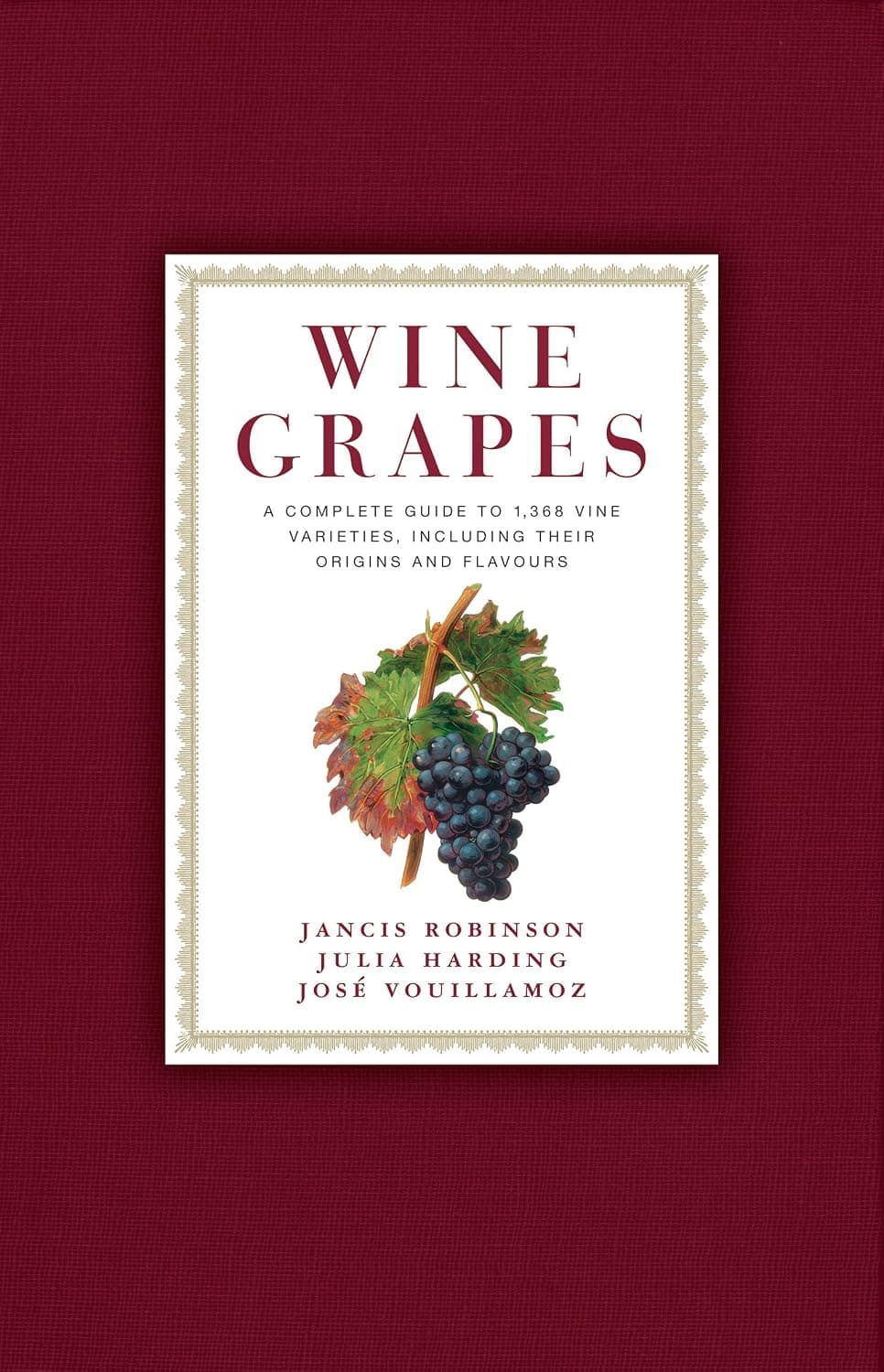
Every grape that makes wine, 1,368 of them, traced by DNA to its parents and described by flavor. Zinfandel is revealed as a Croatian vine, and Sauvignon Blanc descends from Savagnin.

Wine as geography: Johnson and Robinson map every serious vineyard region on earth, down to the slope and soil, so you can see why one hillside tastes different from the next field over.
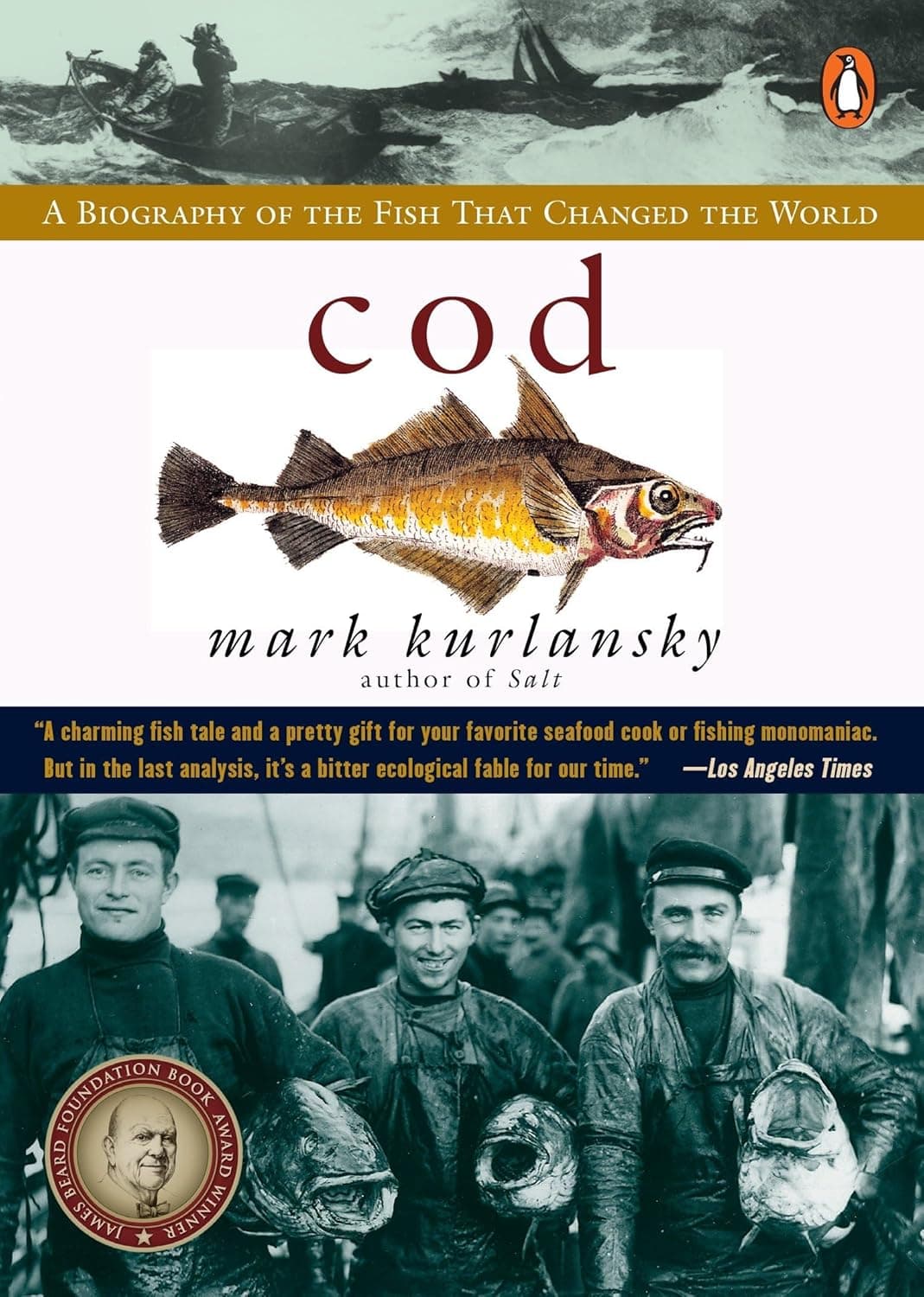
One fish shaped the whole Atlantic world. Kurlansky follows cod from the Basques and their secret fishing grounds through the slave-trade economies it fed to the Grand Banks collapse of 1992.

A war widow receives photographs of the husband she buried. The trail runs into a London fog where the killer Jack Havoc is loose, and Allingham makes the thriller an argument about evil.

Cash tells it in his own voice: picking cotton in Dyess, Arkansas, the brother a saw killed at fifteen, the amphetamine decades, and the night he crawled into Nickajack Cave to die.
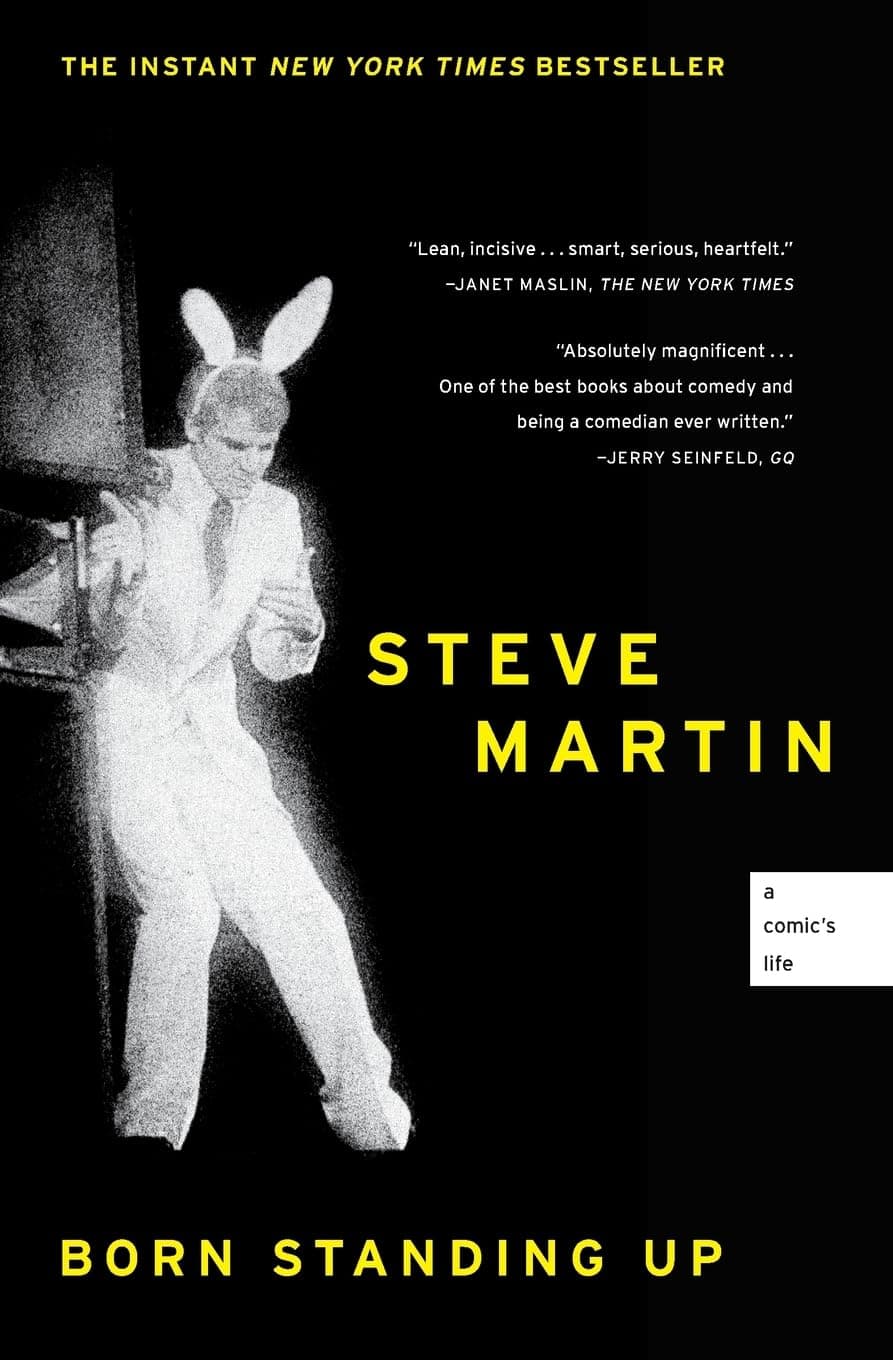
Working the Disneyland magic shop as a teenager, Martin set out to build comedy without punchlines, so laughter had nowhere to land. He filled arenas with it, then quit for good.
Inspector Maigret arrives fully formed in his first case, following a con man off the Paris express to a Normandy fishing port. He solves people rather than puzzles, and Simenon wrote seventy-four more.

Gamow carries a reader from counting to infinity, from atoms to the expanding universe, drawing every illustration himself. The psychologist Steven Pinker traces his science writing to reading this as a boy.

Speech therapy for a lisp, a methamphetamine phase of conceptual art, then a Paris classroom where a French teacher reduces grown adults to stammering. Sedaris finds humiliation funny and never spares himself.
A husband hires Lew Archer to find the bride who fled their honeymoon, and the trail runs back decades into two families' history. In Macdonald's California, crimes are inherited rather than committed.

Feinstein spent the 1985-86 season inside coach Bob Knight's Indiana basketball program and printed all of it, the profanity and the fury and the players absorbing both. Sports reporters still envy that access.

Byrne argues that music is written backward from the room it will fill, cathedral or CBGB. He works outward through recording, technology and money, explaining everything that shapes what reaches your ear.

Le Carré called Ambler the source on which we all draw. An English novelist is shown a body from the Bosphorus and traces the dead man through Balkan assassination and Paris drug trafficking.

One apple on Monday, two pears on Tuesday, and holes punched through the pages for small fingers to follow. Carle's caterpillar has eaten its way through fifty million copies and sixty languages.

Bubbles are not aberrations but a permanent feature of markets. Chancellor follows the fever from tulip mania through the South Sea Bubble to Japan's 1980s, with borrowed money at the center every time.

Bored in a hospital bed, a Scotland Yard inspector studies a portrait of Richard III and reopens the murder of the two princes, working entirely from chronicles and documents fetched to his bedside.
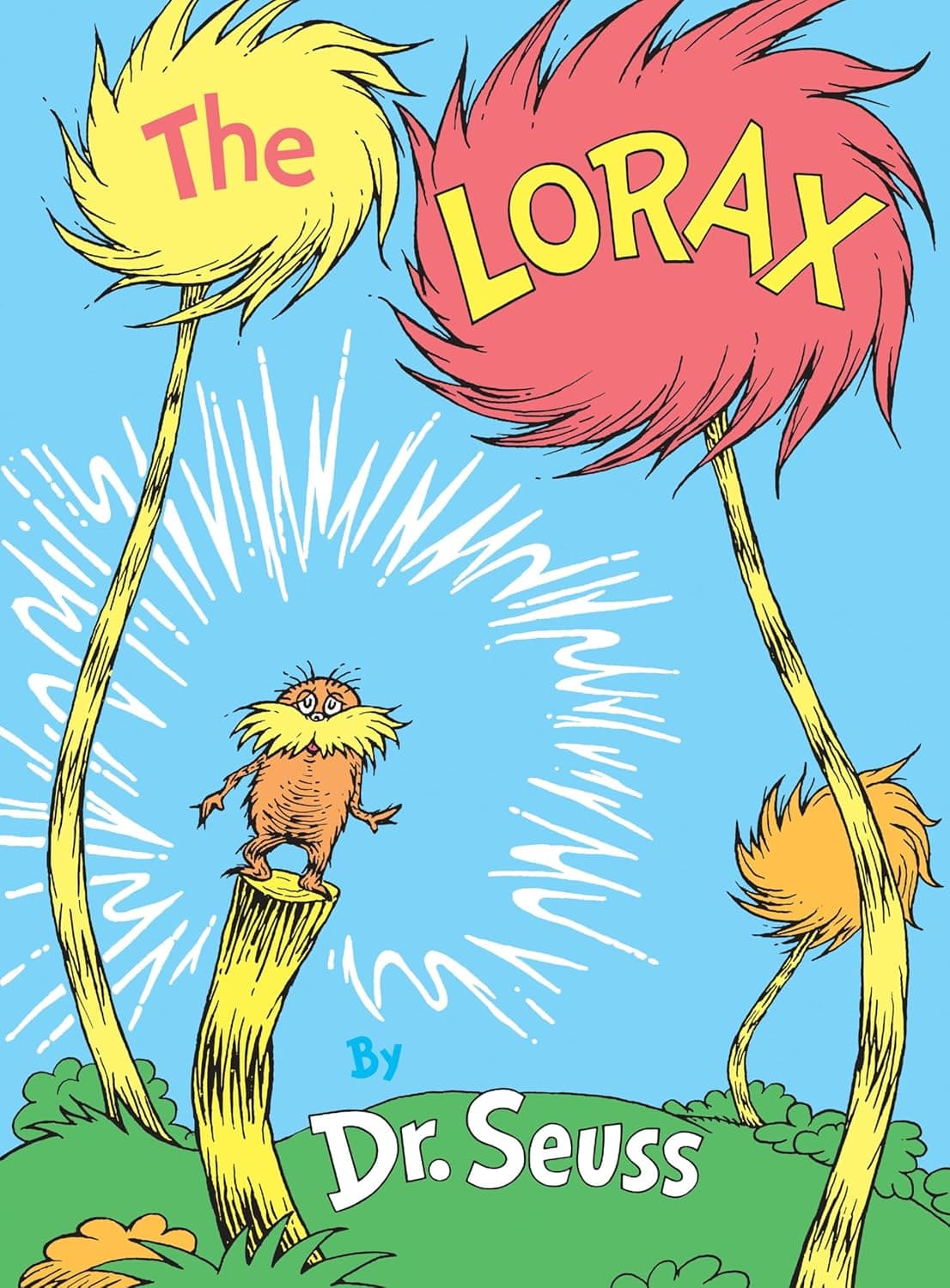
Seuss's Once-ler chops down the Truffula trees to knit Thneeds nobody needs, and a mustachioed creature rises to speak for the trees. Loggers hated it enough to commission a rebuttal picture book.
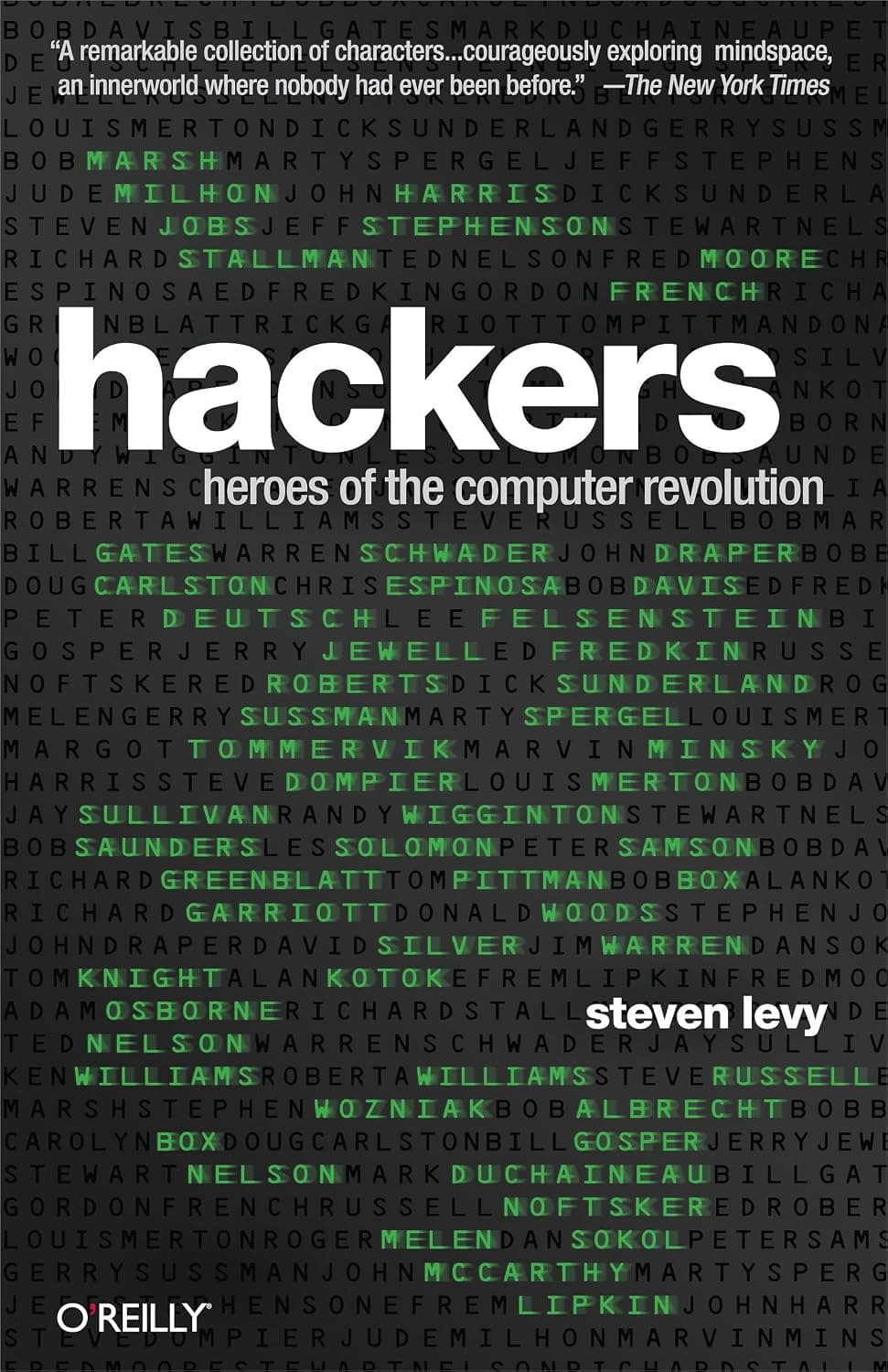
Levy found the hacker ethic among MIT students who monopolized the university's computers all night: all information should be free, mistrust authority, judge a person by the code. Silicon Valley still recites it.

From Aleppo and Samarkand to Vilna and New York, Roden gathered eight hundred recipes and the histories that traveled with them. She was born into Cairo's Jewish community and expelled along with it.

Sister Mary Bradley, a grandmother Hughes invented, tells death to wait because her feet are caught in the sweet flypaper of life, then walks you through DeCarava's photographs of her Harlem block.
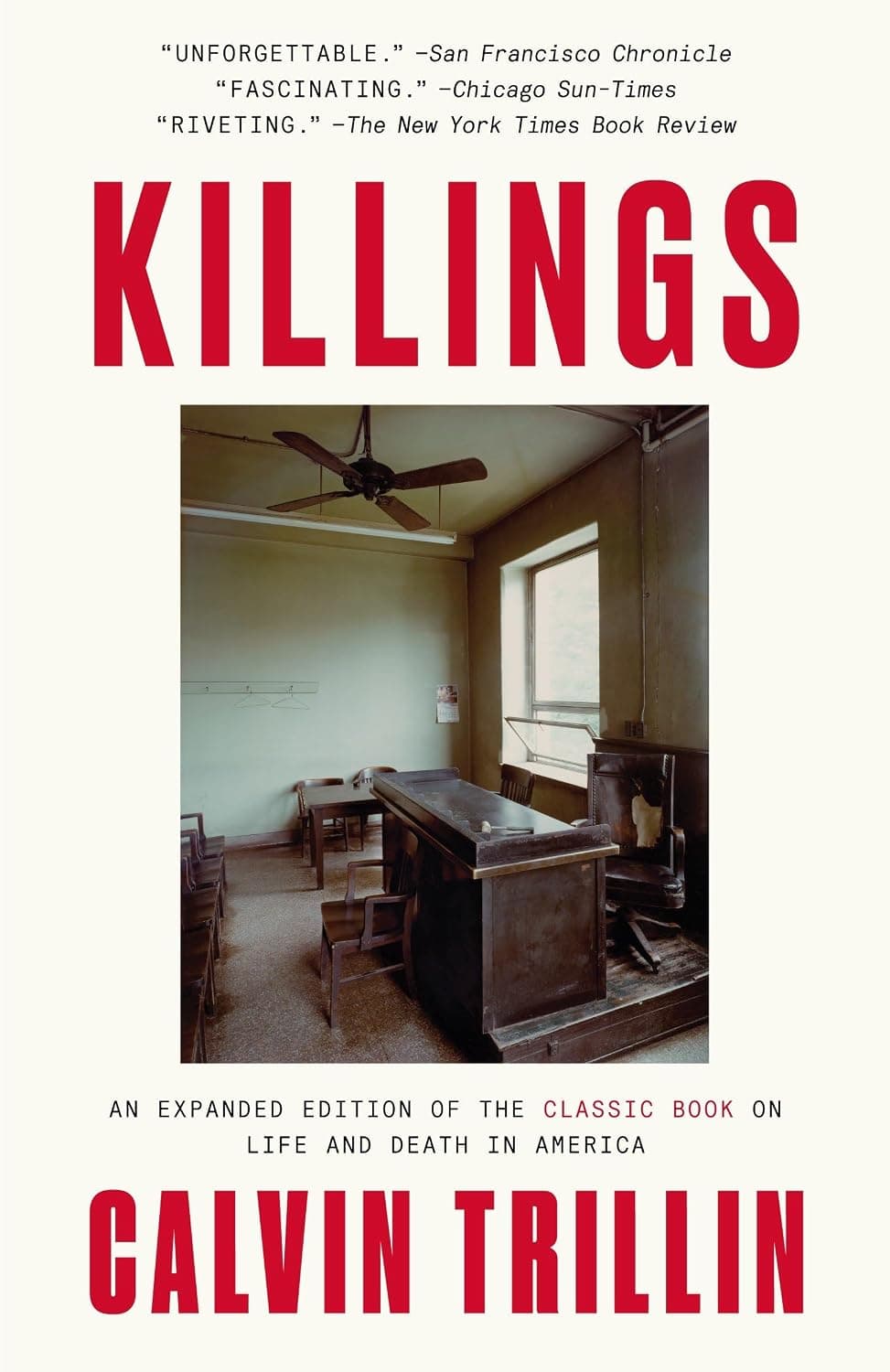
One killing per chapter, in towns no reporter usually visits, including a Kentucky landowner who shot a documentary filmmaker for trespassing. Trillin cares how these Americans lived, not how they died.

Marcella Hazan taught America what Italians actually eat, region by region, and her rule is exacting: buy well, do less, wait. Her tomato sauce is a can, an onion halved, and butter.
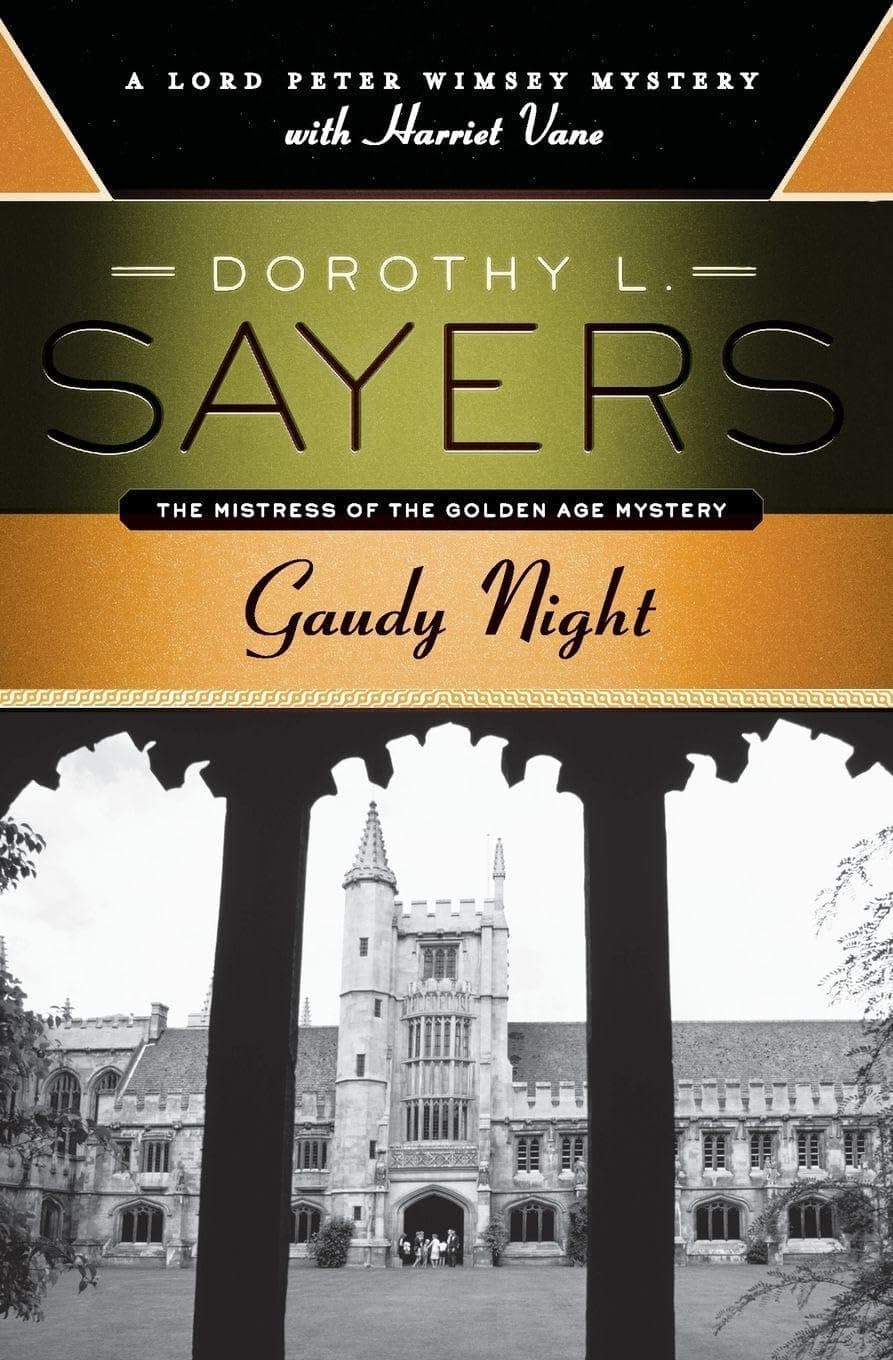
Harriet Vane, mystery novelist, returns to her Oxford women's college, where someone is sending obscene letters and destroying scholarship. Nobody dies. The question is whether a woman can have both work and love.
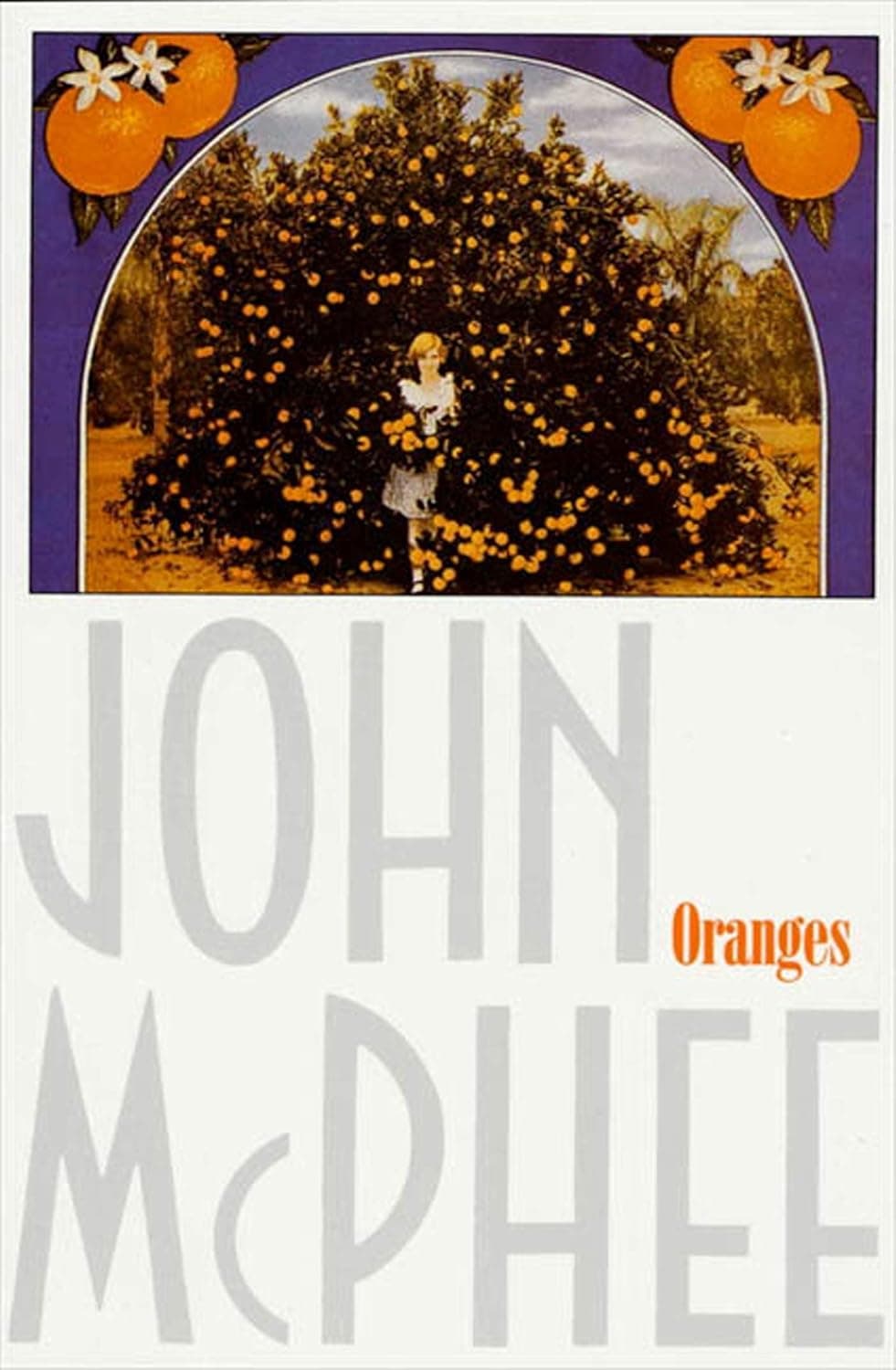
Curious why the juice from a Penn Station machine changed color through the winter, McPhee went to Florida. He came back with citrus botany, grove barons, and the entire industry of frozen concentrate.

Freetown, Virginia was founded by freed slaves, including Edna Lewis's grandfather, and her cookbook is that community's year: what the farm gave in each season and the meal it made.

Morgan Leafy, a British diplomat in a fictional West African state, must bribe an incorruptible Scottish doctor, conceal a venereal infection, and remove the maid lightning killed before the Duchess arrives.

Twenty years of letters between a broke New York writer hunting English classics and the London bookseller who found them. She mailed meat parcels through rationing and never crossed the ocean in time.
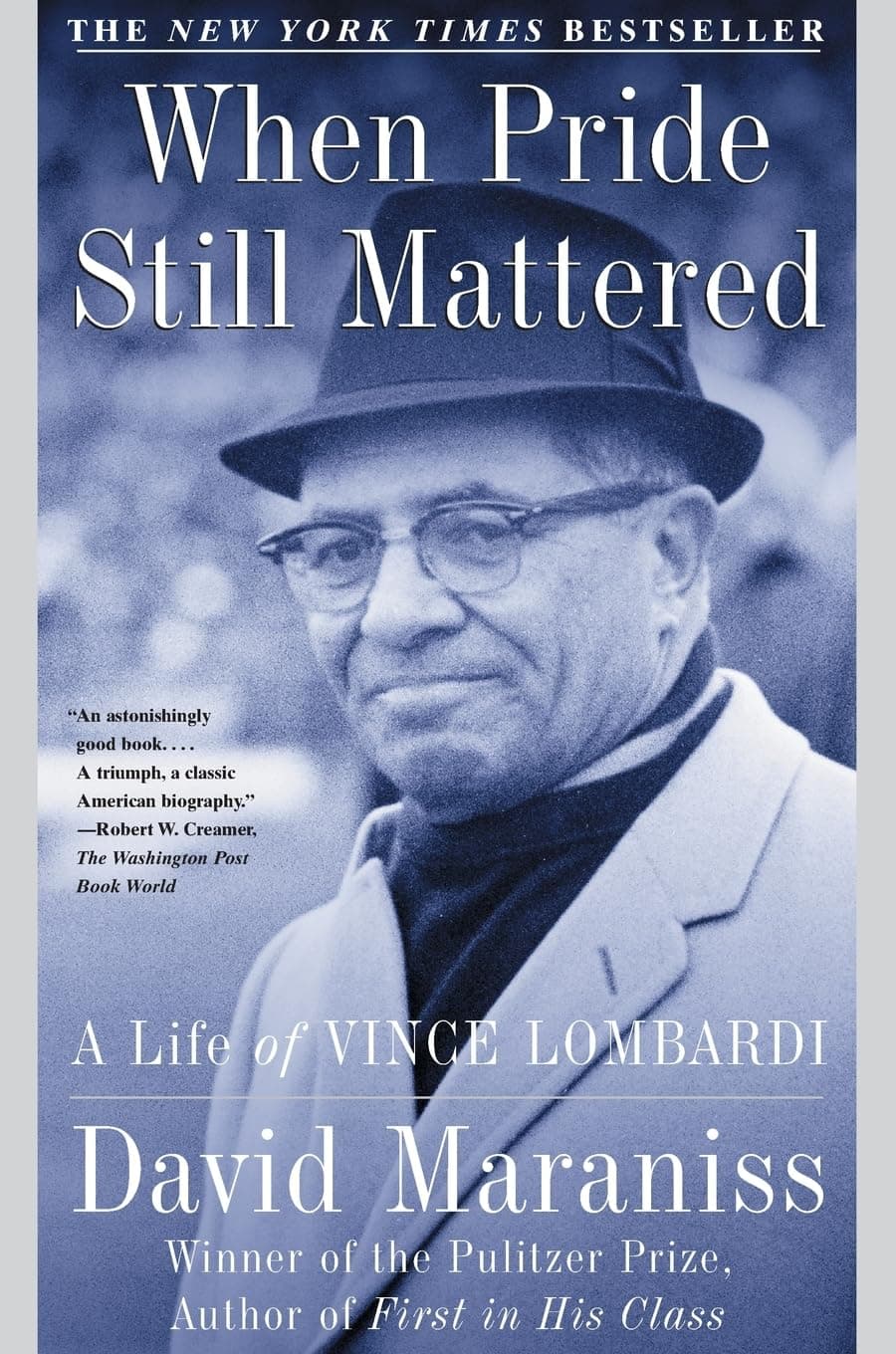
The finest life written of an American coach. Maraniss takes Lombardi from a Brooklyn butcher's son studying for the priesthood to the Packers dynasty, and shows what the discipline cost his family.

Bourdain cooked for two decades, then told everything: the drugs, the immigrant crews who hold restaurants up, why you never order fish on Monday. He made the line cook a figure Americans envied.
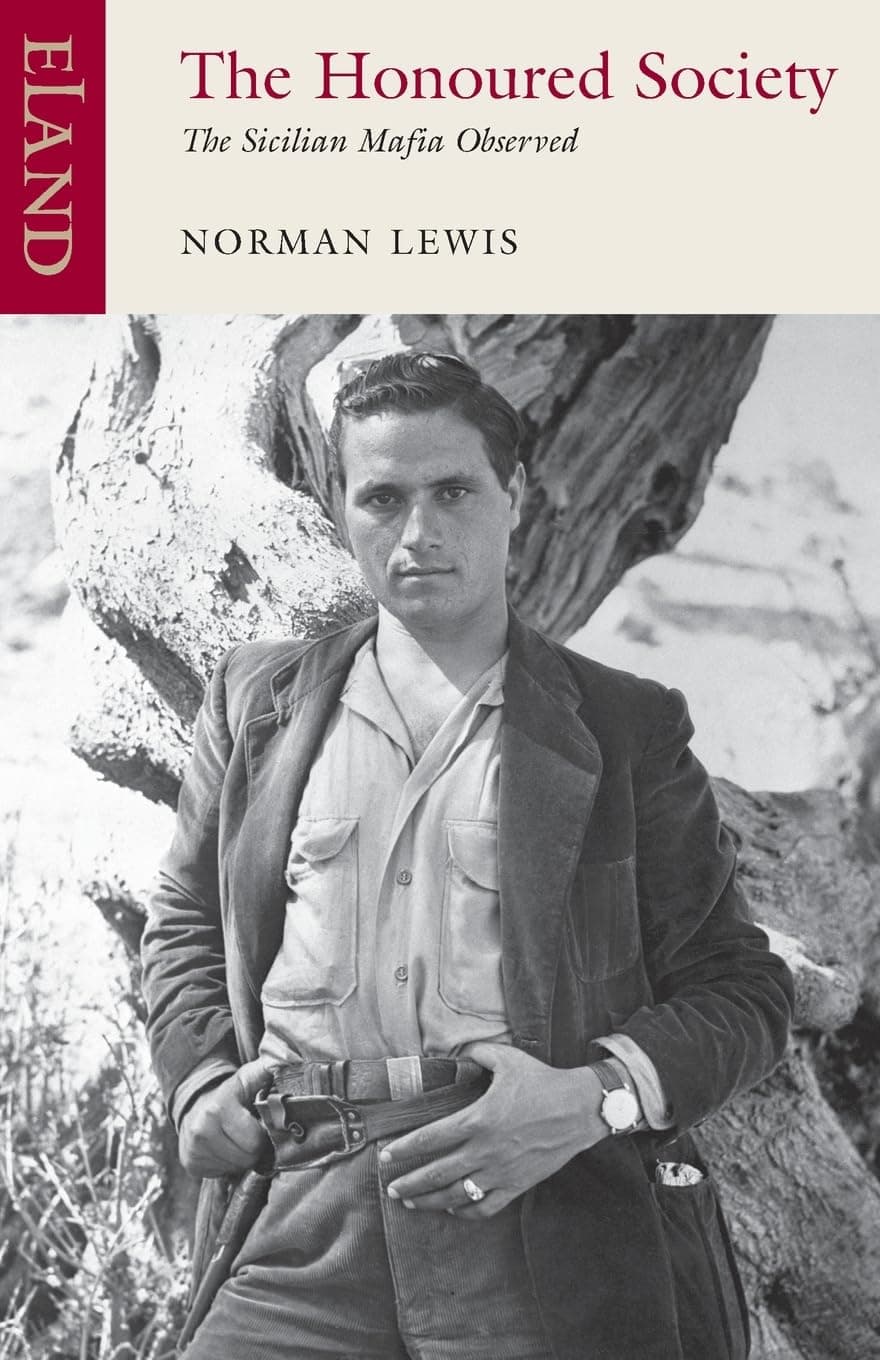
Lewis walked postwar Sicily and found monks running extortion from the confessional and Mafia bosses installed as mayors by American liberators, whose invasion, he argues, restored what Mussolini had nearly destroyed.

Tradition forbids the youngest daughter to marry, so Tita cooks, and everything she feels enters the food. Her quail in rose petal sauce sends a sister off naked with a Mexican revolutionary.

No history of hip hop is better. Chang begins with landlords burning the Bronx, arrives at Kool Herc's turntables, and reads Public Enemy and the Los Angeles riots as one generation's politics.
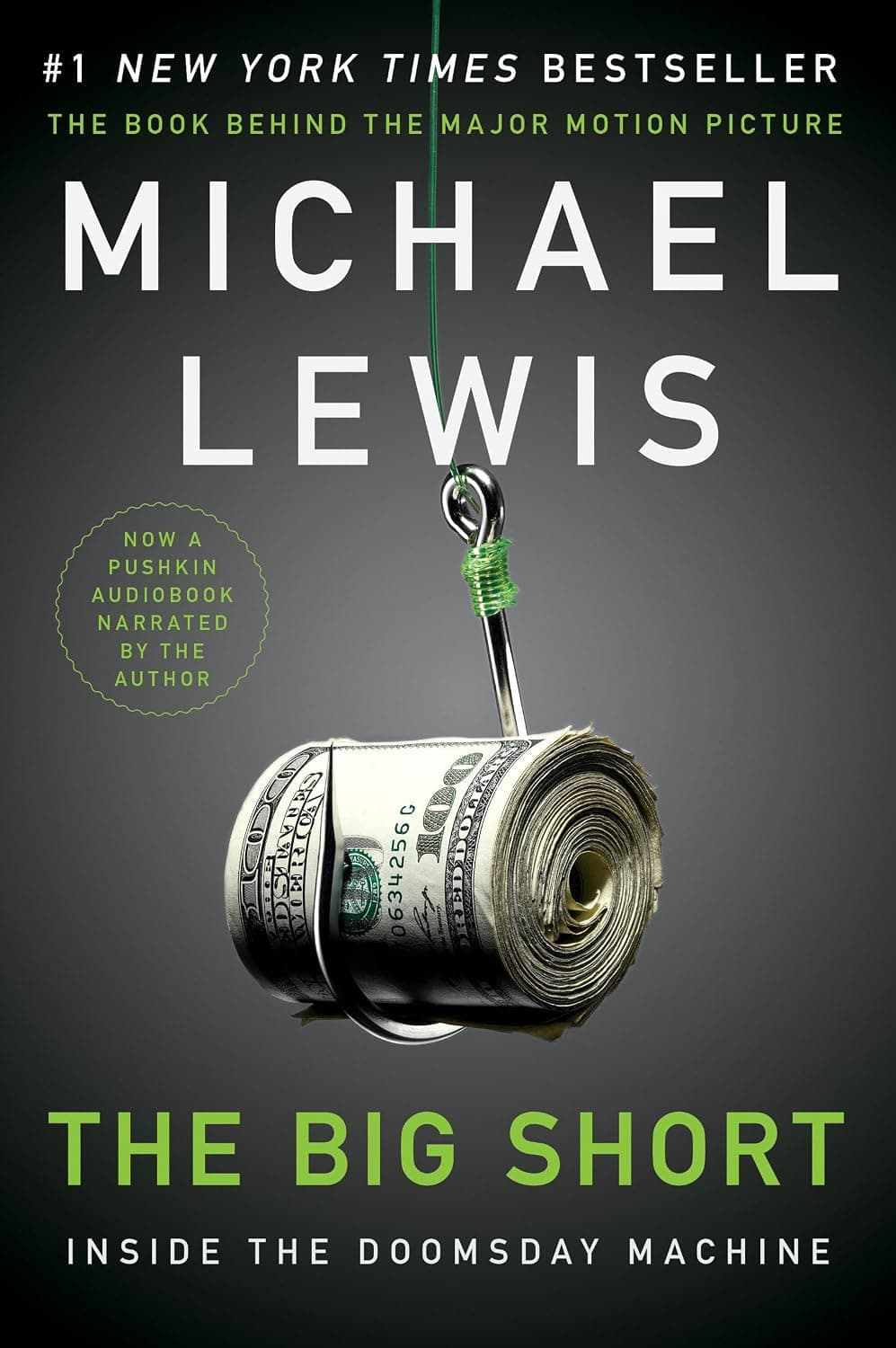
Michael Burry, a one-eyed doctor turned investor, read the mortgage documents no one else opened and bet against American housing. Lewis turns credit default swaps into a thriller about who saw it coming.

Lorelei Lee, a blonde from Arkansas, keeps a diary about the men who buy her diamonds and gives away far more than she knows. Edith Wharton called it the great American novel.