
A Coffin for Dimitrios
1939 · 304 pages
Le Carré called Ambler the source on which we all draw. An English novelist is shown a body from the Bosphorus and traces the dead man through Balkan assassination and Paris drug trafficking.
★ 4.6
 skopia
Le Carré called Ambler the source on which we all draw. An English novelist is shown a body from the Bosphorus and traces the dead man through Balkan assassination and Paris drug trafficking.

Morgan Leafy, a British diplomat in a fictional West African state, must bribe an incorruptible Scottish doctor, conceal a venereal infection, and remove the maid lightning killed before the Duchess arrives.

Sherman McCoy, a Park Avenue bond trader who calls himself a Master of the Universe, takes a wrong turn into the Bronx. A boy is struck, and Wolfe feeds him to New York.

A minor German princess arrives in Russia at fourteen, deposes her husband eighteen years later, and rules for thirty-four. Massie writes her from the inside, drawing on her own candid memoirs.

Packer follows a Youngstown factory worker, a North Carolina biodiesel man and a Washington lobbyist from 1978 to 2012, and shows the institutions that once held Americans in place giving way to money.
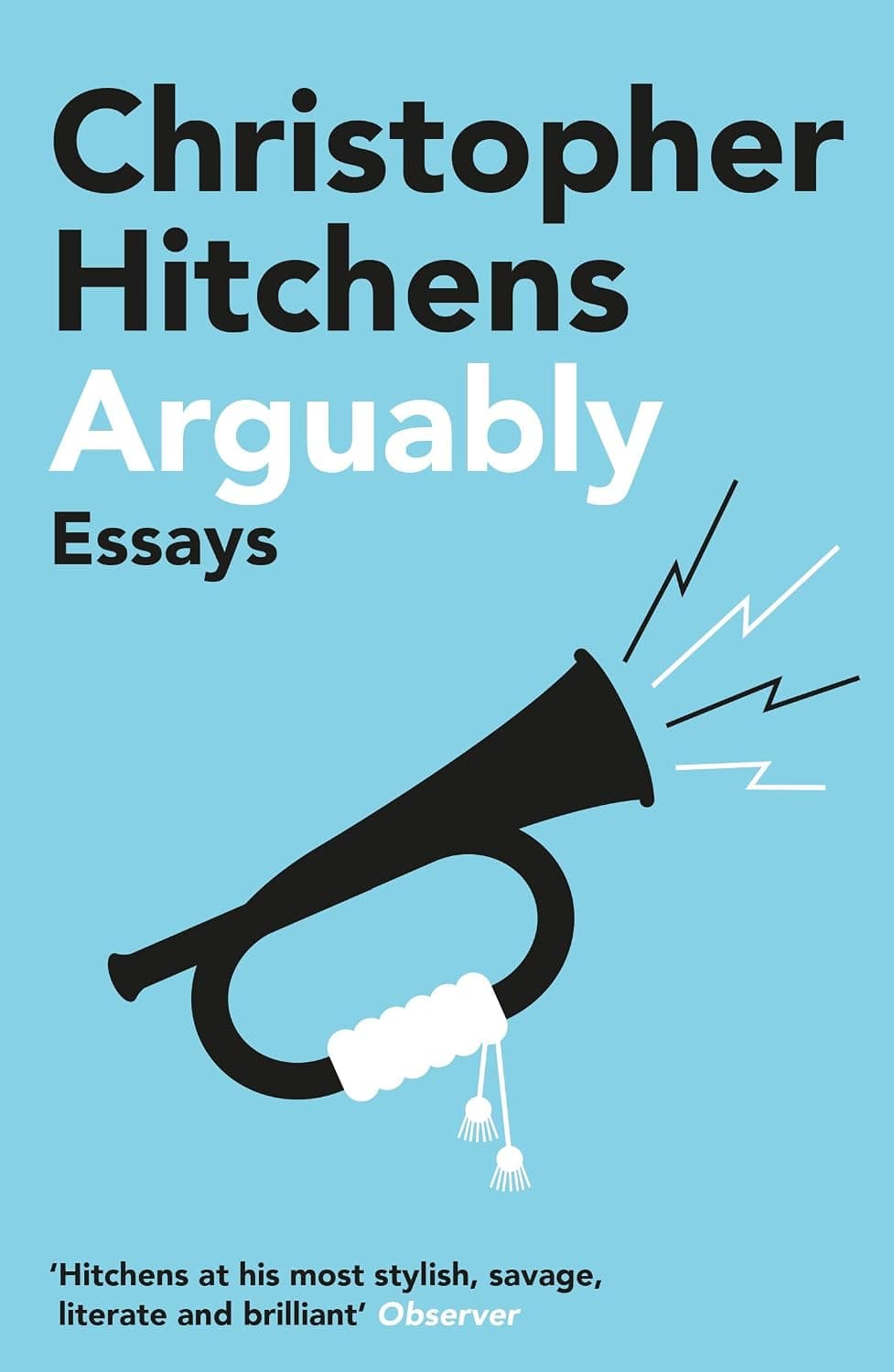
No English-language essayist of his generation wrote with more range or less caution. These 107 pieces run from Orwell and Jefferson to Iraq and Afghanistan, and Hitchens had himself waterboarded before writing one.
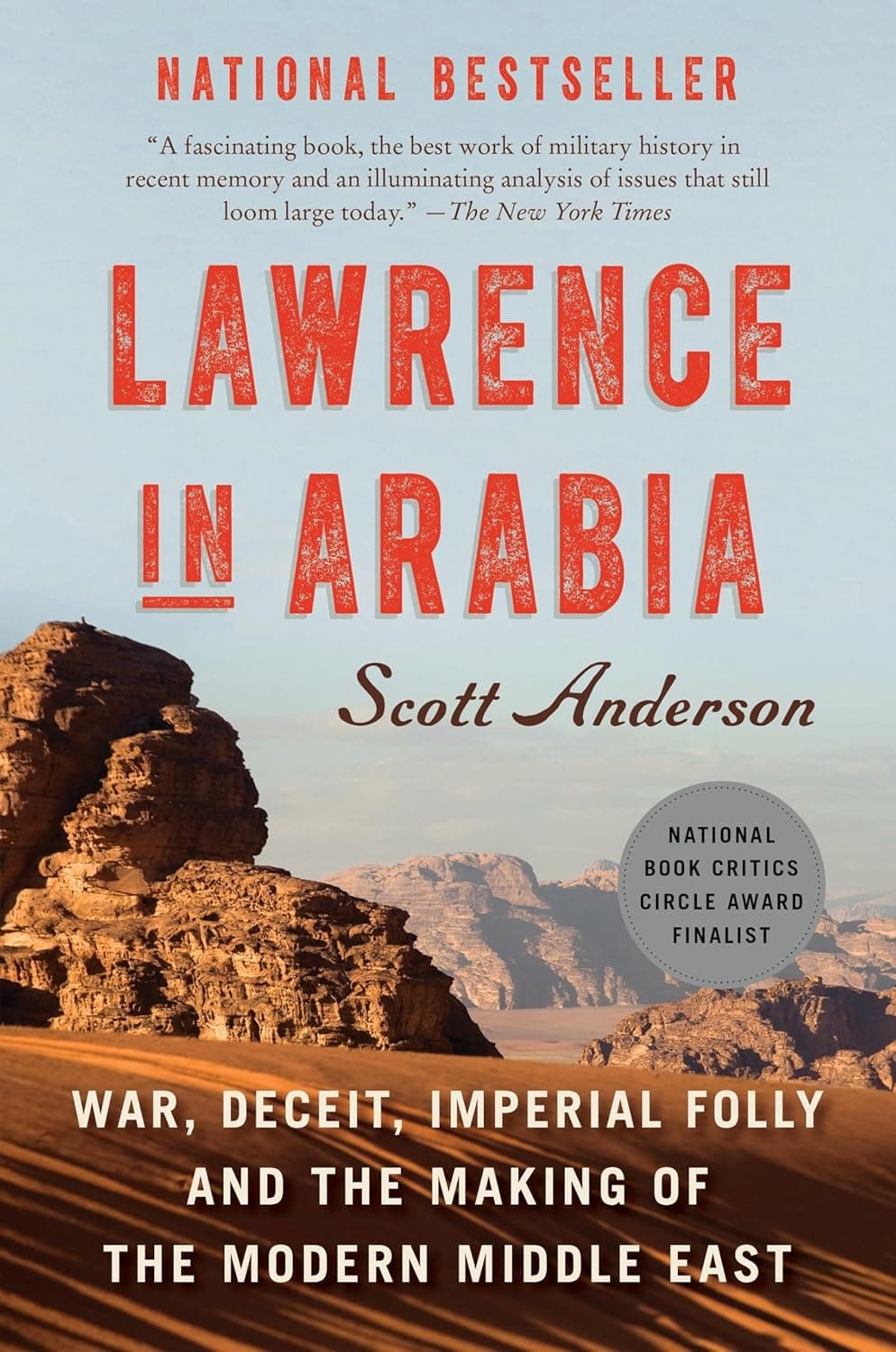
Four amateurs shaped the modern Middle East, Anderson argues, and the strangest was Lawrence, an Oxford archaeologist who led an Arab revolt knowing his government had already promised the land away.

Clara predicts the future and moves furniture without touching it, while three generations of her family reach from the era of the great estates to the 1973 coup that comes for them.

Gaddis lays the war's origins at Stalin's door, shows how nuclear terror kept the peace it threatened, and treats the outcome as a moral verdict. Forty-five years of standoff in one commanding volume.

Twenty-seven years in apartheid South Africa's prisons, set down without self-pity by the man who opened negotiations with his jailers from inside and then governed the country that had caged him.
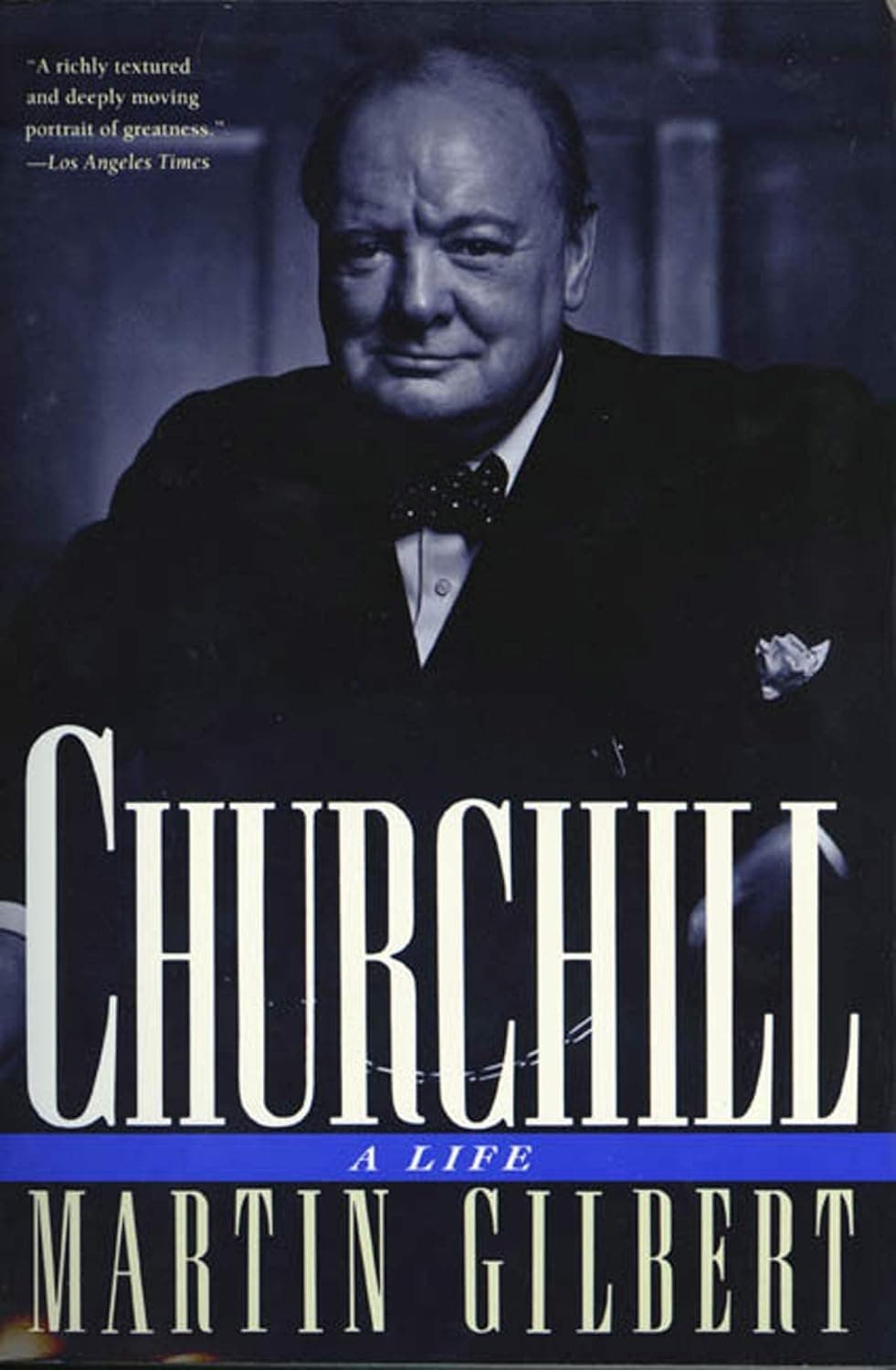
Having written six volumes of Churchill's official biography, Gilbert put the whole life into one book, from the cavalry charge at Omdurman to 1965, drawing on twenty years inside the papers.
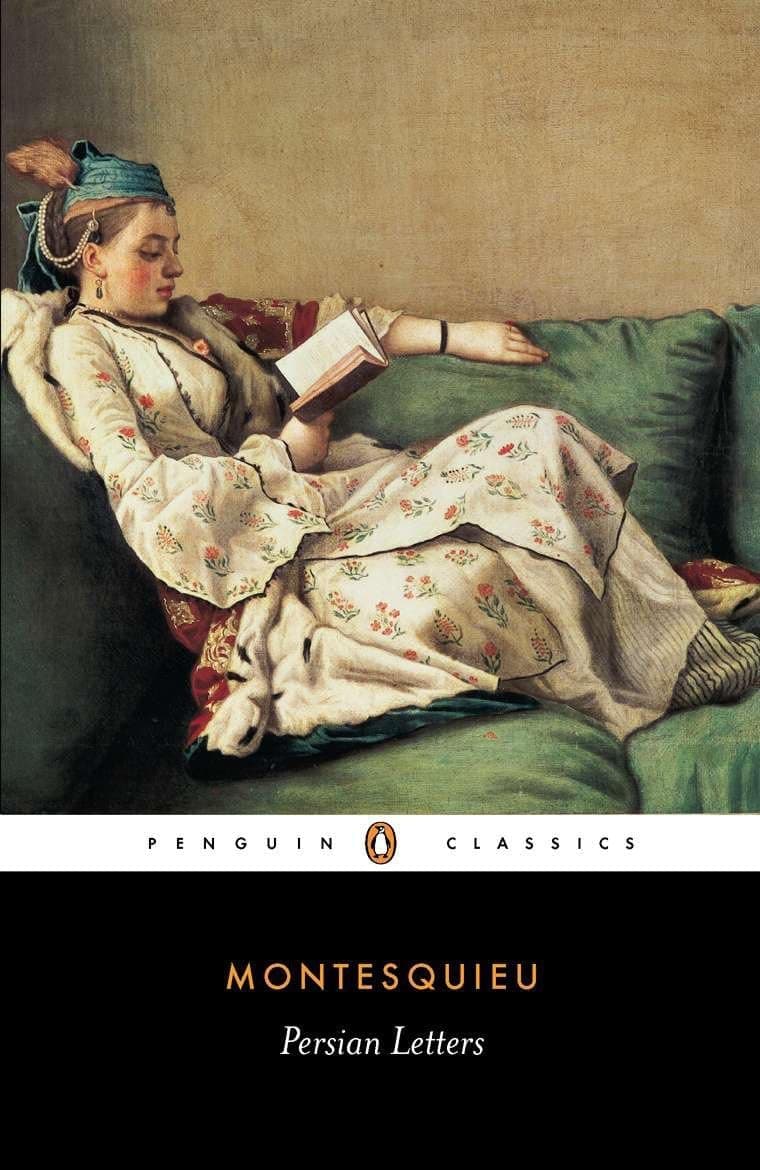
Two Persian travelers in Paris write home about a king who conjures money from paper and a pope who makes bread into flesh. In Isfahan, the harem one of them left is collapsing.

An asthmatic Manhattan boy remakes himself as a Dakota rancher, a Rough Rider, and the youngest president in American history. Morris swept the major prizes for this volume alone.

Wood argues the American Revolution was as radical as any in history: it dissolved a world of patronage, deference, and rank, and produced a society of equal, money-minded, self-interested citizens.

Du Bois took the first Harvard doctorate given a Black American, wrote The Souls of Black Folk, and helped found the NAACP. Lewis won Pulitzers for this volume and for its sequel.

Watching the French Revolution collapse into terror, Schiller concluded that reason cannot free people whose feelings stay uneducated. Beauty does it, through play, and Romanticism built its case for art on that claim.
The fullest modern defense of power politics, written by a secretary of state who practiced it. Kissinger runs from Richelieu to the Cold War, insisting that order rests on balance, not moral aspiration.

Violence was not the French Revolution's tragic accident but its engine, Schama argues, and the Terror merely 1789 with a higher body count. The book drew furious rebuttals from historians on the left.
Ice-nine, a crystal left by a father of the atomic bomb, freezes any water it touches. Vonnegut sets the scramble for it on an island whose religion is founded on comforting lies.

Shirer broadcast from Berlin as the rallies filled, then worked through captured German files and Nuremberg testimony to tell the story from beer hall to bunker. A million American households bought it.

Niebuhr's argument: an individual can rise above self-interest and a nation cannot, so justice comes from power balanced against power. Cold War strategists and Martin Luther King alike thought in his terms.
Confucius answers his students in short exchanges: never do to others what you would not want done to yourself, and let ritual shape everything. Chinese officials memorized it to hold office until 1905.
Weber told students in a collapsing Germany what science and politics demand: science can give you clarity but never choose your values, and politics is the slow boring of hard boards.
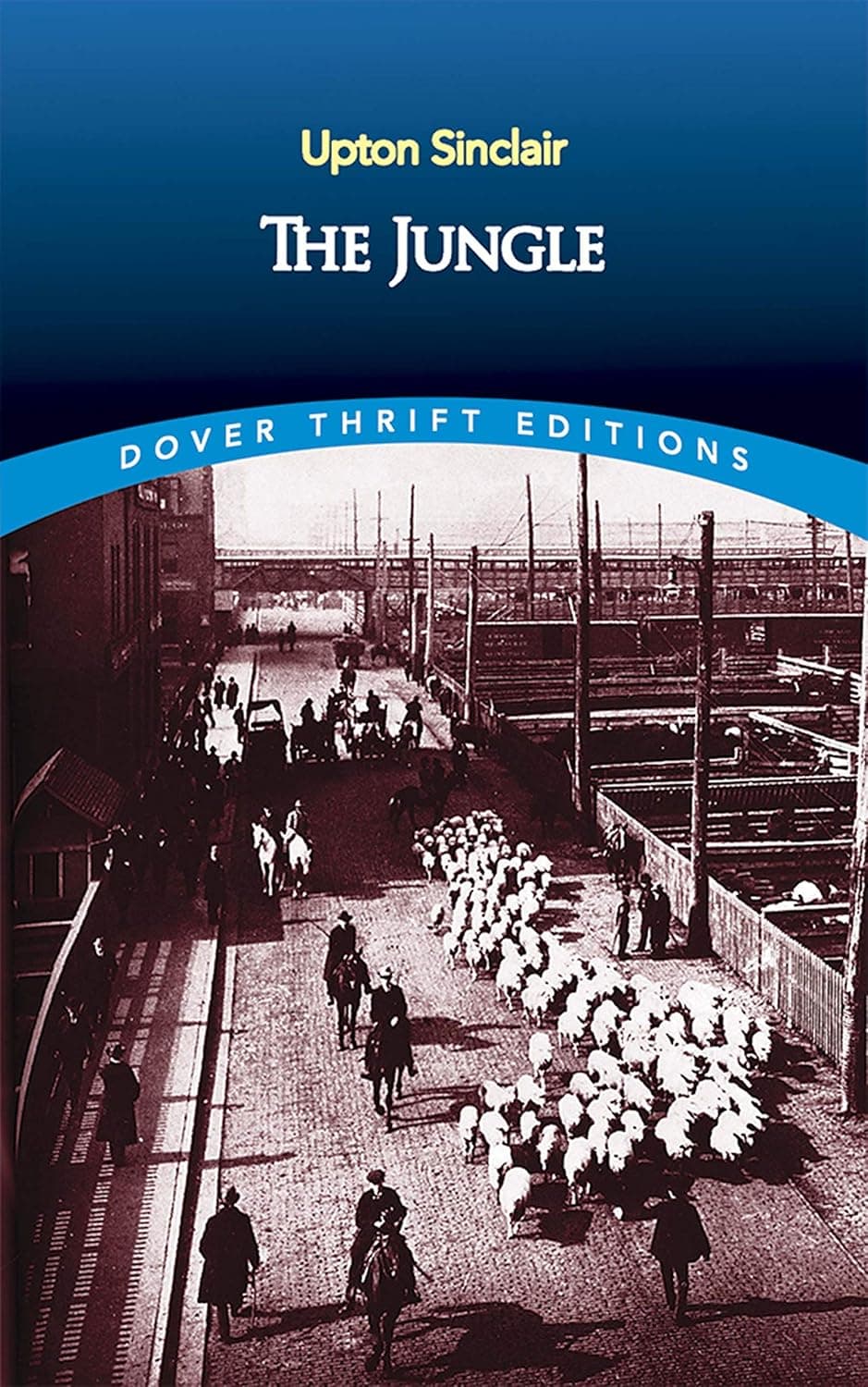
Jurgis Rudkus comes from Lithuania to work Chicago's killing floors, and the packing plants destroy his family while diseased meat ships out. Roosevelt read it and Congress passed federal food inspection within months.
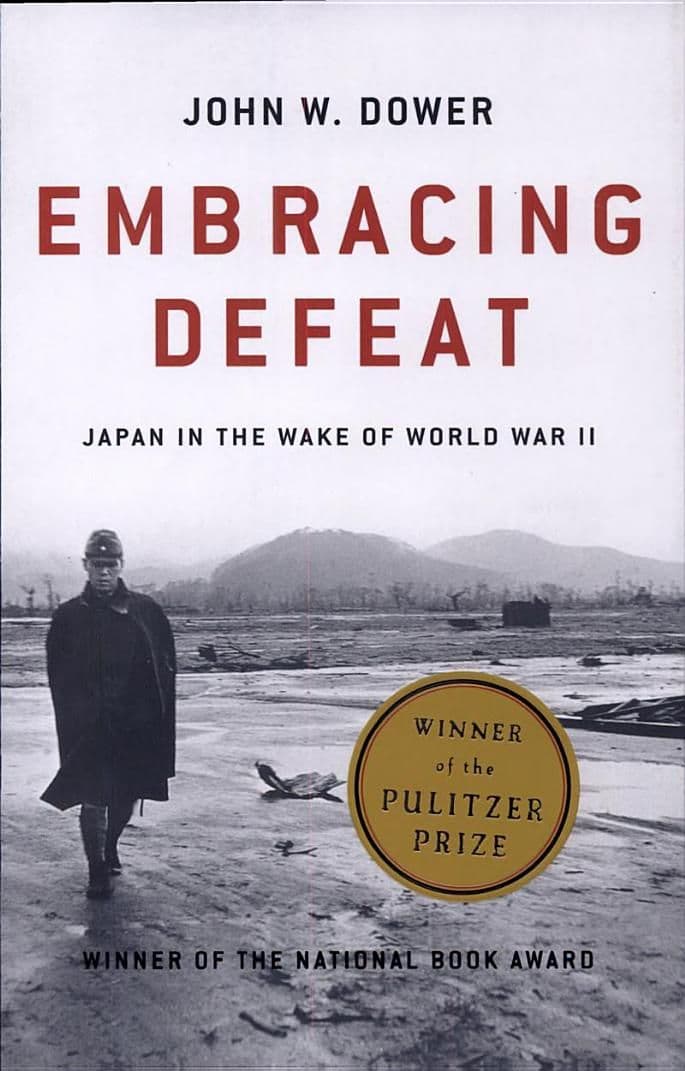
Defeated Japan is starving and occupied. Dower tells the years after 1945 from street level, through black markets, pulp magazines, and letters to MacArthur. The Japanese emerge remaking themselves rather than remade.

Willie Stark rises from county treasurer to governor believing good can be made only out of bad. Warren wrote the American novel of power, narrated by the aide he sends to dig dirt.
Rome's first emperor assembled from other people's letters: soldiers, poets, conspirators, and the daughter he sends into exile. Williams shows how a sickly boy became master of the world and what it cost.
Richard tells the audience in his first speech that he means to be a villain, then makes them accomplices. He courts a widow beside the corpse of the king he murdered.

Woodward and Bernstein worked doorsteps, phone books, and a source who met Woodward in a parking garage, tracing campaign money into the White House. Journalism has measured itself against this reporting ever since.
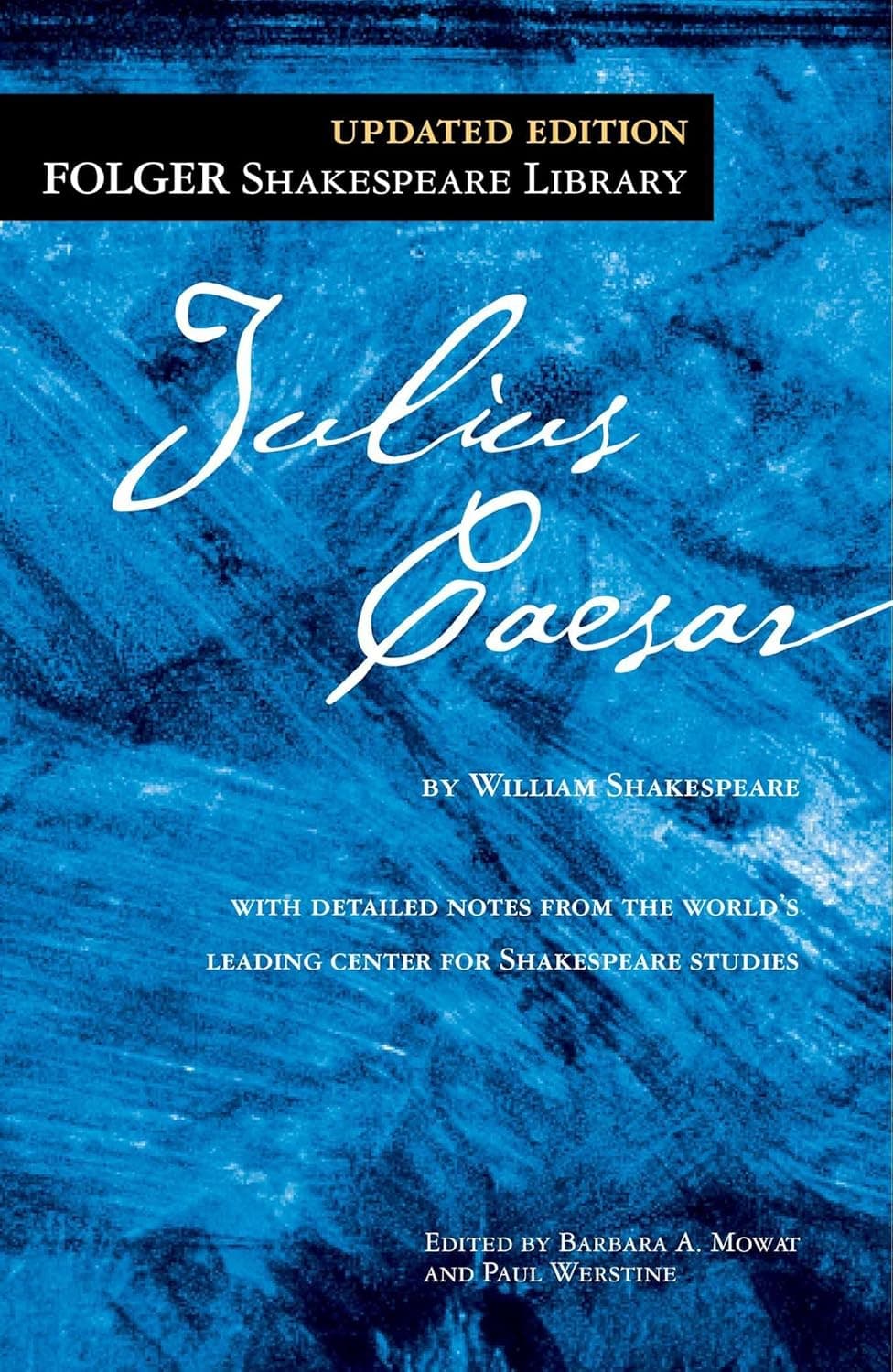
Brutus is persuaded that killing his friend will save the republic. Antony stands over the body, says he comes to bury Caesar and not to praise him, and turns Rome around.

Carlyle writes the Revolution in the present tense, as though standing in the crowd. The Bastille falls and the Terror arrives as things still happening, history delivered as thunder rather than explanation.

Branch follows Martin Luther King from the Montgomery bus boycott to Birmingham, moving between black church basements, the Kennedy White House, and the FBI, and ten years become full American history.
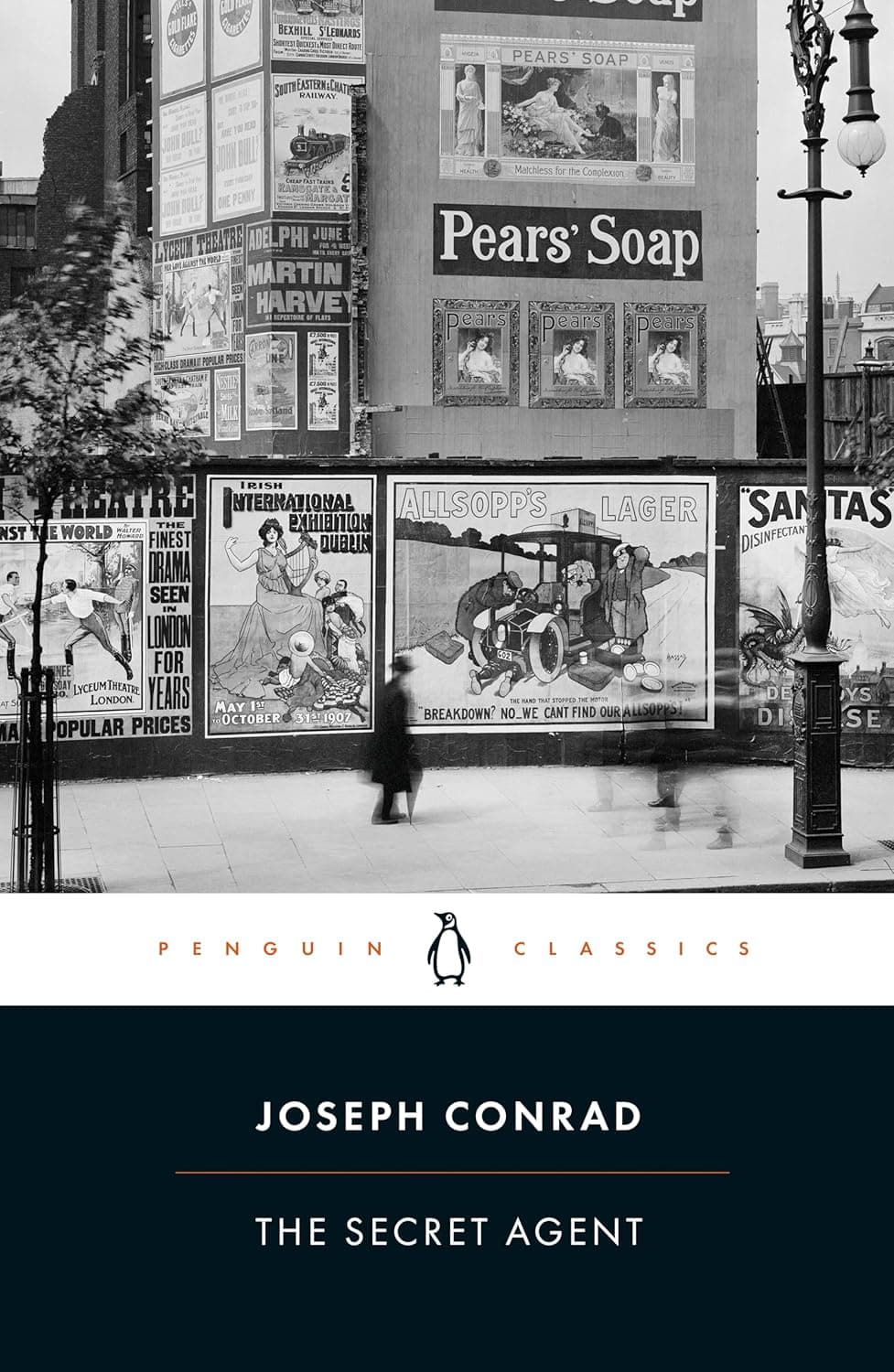
Conrad wrote the first great modern novel of terrorism. Verloc keeps a seedy London shop, informs on anarchists for a foreign embassy, and is ordered to bomb the Greenwich Observatory to frighten England.

Falstaff ages and the king dies while Prince Hal waits for the crown. Shakespeare wrote no colder scene than the new king telling his old tavern friend that he does not know him.
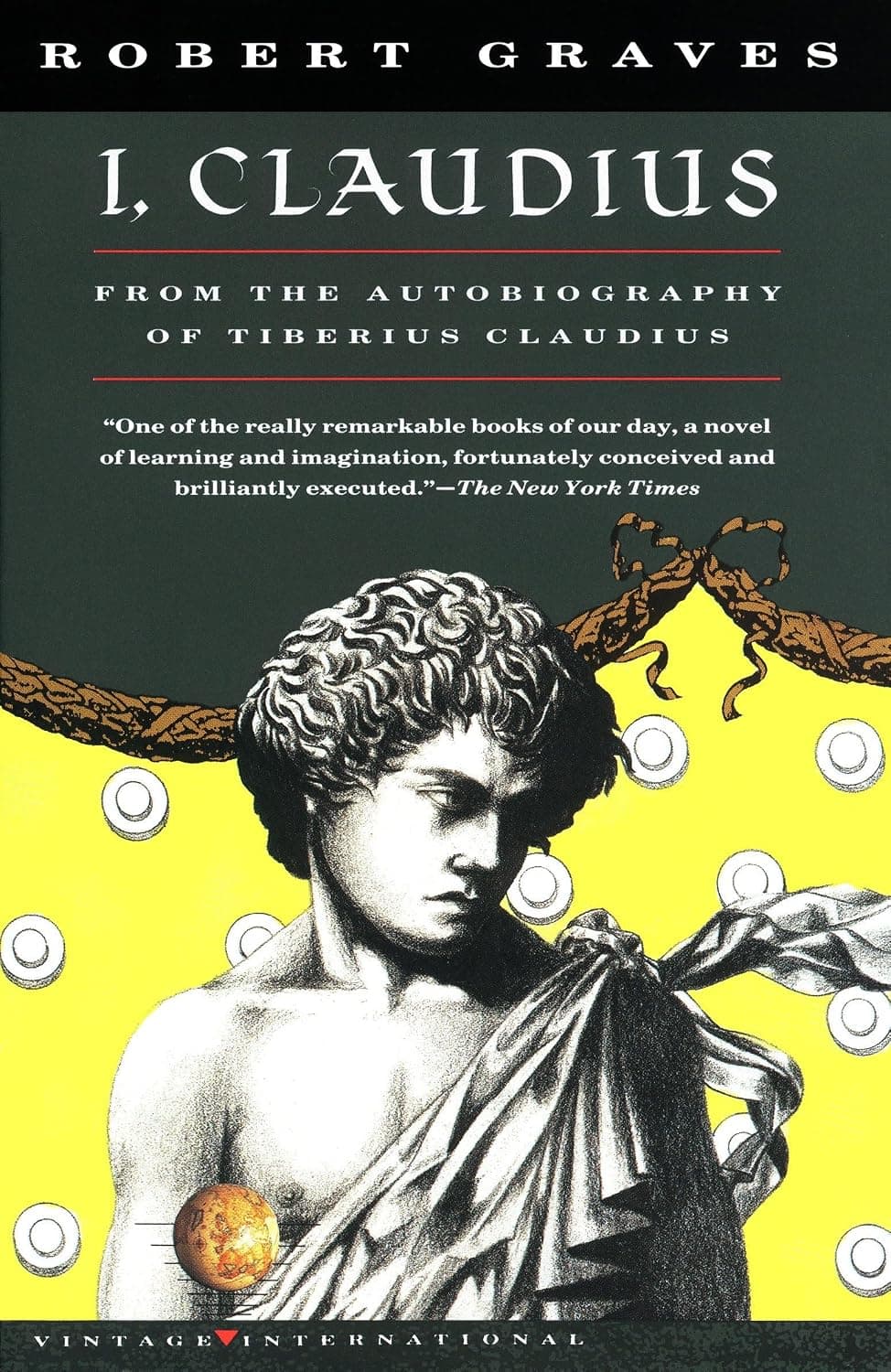
Stammering, limping, and dismissed as an idiot, Claudius survives the Roman imperial family as it murders its way through Augustus, Tiberius, and Caligula, then sets down the secret history of what he watched.

Seventeen years old, Fabrice del Dongo wanders onto the field at Waterloo and cannot tell whether he fought there. What follows is court intrigue, a prison tower, and love signaled through a window.

Eighteen years in the Bastille have left Doctor Manette making shoes in the dark. Dickens carries his daughter's household from London into the Terror, where Madame Defarge knits a death list.

Modern conservatism begins here, in Burke's fury at revolutionaries who tore down old institutions for the sake of an abstraction. Society is a partnership between the dead, the living, and the unborn.
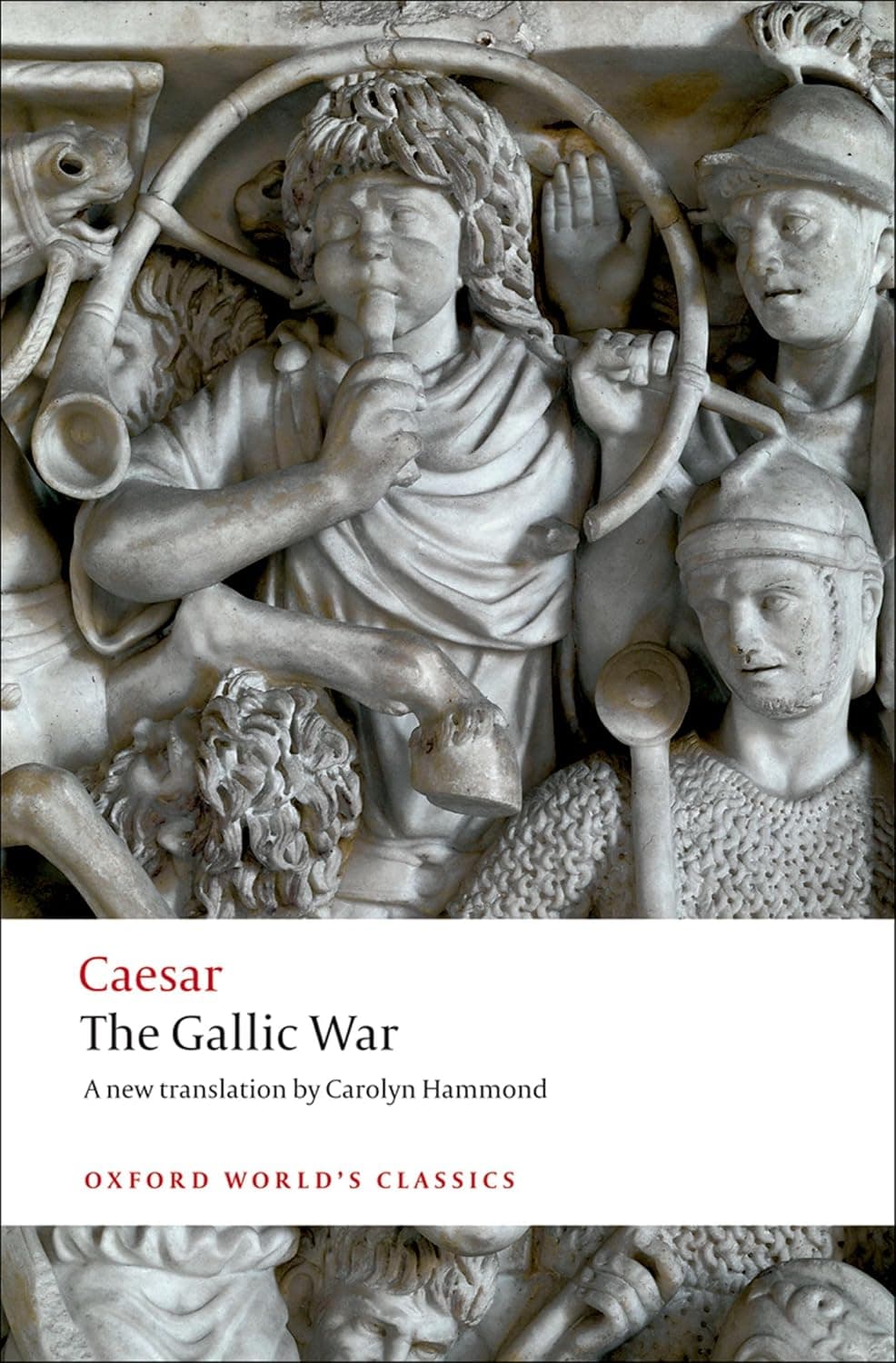
Caesar reports his own conquest of Gaul in the third person, equally calm about bridge building and massacre. The Latin is so clean that students still learn the language on it.
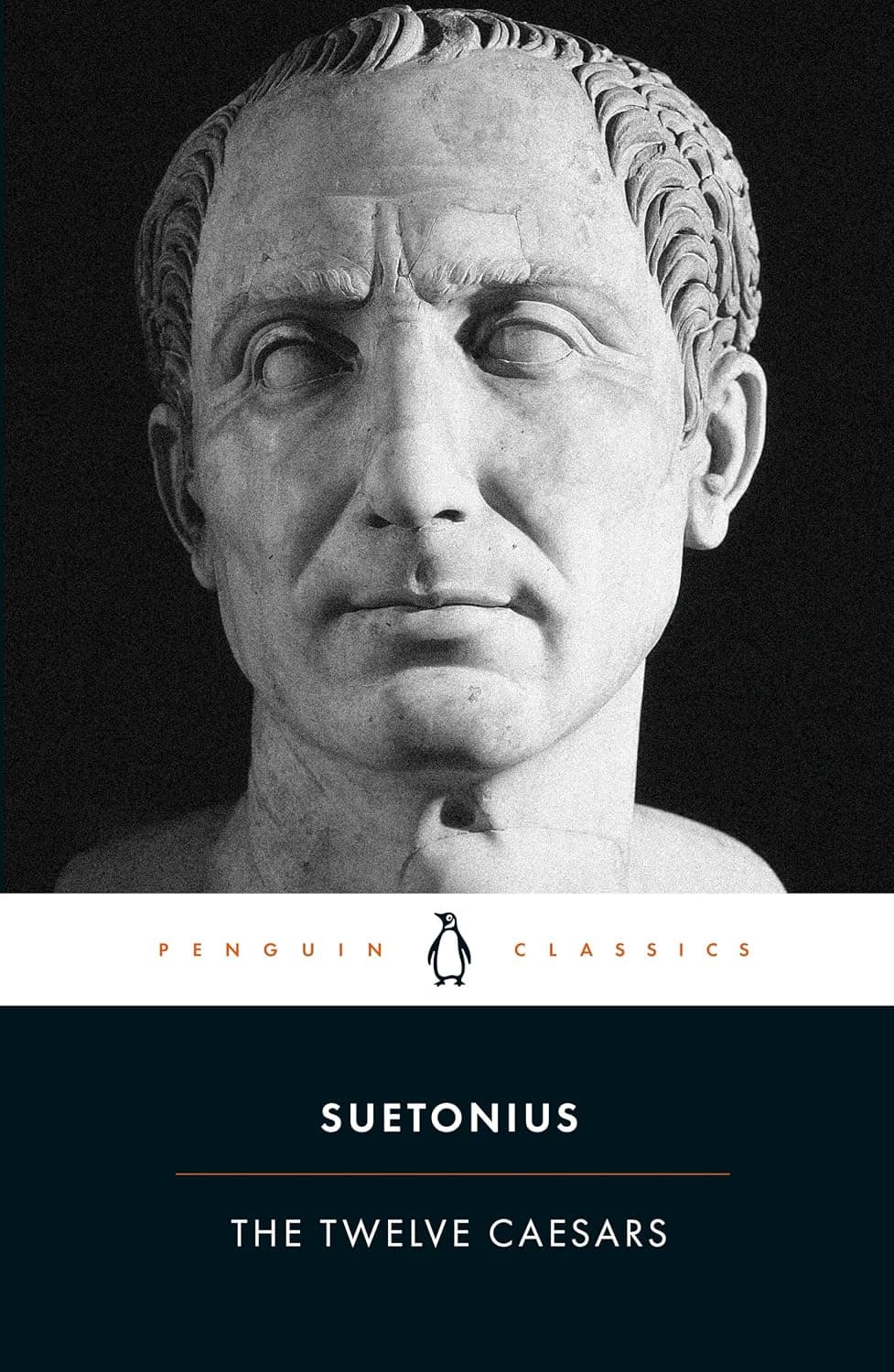
Secretary to the emperor Hadrian, Suetonius wrote the lives of Julius Caesar and eleven emperors after him, omens, gossip, last words and all. Our picture of Nero comes straight from these pages.