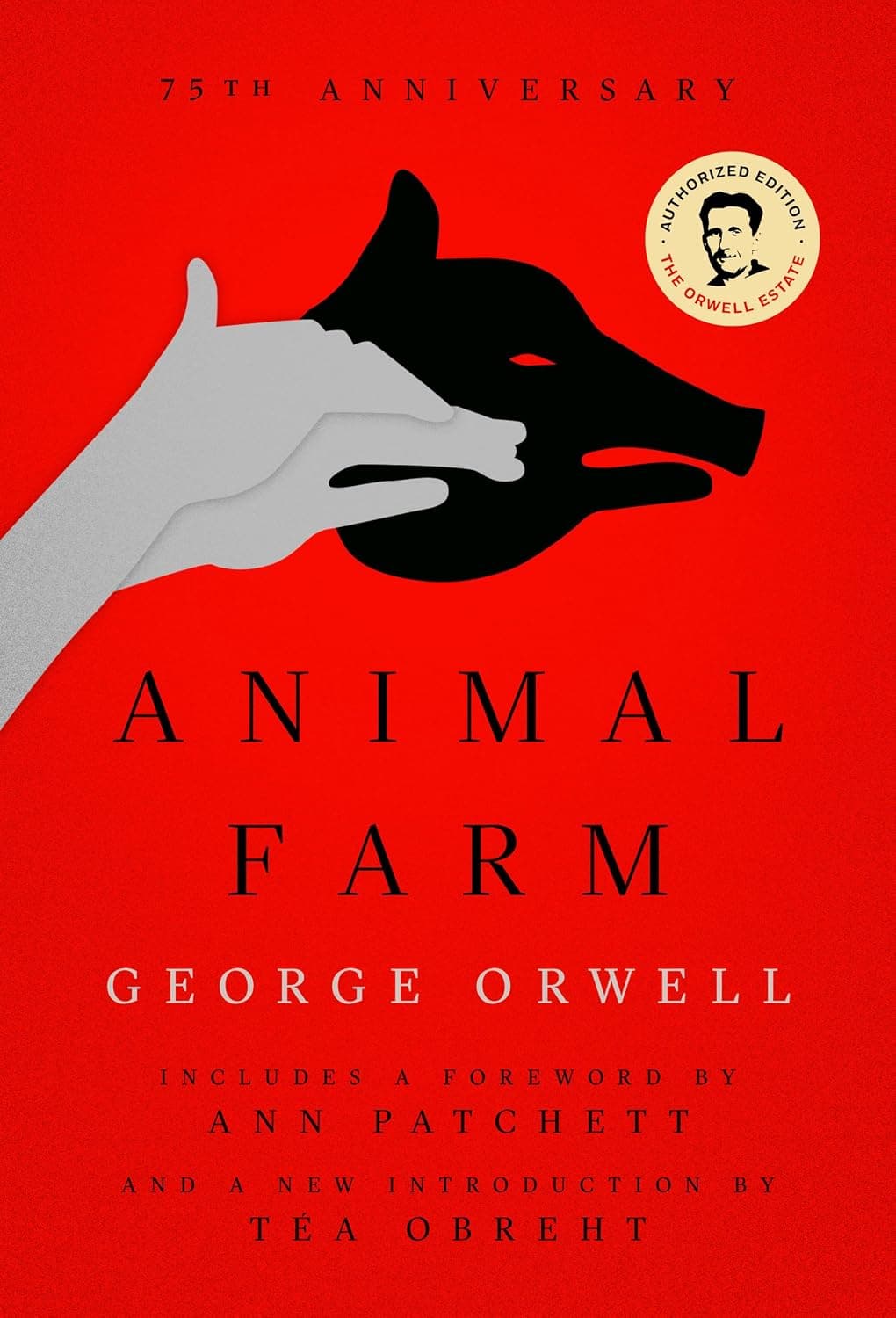
Animal Farm
1945 · 128 pages
The animals drive out the farmer and run the place themselves, until the rules painted on the barn wall start changing. Orwell reduced the Russian Revolution to a fable no adult forgets.
★ 8.9
 skopia
The animals drive out the farmer and run the place themselves, until the rules painted on the barn wall start changing. Orwell reduced the Russian Revolution to a fable no adult forgets.
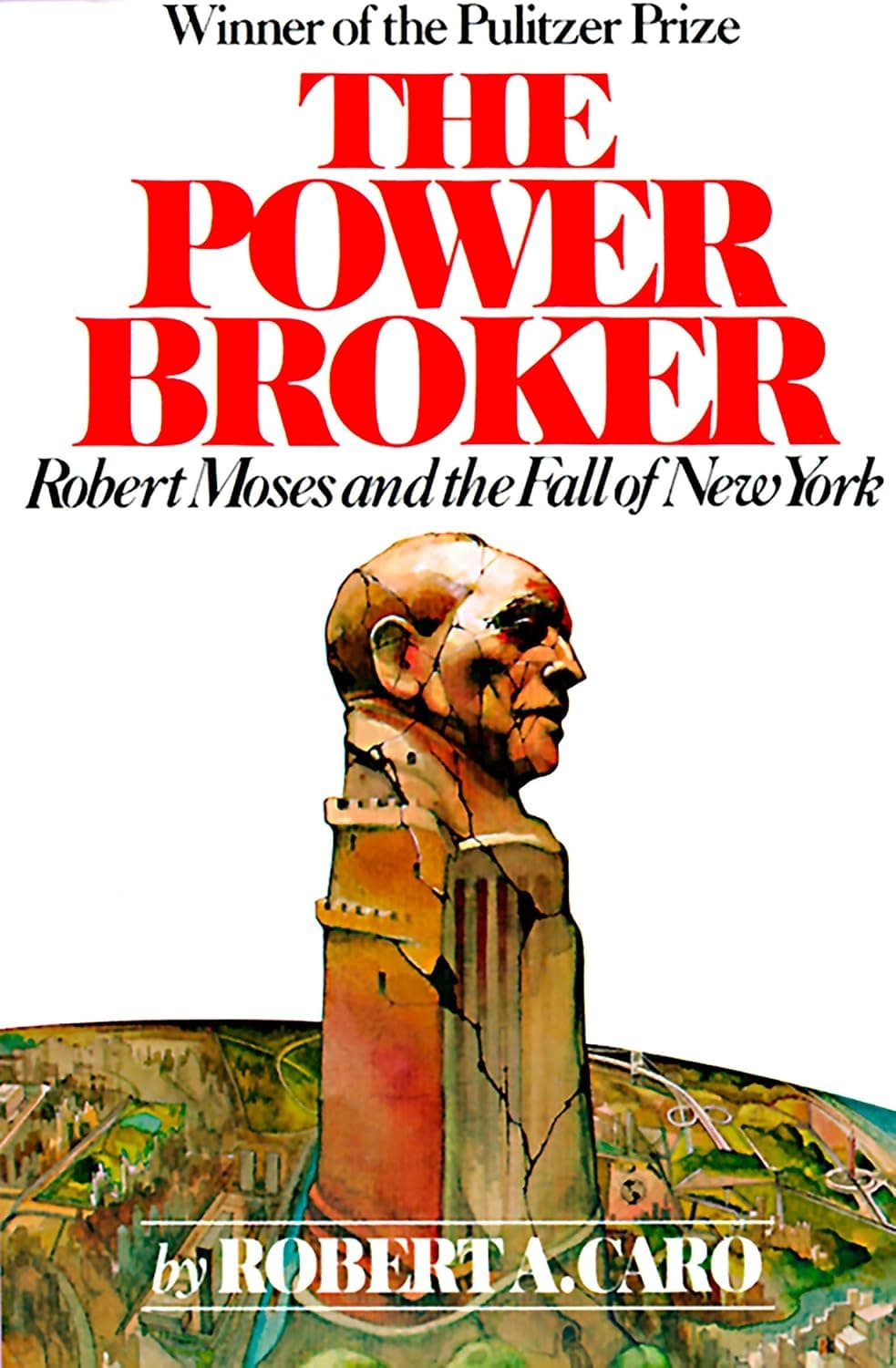
Robert Moses was never elected to anything and remade New York for forty years, throwing up bridges and expressways and flattening the neighborhoods in their way. Caro shows exactly how it was done.
Prospero raises a storm to strand the men who stole his dukedom on an island where a spirit and a monster obey him. What he does with that power reads as Shakespeare's farewell.

No foreigner has ever read America this well. Touring the young republic in 1831, Tocqueville found equality rather than liberty the engine of the place, and warned that majority opinion smothers free minds.

Julien Sorel, a carpenter's son with a memorized Bible and enormous nerve, climbs out of provincial France into Paris society by way of two women. Stendhal reports each calculation without excusing him.
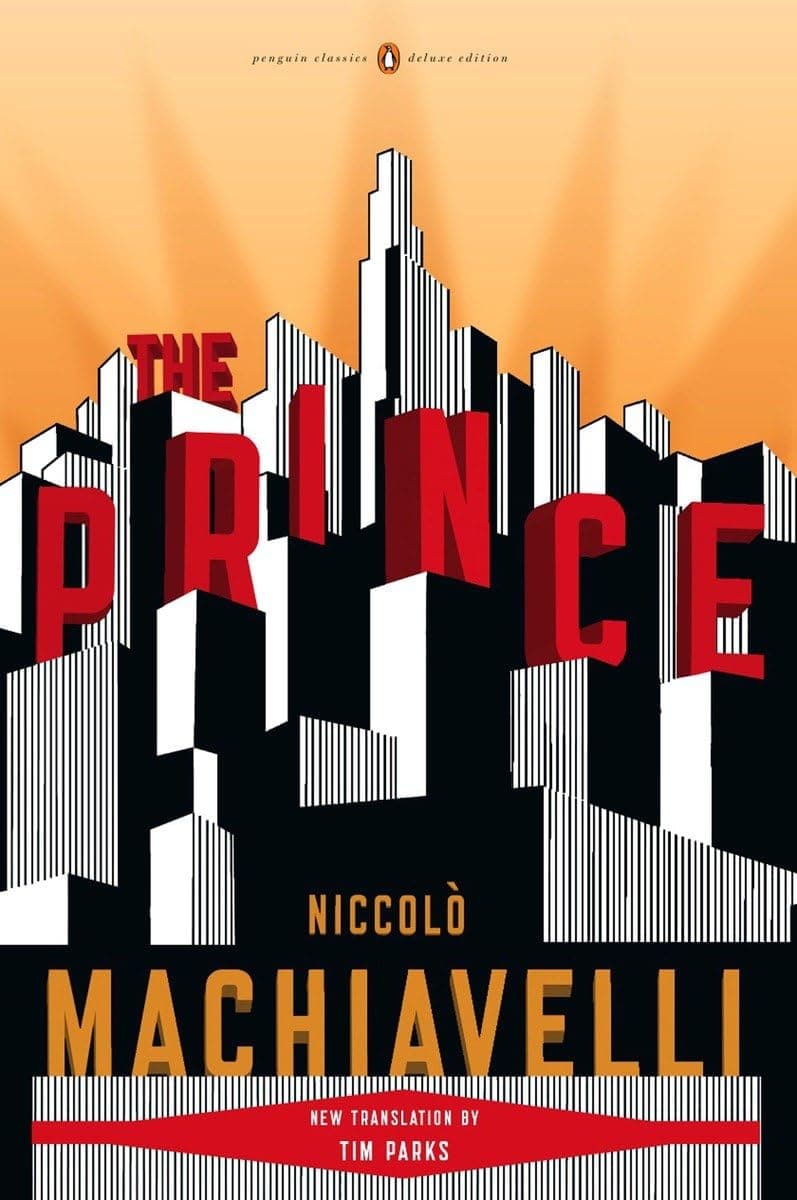
Machiavelli threw out the question of how a ruler ought to behave and asked how power is taken and kept. His answer, that a prince does better feared than loved, still unsettles people.
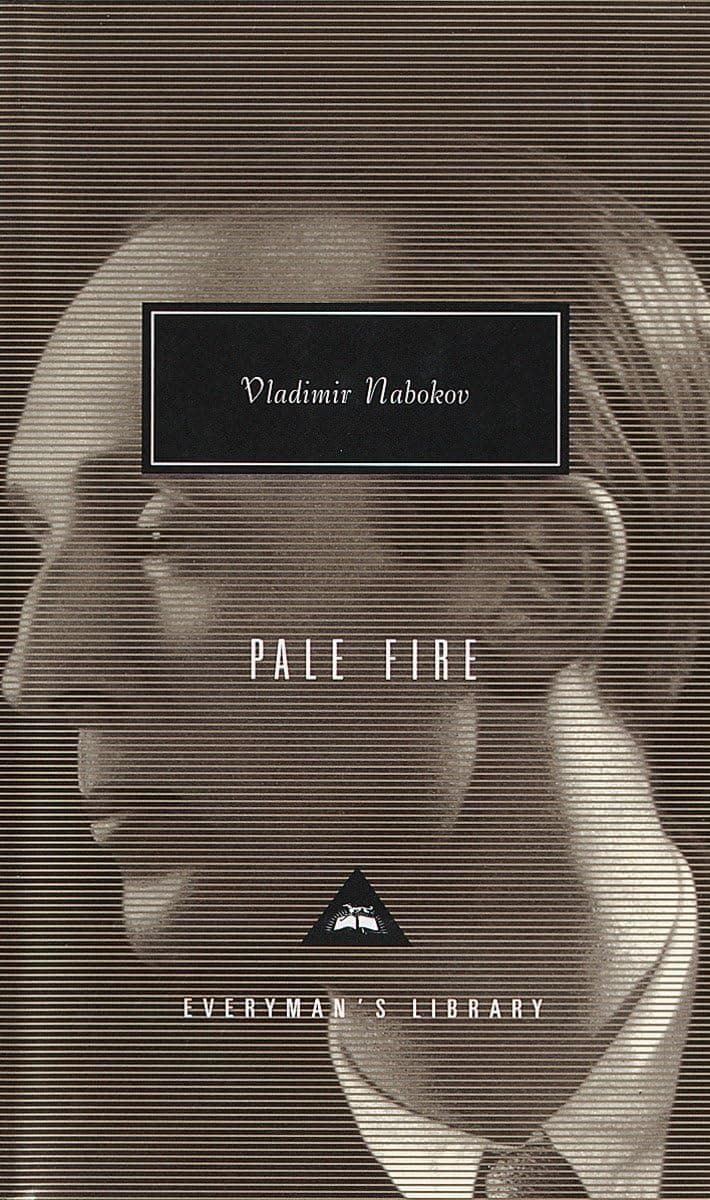
A dead poet's 999 lines arrive wrapped in footnotes by a neighbor certain the poem is about his own lost northern kingdom. The ingenuity is total and the grief underneath is real.

Jacobs watched her Greenwich Village street and argued that crowded sidewalks, short blocks, and eyes on the street are what keep a city alive. After this, bulldozing a neighborhood stopped looking like progress.
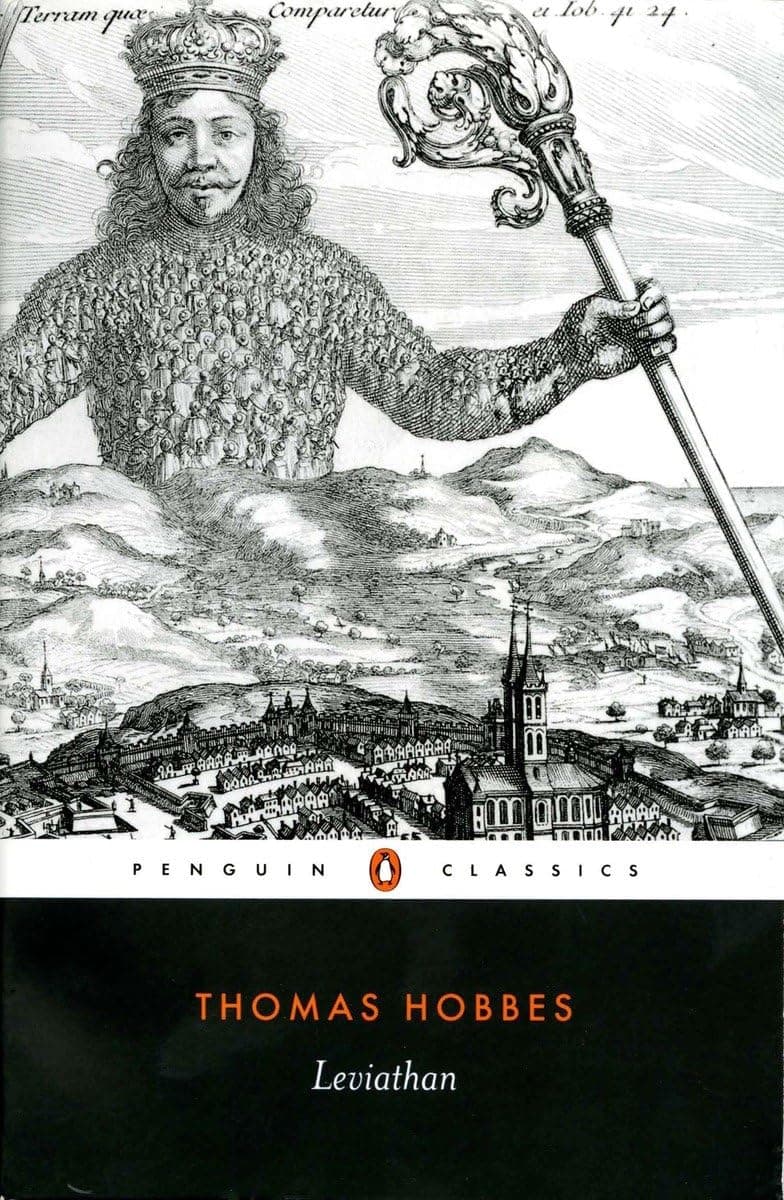
Strip away the state, Hobbes argues, and life becomes a war of everyone against everyone, nasty, brutish, and short. The remedy is to hand all our power to one sovereign.
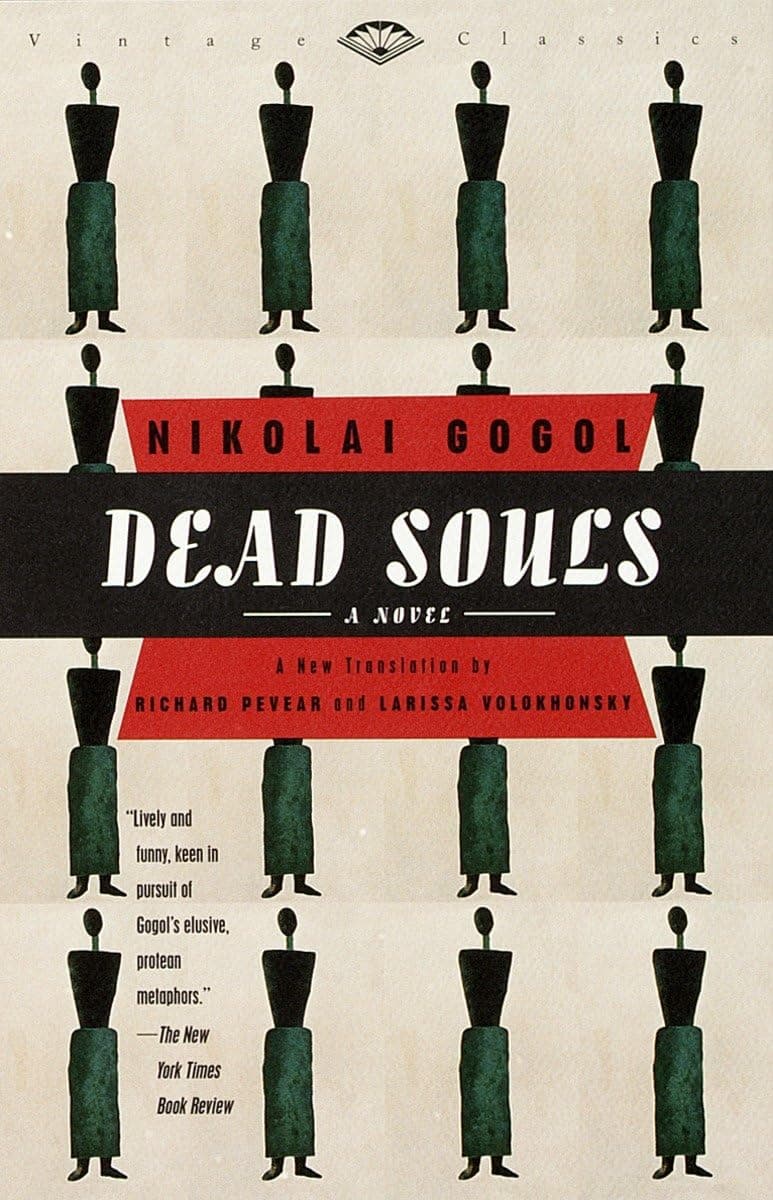
Traveling the Russian provinces, a charming stranger buys serfs who have died but still count on the tax rolls. Gogol's landowners are grotesque and hilarious, and then the laughter turns on you.

Kundera puts a Prague surgeon who cannot stop having affairs, the woman who loves him, and the Soviet tanks of 1968 together, then asks whether a life lived once can weigh anything.
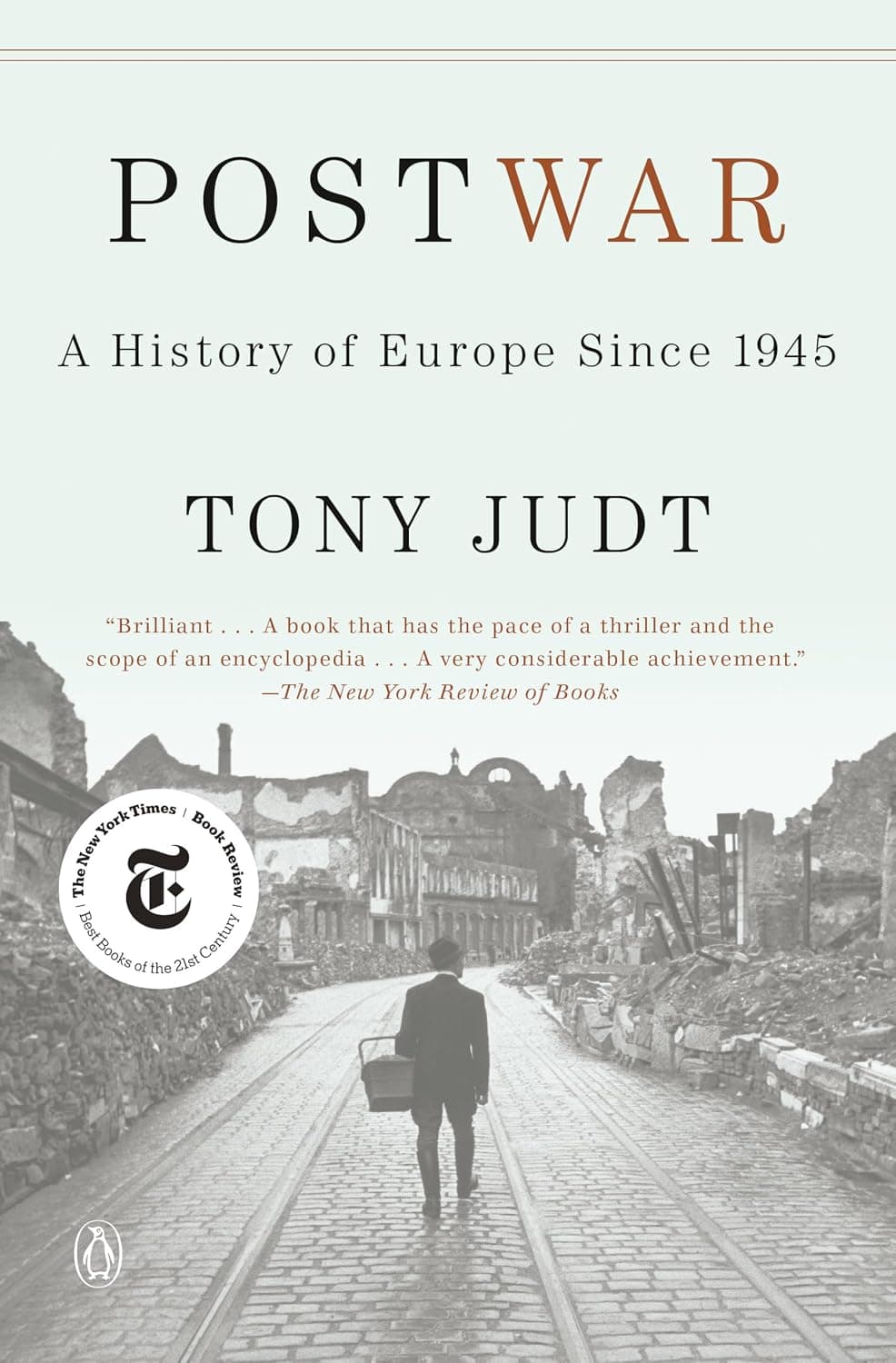
Judt carries Europe from the rubble of 1945 to 2005, east and west in one story, showing a continent that rebuilt itself by forgetting the war and then defined itself by remembering it.
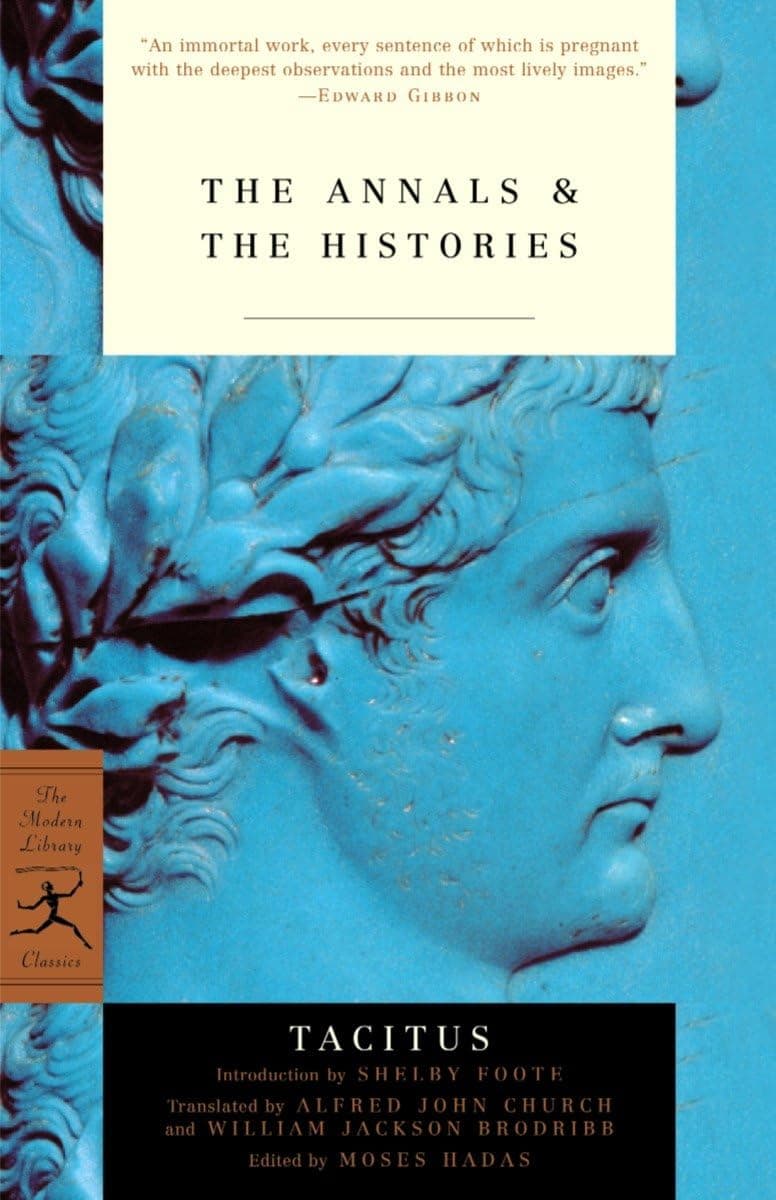
Tacitus promises to write without anger or partiality, then follows Rome from Augustus through Tiberius, Claudius, and Nero, ruining each of them in half a sentence. Power has never had a colder witness.

People are born free and equal, Locke argues, own what their labor makes, and create government by consent. One that breaks the trust may be thrown out. Jefferson took the argument whole.
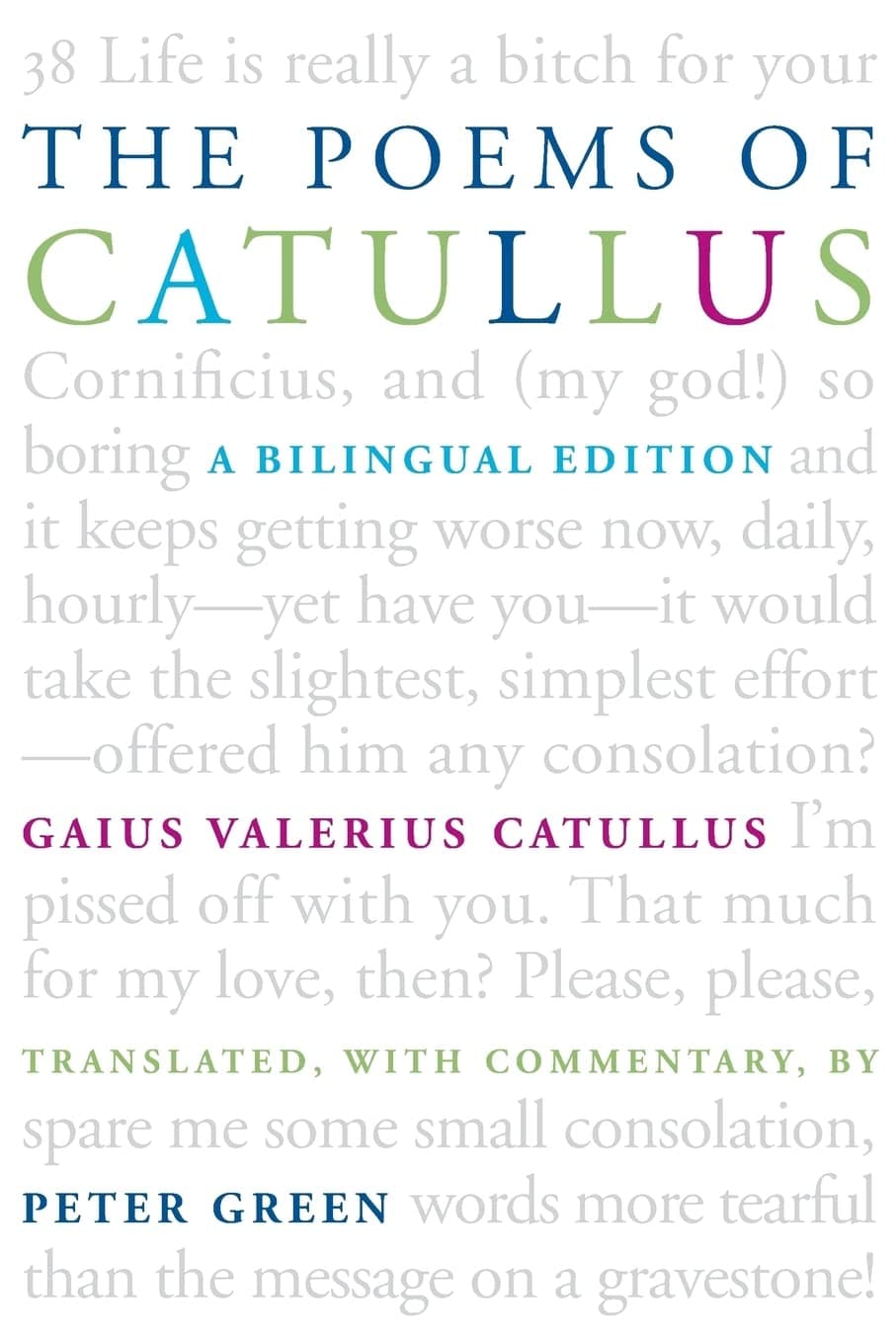
Latin love poetry begins with Catullus, counting kisses by the thousand for the aristocrat he calls Lesbia and then admitting he hates and loves her at once. The obscenity still stings.

Man is born free, and everywhere he is in chains. Nobody holds natural authority over anyone, Rousseau argues, so law binds you only if you helped make it. Geneva burned the book.
Outnumbered in France, a young king talks his army into fighting at Agincourt, promising that whoever survives will remember the day forever. After the battle he reads out the names of the dead.
Pyotr Verkhovensky assembles a revolutionary cell of five in a provincial Russian town and binds them together by having them murder one of their own. Dostoevsky saw the whole twentieth century coming.

Falstaff is the greatest comic creation in English, a fat knight who lies about everything, and Prince Hal wastes his youth drinking with him while rebellion gathers against his father the king.
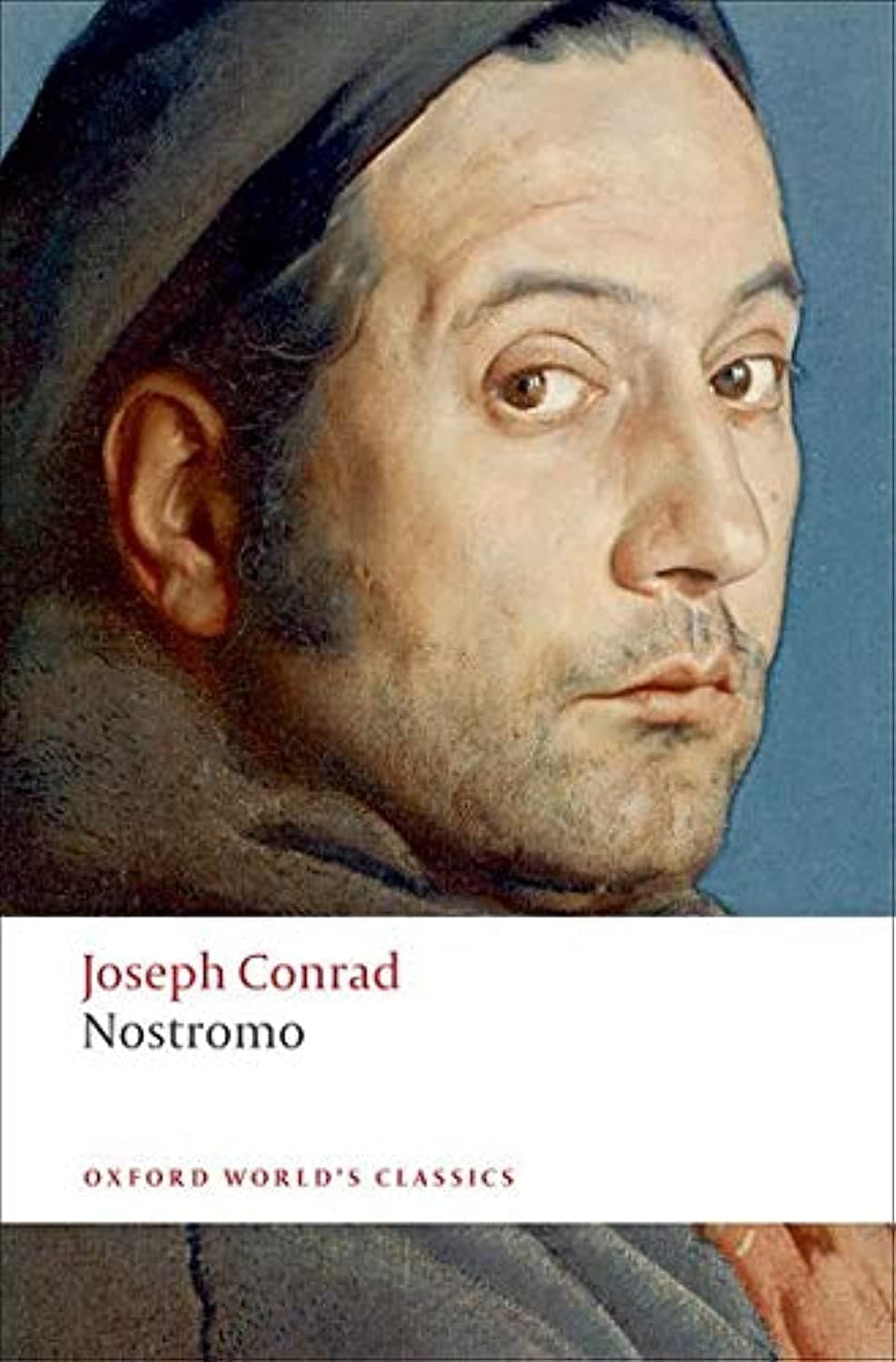
In a South American republic of Conrad's invention, silver from a mine props up a dictator, breaks a marriage, and corrupts the man called incorruptible. Conrad's anatomy of capital has not aged.